
The Indus Valley Civilization: Masters of Urban Planning and Design

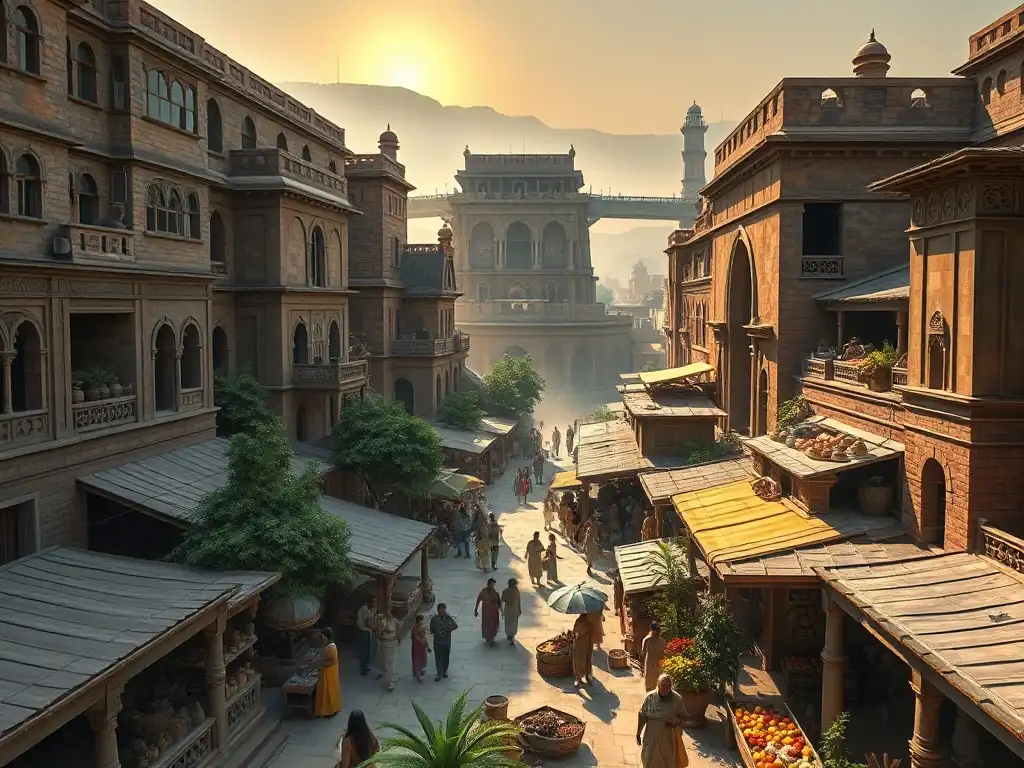
Welcome to Ancient India History, where we embark on a fascinating journey through the tapestry of time, exploring the rich and diverse heritage of ancient Indian civilizations. In our featured article, "The Indus Valley Civilization: Masters of Urban Planning and Design," we delve deep into the ingenious urban planning techniques that set the Indus Valley apart as a marvel of its age.
What secrets lie within the meticulously laid-out streets and advanced drainage systems? Join us as we uncover the brilliance of these early architects and engineers, sparking your curiosity and inviting you to explore the incredible legacy of a civilization that continues to inspire.
Introduction to the Indus Valley Civilization
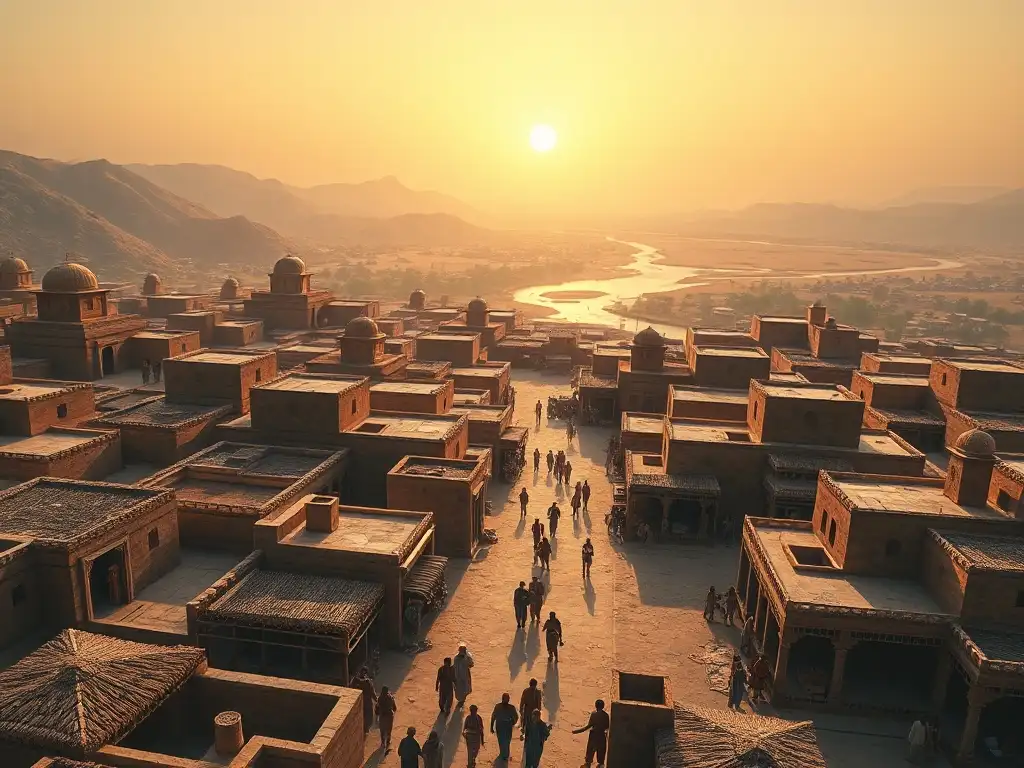
The Indus Valley Civilization, one of the most remarkable ancient civilizations, flourished around 2500 BCE in what is today Pakistan and northwest India. Renowned for its advanced urban planning techniques, this civilization set benchmarks in architecture, sanitation, and city layout that were unprecedented for its time.
As we delve into the intricacies of the Indus Valley urban planning techniques, we uncover the innovative spirit of its people, whose contributions still resonate in contemporary urban design. This article aims to explore the sophisticated methodologies employed in the planning and construction of cities like Harappa and Mohenjo-Daro, revealing how these practices laid the foundation for future civilizations.
Overview of the Indus Valley Civilization
The Indus Valley Civilization, also known as the Harappan Civilization, was notable for its well-planned cities, advanced drainage systems, and standardized weights and measures. This civilization extended over a vast area, covering parts of modern-day Pakistan, India, and Afghanistan.
Key features of the Indus Valley Civilization include:
- Urban Centers: Major cities like Harappa and Mohenjo-Daro displayed remarkable planning, including grid layouts and sophisticated architecture.
- Trade and Economy: The civilization engaged in extensive trade, which fostered economic growth and cultural exchange.
- Technological Innovations: Advances in metallurgy, pottery, and textile production highlighted the ingenuity of the Indus people.
The urban planning techniques exemplified by these cities underscore the civilization's ability to adapt to its environment, manage resources, and create a sustainable urban life.
Significance of Urban Planning in Ancient Civilizations
Urban planning has always been a critical aspect of civilization development. In ancient societies, effective urban design facilitated:
- Social Organization: Well-planned cities enabled efficient governance and community interaction.
- Economic Growth: Strategic layouts supported trade and commerce, enhancing economic vitality.
- Public Health: Advanced sanitation systems reduced disease transmission and promoted public health.
The Indus Valley Civilization stands out as a pioneering example, demonstrating how urban planning can significantly influence the trajectory of a society.
Historical Context of Indus Valley Urban Planning
To fully appreciate the urban planning techniques of the Indus Valley Civilization, it is essential to understand the historical context in which they developed.
Timeline of the Indus Valley Civilization
The Indus Valley Civilization thrived during several key phases:
| Period | Approximate Dates | Key Developments |
|---|---|---|
| Early Period | 3300 – 2600 BCE | Emergence of urban centers |
| Mature Phase | 2600 – 1900 BCE | Peak of urban planning and cultural achievements |
| Late Period | 1900 – 1300 BCE | Decline of urban centers and eventual collapse |
Throughout these periods, the civilization evolved, adapting its urban strategies to meet the needs of its growing population and changing environmental conditions.
Influences on Urban Planning Techniques
The urban planning techniques of the Indus Valley Civilization were influenced by various factors:
- Geography: The fertile land of the Indus River valley provided essential resources for agriculture and settlement.
- Climate: Monsoon patterns impacted construction materials and water management systems.
- Cultural Exchange: Interaction with neighboring civilizations facilitated the exchange of ideas and technologies.
These influences combined to create a unique urban planning model that not only addressed the immediate needs of the population but also demonstrated foresight in anticipating future challenges.
Key Features of Indus Valley Urban Planning Techniques
The Indus Valley Civilization (IVC), flourishing between approximately 3300 to 1300 BCE, is renowned for its sophisticated urban planning techniques, which were remarkably advanced for their time. Several key features characterize the urban design of this ancient civilization, reflecting their understanding of engineering, architecture, and environmental management. The cities were meticulously planned, incorporating a blend of functionality and aesthetic appeal.
Among the most notable features are the grid layout of the cities, advanced drainage systems, and the use of standardized weights and measures. These elements not only facilitated everyday life but also demonstrated a high degree of social organization and communal cooperation. The urban planning techniques employed by the Indus Valley people have left a lasting legacy, influencing subsequent urban development in the region.
Grid Layout and City Design
One of the hallmark features of Indus Valley urban planning is the grid layout, which is evident in major cities like Harappa and Mohenjo-Daro. This systematic arrangement of streets and blocks indicates a high level of foresight and planning. The cities were designed with streets that ran perpendicular to one another, forming a grid-like pattern that allowed for efficient movement and organization of space.
The streets were typically wide, allowing for the passage of carts and pedestrians, and were often lined with houses constructed from standardized baked bricks. The uniformity in brick size and construction techniques suggests a centralized authority overseeing urban planning and construction. This layout not only enhanced accessibility but also facilitated effective land use, as residential, commercial, and public spaces were strategically organized.
Advanced Drainage and Sanitation Systems
The Indus Valley Civilization is also celebrated for its advanced drainage and sanitation systems, which were pivotal in maintaining public health and hygiene. Many cities featured covered drains that ran along the streets, efficiently channeling wastewater away from residential areas. This system was a significant leap forward in urban sanitation, reflecting the civilization's awareness of the importance of hygiene in urban living.
Households were often equipped with private bathrooms and toilets, connected to the city’s drainage system. This level of sophistication in sanitation management is unparalleled in many contemporary societies of the time. The effective removal of waste not only improved living conditions but also showcased the engineering prowess of the Indus Valley people.
Use of Standardized Weights and Measures
Another critical aspect of Indus Valley urban planning was the use of standardized weights and measures, which facilitated trade and commerce within and beyond the civilization. Archaeological findings reveal a variety of weights, made from stone and metal, with specific units that were consistent across different cities.
This standardization played a crucial role in economic interactions, ensuring fairness in trade and the efficient exchange of goods. The presence of market areas within the cities, organized according to these standardized measures, indicates a sophisticated understanding of commerce and urban economics.
Major Cities and Their Urban Planning
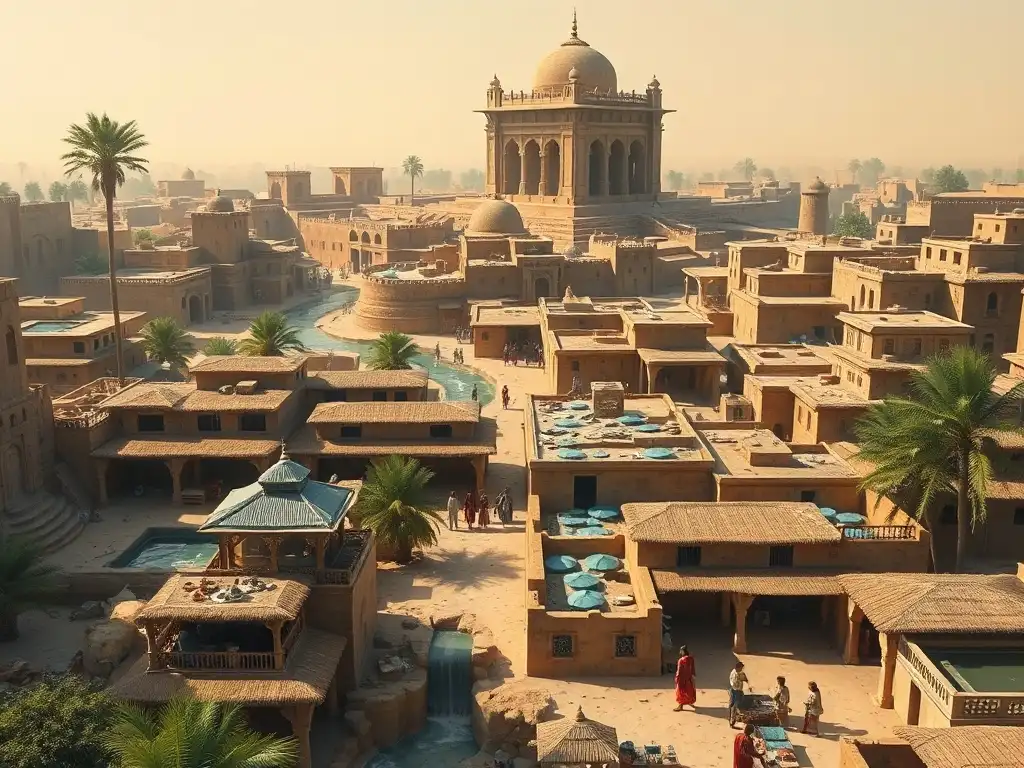
The urban planning techniques of the Indus Valley Civilization are best exemplified in its major cities, each showcasing unique features that contributed to their architectural and cultural significance. Harappa, Mohenjo-Daro, and Dholavira stand out as prime examples of the IVC's remarkable accomplishments in urban design and planning.
Harappa: A Model of Urban Design
Harappa is often considered a model of urban design, characterized by its well-organized street layout, large granaries, and advanced drainage systems. The city was divided into distinct areas, including residential quarters, industrial zones, and public spaces.
The granaries, which served as storage facilities for surplus grain, reflect the city's role as a commercial hub. The architectural remains indicate that Harappa was equipped with a robust infrastructure, supporting both the residential needs of its inhabitants and the economic activities that fueled its growth.
Mohenjo-Daro: Innovations in City Planning
Mohenjo-Daro, another prominent city of the IVC, is celebrated for its innovative urban planning features, including the Great Bath, which may have been used for ritualistic purposes or public bathing. The city's layout exhibits a remarkable level of sophistication, with a clear division between residential and public areas, as well as advanced irrigation systems.
The presence of wide streets, sophisticated drainage, and a series of public buildings indicates a well-planned urban environment that catered to the needs of its citizens. Mohenjo-Daro's innovations in urban planning set a precedent for future civilizations, demonstrating the potential for organized city life.
Dholavira: Water Management and Urban Sustainability
Dholavira stands out for its exceptional water management systems, which were crucial for sustaining the city in an arid environment. The city's planners ingeniously harnessed rainwater through a series of reservoirs and channels, showcasing advanced hydraulic engineering and an understanding of environmental sustainability.
The strategic location of Dholavira, near the Rann of Kutch, further illustrates the civilization's adaptability to their surroundings. The urban layout included fortified walls and strategically placed entrances, indicating a focus on security as well as effective management of natural resources. This emphasis on water conservation and management principles remains relevant in contemporary discussions about sustainable urban development.
Technological Innovations in Urban Planning
The Indus Valley Civilization (IVC), which thrived between 2600 BCE and 1900 BCE, is renowned for its advanced urban planning techniques that set a benchmark for future civilizations. The cities of Harappa and Mohenjo-Daro are prime examples of this ingenuity. Central to their urban design were grid patterns, which facilitated organized layouts, ensuring efficient movement and communication. Streets were meticulously planned, often measuring approximately 9 meters wide, allowing for easy transportation and access.
Innovations in construction included the use of fired brick, which provided durability and uniformity, allowing for multi-storied buildings. Moreover, the IVC utilized standardized weights and measurements in their construction, which reflects a sophisticated understanding of geometry and spatial organization. This standardization was critical in maintaining the uniformity of urban layouts across different cities, showcasing a remarkable level of administrative control and planning foresight.
Materials Used in Construction
The primary material used in the construction of Indus Valley cities was baked brick, a significant advancement over the sun-dried bricks that were common in other ancient cultures. The durability of baked bricks allowed structures to endure the test of time, contributing to the longevity of these cities. The use of mud and clay was also prevalent, particularly in the construction of walls and residential buildings.
In addition to bricks, the IVC utilized wooden beams and thatch for roofs, highlighting their resourcefulness in using local materials. The incorporation of stone in some buildings suggests that the civilization had access to quarries and understood the benefits of using various materials for specific structural needs. This combination of materials not only provided strength and resilience but also reflected a keen awareness of environmental resources.
Techniques for Water Management and Storage
Water management was a cornerstone of urban planning in the Indus Valley. The civilization developed sophisticated drainage systems that were unparalleled in the ancient world. Each house was typically equipped with a private drainage system, which connected to a wider network of drains that ran along the streets. This system ensured effective waste disposal and contributed to the overall sanitation of the cities.
The construction of large public baths, such as the Great Bath of Mohenjo-Daro, indicates advanced water storage techniques. These baths were likely used for ritualistic purposes, but they also served practical needs, showcasing the civilization's understanding of hygiene and communal facilities. Additionally, the presence of reservoirs and water tanks indicates that the IVC had sophisticated knowledge of hydrology, allowing them to manage water resources efficiently, particularly in a region prone to seasonal fluctuations in rainfall.
Urban Infrastructure and Public Spaces
The urban infrastructure of the Indus Valley cities was a marvel of engineering and design. Streets were laid out in a grid pattern, with main roads intersecting smaller lanes, facilitating easy navigation. Public spaces were strategically incorporated into urban design, including marketplaces and communal areas, which served as vital hubs for social interaction and trade.
The presence of standardized weights and measures in these public spaces facilitated trade, encouraging economic growth and the exchange of goods. Additionally, the layout of residential areas reflected the importance of community, with houses often built close together, fostering social ties among inhabitants. The careful planning of these urban spaces suggests a civilization that valued both functionality and social cohesion.
The Societal Impact of Urban Planning in the Indus Valley
Role of Urban Planning in Trade and Economy
Urban planning in the Indus Valley played a pivotal role in the civilization's trade and economic systems. The strategic layout of cities allowed for efficient trade routes, enhancing economic interactions both locally and with distant regions. Harappa and Mohenjo-Daro served as major trading hubs, where various goods, including textiles, pottery, and metals, were exchanged.
The presence of granaries and storage facilities within urban centers indicates that the IVC had a well-organized system for managing surplus resources. This not only supported the local economy but also facilitated trade with neighboring regions through established trade networks. The efficiency of urban planning contributed to the prosperity of these cities, enabling the Indus Valley civilization to thrive as a significant economic power in ancient times.
Social Structure and Urban Living
The urban design of the Indus Valley Civilization reflects a complex social structure that was intricately linked to urban living. The arrangement of residential areas suggests a degree of social stratification, with larger homes often indicating higher status. However, unlike many other ancient civilizations, the evidence suggests a relatively egalitarian society where access to basic amenities was more evenly distributed.
Public spaces and communal facilities fostered social interaction and cohesion among residents. This urban living environment allowed for a sense of community, as evidenced by the layout of homes around shared spaces. The emphasis on sanitation and public health in urban planning also indicates that the well-being of citizens was a priority, which speaks to the values and social norms of the civilization.
Cultural and Religious Significance of Urban Spaces
Urban spaces in the Indus Valley were not only practical but also held cultural and religious significance. The careful design of public baths and communal areas suggests that these spaces were used for ritualistic and cultural activities, highlighting the integration of daily life with spiritual practices. The Great Bath of Mohenjo-Daro, for example, is believed to have served both ceremonial and communal functions.
Moreover, the presence of standardized symbols and seals in urban contexts indicates a shared cultural identity that was reinforced through urban planning. These symbols often depicted deities and animals, suggesting that spiritual beliefs were woven into the fabric of urban life. The design of cities, therefore, reflects a civilization that valued both functionality and cultural expression, ensuring that urban spaces were not just places of residence, but also centers of cultural and religious significance.
Comparisons with Other Ancient Civilizations
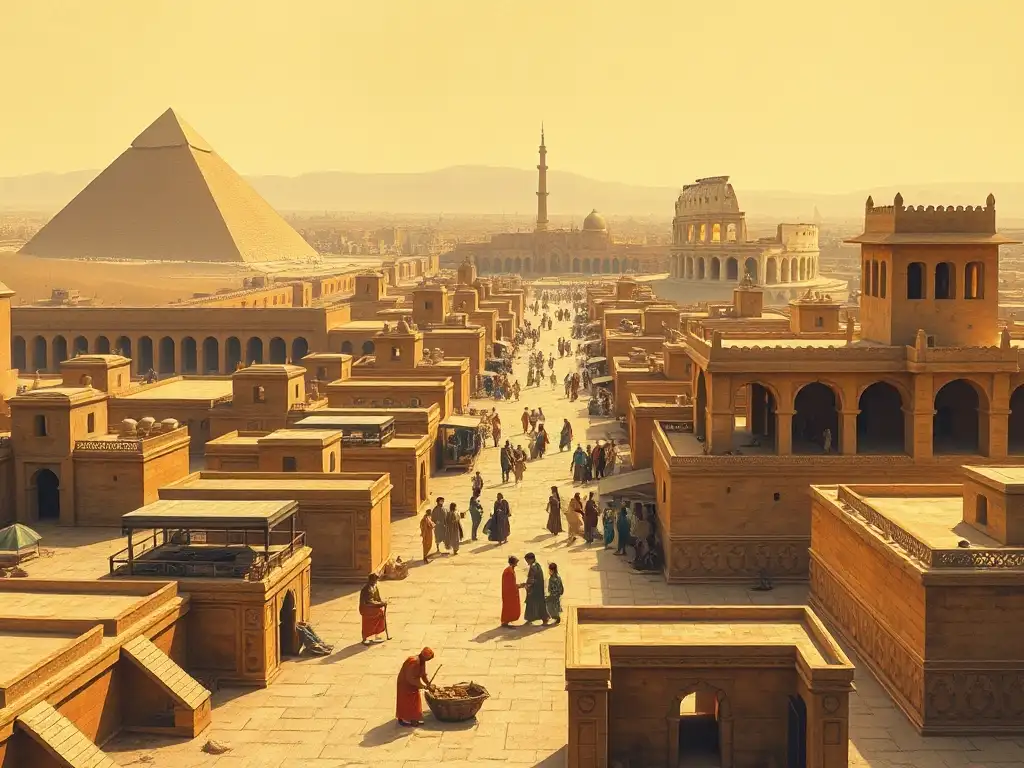
The Indus Valley Civilization (IVC) is often celebrated for its advanced urban planning and design, which can be analyzed in comparison with other ancient civilizations such as Mesopotamia and Egypt. Understanding these comparisons not only highlights the unique aspects of IVC but also reveals shared innovations and distinct methodologies in urban development.
Indus Valley vs. Mesopotamian Urban Planning
Mesopotamia, often referred to as the "cradle of civilization," had its own distinct urban planning techniques. While both civilizations emphasized the importance of water management, their approaches differed significantly:
- City Layout: Mesopotamian cities like Ur and Babylon were characterized by irregular street patterns that evolved organically over time. In contrast, the IVC cities, particularly Mohenjo-Daro and Harappa, exhibited a grid-like layout with streets intersecting at right angles, indicating a high level of planning and foresight.
- Water Management: The IVC showcased remarkable engineering feats with their sophisticated drainage systems. Each house often had private bathrooms connected to a centralized drainage system, which was more advanced than the rudimentary sewer systems found in Mesopotamian cities. The Mesopotamians primarily relied on canals for irrigation and sewage, which were less efficient than the IVC’s systems.
- Building Materials: Both civilizations used mud bricks for construction, but the IVC took this a step further by standardizing brick sizes, which facilitated uniformity and stability in building practices.
These distinctions emphasize the IVC's innovative approach to urban planning, which set it apart from its contemporaries.
Indus Valley vs. Egyptian City Design
The comparison between the Indus Valley Civilization and Ancient Egypt reveals additional insights into urban planning:
- Geographical Considerations: Egyptian urban design was heavily influenced by the Nile River, leading to cities that developed along its banks with a focus on agricultural productivity. In contrast, the Indus Valley cities were strategically placed near rivers like the Indus and Ghaggar-Hakra, allowing for trade and resource management, with a clear focus on urban density and planning.
- Monumental Architecture: While the Egyptians are renowned for their monumental structures such as pyramids and temples, the Indus Valley Civilization's focus was on practicality, as evidenced by their well-planned residential and administrative areas rather than monumental edifices. This reflected a community-centric approach rather than one centered on showcasing power through grand structures.
- Civic Amenities: The Indus Valley cities featured public baths and granaries, promoting hygiene and food storage, which were not as prevalent in Egyptian cities that focused more on royal palaces and temples. This illustrates the IVC's priority on community welfare through urban amenities.
These comparisons underscore the unique characteristics of IVC urban planning, highlighting its focus on functionality and community over grandeur.
Lessons Learned from Indus Valley Urban Planning Techniques
The urban planning techniques of the Indus Valley Civilization offer valuable lessons that can be applied to modern urban development:
- Grid Layout: The efficient grid system used in IVC cities can inform contemporary urban planners about the benefits of organized street layouts, which can enhance traffic flow and accessibility.
- Water Management Systems: The advanced drainage and sewage systems of the IVC showcase the importance of integrating effective water management in urban design, a lesson that remains crucial amid today's challenges with urban flooding and sanitation.
- Public Spaces: The inclusion of public baths and communal areas reflects the need for social spaces in urban environments, fostering community interaction and promoting public health.
By studying these ancient practices, modern cities can draw inspiration to create more livable, sustainable urban environments.
Conclusion: Legacy of Indus Valley Urban Planning
The Indus Valley Civilization's urban planning techniques not only defined its cities but also left a lasting legacy that can be seen in various aspects of urban development today.
Influence on Modern Urban Planning
The principles established by the IVC have influenced modern urban planning in several ways:
- Sustainable Design: The focus on efficient land use and resource management in IVC cities resonates with contemporary efforts to promote sustainability and minimize environmental impact in urban areas.
- Infrastructure Planning: The sophisticated infrastructure of the IVC serves as a benchmark for modern cities aiming to enhance connectivity and functionality through well-planned transportation and utility systems.
- Community-Oriented Spaces: The emphasis on public amenities in the IVC promotes a growing recognition in modern urban planning of the importance of public spaces that foster community well-being and social interaction.
Continuing Relevance of Ancient Techniques in Contemporary Society
The relevance of ancient Indus Valley urban planning techniques persists in today's society:
- Adaptation of Ancient Knowledge: As urban centers grapple with overpopulation and environmental challenges, revisiting the IVC's water management and urban design principles can provide innovative solutions to modern issues.
- Cultural Heritage: The recognition of the IVC's contributions to urban planning reinforces the significance of cultural heritage in shaping contemporary identity and community pride.
The enduring legacy of the Indus Valley Civilization serves as a reminder that ancient wisdom can provide valuable insights into creating better, more sustainable urban environments for future generations.
References and Further Reading
The Indus Valley Civilization (IVC) is a fascinating area of study, particularly concerning its advanced urban planning techniques. For those interested in deepening their understanding, a variety of scholarly resources, books, and online platforms provide excellent insights into this ancient civilization.
Recommended Books and Articles on Indus Valley Civilization
-
"The Indus Civilization: A Contemporary Perspective" by Gregory L. Possehl
This book offers a comprehensive overview of the Indus Valley Civilization, delving into its urban planning, culture, and societal structures. Possehl’s analysis provides a modern interpretation of archaeological findings.
-
"Indus Valley Civilization: History and Culture" by Rani R. K.
This work examines the historical context of the IVC, focusing on its innovative urban design. The author discusses the implications of these planning techniques on the civilization's economy and daily life.
-
"The Archaeology of the Indus Valley" by Jim G. Shaffer
Shaffer’s publication is a critical resource for understanding the archaeological methodologies applied to study the IVC. It discusses urban planning layout and infrastructural advancements with visual aids and case studies.
-
"The Indus Valley Civilization: An Enduring Mystery" (Journal of World History)
This article explores the enduring questions regarding the political and social structures of the IVC, with a special focus on urban planning and its significance in ancient city life.
-
"Indus Valley Urbanism" by A. K. Sharma
This article provides a focused analysis of the unique characteristics of urban planning in the Indus Valley, highlighting the systematic layout and sophisticated drainage systems that set this civilization apart from its contemporaries.
Online Resources for Further Exploration of Urban Planning Techniques
-
The Archaeological Survey of India (ASI)
The ASI website offers a wealth of information, including research papers, excavations, and findings related to the Indus Valley Civilization. It includes sections dedicated to urban planning techniques and architectural advancements.
-
The Indus Valley Civilization Project (University of Pennsylvania)
This academic initiative provides access to a digital archive of artifacts, urban layouts, and scholarly articles discussing the IVC's urban planning. The project's website features interactive maps and 3D reconstructions.
-
The British Museum – Indus Valley Civilization
The British Museum hosts an online exhibition showcasing artifacts from the IVC. Accompanying articles detail the urban planning techniques and architectural innovations of the civilization.
-
YouTube Educational Channels
Channels such as "CrashCourse" and "History Time" feature videos on the Indus Valley Civilization, breaking down complex topics like urban planning into easily digestible formats.
-
Podcasts on Ancient Civilizations
Podcasts such as "The History of India" and "Ancient History Buffs" often include episodes dedicated to the IVC, discussing its urban planning techniques and broader cultural impacts in an engaging audio format.
These resources provide a solid foundation for anyone wishing to explore the intricate urban planning techniques of the Indus Valley Civilization further. Whether through in-depth scholarly texts or engaging multimedia content, the legacy of this remarkable civilization continues to captivate scholars and enthusiasts alike.
- Introduction to the Indus Valley Civilization
- Historical Context of Indus Valley Urban Planning
- Key Features of Indus Valley Urban Planning Techniques
- Major Cities and Their Urban Planning
- Technological Innovations in Urban Planning
- The Societal Impact of Urban Planning in the Indus Valley
- Comparisons with Other Ancient Civilizations
- Conclusion: Legacy of Indus Valley Urban Planning
- References and Further Reading
- What are the key features of Indus Valley urban planning techniques?
- How did Indus Valley cities manage water supply and drainage?
- Were there any notable architectural styles in the Indus Valley?
- How did the urban planning of the Indus Valley compare to other ancient civilizations?
- What lasting impacts did Indus Valley urban planning have on future civilizations?
Frequently Asked Questions
What are the key features of Indus Valley urban planning techniques?
The Indus Valley Civilization is renowned for its advanced urban planning techniques, including grid-patterned streets, sophisticated drainage systems, and standardized brick sizes that showcased their engineering prowess.
How did Indus Valley cities manage water supply and drainage?
Cities like Mohenjo-Daro and Harappa implemented innovative water management systems, including wells and covered drains, ensuring a clean water supply and effective waste disposal, which were crucial for urban living.
Were there any notable architectural styles in the Indus Valley?
The architectural style of the Indus Valley was marked by the use of baked bricks, large public baths, and well-planned residential areas, reflecting their emphasis on functionality and aesthetics in urban design.
How did the urban planning of the Indus Valley compare to other ancient civilizations?
Compared to contemporaneous civilizations, the Indus Valley cities displayed remarkable planning and organization, often surpassing others like Mesopotamia and Egypt in terms of sanitation and city layout.
What lasting impacts did Indus Valley urban planning have on future civilizations?
The urban planning techniques of the Indus Valley influenced subsequent civilizations in South Asia, laying foundational principles in city design, sanitation, and infrastructure that continue to resonate in modern urban planning.
Final Reflection: The Enduring Legacy of Indus Valley Urban Planning
The remarkable urban planning techniques of the Indus Valley Civilization remain profoundly relevant today, as they exemplify the harmony between functionality and sustainability in city design. In an era where urbanization poses significant challenges, the principles established by this ancient civilization offer invaluable insights into creating livable, efficient, and environmentally conscious urban spaces. The ingenuity of their layout, drainage systems, and public infrastructure serves as a powerful reminder that thoughtful design can lead to thriving communities.
Cultural and social landscapes continue to be shaped by the innovative spirit of the Indus Valley Civilization. Their urban planning techniques not only laid the groundwork for future civilizations but also resonate with contemporary movements advocating for sustainable development and smart city initiatives. The greatest achievements of the past can illuminate the path to a better future.
This quote encapsulates the idea that by studying the successes and failures of our predecessors, we can forge a more sustainable and equitable urban environment today.
As we reflect on the lessons from the Indus Valley, I invite you to consider how these ancient techniques can inspire your own approach to urban living and community engagement. Think about the spaces you inhabit and how they can be improved through thoughtful design and planning. Whether it’s advocating for better infrastructure in your neighborhood or simply being mindful of your environmental footprint, every action counts. Let the legacy of the Indus Valley Civilization motivate you to contribute to a future where urban planning prioritizes both people and the planet.
Unlock the Secrets of Ancient Urban Planning Today!
Thank you for diving into the fascinating world of the Indus Valley Civilization! Your curiosity about their remarkable urban planning skills has opened a door to understanding not just history, but how it continues to inspire modern design. Now, let’s take this newfound knowledge and put it into action!
- Explore the ancient cities of the Indus Valley further by visiting a local museum or searching for virtual tours online. Discover how their innovations are reflected in contemporary architecture!
- Share this article with friends or family who are interested in history or urban planning, and initiate a discussion about the valuable lessons we can learn from the past.
- Engage with our community by commenting below— we want to hear your thoughts! Which aspect of Indus Valley urban design do you find most fascinating?
Are you ready to embrace the lessons from ancient city planners and apply them to today's challenges?