
Discovering Untapped Markets: The Global Demand for Indian Artisanal Products

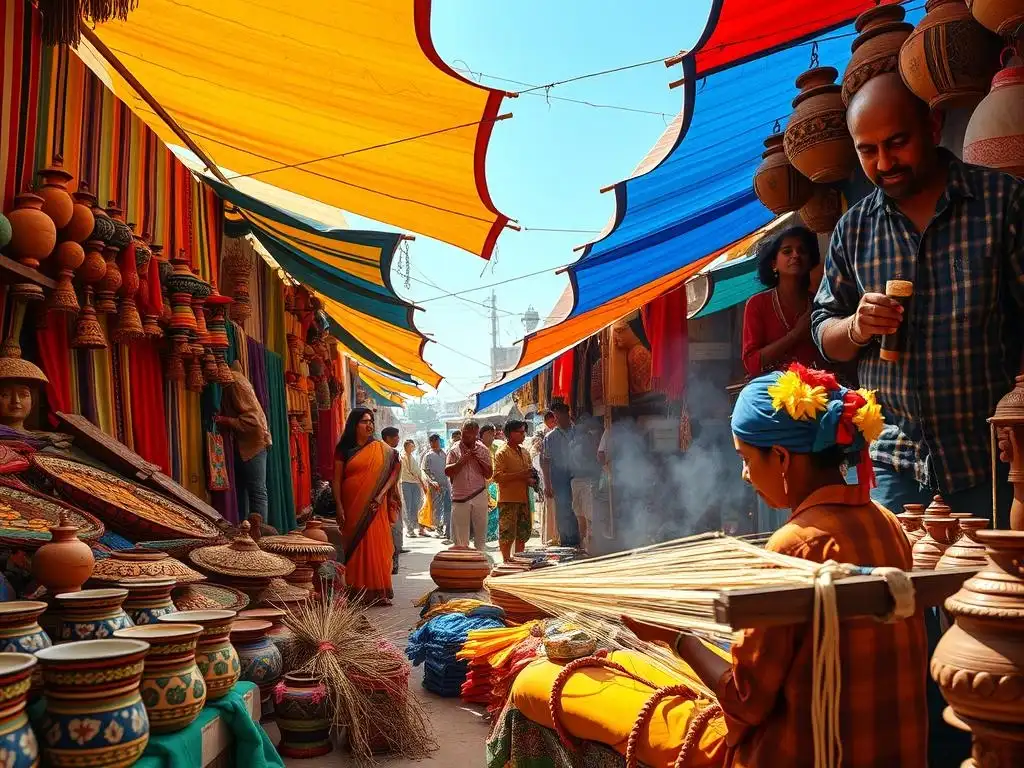
Welcome to Ancient India History, where we embark on a fascinating journey through the rich tapestry of ancient Indian civilizations. Here, we not only explore monumental events and cultural milestones but also delve into the profound impact of these legacies on today's world. In our featured article, "Discovering Untapped Markets: The Global Demand for Indian Artisanal Products," we reveal how the exquisite craftsmanship of India's past is driving a vibrant resurgence in global markets.
Join us as we unravel the stories behind these artisanal treasures and discover the tremendous potential they hold for contemporary business and investment strategies. Your exploration of this captivating intersection of history and commerce begins now!
- Introduction to Indian Artisanal Products Demand
- Historical Context of Indian Artisanal Products
- Current Trends in Indian Artisanal Products Demand
- Key Factors Driving the Demand for Indian Artisanal Products
- Comparative Analysis: Indian Artisanal Products vs. Mass-Produced Goods
- Opportunities in the Indian Artisanal Market
- Best Practices for Entering the Indian Artisanal Products Market
- Case Studies: Success Stories of Indian Artisanal Brands
- Conclusion: The Future of Indian Artisanal Products Demand
- Call to Action: How to Get Involved in the Indian Artisanal Products Market
- Frequently Asked Questions
- Final Reflection: Embracing the Global Demand for Indian Artisanal Products
- Unveil New Opportunities for Indian Artisans!
Introduction to Indian Artisanal Products Demand
In recent years, there has been a significant surge in the global demand for Indian artisanal products, captively drawing the attention of consumers and businesses alike. This interest is not merely a passing trend; it resonates deeply with a growing appreciation for authentic craftsmanship, cultural heritage, and sustainable practices.
Indian artisanal products, encompassing a wide array of handicrafts, textiles, pottery, and jewelry, are celebrated not only for their aesthetic appeal but also for the stories they carry from ancient Indian civilizations. From the intricate designs of the Indus Valley to the elaborate patterns of the Gupta Empire, these products reflect centuries of tradition and skill.
As the world increasingly gravitates towards unique, handmade items, the potential for Indian artisans to tap into this market is immense. By exploring the nuances of this global demand, we can uncover opportunities that not only benefit artisans but also enrich the cultural tapestry of societies around the world. This article delves into the dynamics of the market, the importance of ancient craftsmanship, and the promising future that lies ahead for Indian artisanal products.
Understanding the Global Market for Indian Artisanal Products
The global marketplace has evolved dramatically over the past few decades, with a pronounced shift towards valuing uniqueness and sustainability. As consumers become more conscious of their purchases, they seek products that reflect cultural authenticity and ethical production methods. In this context, Indian artisanal products stand out, offering a rich blend of history, artistry, and craftsmanship.
- Key Factors Driving Demand:
- Rising interest in sustainable and eco-friendly products.
- Increasing global tourism, leading to greater exposure to Indian culture.
- The revival of traditional crafts through social media and online platforms.
- A growing market for home decor and personalized gifts that feature artisanal work.
Furthermore, the demand for Indian handicrafts is not limited to conventional markets. E-commerce platforms have opened new avenues for artisans, allowing them to reach consumers across the globe without the need for intermediaries. This direct connection facilitates fair trade practices and empowers artisans by providing them with a larger share of the profits from their creations.
The Importance of Ancient Indian Craftsmanship in Today's Economy
The legacy of ancient Indian craftsmanship plays a pivotal role in shaping the current landscape of artisanal products. These skills, passed down through generations, are not only vital for preserving cultural heritage but also serve as a foundation for economic growth.
- Impacts of Ancient Craftsmanship:
- Cultural Preservation: Artisans maintain traditional techniques and motifs, enriching global culture.
- Economic Empowerment: Many artisans are self-employed, creating jobs within their communities.
- Tourism Boost: Unique handicrafts attract tourists, contributing to local economies.
As governments and organizations recognize the potential of artisanal sectors, initiatives to promote these crafts are gaining momentum. Programs aimed at skill development and marketing support are essential in helping artisans adapt to modern market demands while staying true to their roots.
The increasing demand for Indian artisanal products is not just an economic opportunity; it is a chance to celebrate and sustain the rich heritage of ancient Indian craftsmanship. By understanding the global market dynamics and the importance of these artisanal skills, stakeholders can work collaboratively to ensure that this invaluable aspect of Indian culture thrives in the contemporary world.
Historical Context of Indian Artisanal Products
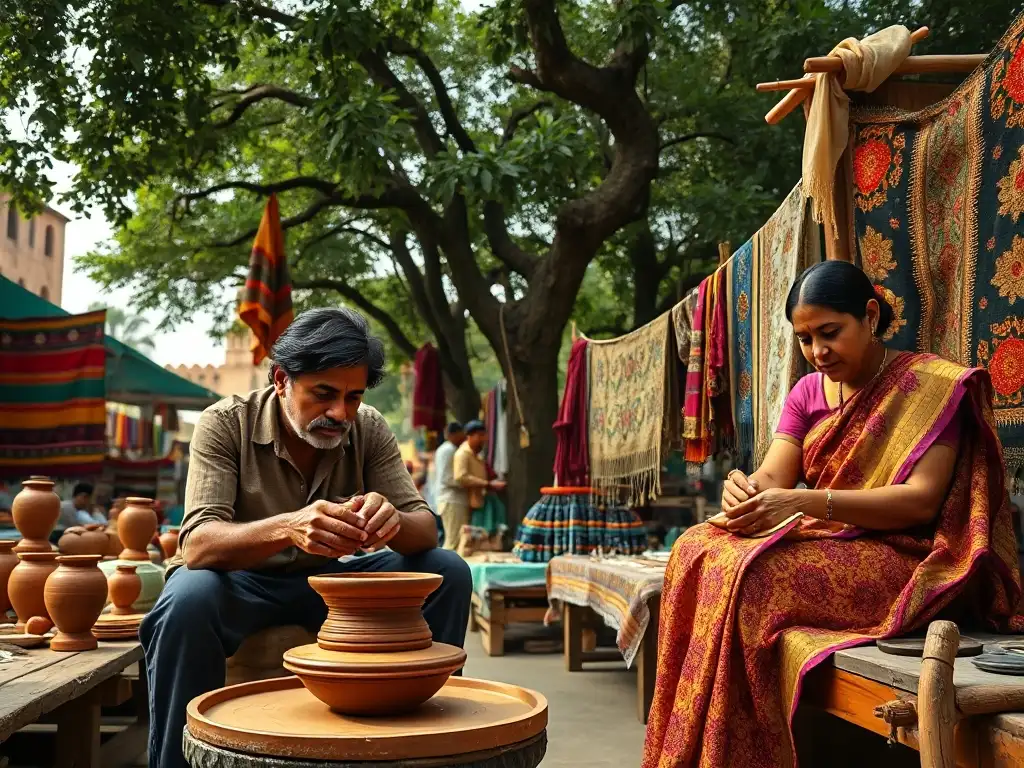
The Legacy of Indian Handicrafts from Ancient Civilizations
Indian artisanal products have a rich heritage that dates back to ancient civilizations, particularly the Indus Valley Civilization (c. 3300–1300 BCE). This early society showcased remarkable craftsmanship through intricate beadwork, pottery, and textiles, which laid the foundation for India's renowned artisanal tradition. The meticulous attention to detail and the use of locally sourced materials are hallmarks of these ancient crafts.
For instance, the discovery of finely crafted terracotta figurines and seals at sites like Harappa and Mohenjo-Daro highlights the sophisticated skills of artisans from this era. These products not only served practical purposes but also held cultural significance, often reflecting the values and beliefs of the society.
As time progressed, various dynasties, including the Mauryan, Gupta, and Mughal empires, further enriched India's artisanal landscape. The Mauryan period (c. 322–185 BCE) saw advancements in stone carving, while the Gupta Empire (c. 240–550 CE) is celebrated for its exquisite metalwork and sculpture, elevating the status of artisans in society.
Moreover, the Mughal era (1526–1857 CE) introduced a fusion of Persian and Indian art forms, leading to the creation of stunning textiles, inlaid marble work, and intricate miniature paintings. The legacy of these ancient civilizations continues to influence contemporary Indian handicrafts, making them a vital part of the country's cultural identity.
Key Artisanal Techniques Passed Down Through Generations
The artisanal techniques that have emerged from ancient India are not only diverse but also reflect the ingenuity and creativity of the artisans. Many of these techniques have been preserved and passed down through generations, ensuring that the craftsmanship remains alive in today's market. Here are some key artisanal techniques:
- Block Printing: Originating in the 12th century, this technique involves carving designs onto wooden blocks, which are then stamped onto fabric. Regions like Rajasthan are famous for their vibrant block-printed textiles.
- Weaving: Traditional weaving methods, such as handloom weaving, have been practiced for centuries. Each region in India boasts its own unique weaving styles, such as the intricate Banarasi silk from Varanasi and the colorful Kanchipuram silk from Tamil Nadu.
- Pottery: The art of pottery has ancient roots in India, with techniques varying widely across regions. From the terracotta pots of the Indus Valley to the blue pottery of Jaipur, each style tells a story of cultural significance and local resources.
- Metal Crafting: Techniques such as brass and bronze casting have been refined over centuries. Artisans in states like Odisha and Kerala are known for their exquisite metal sculptures and decorative items.
- Embroidery: Hand-embroidery techniques like Kantha and Zardozi have deep historical significance, showcasing the skill and creativity of artisans. These methods often incorporate local inspirations and motifs that reflect the region's culture.
By embracing these time-honored techniques, modern artisans are not only preserving their heritage but also catering to the growing Indian artisanal products demand in global markets. The blend of traditional skills with contemporary design continues to attract consumers seeking authentic and unique products, ensuring that Indian handicrafts remain a vital part of both the cultural and economic landscape.
Current Trends in Indian Artisanal Products Demand
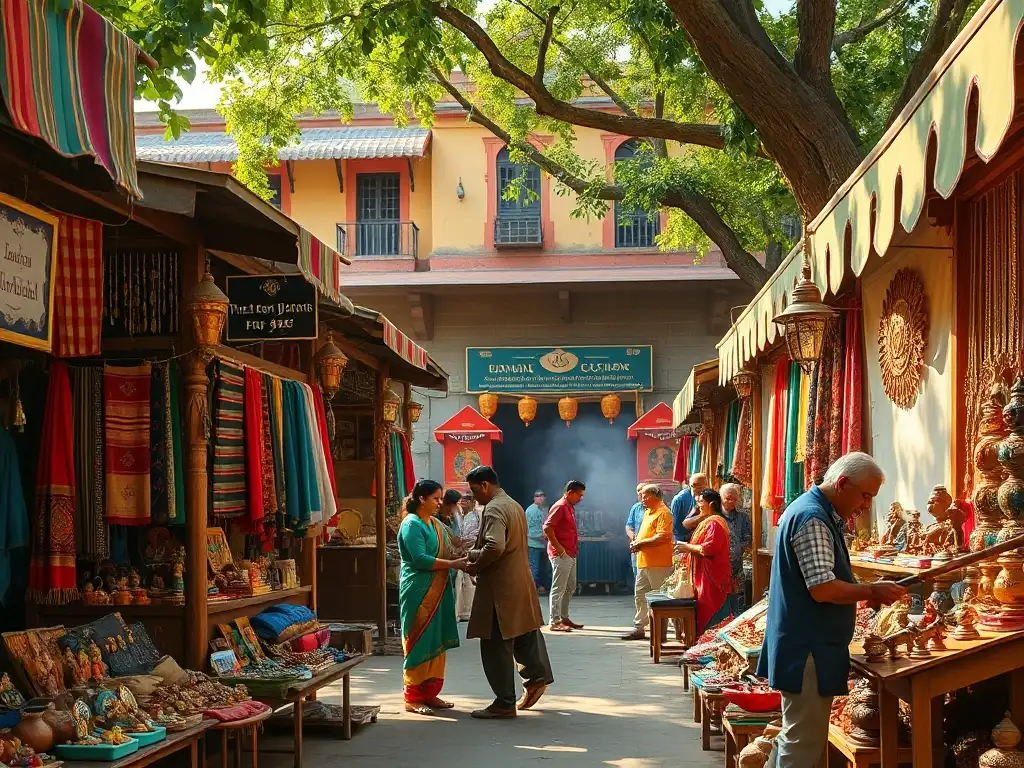
Rising Global Interest in Sustainable and Ethical Products
In recent years, there has been a significant shift in consumer behavior, with a growing interest in sustainable and ethical products. This trend is particularly pronounced among millennials and Gen Z consumers, who prioritize environmentally friendly practices and social responsibility in their purchasing decisions. According to a 2022 survey by Nielsen, 73% of global consumers stated they would change their consumption habits to reduce their environmental impact.
Indian artisanal products, deeply rooted in traditional craftsmanship, embody these values by emphasizing sustainability. Many artisans use natural materials and traditional techniques that have minimal ecological impact compared to mass-produced goods. For instance, the production of handmade textiles often involves organic dyes derived from local flora, reducing reliance on harmful chemicals. Furthermore, the revival of age-old skills and crafts helps sustain local economies and promotes fair trade practices.
Key Factors Driving the Demand for Sustainable Products:
- Environmental Consciousness: Increasing awareness of climate change and pollution.
- Cultural Authenticity: Consumers are drawn to products that tell a story and represent cultural heritage.
- Transparency in Supply Chains: A demand for traceable sourcing that ensures ethical labor practices.
This rising global interest presents a substantial opportunity for Indian artisans to showcase their products on international platforms. By highlighting their commitment to sustainability and ethical production, they can attract a more conscious consumer base, thus boosting the demand for Indian artisanal products.
How Indian Artisanal Products Meet Modern Consumer Preferences
Modern consumers are not only seeking sustainability but also unique and personalized experiences. Indian artisanal products align perfectly with these preferences, offering distinct craftsmanship that mass-produced items cannot replicate. The intricate designs, cultural narratives, and personal touch inherent in these products resonate with consumers looking for authenticity.
The Appeal of Indian Artisanal Products:
- Unique Aesthetics: Each piece reflects the artisan's skill and cultural background, making it distinct and exclusive.
- Customization: Many artisans offer bespoke services, allowing consumers to personalize their products.
- Cultural Storytelling: Each product often comes with a narrative that reflects the rich history and traditions of its origin, appealing to consumers who value heritage.
Moreover, the global rise of e-commerce platforms has facilitated access to these artisanal treasures. Online marketplaces such as Etsy and Amazon Handmade have opened up channels for artisans to reach a broader audience, thus amplifying the demand for Indian artisanal products worldwide.
Consumer Trends Influencing Demand:
- Experience Over Materialism: A shift towards valuing experiences and stories associated with products.
- Support for Local Artisans: A growing trend towards supporting small businesses and local craftspeople.
- Health and Wellness: The preference for non-toxic, natural materials in home décor and personal items.
The dynamic landscape of consumer preferences continues to favor Indian artisanal products, driven by a collective desire for sustainability, uniqueness, and cultural connection. This trend presents an invaluable opportunity for artisans to not only preserve their crafts but also thrive in the global market, thereby significantly enhancing the demand for Indian artisanal products.
Key Factors Driving the Demand for Indian Artisanal Products
Unique Cultural Significance and Heritage
The allure of Indian artisanal products lies fundamentally in their rich cultural significance and heritage. Each piece often tells a story, reflecting the traditions, rituals, and community practices of the artisans who create them. For instance, Madhubani paintings from Bihar are not merely decorative; they embody the folklore and mythology of the region, making them a coveted item among collectors and enthusiasts alike.
Furthermore, many artisanal products are made using techniques that have been passed down through generations, such as block printing, weaving, and pottery. This not only adds to their uniqueness but also enhances their value in the eyes of consumers who are increasingly seeking authenticity and craftsmanship over mass-produced goods. The emotional connection that buyers feel towards these products often translates into a willingness to pay a premium, thus driving the demand for such items in global markets.
The Role of E-commerce in Expanding Market Reach
With the advent of technology, e-commerce has revolutionized the accessibility of Indian artisanal products. Platforms like Etsy, Amazon, and specialized marketplaces have enabled artisans to showcase their work to a global audience, overcoming geographical limitations that once restricted their sales. According to recent studies, online sales of handicrafts have seen a significant uptick, with nearly 30% of artisans reporting increased sales through digital platforms.
Moreover, social media channels such as Instagram and Facebook have become crucial marketing tools, allowing artisans to tell their stories visually and connect with potential customers directly. This direct-to-consumer approach not only enhances the visibility of these products but also fosters a community of buyers who appreciate the craftsmanship and cultural narrative behind each piece. The resulting increase in demand is a testament to the effectiveness of e-commerce in promoting Indian handicrafts on a global stage.
Increasing Awareness of Fair Trade Practices
As consumers become more conscious of the ethical implications of their purchases, the demand for Indian artisanal products is bolstered by the growing awareness of fair trade practices. Many artisans operate in cooperative models that ensure fair wages, sustainable sourcing of materials, and community development. This ethical dimension resonates particularly well with consumers in Western markets, who often prefer to support brands that align with their values.
Organizations advocating for fair trade have made significant strides in educating consumers about the importance of supporting artisans in developing countries. Such initiatives highlight how purchasing handmade products can contribute to local economies while preserving traditional crafts. This shift in consumer mindset not only drives the demand for Indian artisanal products but also encourages a sustainable business model that benefits artisans and their communities.
The interplay of cultural heritage, the expansion of e-commerce, and the rising awareness of fair trade practices are pivotal in driving the demand for Indian artisanal products globally. These factors create a robust foundation for artisans to thrive and for consumers to engage meaningfully with their purchases.
Comparative Analysis: Indian Artisanal Products vs. Mass-Produced Goods
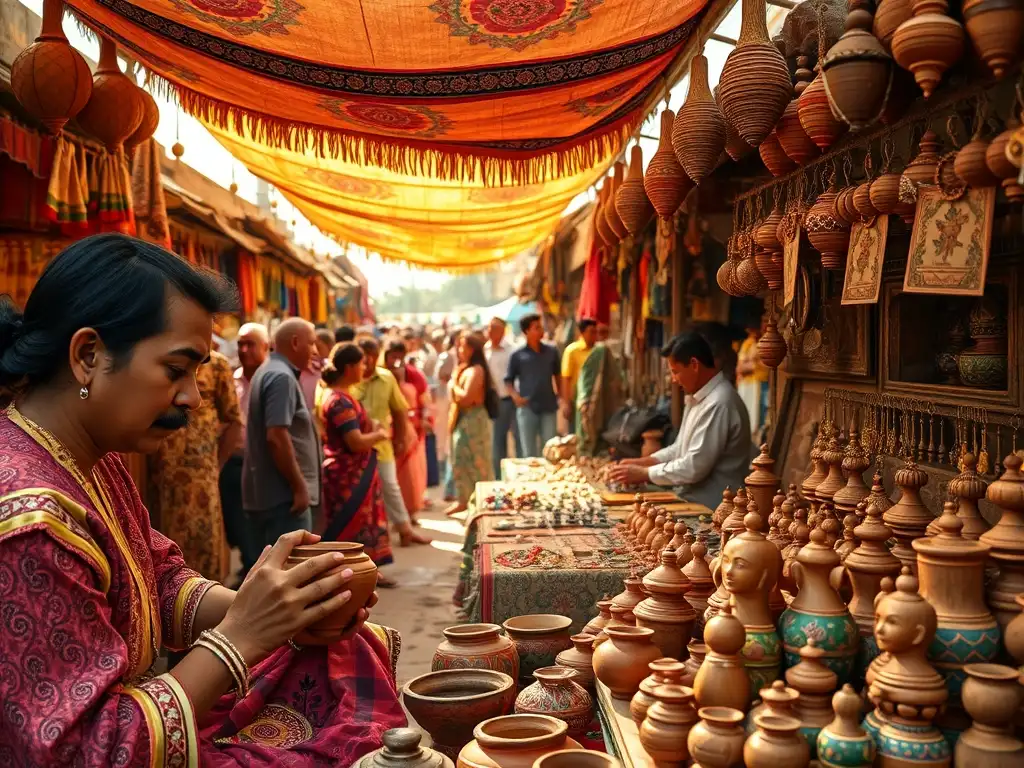
When exploring the burgeoning Indian artisanal products demand, it's essential to analyze how these products stand against mass-produced goods. This comparative analysis sheds light on their unique attributes, market positioning, and consumer preferences, which ultimately influence purchasing decisions.
Quality and Authenticity: What Sets Indian Handicrafts Apart
Indian artisanal products are renowned for their quality and authenticity, distinguishing them from mass-produced alternatives. These handcrafted items often embody centuries of tradition and cultural significance, which is reflected in their meticulous craftsmanship.
- Material Selection: Artisans typically use locally sourced, sustainable materials such as wood, clay, and textiles. This contrasts sharply with mass-produced goods, which often utilize cheaper synthetic materials to minimize costs.
- Craftsmanship: Each piece of Indian handicraft is a labor of love, often taking days or weeks to complete. This level of dedication results in unique, high-quality items that cannot be replicated in a factory setting. In contrast, mass-produced goods sacrifice quality for speed and efficiency, leading to uniformity and lower durability.
"The essence of Indian craftsmanship lies in its ability to tell a story, a narrative that mass production simply cannot replicate."
Moreover, the aesthetic appeal of Indian artisanal products is significant. Intricate designs, vibrant colors, and traditional motifs elevate these products to works of art, appealing to consumers looking for unique items that reflect individual style.
Pricing Strategies: Understanding Value vs. Cost
The pricing of Indian artisanal products often reflects their unique value proposition rather than merely their production cost. Understanding this distinction is crucial for positioning these products in the global market.
- Value Perception: Consumers are increasingly willing to pay a premium for products that are authentic, sustainable, and support local artisans. For example, a handcrafted pottery piece may be priced significantly higher than its mass-produced counterpart, yet it offers a sense of connection to the artist and the cultural heritage it represents.
- Cost Breakdown: While mass-produced goods benefit from economies of scale and lower production costs, the pricing strategies for artisanal products involve a more complex breakdown. This includes:
- Artisan Labor: Fair wages for skilled artisans who dedicate their time and expertise to create each piece.
- Material Costs: Higher costs associated with quality materials that are often sourced ethically.
- Marketing and Distribution: The need for effective branding and reaching niche markets can also influence pricing.
| Factor | Indian Artisanal Products | Mass-Produced Goods |
|---|---|---|
| Material Quality | High | Variable |
| Craftsmanship | Handcrafted | Machine-made |
| Price Range | Higher | Lower |
| Consumer Connection | Strong | Weak |
This pricing strategy aligns with a growing consumer trend that prioritizes value over cost, fostering a market for Indian artisanal products that thrives on their unique attributes.
Consumer Preferences: Handcrafted vs. Factory-Made
Consumer preferences are shifting, with a noticeable trend favoring handcrafted items over factory-made ones. Several factors contribute to this shift in preferences:
- Sustainability Awareness: With increased awareness of environmental issues, consumers are more inclined to choose products that are eco-friendly. Indian artisanal products often emphasize sustainable practices, contrasting with the environmentally damaging processes of mass production.
- Personal Connection: The desire for personal connection and uniqueness drives consumers to artisanal products. Many buyers appreciate knowing the story behind their purchase, including the artisan's background and the cultural significance of the product.
- Cultural Appreciation: There is a growing interest in cultural heritage, with consumers seeking products that reflect traditional craftsmanship. This is particularly true for Indian handicrafts, which carry historical significance and embody the diversity of Indian culture.
"In today’s market, the story is as important as the product itself. Consumers want to feel a connection to the artisans and the culture behind the craftsmanship."
The demand for Indian artisanal products is on the rise, propelled by the quality, authenticity, and cultural significance of these items. By understanding the comparative advantages over mass-produced goods, stakeholders can better navigate this vibrant market and cater to the evolving preferences of consumers.
Opportunities in the Indian Artisanal Market
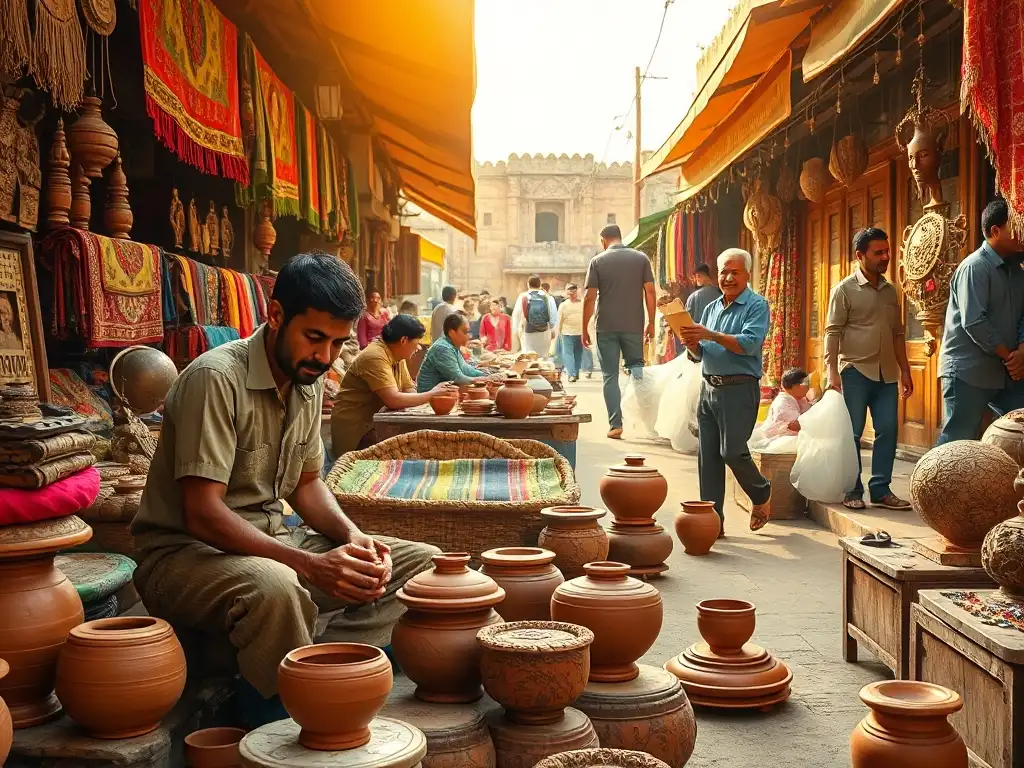
The Indian artisanal market presents a plethora of opportunities, driven by the global demand for unique, handmade products that reflect rich cultural heritage. With the increasing appreciation for craftsmanship and sustainable practices, there is a surge in interest from consumers seeking authentic Indian artisanal products. As the world becomes more interconnected, harnessing these opportunities can lead to significant growth in this sector.
Identifying Untapped Markets for Indian Handicrafts
The potential of Indian handicrafts is immense, especially in regions where consumers are beginning to appreciate the value of artisanal goods. Identifying these untapped markets is crucial for artisans and businesses looking to expand their reach.
Emerging Markets and Consumer Trends
- Southeast Asia: Countries like Vietnam and Thailand are witnessing a rise in consumer spending on artisanal products. The younger demographic, increasingly influenced by social media, is drawn to unique and culturally rich items.
- North America: The U.S. market is increasingly leaning towards sustainability and ethical consumption. As consumers become more conscious of their purchases, Indian artisanal products can fill the gap for high-quality, sustainable goods.
- Europe: European countries, especially in Scandinavia, are known for their appreciation of handmade products. The shift towards minimalistic and sustainable living aligns perfectly with the aesthetic and values of Indian handicrafts.
Key Consumer Trends
- Sustainability: Consumers are inclined towards products that are eco-friendly and ethically produced.
- Cultural Heritage: There is a growing interest in products that tell a story or have historical significance.
- Personalization: Customized products are becoming increasingly popular, allowing consumers to connect with artisans on a personal level.
Social media platforms have revolutionized the way artisanal products are marketed and sold. They provide an invaluable tool for artisans to reach global audiences without the need for intermediaries.
- Visual Appeal: Platforms like Instagram and Pinterest allow artisans to showcase their products through high-quality images and engaging content. This visual storytelling can captivate potential buyers, making them more likely to purchase.
- Direct Engagement: Social media enables direct interaction between artisans and consumers, fostering a sense of community and loyalty. Artisans can share their stories, processes, and inspirations, creating a deeper connection with their audience.
- Influencer Collaborations: Partnering with influencers can amplify the reach of artisanal products, tapping into established audiences and gaining credibility.
Collaborations and Partnerships: Expanding Reach Through Affiliations
Forming strategic alliances is essential for artisans to expand their market presence. Collaborations can enhance visibility, improve product offerings, and open doors to new consumer bases.
- Local Businesses: Partnering with local boutiques or stores that align with the values of artisanal products can create a mutually beneficial relationship. These businesses often have established customer bases that value unique products.
- Online Marketplaces: Joining platforms that specialize in handmade or artisanal goods can provide artisans with an avenue to reach a global audience. Websites like Etsy or Amazon Handmade cater specifically to consumers looking for artisanal products.
- Cultural Organizations: Collaborating with cultural institutions can help promote the heritage and story behind artisanal products, appealing to consumers who value authenticity.
By identifying these opportunities and leveraging modern tools and collaborations, the Indian artisanal market can thrive globally, meeting the rising demand for unique and culturally rich products.
Best Practices for Entering the Indian Artisanal Products Market
Entering the Indian artisanal products market requires a strategic approach to ensure successful engagement with both artisans and consumers. The uniqueness and cultural significance of these products can be leveraged to create a compelling narrative that resonates with global consumers. Here are some best practices to consider:
- Understand the Diversity: India is home to a multitude of cultures, each with its own traditional crafts. This diversity offers a wealth of artisanal products, so it’s crucial to understand the nuances of different regions and their crafts.
- Build Relationships: Establish strong relationships with local artisans and communities. This not only fosters trust but also helps in understanding their craft, production methods, and the stories behind their products.
- Focus on Quality: Ensure that the artisanal products sourced are of high quality. Consumers are increasingly seeking authenticity and craftsmanship, making quality a critical factor in purchasing decisions.
- Leverage Digital Platforms: Utilize e-commerce and social media platforms to reach a wider audience. Digital marketing can play a key role in promoting Indian artisanal products to global consumers.
- Educate Consumers: Provide information about the cultural significance and the stories behind the products. Consumers are more likely to purchase products that have a rich history and meaning.
Researching Target Markets and Consumer Behavior
Understanding target markets is essential for successfully tapping into the demand for Indian artisanal products. Here are several key areas to focus on:
- Market Analysis: Conduct thorough research to identify which countries or regions have a growing demand for artisanal products. Look into factors such as cultural preferences, purchasing power, and market size.
- Consumer Demographics: Profile potential consumers by age, income level, and lifestyle. Understanding who your consumers are will help tailor your products and marketing strategies effectively.
- Trends and Preferences: Stay updated on global trends in consumer behavior, especially regarding sustainability and ethical sourcing. Many consumers today prefer products that are eco-friendly and support local artisans.
- Feedback Mechanisms: Implement systems to gather consumer feedback. This can help refine product offerings and marketing strategies based on actual consumer preferences.
Sourcing Authentic Indian Handicrafts
Sourcing authentic Indian handicrafts is critical to maintaining the integrity and value of the products. Here are some strategies to ensure authenticity:
- Direct Sourcing: Engage directly with artisans to purchase products. This not only ensures authenticity but also supports local economies.
- Certification and Standards: Look for products that come with certifications that guarantee their authenticity and quality. This can include geographical indications (GI) or fair trade certifications.
- Networking: Build networks with local craft organizations and cooperatives. These entities often have established relationships with artisans and can facilitate authentic sourcing.
Recommended Platforms for Purchasing Indian Artisanal Products
When sourcing Indian artisanal products, consider the following platforms that specialize in connecting buyers with authentic craftsmanship:
| Platform | Description |
|---|---|
| Craftsvilla | A marketplace for handmade products directly from artisans. Focuses on sustainable and authentic crafts. |
| IndiMarket | A platform that promotes Indian handicrafts and connects artisans with global buyers. Offers a wide range of products. |
| Etsy | A global marketplace for handmade and vintage items, including a variety of Indian artisanal products. |
| Amazon Handmade | A section of Amazon dedicated to handcrafted goods, where artisans can sell their unique creations. |
By utilizing these platforms, buyers can access a diverse array of authentic Indian artisanal products while supporting local artisans and preserving traditional crafts.
Marketing Strategies for Promoting Indian Handicrafts Online
Promoting Indian handicrafts online requires a multifaceted approach that capitalizes on the unique attributes of these products. Here are some effective marketing strategies:
- Leverage Social Media Platforms: Utilize platforms like Instagram, Facebook, and Pinterest, which are visually driven, to showcase the beauty and intricacy of Indian artisanal products. Engaging content, such as behind-the-scenes videos of artisans at work, can create a narrative that resonates with consumers. Regularly posting high-quality images and stories can help build a loyal following.
- Collaborate with Influencers: Partnering with influencers who have a passion for handicrafts and sustainable products can amplify your reach. Micro-influencers, in particular, often have strong connections with their audiences and can effectively promote the authenticity of Indian handicrafts.
- Create an Engaging Website: An aesthetically pleasing and user-friendly website is crucial for online sales. Highlight the stories behind the products, the artisans, and the cultural significance of the handicrafts. Integrating an e-commerce platform that allows for easy navigation and secure payments can significantly enhance the shopping experience.
- Utilize Email Marketing: Building an email list allows for direct communication with potential customers. Regular newsletters featuring new products, artisan stories, and exclusive promotions can keep your audience engaged and encourage repeat purchases.
- Participate in Online Marketplaces: Listing products on established online marketplaces such as Etsy or Amazon Handmade can provide access to a larger customer base. Ensure that product descriptions are detailed and incorporate keywords related to "Indian artisanal products demand" to enhance visibility.
- Offer Customization Options: Providing customers with the ability to customize products can create a unique selling proposition. This personalization adds value and can lead to increased customer satisfaction and loyalty.
SEO Techniques to Boost Visibility of Indian Artisanal Products
Search Engine Optimization (SEO) is critical in enhancing the visibility of Indian artisanal products online. Here are key techniques to implement:
- Keyword Research: Identify and implement relevant keywords related to Indian handicrafts, such as "handmade Indian crafts," "traditional Indian art," and "Indian artisanal products demand." Tools like Google Keyword Planner can help uncover popular search terms.
- Optimize Product Descriptions: Each product description should be rich in keywords while remaining natural and engaging. Include details about the materials, techniques, and cultural significance to provide context and attract search engines.
- Use Alt Text for Images: Since search engines cannot interpret images, using descriptive alt text can help improve search rankings. Ensure that each image includes relevant keywords describing the product.
- Create Quality Content: Regularly publishing blog posts about the history of Indian handicrafts, artisan profiles, and care tips for products can drive organic traffic to your site. Quality content not only helps with SEO but also establishes authority in the niche.
- Build Backlinks: Collaborating with bloggers, influencers, or related websites to create content that links back to your site can boost your authority and search engine rankings. Guest blogging is a great way to achieve this.
- Mobile Optimization: With a significant number of users accessing websites via mobile devices, ensuring your website is responsive and mobile-friendly is essential. A seamless mobile experience can improve user engagement and reduce bounce rates, positively impacting SEO.
By implementing these marketing and SEO strategies, businesses can effectively tap into the growing global demand for Indian artisanal products, thereby opening new avenues for success in the market.
Case Studies: Success Stories of Indian Artisanal Brands
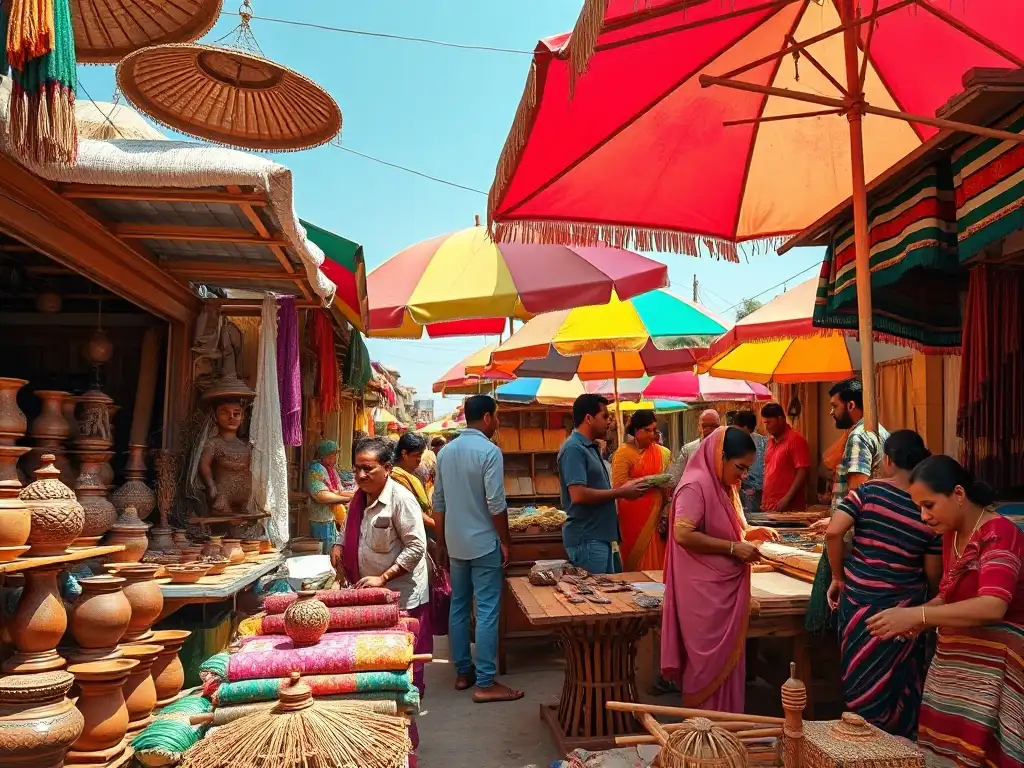
Highlighting Brands that Successfully Tapped into Global Demand
The rise of Indian artisanal products demand on a global scale has seen several brands successfully carve a niche for themselves. These brands have not only showcased the beauty of traditional Indian craftsmanship but have also developed innovative strategies to reach international consumers. Below, we explore two notable examples of brands that have excelled in this landscape.
FabIndia: Transforming Traditional Crafts into Global Trends
FabIndia stands as a beacon of success in the realm of Indian artisanal products. Founded in 1960, this brand has grown from a small enterprise to a leading retail chain, offering a wide array of handcrafted goods, including textiles, home décor, and personal accessories.
- Craftsmanship Focus: FabIndia sources its products directly from artisans across India, ensuring that traditional skills are preserved and celebrated.
- Sustainability: The brand emphasizes sustainable practices, promoting organic materials and supporting rural economies. This approach resonates with global consumers who prioritize ethical shopping.
- Global Outreach: By establishing a robust online presence and physical stores in international locations, FabIndia has successfully attracted a diverse customer base. Their marketing campaigns often highlight the stories of the artisans, connecting consumers more deeply with the products.
Through these strategies, FabIndia has transformed traditional crafts into global trends, making Indian artisanal products highly sought after in international markets.
Chumbak: Leveraging E-commerce for Artisanal Growth
Chumbak, founded in 2010, has rapidly gained popularity for its vibrant and quirky designs inspired by Indian culture. The brand focuses on a variety of products, including home décor, clothing, and accessories.
- E-commerce Strategy: Chumbak embraced the e-commerce wave early on, establishing a user-friendly online platform that showcases its unique products. This has allowed them to reach consumers beyond geographical boundaries.
- Brand Positioning: The brand effectively positions itself as a lifestyle choice, appealing to a younger demographic that seeks unique and fun products that reflect their personality.
- Collaboration with Artisans: Chumbak collaborates with local artisans to produce exclusive collections, thus ensuring that traditional techniques remain relevant and integrated into contemporary designs.
By leveraging e-commerce and emphasizing brand identity, Chumbak has successfully tapped into the growing demand for Indian artisanal products in the global market.
Lessons Learned from Successful Market Entrants
The success stories of FabIndia and Chumbak offer valuable insights for aspiring brands looking to enter the global market for Indian artisanal products. Here are some key lessons learned:
- Embrace Tradition: Brands that respect and incorporate traditional craftsmanship into their offerings are more likely to resonate with consumers seeking authenticity.
- Sustainability Matters: Modern consumers are increasingly aware of the environmental impact of their purchases. Artisanal brands that prioritize sustainable practices can attract a loyal customer base.
- Utilize E-commerce: Establishing a strong online presence is crucial for reaching a broader audience. E-commerce platforms not only facilitate sales but also serve as a medium for storytelling.
- Market Research: Understanding international consumer preferences and trends can help brands tailor their products effectively, ensuring relevance in diverse markets.
- Artisan Collaboration: Building strong relationships with artisans not only enhances product authenticity but also ensures fair compensation and empowerment for local craftspeople.
By integrating these lessons into their business strategies, new entrants can effectively navigate the burgeoning market for Indian artisanal products, tapping into the global demand that continues to grow.
Conclusion: The Future of Indian Artisanal Products Demand
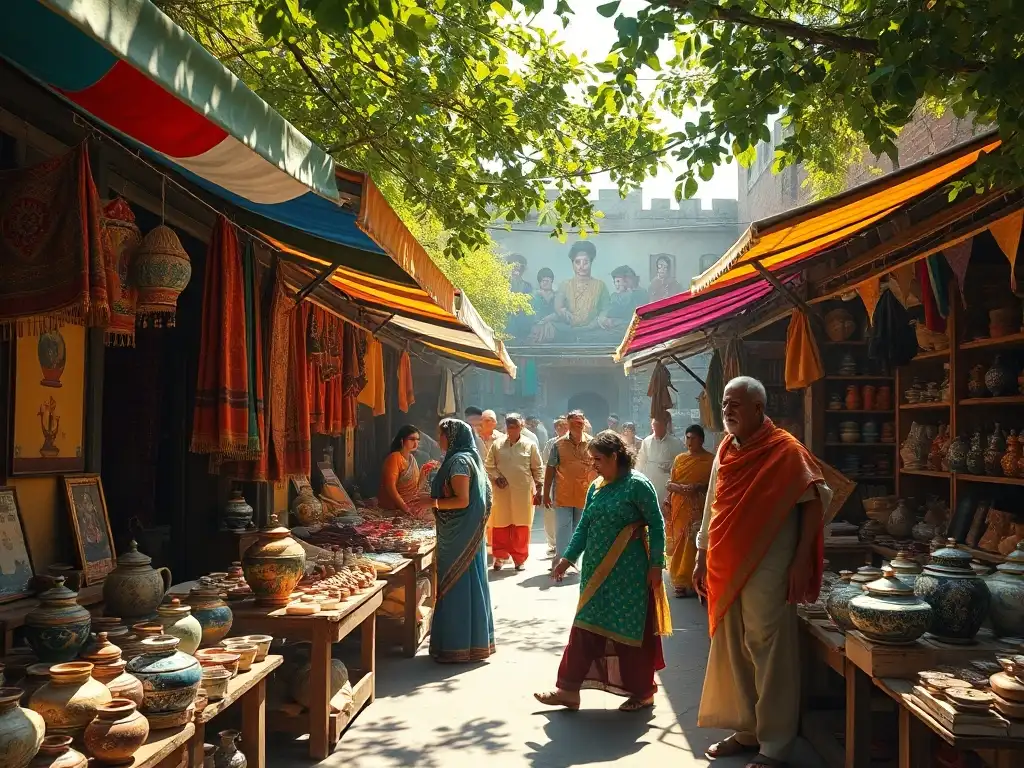
As we look ahead, the landscape for Indian artisanal products demand is poised for significant transformation. With a growing global appreciation for handmade goods and sustainable practices, the future of Indian handicrafts appears promising. The unique craftsmanship, rich cultural heritage, and diverse materials used in these products are becoming increasingly attractive to consumers who value authenticity and ethical sourcing.
Predictions for Market Growth and Consumer Interest
The market for Indian artisanal products is expected to witness substantial growth in the coming years. Several factors contribute to this optimistic outlook:
- Increased Global Awareness: There is a rising global consciousness regarding sustainable and ethical consumerism. Products that tell a story and support local artisans are gaining traction, leading to heightened interest in Indian handicrafts.
- E-commerce Expansion: The growth of online marketplaces has made it easier for consumers worldwide to access Indian artisanal products. Platforms dedicated to handmade goods, such as Etsy and Amazon Handmade, are promoting Indian artisans, thereby driving demand.
- Cultural Festivals and Events: International cultural festivals and exhibitions that showcase Indian art and crafts play a vital role in raising awareness and appreciation. These events provide artisans with opportunities to connect with global audiences.
- Government Initiatives: Various government programs aimed at promoting handicrafts, such as "Make in India," are enhancing visibility and support for local artisans, which is likely to further boost market demand.
- Consumer Trends: The trend towards personalization and unique products is leading consumers away from mass-produced items. Indian artisanal products, often characterized by their uniqueness and traditional techniques, align perfectly with this shift.
Final Thoughts on the Importance of Supporting Indian Handicrafts
Supporting Indian handicrafts is not just about promoting products; it’s about preserving a vital part of India’s cultural legacy. Here are some key reasons why this support is crucial:
- Cultural Preservation: By purchasing Indian artisanal products, consumers play an essential role in preserving traditional crafts that have been passed down through generations. This helps maintain cultural diversity and heritage.
- Economic Empowerment: Supporting artisans creates economic opportunities for communities. The income generated from handicrafts can improve livelihoods, education, and quality of life for artisans and their families.
- Sustainable Practices: Many Indian artisanal products are made using sustainable materials and traditional methods, which are less harmful to the environment. Supporting these products promotes eco-friendly practices and reduces carbon footprints.
- Social Impact: Engaging with artisans fosters social change. Many artisans are women or marginalized groups who benefit from market access, training, and fair compensation, enabling them to uplift their communities.
The demand for Indian artisanal products is set to grow, driven by consumer interest in sustainability and authenticity. By supporting these products, individuals not only embrace unique craftsmanship but also contribute to the preservation of a rich cultural heritage and the empowerment of local artisans. The future of Indian handicrafts is bright, and its potential is boundless.
Call to Action: How to Get Involved in the Indian Artisanal Products Market
In the ever-evolving landscape of global commerce, the demand for Indian artisanal products is on the rise. As consumers and investors increasingly seek unique and ethically produced goods, the opportunity to engage with this market has never been more promising. Here’s how you can make a meaningful impact.
Exploring Opportunities for Consumers and Investors
The global demand for Indian artisanal products is fueled by a growing appreciation for craftsmanship, sustainability, and cultural heritage. As consumers become more conscious of their purchasing choices, a shift towards supporting handmade and locally sourced items is evident.
- Identifying Potential Products:
- Textiles: Handwoven fabrics from regions like Gujarat and Rajasthan are not only beautiful but also tell a story of tradition and skill.
- Pottery and Ceramics: Artisanal pottery from places like Khurja is renowned for its intricate designs and durability.
- Jewelry: Traditional jewelry crafted from silver and gemstones has a rich history and appeals to modern aesthetics.
- Investment Opportunities:
- Supporting Cooperatives: Investing in artisan cooperatives can provide financial stability to local craftspeople while offering investors a chance to be part of a sustainable business model.
- E-commerce Platforms: Leveraging online marketplaces that specialize in Indian handicrafts can help connect artisans with a global audience.
- Market Trends:
- A 2022 report indicated that the global market for handmade products is projected to reach $1 trillion by 2025, highlighting the immense potential for growth in this sector.
By actively engaging in the Indian artisanal products market, consumers can not only fulfill their desire for authentic items but also contribute to the preservation of traditional crafts and the empowerment of artisans.
Supporting Artisans: Ethical Consumer Choices
As the demand for Indian artisanal products grows, it is crucial to make ethical choices that support artisans and their communities. Here are several strategies to consider:
- Researching Brands: Opt for brands that prioritize fair trade practices and transparency in their supply chains. This ensures that artisans receive a fair wage for their work.
- Choosing Sustainability: Select products made from sustainable materials and processes, reducing environmental impact while supporting eco-friendly practices.
- Engaging with Artisans: Whenever possible, purchase directly from artisans through local markets, fairs, or online platforms that allow for direct transactions. This fosters a personal connection and ensures that a larger portion of the profits goes to the craftspeople.
- Advocating for Artisans: Share your experiences and promote awareness of the importance of supporting Indian artisanal products through social media and community events.
The increasing Indian artisanal products demand provides a unique opportunity for consumers and investors alike. By making informed and ethical choices, we can contribute to the preservation of ancient crafts and the sustainable development of artisan communities in India.
Frequently Asked Questions
What are Indian artisanal products?
Indian artisanal products are handcrafted goods that reflect the rich cultural heritage and traditional craftsmanship of India, including textiles, pottery, jewelry, and more.
Why is there a growing global demand for these products?
The global demand for Indian artisanal products is increasing due to consumers’ desire for unique, sustainable, and ethically-made items that tell a story and support local artisans.
How do Indian artisanal products contribute to local economies?
These products help boost local economies by providing income for artisans, preserving traditional skills, and promoting sustainable practices within communities.
What role do online platforms play in promoting Indian artisanal products?
Online platforms expand the market reach for Indian artisans, allowing them to connect with global consumers and showcase their products to a wider audience.
How can consumers support the artisanal sector in India?
Consumers can support the artisanal sector by purchasing authentic handmade products, advocating for fair trade practices, and raising awareness about the cultural significance of these goods.
Final Reflection: Embracing the Global Demand for Indian Artisanal Products
The exploration of Indian artisanal products demand is not just a trend; it is a powerful movement that connects culture, craftsmanship, and commerce in today's global marketplace. As consumers increasingly seek authenticity and uniqueness in their purchases, the demand for these artisanal products has surged, highlighting a profound appreciation for the stories and skills behind each creation. This shift towards valuing craftsmanship over mass production is not merely a passing phase but a significant evolution in consumer behavior that reflects a deeper yearning for connection and heritage.
The influence of Indian artisanal products extends far beyond mere economic transactions; it is a catalyst for cultural exchange and social empowerment. As artisans gain recognition on global platforms, they not only preserve their traditional crafts but also uplift their communities through sustainable practices and fair trade. This dynamic fosters a sense of pride and identity, allowing artisans to share their rich heritage with the world. Art is the most beautiful of all lies.
– Claude Debussy. This quote resonates deeply as it encapsulates how each piece of art carries a narrative, inviting consumers to partake in a journey that transcends borders.
As we reflect on the significance of this movement, I invite you to consider your role as a conscious consumer. How can you contribute to the appreciation and support of Indian artisanal products in your daily life? By choosing to invest in these unique creations, you not only enrich your own experience but also empower artisans and their communities. Let us embrace this opportunity to celebrate diversity, foster creativity, and champion sustainability, ensuring that the legacy of Indian craftsmanship continues to thrive for generations to come.
Unveil New Opportunities for Indian Artisans!
Thank you for diving into the fascinating world of Indian artisanal products! Your interest not only enriches your understanding but also highlights the incredible talents and skills of artisans across India. Now, let's take the next step to support these artisans and discover the rich tapestry of their craftsmanship.
Here are a few ways you can make a meaningful impact today:
- Explore local craft fairs or online marketplaces to purchase authentic Indian artisanal products directly from the makers.
- Share this article with friends and family to raise awareness about the importance of supporting local artisans.
- Consider joining community workshops or classes where you can learn artisanal skills and connect with creators and their stories firsthand.
How will you use your newfound knowledge to champion the talents of Indian artisans today?