
The Role of Technology: How Online Platforms Are Revolutionizing the Market for Indian Artifacts

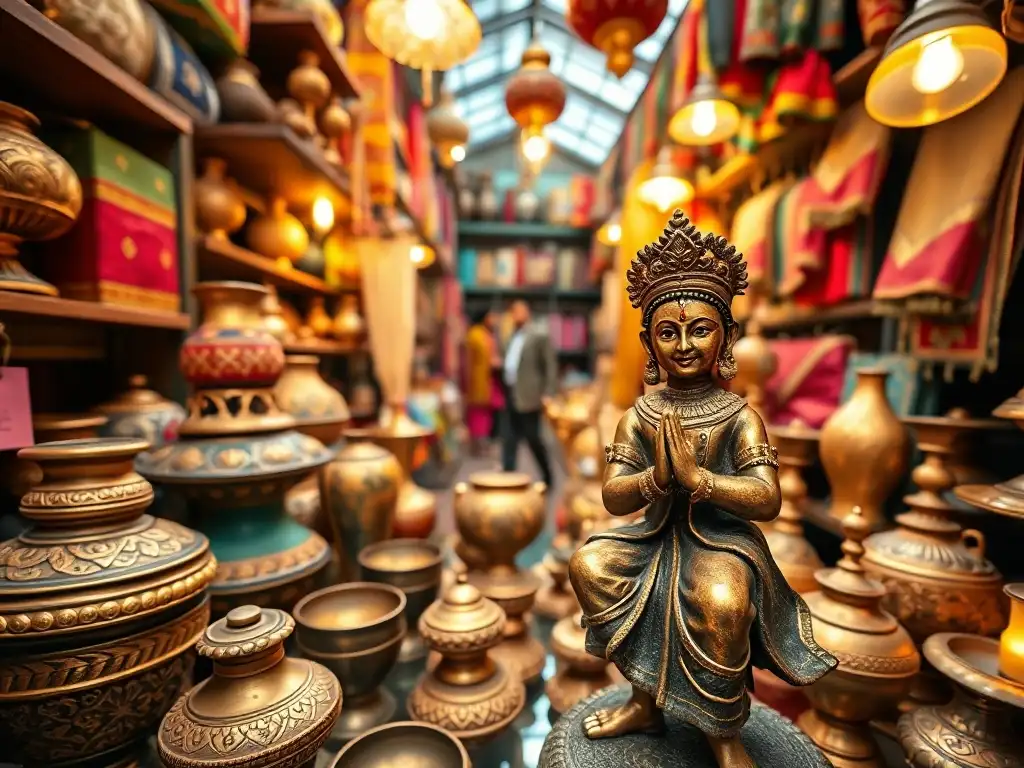
Welcome to Ancient India History, where we embark on a journey through the vibrant tapestry of India's past. As we delve into the significance of Indian artifacts online market, you’ll discover how technology is transforming the way we connect with the rich heritage of ancient civilizations. From the majestic Indus Valley to the illustrious Gupta Empire, our exploration reveals not just the stories behind these treasures, but also the innovative platforms that are making them accessible like never before.
Curious about how these advancements are reshaping the landscape of cultural appreciation and investment? Keep reading to uncover the fascinating intersection of history and modern commerce!
Introduction to the Indian Artifacts Online Market
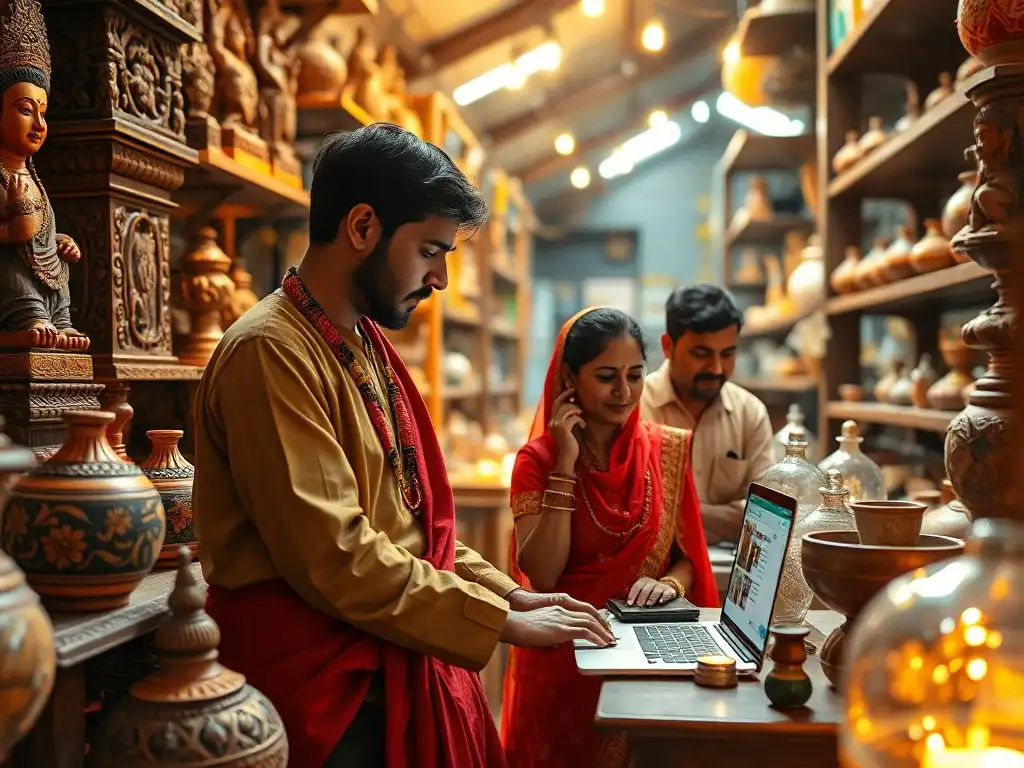
The online market for Indian artifacts has seen a significant transformation in recent years, driven by advancements in technology and the increasing accessibility of digital platforms. As a rich tapestry of history and culture, India boasts a vast array of artifacts that reflect its ancient civilizations, from the intricate designs of Indus Valley pottery to the grand sculptures of the Gupta Empire.
These artifacts not only serve as representations of India's heritage but also as valuable assets in the global market. With the rise of online platforms, collectors, historians, and enthusiasts can now explore and acquire these treasures from the comfort of their homes, thereby broadening the reach and appreciation of Indian cultural heritage.
In this article, we will delve into how technology is reshaping the landscape of the Indian artifacts online market. By examining the various ways digital platforms are revolutionizing accessibility and promoting Indian culture, we can gain a deeper understanding of the implications for both buyers and sellers. This exploration will highlight the dynamic interplay between technology and tradition, showcasing how the digital age can enhance the preservation and dissemination of India's rich historical legacy.
The Impact of Technology on the Indian Artifacts Market
The influence of technology on the Indian artifacts market is profound and multifaceted. It has not only changed the way artifacts are bought and sold but has also redefined the relationships between artisans, collectors, and institutions. The integration of technology into this market facilitates greater interaction and engagement, fostering a community that values and promotes Indian craftsmanship.
How Digital Platforms Are Changing Accessibility
One of the most significant changes brought about by technology is the increased accessibility of Indian artifacts. Digital platforms, such as online marketplaces and auction sites, have eliminated geographical barriers, allowing buyers from around the world to discover and purchase artifacts that were once confined to local galleries or museums.
- Global Reach: Artisans and sellers can now connect with a global audience, expanding their customer base and increasing sales opportunities.
- Enhanced Discovery: Search engines and social media enable potential buyers to easily find specific items or explore a wide range of artifacts, leading to greater awareness and appreciation.
- Virtual Exhibitions: Many institutions are now hosting virtual exhibitions, allowing users to experience Indian art and culture in a digital format, providing an interactive and immersive experience.
These technological advancements not only promote sales but also ensure that the cultural significance of Indian artifacts is preserved and shared widely.
The Role of E-commerce in Promoting Indian Culture
E-commerce has emerged as a powerful tool for promoting Indian culture and heritage through artifacts. Online platforms facilitate not just transactions but also storytelling and education about the significance of the artifacts being sold.
- Cultural Narratives: Sellers often share the history, craftsmanship, and cultural significance of each artifact, providing buyers with a context that enriches their understanding and appreciation.
- Support for Artisans: E-commerce platforms allow artisans to showcase their work directly to consumers, ensuring fair compensation and encouraging traditional crafts to thrive.
- Community Building: Online marketplaces foster communities of collectors and enthusiasts who share a passion for Indian art, facilitating discussions and collaborations that enhance cultural exchange.
As technology continues to evolve, its role in the Indian artifacts online market will likely expand, further intertwining commerce with cultural preservation and education.
Advantages of Buying Indian Artifacts Online
The rise of the digital age has transformed the way consumers access and purchase Indian artifacts. The online market has opened up numerous advantages for both buyers and sellers, making the acquisition of these unique items easier and more efficient. Here, we explore some of the key benefits of buying Indian artifacts through online platforms.
Convenience and Variety
One of the most significant advantages of purchasing Indian artifacts online is the unparalleled convenience it offers. Shoppers can browse an extensive range of items from the comfort of their homes, eliminating the need to travel to physical marketplaces or galleries. This accessibility allows for:
- 24/7 Availability: Online platforms are open all day, every day, enabling buyers to shop according to their schedules without time constraints.
- Global Reach: Consumers can explore artifacts from various regions of India, including remote areas that might not have a physical presence in major cities.
- Diverse Selection: The online market showcases a vast array of artifacts, from ancient sculptures to textiles, providing an opportunity to discover unique items that may not be available locally.
This convenience, combined with a rich variety of offerings, allows collectors and enthusiasts to find specific pieces that cater to their interests and preferences.
Transparency and Trust in the Online Market
Technology has also enhanced transparency in the online market for Indian artifacts. Many reputable platforms now provide detailed descriptions, high-quality images, and information about the provenance of items, which helps build trust among consumers. Key aspects include:
- Detailed Listings: Sellers can include comprehensive details about the artifacts, including their historical significance, age, and cultural background, allowing buyers to make informed decisions.
- Customer Reviews: Online marketplaces often feature reviews and ratings from previous customers, providing insights into the reliability of sellers and the quality of products.
- Secure Payment Options: With advancements in payment technology, many platforms offer secure and reliable payment methods, further enhancing consumer confidence.
These elements contribute to a more trustworthy shopping experience, encouraging buyers to invest in authentic Indian artifacts.
Challenges Facing the Indian Artifacts Online Market
Despite the numerous advantages, the online market for Indian artifacts is not without its challenges. Several issues can hinder the growth and reliability of this market, which both buyers and sellers must navigate carefully.
Issues of Authenticity and Counterfeiting
One of the most pressing concerns in the online market for Indian artifacts is the issue of authenticity. The proliferation of counterfeit items can undermine consumer confidence and jeopardize the integrity of genuine artifacts. Key points include:
- Lack of Regulation: Unlike established galleries, online platforms may not have stringent regulations to verify the authenticity of artifacts, making it easier for counterfeit items to circulate.
- Consumer Vigilance: Buyers must exercise caution and conduct thorough research before making a purchase to ensure they are acquiring authentic pieces.
- Return Policies: Clear return policies can help mitigate the risk of purchasing counterfeits, but buyers must still be diligent in assessing the authenticity of items before committing to a transaction.
Addressing these challenges requires a collaborative effort from sellers, platforms, and collectors to promote transparency and uphold the value of genuine artifacts.
Shipping and Handling Concerns
Shipping and handling present another significant challenge in the online market for Indian artifacts. The fragility and value of these items necessitate careful packaging and transportation, leading to potential issues such as:
- Damage During Transit: Artifacts can be delicate and susceptible to damage if not packed properly. Thus, choosing reliable shipping services is crucial to ensure items arrive in their original condition.
- Customs Regulations: International buyers may face hurdles with customs regulations that can delay delivery or result in additional fees. Understanding these regulations is essential for a smooth purchasing experience.
- Insurance Options: Buyers should consider insuring high-value artifacts during shipping to protect against loss or damage, adding an extra layer of security to their investment.
By acknowledging and addressing these shipping and handling concerns, the online market for Indian artifacts can enhance consumer trust and satisfaction.
The Future of the Indian Artifacts Online Market
The future of the Indian artifacts online market is poised for significant transformation due to the rapid advancement of technology and changing consumer behaviors. As more collectors and enthusiasts turn to digital platforms for acquiring artifacts, the accessibility and visibility of Indian cultural heritage are dramatically enhancing. This shift is not only expanding the reach of sellers but also educating a global audience about the richness of Indian history and craftsmanship.
With the increasing integration of e-commerce in everyday life, it is expected that the online market for Indian artifacts will see a surge in sales volume and variety. Emerging platforms and marketplaces are likely to incorporate features such as virtual reality (VR) tours, allowing potential buyers to experience artifacts in a three-dimensional space, which can significantly influence buying decisions. Additionally, social media is becoming a powerful tool for marketing, with galleries and private sellers using platforms like Instagram and Facebook to showcase their collections to a wider audience.
Moreover, sustainability is becoming a key consideration, with consumers increasingly valuing ethically sourced and environmentally friendly products. As such, online marketplaces are likely to promote artifacts that adhere to these principles, ensuring that the cultural heritage is preserved for future generations.
Emerging Technologies Shaping the Marketplace
Several emerging technologies are fundamentally reshaping the landscape of the Indian artifacts online market:
- Artificial Intelligence (AI) and Machine Learning: These technologies are enabling personalized shopping experiences by analyzing user preferences and providing tailored recommendations. AI can also assist in authenticating artifacts, thereby boosting consumer confidence in their purchases.
- Augmented Reality (AR): AR technology allows buyers to visualize how artifacts would look in their own spaces, enhancing the decision-making process. This capability can bridge the gap between online shopping and the tactile experience of seeing artifacts in person.
- Blockchain Technology: This technology is revolutionizing the way provenance is tracked and verified. By creating a secure and immutable record of ownership, blockchain helps in ensuring the authenticity of artifacts, which is vital in a market susceptible to counterfeits.
- Digital Payment Solutions: The rise of various online payment methods, including cryptocurrencies, is simplifying transactions. This ease of payment can attract a broader audience, including international buyers who may have previously faced hurdles in purchasing Indian artifacts.
Trends Influencing the Market
The Indian artifacts online market is influenced by several key trends that are shaping its trajectory:
- Increased Global Interest: There is a growing appreciation for Indian heritage and craftsmanship worldwide. This trend is being fueled by cultural exchanges and the global diaspora's desire to reconnect with their roots.
- Sustainable Practices: Consumers are becoming more conscious of the impact of their purchases. This shift is encouraging sellers to adopt environmentally sustainable practices, which is increasingly becoming a selling point for artifacts.
- Diverse Art Forms: The online market is witnessing a diversification of artifacts, ranging from traditional handicrafts to contemporary art. This variety caters to different tastes and preferences, expanding the potential customer base.
- Social Media Influence: The role of social media in promoting Indian culture cannot be overstated. Influencers and art advocates are using these platforms to highlight unique artifacts, leading to increased awareness and interest among potential buyers.
Conclusion: Embracing Technology for the Preservation of Indian Culture
The embrace of technology in the Indian artifacts online market is not just about commerce; it is about preserving and promoting a rich cultural legacy. By leveraging digital platforms, sellers can reach global audiences, educate them about the significance of artifacts, and foster a greater appreciation for Indian heritage.
As technology continues to evolve, it is crucial for stakeholders in the market to adopt innovative practices that enhance the buying experience and ensure the authenticity of artifacts. By doing so, the online market can play a pivotal role in safeguarding Indian culture while simultaneously offering lucrative opportunities for artists and collectors alike.
The future is bright for the Indian artifacts online market as it adapts to changing technologies and consumer preferences, ultimately contributing to the preservation and celebration of India's extraordinary cultural heritage.
Additional Resources
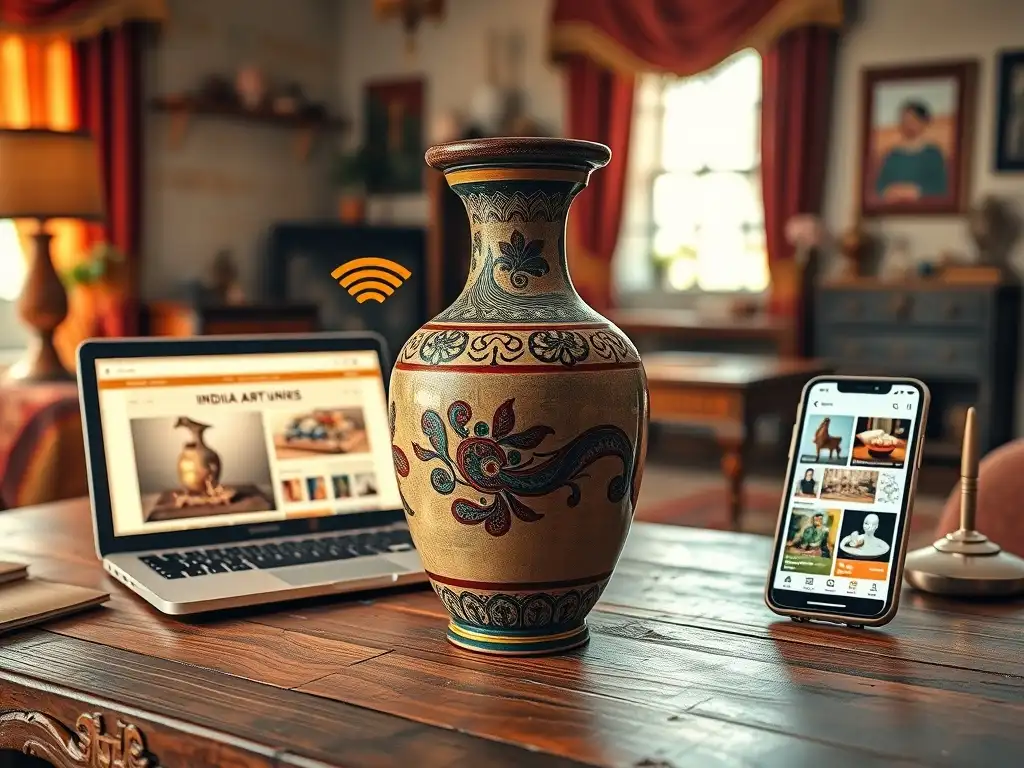
To fully appreciate the vibrant world of Indian artifacts and to navigate the online market effectively, a variety of additional resources are available. These resources can enhance understanding, provide valuable insights, and help potential buyers make informed decisions. Below are some noteworthy categories of resources that can help individuals delve deeper into the subject matter.
- Online Marketplaces: Websites dedicated to the sale of Indian artifacts often provide extensive catalogs, user reviews, and seller ratings. These platforms facilitate a transparent buying experience and can guide collectors in their purchases.
- Cultural Institutions: Museums and cultural organizations often publish articles and research papers that explore the historical context and significance of various artifacts. Engaging with these institutions can provide a scholarly perspective on the items of interest.
- Documentaries and Educational Videos: Visual media can be an engaging way to learn about Indian art and artifacts. Many documentaries explore the history of different artifacts, their cultural significance, and the artisans behind them.
- Online Courses and Webinars: Various platforms offer courses on Indian art and culture, which can be beneficial for enthusiasts looking to deepen their knowledge.
Recommended Online Platforms for Purchasing Indian Artifacts
Several online platforms have emerged as reliable sources for purchasing Indian artifacts. Each platform offers unique features, ensuring a diverse shopping experience for collectors and enthusiasts. Here are some of the most recommended:
- Etsy
- Known for handmade and vintage items, Etsy features a wide range of Indian artifacts, including textiles, sculptures, and jewelry.
- Pros: Direct interaction with artisans and creators; unique, handcrafted items.
- Cons: Variable quality; buyer must verify seller credibility.
- Amazon
- Amazon has a dedicated section for Indian artifacts, offering a mix of mass-produced and authentic pieces.
- Pros: Fast shipping, customer reviews, and a return policy.
- Cons: Less emphasis on authenticity; potential for counterfeit items.
- Artisan Websites
- Websites such as Craftsvilla and Gaatha focus on promoting artisans and their traditional crafts, providing a platform to purchase authentic Indian artifacts directly.
- Pros: Supports local artisans; emphasis on traditional craftsmanship.
- Cons: Limited product range compared to larger marketplaces.
- Auction Sites
- Platforms like Sotheby’s and Christie’s often feature auctions for high-value Indian artifacts, appealing to serious collectors.
- Pros: Access to rare and valuable items; expert valuations.
- Cons: Higher costs; competitive bidding.
- Social Media Marketplaces
- Platforms like Facebook Marketplace and Instagram allow users to buy directly from sellers, often showcasing unique or local items.
- Pros: Direct interaction with sellers; potential for unique finds.
- Cons: Risk of scams; less formal than established marketplaces.
Further Reading on Indian Art and Culture
To gain a deeper understanding of Indian artifacts and their cultural significance, exploring further literature is invaluable. Here are some recommended readings that provide insights into the rich tapestry of Indian art and history:
- Books:
- "Indian Art: A History" by Partha Mitter offers an expansive overview of the evolution of Indian art from ancient times to the present.
- "The Art of India: 3000 Years of History" by John Guy provides a detailed examination of Indian artistic traditions and their cultural contexts.
- Academic Journals:
- The Journal of Asian Studies and Art Journal often publish articles related to Indian art, providing scholarly insights and critiques that can deepen understanding.
- Online Articles and Blogs:
- Websites like Saffronart and India Today frequently feature articles on contemporary trends in Indian art and market analysis.
- Documentaries:
- Documentaries such as "The Story of India" narrated by Michael Wood dive into the historical contexts that shaped Indian civilization, including its art and artifacts.
By engaging with these resources, enthusiasts can develop a comprehensive understanding of the significance of Indian artifacts and their role in the global market today.
- Introduction to the Indian Artifacts Online Market
- The Impact of Technology on the Indian Artifacts Market
- Advantages of Buying Indian Artifacts Online
- Challenges Facing the Indian Artifacts Online Market
- The Future of the Indian Artifacts Online Market
- Conclusion: Embracing Technology for the Preservation of Indian Culture
- Additional Resources
- Recommended Online Platforms for Purchasing Indian Artifacts
- Further Reading on Indian Art and Culture
Frequently Asked Questions
What are Indian artifacts?
Indian artifacts are historical objects that reflect the cultural heritage of India, including tools, pottery, textiles, and sculptures from ancient civilizations.
How has technology impacted the Indian artifacts market?
Technology has created online platforms that enhance accessibility and visibility, allowing collectors and enthusiasts to purchase authentic artifacts from anywhere in the world.
What should I consider when buying Indian artifacts online?
When purchasing online, ensure the seller provides provenance, authenticity certificates, and clear photographs to verify the quality and historical significance of the artifacts.
Are there risks associated with buying Indian artifacts online?
Yes, potential risks include counterfeit items and scams. It's crucial to research sellers and read reviews to ensure a safe purchasing experience.
How can I find reputable online platforms for Indian artifacts?
Look for platforms that specialize in Indian art and culture, have positive user feedback, and offer return policies. Websites dedicated to heritage often have the best offerings and resources.
Final Reflection: Embracing the Digital Revolution in the Indian Artifacts Market
The intersection of technology and culture has never been more significant than it is today. As we navigate through an increasingly digital world, the Indian artifacts online market stands as a testament to how online platforms are not only preserving cultural heritage but also redefining the way we engage with it. The ability to access, appreciate, and purchase Indian artifacts from anywhere in the world has transformed the landscape, making it essential for both artisans and collectors to adapt to this new reality.
Cultural heritage is not just a relic of the past; it is a living, breathing entity that continues to evolve. The rise of online platforms has democratized access to Indian artifacts, allowing artisans to reach global audiences and share their stories.
This shift has profound implications for the preservation of traditions and the economic empowerment of local communities. As Mahatma Gandhi once said, “The best way to find yourself is to lose yourself in the service of others.” > This quote resonates deeply within the context of the online market for Indian artifacts, as it highlights the importance of community and the shared responsibility we have in sustaining our cultural narratives.
As you reflect on the insights shared in this article, consider how you can engage with the Indian artifacts online market in a meaningful way. Whether it’s supporting local artisans, educating yourself about the significance of these artifacts, or simply sharing your newfound knowledge with others, every action counts.
Let us embrace the digital revolution not just as consumers, but as stewards of culture, ensuring that the rich tapestry of Indian heritage continues to thrive in the modern world. Your journey into this vibrant market can contribute to a greater appreciation and understanding of the artistry that defines our shared human experience.
Embrace the Future: Support Indian Artisans Today!
Thank you for diving into the fascinating world of how technology is transforming the market for Indian artifacts! Your interest in this topic is a step towards not only appreciating a rich cultural heritage but also supporting the talented artisans who create these wonderful works. Now, let’s take that enthusiasm and turn it into action.
Here are some empowering steps you can take right now:
- Explore online platforms that feature Indian artisans and their crafts—discover unique pieces that resonate with you!
- Share this article and your newfound knowledge with friends and family to raise awareness about the importance of supporting local artists.
- Join communities or forums dedicated to Indian art, where you can engage in inspiring discussions and connect with like-minded enthusiasts.
What unique artifact would you love to see showcased on one of these platforms, and why? Your insights could spark a conversation that inspires others!