
Exploring Fair Trade: Ethical Investment Opportunities in Indian Handicrafts

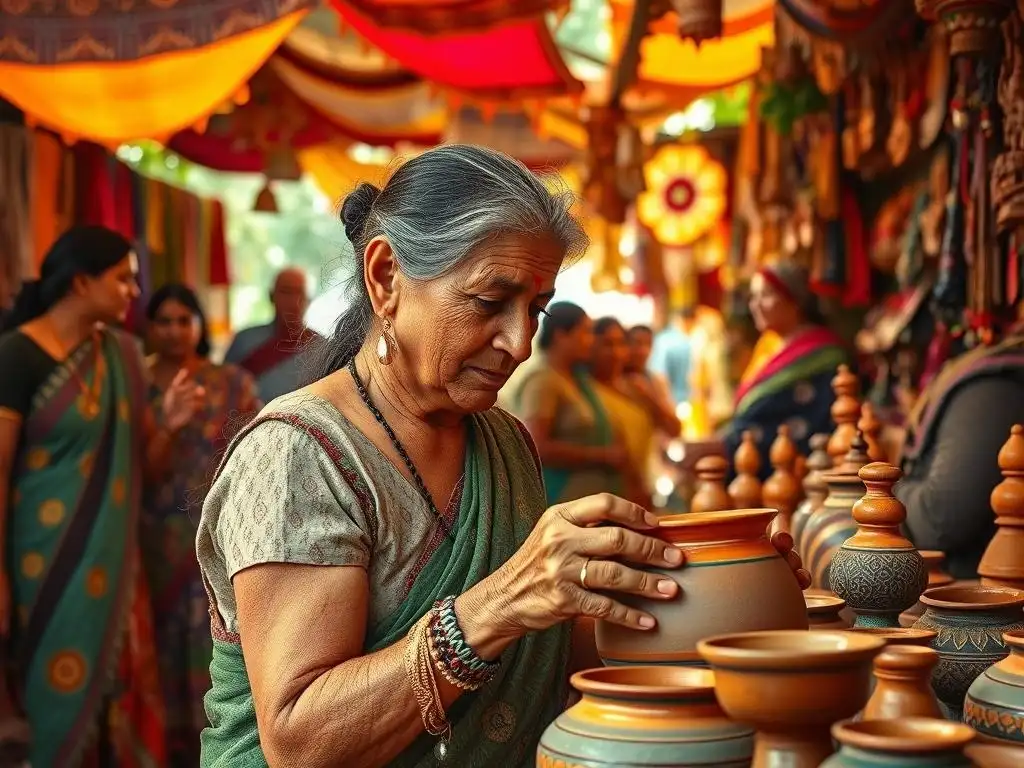
Welcome to Ancient India History, where we delve into the fascinating tapestry of India’s rich past. Today, we invite you to embark on a journey that connects the timeless artistry of ancient Indian civilizations with modern ethical practices. Our featured article, "Exploring Fair Trade: Ethical Investment Opportunities in Indian Handicrafts," uncovers how you can make a meaningful impact through ethical investment in the beautiful and diverse world of Indian handicrafts.
Join us as we explore the intersection of culture, commerce, and conscience, and discover the treasures that await in this vibrant landscape. Your adventure into ancient wisdom and contemporary opportunities starts here!
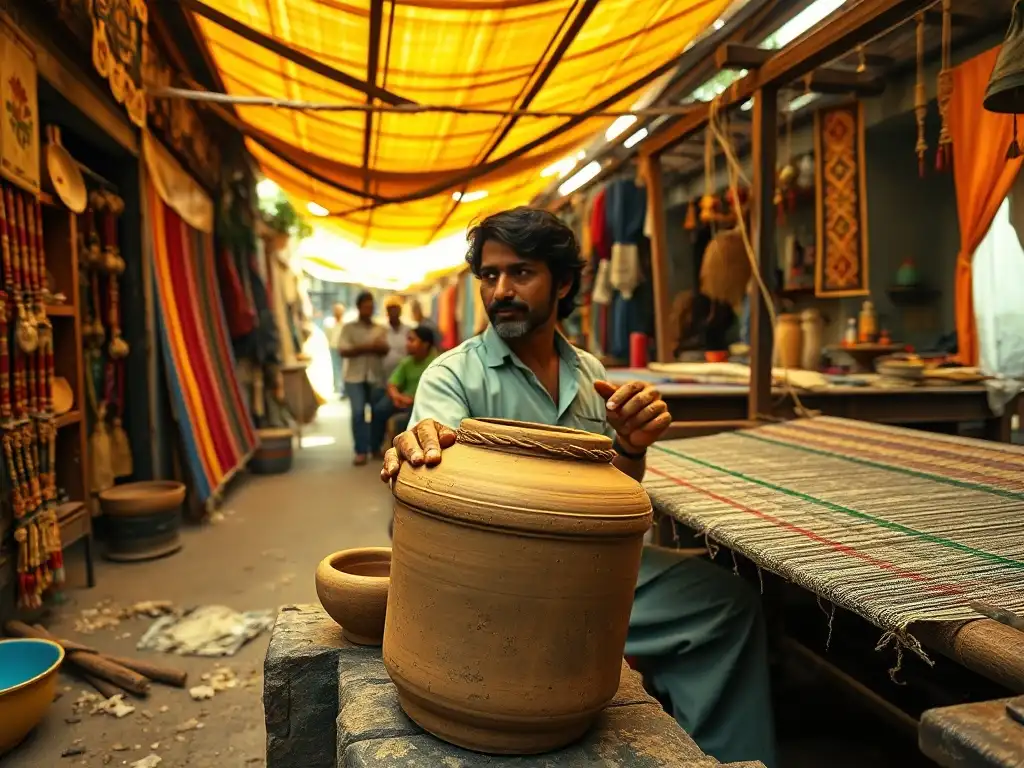
Introduction to Ethical Investment in Indian Handicrafts
In recent years, there has been a growing awareness of the importance of ethical investment, particularly in sectors that promote sustainable development and social responsibility. One area that has gained significant traction is ethical investment in Indian handicrafts. This sector not only reflects the rich cultural heritage of India but also provides an opportunity for investors to support artisans and communities while generating returns. Ethical investments focus on creating a positive impact, ensuring that the benefits of commerce reach those who need them most—often marginalized artisans who rely on traditional crafts for their livelihood.
Investing in Indian handicrafts encompasses a variety of products, from intricate textiles and pottery to beautifully crafted jewelry and furniture. By choosing to invest ethically, individuals and organizations can contribute to the preservation of traditional arts, empower local communities, and promote fair trade practices. This article explores the opportunities within this vibrant sector, highlighting how investors can engage meaningfully while fostering socio-economic development.
The Rich Heritage of Indian Handicrafts
Indian handicrafts boast a history that dates back thousands of years, showcasing a diverse range of skills and techniques passed down through generations. Each region of India has its own unique craft, reflecting local traditions, materials, and cultural influences. For instance:
- Textiles: India is renowned for its exquisite textiles, including handwoven silk, cotton, and wool products, each reflecting the artistry of local weavers.
- Pottery and Ceramics: Traditional pottery, such as the famous blue pottery of Jaipur or the terracotta works from Bengal, exemplifies the creative spirit of Indian artisans.
- Woodwork and Furniture: Intricate wood carvings from regions like Rajasthan and Karnataka demonstrate the skill and craftsmanship involved in creating functional art pieces.
These handicrafts not only serve as cultural markers but also as sources of income for millions of artisans across the country. As the demand for unique, handmade products rises globally, the potential for ethical investment in this sector becomes increasingly significant.
The Rise of Fair Trade in India
The concept of fair trade has emerged as a powerful movement aimed at creating equitable trading conditions for marginalized producers. In India, fair trade practices have been instrumental in empowering artisans and ensuring they receive fair compensation for their work. This movement has led to several positive changes:
- Improved Working Conditions: Fair trade organizations prioritize safe working environments, helping artisans to thrive both economically and socially.
- Access to Global Markets: By connecting artisans with international buyers, fair trade initiatives expand their reach, allowing them to showcase their craftsmanship to a broader audience.
- Sustainability and Eco-friendliness: Many fair trade practices emphasize sustainable sourcing of materials, ensuring that the production processes are environmentally friendly.
The rise of fair trade in India not only enhances the livelihoods of artisans but also aligns with the values of conscious consumers who seek products with a story and a purpose. As ethical investment in Indian handicrafts continues to grow, it presents a promising avenue for investors looking to make a positive impact while enjoying the benefits of their investment.
Ethical Investment Opportunities in Indian Handicrafts
Ethical investment in Indian handicrafts provides a unique opportunity to engage with a rich cultural heritage while supporting sustainable economic development. The sector encompasses a vast range of products, from textiles and pottery to jewelry and wooden artifacts. By investing in these handicrafts, investors can make a positive impact on artisans' livelihoods while preserving traditional crafts that are at risk of fading away.
- Market Demand: There is a growing global demand for ethically sourced and environmentally friendly products. Consumers are increasingly looking for items that not only exhibit quality craftsmanship but also align with their values, such as sustainability and fair labor practices. This trend creates a fertile ground for ethical investments in handicrafts.
- Artisan Empowerment: Investing in Indian handicrafts often translates to supporting local artisans and their communities. Many artisans work independently or in small cooperatives, and ethical investment can provide them with the necessary tools, resources, and access to markets that enable them to thrive.
- Cultural Preservation: Many traditional crafts in India face the threat of extinction due to globalization and the rise of mass-produced products. Ethical investments can play a crucial role in preserving these skills for future generations, ensuring that the cultural heritage of India continues to flourish.
- Potential Returns: While ethical investment often emphasizes social impact over financial gain, there is also potential for attractive returns. As the market for ethically produced goods expands, investors may find that their investments yield both social benefits and financial rewards.
Case Studies: Successful Ethical Investments in Indian Handicrafts
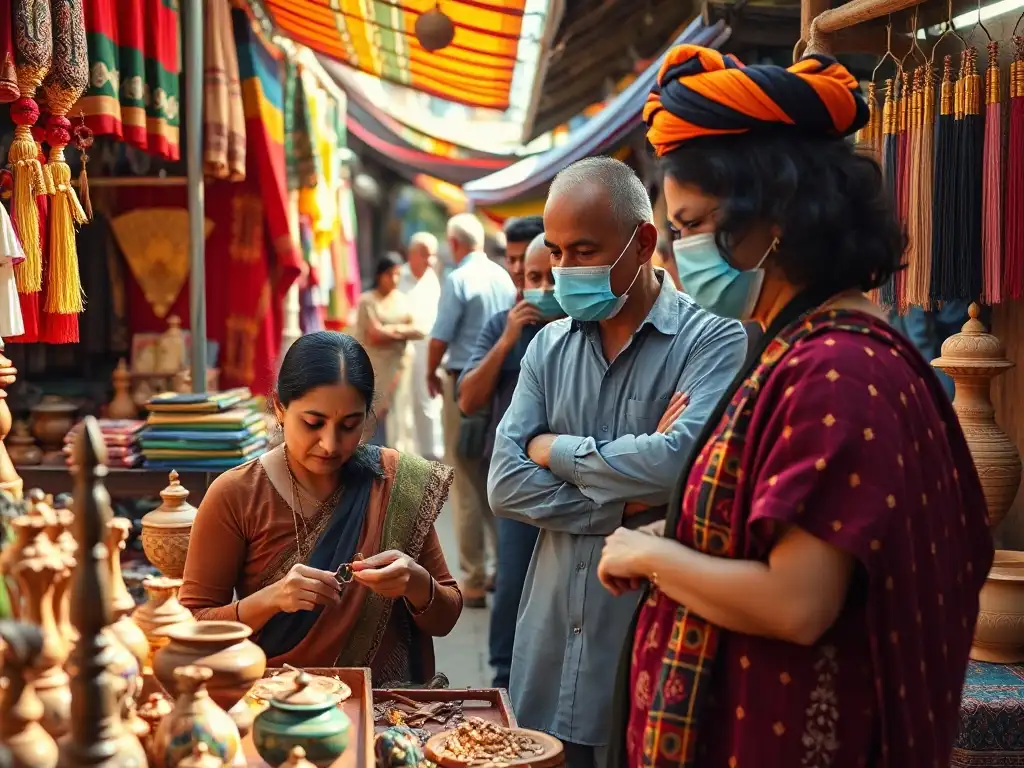
Several case studies illustrate the success of ethical investments in Indian handicrafts, showcasing how these initiatives benefit artisans and investors alike.
- Rangasutra: This cooperative model connects artisans from various regions of India with designers and brands. By providing training, resources, and market access, Rangasutra has successfully elevated the incomes of over 1,500 artisans. Ethical investments in this venture have led to sustainable growth in both production and artisan welfare.
- Dastkar: This organization works to promote traditional crafts through exhibitions and fairs. By fostering direct relationships between artisans and consumers, Dastkar has helped artisans to not only sell their products but also gain recognition for their craft. Ethical investments in Dastkar’s initiatives have enabled the development of new workshops and training programs, enhancing the artisans’ skills and marketability.
- Aavaran: Aavaran focuses on handmade textiles and employs local artisans to create contemporary designs rooted in traditional techniques. By investing in Aavaran, investors help support sustainable practices and fair wages while also tapping into the growing market for unique, handcrafted textiles.
Challenges and Considerations in Ethical Investment
While ethical investment in Indian handicrafts offers numerous opportunities, it also presents several challenges and considerations that potential investors should be aware of.
- Quality Control: Ensuring consistent quality across products can be difficult due to the artisanal nature of the work. Investors must be prepared to establish quality standards and collaborate closely with artisans to maintain the integrity of their products.
- Supply Chain Transparency: Ethical investments require transparency regarding the supply chain. Investors need to ensure that artisans are paid fairly and that materials are sourced sustainably. This may involve additional due diligence and monitoring.
- Cultural Sensitivity: Understanding and respecting the cultural significance of the crafts is essential for ethical investors. Misinterpretation or commodification of traditional practices can lead to backlash from the community and undermine the very objectives of ethical investment.
- Market Access: While demand for ethical products is growing, accessing international markets can be challenging for artisans. Investors should consider how to bridge this gap, possibly through partnerships with established brands or platforms that prioritize ethical products.
- Scalability: Some ethical investments may struggle with scalability due to the limited capacity of artisan workshops. Investors need to consider how to grow their investments without compromising the quality and authenticity of the handicrafts produced.
By navigating these challenges thoughtfully, investors can make meaningful contributions to the preservation and promotion of India's rich handicraft heritage while also reaping the benefits of ethical investment.
Conclusion: The Future of Ethical Investment in Indian Handicrafts
The future of ethical investment in Indian handicrafts looks promising, as more consumers and investors recognize the importance of sustainability and social responsibility. As global awareness of ethical sourcing grows, Indian artisans stand to benefit significantly from increased investments aimed at preserving traditional crafts. This shift not only empowers local communities but also ensures the longevity of age-old techniques that are at risk of fading away in a rapidly modernizing world.
Investors are increasingly drawn to the unique narratives that accompany each handcrafted product, which not only serve as a testament to individual craftsmanship but also embody the rich cultural heritage of India. With a growing demand for authentic and ethically sourced products in international markets, Indian handicrafts present a lucrative avenue for investment.
Furthermore, initiatives aimed at enhancing the skills of artisans, improving accessibility to markets, and promoting fair trade practices are likely to enhance the appeal of investing in handicrafts. Organizations and cooperatives focused on these aspects are crucial in creating a sustainable ecosystem for artisans, ensuring that the benefits of ethical investments are maximized.
As we look ahead, collaboration between artisans, non-profits, and ethical investors will be key in shaping a future where the unique artistry of Indian handicrafts thrives. This collaborative approach will not only uplift the artisans but also attract conscientious consumers and investors who value authenticity and ethics in their purchasing decisions.
Call to Action: Explore Investment Opportunities Today
If you are interested in making a positive impact while also reaping the benefits of a rewarding investment, now is the time to explore opportunities in Indian handicrafts. Engaging with local artisans and ethical brands can provide you with insights into the diverse array of products available, each imbued with cultural significance and craftsmanship.
Consider visiting artisan markets, participating in fairs, or connecting with organizations that support ethical investment in handicrafts. By doing so, you can discover unique pieces that resonate with your values while contributing to the livelihoods of those who create them.
To get started:
- Research Organizations: Look for cooperatives and NGOs involved in ethical handicraft production.
- Attend Workshops: Participate in workshops or exhibitions to understand the craft and the artisans behind it.
- Invest in Authenticity: Focus on brands that prioritize ethical practices and transparency in their supply chain.
Your investment today can shape a sustainable future for Indian artisans and help preserve an invaluable part of the world's cultural heritage. Embrace the opportunity to make a difference—explore ethical investment in Indian handicrafts and become a part of this transformative journey!
- Introduction to Ethical Investment in Indian Handicrafts
- The Rich Heritage of Indian Handicrafts
- The Rise of Fair Trade in India
- Ethical Investment Opportunities in Indian Handicrafts
- Case Studies: Successful Ethical Investments in Indian Handicrafts
- Challenges and Considerations in Ethical Investment
- Conclusion: The Future of Ethical Investment in Indian Handicrafts
- Call to Action: Explore Investment Opportunities Today
Frequently Asked Questions
What is ethical investment in Indian handicrafts?
Ethical investment in Indian handicrafts refers to supporting artisans and their crafts while ensuring fair compensation and sustainable practices. This promotes both economic growth and cultural preservation.
How does fair trade impact artisans in India?
Fair trade creates a sustainable income for artisans by ensuring they receive fair prices for their products. It also enhances their working conditions and supports community development initiatives.
What are some examples of Indian handicrafts suitable for ethical investment?
Examples include handwoven textiles, pottery, and traditional jewelry. Investing in these crafts not only supports artisans but also celebrates India's rich cultural heritage.
How can consumers participate in ethical investment?
Consumers can participate by purchasing products from certified fair trade organizations and supporting businesses that prioritize ethical sourcing. This helps to create a demand for sustainable practices.
What role do certifications play in ethical investment?
Certifications, like Fair Trade, help consumers identify brands committed to ethical practices. These labels ensure that artisans receive fair wages and that environmental standards are upheld in the production process.
Final Reflection: Embracing Ethical Investment in Indian Handicrafts
The journey into the world of ethical investment in Indian handicrafts reveals a profound connection between consumer choices and the empowerment of artisans. As we navigate a global market increasingly driven by sustainability and ethical practices, the significance of supporting fair trade becomes ever more apparent. Investing in Indian handicrafts is not merely a financial decision; it is a commitment to fostering social equity and preserving cultural heritage. This realization underscores the urgent need for conscious consumerism in today's interconnected world.
Cultural narratives and social justice are intricately woven into the fabric of Indian handicrafts, influencing both local communities and global markets. The impact of ethical investment extends beyond mere economic gain; it nurtures the dignity of artisans and sustains traditional craftsmanship. As Mahatma Gandhi once said, “The true measure of any society can be found in how it treats its most vulnerable members.” This quote resonates deeply, reminding us that our choices can uplift those who contribute to the rich tapestry of our cultural heritage.
As we reflect on the insights shared in this article, I invite you to consider how you can integrate ethical investment into your own life. What if each purchase you made not only brought joy to your home but also empowered artisans and their communities? By choosing to invest in Indian handicrafts, you are not just acquiring beautiful pieces; you are participating in a movement that champions fairness, sustainability, and respect for cultural diversity. Let us take action, support ethical practices, and create a future where our investments reflect our values and contribute to a more equitable world.
Unveil the Impact of Your Choices in Fair Trade!
Thank you for exploring the fascinating world of fair trade and its potential within Indian handicrafts! By delving into ethical investment opportunities, you’ve not only gained insights into sustainability but also discovered how your choices can create a meaningful impact. Now, it’s time to take action!
Here are a few ways you can make a difference today:
- Invest in fair trade handicrafts: Visit local markets or reputable online platforms that support Indian artisans. Select a piece that resonates with you and empowers the talented craftspeople behind it.
- Spread the word: Share your newfound knowledge about fair trade with friends and family. Engaging conversations can help raise awareness and inspire others to make ethical shopping choices.
- Join a community: Seek out local groups or online forums dedicated to fair trade advocacy. Participate in discussions and events to connect with like-minded individuals who share your passion.
What unique fair trade product would you love to add to your collection, and what makes it special to you?