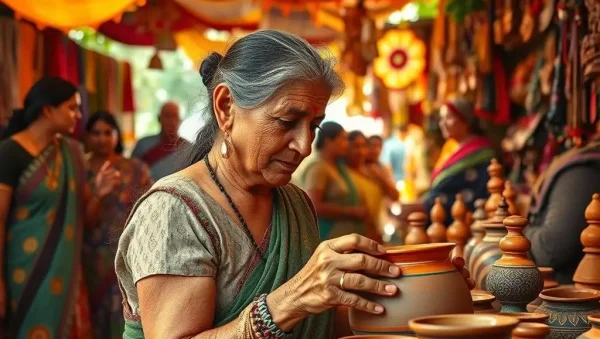
Opportunities in Indian Handicrafts and Artisanal Products


Business and Investment
77 articles in this topic
Start here
- Opportunities in Indian Handicrafts and Artisanal ProductsEmpowering Artisans: Why Investing in Indian Handicrafts Matters
- Understanding the Global Market for Indian ArtifactsThe Role of Technology: How Online Platforms Are Revolutionizing the Market for Indian Artifacts
- Exporting Indian Goods: Tips and GuidelinesExporting Textiles from India: Tips to Ensure Quality and Compliance
Read more about this topic
Discover the world of Business and Investment through the legacy of ancient India 🌏—explore valuable insights into exporting Indian goods, understanding global markets for cultural artifacts, and investing in Indian handicrafts and artisanal products. Learn how historic craftsmanship, trade networks, and cultural heritage continue to inspire modern entrepreneurship, ethical commerce, and sustainable investment opportunities in India’s creative economy.
More in Business and Investment
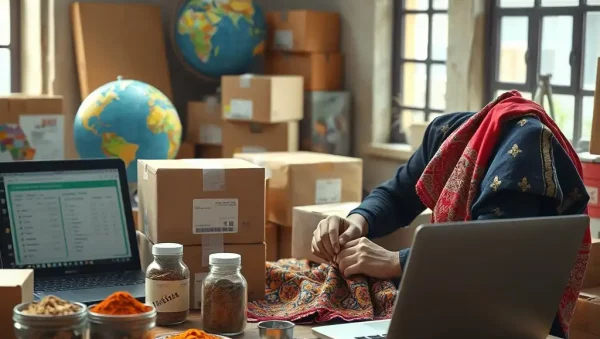
Exporting Indian Goods: Tips and Guidelines
Best Practices for Packaging and Shipping Indian Goods for Export
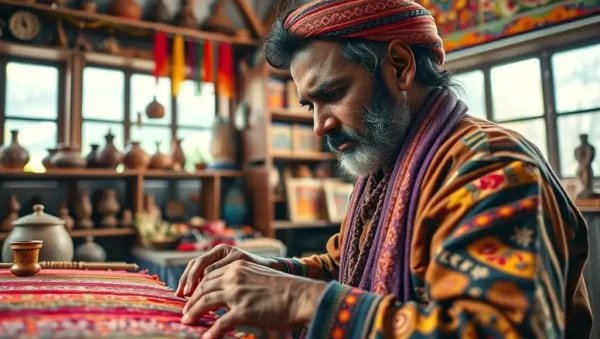
Opportunities in Indian Handicrafts and Artisanal Products
Handcrafted Wealth: Exploring the Financial Benefits of Indian Artisanal Goods
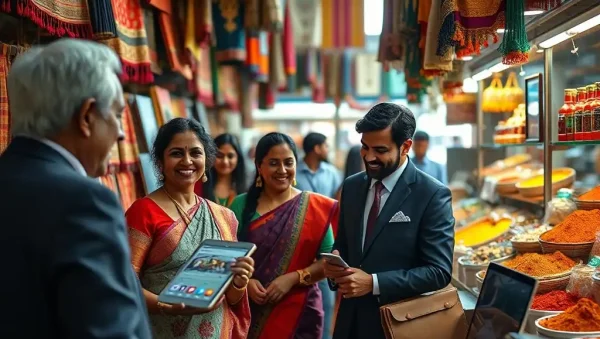
Exporting Indian Goods: Tips and Guidelines
How to Leverage Social Media for Exporting Indian Goods: Tips for Visibility
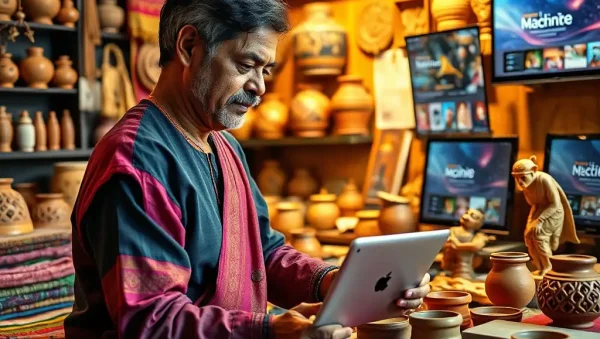
Opportunities in Indian Handicrafts and Artisanal Products
The Digital Transformation of Indian Handicrafts: Embracing Technology for Growth
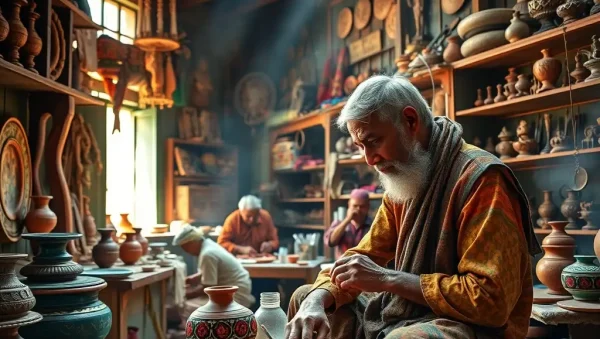
Opportunities in Indian Handicrafts and Artisanal Products
Niche Markets in Indian Handicrafts: Finding Your Place in a Growing Industry
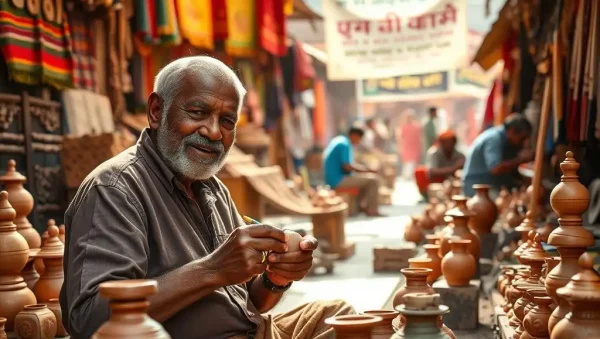
Opportunities in Indian Handicrafts and Artisanal Products
Government Initiatives Supporting Indian Handicrafts: What Investors Need to Know
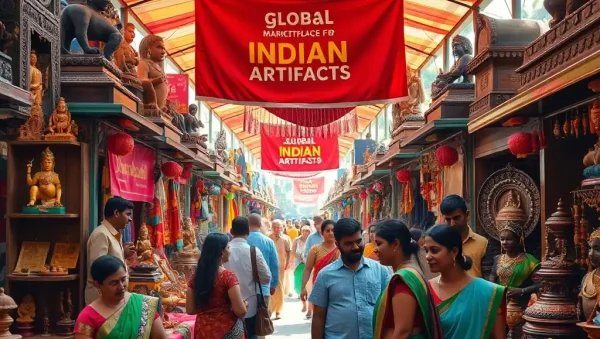
Understanding the Global Market for Indian Artifacts
Cultural Significance and Economic Value: Indian Artifacts in the Global Marketplace
Exporting Indian Goods: Tips and Guidelines
The Benefits of Exporting Indian Goods: Why You Should Start Today
Business and Investment in Ancient India explores the commercial networks, investment opportunities, and economic traditions that connected ancient Indian civilizations with regional and global markets. From the Indus Valley Civilization and its maritime trade to the prosperous kingdoms of the Maurya, Satavahana, Kushan, and Gupta periods, India developed sophisticated systems of production, exchange, taxation, banking, and entrepreneurship.
This category examines how ancient Indian goods, artifacts, handicrafts, textiles, gemstones, spices, metalwork, and artisanal products moved across Asia, the Middle East, Africa, and the Mediterranean. Readers will discover the historical foundations of Indian commerce while gaining practical insight into exporting culturally significant products, understanding demand for Indian artifacts, and identifying opportunities in traditional craftsmanship.
Whether you are a researcher, collector, cultural entrepreneur, heritage professional, investor, or small-business owner, these resources connect Ancient India’s economic history with modern business strategy. Learn about ethical sourcing, international trade, authenticity, cultural preservation, market research, sustainable investment, and the growing global interest in Indian heritage products.
📦 Exporting Indian Goods: Tips and Guidelines
This subcategory provides an informative introduction to exporting Indian goods in a way that respects both commercial requirements and cultural heritage. Readers can learn about product selection, packaging, documentation, customs procedures, shipping methods, quality control, and international customer expectations for products inspired by India’s ancient traditions.
Articles also focus on ethical and legally compliant export practices, especially when dealing with antiques, archaeological objects, religious items, textiles, jewelry, and historical replicas. Expect guidance on verifying provenance, protecting fragile goods, understanding import regulations, researching target markets, and building a trustworthy brand based on authenticity and responsible trade.
🌍 Understanding the Global Market for Indian Artifacts
This section explores the international demand for Indian artifacts and heritage-inspired objects. Readers will gain insight into collectors, museums, galleries, academic institutions, interior designers, cultural organizations, and private buyers who value Indian sculpture, coins, manuscripts, pottery, textiles, decorative arts, and historically informed reproductions.
Special attention is given to authenticity, provenance, valuation, cultural sensitivity, and legal ownership. Content explains how global market trends influence pricing and demand while emphasizing the importance of avoiding illicit antiquities, forged objects, and undocumented materials. Readers can also discover ways to conduct market research and present Indian artifacts responsibly to international audiences.
🎨 Opportunities in Indian Handicrafts and Artisanal Products
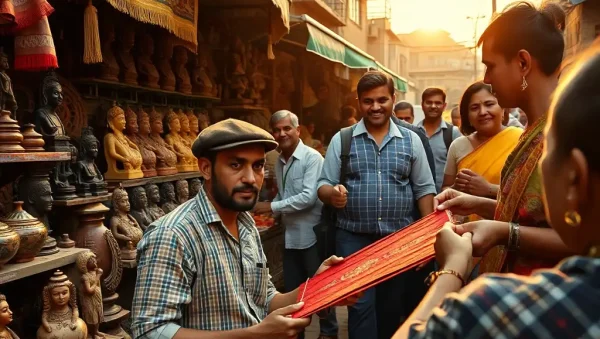
This subcategory highlights business and investment opportunities in India’s rich handicraft and artisanal traditions. Inspired by ancient techniques, products may include handwoven textiles, pottery, metalwork, woodcraft, jewelry, natural dyes, embroidery, stone carving, basketry, and traditional decorative arts. Readers will learn how craftsmanship can become the foundation of sustainable cultural businesses.
Guides cover artisan partnerships, fair-trade principles, product development, branding, e-commerce, tourism markets, and international sales. The content also explains how investing in handmade Indian products can support local communities, preserve endangered skills, and create long-term value through ethical storytelling, sustainable materials, and high-quality craftsmanship.
❓ Frequently Asked Questions About Business and Investment in Ancient India
What were the main business activities in ancient India?
Major business activities included agriculture, textile production, metalworking, pottery, gemstone trading, spice commerce, shipbuilding, livestock exchange, and long-distance trade. Ancient Indian merchants used land and maritime routes to connect cities and ports with Central Asia, Southeast Asia, the Middle East, and the Mediterranean.
Which ancient Indian goods were traded internationally?
Ancient India was known for cotton textiles, silk, spices, precious stones, ivory, perfumes, iron, steel, pottery, beads, and crafted metal objects. The exact products varied by period and region, but Indian goods were valued for their quality, specialized production techniques, and cultural significance.
Can ancient Indian artifacts be legally exported?
Exporting genuine antiquities may be restricted or prohibited depending on their age, origin, ownership history, and national heritage laws. Anyone dealing in artifacts should verify provenance, consult relevant authorities, obtain required documentation, and consider legally produced replicas or contemporary heritage-inspired products as safer alternatives.
How can businesses support Indian artisans?
Businesses can support artisans by paying fair prices, creating transparent supply chains, investing in training, protecting traditional designs, and providing access to domestic and international markets. Long-term partnerships and ethical sourcing are generally more beneficial than one-time purchases or exploitative production arrangements.
Why is ancient Indian history valuable for modern investment?
Ancient Indian history offers insight into established trade routes, production systems, craftsmanship, entrepreneurship, and cultural exchange. Applying these lessons to modern businesses can help develop authentic brands, heritage tourism projects, artisanal ventures, educational platforms, and sustainable products that appeal to consumers interested in history and cultural identity.
Related topics