
Empowering Artisans: Why Investing in Indian Handicrafts Matters

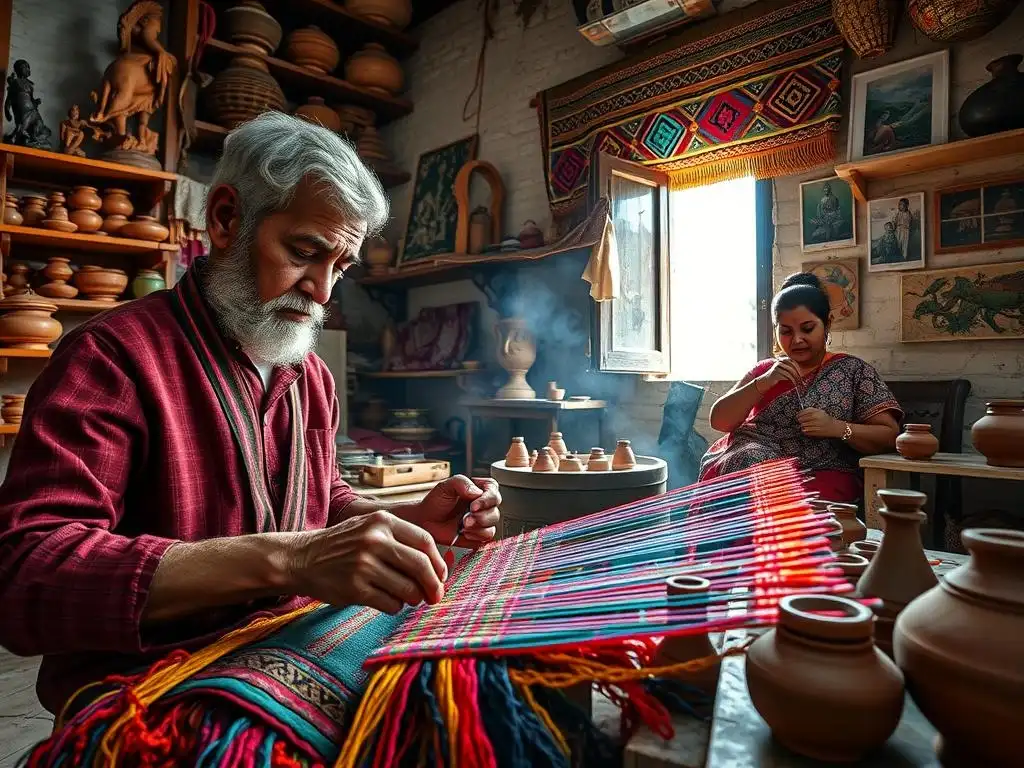
Welcome to Ancient India History, where we embark on a captivating journey through the rich tapestry of India's past. Today, we delve into the importance of Indian handicrafts, exploring how these exquisite creations not only reflect the artistry of ancient civilizations but also hold the power to empower contemporary artisans.
As we uncover the threads that connect our cultural heritage to modern business and investment opportunities, we invite you to discover why investing in these timeless crafts is not just a nod to tradition, but a vital step towards sustainable growth. Join us as we weave through the stories, skills, and significance of Indian handicrafts, sparking your curiosity and inspiring you to explore further!
- Introduction to the Importance of Indian Handicrafts
- The Rich Diversity of Indian Handicrafts
- Why Investing in Indian Handicrafts Matters
- Challenges Faced by Indian Artisans
- Opportunities for Investors in Indian Handicrafts
- How to Support Indian Handicrafts
- Conclusion: The Future of Indian Handicrafts and Investment Opportunities
- Frequently Asked Questions
- Final Reflection: The Enduring Importance of Indian Handicrafts
- Unveil the Beauty of Indian Handicrafts Today!
Introduction to the Importance of Indian Handicrafts
The rich tapestry of Indian history is intricately woven with the threads of its handicrafts, showcasing a cultural heritage that dates back thousands of years. From the intricately designed textiles of Varanasi to the vibrant pottery of Rajasthan, Indian handicrafts represent not just art but also the skills and traditions passed down through generations. The importance of Indian handicrafts transcends mere aesthetics; it embodies the spirit of local communities, sustains livelihoods, and contributes significantly to the economy.
In an era where globalization often threatens local art forms, understanding and investing in these artisanal products becomes crucial. This article delves into the multifaceted significance of Indian handicrafts, exploring their cultural heritage and their vital role in economic growth.
Understanding Indian Handicrafts: A Cultural Heritage
Indian handicrafts are a testament to the country’s diverse cultural landscape. Each region boasts its unique craft, reflective of local customs, materials, and historical influences. Some notable examples include:
- Textiles: India is renowned for its handwoven fabrics such as silk, cotton, and wool, with techniques like tie-dye, block printing, and embroidery.
- Pottery: From the blue pottery of Jaipur to the terracotta art of West Bengal, pottery showcases regional styles and motifs.
- Woodwork: Skillful artisans create intricate wooden carvings, furniture, and decorative items that often depict mythological themes.
These crafts not only serve functional purposes but also convey stories and traditions that are crucial to the identity of Indian communities. The revival and promotion of these handicrafts can help preserve this rich cultural heritage for future generations.
The Role of Indian Handicrafts in Economic Growth
Investing in Indian handicrafts plays a pivotal role in economic development, especially in rural and semi-urban areas. The artisanal sector provides numerous benefits:
- Job Creation: Handicrafts are labor-intensive, thus creating ample employment opportunities, particularly for women and marginalized communities.
- Sustainable Livelihoods: By supporting artisans, we promote self-sufficiency and reduce poverty. Many craftsmen rely solely on their craft for income, making it essential to sustain their livelihoods.
- Export Potential: Indian handicrafts have a growing demand in international markets. Promoting these products can significantly boost exports, contributing to the nation's economy.
- Cultural Tourism: Handicrafts attract tourists, who seek authentic experiences. Craft fairs and workshops can enhance local economies through tourism while showcasing India's rich heritage.
The importance of Indian handicrafts lies not only in their beauty but also in their ability to empower communities, sustain livelihoods, and drive economic growth. As we explore the opportunities within this sector, it becomes imperative to recognize and support these invaluable contributions to society.
The Rich Diversity of Indian Handicrafts
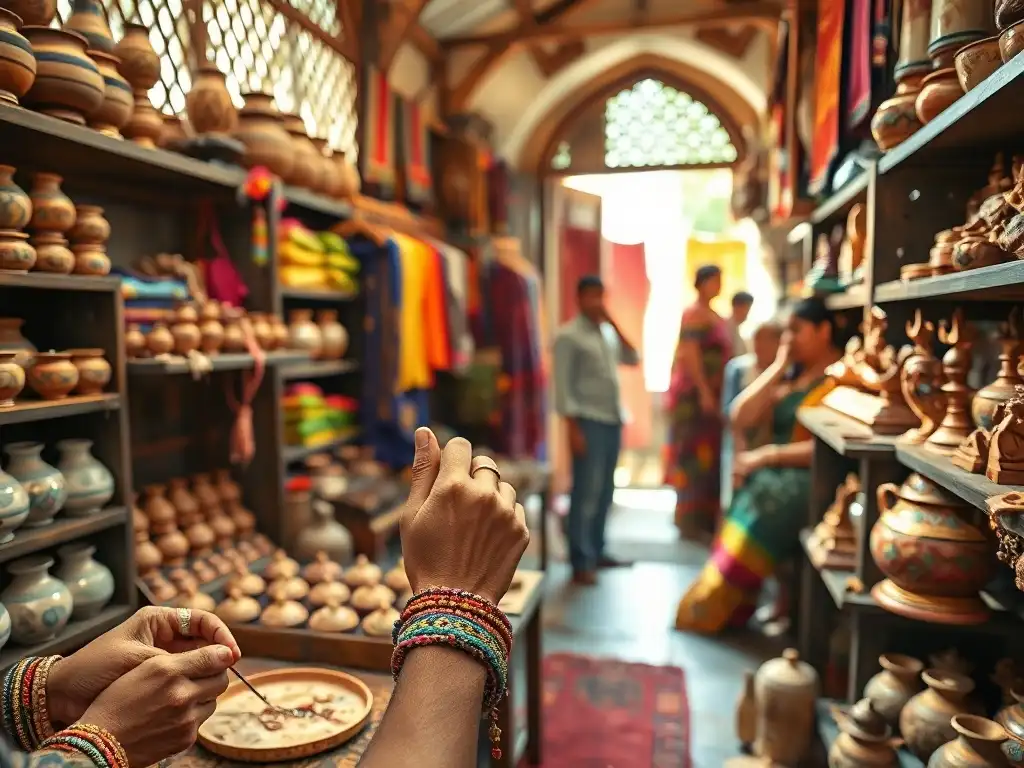
The tapestry of Indian handicrafts is woven with threads of culture, history, and artistry, reflecting the diverse traditions of its numerous regions. Each craft tells a story, embodying the skills passed down through generations and the unique styles that have evolved over centuries. The importance of Indian handicrafts lies not only in their aesthetic value but also in their role in sustaining livelihoods and preserving heritage. As we explore the major types of Indian handicrafts, we uncover the significance and potential these art forms hold for artisans and the broader economy.
Major Types of Indian Handicrafts
The landscape of Indian handicrafts is vast, encompassing a variety of materials, techniques, and designs. Below are some of the most prominent categories that showcase the artistic brilliance of India's artisans:
Textiles: Weaving Tradition and Modernity
Indian textiles are renowned globally for their intricate designs and vibrant colors. The diversity in textiles can be categorized into several forms:
- Handloom Fabrics: States like West Bengal and Tamil Nadu are famous for their handwoven sarees such as Banarasi and Kanjivaram.
- Embroidery: Regions like Punjab and Gujarat have distinct embroidery styles like Phulkari and Kutch, respectively, which add a unique flair to garments.
- Block Printing: Techniques such as Ajrakh from Kutch and Sanganeri from Rajasthan emphasize the use of natural dyes and traditional methods.
The fusion of traditional craftsmanship with modern designs has led to a resurgence in the popularity of Indian textiles, making them a viable option for investment and export.
Pottery: Crafting History into Form
Pottery is one of the oldest crafts in India, dating back to the Indus Valley Civilization. The significance of pottery in Indian culture is evident in various forms:
- Terracotta: Often used for figurines and decorative items, terracotta pottery reflects the artistic expressions of local communities.
- Glazed Pottery: Regions like Khurja and Moradabad are known for their exquisite glazed pottery, combining functionality with artistic detail.
- Hand-painted Pottery: Techniques like blue pottery from Jaipur demonstrate the intricate artistry that goes into every piece.
Pottery not only serves practical purposes but also carries cultural significance, often used in rituals and festivities, representing the continuity of tradition.
Jewelry: Artistry in Adornment
Indian jewelry is a rich and vibrant part of the country's heritage, characterized by its diverse styles and materials:
- Traditional Jewelry: Each region boasts its own style, such as Kundan from Rajasthan and Temple jewelry from South India, often featuring intricate designs and precious stones.
- Contemporary Designs: Modern artisans are redefining traditional motifs, creating pieces that appeal to contemporary tastes while retaining cultural significance.
- Sustainable Practices: Many artisans are now incorporating eco-friendly materials, resonating with global trends towards sustainability.
Investing in Indian jewelry not only supports artisans but also promotes the preservation of traditional techniques and the exploration of innovative designs.
Woodwork: The Craft of Nature’s Materials
Woodwork in India is an artisanal craft that showcases the relationship between nature and creativity. The intricacy of woodcraft can be seen in:
- Carved Furniture: Regions like Jaipur and Mysore are known for their elaborate wood carvings, often depicting mythological stories and floral patterns.
- Toys and Decorative Items: Wooden toys from Channapatna and decorative pieces reflect the skill and creativity of local artisans, often made from sustainable wood sources.
- Inlay Work: The famous Pietra Dura technique from Agra involves intricate inlay work using semi-precious stones, creating stunning pieces that are both functional and artistic.
The woodcraft industry not only generates employment but also fosters a connection to nature, making it an important area for investment in the handicraft sector.
By understanding the rich diversity of Indian handicrafts and their significance, we can appreciate not only the beauty they bring to our lives but also the economic and cultural value they represent. Investing in these traditional crafts is crucial for empowering artisans and ensuring the longevity of these exquisite art forms.
Why Investing in Indian Handicrafts Matters
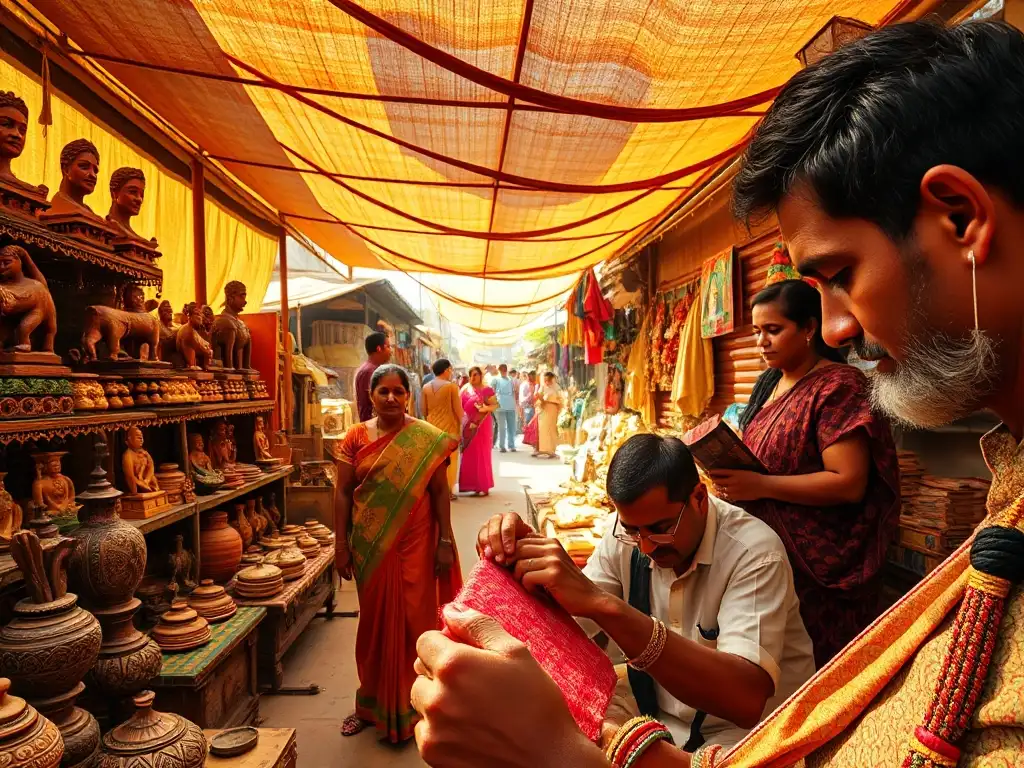
Investing in Indian handicrafts is not just about acquiring beautiful and unique products; it plays a crucial role in sustaining the economy, preserving culture, and empowering communities. The importance of Indian handicrafts can be understood through their multifaceted impact on various aspects of society, including economic benefits, cultural preservation, and the empowerment of artisans.
Economic Benefits of Supporting Artisans
The Indian handicraft sector is a significant contributor to the national economy. By investing in handicrafts, we can unlock a plethora of economic benefits that extend beyond mere financial transactions.
Job Creation and Livelihood Opportunities
The handicraft industry is labor-intensive, providing employment to millions of artisans across India. Here are some key points regarding job creation:
- Diverse Employment: The sector offers jobs not only in crafting but also in the supply chain, marketing, and sales.
- Sustaining Families: By supporting artisans, we directly enhance their income, which in turn supports their families and local economies.
- Diminishing Urban Migration: By creating opportunities in rural areas, we can reduce the trend of urban migration, preserving village life and culture.
Contribution to Rural Development and Community Empowerment
Investing in handicrafts has a ripple effect on rural development:
- Community Cohesion: Handicraft production often involves groups of artisans working together, fostering community bonds and collaboration.
- Empowerment of Women: Many artisans are women who gain financial independence and a voice in their communities through handicraft work.
- Sustainable Development: Handicrafts utilize local resources and traditional knowledge, promoting sustainable practices that benefit the environment and local economies.
Cultural Preservation Through Handicrafts
Handicrafts are a reflection of the rich cultural heritage of India. Investing in this sector helps preserve traditional practices and promotes cultural identity.
Reviving Traditional Techniques and Skills
Many handicrafts are rooted in ancient techniques that are at risk of fading away. Here’s how investing in handicrafts aids in their revival:
- Skill Development: Workshops and training programs can help impart traditional skills to new generations.
- Documentation and Promotion: By investing in handicrafts, we encourage the documentation of traditional techniques, ensuring they are not lost over time.
- Innovation: The integration of modern design with traditional crafts can lead to innovative products that appeal to contemporary markets while preserving the essence of the craft.
Fostering a Sense of Identity and Heritage
Handicrafts serve as a vehicle for cultural expression, reflecting the identity and heritage of communities:
- Cultural Narratives: Each piece of handicraft tells a story, representing the traditions, beliefs, and values of its creators.
- Tourism Promotion: Handicrafts attract tourism, allowing visitors to experience and appreciate the rich tapestry of Indian culture.
- Global Recognition: Promoting Indian handicrafts on international platforms highlights India’s cultural diversity and artistry, fostering a sense of pride among artisans and communities.
The importance of Indian handicrafts transcends their economic value; they are a vital part of India’s cultural identity and social fabric. Investing in this sector not only stimulates economic growth but also preserves the invaluable heritage and empowers communities, making it a deserving focus for both businesses and consumers alike.
Challenges Faced by Indian Artisans
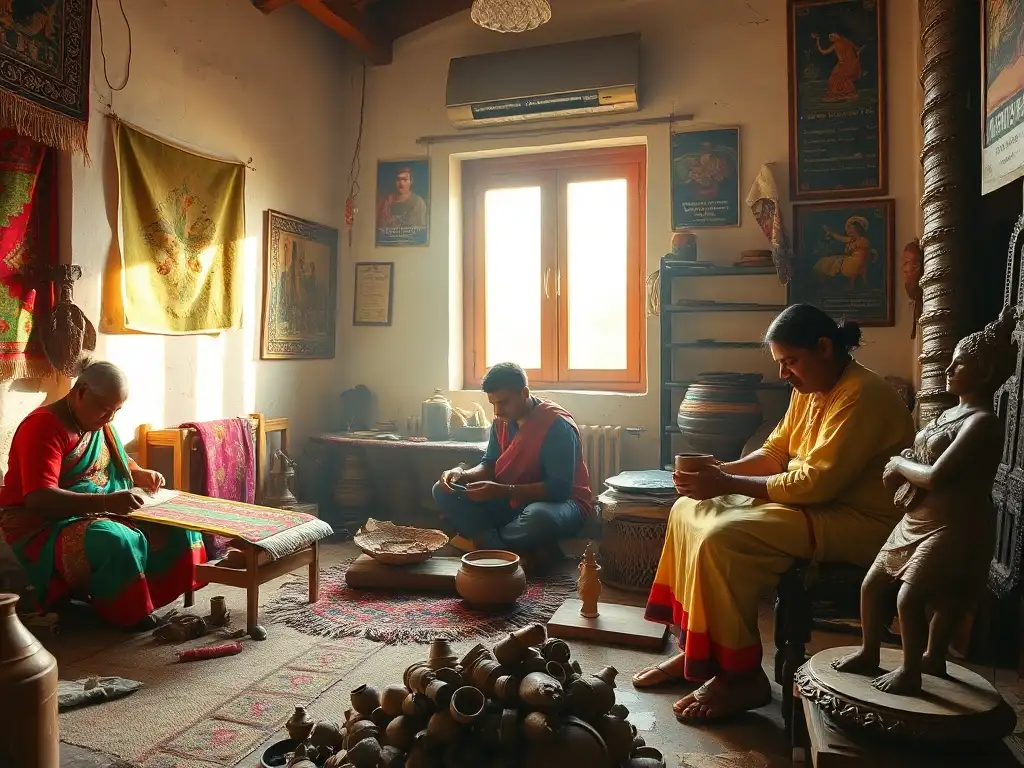
Market Access: Bridging the Gap Between Artisans and Consumers
One of the most significant challenges faced by Indian artisans is market access. Despite the rich heritage and unique craftsmanship of Indian handicrafts, many artisans struggle to reach potential consumers. This issue primarily stems from several factors:
- Lack of Distribution Channels: Artisans often depend on middlemen to sell their products, which can lead to reduced profit margins. By the time a product reaches the consumer, its price may increase significantly, making it less competitive.
- Limited Online Presence: While e-commerce has revolutionized retail, many artisans lack the digital literacy or resources to market their products online effectively. As a result, they miss out on reaching a broader audience.
- Insufficient Branding: Many handicraft products are not adequately branded, making it difficult for consumers to recognize their value or uniqueness. Creating a strong brand identity can help artisans differentiate their products and attract more customers.
To address these issues, initiatives aimed at providing direct market access to artisans through cooperatives and online platforms can be pivotal. For instance, platforms that connect artisans directly to consumers not only help artisans retain a larger share of the profit but also promote sustainable practices by reducing the carbon footprint associated with transportation.
Threats from Mass Production and Globalization
In the age of globalization, Indian artisans face fierce competition from mass-produced goods. The allure of cheaper, uniform products poses a significant threat to traditional handicrafts. Here are some key aspects to consider:
- Price Competition: Mass production often leads to lower prices, compelling consumers to choose cheaper alternatives over artisanal products. This trend undermines the traditional craftsmanship that defines Indian handicrafts and can lead to a decline in demand.
- Cultural Homogenization: Globalization can result in the dilution of unique cultural identities. As global brands dominate the market, the distinctiveness of Indian handicrafts may be overshadowed, leading to a loss of cultural heritage.
- Environmental Impact: The production methods of mass-produced items often disregard environmental concerns. In contrast, Indian handicrafts typically utilize sustainable practices. However, without adequate support, artisans may struggle to compete, jeopardizing both their livelihoods and traditional ecological practices.
To counter these threats, it is essential for stakeholders to promote the value of handmade goods. Educating consumers about the benefits of purchasing artisanal products—such as their unique stories, cultural significance, and sustainable production methods—can help bolster demand.
Need for Skill Development and Training Programs
The survival and growth of the Indian handicraft sector hinge on the continuous development of artisans' skills. Here are some critical areas where skill development and training programs can make a significant impact:
- Modern Techniques and Technologies: Many artisans are skilled in traditional techniques but may lack exposure to modern crafting methods or technologies that can enhance their production efficiency. Workshops that integrate traditional and contemporary skills can empower artisans to innovate while preserving their heritage.
- Business Management Training: Artisans often excel in craftsmanship but may struggle with the business side of their operations. Training programs focusing on marketing, financial literacy, and supply chain management can equip them with essential skills to navigate the market effectively.
- Collaboration and Networking: Facilitating collaboration among artisans can foster innovation and knowledge sharing. Creating networks or communities where artisans can exchange ideas, resources, and experiences can lead to the development of new products that cater to evolving consumer preferences.
By investing in comprehensive skill development initiatives, stakeholders can ensure that artisans not only preserve their traditional crafts but also thrive in a competitive market. The importance of Indian handicrafts lies not only in their aesthetic value but also in the cultural narratives they carry, making it crucial to support artisans in overcoming these challenges.
Opportunities for Investors in Indian Handicrafts
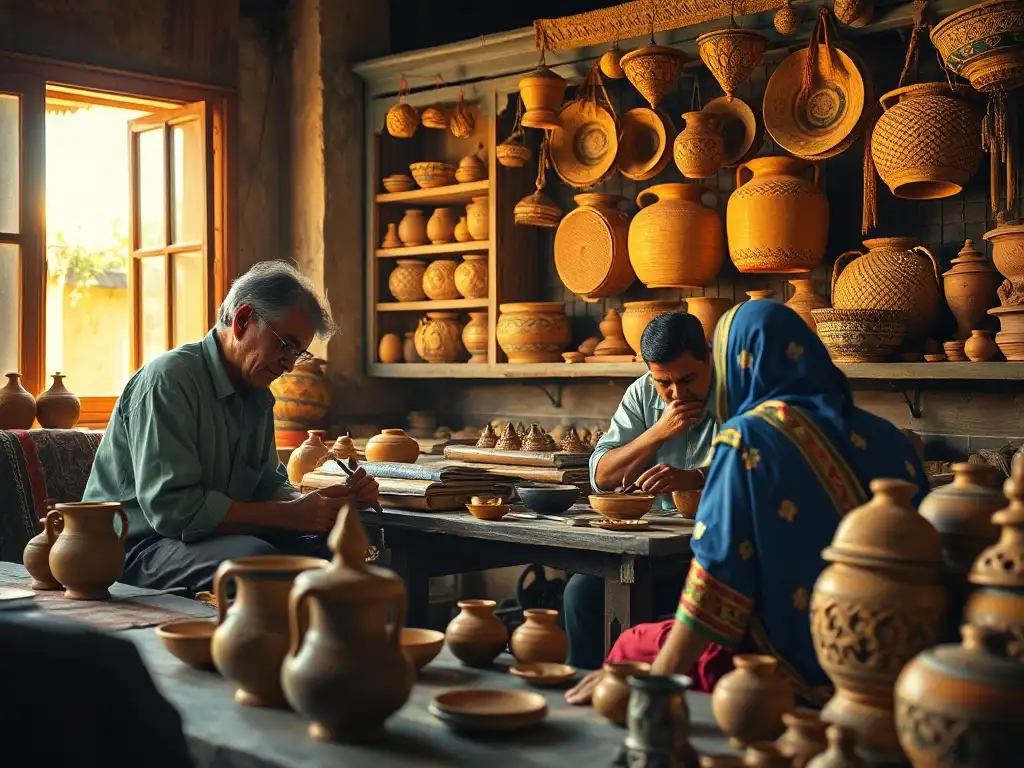
The Indian handicraft sector presents a wealth of opportunities for investors, driven by its rich cultural heritage, skilled artisans, and growing global demand for unique and sustainable products. As the world becomes increasingly interconnected, the importance of Indian handicrafts has gained recognition, with consumers seeking authenticity and craftsmanship that tell a story. This section will explore some high-growth segments, collaboration possibilities, and the benefits of investing in this vibrant sector.
Exploring High-Growth Segments in the Handicrafts Market
The handicraft market in India is diverse, encompassing a wide range of products that cater to different consumer preferences. Key segments that show significant growth potential include:
Sustainable and Eco-Friendly Products
With increasing awareness of environmental issues, sustainable handicrafts have gained traction. Many consumers are now prioritizing eco-friendly products that minimize environmental impact. This trend is particularly relevant in the context of Indian handicrafts, where traditional practices often align with sustainable methods.
- Examples of Sustainable Handicrafts:
- Natural Dye Textiles: Artisans using indigenous plants for dyeing fabrics create eco-friendly textiles that are gaining popularity.
- Biodegradable Home Decor: Items made from natural materials such as bamboo, jute, and clay are sought after for their minimal ecological footprint.
Investors focusing on this segment can leverage the growing market for sustainable products, tapping into a consumer base that values ethical consumption.
Custom and Personalized Handicrafts
The demand for personalized items is on the rise, as consumers seek unique products that reflect their individual tastes. This trend is particularly evident in the handicrafts sector, where artisans can create bespoke items tailored to specific customer requirements.
- Examples of Custom Handicrafts:
- Customized Jewelry: Artisans can craft unique pieces based on customer preferences, often incorporating personal elements such as initials or birthstones.
- Personalized Home Decor: Customized wall hangings or handcrafted furniture pieces can be tailored to fit individual styles and spaces.
Investors can find lucrative opportunities by supporting artisans who specialize in custom offerings, as this niche market continues to expand.
Collaborations and Partnerships with Local Artisans
Investing in Indian handicrafts is not just about capital; it's also about fostering relationships. Collaborating with local artisans can create a symbiotic relationship that benefits both parties and enhances the marketability of handicrafts.
Case Study: The Revival of Kutch Handicrafts through Artisan Cooperatives
The Kutch region of Gujarat is known for its rich tapestry of handicrafts, including embroidery, pottery, and weaving. In recent years, artisan cooperatives have played a pivotal role in reviving traditional crafts that were at risk of fading away.
- Impact of Cooperatives:
- Skill Development: Training programs help artisans enhance their skills, ensuring that traditional techniques are preserved and passed down.
- Market Access: Cooperatives provide artisans with access to larger markets, allowing them to sell their products at fair prices.
This case study illustrates the potential for investors to support sustainable practices while ensuring a fair income for artisans, thus reinforcing the importance of Indian handicrafts.
Benefits of Ethical Sourcing and Fair Trade Practices
Investing in ethical sourcing and fair trade practices not only aligns with global trends towards social responsibility but also enhances brand loyalty among consumers.
- Key Benefits:
- Improved Community Welfare: Fair trade practices ensure that artisans receive fair compensation, leading to better living standards and community development.
- Consumer Trust: Brands that prioritize ethical sourcing can build strong relationships with consumers who value transparency and integrity.
By adopting these practices, investors can cultivate a positive brand image while significantly impacting the livelihoods of artisans in India.
Investing in the Indian handicrafts sector not only presents significant financial opportunities but also contributes to preserving cultural heritage and empowering local communities. Emphasizing the importance of Indian handicrafts can lead to sustainable growth and a vibrant future for both artisans and investors alike.
How to Support Indian Handicrafts
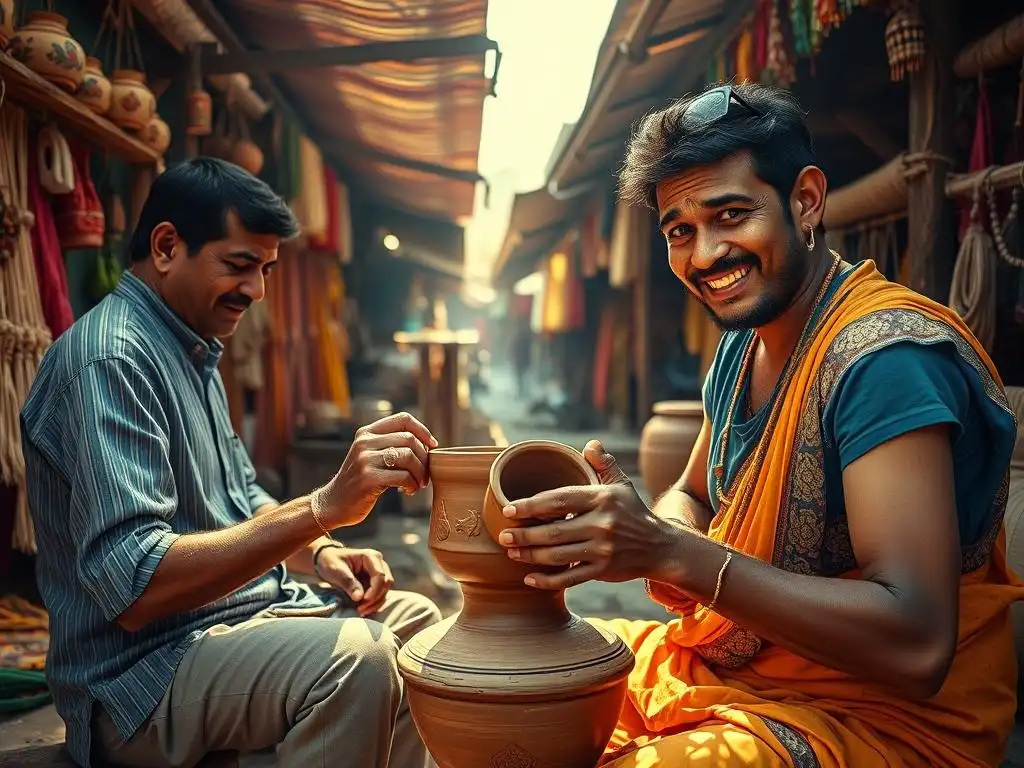
Supporting Indian handicrafts is crucial not only for preserving cultural heritage but also for empowering local artisans and sustaining their livelihoods. By actively engaging with these crafts, consumers and investors can make a significant impact on the communities involved. Here are some best practices to consider:
Best Practices for Consumers and Investors
Direct Purchasing from Artisans and Cooperatives
One of the most effective ways to support Indian handicrafts is through direct purchasing from artisans and cooperatives. This approach ensures that the maximum amount of money goes directly to the creators, promoting fair wages and sustainable practices. Here are some key points to consider:
- Local Markets: Visit local artisan markets and fairs where craftsmen display their work. This not only supports their income but also allows for personal interaction and the sharing of stories behind the crafts.
- Cooperative Models: Many artisans work in cooperatives, which help them pool resources and market their products more effectively. Buying from these cooperatives strengthens their collective bargaining power and enhances their financial stability.
- Customized Orders: Consider placing customized orders. This not only provides artisans with a unique opportunity to showcase their skills but also fosters a sense of appreciation for their craft.
Supporting Online Platforms for Indian Handicrafts
With the rise of e-commerce, online platforms have become an essential avenue for promoting Indian handicrafts. Supporting these platforms can amplify the reach of artisans and facilitate easier access to consumers. Here are some strategies:
- Social Media Promotion: Follow and share posts from online platforms dedicated to Indian handicrafts. This increases visibility and helps artisans reach a broader audience.
- Online Reviews and Ratings: After purchasing, leave positive reviews and ratings. This feedback is invaluable for artisans and helps potential buyers make informed decisions.
- Subscription to Newsletters: Sign up for newsletters from online marketplaces to stay updated on new products, artisan stories, and upcoming events that promote Indian handicrafts.
Recommended Products and Services to Invest In
Investing in specific products and services within the Indian handicrafts sector can yield significant returns while contributing to cultural preservation and community support. Below are some recommended avenues for investment:
Craftsvilla - An Online Marketplace for Handicrafts
Craftsvilla is a leading online marketplace that focuses on promoting Indian handicrafts. By investing in Craftsvilla, you support a platform that offers a wide array of handmade products from various regions of India. Key features include:
- Diverse Product Range: From textiles to pottery, Craftsvilla showcases the rich diversity of Indian crafts, allowing consumers to explore and appreciate different styles.
- Artisan Stories: The platform often highlights the artisans behind the products, providing a personal touch and fostering a deeper connection between consumers and craftspeople.
- Sustainability Focus: Craftsvilla emphasizes sustainable practices, ensuring that the products sold are made with eco-friendly materials and ethical labor practices.
Dastkar - Artisanal Workshops and Training Programs
Dastkar is an organization dedicated to the promotion of Indian handicrafts through workshops and training programs. Investing in Dastkar can have a profound impact on the artisan community. Here's how:
- Skill Development: Dastkar’s training programs empower artisans with new skills and techniques, enhancing their craftsmanship and marketability.
- Cultural Preservation: By supporting Dastkar, you contribute to the preservation of traditional crafts and promote cultural heritage.
- Community Engagement: Dastkar fosters community engagement by organizing events that connect artisans with consumers, encouraging appreciation for their work and creating supportive networks.
By following these practices and considering these investment opportunities, consumers and investors can significantly contribute to the importance of Indian handicrafts. This not only helps sustain the livelihoods of artisans but also preserves the rich cultural heritage of India for future generations.
Conclusion: The Future of Indian Handicrafts and Investment Opportunities
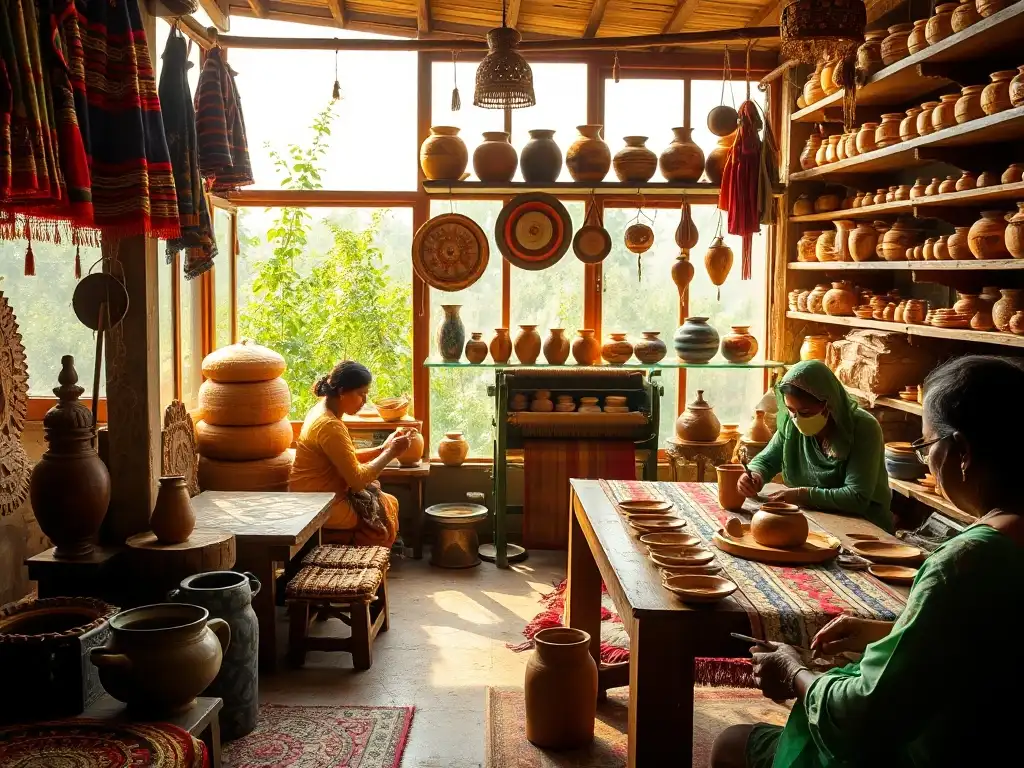
The future of Indian handicrafts is poised for significant growth, driven by a confluence of factors that underscore the importance of these traditional crafts not only as cultural treasures but also as viable economic opportunities. As global consumers increasingly seek authenticity and uniqueness in products, Indian handicrafts emerge as a symbol of sustainable luxury and cultural heritage. Investing in these crafts not only supports local artisans but also has the potential to stimulate rural economies, preserving age-old techniques and fostering community development.
The Importance of Indian Handicrafts in a Globalized World
In a rapidly globalizing market, the importance of Indian handicrafts cannot be overstated. Here are several key reasons why these artisanal products deserve attention:
- Cultural Preservation: Indian handicrafts embody centuries of tradition, artistry, and cultural identity. By investing in them, we help preserve these unique art forms that might otherwise fade away in the face of industrialization.
- Sustainable Development: Handicrafts are often produced using eco-friendly materials and practices. Supporting them contributes to sustainable development, reducing carbon footprints compared to mass-produced goods.
- Economic Empowerment: Handicrafts serve as a vital source of income for millions of artisans across India. Investment in this sector promotes economic independence and strengthens the livelihoods of marginalized communities.
- Global Market Demand: There is a rising global demand for handcrafted products as consumers become more conscious of ethical sourcing. Indian handicrafts, with their rich diversity and intricate craftsmanship, are well-positioned to meet this demand.
- Innovation and Adaptation: Artisans are increasingly blending traditional techniques with modern design aesthetics, creating products that appeal to contemporary consumers. This fusion not only enhances their marketability but also keeps traditions alive through innovation.
Call to Action: Join the Movement to Empower Artisans
It is essential for individuals and businesses alike to take action in support of Indian handicrafts. Here are some ways to get involved:
- Support Local Artisans: Purchase handcrafted goods directly from artisans or through fair trade organizations to ensure that they receive fair compensation for their work.
- Spread Awareness: Share information about the importance of Indian handicrafts on social media and within your community to raise awareness and appreciation for these unique products.
- Invest in Training Programs: Encourage or support initiatives that provide training and resources for artisans, ensuring they can continue to develop their skills and adapt to market changes.
- Promote Ethical Tourism: If you travel to India, seek out opportunities to engage with local artisans, participate in workshops, and purchase handicrafts directly, ensuring your contributions have a direct positive impact.
- Advocate for Policy Support: Engage with policymakers to advocate for measures that protect and promote the handicraft sector, ensuring that artisans receive the support they need to thrive.
By joining the movement to empower artisans, we can collectively uplift communities, preserve rich traditions, and celebrate the unparalleled beauty of Indian handicrafts. Together, let’s make a commitment to investing in this vital sector for a sustainable and prosperous future.
Frequently Asked Questions
What are Indian handicrafts?
Indian handicrafts refer to handmade products created by skilled artisans using traditional techniques. These crafts encompass a wide range of items, including textiles, pottery, woodwork, and metalwork, reflecting India's rich cultural heritage.
Why is the importance of Indian handicrafts being emphasized?
The importance of Indian handicrafts is emphasized because they not only represent the cultural identity of the country but also provide livelihoods for many artisans. Investing in these crafts helps preserve traditional skills and supports local economies.
How do Indian handicrafts contribute to the economy?
Indian handicrafts contribute significantly to the economy by generating employment opportunities for artisans and boosting local economies. They also play a role in export revenues, promoting Indian culture globally.
What role does sustainability play in Indian handicrafts?
Sustainability is crucial in Indian handicrafts as many artisans use eco-friendly materials and traditional methods. This approach helps protect the environment and promotes the sustainable livelihoods of artisans.
How can consumers support Indian handicrafts?
Consumers can support Indian handicrafts by purchasing products directly from artisans or through fair trade organizations. This not only ensures fair wages for artisans but also promotes the preservation of traditional art forms.
Final Reflection: The Enduring Importance of Indian Handicrafts
The significance of Indian handicrafts transcends mere aesthetics; it embodies a rich cultural heritage and a sustainable economic model that resonates deeply in today's globalized world. As we navigate an era increasingly defined by mass production and digital consumption, the value of investing in Indian handicrafts becomes ever more apparent. These artisanal creations not only preserve age-old traditions but also foster community resilience and economic empowerment, reminding us that the beauty of craftsmanship is a vital thread in the fabric of our society.
Cultural heritage is not just a relic of the past; it is a living, breathing entity that shapes our identities and communities. The ongoing influence of Indian handicrafts can be seen in the resurgence of interest in sustainable practices and ethical consumerism. As more individuals seek to connect with the stories behind the products they purchase, the words of Mahatma Gandhi resonate: The best way to find yourself is to lose yourself in the service of others.
This sentiment underscores the importance of supporting artisans, as their work not only enriches our lives but also uplifts entire communities, creating a ripple effect of positive change.
As you reflect on the importance of Indian handicrafts, consider how you can contribute to this vibrant ecosystem. Take a moment to appreciate the artistry behind each piece, and think about how your choices can support artisans and their craft. Whether through purchasing handmade goods, sharing their stories, or advocating for fair trade practices, you have the power to make a difference. Embrace the opportunity to celebrate and invest in the rich tapestry of Indian handicrafts, ensuring that these treasures continue to thrive for generations to come.
Unveil the Beauty of Indian Handicrafts Today!
Thank you for immersing yourself in the world of Indian handicrafts! Your interest not only enriches your understanding but also helps uplift talented artisans. Now, let's keep the momentum going and take meaningful steps to support our vibrant cultural heritage.
Here’s how you can make a difference:
- Explore local artisan markets and purchase handmade goods to give them the recognition they deserve.
- Share your knowledge about Indian handicrafts on social media—using hashtags like #SupportLocalArtisans is a great way to spread the word!
- Organize a community workshop where artisans can showcase their crafts and teach others about their skills.
As you reflect on your role in this empowering journey, consider how your next purchase or community initiative can elevate the artisans in your area.