
Script and Identity: How Writing Systems Shaped Ancient Indian Communities


Welcome to Ancient India History, where we embark on an exhilarating journey through the rich tapestry of India’s past. Today, we delve into the impact of writing in ancient India, a transformative force that not only shaped communication but also forged identities and cultures across diverse civilizations. As we explore the profound connections between script and identity, you’ll uncover how ancient writing systems influenced communities from the Indus Valley to the Gupta Empire. Get ready to unveil the secrets of inscriptions and epigraphy that have left an indelible mark on history!
Introduction to the Impact of Writing in Ancient India
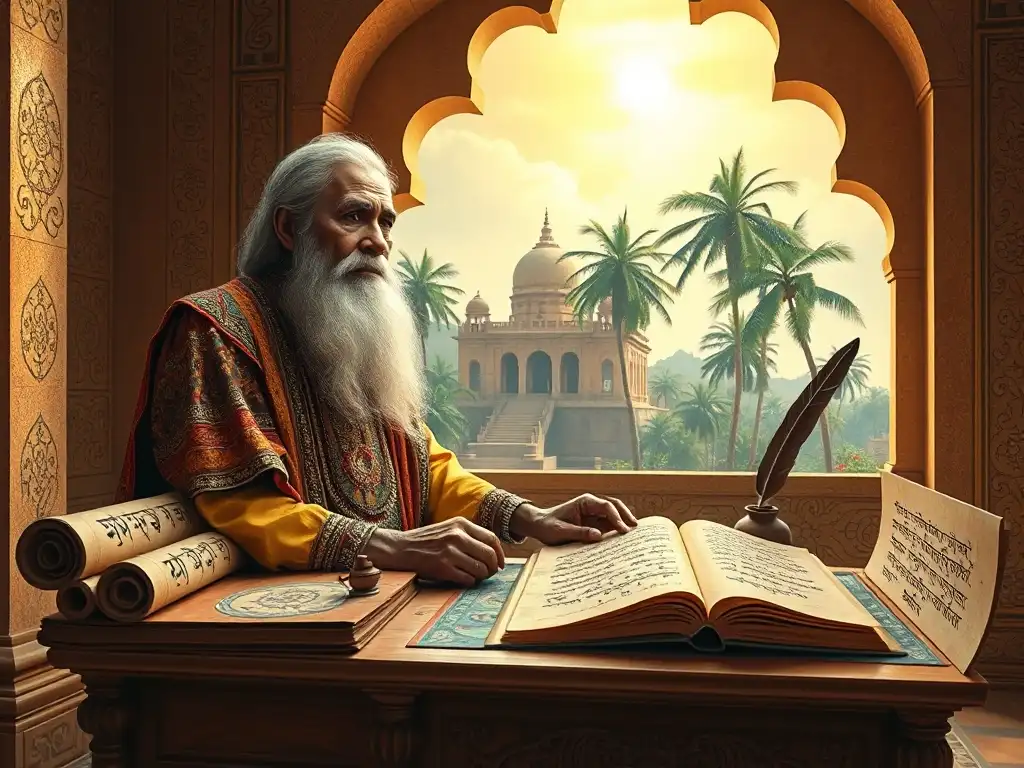
The impact of writing in ancient India is profound and multifaceted, serving as a cornerstone for the development of communities and their identities throughout history. From the enigmatic symbols of the Indus Valley Civilization to the sophisticated scripts of the Gupta Empire, writing systems played an essential role in documenting, preserving, and transmitting knowledge. These scripts not only facilitated administrative functions but also fostered cultural exchanges and shaped social structures. Understanding the evolution of these writing systems sheds light on how they influenced the identity of ancient Indian civilizations and contributed to their rich tapestry of history.
Overview of Writing Systems in Ancient India
Ancient India was home to a variety of writing systems, each reflecting the linguistic diversity and cultural richness of the subcontinent. Major scripts such as Brahmi and Kharosthi emerged around the 3rd century BCE, laying the foundation for many modern Indian scripts. The Indus Valley script, with its undeciphered symbols, represents one of the earliest forms of written communication on the Indian subcontinent, while later scripts evolved under the influences of trade, religion, and cultural exchange.
- Key Writing Systems:
- Indus Valley Script
- Brahmi Script
- Kharosthi Script
These scripts not only served practical purposes but also embodied the values, beliefs, and artistic expressions of the communities that utilized them.
Importance of Writing in Shaping Identity and Culture
Writing systems in ancient India played a crucial role in defining community identity and cultural heritage. They enabled the documentation of religious texts, philosophical discourses, and historical accounts, which have survived for millennia. The ability to record and communicate ideas contributed to the cohesion of societies and the establishment of shared narratives.
- Cultural Significance:
- Preservation of religious texts (e.g., Vedas, Upanishads)
- Documentation of historical events and royal decrees
- Artistic expression through inscriptions and literature
Moreover, writing facilitated the interaction between diverse cultures, allowing for the exchange of ideas and practices that enriched the social fabric of ancient Indian civilization.
The Evolution of Writing in Ancient India
The evolution of writing in ancient India reflects a dynamic interplay between local innovations and external influences. This development can be categorized into distinct phases, each marked by significant advancements in script and communication.
The Indus Valley Script: Beginnings of Written Communication
The Indus Valley script, dating back to 2600–1900 BCE, represents one of the earliest known writing systems in the world. Despite its undeciphered nature, the script is believed to have been used for a variety of purposes, including trade, administration, and religious practices. The symbols, often inscribed on seals and pottery, provide valuable insights into the socio-economic and cultural aspects of the Indus Valley Civilization.
- Characteristics of the Indus Valley Script:
- Short inscriptions, often consisting of 3-5 symbols
- Use of seals for trade and identification
- Potential religious or ritualistic significance
Brahmi and Kharosthi: The Rise of Indian Scripts
The emergence of Brahmi and Kharosthi scripts around the 3rd century BCE marked a transformative period in the writing landscape of ancient India. Brahmi, considered the ancestor of many modern Indian scripts, was widely used across the subcontinent for inscriptions, manuscripts, and religious texts. Kharosthi, primarily used in the northwest regions, played a significant role in facilitating trade and communication with Central Asian cultures.
- Key Features of Brahmi and Kharosthi:
- Phonetic representation of sounds
- Influence on the development of regional scripts
- Connection to the spread of Buddhism and other religious texts
Influence of Other Cultures on Indian Writing Systems
The development of writing in ancient India was not an isolated phenomenon; it was significantly influenced by interactions with neighboring cultures. The trade routes connecting India to Persia, the Mediterranean, and Central Asia facilitated the exchange of ideas, including writing techniques and styles.
- Influences Noticed:
- Adoption of Aramaic influences in Kharosthi
- The impact of Greek script during the Mauryan Empire
- Cross-cultural exchanges through trade and conquest
This cultural amalgamation enriched the Indian writing systems, resulting in a diverse and vibrant literary heritage that continues to shape the identity of modern Indian civilization.
As we delve deeper into this intricate tapestry of scripts and their implications, we will explore the lasting legacy of these writing systems and their enduring impact on the communities of ancient India.
The Role of Writing in Ancient Indian Communities
Writing systems played a pivotal role in shaping the identities and functioning of ancient Indian communities. As a means of communication, record-keeping, and expression, writing facilitated the organization of society, the administration of governance, and the development of trade networks. Ancient India saw the emergence of various scripts, such as Brahmi and Kharosthi, which not only represented linguistic diversity but also served as a reflection of cultural and regional identities. The very act of writing enabled communities to document their histories, laws, and beliefs, thereby creating a sense of continuity and collective memory.
The significance of writing extended beyond mere communication; it became a fundamental aspect of identity formation. By inscribing their thoughts, laws, and religious texts, communities could assert their uniqueness and maintain their traditions. The ability to write also allowed for the codification of knowledge, impacting various domains such as literature, science, and philosophy. Thus, writing transcended its utilitarian function, becoming a powerful symbol of power, culture, and identity in ancient Indian society.
Writing as a Tool for Administration and Governance
In ancient India, writing emerged as an essential tool for administration and governance. The ability to document laws, regulations, and decrees was vital for maintaining order and facilitating the administration of vast empires. Rulers and officials utilized writing to communicate with one another, ensuring that policies were effectively implemented across diverse regions. For instance, the Mauryan Empire, under Ashoka, employed inscriptions to disseminate edicts that promoted moral conduct and welfare among the populace.
The use of writing also enhanced the accountability of rulers. By recording laws and decisions, leaders could be held accountable for their actions, as these documents served as permanent records. This practice not only reinforced the authority of the state but also fostered a sense of trust among the governed. Furthermore, the establishment of scribal offices and administrative staff underscored the importance of literacy within governance, leading to the rise of specialized roles that contributed to the efficiency of the administrative apparatus.
The Impact of Writing on Trade and Economy
Writing significantly influenced trade and economic interactions in ancient India. Merchants and traders relied on written documents to record transactions, agreements, and trade routes, which facilitated commerce across regional and international boundaries. The use of writing allowed for the standardization of weights and measures, ensuring fairness in trade practices. Inscriptions on seals and pottery often contained information about goods and trade agreements, demonstrating the sophisticated nature of economic exchanges.
Moreover, writing enabled the establishment of credit systems, allowing traders to engage in more complex economic activities. The ability to document debts and credits fostered trust among merchants, leading to the growth of markets and trade hubs. Cities such as Pataliputra and Taxila became vibrant centers of commerce, where written communication played a crucial role in managing economic transactions. Thus, writing not only contributed to the flourishing of trade but also facilitated the economic integration of diverse communities across ancient India.
Preservation of Religious Texts and Cultural Heritage
The preservation of religious texts and cultural heritage in ancient India was profoundly influenced by writing. Sacred scriptures, such as the Vedas, Upanishads, and later Buddhist texts, were meticulously inscribed to ensure their transmission across generations. Writing played a critical role in the standardization of religious practices and beliefs, allowing for the establishment of a cohesive cultural identity among followers.
Inscriptions on temples and monuments served not only as religious declarations but also as historical records that chronicled the achievements of rulers and the patronage of the arts. These inscriptions provided valuable insights into the social, political, and religious contexts of their times. The act of writing was perceived as a sacred duty, with scribes often tasked with the transcription of religious texts, thereby elevating their status within society. Consequently, the written word became a vessel for preserving cultural heritage, enabling subsequent generations to connect with their ancestral narratives and beliefs.
Literacy and Social Stratification in Ancient Societies
Literacy in ancient India was closely linked to social stratification, creating a complex relationship between writing and societal structure. Access to education and literacy was largely restricted to certain classes, particularly the Brahmins and the elite, often resulting in significant disparities. This exclusion of the lower castes from educational opportunities reinforced existing social hierarchies, which were deeply ingrained in the fabric of society.
Moreover, the ability to read and write conferred a degree of power and influence, enabling literate individuals to navigate administrative systems and engage in economic activities. As a result, literacy became a tool for social mobility for some, while simultaneously entrenching the privileges of the educated elite. The interplay between literacy and social stratification highlighted the multifaceted impact of writing on community dynamics and identity in ancient India.
The Role of Scribes and Educated Elites
Scribes and educated elites held a prominent position in ancient Indian society, acting as intermediaries between the ruling classes and the general populace. Their expertise in writing and record-keeping was invaluable, particularly in administrative and legal contexts. Scribes not only documented transactions and decrees but also played a crucial role in preserving knowledge and culture through their transcription of literary and religious texts.
The role of scribes extended beyond mere documentation; they were often involved in advising rulers and officials, thereby influencing decision-making processes. Their literacy allowed them to engage with philosophical and scientific discourse, contributing to the intellectual landscape of the time. The prominence of educated elites in various aspects of society underscored the importance of writing as a means of empowerment and knowledge dissemination in ancient India.
Women and Writing: Gender Perspectives in Ancient India
The role of women in the realm of writing in ancient India presents a unique perspective on gender dynamics. While literacy was predominantly associated with men, there were notable exceptions where women engaged in writing and education. Historical texts and inscriptions reveal the presence of female poets, scholars, and patrons who contributed to the literary and cultural heritage of ancient India.
However, societal norms often limited women's access to formal education and writing. The prevailing patriarchal structures meant that women's contributions were frequently overlooked or marginalized. Despite these constraints, instances of women’s writing demonstrate their agency and ability to navigate the literary landscape. The exploration of women's roles in writing highlights the complexities of gender in ancient Indian societies, revealing both the limitations imposed by tradition and the resilience of women in asserting their voices through the written word.
Case Studies of Writing's Impact on Identity
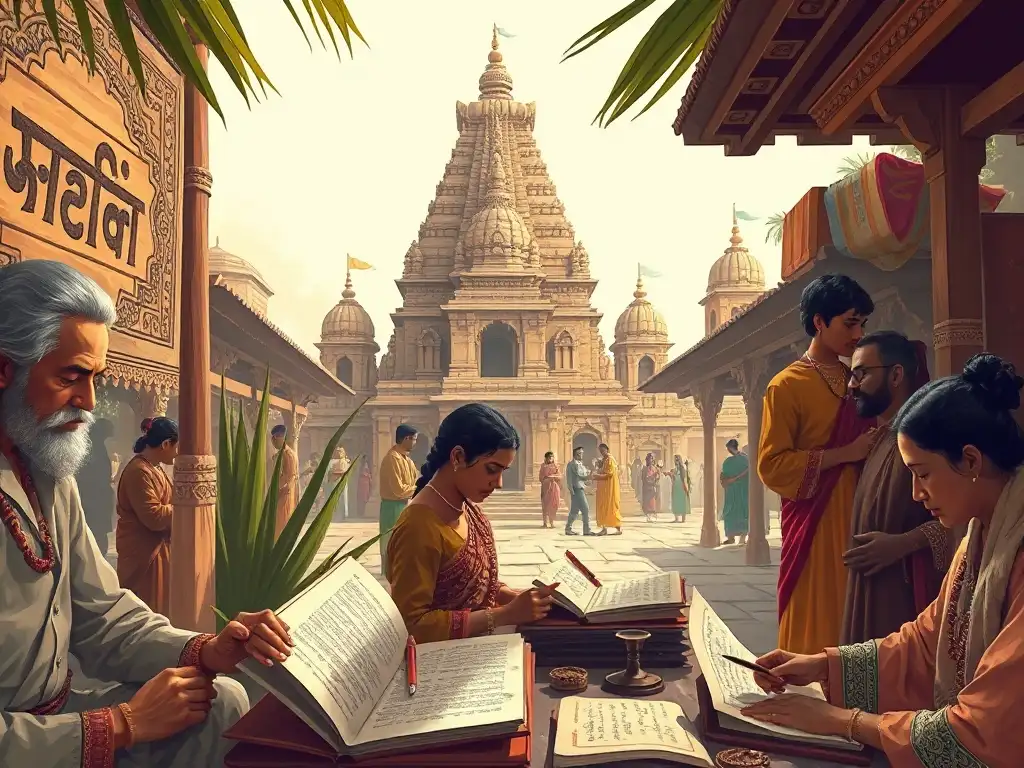
Writing in ancient India served as a crucial medium for communication, governance, and cultural expression, fundamentally shaping the identity of various communities. By examining specific case studies, we can better understand how writing systems influenced societal structures, religious beliefs, and cultural identities. The following sections delve into notable examples such as the Edicts of Ashoka, inscriptions from the Gupta period, and the regional variations in script that highlight the rich tapestry of ancient Indian identity.
The Edicts of Ashoka: A Testament to Governance and Morality
The Edicts of Ashoka, inscribed during the reign of Emperor Ashoka (c. 268–232 BCE), are perhaps the most significant example of how writing influenced governance and societal values in ancient India. Ashoka, after embracing Buddhism, sought to promote moral and ethical governance through these edicts, which were carved on rocks and pillars across his empire.
These inscriptions conveyed messages of non-violence, compassion, and moral conduct, reflecting a shift towards a more humane administration. The use of Prakrit language, along with the Brahmi script, made these edicts accessible to a wide audience, thereby fostering a sense of unity and shared identity among diverse populations. The edicts not only reinforced Ashoka's authority but also played a vital role in disseminating Buddhist teachings, ultimately contributing to the cultural identity of the Mauryan Empire.
Inscriptions from the Gupta Period: Cultural Flourishing and Identity
The Gupta period (c. 320–550 CE) is often referred to as the "Golden Age" of India, marked by significant advancements in art, science, and literature. Inscriptions from this era reveal the flourishing of cultural identity and the role of writing in documenting achievements and religious practices.
One notable example is the Allahabad Pillar inscription, which commemorates the victories of Emperor Samudragupta and his patronage of arts and culture. The use of Sanskrit in these inscriptions signifies the elevation of this language as a symbol of cultural identity. Additionally, temple inscriptions from the Gupta period highlight the importance of religion in community identity, with texts detailing donations, rituals, and the patronage of deities.
These inscriptions not only provide insights into the socio-political landscape of the time but also reflect the values and aspirations of the Gupta society, showcasing how writing served as a vehicle for cultural expression and identity formation.
Regional Variations in Script and Identity Among Communities
Ancient India was characterized by a multitude of languages and scripts, each reflecting the diverse identities of various communities. The regional variations in script, such as Brahmi, Kharoshthi, and Tamil-Brahmi, played a significant role in shaping local identities and cultural expressions.
For instance, the emergence of the Tamil script in the southern regions facilitated the development of a distinct Tamil identity, which is still celebrated today. The use of local dialects in inscriptions allowed communities to assert their cultural uniqueness while maintaining connections to the broader Indian civilization.
Moreover, the scripts often embodied local artistic styles, further enriching the cultural landscape. The interplay between language, script, and identity underscores the significance of writing systems in fostering a sense of belonging among different communities throughout ancient India.
The Legacy of Ancient Indian Writing Systems
The legacy of ancient Indian writing systems extends far beyond their initial creation; they have profoundly influenced modern languages, scripts, and cultural practices in India and beyond. Understanding this legacy provides valuable insights into the evolution of identity and communication in contemporary society.
Influence on Modern Indian Languages and Scripts
Ancient Indian scripts, particularly Brahmi and its derivatives, laid the groundwork for many modern Indian languages and scripts. Languages such as Hindi, Bengali, and Marathi owe much of their scriptural heritage to these ancient forms. The adaptability of these scripts allowed for the representation of diverse phonetic sounds, thereby accommodating regional languages.
Moreover, the continued use of Sanskrit in religious and scholarly contexts demonstrates the enduring influence of ancient writing systems on contemporary linguistic practices. This connection to ancient scripts fosters a sense of pride and cultural continuity among modern Indian communities, linking them to their historical roots.
The Importance of Epigraphy in Understanding Ancient Cultures
Epigraphy, the study of inscriptions, provides crucial insights into the socio-political, religious, and cultural dynamics of ancient Indian societies. Through the examination of inscriptions, scholars can reconstruct historical narratives, understand governance structures, and explore the complexities of identity formation.
Inscriptions serve as primary sources that document everything from royal decrees to everyday transactions, offering a glimpse into the lives of people from various strata of society. This field of study not only enriches our understanding of ancient India but also highlights the essential role of writing in preserving history and cultural identity.
Continuing Research and Discoveries in Ancient Indian Writing
The field of ancient Indian writing continues to evolve, with ongoing research and discoveries shedding light on previously unknown aspects of script and identity. Archaeological excavations have uncovered new inscriptions and manuscripts, prompting fresh interpretations of historical events and cultural practices.
Recent advances in technology, such as digital imaging and machine learning, are enhancing the study of inscriptions, allowing researchers to analyze texts with greater precision. As scholars delve deeper into ancient scripts, they are uncovering the nuances of language, identity, and cultural exchange, ultimately enriching our understanding of ancient Indian civilizations and their writing systems.
Conclusion: The Lasting Impact of Writing on Ancient Indian Identity
The impact of writing in ancient India extends far beyond mere record-keeping; it fundamentally influenced the identity and cohesion of various communities. Writing systems such as Brahmi, Kharosthi, and the Indus script served as vehicles for communication, cultural expression, and administrative governance. These scripts not only facilitated the transmission of ideas and knowledge but also played a pivotal role in the formation of social hierarchies and networks. As communities adopted and adapted these writing systems, they crafted unique identities that were deeply rooted in their historical narratives and cultural practices.
Moreover, writing allowed for the preservation of religious texts, philosophical treatises, and literary works, which contributed to a shared cultural heritage among diverse groups. The ability to document laws, trade practices, and rituals helped unify various ethnicities and regions under a common framework, thereby reinforcing a sense of belonging and collective identity. The legacy of these ancient scripts continues to echo through modern Indian society, where the interplay of language, culture, and identity remains a pivotal area of exploration.
Reflection on the Significance of Writing in Cultural Development
The significance of writing in the cultural development of ancient India cannot be overstated. Writing systems served as a catalyst for intellectual growth and cultural exchange, enabling the dissemination of knowledge across vast distances. This exchange was particularly evident during the Maurya and Gupta Empires, where scholars and scribes played critical roles in the flourishing of education, arts, and sciences. The proliferation of texts in various fields such as astronomy, mathematics, and medicine highlights how writing was integral to intellectual advancement.
Furthermore, writing facilitated the codification of religious beliefs and practices, contributing to the establishment of major philosophical schools such as Buddhism and Jainism. Sacred texts like the Vedas and Upanishads were composed, allowing spiritual teachings to be preserved and propagated through generations. This written heritage not only shaped individual and communal identities but also fostered a sense of continuity and connection to the past.
Writing systems were instrumental in the cultural development of ancient Indian societies, creating frameworks for knowledge sharing, religious practices, and social organization. The impact of these systems is still felt today, as they laid the foundation for contemporary Indian languages and cultural expressions.
Future Directions in the Study of Ancient Indian Scripts and Communities
As the field of epigraphy continues to evolve, future research on ancient Indian scripts and communities holds immense potential for uncovering new insights into the past. Scholars are increasingly employing interdisciplinary approaches, combining archaeology, linguistics, and anthropology to deepen our understanding of how writing influenced societal structures and interactions among diverse groups.
One promising direction is the application of digital technologies, such as machine learning and data analytics, to decipher ancient scripts. These tools can help identify patterns and connections within inscriptions that were previously overlooked, potentially leading to breakthroughs in our understanding of linguistic evolution and cultural exchange. Furthermore, excavation projects in regions with rich historical significance may yield new inscriptions that could redefine existing narratives about ancient Indian societies.
Another critical area of exploration is the social context of writing. By examining who had access to literacy and how writing was used in daily life, researchers can gain insights into power dynamics, gender roles, and economic structures in ancient communities. Understanding the intersection of writing and identity will enrich our comprehension of how ancient Indians perceived themselves and their place within the broader tapestry of civilization.
The future study of ancient Indian scripts promises to illuminate the profound impact of writing on cultural identity and community formation, revealing the intricate relationships between language, history, and society in ancient India.
- Introduction to the Impact of Writing in Ancient India
- The Evolution of Writing in Ancient India
- The Role of Writing in Ancient Indian Communities
- The Social Dimensions of Writing in Ancient India
- Case Studies of Writing's Impact on Identity
- The Legacy of Ancient Indian Writing Systems
- Conclusion: The Lasting Impact of Writing on Ancient Indian Identity
- What were the main writing systems used in ancient India?
- How did writing influence the culture of ancient Indian civilizations?
- What role did scripts play in trade and commerce?
- How did the development of writing systems affect social organization?
- In what ways did writing contribute to the spread of knowledge in ancient India?
Frequently Asked Questions
What were the main writing systems used in ancient India?
Ancient India primarily utilized Brahmi and Kharosthi scripts. These writing systems played a crucial role in communication and documentation across various regions.
How did writing influence the culture of ancient Indian civilizations?
The impact of writing in ancient India was profound, facilitating the preservation of texts, cultural narratives, and religious scriptures, which shaped the identity and values of communities.
What role did scripts play in trade and commerce?
Writing systems enabled record-keeping and the documentation of transactions, which significantly boosted trade and economic interactions among ancient Indian civilizations.
The emergence of writing allowed for more complex administrative structures and record-keeping, leading to the establishment of organized governance and social hierarchies in ancient societies.
In what ways did writing contribute to the spread of knowledge in ancient India?
The ability to write facilitated the creation and distribution of educational texts, contributing to the advancement of science, philosophy, and the arts throughout ancient Indian civilization.
Final Reflection: The Enduring Impact of Writing on Ancient Indian Identity
The exploration of writing systems in ancient India reveals their profound influence on community identity and cultural development. Today, as we navigate a world increasingly defined by communication and expression, understanding the impact of writing in ancient India becomes essential in appreciating how these early systems shaped societal structures, beliefs, and interactions. The legacy of these scripts is not merely historical; it continues to resonate in our contemporary lives, reminding us of the power of words to forge connections and define identities.
The evolution of writing in ancient India has left an indelible mark on its cultural and social landscape. From the inscriptions on stone tablets to the intricate manuscripts that have survived through the ages, these writing systems have been instrumental in documenting history, philosophy, and spirituality. The ability to record thoughts and ideas transformed communities, fostering a sense of belonging and shared identity.
As Mahatma Gandhi once said, "> The best way to find yourself is to lose yourself in the service of others." This sentiment underscores the importance of communication and the written word in building communities that serve and uplift one another.
As we reflect on the lessons from ancient Indian writing systems, I invite you to consider how you can harness the power of your own voice and writing to shape your identity and community today. What stories do you have to tell? How can your words contribute to the tapestry of your culture?
Embrace the legacy of those who came before us, and let your writing be a tool for connection, understanding, and transformation. The impact of writing is not confined to the past; it is a living force that can inspire change and foster unity in our diverse world.
Unveil the Power of Writing: Shape Your Own Story!
Thank you for taking the time to explore how writing systems influenced ancient Indian communities! By understanding the connection between script and identity, you have gained insight into the profound impact of language on culture and society. Now, it’s time to take these ideas further and connect them to your own journey.
Here are a few actionable steps to deepen your understanding and engagement:
- Dive deeper: Explore a variety of resources on ancient writing systems and their cultural significance; immerse yourself in the fascinating stories behind each script.
- Share your thoughts: Engage in discussions with friends or join an online forum focused on ancient history—your insights might inspire engaging conversations!
- Reflect on your identity: Think about how writing has shaped your cultural background. What role do you believe language plays in defining communities today?
What are your thoughts? How has your own experience with language and writing influenced your identity? We invite you to share your reflections in the comments below!