
The Role of Digital Humanities in Deciphering Ancient Indian Scripts


Welcome to Ancient India History, where we embark on a fascinating journey through the millennia to uncover the rich tapestry of India's ancient civilizations. In our featured article, "The Role of Digital Humanities in Deciphering Ancient Indian Scripts," we delve into the innovative intersection of technology and history, revealing how digital humanities are transforming our understanding of ancient inscriptions. Join us as we explore the secrets held within these scripts and discover the profound contributions of ancient Indian cultures that continue to resonate today. Prepare to be intrigued and enlightened—your adventure into the depths of history begins here!
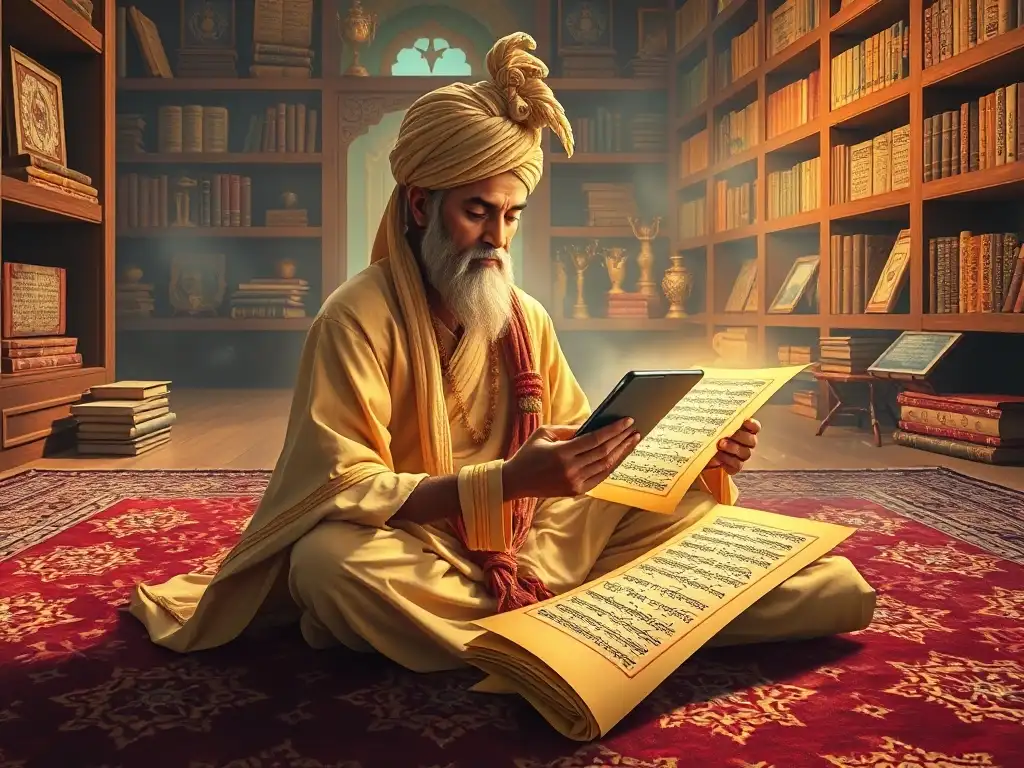
In the contemporary landscape of historical research, the integration of technology has revolutionized how scholars approach the study of ancient civilizations. One of the most fascinating intersections of technology and history lies within the realm of digital humanities, particularly in the context of deciphering ancient Indian scripts.
This article explores the transformative role that digital humanities play in understanding the intricate writings of ancient Indian cultures, from the Indus Valley civilization to the Gupta Empire. By leveraging digital tools and methodologies, researchers are not only able to preserve but also enhance our understanding of these scripts, which are vital for unlocking the rich narratives of India's past.
Introduction to Digital Humanities and Ancient Scripts
Digital humanities is an interdisciplinary field that merges traditional humanities disciplines with digital technology, offering innovative ways to analyze, visualize, and interpret historical data. Within the context of ancient studies, this approach is especially significant as it provides researchers with powerful tools to decode ancient scripts that have long puzzled historians.
Defining Digital Humanities in the Context of Ancient Studies
Digital humanities encompasses a range of practices, including digitization of texts, the use of databases, and the development of analytical tools. In ancient studies, this means:
- Digitization: Converting physical artifacts and manuscripts into digital format to ensure their preservation and accessibility.
- Text Analysis: Utilizing algorithms and software to analyze linguistic patterns, frequency of characters, and other textual characteristics.
- Visualization: Creating visual representations of data, which can reveal connections not immediately evident in traditional textual analysis.
The impact of digital humanities on the study of ancient Indian scripts allows for a more nuanced understanding of these historical texts, opening new avenues for research and interpretation.
Importance of Ancient Indian Scripts in Historical Research
Ancient Indian scripts serve as crucial windows into the political, social, and cultural life of historical civilizations. They provide insights into:
- Language Evolution: Understanding how languages developed and influenced one another over centuries.
- Cultural Practices: Revealing customs, rituals, and daily life in ancient societies through inscriptions and texts.
- Historical Events: Documenting significant events, governance structures, and trade relations that shaped the subcontinent.
By employing digital humanities, researchers can systematically analyze these scripts, leading to more comprehensive historical narratives.
The Significance of Ancient Indian Scripts
The study of ancient Indian scripts is not merely an academic exercise but a vital component of understanding the diverse cultural heritage of India. The scripts serve as both historical records and symbols of identity for various communities.
Overview of Major Ancient Indian Scripts
Several key scripts have emerged from ancient India, each with its own unique characteristics and historical significance:
- Indus Script: The undeciphered script of the Indus Valley Civilization, which poses numerous challenges for researchers.
- Brahmi: Considered one of the oldest writing systems in India, which laid the foundation for many modern Indian scripts.
- Kharosthi: An ancient script used in the northwest of India, primarily for writing Buddhist texts.
These scripts not only provide a glimpse into the linguistic diversity of ancient India but also reflect the socio-political dynamics of their time.
Cultural Impact of Ancient Scripts on Indian Civilization
Ancient scripts have profoundly influenced various aspects of Indian civilization:
- Literature: The emergence of literary traditions that have persisted through ages, enriching Indian culture.
- Religion: The documentation of religious texts and philosophies that have shaped spiritual beliefs across generations.
- Administration: The use of scripts in governance and record-keeping, highlighting the sophistication of ancient administrative systems.
The cultural ramifications of these scripts continue to resonate today, making their study an essential endeavor in understanding India's historical trajectory. By employing digital humanities methodologies, researchers can uncover new dimensions of meaning and context that have been obscured over time.
Digital Humanities Tools for Deciphering Ancient Scripts
The intersection of digital humanities and ancient scripts has opened new avenues for understanding and interpreting historical texts. Digital humanities tools encompass a range of technologies that facilitate the analysis, preservation, and dissemination of ancient writings. These tools include Optical Character Recognition (OCR) software, digital imaging techniques, machine learning algorithms, and interactive databases. By employing these technologies, researchers can enhance the study of ancient Indian scripts, such as Brahmi, Kharoṣṭhī, and others, making them more accessible to scholars and the public alike.
Overview of Digital Technologies in Humanities
Digital technologies have transformed the landscape of humanities research, providing innovative methods to analyze historical data. Technologies such as Geographic Information Systems (GIS) enable scholars to map the geographical distribution of ancient inscriptions, revealing patterns of cultural and historical significance. Additionally, text encoding standards like the Text Encoding Initiative (TEI) allow for the digital representation of complex textual features, ensuring that nuances of ancient scripts are preserved in a digital format.
Furthermore, data visualization tools help researchers present their findings in engaging and informative ways. For example, interactive timelines and infographics can illustrate the chronological development of ancient scripts and their usage across different regions of India. By integrating these technologies, scholars can create a more holistic understanding of ancient Indian civilizations.
Case Studies of Digital Tools in Action
Several notable projects have successfully applied digital humanities tools to decipher ancient Indian scripts. One prominent example is the "Digital South Asia Library," which provides access to a vast collection of textual and visual resources. The library employs advanced search functionalities, allowing researchers to locate specific inscriptions and manuscripts efficiently.
Another significant initiative is the "Brahmi Project," which utilizes OCR technology to digitize and analyze inscriptions written in Brahmi script. By converting images of inscriptions into machine-readable text, researchers can conduct large-scale analyses and comparisons, which were previously labor-intensive and time-consuming.
These case studies highlight the transformative potential of digital tools in the field of epigraphy, enabling scholars to uncover new insights and foster a deeper understanding of ancient Indian scripts.
Collaborative Efforts in Digital Humanities Research
The field of digital humanities thrives on collaboration among researchers from various disciplines, including archaeology, linguistics, computer science, and history. Such interdisciplinary partnerships are essential for tackling the complex challenges associated with deciphering ancient scripts. By pooling their expertise, scholars can develop innovative methodologies and technologies that enhance the analysis of historical texts.
Interdisciplinary Approaches: Joining Technology and Humanities
Interdisciplinary approaches in digital humanities encourage the integration of technological advancements with traditional humanities scholarship. For instance, collaborations between linguists and computer scientists have led to the development of sophisticated machine learning models capable of recognizing and interpreting ancient scripts. These models can analyze vast corpora of inscriptions, identifying patterns and linguistic structures that would be difficult to discern through manual examination alone.
Moreover, partnerships with digital archivists and conservators ensure that ancient manuscripts are preserved and made accessible to a broader audience. This synergy between disciplines not only enriches the study of ancient scripts but also promotes the sharing of knowledge and resources within the academic community.
Key Projects in Digital Humanities Focused on Indian Scripts
Several key projects focused on ancient Indian scripts exemplify the collaborative spirit of digital humanities research. The "Digital Epigraphy Project" aims to catalog and digitize inscriptions from various regions of India, providing an invaluable resource for scholars and enthusiasts alike. Through crowdsourcing efforts, the project invites contributions from researchers and volunteers to enhance the database continuously.
Another noteworthy initiative is the "Indus Script Consortium," which brings together experts from different fields to decode the enigmatic Indus script. By combining archaeological data with linguistic theories and computational techniques, the consortium seeks to unravel the mysteries of this ancient writing system.
These projects not only facilitate the study of ancient Indian scripts but also foster a sense of community among scholars, encouraging collaboration and innovation in the field of digital humanities.
Challenges in Deciphering Ancient Indian Scripts
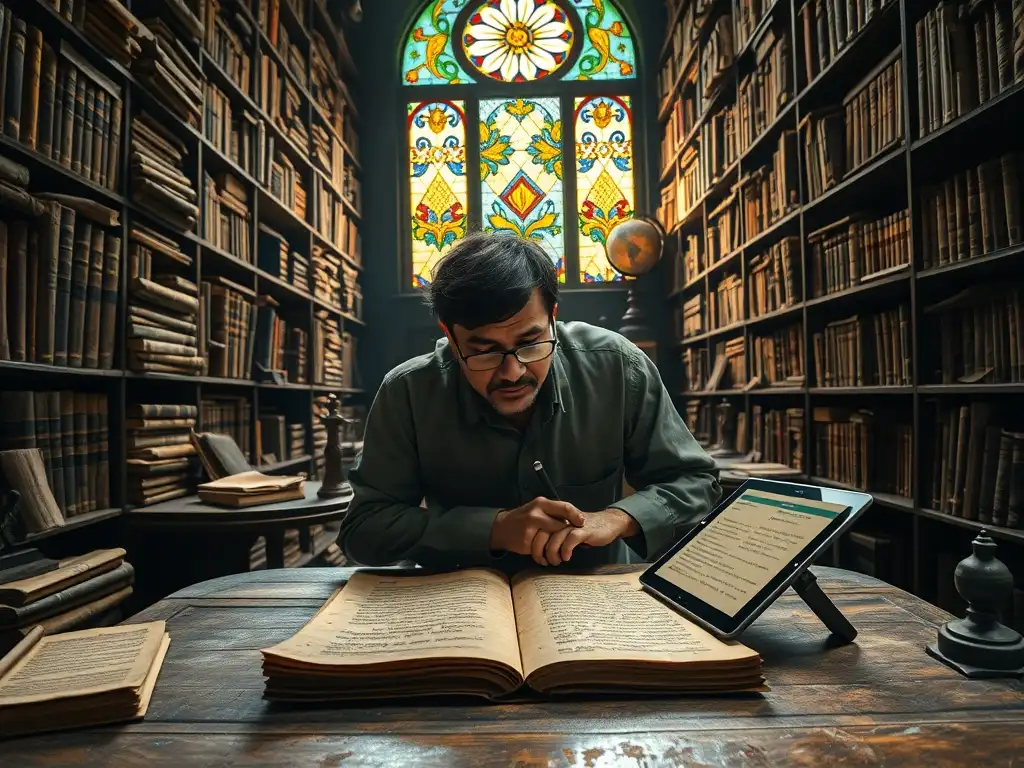
Deciphering ancient Indian scripts presents a myriad of challenges that researchers must navigate to unlock the secrets of historical texts. The complexity of these scripts, often characterized by intricate symbols and varying regional styles, can impede the understanding of their meanings and contexts. Furthermore, the historical and cultural nuances embedded within these scripts require not just linguistic expertise but also a deep knowledge of the civilizations that produced them.
Among the most significant challenges is the scarcity of contextual information, which often leads to ambiguities in interpretation. Many inscriptions exist in isolation, devoid of accompanying texts that could provide clarity. This lack of context can result in multiple interpretations of a single symbol or phrase, complicating the deciphering process. Additionally, the physical condition of many ancient inscriptions, which may be eroded or damaged, poses further obstacles for scholars attempting to read and understand them.
Limitations of Traditional Methods
Traditional methods of decipherment have been largely reliant on manual analysis and expertise in historical linguistics. Scholars have often depended on their interpretative skills to make sense of ancient scripts, which can be a time-consuming and subjective process. Furthermore, these methods typically require extensive familiarity with multiple languages and scripts, limiting the pool of researchers who can effectively engage with the material.
Another significant limitation is the reliance on static resources, such as printed texts and photographs of inscriptions. These resources do not allow for dynamic interactions with the data, which can hinder the exploration of relationships between different signs and symbols. Consequently, traditional methods may fail to leverage the substantial amount of data available, leading to incomplete understandings of ancient scripts.
Overcoming Barriers with Digital Humanities
Digital humanities offer innovative solutions to the challenges faced in deciphering ancient Indian scripts. By employing computational tools, researchers can analyze vast amounts of data more efficiently than with traditional methods. For example, Optical Character Recognition (OCR) technology can be applied to digitize and transcribe ancient texts, making them more accessible for analysis.
Moreover, digital platforms enable collaborative research, allowing scholars from various disciplines to contribute their expertise in linguistics, history, and technology. This interdisciplinary approach can lead to a more nuanced understanding of ancient inscriptions, as different perspectives can enrich the interpretive process. Additionally, visualization tools can help researchers identify patterns and relationships within the scripts that might not be immediately apparent through textual analysis alone.
Future Directions in Digital Humanities and Ancient Scripts
As the field of digital humanities continues to evolve, new opportunities for deciphering ancient scripts are emerging. The integration of advanced technologies and collaborative methodologies holds promise for future research efforts.
Emerging Technologies and Their Potential Impact
Emerging technologies such as machine learning and artificial intelligence are beginning to play a crucial role in the study of ancient scripts. These technologies can assist in pattern recognition, enabling researchers to analyze inscriptions at a scale and speed that was previously unimaginable. For example, machine learning algorithms can be trained to recognize and categorize different symbols, providing a foundation for further analysis and interpretation.
Additionally, 3D imaging technologies can be employed to create detailed representations of inscriptions, allowing researchers to study them from various angles and perspectives. This can significantly enhance the understanding of the physical attributes of the scripts, such as depth and texture, which may contribute to their meanings.
The Role of Crowdsourcing in Script Deciphering
Crowdsourcing is another powerful tool that can aid in the deciphering of ancient scripts. By leveraging the collective intelligence of a large, diverse group of individuals, researchers can gather insights from those with varying levels of expertise. Online platforms can facilitate this process, allowing volunteers to contribute to transcription efforts or to share their interpretations of specific symbols.
This communal approach not only accelerates the deciphering process but also democratizes access to the study of ancient scripts, inviting contributions from enthusiasts and scholars alike. The collaborative nature of crowdsourcing can lead to the discovery of new interpretations and insights that a single researcher might overlook.
Vision for Future Research and Collaboration
Looking ahead, the vision for future research in the realm of digital humanities and ancient scripts is centered on fostering collaboration and innovation. Researchers should strive to create interdisciplinary teams that bring together experts in linguistics, archaeology, history, and computer science. Such collaborations can lead to the development of novel methodologies and tools, enhancing the capacity to decode ancient scripts.
Furthermore, establishing partnerships with educational institutions and technology companies can facilitate the sharing of resources and expertise. By investing in training programs that focus on digital skills for historians and linguists, the academic community can ensure that future generations are well-equipped to tackle the challenges of deciphering ancient scripts.
Ultimately, the integration of digital humanities into the study of ancient Indian scripts promises to unlock new understandings of the past, revealing the rich tapestry of human history that these inscriptions represent.
Conclusion: The Transformative Impact of Digital Humanities on Ancient Indian Script Studies
The advent of digital humanities has significantly transformed the landscape of research into ancient Indian scripts. By harnessing the power of technology, scholars are now better equipped to analyze, interpret, and disseminate knowledge about these historical writings. The intersection of computational methods with traditional epigraphy has led to groundbreaking advancements in understanding the cultural, linguistic, and historical contexts of ancient Indian civilizations.
Digital tools such as optical character recognition (OCR), machine learning algorithms, and data visualization techniques have enabled researchers to process vast amounts of textual data more efficiently. This increased efficiency allows for more comprehensive studies of inscriptions and manuscripts, which in turn supports the preservation of these invaluable cultural artifacts. As a result, the understanding of ancient scripts has not only become more accessible but also more accurate, fostering cross-disciplinary collaborations among historians, linguists, and computer scientists.
Recap of Key Points
- Enhanced Analysis: Digital humanities provide advanced tools for the analysis of ancient scripts, enabling researchers to decode and interpret texts that were previously difficult to access.
- Data Preservation: The digital archiving of manuscripts and inscriptions plays a crucial role in preserving cultural heritage, ensuring that future generations can study and appreciate these texts.
- Interdisciplinary Collaboration: The integration of digital methodologies encourages collaboration between various disciplines, enriching research outcomes and expanding the scope of ancient script studies.
- Public Accessibility: Digital platforms make ancient texts available to a broader audience, promoting public engagement with India's rich history and cultural legacy.
Final Thoughts on the Integration of Digital Humanities and Ancient Scripts
The fusion of digital humanities and ancient scripts represents a promising frontier in historical research. This integration not only facilitates deeper insights into ancient Indian civilizations but also democratizes access to knowledge. As technology continues to evolve, so too will the methodologies employed in the study of ancient scripts, leading to innovative approaches and discoveries. Scholars are encouraged to embrace these tools and techniques to uncover new narratives and contribute to the ongoing dialogue surrounding ancient Indian history.
References
Key Literature and Resources on Digital Humanities and Ancient Scripts
- "Digital Epigraphy: The Future of Ancient Texts": by Sarah B. W. Harris – This book explores how digital tools are reshaping the field of epigraphy.
- "Machine Learning for Ancient Texts" by Ravi K. Prasad – A comprehensive resource on applying machine learning techniques to decipher ancient scripts.
- "Understanding Digital Humanities" edited by David M. Berry – This collection offers insights into the methodologies and implications of digital humanities across various disciplines.
Suggested Further Reading for Enthusiasts and Scholars
- "The Digital Humanities and Ancient India" by Anjali N. Singh – An exploration of specific case studies where digital humanities have impacted the study of ancient Indian texts.
- "Inscriptions and Their Interpretation" by Meera K. Joshi – A deeper dive into the methodologies for interpreting inscriptions from ancient Indian cultures.
- "Cultural Heritage in the Age of Digitalization" by Prithvi S. Mehta – This work discusses the broader implications of digitalization for preserving and interpreting cultural heritage globally.
- Introduction to Digital Humanities and Ancient Scripts
- The Significance of Ancient Indian Scripts
- Digital Humanities Tools for Deciphering Ancient Scripts
- Collaborative Efforts in Digital Humanities Research
- Challenges in Deciphering Ancient Indian Scripts
- Future Directions in Digital Humanities and Ancient Scripts
- Conclusion: The Transformative Impact of Digital Humanities on Ancient Indian Script Studies
- References
- What are digital humanities in relation to ancient scripts?
- How do digital humanities contribute to deciphering ancient Indian scripts?
- What are some examples of ancient Indian scripts studied through digital humanities?
- Why is it important to study ancient Indian scripts?
- How can I get involved in digital humanities projects focused on ancient scripts?
Frequently Asked Questions
What are digital humanities in relation to ancient scripts?
Digital humanities refer to interdisciplinary practices that use digital tools and methods to analyze and interpret historical texts and scripts. They enhance our understanding of ancient documents and civilizations.
How do digital humanities contribute to deciphering ancient Indian scripts?
Digital humanities provide innovative technologies such as text analysis and visualization techniques that assist scholars in decoding and understanding ancient Indian scripts, making the process more efficient and accurate.
What are some examples of ancient Indian scripts studied through digital humanities?
Some prominent scripts include Brahmi, Kharosthi, and Tamil Brahmi. Digital tools have been instrumental in translating and analyzing these scripts, revealing insights into ancient cultures.
Why is it important to study ancient Indian scripts?
Studying ancient scripts is crucial for preserving cultural heritage, understanding historical narratives, and uncovering lost knowledge about ancient Indian societies and their contributions to civilization.
How can I get involved in digital humanities projects focused on ancient scripts?
You can participate by joining academic institutions, collaborating on online platforms, or contributing to crowdsourced projects that aim to digitize and analyze ancient texts and scripts.
Final Reflection: Bridging the Past with the Future through Digital Humanities
In an age where the intersection of technology and humanities is more crucial than ever, the exploration of ancient Indian scripts through digital humanities stands as a testament to our commitment to preserving cultural heritage. As we navigate a world increasingly driven by digital innovation, the ability to decipher and understand ancient texts not only enriches our knowledge but also reinforces the importance of cultural continuity. The advancements in digital tools and methodologies remind us that the past is not a distant memory but a living narrative that shapes our present and future.
The influence of digital humanities on the study of ancient scripts has been profound, fostering a deeper appreciation for our collective history. As we engage with these ancient texts, we uncover layers of meaning that resonate with contemporary issues, bridging the gap between eras. The ability to analyze and interpret these scripts through modern technology allows us to connect with our ancestors in ways previously unimaginable. The past is never dead. It's not even past.
— William Faulkner. This quote encapsulates the ongoing dialogue between our historical narratives and the digital tools that help us understand them, emphasizing the relevance of ancient knowledge in today's context.
As we reflect on the insights gained from this exploration, I invite you to consider your own relationship with history and technology. How can you leverage the lessons from ancient scripts to inform your understanding of the present? Whether through personal study, community engagement, or supporting digital initiatives, each of us has a role to play in ensuring that the wisdom of the past continues to illuminate our path forward. Embrace the opportunity to delve into the rich tapestry of human experience, and let the digital humanities guide you in uncovering the stories that await discovery.
Unveil the Mysteries of Ancient Scripts!
Thank you for diving into the fascinating world of digital humanities and their role in unlocking the secrets of ancient Indian scripts. Your interest is crucial in preserving and understanding our rich heritage. Now, it’s time to take the next step and actively participate in this exciting journey!
Here’s how you can get involved:
- Join a local or online decoding project – Enhance your skills and contribute by engaging with communities dedicated to exploring ancient scripts.
- Share this article with fellow history enthusiasts on social media to spark discussions and promote awareness of our ancient heritage.
- Explore tools and resources available for deciphering scripts – seek out software or workshops that can help you deepen your expertise.
Which ancient script do you find most intriguing, and in what ways do you believe digital humanities can enhance our understanding of it?