
The Transformation of Northern India During the PostMauryan Period: A Historical Analysis

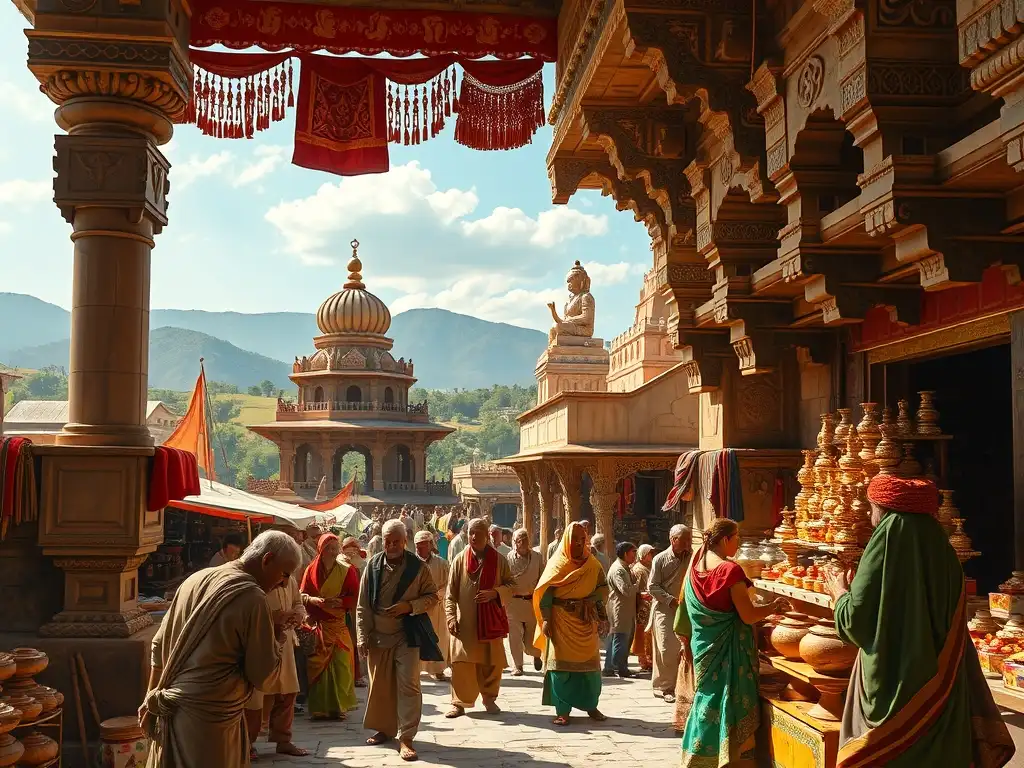
Welcome to Ancient India History, where we embark on a journey through time to uncover the rich tapestry of ancient Indian civilizations. From the enigmatic Indus Valley to the illustrious Gupta Empire, our exploration reveals the profound cultural and historical contributions that have shaped the subcontinent. In our featured article, "The Transformation of Northern India During the Post-Mauryan Period: A Historical Analysis," we delve into a pivotal era marked by significant historical transformations.
What changes unfolded in the wake of the Mauryan Empire? Join us as we unravel the threads of history and invite you to discover the fascinating evolution of Post-Mauryan India!
Introduction to Post-Mauryan India Historical Transformation
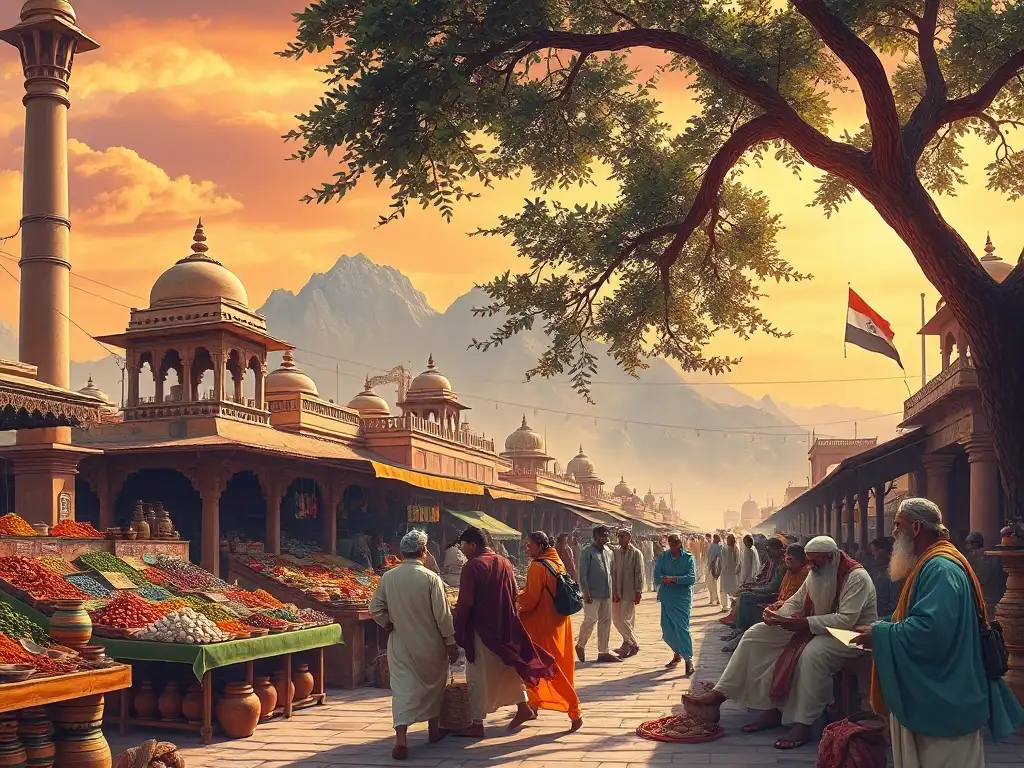
The Post-Mauryan period marks a significant transitional phase in the history of Northern India, characterized by profound changes in political, cultural, and economic landscapes. Following the decline of the Mauryan Empire, which unified vast territories under a centralized authority, Northern India underwent a complex transformation that involved the rise of regional powers, the emergence of new cultural currents, and significant developments in trade and urbanization. This article delves into the historical transformation of Northern India during this era, exploring how these changes shaped the region's identity and set the stage for future empires, such as the Gupta Empire.
Overview of the Post-Mauryan Era
The Post-Mauryan era, spanning approximately from the 2nd century BCE to the 4th century CE, was marked by the fragmentation of political authority previously held by the Mauryan Empire. This period saw the rise of various regional dynasties, including the Shungas, Kanvas, and later, the Kushans, each contributing uniquely to the socio-political fabric of Northern India. The decline of centralized governance led to increased local autonomy, allowing for the flourishing of diverse cultures and ideologies.
Some key aspects of this era include:
- Political Fragmentation: The disintegration of Mauryan rule led to the establishment of multiple smaller kingdoms.
- Cultural Flourishing: The period witnessed a rich tapestry of artistic and literary achievements, as well as the spread of Buddhism and Jainism.
- Economic Changes: Trade routes expanded, promoting commerce and cultural exchanges with regions beyond India, including the Hellenistic world.
Significance of Historical Analysis in Understanding Northern India
Understanding the historical transformation of Northern India during the Post-Mauryan period is essential for several reasons:
- Cultural Diversity: This era laid the groundwork for the cultural diversity that characterizes India today.
- Political Evolution: The shift from a centralized empire to regional powers highlights the evolution of governance and political structures in the subcontinent.
- Historical Continuity: Analyzing this period provides insights into the continuity and change in Indian history, influencing subsequent empires and regional dynamics.
Historical Context of Northern India Before the Post-Mauryan Period
To fully appreciate the transformations of the Post-Mauryan period, it is crucial to understand the historical context that preceded it.
The Mauryan Empire: An Overview
The Mauryan Empire, founded by Chandragupta Maurya in the 4th century BCE, was one of the largest and most powerful empires in ancient India. Under the leadership of his grandson, Ashoka the Great, the empire reached its zenith, promoting Buddhism and implementing policies of non-violence and welfare. The Mauryan Empire was notable for:
- Centralized Administration: A well-organized bureaucracy that enabled effective governance over a vast territory.
- Infrastructure Development: Construction of roads, hospitals, and educational institutions, facilitating trade and communication.
- Cultural Integration: The promotion of a unified cultural identity through the spread of language, art, and religion.
Key Features of Northern India Pre-Mauryan Decline
Before the decline of the Mauryan Empire, Northern India exhibited several key features that would influence its subsequent transformation:
- Diverse Kingdoms: Various local kingdoms, such as the Licchavis and the Mallas, coexisted with the Mauryan rule, contributing to regional diversity.
- Economic Prosperity: The period saw thriving trade routes linking Northern India with Western and Eastern civilizations.
- Religious Pluralism: The coexistence of different religious practices, including Hinduism, Buddhism, and Jainism, established a rich spiritual landscape.
The transition from the Mauryan Empire to the Post-Mauryan period set the stage for a dynamic reconfiguration of Northern India, where regional identities began to flourish amidst the backdrop of historical change. This analysis will further explore the intricacies of this transformation, shedding light on the rich tapestry of Northern India's past.
Major Changes During the Post-Mauryan Period
The Post-Mauryan period, spanning from approximately the 3rd century BCE to the 3rd century CE, was a time of significant transformation in Northern India. This era witnessed a shift from the centralized authority of the Mauryan Empire to a more fragmented political landscape characterized by regional kingdoms and diverse cultural influences. The decline of Mauryan dominance led to the rise of various dynasties, each contributing uniquely to the political, economic, and cultural fabric of the region.
This period marked the emergence of several notable kingdoms, including the Shungas, Kanvas, and the Indo-Greeks, which played crucial roles in shaping the historical trajectory of Northern India. The interaction between these kingdoms and the indigenous populations facilitated a blend of cultural practices and economic exchanges that would define the region for centuries. Furthermore, the decline of centralized trade routes under the Mauryas gave way to localized trade networks, fostering economic resilience among emerging regional powers.
Political Transformations in Northern India
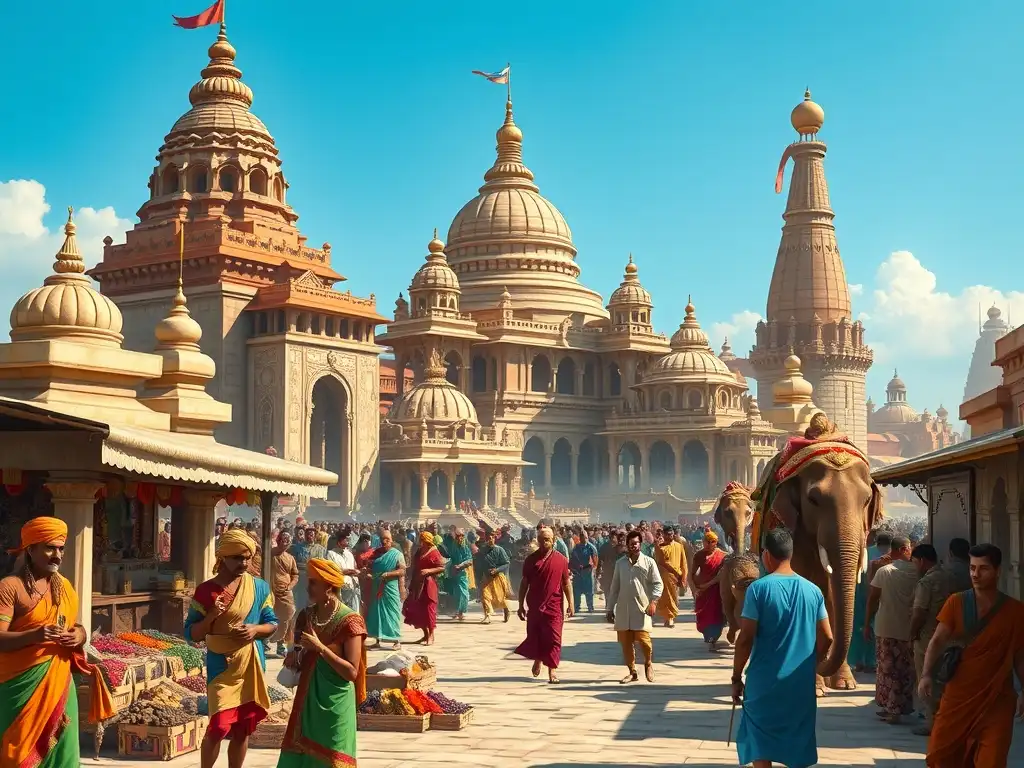
During the Post-Mauryan period, Northern India experienced significant political fragmentation. The fall of the Mauryan Empire resulted in the emergence of various regional powers, which marked a departure from the previously centralized governance.
- Shunga Dynasty: The Shungas rose to power around 185 BCE after the decline of the Mauryas. They established their rule primarily in central India and are credited with reviving Hindu culture and governance, although their influence waned by the 1st century BCE.
- Kanvas and Later Dynasties: Following the Shungas, the Kanva dynasty briefly ruled before the rise of the Satavahanas in the Deccan, indicating a shift in political power dynamics that included both indigenous and foreign influences.
- Indo-Greek Influence: The arrival of the Indo-Greeks in the 2nd century BCE introduced new cultural and political elements. Their rule, particularly under leaders like Menander, facilitated the spread of Hellenistic culture, which intermingled with Indian traditions.
This political transformation laid the groundwork for subsequent developments, leading to the emergence of the Gupta Empire in the 4th century CE, which would unify much of Northern India once again.
Economic Developments in Post-Mauryan India
The economic landscape of Post-Mauryan India underwent significant changes as trade and agriculture adapted to the new political realities. With the disintegration of the vast Mauryan trade networks, local economies began to flourish independently.
- Agricultural Expansion: The agrarian economy remained the backbone of society. The introduction of new agricultural practices and crops, influenced by regional climatic conditions, led to increased productivity. This agricultural surplus supported urbanization and the growth of trade.
- Trade Networks: Although the Mauryan trade routes declined, new trade networks emerged, connecting Northern India with regions such as Central Asia, the Mediterranean, and Southeast Asia. These routes facilitated the exchange of goods including textiles, spices, and precious stones, enhancing economic interdependence.
- Urbanization: The growth of trade and agriculture led to the rise of urban centers. Cities such as Pataliputra and Taxila became hubs of commerce, culture, and administration, attracting merchants and scholars from various regions.
These economic developments were crucial in shaping the social and cultural dynamics of Northern India during the Post-Mauryan period.
Cultural and Religious Shifts in Northern India
Culturally, the Post-Mauryan period was marked by significant shifts, particularly in religious practices and social customs. The decline of Mauryan hegemony opened avenues for diverse religious expressions and cultural exchanges.
Influence of Buddhism and Jainism
Buddhism and Jainism gained prominence during this period, significantly influencing the societal landscape of Northern India.
- Buddhism: Following the patronage of the Mauryan emperor Ashoka, Buddhism continued to thrive. The establishment of monastic communities and stupas contributed to its spread across Northern India. The teachings of Buddhism offered alternative philosophical and ethical perspectives, appealing to a broad audience.
- Jainism: Jainism also saw a resurgence, particularly among merchant classes who resonated with its principles of non-violence and asceticism. The period witnessed the consolidation of Jain communities, which contributed to the preservation of ancient texts and the promotion of their values.
Both religions played a vital role in shaping the cultural identity of Northern India, influencing art, architecture, and societal norms.
The Role of Hinduism in Post-Mauryan Society
While Buddhism and Jainism flourished, Hinduism underwent significant transformations, adapting to the changing socio-political landscape.
- Revitalization of Hindu Practices: The decline of the Mauryan Empire allowed for the revival of various Hindu traditions and rituals, with an emphasis on local deities and regional practices. This decentralization contributed to a rich tapestry of beliefs and practices.
- Philosophical Developments: The period also saw the emergence of new philosophical schools within Hinduism, including the development of Vedanta and Samkhya philosophies. These schools explored concepts of morality, ethics, and the nature of reality, influencing subsequent Hindu thought.
- Cultural Synthesis: The interaction between different religious groups fostered a culture of syncretism, wherein Hindu practices began to incorporate elements from Buddhism and Jainism. This blending of traditions enriched the spiritual life of Northern India.
The Post-Mauryan period was a time of profound transformation in Northern India, characterized by political fragmentation, economic resilience, and dynamic cultural shifts. These developments set the stage for the emergence of a rich and diverse historical legacy that would continue to evolve in the centuries to come.
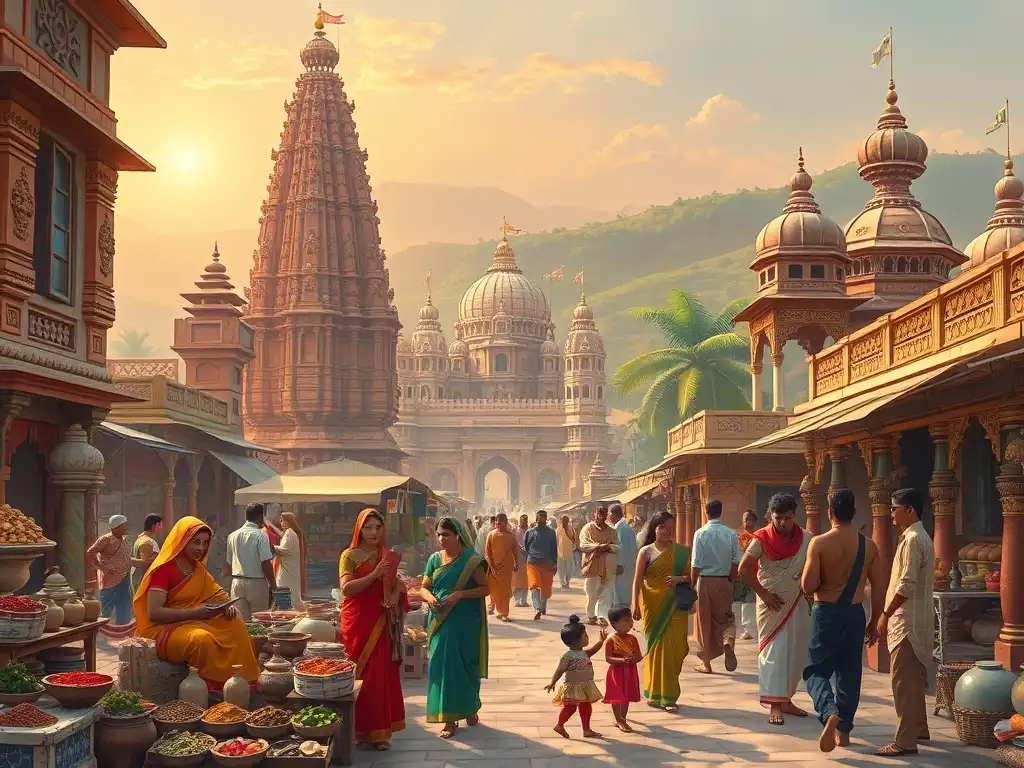
The Post-Mauryan period, approximately between 200 BCE to 300 CE, marked a significant era of social transformation in Northern India. This transformation was characterized by shifts in social structures, the emergence of new religious philosophies, and the influence of foreign migrations and invasions. The period witnessed a gradual transition from the centralized Mauryan administration to more localized governance, which in turn affected the social fabric of the region.
One key aspect of these social transformations was the increased stratification within society. While the varna system continued to play a crucial role, the rise of regional powers led to the emergence of new social groups and classes. Merchants and landowners gained prominence, and the roles of various occupational groups became more defined. This shift not only altered existing hierarchies but also facilitated social mobility in certain contexts.
Changes in Social Structure and Hierarchies
The decline of Mauryan authority resulted in the fragmentation of the political landscape, which significantly influenced social structures. Local rulers, often referred to as rajas or kings, began to establish their own courts, leading to the emergence of a feudal-like system. This system created a new layer of nobility that operated under the patronage of these local kings. Consequently, the traditional roles of Brahmins and Kshatriyas were challenged, as new power dynamics began to take shape.
Moreover, societal roles became increasingly specialized. The artisan and merchant classes flourished, facilitating trade and commerce across the subcontinent. The growth of urban centers during this period allowed for the development of a vibrant middle class, which contributed to the economic and cultural dynamism of Post-Mauryan Northern India. The rise of guilds, known as shrenis, provided further organization to these burgeoning economic activities, reflecting an intricate web of social relationships based on mutual dependency and cooperation.
Impact of Foreign Invasions and Settlements
Foreign invasions, particularly those by the Greco-Bactrian and Kushan empires, brought about significant changes in the cultural and social landscape of Northern India. The influx of new ideas, technologies, and customs led to syncretism, blending local traditions with foreign influences. This period is marked by the introduction of new religious practices, particularly Buddhism and later, the spread of Mahayana Buddhism, which became a unifying force across diverse regions.
The Kushan Empire, in particular, played a pivotal role in this transformation. Under rulers like Kanishka, the empire facilitated trade along the Silk Road, leading to increased interactions with Central Asian and Hellenistic cultures. This not only enriched the local economy but also introduced new philosophical ideas and artistic styles, significantly impacting the social fabric of Northern India. The presence of foreign settlers also contributed to the diversification of cultural practices, enriching the region's historical narrative.
Conclusion: The Lasting Influence of Post-Mauryan Transformations
The social transformations that occurred during the Post-Mauryan period laid the groundwork for many aspects of later Indian society. The shifts in social structures, the impact of foreign invasions, and the emergence of new cultural identities all contributed to a dynamic historical landscape that influenced subsequent developments in Northern India.
Summary of Key Historical Changes
The Post-Mauryan period was marked by significant changes in social hierarchies, economic structures, and cultural exchanges. The reorganization of societal roles, coupled with the influx of foreign influences, fostered an environment of innovation and transformation. Key historical changes included the rise of regional powers, the establishment of trade networks, and the spread of new religious philosophies, all of which played a vital role in shaping the course of Indian history.
The Legacy of Post-Mauryan India in Subsequent Periods
The legacy of the Post-Mauryan transformations continued to resonate in subsequent periods, influencing the Gupta Empire and the subsequent rise of regional kingdoms. The cultural and social innovations of this era laid the foundation for the flourishing of art, literature, and philosophy in later centuries.
The blending of local and foreign elements during this transformative period contributed to the rich tapestry of Indian civilization, which would continue to evolve and adapt in the face of new challenges and influences. Ultimately, the Post-Mauryan period stands as a crucial chapter in the historical narrative of Northern India, marking a time of profound change and lasting impact.
Further Reading and Resources on Post-Mauryan India Historical Transformation
To deepen your understanding of the Post-Mauryan period and the historical transformations that occurred in Northern India, a variety of resources are available. These materials include scholarly books, articles, and online resources that provide valuable insights into the socio-political, cultural, and economic changes of this era.
Recommended Books and Articles
-
"Ancient India: From the Earliest Times to the Present" by Romila Thapar
This comprehensive book explores the historical development of India, with a significant focus on the transitions that took place after the fall of the Mauryan Empire. Thapar's analysis is rich in detail, providing a nuanced understanding of regional dynamics.
-
"The Age of the Nandas and Mauryas" by R.C. Majumdar
This work delves into the political history of the period, offering insights into the Nanda dynasty's rule and its impacts on subsequent transformations in North India. Majumdar's narrative is crucial for understanding the continuity and change in governance.
-
"The Gupta Empire" by Romila Thapar
While primarily focused on the Gupta period, this book offers context regarding the transformations following the Mauryan Empire. Thapar discusses the cultural and administrative changes that set the foundation for the Gupta's rise.
-
"The Cambridge History of India, Volume 1: Ancient India"
This compilation includes chapters dedicated to the Post-Mauryan period. Various historians contribute their expertise, providing a multi-faceted view of the social and political landscapes of Northern India during this time.
-
"The History of Ancient India: From 300 B.C. to 1200 A.D." by D.N. Jha
Jha’s work provides a detailed account of the changes in social and economic structures in Northern India post-Maurya, emphasizing the intricacies of local governance and trade practices.
Online Resources for Ancient Indian History Studies
-
Digital South Asia Library (DSAL)
An extensive resource with a variety of texts, maps, and images related to South Asian history, including the Post-Mauryan period. This platform is invaluable for researchers and students alike.
-
Internet Archive
A digital library offering a plethora of historical texts, some of which focus specifically on ancient Indian history. Searching for keywords related to the Post-Mauryan period will yield numerous relevant materials.
-
Project Gutenberg
This site provides free access to a wide range of historical books, including those that discuss the evolution of Northern India after the Mauryan Empire. Users can explore classic texts that remain significant in historiography.
-
ResearchGate
A network where researchers publish their work and articles. Searching for publications on Post-Mauryan India can lead to academic papers and discussions that provide contemporary interpretations of historical events.
-
YouTube Educational Channels
Several channels dedicated to history offer lectures and documentaries on ancient India, including the Post-Mauryan transformations. Channels like "The History of India" provide visual and engaging content that complements traditional study materials.
By utilizing these recommended books and online resources, readers will gain a deeper understanding of the complex historical transformations that characterized Northern India during the Post-Mauryan period.
- Introduction to Post-Mauryan India Historical Transformation
- Historical Context of Northern India Before the Post-Mauryan Period
- Major Changes During the Post-Mauryan Period
- Political Transformations in Northern India
- Economic Developments in Post-Mauryan India
- Cultural and Religious Shifts in Northern India
- Social Transformations in Post-Mauryan Northern India
- Conclusion: The Lasting Influence of Post-Mauryan Transformations
- Further Reading and Resources on Post-Mauryan India Historical Transformation
- What was the significance of the Post-Mauryan Period in Indian history?
- How did the Indus Valley Civilization contribute to the evolution of Northern India?
- What were the major dynasties that emerged in Northern India after the Mauryan Empire?
- How did religion play a role in the historical transformation of this period?
- What were the cultural contributions of the Gupta Empire following the Post-Mauryan Period?
Frequently Asked Questions
What was the significance of the Post-Mauryan Period in Indian history?
The Post-Mauryan Period marked a time of significant political, cultural, and economic transformations in Northern India, influencing subsequent historical developments.
How did the Indus Valley Civilization contribute to the evolution of Northern India?
The Indus Valley Civilization laid the foundational urban planning, trade practices, and social structures that influenced later Indian civilizations during the Post-Mauryan transformation.
What were the major dynasties that emerged in Northern India after the Mauryan Empire?
After the Mauryan Empire, major dynasties such as the Shunga, Kanva, and Kushan emerged, each contributing to the cultural and political landscape of the region.
How did religion play a role in the historical transformation of this period?
Religious movements, particularly Buddhism and Jainism, gained prominence during the Post-Mauryan Period, greatly influencing philosophy, art, and social norms in Northern India.
What were the cultural contributions of the Gupta Empire following the Post-Mauryan Period?
The Gupta Empire is known for its advancements in science, mathematics, literature, and art, which were a continuation of the cultural transformations initiated in the Post-Mauryan era.
Final Reflection: The Enduring Legacy of Post-Mauryan India
The transformation of Northern India during the Post-Mauryan period is not just a chapter in history; it is a profound narrative that continues to shape our understanding of cultural evolution and societal development today. The intricate tapestry of political shifts, economic changes, and cultural exchanges that characterized this era serves as a reminder of how history is a living entity, influencing contemporary society and our collective identity. The lessons learned from this transformative period resonate deeply, urging us to appreciate the complexities of our own times.
Culturally and socially, the Post-Mauryan period laid the groundwork for the rich diversity that defines Northern India today. The interplay of various dynasties, religions, and philosophies during this time fostered a spirit of resilience and adaptability that is still evident in modern Indian society. As noted by historian Romila Thapar, History is not just about the past; it is a continuous dialogue between the past and the present.
This ongoing dialogue encourages us to reflect on how the transformations of yesteryears inform our current cultural landscape and identity.
As we conclude this exploration of Post-Mauryan India, I invite you to reflect on your own journey through history. Consider how the lessons of resilience, adaptability, and cultural synthesis from this transformative period can inspire you in your daily life. Embrace the complexities of your own experiences and recognize the historical threads that connect us all. Let the legacy of Post-Mauryan India motivate you to engage with your surroundings, fostering a deeper understanding of the past as a means to navigate the future.
Thank you for exploring the fascinating shifts in Northern India during the Post-Mauryan period! Your engagement with this rich history not only deepens your understanding but also honors the incredible legacy of our past. Now, let's take this knowledge further and inspire those around you to appreciate the transformations that shaped our world.
Here are a few actionable steps to continue your journey:
- Dive Deeper: Explore historical texts that illuminate the cultural and political changes in post-Mauryan society. Consider starting with a curated reading list to broaden your understanding even further.
- Join the Conversation: Share this article with friends and fellow history enthusiasts on social media to spark meaningful discussions about this intriguing period.
- Engage with the Community: Participate in online forums or local history groups to connect with others who share your passion for Ancient India and contribute to enriching discussions.
What aspects of the Post-Mauryan transformation intrigue you the most, and how can you share this newfound knowledge with others?