
The Best Indian Handicrafts to Invest In: A Comprehensive Guide

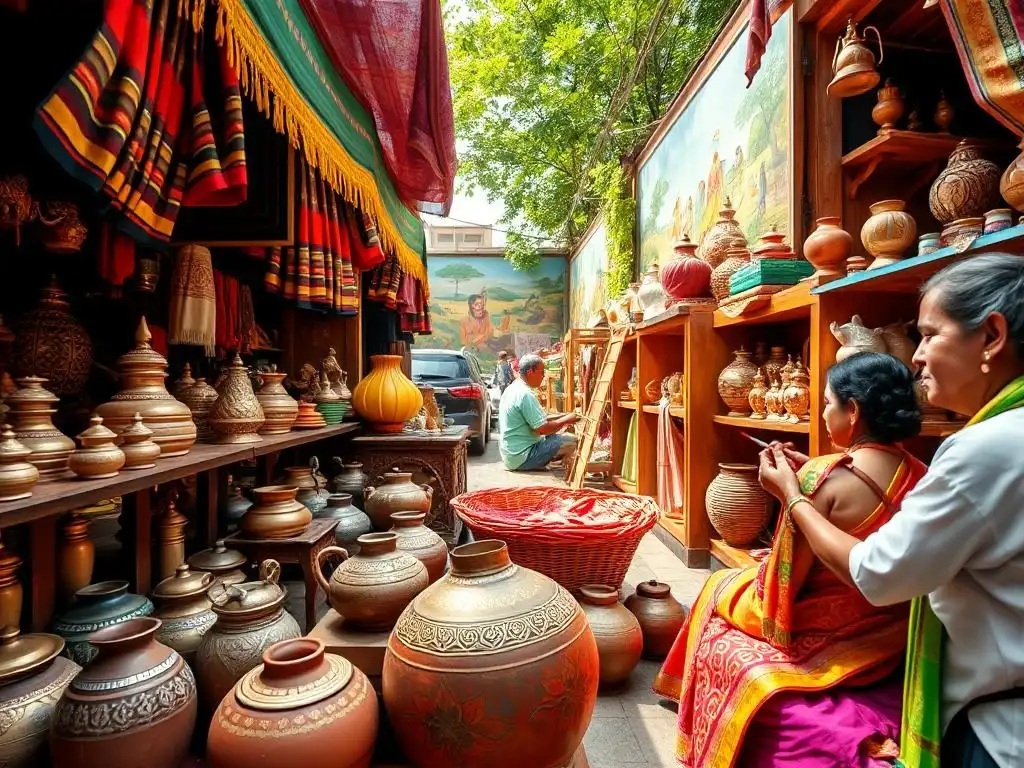
Welcome to Ancient India History, where we embark on a fascinating journey through the rich tapestry of India's past, uncovering the cultural gems that have shaped civilization. Today, we delve into the world of craftsmanship with our main article, "The Best Indian Handicrafts to Invest In: A Comprehensive Guide." Discover how the exquisite artistry of ancient Indian civilizations not only reflects their vibrant heritage but also presents lucrative investment opportunities. Are you ready to unlock the secrets of these timeless treasures? Dive in and explore how you can connect with the legacy of Indian handicrafts!
- Introduction to Indian Handicrafts Investment Guide
- Overview of Indian Handicrafts
- Why Invest in Indian Handicrafts?
- Key Factors to Consider When Investing
- Top Indian Handicrafts to Invest In
- Where to Buy Authentic Indian Handicrafts
- Tips for Successful Investment in Indian Handicrafts
- Conclusion: Making Informed Decisions in Indian Handicrafts Investment
-
Frequently Asked Questions
- What are the most popular Indian handicrafts to invest in?
- How can I determine the value of Indian handicrafts?
- What should I look for in a handicraft investment guide?
- Are there specific regions known for certain handicrafts?
- How can I ensure that my investment in handicrafts is ethical and sustainable?
- Final Reflection: Embracing the Artistry of Indian Handicrafts
- Unveil the Beauty of Indian Handicrafts Today!
Introduction to Indian Handicrafts Investment Guide
Investing in Indian handicrafts is not just a financial decision; it's an entry into a world rich in culture, tradition, and artistry. With a history that spans thousands of years, Indian handicrafts are a testament to the country's diverse civilizations, each bringing unique skills and styles to the forefront.
As global interest in artisanal products continues to grow, understanding the potential of Indian handicrafts becomes crucial for investors looking to diversify their portfolios while supporting traditional artisans. This comprehensive guide will illuminate the opportunities available in Indian handicrafts, focusing on the best avenues for investment that honor the past while fostering sustainable growth.
Understanding the Rich Heritage of Indian Handicrafts
Indian handicrafts are an amalgamation of various art forms, techniques, and materials, reflecting the country's rich tapestry of cultures and traditions. From the intricate carvings of Rajasthan to the vibrant textiles of Gujarat, each region of India boasts its own unique crafts that tell stories of their heritage.
- Diverse Types of Handicrafts:
- Textiles: Handwoven fabrics like silk, cotton, and wool, often adorned with traditional motifs.
- Pottery: Earthenware and decorative pottery from regions such as Khurja and Kutch.
- Woodwork: Beautifully crafted wooden furniture and artifacts, especially from the North-East and South India.
- Metalwork: Intricate jewelry and utensils made from brass, silver, and gold.
The craftsmanship involved in these products often involves techniques that have been passed down through generations, making each piece not only a product but a legacy. By investing in these handicrafts, investors can help preserve these traditional practices while also benefiting from their increasing demand in both domestic and international markets.
Importance of Investing in Indian Handicrafts
Investing in Indian handicrafts presents numerous advantages that extend beyond mere financial gain. Here are some compelling reasons why this sector is a worthwhile consideration for investors:
- Cultural Preservation: By investing in handicrafts, you contribute to the sustenance of traditional skills and the livelihoods of artisans.
- Growing Market Demand: With the rise of sustainable and ethical consumerism, there is a growing demand for handmade products, which are perceived as unique and environmentally friendly.
- Diversification of Portfolio: Handicrafts offer a unique asset class that can provide stability and growth potential, particularly in a fluctuating economy.
In addition, the global marketplace is increasingly valuing authenticity and traditional craftsmanship, making now an opportune time to delve into the world of Indian handicrafts. As you explore this investment guide, you will uncover the various facets of this vibrant sector, equipping yourself with the knowledge needed to make informed investment decisions.
Overview of Indian Handicrafts
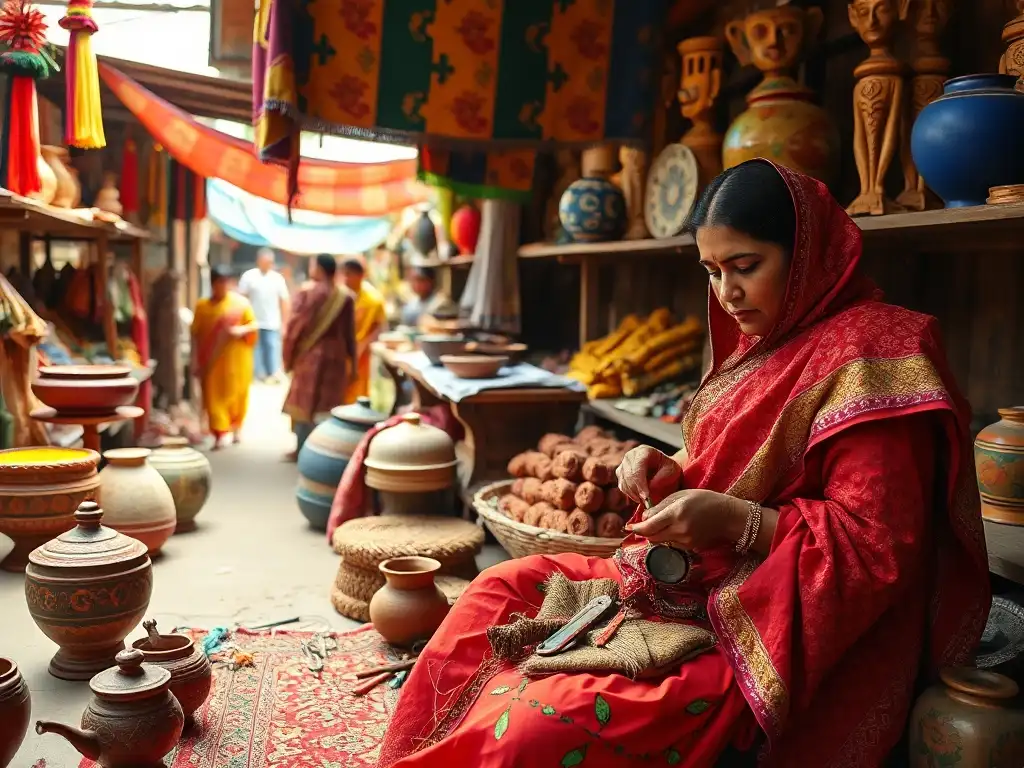
Indian handicrafts represent a vibrant tapestry of culture, tradition, and artistry, deeply rooted in the diverse regions of India. These crafts are not merely products; they encapsulate the ethos of various communities, reflecting their history, beliefs, and way of life. Investing in Indian handicrafts is not just a financial decision but a cultural engagement that supports artisans and preserves age-old traditions.
The Indian handicraft sector is a significant contributor to the economy, providing employment to millions of artisans across the country. With a growing global interest in sustainable and ethically-sourced products, the market for Indian handicrafts continues to expand, offering unique investment opportunities. As consumers increasingly seek products that tell a story, the demand for authentic handicrafts has surged, making it a lucrative area for investment.
Types of Indian Handicrafts: An In-Depth Look
Indian handicrafts can be categorized into various types, each showcasing unique techniques, materials, and cultural significance. Here’s a closer look at some prominent categories:
- Textiles and Fabrics
- Weaving: States like Gujarat and West Bengal are renowned for their intricate handwoven fabrics such as khadi, ikat, and muslin.
- Embroidery: Techniques like zari, mirror work, and kantha bring life to garments and home decor items.
- Pottery and Ceramics
- Terracotta: This ancient craft boasts utility and artistry, often used in cookware and decorative items.
- Blue Pottery: Originating from Jaipur, this pottery is known for its vibrant blue hues and intricate designs.
- Metal Crafts
- Brass and Copper: From utensils to decorative items, metal crafts from places like Moradabad highlight craftsmanship.
- Silver Filigree: The delicate art of silver filigree, particularly from Odisha, creates stunning jewelry and decor pieces.
- Woodwork
- Carving: Intricate wood carvings, especially from regions like Rajasthan and Kerala, showcase detailed artistry.
- Furniture: Handcrafted wooden furniture, often adorned with engravings, is highly sought after.
- Jewelry
- Traditional Jewelry: Each region boasts unique styles, such as Kundan from Rajasthan or Temple jewelry from South India.
- Contemporary Designs: Modern interpretations of traditional designs cater to a broader audience.
- Handmade Paper Products
- Paper Mache: Originating from Kashmir, this craft involves creating beautiful products from paper pulp.
- Eco-friendly Stationery: As sustainability trends rise, handmade paper products are gaining popularity.
These categories reflect the rich diversity of Indian craftsmanship, making them attractive for both personal use and investment. Each item carries a story, a cultural significance, and an artistic expression that resonates with buyers globally.
Historical Significance of Indian Handicrafts
The history of Indian handicrafts dates back thousands of years, with evidence found in archaeological sites like the Indus Valley Civilization. Artifacts such as pottery, jewelry, and textiles indicate a sophisticated understanding of materials and craftsmanship. Over the centuries, various dynasties and empires, including the Mauryas, Guptas, and Mughals, have influenced the evolution of these crafts, enriching them with new techniques and styles.
Key Historical Milestones:
- Indus Valley Civilization (c. 2500–1900 BCE): Known for its cotton textiles and intricate beadwork, this period laid the foundation for India's textile industry.
- Maurya and Gupta Empires (c. 322–550 CE): These empires promoted trade, resulting in the flourishing of arts and crafts, such as sculpture and metalwork.
- Mughal Era (c. 1526–1857 CE): The Mughals introduced elaborate designs and techniques, particularly in textiles and architecture, influencing crafts across India.
The tradition of handicrafts continued to evolve during the colonial period, where artisans adapted to changing demands while maintaining their unique styles. Today, the revival of interest in traditional crafts has led to a resurgence, with numerous organizations working to promote and sustain these artistic expressions.
Investing in Indian handicrafts not only provides financial returns but also plays a crucial role in preserving the cultural heritage of India. By supporting artisans and their crafts, investors contribute to the sustainability of this age-old tradition, ensuring that future generations can also appreciate and enjoy the richness of Indian handicrafts.
Why Invest in Indian Handicrafts?
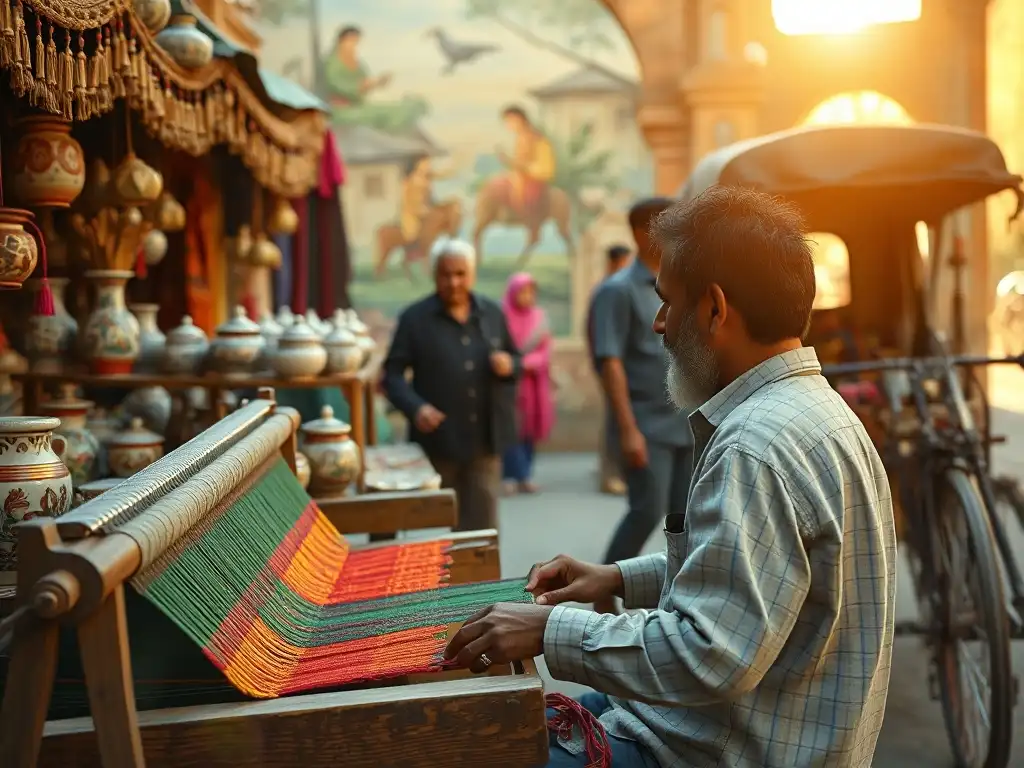
Investing in Indian handicrafts presents a unique opportunity that combines financial potential with cultural richness. The craftsmanship of Indian artisans embodies centuries of tradition, creativity, and skill, making these products not only valuable but also significant in preserving cultural heritage. Here are some compelling reasons to consider investing in Indian handicrafts:
- Growing Market Demand: The global demand for authentic, handmade products has surged, with consumers increasingly seeking unique items that tell a story. Indian handicrafts, with their rich history and diverse artistry, are positioned perfectly to meet this demand.
- Sustainable Investment: Investing in handicrafts supports sustainable practices. Many artisans use eco-friendly materials and traditional methods that have minimal environmental impact. This aligns with the growing consumer preference for sustainable and ethically sourced products.
- Support Local Artisans: By investing in Indian handicrafts, you contribute to the livelihood of local artisans and their communities. This not only helps preserve traditional skills but also fosters economic development in rural areas.
- Diverse Product Range: The realm of Indian handicrafts is vast, encompassing textiles, pottery, jewelry, woodwork, and more. This diversity allows investors to explore various niches and find products with high potential for appreciation.
- Cultural Appreciation: Investing in handicrafts is not just a financial decision; it is also an opportunity to engage with and appreciate the rich cultural heritage of India. Each piece tells a story, connects to its regional roots, and reflects the artistic expressions of its makers.
Economic Potential of Indian Handicrafts
The economic landscape of Indian handicrafts is thriving, with significant contributions to both the national and global markets. Here are some key economic insights:
- Market Size and Growth: The Indian handicrafts sector is estimated to be worth over $100 billion, with a substantial portion attributed to exports. According to the Export Promotion Council for Handicrafts (EPCH), exports of handicrafts grew by over 30% in the past few years, highlighting the sector's resilience and potential for growth.
- Employment Generation: The handicraft sector employs over 7 million artisans across India, making it one of the largest employment generators in the country. This is particularly important in rural areas, where job opportunities are often limited.
- Government Initiatives: The Indian government actively supports the handicrafts industry through various initiatives, including financial assistance, skill development programs, and marketing support. Schemes like 'One District One Product' (ODOP) aim to promote specific handicrafts from different regions, enhancing visibility and marketability.
- Export Opportunities: The demand for Indian handicrafts in international markets, especially in the USA, Europe, and the Middle East, is on the rise. Handcrafted textiles, pottery, and jewelry are particularly sought after, creating lucrative opportunities for investors.
Cultural Value and Unique Selling Proposition (USP)
The cultural value attached to Indian handicrafts is immense, providing them with a Unique Selling Proposition (USP) that appeals to consumers and investors alike:
- Rich Heritage: Each handicraft product carries the legacy of its region, reflecting local traditions, beliefs, and artistic styles. For instance, the intricate designs of Kanchipuram silk sarees tell stories of centuries-old weaving techniques, while Madhubani paintings showcase the folk art traditions of Bihar.
- Artisanal Skills: The craftsmanship involved in creating these products is often passed down through generations. This level of skill and attention to detail is hard to replicate, giving Indian handicrafts a distinct edge in the market.
- Cultural Storytelling: Many consumers today are looking for products that resonate with their values and tell a story. Indian handicrafts offer a narrative that connects the buyer to the artisan, the culture, and the tradition behind the piece. This emotional connection enhances the product's perceived value.
- Customization and Personalization: Many artisans are open to creating customized pieces, allowing investors to cater to specific consumer preferences. This ability to personalize products adds another layer of uniqueness and appeal to Indian handicrafts.
Investing in Indian handicrafts not only presents a promising financial opportunity but also supports cultural preservation and sustainable practices. The economic potential, combined with the rich cultural heritage, makes Indian handicrafts an attractive investment choice for those looking to diversify their portfolios while making a positive impact.
Key Factors to Consider When Investing
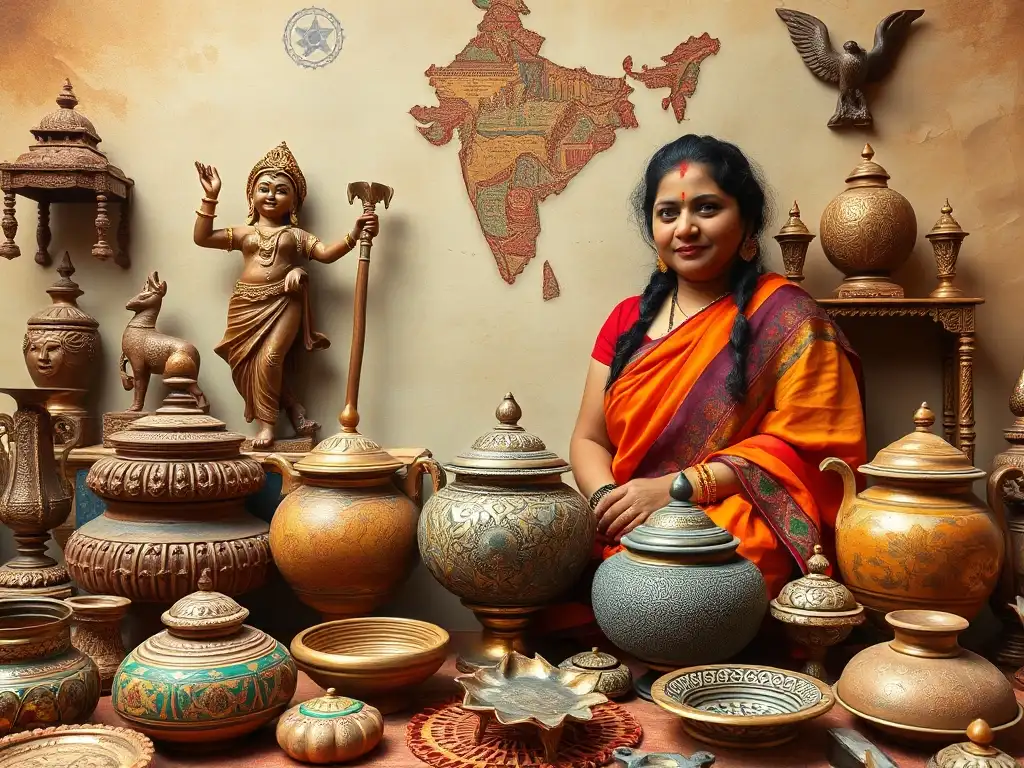
Investing in Indian handicrafts can be a rewarding venture, not only for the potential financial returns but also for the cultural appreciation and support of local artisans. To navigate this landscape effectively, it is crucial to understand several key factors that can influence your investment decisions.
Understanding Market Trends and Consumer Preferences
The market for Indian handicrafts is continually evolving, driven by changing consumer preferences and global trends. Here are some factors to consider:
- Demand for Authenticity:
- Consumers today are increasingly seeking products that are authentic and tell a story. Handicrafts that reflect traditional techniques and local culture tend to attract more buyers.
- Tip: Look for products that emphasize their artisanal origins, as these often command higher prices.
- Sustainability:
- There is a growing demand for sustainable and eco-friendly products. Handicrafts made from natural materials or through sustainable practices are becoming more appealing to environmentally conscious consumers.
- Example: Items made from bamboo, jute, or recycled materials are gaining popularity in both domestic and international markets.
- Online Shopping Trends:
- The rise of e-commerce has transformed how handicrafts are sold. Many consumers are now shopping online, making it essential for artisans and investors to establish a strong online presence.
- Insight: Platforms like Etsy and Amazon Handmade have created opportunities for artisans to reach a global audience.
- Cultural Significance:
- Different regions in India are known for specific handicrafts. Understanding the cultural significance of these crafts can help in positioning products effectively in the market.
- Example: Products from Rajasthan, like blue pottery and block-printed textiles, have distinct cultural narratives that can enhance their marketability.
- Target Demographics:
- Identifying the target demographic is crucial. Younger consumers may prefer modern interpretations of traditional crafts, while older buyers might favor traditional styles.
- Strategy: Tailor marketing strategies to appeal to the preferences of different age groups and cultural backgrounds.
Evaluating Quality and Craftsmanship
When investing in handicrafts, the quality and craftsmanship of the products are paramount. Here are some aspects to evaluate:
- Material Selection:
- High-quality materials are essential for durable and appealing products. Evaluate the raw materials used in the handicrafts, as this significantly impacts the overall quality.
- Common Materials: Wood, stone, metal, clay, and textiles are frequently used in Indian handicrafts.
- Artisan Skill Level:
- The skill of the artisan directly influences the craftsmanship of the product. Understanding the techniques employed and the artist's background can provide insights into the quality of the items.
- Recommendation: Invest in products from artisans with established reputations or those who are part of recognized craft programs.
- Attention to Detail:
- Quality craftsmanship is often marked by the level of detail put into the product. Inspect for precision in design, finishing touches, and overall aesthetics.
- Checklist:
- Consistency in patterns and colors
- Durability of the product
- Absence of defects or irregularities
- Cultural Authenticity:
- Ensure the handicrafts maintain the cultural authenticity that makes them appealing. This not only adds value but also respects the traditions from which they originate.
- Example: Items that embody traditional craftsmanship techniques, like hand-weaving or intricate carving, are often more valuable.
- Certification and Provenance:
- Look for certifications that validate the authenticity and quality of handicrafts. This can include geographical indication (GI) tags or other forms of recognition.
- Importance: Certifications can enhance marketability and assure customers of the product's quality.
By paying attention to these key factors, investors can make informed decisions when navigating the diverse and vibrant world of Indian handicrafts. The combination of market awareness and a keen eye for quality can lead to successful investments in this culturally rich sector.
Top Indian Handicrafts to Invest In
Investing in Indian handicrafts not only opens avenues for profit but also supports traditional artisans and preserves cultural heritage. The following sections delve into specific categories of handicrafts that stand out for their craftsmanship, historical significance, and market potential. Each category represents a unique opportunity for investors looking to capitalize on the rich artisanal culture of India.
Best Pottery and Ceramics to Consider
India boasts a diverse range of pottery and ceramics, reflecting various regional styles and techniques. Investing in these exquisite art forms can yield substantial returns due to their increasing demand in both domestic and international markets.
- Blue Pottery of Jaipur
- Originating from the Persian influence, Blue Pottery features vibrant blue hues and intricate designs. Its uniqueness and craftsmanship make it highly sought after.
- Investment Tip: Look for authentic pieces with intricate hand-painted designs to ensure value appreciation.
- Khurja Pottery
- Known for its colorful glazes and artistic motifs, Khurja pottery is a product of the Uttar Pradesh region. It includes items like tableware, decorative pieces, and tiles.
- Investment Tip: Engage with local artisans to acquire exclusive designs that may have higher resale value.
- Terracotta Crafts
- Terracotta items, including clay pots and sculptures, are popular for their rustic charm. Regions like West Bengal and Tamil Nadu are renowned for their terracotta craft.
- Investment Tip: Focus on items that showcase traditional techniques, as these tend to attract collectors.
Investing in Textiles: A Profitable Sector
The textile industry in India is a treasure trove of investment opportunities, with each region offering distinct fabrics and weaving techniques. The global market for Indian textiles is expanding, making it a lucrative sector to consider.
- Banarasi Silk
- Hailing from Varanasi, Banarasi silk sarees are renowned for their intricate brocade work. They are not only beautiful but also hold cultural significance, making them timeless investments.
- Investment Tip: Source directly from weavers to avoid markups and ensure authenticity.
- Kanchipuram Silk
- Originating from Tamil Nadu, Kanchipuram silk sarees are characterized by their rich colors and durability. They have a strong market presence, especially during wedding seasons.
- Investment Tip: Invest in traditional patterns and colors that are in demand.
- Handwoven Khadi
- Khadi, a hand-spun and hand-woven fabric, symbolizes India’s freedom struggle. With a growing trend towards sustainable fashion, Khadi is gaining traction among eco-conscious consumers.
- Investment Tip: Look for collaborations with designers who are innovating with Khadi for modern applications.
Unique Wooden Crafts Worth Investing In
Wooden crafts in India are a testament to the skilled craftsmanship of artisans. From intricately carved furniture to decorative items, investing in wooden crafts can be rewarding due to their aesthetic appeal and durability.
- Suar Wood Carvings
- Originating from Bali but popular in Indian craft markets, Suar wood is known for its rich grains and durability. Carvings range from sculptures to furniture.
- Investment Tip: Acquire pieces that highlight the natural beauty of the wood, ensuring they are not overly finished.
- Sheesham Wood Furniture
- Sheesham wood, or Indian rosewood, is favored for its sturdiness and beautiful finish. Handmade furniture made from Sheesham wood is highly valued for its quality.
- Investment Tip: Invest in bespoke pieces that showcase traditional craftsmanship, as these often appreciate in value over time.
- Kashmiri Walnut Wood Crafts
- Known for their intricate carvings, Kashmiri walnut wood items, including boxes, trays, and furniture, are prized for their craftsmanship and beauty.
- Investment Tip: Focus on items that feature traditional motifs, as they are more likely to attract collectors.
Investing in these top Indian handicrafts not only supports traditional artisans but also contributes to the preservation of rich cultural heritage while providing a profitable venture for discerning investors.
Metalwork and Jewelry: High-Value Investment Options
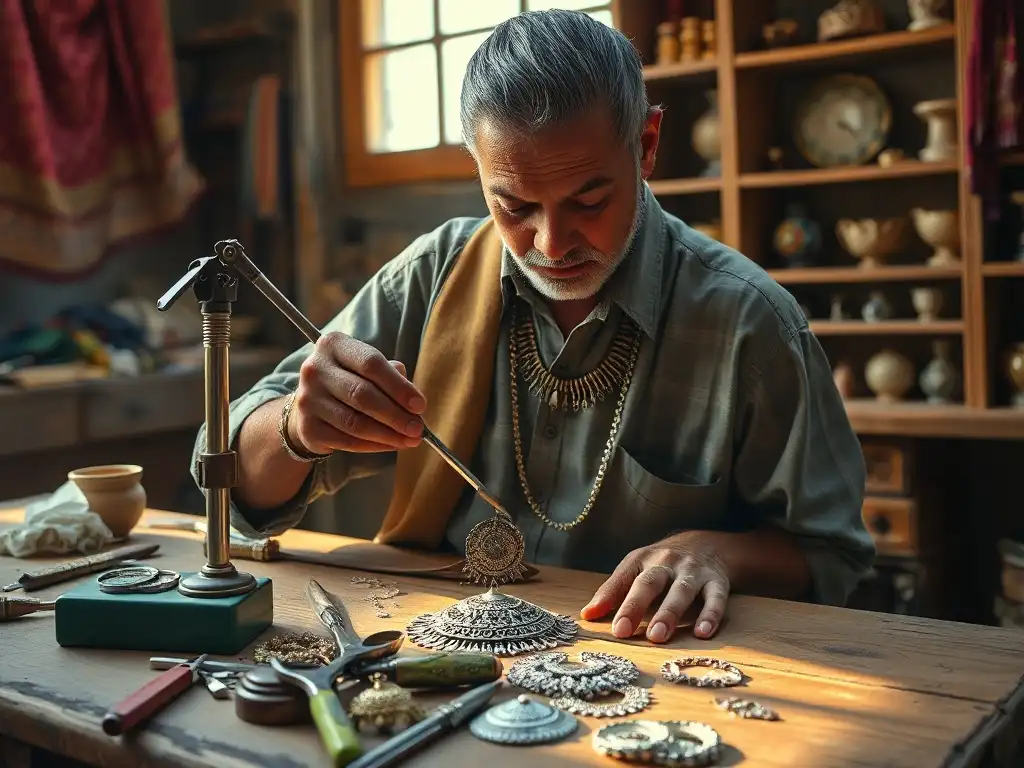
Metalwork and jewelry from India are not just decorative items; they are an embodiment of cultural heritage and craftsmanship. The intricate designs and the use of precious and semi-precious metals make these handicrafts highly sought after, presenting excellent investment opportunities.
-
Diverse Styles and Techniques:
India boasts a plethora of metalworking techniques, including filigree, enameling, and casting. Each region has its unique style:
- Kundan: A traditional form of gem-setting in gold, originating from Rajasthan.
- Meenakari: A colorful enamel work that enhances the beauty of the metal.
- Bidri: A distinctive form of metal inlay work from Karnataka.
-
Market Demand:
The global demand for authentic Indian metalwork and jewelry is on the rise. Collectors and investors appreciate the craftsmanship and the stories behind each piece, often resulting in substantial appreciation in value over time. Specialty markets and online platforms dedicated to Indian handicrafts have made it easier to access these items.
-
Investment Value:
Investing in high-quality metalwork and jewelry can yield significant returns. Not only do these items hold intrinsic value due to the materials used, but their artistic value can also appreciate. Limited edition pieces and those with historical significance tend to command higher prices at auctions.
-
Cultural Significance:
Purchasing metalwork and jewelry can also contribute to the preservation of traditional crafts. By investing in these handicrafts, you support artisans and help sustain their livelihoods, ensuring the continuation of these age-old traditions.
Traditional Paintings: Art as an Investment
Traditional Indian paintings are not only a representation of artistic excellence but also a lucrative investment opportunity. These artworks often encapsulate narratives, spiritual themes, and cultural motifs that reflect India’s rich heritage.
-
Variety of Styles:
India is home to various traditional painting styles, each with its own unique characteristics:
- Madhubani: Originating from Bihar, known for its vibrant colors and intricate patterns.
- Warli: A tribal art from Maharashtra, characterized by its simple yet expressive figures.
- Pattachitra: A traditional cloth-based scroll painting from Odisha, rich in mythological narratives.
-
Value Appreciation:
The value of traditional paintings can appreciate significantly over time, especially those created by renowned artists or those that are part of limited series. Investing in such artworks not only beautifies your living space but also has the potential for capital growth.
-
Art Market Trends:
The art market is witnessing a growing interest in traditional Indian paintings, with both domestic and international collectors keen to acquire these pieces. Auctions and art fairs often showcase these works, providing a platform for investors to gauge market trends and values.
-
Cultural Investment:
Purchasing traditional paintings is more than just a financial investment; it is also a way to preserve and promote Indian culture. By investing in art, you support local artisans and contribute to the sustainability of traditional art forms that have been passed down through generations.
Both metalwork and traditional paintings present excellent avenues for investment, reflecting the rich tapestry of Indian craftsmanship and culture. Investors can not only expect financial returns but also participate in the preservation of India's artistic heritage.
Where to Buy Authentic Indian Handicrafts
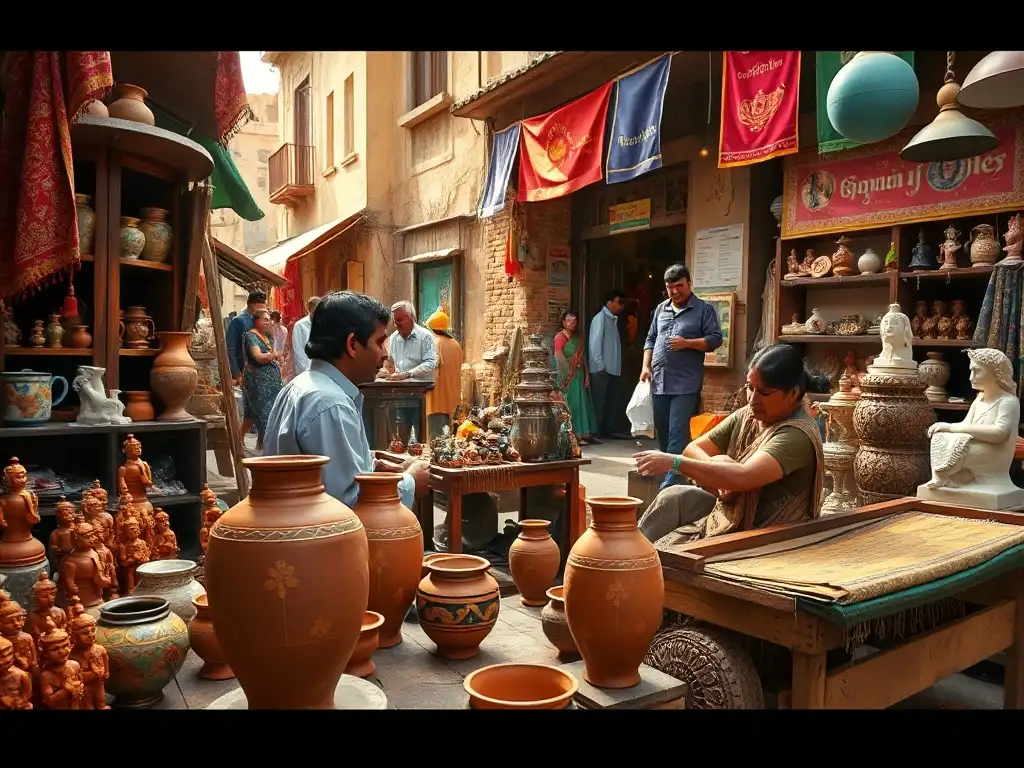
Reputable Online Platforms for Handicrafts
In the digital age, purchasing authentic Indian handicrafts has become more accessible than ever. Here are some reputable online platforms where you can find a diverse range of artisanal products:
- Craftsvilla
- Overview: A dedicated marketplace for Indian handicrafts, Craftsvilla offers a wide variety of products, from textiles to jewelry.
- Unique Features: They emphasize supporting local artisans and often provide detailed stories behind each craft.
- Jaypore
- Overview: Jaypore curates a selection of high-quality, traditional handicrafts from across India.
- Unique Features: They focus on craftsmanship and heritage, ensuring that each piece reflects the culture of its origin.
- Amazon India
- Overview: While known for a variety of products, Amazon India has a dedicated section for handicrafts, featuring both local artisans and established brands.
- Unique Features: The platform offers customer reviews and ratings, giving buyers insights into product quality.
- Etsy
- Overview: A global marketplace for handmade and vintage items, Etsy hosts numerous Indian artisans who sell their crafts.
- Unique Features: The platform allows for direct communication with sellers, fostering a personal connection and understanding of the craft.
- Handicrafts of India
- Overview: This platform specializes in traditional Indian handicrafts, ranging from home decor to fashion accessories.
- Unique Features: They often provide customization options, allowing buyers to personalize their purchases.
By utilizing these online platforms, investors can not only find unique pieces to add to their collections but also support the artisans who create them, thereby contributing to the preservation of India’s rich handicraft heritage.
Local Markets and Fairs to Explore
In addition to online platforms, exploring local markets and fairs can provide an immersive experience in the world of Indian handicrafts. Here are some notable places to consider:
- Dilli Haat (Delhi)
- Overview: This open-air market showcases crafts and cuisines from different states of India.
- What to Expect: Visitors can find a range of products, including textiles, pottery, and jewelry, all under one roof.
- Chitra Santhe (Bengaluru)
- Overview: An annual art fair that features local artists and craftsmen, Chitra Santhe is a vibrant celebration of art.
- What to Expect: The fair presents unique opportunities to purchase original works directly from the artists.
- Shilpgram (Udaipur)
- Overview: A rural arts and crafts complex, Shilpgram promotes traditional crafts from various Indian states.
- What to Expect: Visitors can witness live demonstrations of crafts and buy authentic items while enjoying cultural performances.
- Banjara Market (Gurgaon)
- Overview: A treasure trove for home decor enthusiasts, Banjara Market is famous for its eclectic mix of handicrafts.
- What to Expect: From wooden furniture to colorful textiles, shoppers can find unique pieces at reasonable prices.
- Handicraft Fairs and Festivals
- Overview: Throughout the year, various handicraft fairs and festivals take place across India, such as the Surajkund Mela in Haryana.
- What to Expect: These events feature a wide array of artisans showcasing their crafts, often with the chance to bargain for the best prices.
Exploring these local markets and fairs not only provides an opportunity to purchase authentic handicrafts but also enriches the understanding of the cultural significance behind each piece. By engaging directly with artisans and their work, investors can make informed decisions while supporting the livelihood of Indian craftsmen.
Tips for Successful Investment in Indian Handicrafts
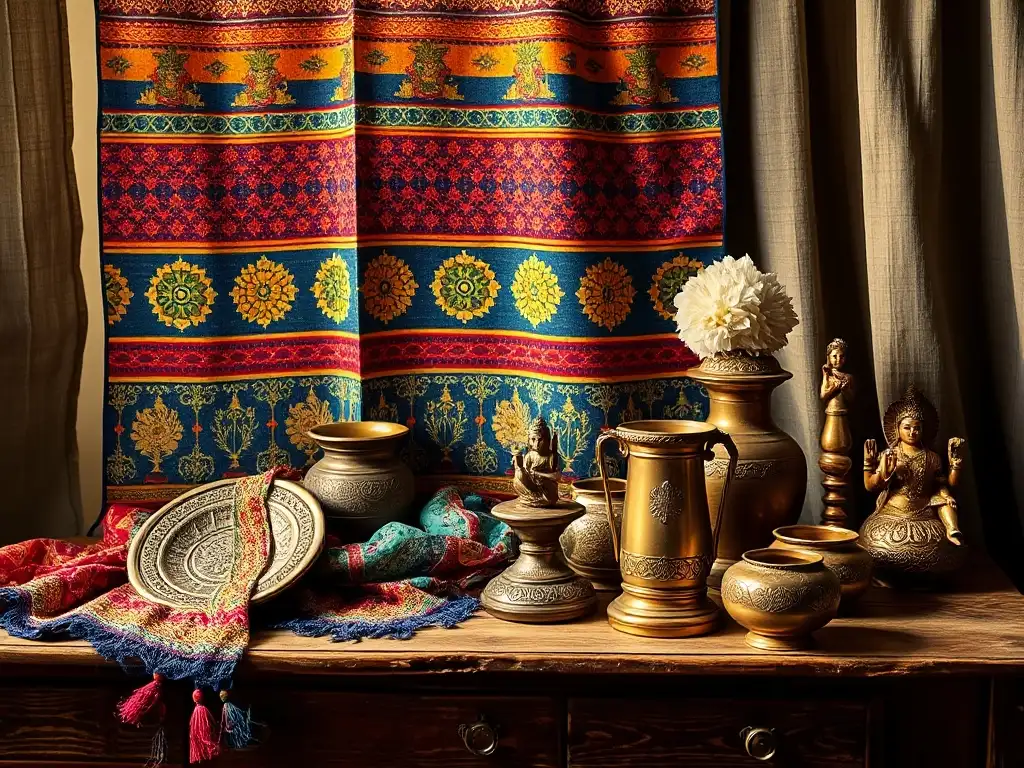
Investing in Indian handicrafts can be a rewarding endeavor, both financially and culturally. To maximize your investment potential, consider the following strategies that can lead to successful outcomes in this vibrant market.
Building Relationships with Artisans and Craftsmen
Establishing strong relationships with artisans and craftsmen is essential for successful investment in Indian handicrafts. These relationships not only foster trust but also provide insight into the craft, the materials used, and the cultural significance behind each piece.
- Networking Opportunities: Attend fairs, exhibitions, and workshops dedicated to handicrafts. Events like the India International Trade Fair or Chitra Santhe offer opportunities to meet artisans directly.
- Create a Supportive Environment: Show genuine interest in the artisans' work. Engage them in conversations to understand their techniques and challenges they face in production. This not only nurtures a strong bond but also encourages artisans to share their best work with you.
- Collaborative Projects: Consider collaborating with artisans on limited edition pieces or custom designs. This can enhance the uniqueness of your investment and provide artisans with a platform to showcase their skills.
- Fair Compensation: Ensure that artisans receive fair wages for their work. This not only supports the community but also builds loyalty and quality in the craftsmanship they provide.
- Long-Term Partnerships: Aim for long-term relationships rather than one-off transactions. This helps in understanding market trends and the artisans’ evolving techniques, leading to more informed investment decisions.
Understanding the Legal Aspects of Handicraft Investments
Before investing in Indian handicrafts, it is crucial to understand the legal landscape governing this sector. Navigating these aspects can prevent potential pitfalls and ensure a smooth investment process.
- Intellectual Property Rights: Familiarize yourself with the intellectual property laws that protect traditional designs and techniques. Many artisans possess unique patterns that may be registered under geographical indications (GI). Respecting these laws is essential to avoid legal disputes.
- Regulatory Compliance: Ensure that the handicrafts you invest in comply with local and national regulations. This includes adherence to quality standards and certifications that might be required for export.
- Contracts and Agreements: When collaborating with artisans, establish clear contracts that outline terms of payment, delivery timelines, and ownership rights. This helps in maintaining transparency and reducing misunderstandings.
- Tax Implications: Understand the tax obligations associated with your handicraft investments, including Goods and Services Tax (GST) applicable to handicraft products. Consulting with a tax professional can provide clarity on these matters.
- Export and Import Regulations: If you plan to export handicrafts, familiarize yourself with the export regulations, including necessary documentation. The Export Promotion Council for Handicrafts (EPCH) can be a valuable resource in this regard.
By focusing on building strong relationships with artisans and understanding the legal framework, investors can navigate the complexities of the Indian handicrafts market effectively. These strategies not only promote ethical investment practices but also contribute significantly to preserving and promoting India's rich artisanal heritage.
Conclusion: Making Informed Decisions in Indian Handicrafts Investment
Recap of Key Points
As we conclude our exploration of the Indian handicrafts investment guide, it's essential to summarize the pivotal insights that can aid potential investors. Here are the key takeaways:
- Cultural Significance: Indian handicrafts are not merely products; they encapsulate centuries of history, tradition, and cultural heritage. Investing in these crafts not only supports artisans but also preserves these invaluable legacies.
- Diverse Offerings: The range of handicrafts available in India is vast, spanning textiles, pottery, metalwork, and more. Each region boasts unique specialties, from the intricate embroidery of Rajasthan to the exquisite pottery of Khurja. This diversity allows investors to choose from a variety of options based on personal interest and market demand.
- Growing Market: The global demand for sustainable and ethically sourced products is on the rise. Indian handicrafts align perfectly with this trend, providing an opportunity for profitable investments that also contribute to social causes.
- Challenges to Consider: While the potential is significant, investors must navigate various challenges, including quality control, supply chain logistics, and market saturation. Understanding these factors is crucial for making informed decisions.
- Supporting Artisans: Investing in handicrafts directly benefits local artisans and communities. This ethical investment helps sustain traditional crafts, empowering artisans with fair wages and better living conditions.
Final Thoughts on the Future of Indian Handicrafts Investment
The future of Indian handicrafts investment appears promising, with opportunities for growth and innovation. As the market continues to evolve, here are some trends to keep an eye on:
- E-commerce Growth: The shift towards online platforms has opened new avenues for artisans to reach global markets. Investors should consider supporting or partnering with e-commerce ventures that focus on promoting Indian handicrafts.
- Sustainability Focus: With an increasing emphasis on sustainability, handicrafts made from eco-friendly materials are likely to gain traction. Investing in such products can not only be lucrative but also align with global environmental goals.
- Collaborative Ventures: There is a growing trend of collaborations between artisans and designers, resulting in contemporary adaptations of traditional crafts. This fusion can attract a younger demographic, expanding the market for investors.
- Government Initiatives: The Indian government has launched various schemes to support the handicraft sector, which can enhance investment opportunities. Staying updated on these initiatives can provide investors with valuable insights.
The Indian handicrafts investment landscape is rich with potential. By being informed, strategic, and ethical in their approach, investors can contribute to the flourishing of this vibrant sector while reaping the rewards of their investments. The journey into the world of Indian handicrafts is not just a financial venture; it's a celebration of culture, tradition, and community.
Frequently Asked Questions
What are the most popular Indian handicrafts to invest in?
The most popular Indian handicrafts include block-printed textiles, handwoven carpets, and ceramic pottery. These items not only reflect rich cultural heritage but also hold significant investment potential.
How can I determine the value of Indian handicrafts?
To determine the value of Indian handicrafts, consider factors such as craftsmanship, material quality, and artistic significance. Consulting with experts or referencing market trends can also help in assessing value.
What should I look for in a handicraft investment guide?
A good handicraft investment guide should provide insights on market trends, craftsmanship quality, and authenticity checks. It should also highlight regional specialties and top artisans to follow.
Are there specific regions known for certain handicrafts?
Yes, specific regions in India are renowned for particular handicrafts. For example, Jaipur is famous for block printing, while Kashmir is known for its pashmina shawls. Understanding these regional specialties can enhance your investment choices.
How can I ensure that my investment in handicrafts is ethical and sustainable?
To ensure your investment is ethical and sustainable, look for certifications, support local artisans, and choose products that promote fair trade practices. Engaging with brands that focus on sustainability can also make a positive impact.
Final Reflection: Embracing the Artistry of Indian Handicrafts
The beauty and intricacy of Indian handicrafts resonate deeply in today’s world, where the quest for authenticity and sustainability is more pronounced than ever. As we navigate a global marketplace increasingly dominated by mass production, the unique stories and cultural heritage embedded in each handcrafted piece remind us of the value of investing in artistry that transcends mere utility. The resurgence of interest in Indian handicrafts is not just a trend; it is a movement towards preserving traditions and supporting artisans who pour their heart and soul into their craft.
Cultural appreciation and economic empowerment are intertwined in the realm of Indian handicrafts. The impact of investing in these crafts extends beyond personal enrichment; it fosters community development and sustains age-old traditions that might otherwise fade away. As Mahatma Gandhi once said, “The best way to find yourself is to lose yourself in the service of others.” By choosing to invest in Indian handicrafts, we not only acquire beautiful items but also contribute to the livelihoods of artisans and the preservation of their skills for future generations.
As you reflect on the insights shared in this article, consider how you can make a difference through your purchasing choices. Investing in Indian handicrafts is not merely about acquiring beautiful objects; it’s about embracing a philosophy of sustainability, cultural respect, and economic support. I invite you to explore the rich tapestry of Indian craftsmanship and let it inspire your next investment.
Each piece you choose to bring into your life is not just a transaction; it’s a connection to a story, a culture, and a community. Let your choices reflect a commitment to preserving the artistry that enriches our world.
Unveil the Beauty of Indian Handicrafts Today!
Thank you for taking the time to explore our guide on the best Indian handicrafts worth investing in! We hope you’ve gained valuable insights into the timeless beauty and craftsmanship that these pieces offer. Now, let’s take the next step together and bring a piece of this artistry into your life.
- Explore local artisan markets in your area or browse online platforms to discover unique handicrafts that resonate with your personal style.
- Share this article with friends who appreciate art and culture; together, you can inspire each other to invest in beautiful, handcrafted pieces.
- Join a workshop or class to learn more about these traditional techniques firsthand, enriching your appreciation for Indian craftsmanship.
Which specific handicraft will you invest in next, and how do you envision it enhancing your living space? Let’s share ideas and inspire one another!