
Unveiling the Intricacies of Gupta Sculpture: Masterpieces of Ancient India

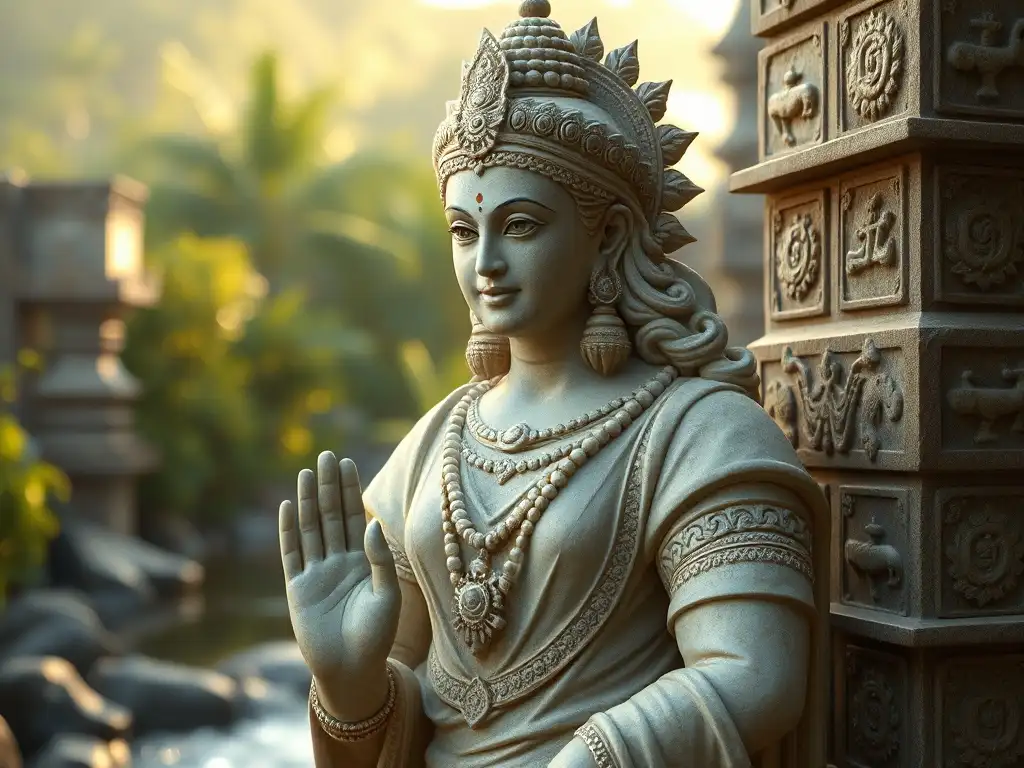
Welcome to Ancient India History, where we embark on a fascinating journey through the rich and diverse tapestry of ancient Indian civilizations. As we delve into the masterpieces of Gupta Empire sculpture, prepare to uncover the intricate artistry and profound cultural significance that these works embody. What secrets do these sculptures hold about the values and innovations of their time? Join us as we unveil the artistry that not only shaped a civilization but also continues to inspire the world today. Your adventure through the wonders of ancient India starts here!
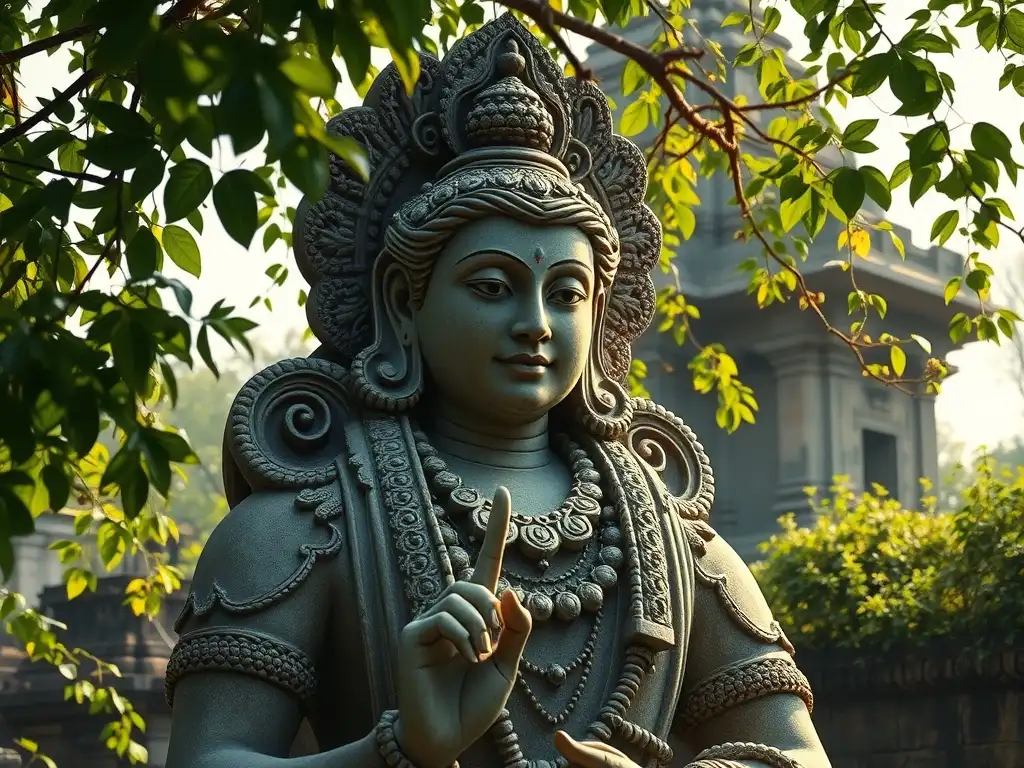
Introduction to Gupta Empire Sculpture
The Gupta Empire, often referred to as the "Golden Age" of India, flourished from approximately the 4th to the 6th century CE. This period is renowned for its remarkable advancements in various fields, including art, science, and literature. Among these contributions, the sculptures of the Gupta Empire stand out as some of the most exquisite and significant representations of ancient Indian artistry.
These masterpieces not only showcase the technical prowess of Gupta artisans but also reflect the rich cultural and spiritual life of the time. In this article, we will delve into the intricacies of Gupta sculpture, exploring its unique characteristics, thematic elements, and the materials and techniques that were employed to create these enduring works of art.
Overview of the Gupta Empire and its Artistic Influence
The Gupta Empire emerged as a major political and cultural force in ancient India, extending its influence across vast territories. The empire is credited with fostering an environment that encouraged artistic expression and innovation. Under the patronage of Gupta rulers, artists and craftsmen were inspired to create sculptures that embodied both religious devotion and aesthetic beauty. This era witnessed the rise of various artistic schools, each contributing to the diverse styles of sculpture that we associate with the Gupta period.
Some notable features of Gupta sculpture include:
- Realism: Sculptors began to emphasize naturalism, capturing the human form with greater accuracy.
- Religious Themes: Many sculptures depicted deities from Hinduism and Buddhism, reflecting the spiritual beliefs of the time.
- Regional Variations: Different regions within the empire developed distinct styles, influenced by local traditions and practices.
Importance of Sculpture in Ancient Indian Culture
Sculpture held a prominent place in ancient Indian culture, serving both aesthetic and functional purposes. It played a vital role in religious practices, with sculptures often used in temples and shrines to worship deities. These artistic expressions were not merely decorative; they were integral to the spiritual life of the community.
Key aspects of the importance of sculpture include:
- Cultural Identity: Sculptures depicted historical narratives and local legends, helping to forge a collective identity among people.
- Educational Tool: Many sculptures illustrated moral and philosophical teachings, acting as visual aids for the illiterate population.
- Preservation of Heritage: The artistry of Gupta sculptures provides valuable insights into the socio-political and religious landscapes of ancient India.
Characteristics of Gupta Empire Sculpture Masterpieces
The Gupta Empire is celebrated for producing some of the most exquisite sculptures in Indian history. These masterpieces reflect a distinct style characterized by their elegance and intricate details.
Stylistic Features of Gupta Sculptures
Gupta sculptures are renowned for their graceful proportions and serene expressions, embodying a sense of tranquility and divinity. Key stylistic features include:
- Fluid Lines: The use of flowing lines contributes to the overall harmony of the figures.
- Exquisite Detailing: Intricate carvings and embellishments highlight the skill of Gupta sculptors.
- Iconography: Each sculpture carries specific symbolic meanings, often related to the divine or spiritual themes.
Common Themes and Subjects in Gupta Sculptures
The themes depicted in Gupta sculpture are diverse, reflecting the complex belief systems of the time. Common subjects include:
- Deities: Sculptures of gods and goddesses such as Vishnu, Shiva, and the Buddha are prevalent.
- Mythological Narratives: Many sculptures illustrate scenes from ancient texts, bringing legendary stories to life.
- Everyday Life: Some sculptures depict common people and their activities, providing a glimpse into the daily life of ancient Indians.
Materials and Techniques Used in Gupta Sculpture
Gupta sculptors utilized a variety of materials and techniques to create their masterpieces, demonstrating their innovative spirit. Key materials and techniques include:
- Stone: Sandstone and basalt were commonly used, prized for their durability and workability.
- Casting: Metal sculptures were often created using the lost-wax casting technique, allowing for intricate details.
- Polishing: Many sculptures were polished to achieve a smooth finish, enhancing their visual appeal.
The sculptures of the Gupta Empire not only represent artistic excellence but also encapsulate the cultural and spiritual ethos of ancient India. They serve as a testament to the craftsmanship and creativity of Gupta artisans, leaving a lasting legacy that continues to inspire and educate.
Notable Gupta Sculpture Masterpieces
The Gupta Empire, often referred to as the Golden Age of India, produced some of the most exquisite sculptures in ancient history. These masterpieces not only showcase the technical skill of the artisans but also reflect the rich cultural and religious tapestry of the time.
Notable sculptures from this period include the Buddha in Sarnath, the Brahma and Vishnu from the Ajanta Caves, and the Varaha Avatar of Vishnu, which are celebrated for their intricate detailing and expressive forms. Each of these works embodies the philosophical and spiritual ideals of the Gupta era, making them significant not just artistically but also historically.
Iconic Sculptures from the Gupta Period
- Buddha Statues: The seated Buddha statue from Sarnath, dating back to the 5th century, is a quintessential example of Gupta sculpture. It is characterized by its serene expression and the intricate drapery of the robes, symbolizing peace and enlightenment.
- Ajanta Caves Sculptures: The sculptures within the Ajanta Caves, particularly those depicting Buddhist Jataka tales, are masterpieces of narrative art. The figures are renowned for their elegant postures and dynamic movements, illustrating the stories of the Buddha's previous lives.
- The Varaha Avatar of Vishnu: This sculpture, depicting Vishnu in the form of a boar rescuing the Earth, is significant for its portrayal of divine intervention. The intricate carvings showcase the artist's ability to convey movement and emotion.
- Sculptures of Deities: Many sculptures from this period depict various deities, including Shiva and Parvati, reflecting the syncretism of religious practices. The delicate features and detailed ornamentation highlight the artistry of Gupta craftsmen.
Analysis of Artistic Significance and Cultural Context
The artistic significance of Gupta sculptures lies in their embodiment of the aesthetic values of the time. The emphasis on naturalism, proportion, and the depiction of human emotions marked a shift from earlier styles. This period also saw the use of highly polished stone, allowing sculptures to achieve a level of detail previously unseen.
Culturally, these sculptures served not only as religious icons but also as tools for storytelling and moral instruction. They were often placed in temples and monasteries, serving as focal points for worship and reflection. The intricate carvings and expressive forms invite viewers to engage with the spiritual narratives they depict, creating a profound connection between the art and its audience.
The Role of Religion in Gupta Sculpture
Religion played a central role in the creation and inspiration of Gupta sculptures. The period is marked by a flourishing of artistic expression that was closely tied to the spiritual beliefs of the time. Hinduism, Buddhism, and Jainism coexisted and influenced one another, leading to a rich diversity in themes and iconography within Gupta art.
Hindu Iconography in Gupta Art
Hindu iconography flourished during the Gupta period, with many sculptures depicting deities such as Shiva, Vishnu, and Durga. The portrayal of gods and goddesses was characterized by:
- Symbolism: Each deity is often accompanied by specific symbols, such as Shiva’s trident or Vishnu’s conch shell, which convey their divine attributes and powers.
- Iconography: The detailed depiction of the gods' physical features, including their multiple arms and serene expressions, reflects the belief in their supernatural abilities and their connection to the cosmos.
- Narrative Scenes: Many sculptures depict divine stories and epics, such as scenes from the Ramayana and Mahabharata, allowing worshippers to engage with and understand these important texts through visual representation.
Buddhist Themes in Gupta Sculpture
Buddhist themes in Gupta sculpture are prominently displayed in the carvings found in monasteries and stupas. The notable features include:
- Buddha Figures: Sculptures of the Buddha are often depicted in various mudras, or hand gestures, each representing different teachings and aspects of his life.
- Jataka Tales: The sculptures illustrating the Jataka tales serve to educate followers about the moral lessons and virtues embodied by the Buddha, reinforcing the values of compassion, wisdom, and selflessness.
- Narrative Reliefs: Many Buddhist sculptures include intricate reliefs that portray scenes from the Buddha's life, contributing to the storytelling tradition and enhancing the spiritual experience of the viewer.
Jain Influences on Gupta Sculptural Art
Jain influences can also be seen in Gupta sculpture, particularly in the emphasis on non-violence and the portrayal of Tirthankaras, the spiritual teachers of Jainism. Key aspects include:
- Tirthankara Statues: Sculptures of Tirthankaras, such as Mahavira and Parsvanatha, are depicted with serene expressions and elaborate adornments, emphasizing their spiritual purity and detachment from worldly desires.
- Non-violence and Compassion: The themes of non-violence and compassion are central to Jain art, and this is reflected in the gentle expressions and postures of the figures, inviting viewers to engage with the principles of Jain philosophy.
- Intricate Detailing: Jain sculptures are characterized by meticulous attention to detail, showcasing the artisans' skills in carving intricate patterns and designs that reflect the beauty of nature and the importance of spiritual introspection.
The Gupta Empire's sculptures exemplify the rich interplay of artistic skill and religious devotion, making them enduring masterpieces that continue to inspire admiration and study.
Gupta Sculpture Techniques and Innovations
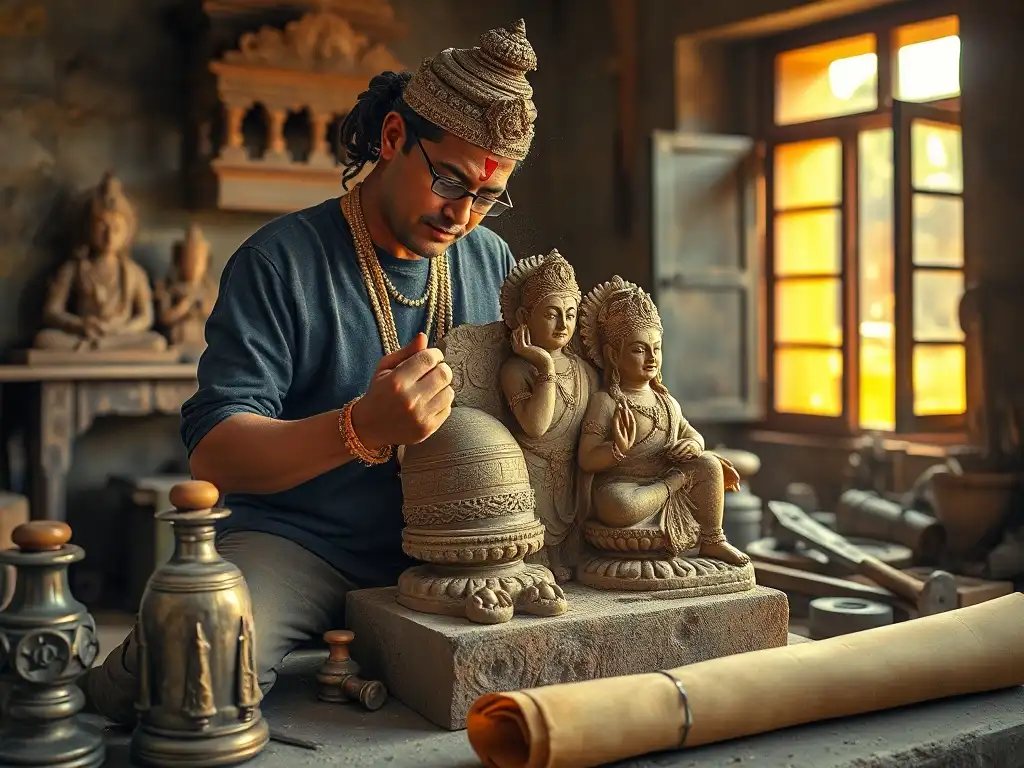
The Gupta Empire, often referred to as the "Golden Age" of India, saw a significant evolution in the techniques and innovations of sculpture. This period, spanning from approximately the 4th to the 6th centuries CE, marked a time when Indian art flourished, particularly in the realm of sculpture. Gupta artists developed refined methods that showcased their mastery over materials and techniques, leading to the creation of sculptures that were not only aesthetically pleasing but also rich in symbolic meaning.
The sculptures of this era were characterized by intricate detailing and a sense of realism that had not been seen in earlier periods. Artists utilized various materials, including stone, metal, and terracotta, to create diverse forms of sculpture ranging from intricate figures of deities to elaborate narrative scenes. The emphasis on naturalism and the human form was a distinguishing feature of Gupta sculpture, which set the foundation for future artistic expressions in Indian culture.
Carving Techniques and Tools Used by Gupta Artists
Gupta artists employed a variety of carving techniques that allowed them to achieve intricate details and lifelike representations in their sculptures. The primary tools used included chisels, hammers, and polishing stones, which enabled them to work meticulously on hard stones like sandstone and granite.
- Chiseling: This was the most common technique, where artists would carefully chip away at the stone to create form and texture. The use of different types of chisels allowed for varied effects, from smooth surfaces to rough textures.
- Polishing: After the initial carving, sculptures were polished using finer tools and abrasive materials. This process not only enhanced the visual appeal but also highlighted the intricate details of the figures, making them more lifelike.
- Assembly Techniques: Gupta artists were also skilled in assembling sculptures from multiple pieces, especially in larger works, which allowed for more complex designs without compromising structural integrity.
The combination of these techniques contributed to the durability and detail of Gupta sculptures, which continue to be admired today.
Innovations in Sculpture Design During the Gupta Period
The Gupta period witnessed several notable innovations in sculpture design that significantly influenced the artistic landscape of India. One of the most remarkable advancements was the introduction of iconography, which involved the systematic representation of deities and mythological figures with specific attributes.
- Proportionality and Anatomy: Artists focused on achieving accurate human proportions, enhancing the naturalism of sculptures. The depiction of postures and expressions became more sophisticated, allowing for a deeper emotional connection with the viewer.
- Narrative Elements: Gupta sculptures often included narrative scenes that depicted stories from Hindu epics like the Mahabharata and Ramayana. This storytelling aspect added layers of meaning and allowed viewers to engage with the art on a more profound level.
- Integration of Architecture: Many sculptures were designed to be part of larger architectural complexes, such as temples. This integration meant that sculptures were not merely standalone pieces; they were part of a cohesive artistic and spiritual experience, enhancing the overall aesthetic of religious sites.
The innovations of the Gupta period laid the groundwork for subsequent developments in Indian art and influenced various regional styles that emerged in later centuries.
The Legacy of Gupta Sculpture in Indian Art
The legacy of Gupta sculpture is profound and enduring, leaving an indelible mark on the trajectory of Indian art. The techniques, styles, and thematic representations developed during this period have shaped the artistic expressions of subsequent generations, influencing both religious and secular art forms across the Indian subcontinent.
Influence on Later Indian Art and Sculpture
The artistic innovations of the Gupta Empire resonated well beyond its borders and time frame, influencing a variety of later Indian art forms.
- Medieval and Regional Styles: The stylistic features established during the Gupta period can be traced in medieval art, particularly in the sculptures of the Chola and Vijayanagara empires. These later artists adopted the techniques and iconography of Gupta sculptures, integrating them into their own cultural contexts.
- Buddhist Art: In regions where Buddhism thrived, such as in the northwest of India, Gupta sculpture influenced the development of Buddhist art, particularly in the depiction of the Buddha and Bodhisattvas. The grace and serenity found in Gupta sculptures became a template for future representations.
- Cultural Symbolism: The themes and motifs found in Gupta sculpture continued to be relevant, with many symbols being reused in later artworks. The representation of divine attributes and narratives remained a staple in Indian sculpture, creating a lasting cultural dialogue.
Preservation and Study of Gupta Sculptural Art Today
Today, the study and preservation of Gupta sculpture are critical for understanding the artistic and cultural achievements of ancient India. Numerous efforts are underway to conserve these masterpieces, ensuring that they continue to inspire future generations.
- Archaeological Research: Ongoing archaeological excavations and research projects are uncovering new Gupta-era sites, providing fresh insights into the techniques and contexts of these sculptures. Scholars are continually analyzing these finds to enrich our understanding of Gupta artistry.
- Museums and Exhibitions: Museums around the world are dedicated to showcasing Gupta sculptures, making them accessible to a global audience. Special exhibitions often highlight the technical prowess and artistic beauty of these works, fostering appreciation and education.
- Digital Preservation: Advances in technology have enabled the digital documentation of Gupta sculptures, allowing for 3D modeling and virtual exhibitions. This technology serves to preserve the details of these artworks while making them available to scholars and the public alike.
The Gupta Empire's contributions to sculpture not only reflect the artistic excellence of the time but also continue to resonate in contemporary art discourse and preservation efforts, underscoring the timeless nature of these masterpieces.
Conclusion
The Gupta Empire, often referred to as a golden age in Indian history, produced some of the most remarkable and enduring sculptures that reflect the artistic brilliance and cultural richness of the period. The sculptures of this era are not merely artistic expressions; they are profound representations of religious beliefs, social structures, and the daily lives of the people. This conclusion encapsulates the significance of Gupta sculpture masterpieces and their lasting legacy in the realm of art and culture.
Summary of Gupta Empire Sculpture Masterpieces
Gupta Empire sculpture masterpieces are characterized by their intricate craftsmanship, exquisite detailing, and the harmonious blend of form and expression. Notable examples include:
- Buddhist Sculptures: The rock-cut caves of Ajanta and Ellora showcase stunning representations of the Buddha and bodhisattvas, with elaborately carved figures that convey deep spiritual narratives.
- Hindu Deities: The sculptures of deities like Vishnu, Shiva, and Durga reflect the evolution of iconography and religious devotion during the Gupta period, emphasizing the intricate details of attire and adornments.
- Sculptural Reliefs: The use of bas-relief in temples such as the Dashavatara Temple in Deogarh illustrates scenes from epics like the Ramayana and Mahabharata, showcasing storytelling through art.
- Human Figures: Gupta sculptures also excel in portraying human emotions and physicality, often seen in the graceful postures of dancers and musicians, which embody the cultural vibrancy of the era.
These masterpieces not only serve as artistic achievements but also provide insight into the socio-religious dynamics of ancient Indian civilization.
The Enduring Impact of Gupta Sculptural Art on Indian Heritage
The impact of Gupta sculptural art extends far beyond its immediate historical context. It has played a pivotal role in shaping Indian artistic traditions, influencing subsequent generations of artists and craftsmen. Key aspects of this enduring impact include:
- Cultural Continuity: The stylistic elements established during the Gupta period continued to inform Indian art, particularly in temple architecture and sculpture, through the Medieval and even into the modern era.
- Religious Influence: Gupta sculptures have significantly contributed to the visual language of Hindu and Buddhist iconography, establishing standards for representing deities that are still followed today.
- Global Recognition: The intricate artistry of Gupta sculptures has garnered worldwide acclaim, making them a subject of study and admiration for historians and art lovers alike. These works have become essential in understanding the evolution of art in South Asia.
- Educational Value: Gupta sculptures serve as vital educational resources, providing insights into ancient techniques, materials, and cultural practices, fostering appreciation for India's rich artistic heritage among scholars and the general public.
The masterpieces of Gupta Empire sculpture not only exemplify the high artistic standards of their time but also continue to resonate within India's cultural framework, inspiring future artistic endeavors and preserving the rich tapestry of ancient Indian civilization.
- Introduction to Gupta Empire Sculpture
- Characteristics of Gupta Empire Sculpture Masterpieces
- Notable Gupta Sculpture Masterpieces
- The Role of Religion in Gupta Sculpture
- Gupta Sculpture Techniques and Innovations
- The Legacy of Gupta Sculpture in Indian Art
- Conclusion
Frequently Asked Questions
What are Gupta Empire sculpture masterpieces?
Gupta Empire sculpture masterpieces are exquisite artworks created during the Gupta period, showcasing intricate designs, religious themes, and exceptional craftsmanship that reflect the cultural richness of ancient India.
How did Gupta sculpture influence later art forms?
The Gupta sculpture set a benchmark for later Indian art, influencing styles and techniques in temple architecture and figurative sculptures, which continued to inspire artisans in subsequent eras.
What materials were commonly used in Gupta sculptures?
Artists in the Gupta period primarily used stone, such as sandstone and marble, as well as metal for more intricate pieces. These materials allowed for detailed carvings and longevity of the artworks.
Which themes are prevalent in Gupta sculptures?
Gupta sculptures often depict religious icons, particularly from Hinduism and Buddhism, along with mythological narratives and royal portraits, emphasizing the spiritual and cultural values of the time.
Where can one view Gupta Empire sculpture masterpieces today?
Many Gupta Empire sculpture masterpieces can be found in museums across India, such as the National Museum in Delhi, and in historical sites, including ancient temples that preserve these remarkable artworks.
Final Reflection: The Enduring Legacy of Gupta Sculpture Masterpieces
The Gupta Empire's sculpture masterpieces are not just relics of the past; they are vibrant testimonies to a rich cultural heritage that continues to resonate today. As we explore the intricate details and profound symbolism embedded in these artworks, we uncover a narrative that speaks to the universal human experience, bridging the gap between ancient and modern societies. The artistry of the Gupta period serves as a reminder of the creativity and innovation that can flourish in times of cultural prosperity, urging us to appreciate and preserve our own artistic legacies.
The influence of Gupta sculpture extends far beyond its historical context, shaping the cultural and artistic landscapes of subsequent generations. These masterpieces have inspired countless artists and scholars, fostering a deeper understanding of craftsmanship and spirituality in art. As we reflect on their impact, we are reminded of the words of the renowned art historian, John Onians: Art is a reflection of the society that creates it, and the Gupta sculptures are a mirror reflecting the profound philosophical and aesthetic values of their time.
As we conclude our exploration of Gupta sculpture, I invite you to take a moment to reflect on the significance of art in your own life. Consider how the masterpieces of the past can inspire your creativity and understanding of the world around you. Let the beauty and intricacy of Gupta sculptures motivate you to seek out and celebrate the artistic expressions in your community, ensuring that the legacy of creativity continues to thrive for future generations.
Explore the Timeless Beauty of Gupta Sculpture!
Thank you for diving into the fascinating world of Gupta sculpture with us! We hope you’ve uncovered the intricate artistry and rich history behind these masterpieces. Now, it’s time to deepen your appreciation and connection to these ancient treasures.
Here are some actionable steps you can take to further explore and engage with this captivating subject:
- Visit a local museum or exhibit that features Gupta sculptures to experience their beauty firsthand.
- Join an online forum or community group focused on ancient art, where you can share insights and discuss your thoughts with fellow enthusiasts.
- Download a virtual tour app to explore historical sites in India that showcase Gupta art and architecture from the comfort of your home.
What insights have you gained about Gupta sculpture that you'd love to discuss with others?