
Ancient India's Diplomatic Relations: Alliances and Cultural Exchanges

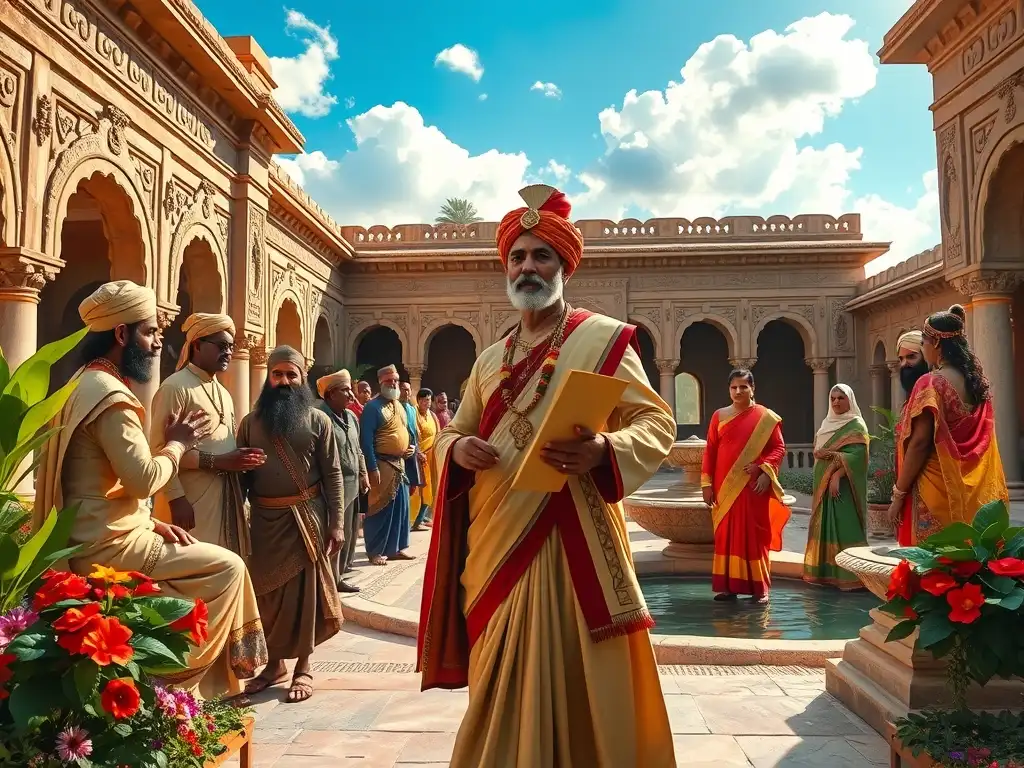
Welcome to Ancient India History, where we embark on a captivating journey through the rich tapestry of ancient Indian civilizations. Delve into the intricate diplomatic history of Ancient India, a realm where alliances were forged and cultural exchanges flourished, shaping the very fabric of society. Are you ready to uncover the fascinating stories behind these relationships and their enduring impact? Join us as we explore how diplomacy not only influenced politics but also enriched the cultural landscape of one of the world's oldest civilizations. Your adventure into the past begins now!
- Ancient India's Diplomatic History: An Overview
- Key Alliances in Ancient India's Diplomatic History
- Cultural Exchanges: A Pillar of Ancient India's Diplomatic Relations
- Strategies and Methods of Diplomacy in Ancient India
- Case Studies of Diplomatic Relations in Ancient India
- Challenges and Conflicts in Ancient India's Diplomatic History
- Conclusion: The Legacy of Ancient India's Diplomatic Relations
-
Frequently Asked Questions
- What were the primary diplomatic strategies used in ancient India?
- How did cultural exchanges influence ancient Indian diplomacy?
- What role did trade play in ancient India's diplomatic history?
- Which ancient Indian civilization was known for its diplomatic relations?
- How did ancient India's diplomatic history impact its modern relations?
- Final Reflection: The Enduring Legacy of Ancient India's Diplomatic History
- Uncover the Secrets of Ancient India's Diplomacy!
Ancient India's Diplomatic History: An Overview
Ancient India, with its tapestry of vibrant civilizations, boasts a rich diplomatic history that played a crucial role in shaping the socio-political landscape of the region. From the early urban settlements of the Indus Valley Civilization to the flourishing Gupta Empire, diplomatic relations were foundational in fostering alliances, trade, and cultural exchanges with neighboring civilizations.
These interactions not only influenced political dynamics but also contributed significantly to the cultural and intellectual growth of ancient Indian society. Understanding the nuances of Ancient India's diplomatic history allows us to appreciate the complexities of its international relations and the lasting impact these connections had on the region's development.
Understanding Ancient India's Diplomatic Relations
Ancient India's diplomatic relations were characterized by a blend of strategic alliances, trade agreements, and cultural exchanges. Various kingdoms and empires, such as the Maurya and Gupta dynasties, engaged in diplomacy not only for political gain but also to enhance cultural ties.
Key aspects of these diplomatic relationships included:
- Trade Partnerships: Ancient India was a pivotal center of trade, facilitating exchanges with regions such as Persia, Greece, and Southeast Asia. Goods like spices, textiles, and precious stones were highly sought after, leading to the establishment of trade routes that fostered economic cooperation.
- Cultural Exchanges: Diplomatic missions often included cultural representatives who shared knowledge in fields such as mathematics, astronomy, and philosophy. This exchange of ideas enriched both ancient Indian culture and that of its partners.
- Strategic Alliances: Dynasties often sought alliances through marriage or treaties to strengthen their positions against common adversaries. Such collaborations were vital for maintaining stability and security in a politically fragmented landscape.
The Importance of Diplomacy in Ancient India
Diplomacy in ancient India was not merely a tool for political maneuvering; it held significant implications for cultural integration and mutual respect among civilizations. The importance of diplomacy can be encapsulated in several key points:
- Conflict Resolution: Diplomatic channels allowed for peaceful negotiations, reducing the likelihood of warfare and fostering stability in the region.
- Cultural Enrichment: The interaction between diverse cultures led to the amalgamation of practices, beliefs, and art forms, enriching the Indian cultural fabric. For instance, the influence of Hellenistic culture on Indian art during the Mauryan period exemplifies this cultural exchange.
- Economic Prosperity: Diplomatic relations facilitated trade, which was essential for economic growth. The establishment of trade routes not only increased wealth but also connected India with the wider world, allowing for the exchange of ideas and innovations.
By examining these aspects, we can gain a deeper appreciation of how ancient India's diplomatic history laid the groundwork for the rich cultural legacy that continues to influence the region today.
Key Alliances in Ancient India's Diplomatic History
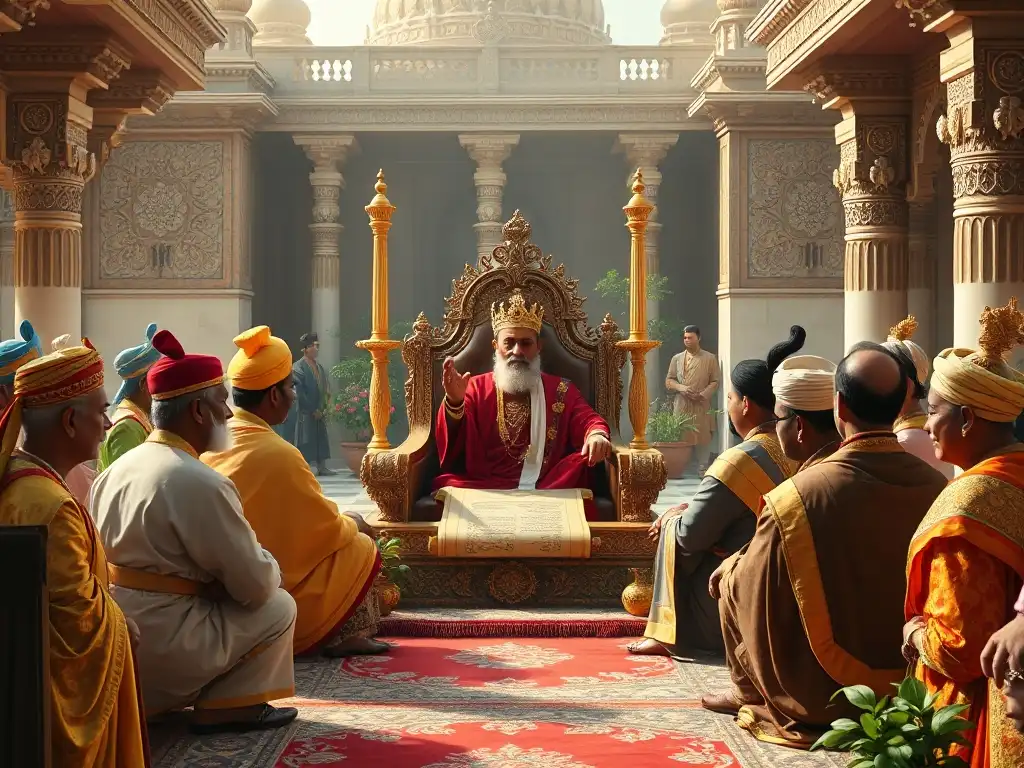
The Mauryan Empire and Regional Alliances
The Mauryan Empire (c. 322–185 BCE) stands out in Ancient India's diplomatic history for its strategic alliances and skillful diplomacy. Under the leadership of Emperor Ashoka, the Mauryans established a vast empire that extended across the Indian subcontinent. Ashoka's reign marked a significant shift towards promoting peace and cultural exchanges through diplomatic channels.
- Diplomatic Missions: Ashoka initiated diplomatic missions to various neighboring kingdoms, notably sending envoys to the Hellenistic kings in the West. His efforts aimed to foster alliances based on shared values, particularly Buddhism, which he actively promoted. This diplomatic outreach helped establish cultural connections that transcended political boundaries.
- Cultural Exchanges: The Mauryan Empire's alliances were not limited to military pacts. They also included cultural exchanges, such as the spread of Buddhism. For instance, Ashoka's relationship with the Greek king, Antiochus II, facilitated the exchange of artists and scholars, enriching both civilizations.
- Regional Influence: The Mauryan Empire's alliances with kingdoms like the Indo-Greeks and the Seleucid Empire exemplified a blend of military and diplomatic strategies. These relationships allowed the Mauryans to secure their borders while simultaneously spreading their influence, leading to a period of relative stability and prosperity.
Diplomatic Ties during the Gupta Empire
The Gupta Empire (c. 240–550 CE) is often regarded as the "Golden Age" of ancient India, marked by significant advancements in arts, science, and culture. During this period, diplomatic relations played a crucial role in maintaining stability and fostering cultural growth.
- Inter-Kingdom Relations: The Gupta rulers engaged in diplomatic marriages, which served to solidify alliances with neighboring states. For instance, the marriage of Chandragupta II to a Licchavi princess was a strategic move that not only strengthened political ties but also facilitated cultural and economic exchanges.
- Cultural Diplomacy: The Guptas were known for their patronage of the arts and scholarship, which attracted scholars from various regions. This era saw the flourishing of Sanskrit literature and advancements in mathematics and astronomy, partly due to the influence of foreign scholars who came to the Gupta court. Notable works like the Aryabhatiya by Aryabhata reflect the confluence of ideas that stemmed from diplomatic interactions.
- Trade Relations: The Gupta Empire maintained robust trade connections with regions such as Southeast Asia and the Roman Empire. These trade routes served as conduits for not only goods but also ideas, technologies, and cultural practices, further enriching the Gupta civilization.
Notable Treaties and Agreements
Throughout Ancient India's diplomatic history, several treaties and agreements played a pivotal role in shaping relationships between different kingdoms and empires.
- The Treaty of Samudragupta: Samudragupta, a prominent Gupta ruler, is known for his military conquests and diplomatic acumen. One of his notable treaties was with the rulers of the Deccan region, which not only reaffirmed boundaries but also established trade regulations and cultural exchanges.
- The Alliance with the Western Kshatrapas: The Gupta Empire established a strategic alliance with the Western Kshatrapas, which helped to secure trade routes along the western coast of India. This alliance was crucial for the exchange of goods such as silk, spices, and precious metals, enhancing both empires economically.
- Cultural Treaties: Beyond military and economic agreements, Ancient India also witnessed cultural treaties that promoted the exchange of knowledge and artistic practices. For example, the agreements forged during the Mauryan and Gupta periods often included clauses for the exchange of scholars and artists, leading to rich cultural interactions that shaped Indian civilization.
The alliances and treaties formed throughout Ancient India's diplomatic history were vital in establishing thriving trade networks, fostering cultural exchanges, and ensuring political stability across the region. These diplomatic endeavors laid the groundwork for the rich tapestry of interactions that characterized ancient Indian civilization.
Cultural Exchanges: A Pillar of Ancient India's Diplomatic Relations
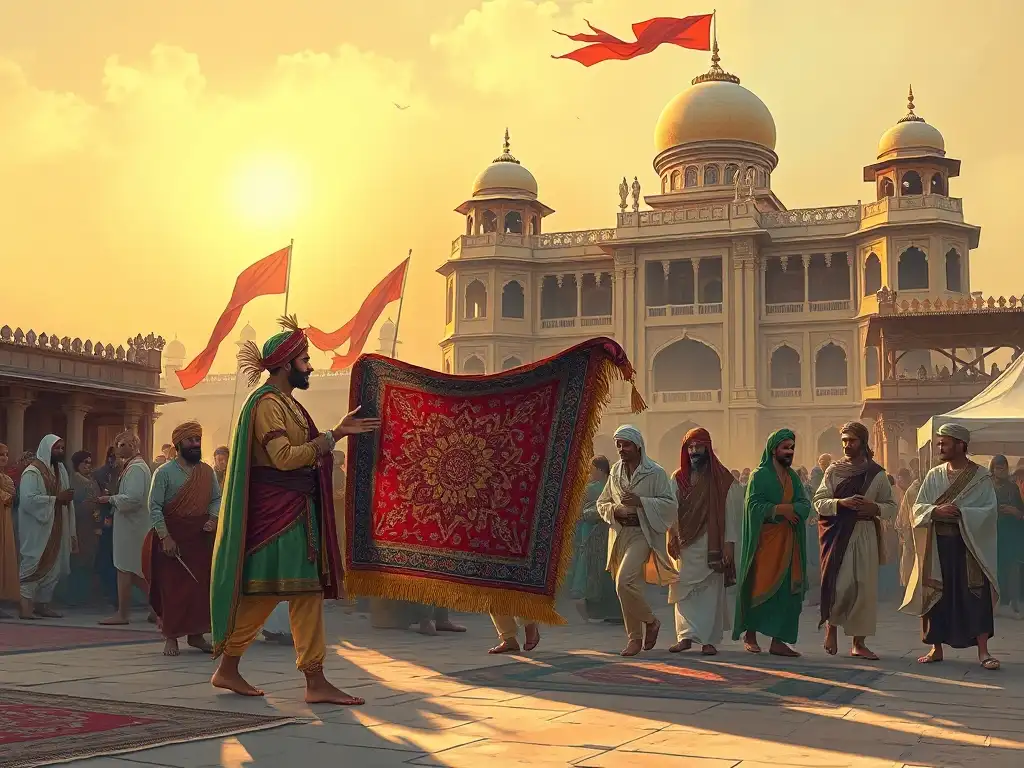
Cultural exchanges were instrumental in shaping Ancient India's diplomatic relations, serving as a bridge between various civilizations. Through trade, religion, and shared knowledge, ancient Indian societies established connections that not only facilitated diplomatic dialogues but also enriched their cultural landscapes. This intricate web of interactions led to a mutual exchange of ideas, beliefs, and practices that benefited all parties involved.
Trade Routes and Their Role in Diplomacy
Trade routes were vital conduits for diplomacy in Ancient India, allowing for the exchange of goods, culture, and ideas. The establishment of trade networks, such as the Silk Road and maritime routes through the Indian Ocean, enabled merchants and diplomats to engage with far-flung regions, including Southeast Asia, the Middle East, and parts of Africa.
- Key Trade Goods:
- Spices: Black pepper, cardamom, and other spices were highly sought after, which made India a pivotal player in international trade.
- Textiles: Indian cotton and silk textiles were exported widely, creating economic ties with neighboring civilizations.
- Precious Stones: The trade of gemstones, such as diamonds and rubies, further enhanced India's economic stature.
These trade routes not only facilitated the exchange of goods but also served as channels for diplomatic missions. For instance, merchants often acted as informal diplomats, negotiating terms of trade and fostering alliances. The presence of Indian traders in foreign lands led to the establishment of trading posts, which became centers of cultural exchange and political dialogue.
Influence of Ancient Indian Culture on Neighboring Civilizations
Ancient India's rich cultural heritage significantly influenced neighboring civilizations, shaping their art, architecture, and societal norms. The spread of Indian culture was often facilitated through diplomatic exchanges and trade.
- Art and Architecture:
- The architectural styles and sculptures developed during the Maurya and Gupta empires influenced the construction of stupas and temples in Southeast Asia. The famous Borobudur temple in Indonesia showcases Indian architectural principles.
- Literature and Philosophy:
- Indian epics, like the Mahabharata and Ramayana, traveled beyond the subcontinent, inspiring literary works in various cultures. The concepts of Dharma and Karma found resonance in Southeast Asian philosophies.
This cultural diffusion was not merely one-sided; neighboring civilizations also contributed to the enrichment of Indian culture, creating a dynamic exchange of ideas. The intermingling of cultures led to the establishment of a shared cultural identity across regions, paving the way for stronger diplomatic relations.
The Impact of Religion on Diplomatic Relations
Religion played a pivotal role in Ancient India's diplomatic relations, facilitating connections through shared beliefs and practices. Major religious movements, including Buddhism and Hinduism, transcended regional boundaries, fostering a sense of unity among diverse populations.
- Buddhism's Role:
- Founded in India, Buddhism spread across Asia, leading to the establishment of diplomatic ties with various kingdoms. The Mauryan Emperor Ashoka promoted Buddhism and sent missionaries to places like Sri Lanka and Central Asia, nurturing peaceful relations.
- Hindu Influence:
- Hinduism's concepts of cosmopolitanism and respect for different beliefs contributed to diplomatic negotiations. Diplomatic envoys often engaged in discussions centered around religious tolerance and cooperation.
The intersection of religion and diplomacy often manifested in alliances forged through matrimonial ties, festivals, and shared religious observances. These interactions not only solidified diplomatic connections but also enriched the cultural tapestry of the participating civilizations.
Cultural exchanges were a cornerstone of Ancient India's diplomatic history, influencing trade, cultural diffusion, and religious interactions. The legacy of these exchanges continues to be felt in the modern world's cultural and diplomatic landscapes.
Strategies and Methods of Diplomacy in Ancient India
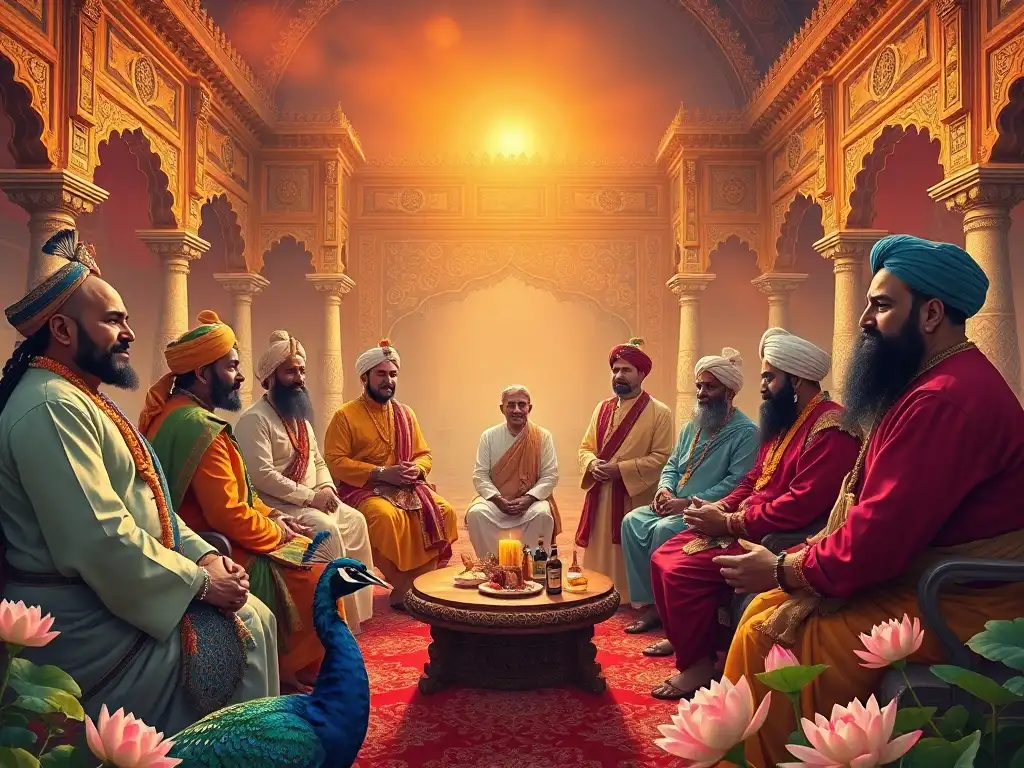
Use of Marriage Alliances for Political Gain
In ancient India, marriage alliances played a crucial role in establishing and strengthening diplomatic relations among various kingdoms and empires. These unions were not merely personal; they were strategic, designed to forge bonds of loyalty, ensure peace, and facilitate trade between regions.
- Political Legitimacy: Marriages often served to legitimize claims to thrones. By marrying into a powerful family, rulers could bolster their own status and secure their reign. For instance, the marriage between Chandragupta Maurya and a daughter of the Nanda dynasty exemplifies such a strategy, as it helped him consolidate power and establish the Mauryan Empire.
- Regional Stability: Royal families frequently arranged marriages with neighboring kingdoms to prevent conflicts and foster alliances. Such practices were particularly evident in the Gupta Empire, where alliances through marriage helped maintain peace across regions that might otherwise have been prone to rivalry.
- Cultural Exchange: These marriages also facilitated cultural exchanges, as they often involved the blending of customs, languages, and traditions. The inclusion of foreign influences enriched the local culture, as seen in the fusion of artistic styles during the Gupta period.
Envoys and Diplomats: Roles and Responsibilities
Envoys and diplomats were pivotal figures in ancient India’s diplomatic history, serving as the primary means of communication and negotiation between rival states. Their responsibilities extended beyond mere representation; they were tasked with a variety of crucial functions:
- Negotiation of Treaties: Diplomatic envoys often negotiated treaties, which could include peace agreements, trade treaties, or military alliances. They were skilled negotiators who understood the intricacies of political dialogue and the importance of maintaining cordial relationships.
- Intelligence Gathering: Beyond formal negotiations, envoys also acted as spies, gathering intelligence about the political climate of neighboring states. Their reports would guide rulers in making informed decisions regarding alliances and military strategies.
- Cultural Ambassadors: Diplomats served as cultural emissaries, showcasing their own kingdom's culture while absorbing the traditions of the host kingdom. This exchange played a significant role in fostering mutual respect and understanding among different cultures in ancient India.
The Role of Festivals and Cultural Events in Diplomacy
Festivals and cultural events in ancient India were not only significant social gatherings but also vital diplomatic tools. They provided opportunities for states to showcase their wealth, culture, and political stability.
- Festivals as Diplomatic Platforms: Large festivals, such as the Kumbh Mela, attracted visitors from various regions, allowing leaders to engage in informal diplomacy. These gatherings offered a relaxed atmosphere for discussions, facilitating the forging of alliances without the pressure of formal negotiations.
- Cultural Showcases: The display of art, music, and dance during festivals allowed kingdoms to demonstrate their cultural richness. Such cultural showcases could enhance a state's prestige and influence, making them more appealing as potential allies. For example, during the reign of the Chola dynasty, grand temple festivals attracted neighboring rulers, fostering relationships based on shared cultural appreciation.
- Religious Diplomacy: Festivals related to religious observances often saw participation from rulers of different kingdoms, symbolizing unity and respect for shared beliefs. This form of religious diplomacy helped to bridge gaps between diverse cultures, reinforcing political ties while promoting cultural understanding.
Ancient India's diplomatic history was characterized by a complex interplay of strategies, including marriage alliances, the functions of diplomats, and the use of cultural events. These elements not only shaped political landscapes but also enriched the cultural fabric of the region, reflecting the sophistication of ancient Indian diplomacy.
Case Studies of Diplomatic Relations in Ancient India
The Relationship with Persia
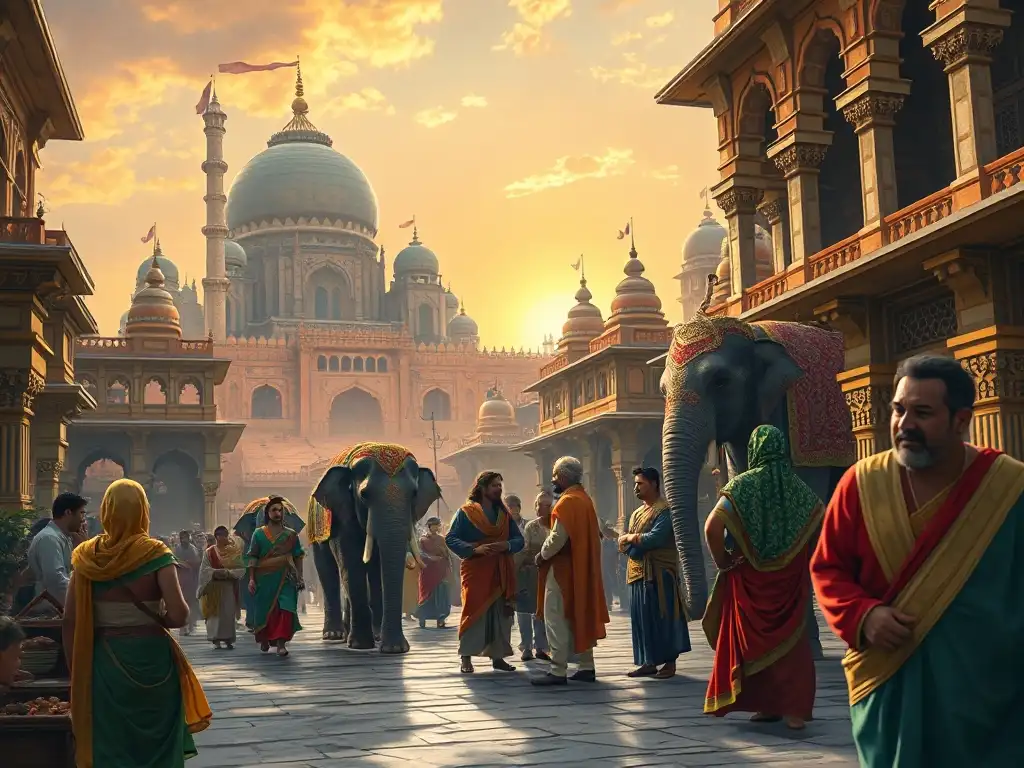
The diplomatic relationship between Ancient India and Persia is a notable example of cross-cultural interaction marked by both conflict and collaboration. Beginning as early as the 6th century BCE, the Achaemenid Empire under Cyrus the Great included parts of northwestern India, establishing an initial connection that facilitated trade and cultural exchange.
Economic and Cultural Exchange
- Trade Routes: The Persians established trade routes that linked Persia to the Indian subcontinent, particularly through the Silk Road. This connectivity allowed for the exchange of commodities such as spices, textiles, and precious stones.
- Cultural Influences: The infiltration of Persian culture into Indian society is evident in art, architecture, and administrative practices. For example, the use of Persian scripts and administrative models helped shape the governance of several Indian kingdoms.
“The influence of Persian culture on Indian art and architecture is still evident today, showcasing the enduring legacy of these ancient interactions.”
Political Alliances
- Satraps and Local Rulers: The establishment of satraps (governors) in regions like Gandhara allowed for local autonomy under Persian oversight, ensuring loyalty while fostering local governance.
- Military Alliances: The Persian Empire often sought alliances with Indian rulers to bolster their military campaigns against common enemies, such as the Greeks.
Diplomatic Ties with the Hellenistic World
The period following Alexander the Great's invasion of India in the 4th century BCE marked a significant shift in Ancient India's diplomatic relations, especially with the Hellenistic world. The encounter with Greek culture influenced trade, philosophy, and governance.
Cultural Synthesis
- Art and Philosophy: The Greco-Buddhist art movement emerged, blending Hellenistic artistic techniques with Indian themes. This cultural synthesis can be seen in the Gandhara sculptures, which depict Buddhist iconography infused with Greek stylistic elements.
- Philosophical Exchange: The exchange of ideas between Indian and Hellenistic philosophers enriched both traditions. Notable figures such as Megasthenes, who documented his observations of Indian society in "Indica," played a crucial role in fostering understanding between the two civilizations.
Trade Relations
- Maritime Trade: The establishment of maritime routes facilitated trade between the Mediterranean and Indian ports, leading to the exchange of goods like silks, spices, and precious metals.
- Commercial Treaties: Diplomatic ties were further solidified through treaties that allowed for the safe passage of merchants and the establishment of trade colonies.
“The legacy of the Hellenistic influence on Ancient India can be witnessed in the flourishing of trade, art, and thought that characterized this period.”
Interactions with Southeast Asian Kingdoms
Ancient India's diplomatic history also extends to its interactions with the kingdoms of Southeast Asia, particularly during the early centuries CE. These interactions were vital in spreading Indian culture, religion, and political ideas across the region.
Cultural Diffusion
- Spread of Hinduism and Buddhism: Indian merchants and missionaries traveled to Southeast Asia, leading to the establishment of Hindu and Buddhist kingdoms, such as Srivijaya and Majapahit. This resulted in the construction of significant religious sites, including the famous Borobudur and Prambanan temples in Indonesia.
- Cultural Festivals: The adoption of Indian festivals and rituals in Southeast Asia signifies the deep cultural ties forged through these interactions.
Political Alliances
- Tributary Relations: Many Southeast Asian kingdoms established tributary relations with Indian empires, such as the Gupta Empire, recognizing their influence and seeking military and economic support.
- Diplomatic Missions: The exchange of envoys between Indian states and Southeast Asian kingdoms facilitated political alliances and strengthened trade relations, demonstrating the importance of diplomacy in regional stability.
“The diplomatic ties between Ancient India and Southeast Asian kingdoms illustrate a rich tapestry of cultural exchange that shaped the region's historical trajectory.”
These case studies highlight the complexity and richness of Ancient India's diplomatic history. Through alliances, trade, and cultural exchanges, Ancient India not only influenced neighboring civilizations but also forged lasting connections that shaped the historical landscape of the region.
Challenges and Conflicts in Ancient India's Diplomatic History
Wars and Their Impact on Diplomatic Relations
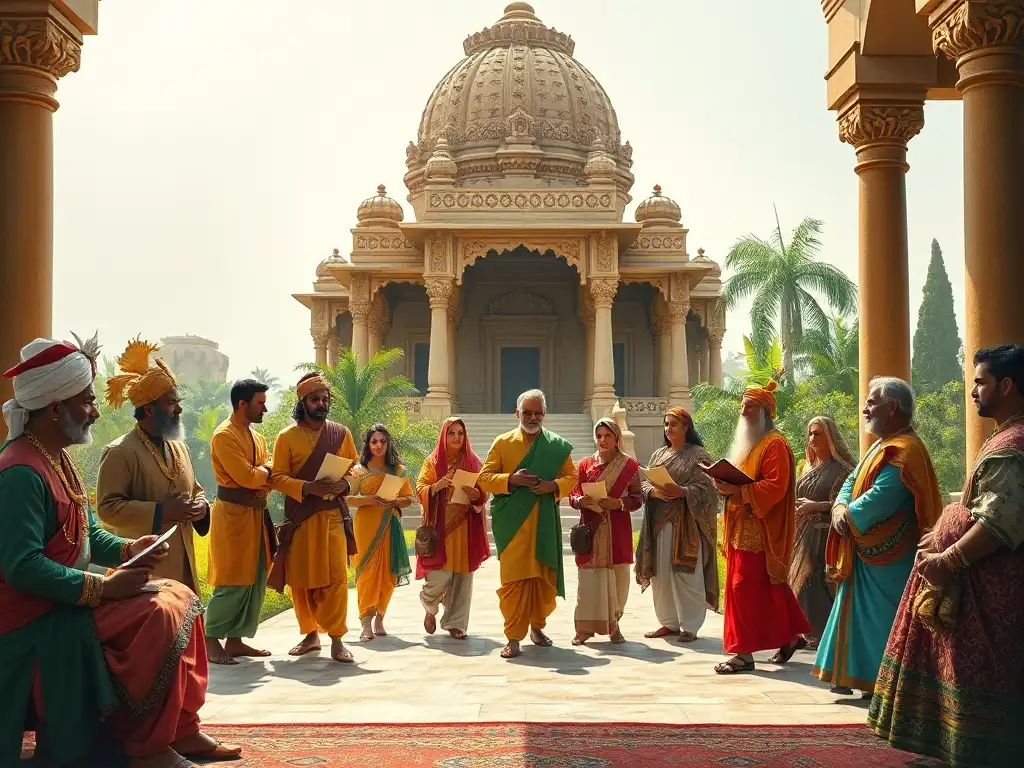
Ancient India's diplomatic history was significantly influenced by the numerous wars that occurred throughout its various periods. These conflicts often served as catalysts for both the breakdown and formation of alliances, shaping the political landscape of the time. Notably, the wars between the Mahajanapadas during the 6th century BCE illustrated how territorial ambitions often led to military confrontations, which in turn affected diplomatic ties.
The Kalinga War, fought by Emperor Ashoka in 261 BCE, stands as a pivotal example. Following this conflict, Ashoka adopted a policy of Dhamma, promoting non-violence and a more diplomatic approach in foreign relations. This shift not only marked a significant change in the nature of diplomacy but also fostered cultural exchanges with neighboring regions, such as Sri Lanka and the Hellenistic world, with Ashoka sending missionaries to spread Buddhism.
Key Wars Influencing Diplomacy:
- Kalinga War (261 BCE): Transformed Ashoka’s diplomatic strategy towards peace and cultural diplomacy.
- The Nanda Empire (4th century BCE): Conflicts with other kingdoms led to strategic alliances.
- Gupta Empire Conflicts (4th-6th centuries CE): Wars against the Huns necessitated alliances with local powers, affecting regional dynamics.
Wars did not merely lead to territorial disputes; they also created opportunities for marriage alliances and trade agreements. Such arrangements were often used to solidify peace and ensure mutual benefits between rival states. For instance, the marital alliances between the Mauryan and Sunga dynasties exemplified how personal relationships could ease tensions and foster cooperation.
Shifts in Power Dynamics: Consequences for Diplomacy
The political landscape of ancient India was characterized by frequent shifts in power dynamics, which had profound implications for its diplomatic history. As different empires rose and fell, the nature of alliances and rivalries evolved, reflecting the changing priorities and aspirations of emerging powers.
For instance, the rise of the Gupta Empire in the 4th century CE marked a significant shift in the diplomatic balance within the Indian subcontinent. The Guptas established a network of alliances with local rulers, which not only facilitated the expansion of their influence but also encouraged cultural exchanges. Under the Gupta rule, India saw a flourishing of arts, science, and philosophy, which were often disseminated through diplomatic channels.
Major Shifts and Their Diplomatic Implications:
- The Mauryan Empire's Expansion (4th century BCE): Established a centralized authority that redefined regional diplomacy.
- Rise of Regional Kingdoms (post-Mauryan period): Fragmented power led to more localized diplomatic practices and alliances.
- Huna Invasions (5th century CE): Pressure from external forces resulted in temporary alliances among Indian states for mutual defense.
These shifts often led to diplomatic negotiations that were essential in preserving peace among rival factions. The Chola Dynasty, known for its naval prowess, engaged in extensive maritime diplomacy, establishing trade routes and cultural ties with Southeast Asia. This not only showcased the importance of diplomacy in securing trade but also highlighted how cultural exchanges were interwoven with political alliances.
The challenges and conflicts faced in ancient India's diplomatic history were crucial in shaping its interactions with neighboring civilizations. The interplay of warfare, shifting power dynamics, and strategic alliances laid the foundation for a rich tapestry of diplomatic relations that influenced the region's cultural and political landscape for centuries to come.
Conclusion: The Legacy of Ancient India's Diplomatic Relations
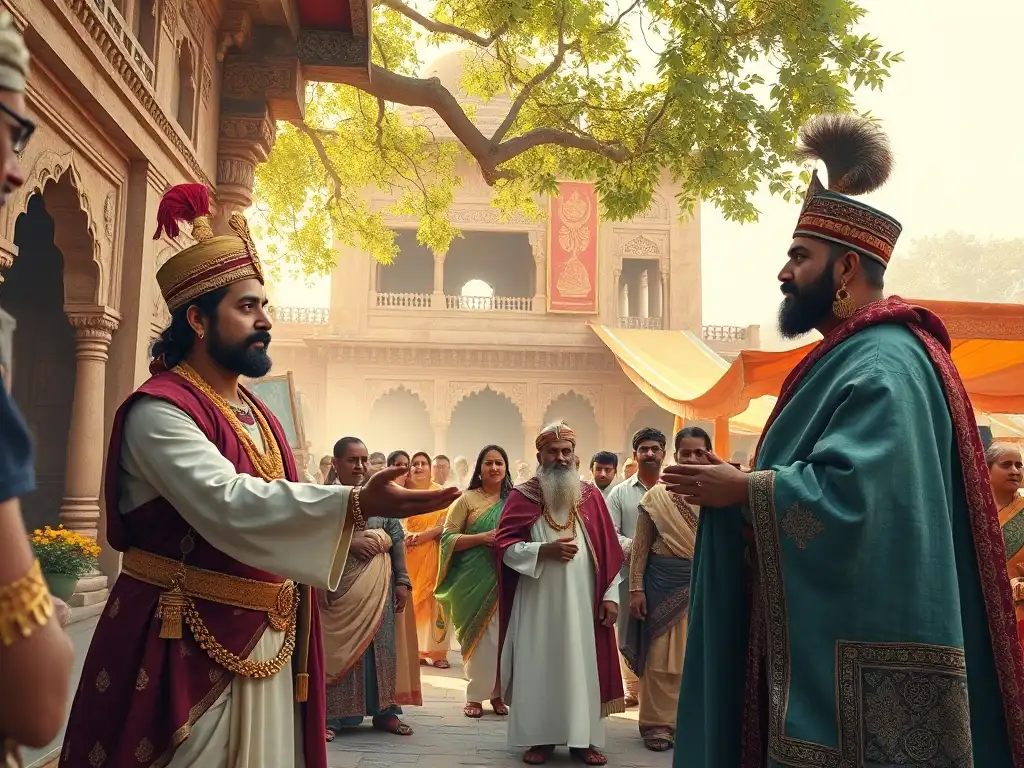
The diplomatic history of ancient India is a profound testament to the sophistication of its civilizations. From the early interactions of the Indus Valley Civilization with neighboring cultures to the extensive diplomatic frameworks established during the Maurya and Gupta empires, these relations played a pivotal role in shaping not only regional dynamics but also facilitating broader cultural exchanges.
Ancient India's diplomatic relations were characterized by a blend of strategic alliances, trade agreements, and cultural diplomacy, which fostered mutual respect and understanding among diverse societies. This legacy is evident in the intricate networks of alliances that were formed, often leading to periods of peace and collaboration that enriched the cultural fabric of the region.
Lasting Effects on Modern Diplomatic Practices
The principles and practices established during ancient India's diplomatic history can still be observed in modern diplomatic frameworks. Several key aspects include:
- Strategic Alliances: Just as ancient Indian states formed alliances to counter external threats or enhance trade, contemporary nations engage in similar strategic partnerships. The concept of balancing power and forming coalitions is deeply rooted in ancient practices.
- Cultural Diplomacy: The cultural exchanges that occurred in ancient India set a precedent for today's cultural diplomacy. By promoting mutual understanding through art, literature, and philosophy, ancient diplomats laid the groundwork for modern soft power strategies.
- Negotiation and Conflict Resolution: Ancient Indian texts, such as Arthashastra, emphasize the importance of negotiation and the use of diplomacy over warfare. This pragmatic approach continues to influence diplomatic tactics and conflict resolution strategies in present-day international relations.
The reverberations of these historical practices demonstrate that the essence of diplomacy, based on dialogue and mutual respect, transcends time, informing how nations interact today.
Reflections on Cultural Exchanges and Alliances in History
The cultural exchanges facilitated by ancient India's diplomatic relations were not merely incidental; they were integral to the development of a shared regional identity. The following reflections highlight the significance of these exchanges:
- Intellectual and Philosophical Exchange: Ancient India served as a hub for the exchange of ideas, particularly in philosophy and science. The interactions with Greek philosophers, for instance, led to a synthesis of thought that enriched both cultures.
- Trade and Economic Cooperation: The establishment of trade routes, such as the Silk Road, enabled the flow of goods, ideas, and technology between ancient India and its neighbors, fostering economic interdependence and collaboration. This economic exchange was foundational to the prosperity of ancient civilizations.
- Artistic Influences: The movement of artisans and scholars across borders resulted in a rich tapestry of artistic influences. The fusion of styles and techniques in sculpture, architecture, and literature illustrates how alliances can cultivate a vibrant cultural dialogue.
Ancient India's diplomatic history is not only a record of political maneuvers but also a rich narrative of cultural exchanges that have left an indelible mark on the region. The legacies of these interactions continue to influence modern diplomatic practices and cultural relations, underscoring the timeless relevance of ancient India's approaches to diplomacy.
Frequently Asked Questions
What were the primary diplomatic strategies used in ancient India?
Ancient India employed a variety of diplomatic strategies, including alliances through marriages, treaties, and the establishment of cultural exchanges to strengthen ties with neighboring states.
How did cultural exchanges influence ancient Indian diplomacy?
Cultural exchanges played a crucial role in ancient India's diplomacy by fostering mutual respect and understanding, which often led to peaceful coexistence and cooperation among different civilizations.
What role did trade play in ancient India's diplomatic history?
Trade was a significant component of ancient India's diplomatic history, as it not only facilitated economic ties but also encouraged political alliances and the spread of ideas across regions.
Which ancient Indian civilization was known for its diplomatic relations?
The Maurya Empire, particularly under Emperor Ashoka, is renowned for its sophisticated diplomatic relations, which included sending emissaries to other kingdoms and promoting Buddhism as a unifying cultural force.
How did ancient India's diplomatic history impact its modern relations?
Ancient India's diplomatic history, characterized by tolerance and cultural diversity, has laid the groundwork for its modern relations, emphasizing the importance of diplomacy and cultural exchanges in international affairs.
Final Reflection: The Enduring Legacy of Ancient India's Diplomatic History
Ancient India's diplomatic history serves as a profound reminder of the intricate web of alliances and cultural exchanges that shaped not only the subcontinent but also the broader world. In today's globalized society, where diplomacy plays a crucial role in fostering international relations, understanding the foundations laid by ancient civilizations is more relevant than ever. The lessons learned from these historical interactions underscore the importance of collaboration and mutual respect in addressing contemporary challenges.
The influence of Ancient India's diplomatic practices can still be felt in modern political and cultural landscapes. From the strategic alliances forged with neighboring kingdoms to the rich exchanges of art, philosophy, and trade, these historical precedents have paved the way for ongoing dialogues between nations. As the renowned scholar Kautilya once stated, "> Diplomacy is the art of knowing how to be in the right place at the right time." This insight remains pertinent as we navigate the complexities of today's international relations, reminding us that the past continues to inform our present and future.
As we reflect on the lessons of Ancient India's diplomatic history, let us embrace the spirit of cooperation and cultural exchange in our own lives. Consider how you can foster connections, celebrate diversity, and engage in meaningful dialogues within your community and beyond. By doing so, we honor the legacy of our ancestors and contribute to a more harmonious world, where understanding and collaboration prevail over division and discord.
Uncover the Secrets of Ancient India's Diplomacy!
Thank you for exploring the fascinating world of Ancient India's diplomatic relations in this article! Your journey into the rich tapestry of alliances and cultural exchanges has provided valuable insights into how these interactions shaped civilizations. Now, it’s time to put those insights into action!
Here are a few ways you can deepen your understanding and appreciation for Ancient India’s diplomatic legacy:
- Dive deeper into the subject by exploring our curated list of recommended readings on historical alliances and cultural exchanges in Ancient India.
- Join our community discussion! Share your thoughts or questions about how these diplomatic relations continue to influence modern politics today.
- Attend a local cultural event that highlights the rich heritage of Ancient India; you may be surprised by the connections you discover between past traditions and contemporary practices.
What aspect of Ancient India's diplomatic relations do you find most surprising, and how do you think it impacts our understanding of current global diplomacy?