
Maritime Trade Routes: How Ancient India Connected with the World

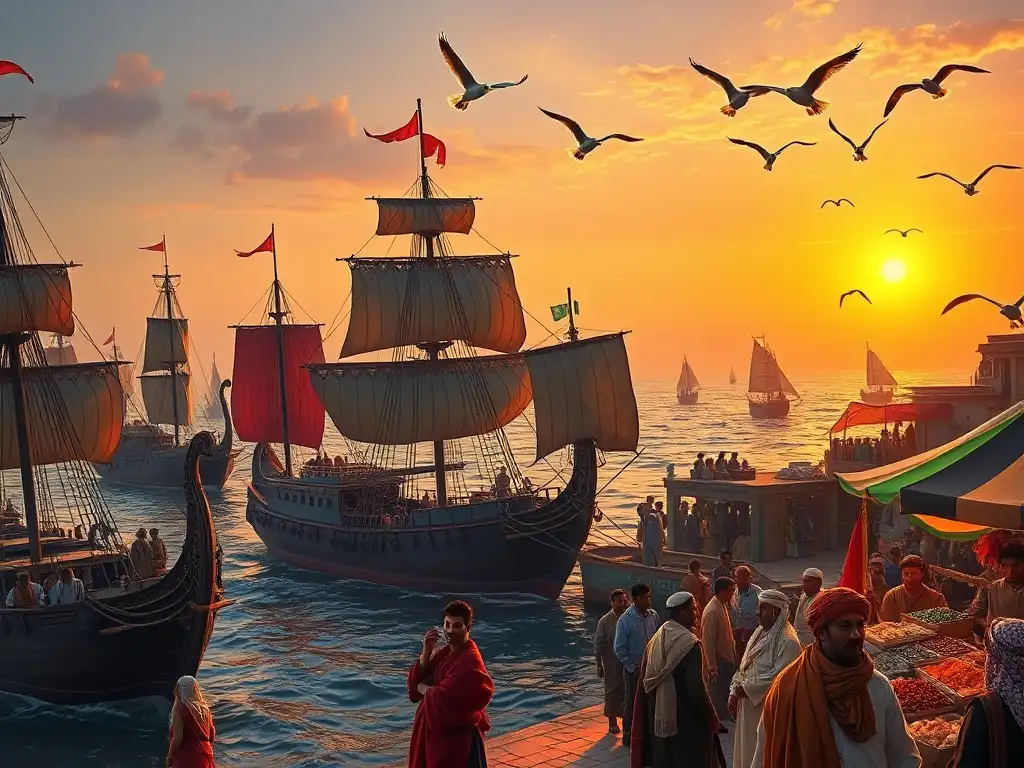
Welcome to Ancient India History, where we embark on a captivating journey through the vibrant tapestry of ancient Indian civilizations. Discover the fascinating maritime trade routes that not only shaped the economy but also fostered cultural exchanges, weaving India into the global narrative. Have you ever wondered how the shores of the Indus and the bustling ports of the Gupta Empire connected diverse cultures across oceans?
Dive into our latest article, "Maritime Trade Routes: How Ancient India Connected with the World," and unlock the secrets of these ancient pathways that transformed trade and influence. Your adventure into the past awaits!
- Introduction to Ancient India Maritime Trade Routes
- Historical Context of Maritime Trade Routes in Ancient India
- Major Maritime Trade Routes of Ancient India
- Navigational Techniques and Shipbuilding in Ancient India
- Impact of Maritime Trade on Ancient Indian Society
- Challenges and Changes in Ancient Maritime Trade
- Conclusion: The Legacy of Ancient India's Maritime Trade Routes
- References and Further Reading
-
Frequently Asked Questions
- What were the main maritime trade routes of ancient India?
- How did maritime trade impact ancient Indian civilization?
- What goods were commonly traded via ancient Indian maritime routes?
- How did geography influence ancient India's maritime trade?
- What role did ports play in ancient India's trade networks?
- Final Reflection: The Enduring Legacy of Ancient India’s Maritime Trade Routes
- Chart Your Own Maritime Journey Today!
Introduction to Ancient India Maritime Trade Routes
The ancient Indian subcontinent, known for its remarkable civilizations, played a pivotal role in global trade networks long before the modern era. From the bustling ports of the Indus Valley Civilization to the flourishing maritime routes established during the Gupta Empire, ancient India was a significant player in maritime trade.
This article delves into the intricate maritime trade routes that connected ancient India with various cultures across the globe, highlighting the exchange of goods, ideas, and cultural influences. By examining these trade networks, we can gain insights into how ancient India not only enriched itself but also contributed to the broader tapestry of world history.
Overview of Maritime Trade in Ancient India
Maritime trade in ancient India was characterized by a sophisticated network of sea routes that facilitated the exchange of a variety of goods, including textiles, spices, precious stones, and metals. Key ports such as Lothal, Bharukachchha (present-day Bharuch), and Arikamedu became vibrant centers of commerce, attracting traders from regions such as Mesopotamia, Arabia, and Southeast Asia.
- Major Goods Traded:
- Textiles: Cotton and silk were highly sought after.
- Spices: India was renowned for its aromatic spices, including black pepper and cardamom.
- Precious Stones: Gemstones like diamonds and rubies were traded extensively.
The use of advanced shipbuilding techniques and navigation skills enabled Indian traders to embark on long voyages, establishing routes that would later be instrumental in shaping global trade dynamics.
Importance of Trade Routes in Ancient Civilizations
The trade routes of ancient India were not merely conduits for goods; they were also vital in fostering cultural exchanges and diplomatic relations. The maritime pathways facilitated interactions with neighboring civilizations, leading to the spread of ideas, religions, and technologies.
- Cultural Exchanges:
- The introduction of Buddhism and Hinduism to Southeast Asia.
- The influence of Indian art and architecture on foreign cultures.
- Economic Impact:
- The accumulation of wealth contributed to the prosperity of Indian kingdoms.
- Trade alliances established with distant lands enhanced India's geopolitical significance.
The maritime trade routes of ancient India were crucial for economic prosperity and cultural interactions, laying the groundwork for a rich legacy that continues to be explored and appreciated today.
Historical Context of Maritime Trade Routes in Ancient India
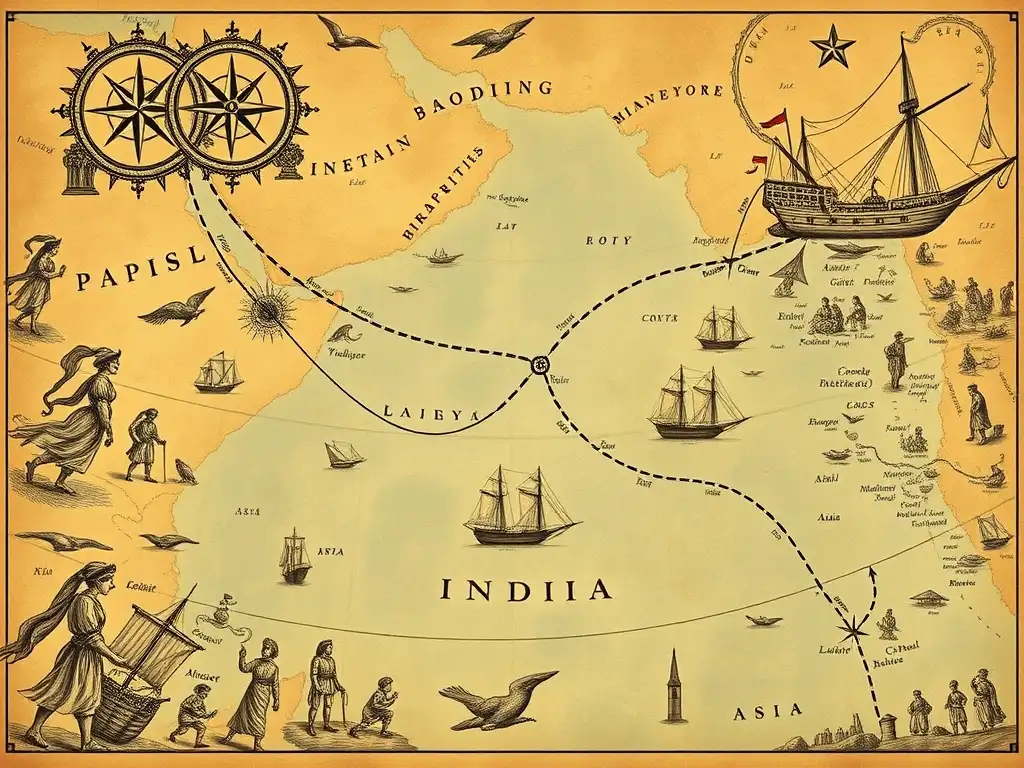
Maritime trade routes played a pivotal role in the economic and cultural development of ancient India. These routes enabled the exchange of goods, ideas, and cultural practices, facilitating interactions not only within the Indian subcontinent but also with various civilizations across the globe. The history of maritime trade routes in ancient India can be traced back to the Indus Valley Civilization, which flourished around 2500 BCE. This civilization established some of the earliest trade networks that linked India with Mesopotamia, Persia, and beyond.
The growth of maritime trade was further supported by advancements in shipbuilding technology and navigational skills. Ancient Indian traders utilized monsoon winds to navigate effectively, allowing them to travel long distances. The significance of trade was evident in various ancient texts, such as the Arthashastra, which emphasized the importance of trade and commerce for the prosperity of the kingdom. As a result, maritime trade routes became crucial conduits for not only economic transactions but also cultural exchanges, significantly impacting the development of ancient Indian civilization.
The Indus Valley Civilization and Early Trade Networks
The Indus Valley Civilization (IVC), one of the world's earliest urban cultures, laid the groundwork for maritime trade in ancient India. Archaeological evidence suggests that the IVC had established trade routes connecting with regions as far as Mesopotamia and the Arabian Peninsula. The city of Lothal, one of the prominent centers of the IVC, is often considered the first dockyard in the world, demonstrating the sophistication of maritime activities during this period.
Key aspects of the IVC's trade networks include:
- Trade Goods: The IVC traded in textiles, beads, metals, and pottery, which were highly valued in foreign markets.
- Trade Partners: Notable trading partners included the Sumerians, with whom they exchanged goods like lapis lazuli and cotton textiles.
- Cultural Exchange: The trade routes facilitated not just the exchange of goods but also cultural interactions, leading to the sharing of technology, religious practices, and artistic influences.
As trade flourished, the IVC's maritime activities set the stage for subsequent civilizations in ancient India to expand their trade networks further.
The Role of Geography in Shaping Trade Routes
Geography played a critical role in the development and expansion of ancient India maritime trade routes. The Indian subcontinent is bounded by the Arabian Sea to the west, the Bay of Bengal to the east, and the Indian Ocean to the south, making it strategically located for maritime trade. The monsoon winds, which changed direction seasonally, were harnessed by sailors to navigate the waters efficiently.
Factors influencing trade route development:
- Natural Harbors: The coastline of India is dotted with natural harbors, such as those in Kerala and Gujarat, which served as key trading hubs.
- Geographical Features: The presence of rivers like the Ganges and the Indus provided inland navigation routes, connecting inland cities to coastal ports.
- Proximity to Trade Partners: India's location facilitated interactions with neighboring regions, including Southeast Asia, the Middle East, and East Africa, enhancing maritime trade.
These geographical advantages not only bolstered trade but also contributed to the cultural and economic exchanges that characterized ancient Indian civilization.
Key Ports and Trade Centers in Ancient India
Several ports and trade centers emerged as vital nodes in the maritime trade networks of ancient India. These centers facilitated the exchange of goods, ideas, and cultural practices, significantly influencing the region's development.
Prominent ports and trade centers included:
- Lothal: As previously mentioned, Lothal was a major trading hub during the IVC, known for its advanced dockyard and extensive trade connections.
- Kaveripattinam: Located in Tamil Nadu, this port was a significant center for trade with Southeast Asia and was known for its export of spices and textiles.
- Kochi: Situated on the southwestern coast, Kochi became a key port in later periods, particularly during the spice trade, connecting India with European traders.
- Surat: This port in Gujarat was a bustling trade center during the Mughal era, connecting India with Persia and Europe.
- Tamralipta: Located in Bengal, Tamralipta served as a gateway for trade with Southeast Asia, particularly with regions like Indonesia and Malaysia.
These ports not only facilitated trade but also acted as melting pots of cultures, leading to a rich exchange of ideas, religions, and artistic expressions that shaped the history of ancient India.
The exploration of ancient India maritime trade routes highlights the significance of trade in fostering cultural exchanges and interactions with neighboring civilizations. As traders navigated these routes, they not only exchanged goods but also contributed to the rich tapestry of ancient Indian history.
Major Maritime Trade Routes of Ancient India
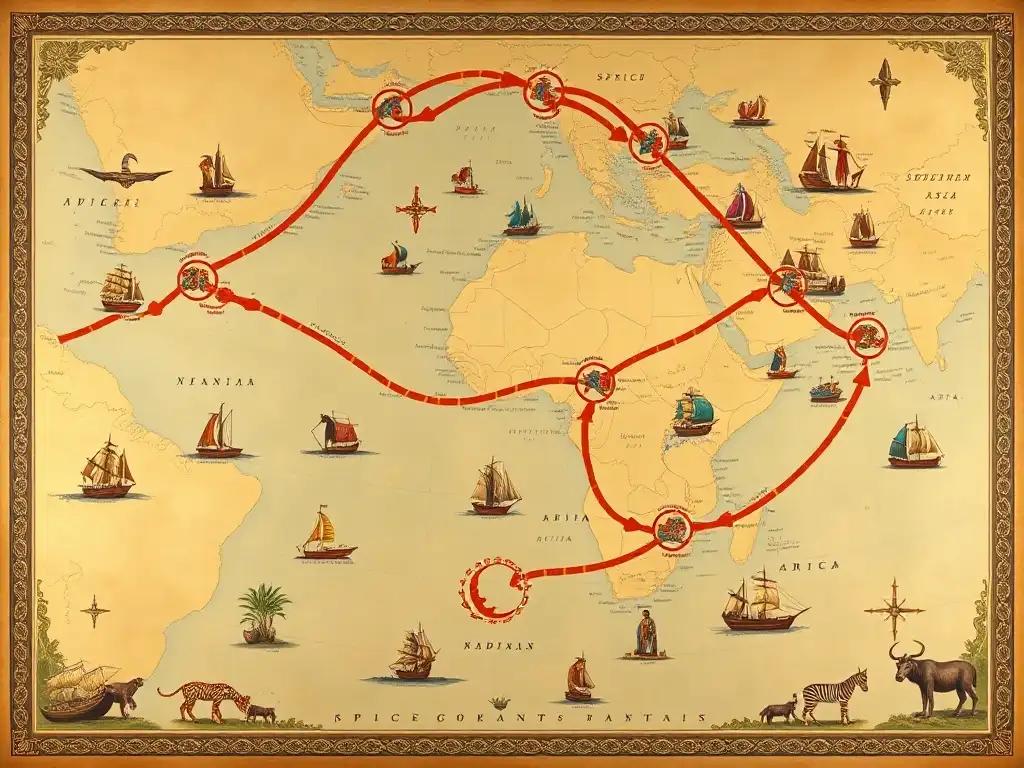
Ancient India was a significant player in the maritime trade network of the ancient world. Its strategic location, combined with the flourishing civilizations along its coasts, made it a hub for commerce and cultural exchange. Two main maritime trade routes stand out: the Arabian Sea Trade Route and the Bay of Bengal Trade Route. Each route played a vital role in connecting ancient India with various regions, facilitating not only the exchange of goods but also ideas, culture, and technology.
The Arabian Sea Trade Route
The Arabian Sea Trade Route was instrumental in linking ancient India with the Middle East, Africa, and beyond. This trade route flourished from around 300 BCE to 300 CE, leveraging the monsoon winds that allowed for efficient navigation.
Key Trade Partners and Commodities
The key trade partners along the Arabian Sea included:
- Persian Gulf States: Goods exchanged included textiles and spices.
- East African Coast: India exported beads, textiles, and spices in exchange for ivory and gold.
- Arabian Peninsula: This included the trading of frankincense and myrrh, highly valued in ancient times.
The primary commodities traded through this route were:
| Commodity | Source | Destination |
|---|---|---|
| Spices | India | Middle East, Europe |
| Textiles | India | East Africa, Arabia |
| Gold and Ivory | Africa | India |
| Aromatic Resins | Arabia | India |
These trade exchanges not only enriched the economies of the regions involved but also led to the spread of cultural practices and technological innovations.
Cultural Exchanges Along the Arabian Sea
The Arabian Sea Trade Route facilitated significant cultural exchanges. Merchants, travelers, and scholars moved along these routes, bringing with them diverse cultural influences.
- Religion: The spread of Buddhism and Hinduism into the Arabian Peninsula can be traced back to these interactions.
- Language: Trade interactions led to the development of new dialects and languages influenced by Sanskrit and local tongues.
- Art and Architecture: The introduction of new artistic styles and architectural techniques can be seen in the ancient trading ports, as evidenced by archaeological findings in regions like Oman and Yemen.
The Bay of Bengal Trade Route
The Bay of Bengal Trade Route was another crucial maritime link, connecting ancient India with Southeast Asia, particularly during the 1st millennium CE. This route was vital for promoting trade and cultural exchanges between India and various civilizations in Southeast Asia.
Influence on Southeast Asian Civilizations
The Bay of Bengal Trade Route significantly influenced the development of Southeast Asian civilizations. Indian traders and settlers played a crucial role in the region's socio-political landscape.
- Cultural Influence: Indian art, architecture, and religious practices, including Hinduism and Buddhism, were introduced to places like present-day Indonesia, Thailand, and Cambodia. For instance, the influence of Indian temple architecture is evident in the temples of Angkor Wat.
- Political Relations: Indian kingdoms often established diplomatic relations with Southeast Asian states, leading to the exchange of envoys and cultural practices.
Notable Trade Goods and Cultural Interactions
Trade along the Bay of Bengal involved a variety of notable goods, which can be summarized as follows:
| Commodity | Source | Destination |
|---|---|---|
| Spices | India | Southeast Asia |
| Textiles | India | China, Southeast Asia |
| Precious Stones | India | Regional Markets |
| Cultural Artifacts | India | Local Kingdoms |
Cultural interactions were equally significant.
- Festivals and Rituals: The adoption of Indian festivals and rituals in Southeast Asia reflected the deep cultural ties established through trade.
- Literature and Language: Many Southeast Asian languages contain significant Sanskrit influences, particularly in religious terminology and literature.
The ancient India maritime trade routes, namely the Arabian Sea and the Bay of Bengal, were crucial for connecting India with the wider world, facilitating not just economic transactions but also profound cultural exchanges that shaped civilizations across Asia and beyond.
Traditional Shipbuilding Methods
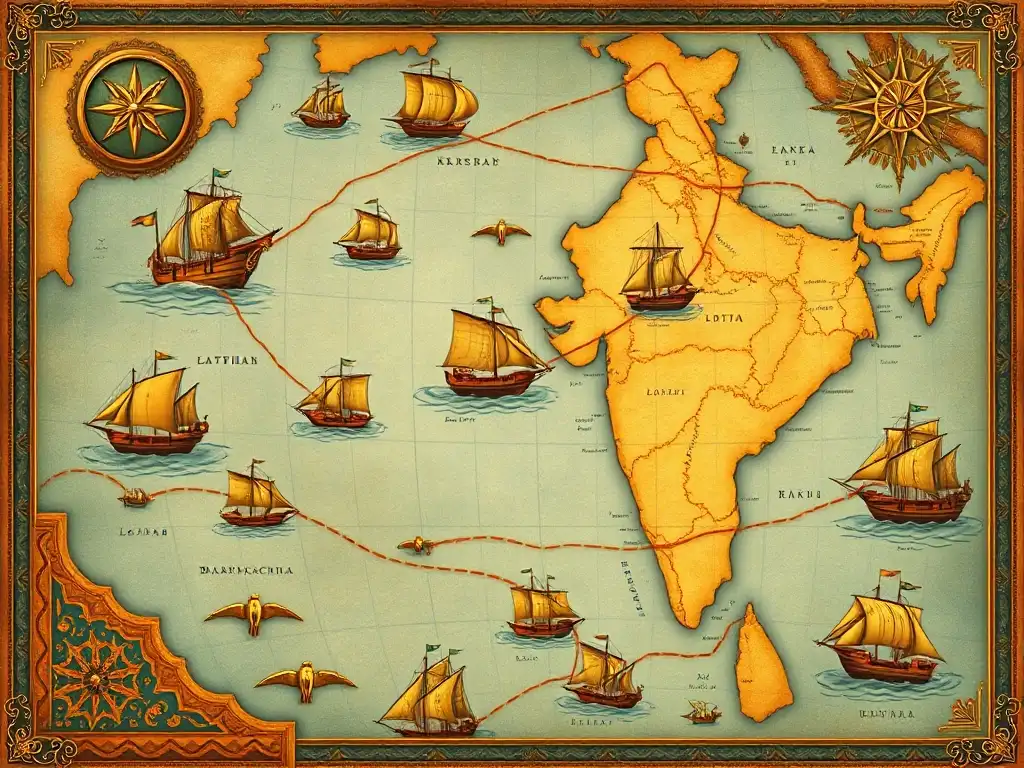
Ancient Indian shipbuilding was a remarkable blend of art, science, and practical knowledge, rooted deeply in local materials and techniques. The vessels, known as "naukas" or "padmas," were constructed primarily from wood sourced from trees like teak and tamala, which were prized for their durability and resistance to the elements.
- Construction Techniques:
- The traditional methods included mortise and tenon joints, which provided robustness to the structure.
- Ships were often built using a clinker method, where overlapping planks were fastened together, enhancing the hull's strength and flexibility.
- The use of natural resins and oils helped waterproof the vessels, ensuring their longevity during long voyages.
- Types of Vessels:
- Larger ships, known as "sampans," were designed for deep-sea navigation, while smaller crafts were used for coastal trading.
- The introduction of sails made it possible for these ships to harness wind power, enabling longer voyages with reduced manpower.
Ancient Indian navigators possessed sophisticated knowledge of maritime navigation, which was essential for their extensive trade across the Indian Ocean.
- Celestial Navigation:
- Mariners relied on the positions of stars, particularly the North Star, to determine their direction at sea. They developed methods to read the constellations, which served as guides during night voyages.
- Use of Monsoon Winds:
- Traders were astutely aware of the seasonal monsoon patterns, using these winds to facilitate swift and efficient travel. For instance, the southwest monsoon winds allowed ships to sail from India to the eastern coast of Africa, while the northeast monsoon helped return to India.
- Coastal Navigation:
- Coastal routes were extensively mapped, with ports and landmarks documented to aid navigation. Knowledge of local currents and tides further enhanced their travel efficiency.
- Trade Routes:
- Major maritime trade routes included connections to Southeast Asia, Africa, and the Middle East, showcasing the extensive reach of ancient Indian maritime activities.
Influence of Indian Maritime Technology on Global Trade
The maritime technology developed in ancient India significantly influenced global trade patterns and practices.
- Cultural Exchange:
- Indian ships not only transported goods but also facilitated cultural exchanges, spreading ideas, religions, and innovations across continents. The spread of Buddhism to Southeast Asia is a notable example of this cultural diffusion.
- Trade Goods:
- India was renowned for its spices, textiles, and precious stones. The demand for these goods in markets like the Roman Empire and beyond led to the establishment of trade networks that connected various civilizations.
- Technological Innovations:
- The shipbuilding techniques and navigational practices developed in ancient India were adopted and adapted by neighboring civilizations. This exchange of knowledge contributed to advancements in ship design and navigation, benefiting maritime trade globally.
Through these navigational techniques and innovations in shipbuilding, ancient India not only established itself as a formidable player in maritime trade but also laid the groundwork for the interconnected world that would follow, illustrating the significance of ancient India maritime trade routes in shaping global commerce.
Impact of Maritime Trade on Ancient Indian Society
Economic Growth and Urbanization
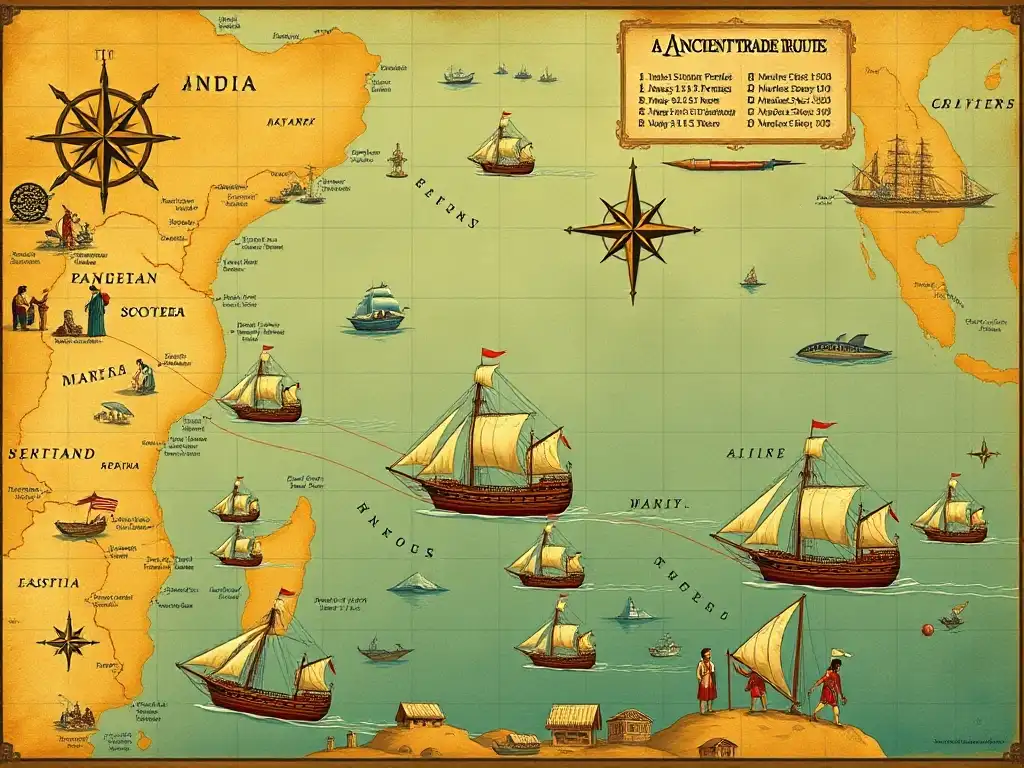
The ancient India maritime trade routes significantly contributed to the economic growth and urbanization of Indian society. These routes connected India with several regions, including Southeast Asia, the Arabian Peninsula, and East Africa, facilitating the exchange of goods, ideas, and cultures. Major ports such as Lothal, Bharukachchha, and Sopara became bustling centers of trade, where merchants engaged in commerce that enriched local economies.
- Trade Goods: Key commodities traded included textiles, spices, precious stones, and metalwork. The demand for Indian spices, particularly black pepper and cardamom, was high in foreign markets, leading to increased exports and wealth accumulation.
- Urban Development: The influx of wealth from maritime trade led to urbanization, as cities expanded to accommodate the growing population of traders, artisans, and laborers. This urbanization was characterized by advanced infrastructure, including docks, warehouses, and marketplaces.
The thriving trade also promoted the establishment of a merchant class, which played a pivotal role in the economic landscape. This class not only facilitated trade but also contributed to local governance and culture, creating a vibrant socio-economic fabric.
Cultural Influences from Other Civilizations
The maritime trade routes served as conduits for cultural exchange, allowing ancient Indian society to absorb and integrate diverse influences from neighboring civilizations. As traders and travelers moved along these routes, they carried with them not only goods but also ideas, art forms, and customs.
- Art and Architecture: The influence of foreign cultures is evident in the art and architecture of ancient India. For instance, the introduction of Buddhist art from Central Asia led to the creation of stupas and sculptures that blended local and foreign styles, reflecting a synthesis of ideas.
- Language and Literature: Interactions with Persian, Greek, and Arabic traders enriched the linguistic landscape of India. The incorporation of foreign words and scripts into local languages fostered a more diverse cultural environment, influencing literature and communication.
This cultural amalgamation contributed to the richness of Indian civilization, promoting a spirit of inclusivity and innovation that characterized ancient Indian society.
The Spread of Indian Religion and Philosophy through Trade
Maritime trade routes not only facilitated economic transactions but also played a crucial role in disseminating Indian religions and philosophies across the globe. The movement of traders and pilgrims allowed for the exchange of spiritual ideas, leading to the spread of Hinduism and Buddhism.
- Buddhism: Trade routes were instrumental in the propagation of Buddhism, particularly to Southeast Asia. Buddhist monks traveled along these routes, establishing monasteries and teaching the principles of Buddhism, which took root in countries such as Sri Lanka, Thailand, and Indonesia.
- Philosophical Exchange: The interaction with other cultures also allowed for philosophical dialogues, where Indian thinkers exchanged ideas with their counterparts in Persia and Greece. This exchange fostered a rich intellectual tradition that contributed to the development of various philosophical schools in India.
The ancient India maritime trade routes were pivotal in shaping the economic, cultural, and spiritual dimensions of Indian society. The legacy of these interactions continues to be a testament to the rich tapestry of influences that define ancient Indian civilization.
Challenges and Changes in Ancient Maritime Trade
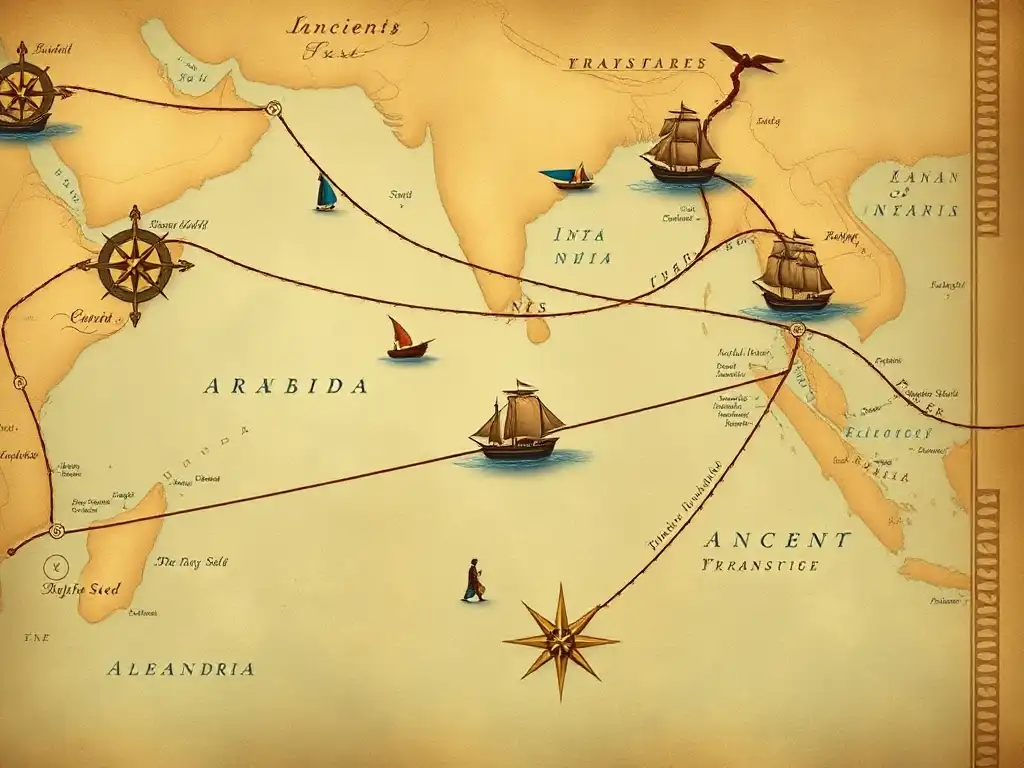
The maritime trade routes of ancient India were integral to its interactions with neighboring civilizations and cultural exchanges. However, these routes were not without their challenges and changes, which significantly impacted trade dynamics.
Piracy and Maritime Security Issues
Piracy was a significant threat to ancient maritime trade routes. The Indian Ocean, a bustling hub of trade, faced numerous challenges from pirates who targeted merchant vessels carrying valuable goods. Historical records indicate that piracy flourished particularly in the waters around the Arabian Sea and the Bay of Bengal, where traders were often vulnerable.
- Notable Pirate Groups:
- The Tamils were known for their seafaring skills but also for engaging in piracy during the early centuries CE.
- The Arab pirates in the Arabian Sea posed a serious threat to merchant ships, leading to increased security measures.
The response to these threats involved the establishment of maritime security protocols, including:
- Naval Patrols: Various kingdoms, such as the Mauryas and later the Cholas, deployed naval forces to protect trade routes.
- Trade Alliances: Merchants often formed alliances to safeguard their interests and share intelligence on pirate activities.
Moreover, historical texts, such as the Periplus of the Erythraean Sea, detail the dangers of sea travel, urging caution and the need for armed escorts for valuable cargo. These security measures were essential not only for the safety of goods but also for maintaining the economic stability of trading hubs along the Indian coast.
Environmental Factors Affecting Trade Routes
Environmental conditions significantly influenced the maritime trade routes of ancient India. Factors such as monsoon winds, currents, and seasonal changes were critical in determining the timings and safety of voyages.
- Monsoon Winds:
- The Indian subcontinent experienced distinct monsoon seasons, which were harnessed by traders to facilitate passage. During the southwest monsoon (June to September), strong winds enabled ships to sail towards Africa and the Arabian Peninsula, while the northeast monsoon (December to March) allowed for the return journey.
- Natural Hazards:
- Storms, cyclones, and unpredictable weather patterns posed continual threats to maritime navigation. Historical accounts reveal that many ships were lost at sea due to sudden storms, leading to the establishment of seasonal guidelines for traders.
- Geographical Challenges:
- The coastline of India varied from rocky shores to sandy beaches, which affected docking capabilities. The construction of ports, such as the famed port of Lothal in Gujarat, was a direct response to these geographical challenges, providing safe harbors for trade vessels.
Understanding these environmental factors was crucial for ancient traders, as they dictated the rhythms of maritime commerce and influenced the overall success of trade expeditions.
Transition to Land-Based Trade Networks
As time progressed, ancient India witnessed a significant transition from maritime trade routes to land-based trade networks. This change was influenced by various factors that reshaped trade dynamics within the region.
- Decline of Maritime Trade:
- The rise of piracy, combined with environmental challenges, led to a gradual decline in the security and reliability of maritime routes. As a result, traders began to explore alternative land routes, which offered more stable trading conditions.
- Silk Road Connections:
- The establishment of the Silk Road and other overland trade networks allowed Indian traders to connect with Central Asia, the Middle East, and beyond. This network facilitated the exchange of not only goods but also ideas, culture, and technology.
- Emergence of Caravan Trade:
- With the increase in land trade, caravan trade became prominent, utilizing well-established routes that linked important cities across regions. These caravans transported spices, textiles, and precious stones, contributing to the wealth of ancient Indian kingdoms.
- Cultural Exchanges:
- The transition to land-based networks led to increased interactions with neighboring civilizations, fostering a rich tapestry of cultural exchanges that influenced art, religion, and technology across the regions involved.
This transition marked a pivotal moment in the history of ancient India maritime trade routes, showcasing the adaptability of traders in response to challenges while also highlighting the interconnectedness of ancient civilizations.
Conclusion: The Legacy of Ancient India's Maritime Trade Routes
The ancient India maritime trade routes played a crucial role in shaping not only the economy of the Indian subcontinent but also its cultural and diplomatic relationships with various civilizations across the world. These maritime pathways facilitated the exchange of goods, ideas, and technologies that greatly enriched the societies involved. The legacy of these trade routes can be seen in the remnants of ancient ports, trade centers, and the historical records that document the vibrant interactions between ancient India and its trading partners.
The impact of these routes was multifaceted, influencing not just the economic landscape but also contributing to the spread of religions, languages, and artistic expressions. The maritime routes connected India with regions such as Southeast Asia, the Middle East, and East Africa, creating a web of interactions that fostered mutual understanding and cultural blending.
Lasting Influence on Modern Trade Practices
The principles and practices established through ancient India maritime trade routes continue to resonate in today’s global trade system. Modern shipping techniques, trade regulations, and international commerce can trace their origins back to the sophisticated networks created by ancient traders. Key aspects of these influences include:
- Strategic Port Locations: Just as ancient traders utilized key coastal ports like Lothal and Sopara, contemporary trade relies on strategically located ports to facilitate global shipping. These locations often remain critical hubs for international trade.
- Cultural Commodities: The ancient trade routes not only focused on tangible goods but also on cultural exchanges. This tradition continues today as countries engage in cultural diplomacy through trade, promoting their heritage alongside their products.
- Trade Agreements: The concept of trade agreements has its roots in the numerous treaties and alliances formed among ancient trading partners, which aimed to regulate trade, ensure mutual benefits, and establish peace.
The lessons learned from ancient India’s maritime trade practices can serve as a blueprint for modern trade policies, emphasizing the importance of cooperation, cultural respect, and mutual benefit.
Reflection on Cultural Exchanges and Global Connections
The maritime trade routes of ancient India were more than mere pathways for commerce; they were conduits for cultural exchanges that profoundly impacted the civilizations involved. These interactions led to:
- Religious Diffusion: Buddhism and Hinduism spread to various parts of Asia through these routes, influencing local cultures and leading to the establishment of temples and monasteries in places like Indonesia and Cambodia.
- Technological Transfer: Innovations in navigation and shipbuilding, such as the use of the monsoon winds for sailing, were shared among traders, enhancing the efficiency of maritime transport.
- Artistic Intermingling: The blending of styles and techniques can be seen in the art and architecture of regions that engaged in trade with India. For example, the influence of Indian sculpture is evident in Southeast Asian temples.
The ancient India maritime trade routes were pivotal in establishing a legacy of cultural exchanges and global connections that not only shaped the ancient world but continue to influence contemporary society. Understanding these historical interactions provides valuable insights into the dynamic nature of trade and cultural relations, emphasizing the interconnectedness of human civilizations throughout history.
References and Further Reading
Suggested Books and Articles on Ancient Indian Maritime Trade
- "The Ancient Maritime Trade of India" - This book by S. R. Rao provides an in-depth analysis of the maritime trade networks established by ancient Indian civilizations. It explores various trade routes, goods exchanged, and the influence of maritime commerce on cultural interactions.
- "Trade and Traders in the Roman Empire" - In this comprehensive study, author Peter Thonemann discusses the significance of Indian maritime trade within the broader context of the Roman economy, highlighting the exchange of commodities such as spices, textiles, and precious stones.
- "Maritime India: Trade, Religion and Polity": - Written by R. Mahalakshmi, this book delves into the socio-economic aspects of maritime trade in ancient India, examining its impact on regional politics and religious exchanges during the early centuries.
- "The Indian Ocean in World History" - This work by Milo Kearney offers insights into the role of the Indian Ocean as a conduit for trade and cultural exchange, focusing on how ancient India interacted with various civilizations along its coast.
- "Ports and Harbours of Ancient India" - Authored by V. S. Gaur, this article provides an overview of significant ports in ancient India, detailing their strategic importance in maritime trade and naval activities.
Online Resources for Exploring Ancient Trade Routes
- National Museum of India: The museum's website features an extensive collection related to ancient maritime trade, including artifacts, maps, and scholarly articles that explore the significance of these trade routes.
- The Indian Council for Historical Research (ICHR): The ICHR offers various research papers and publications on ancient trade routes, including the role of ancient India in global trade networks.
- The Indian Ocean Studies Network: This platform provides access to a plethora of resources, including research articles, conference papers, and discussions about the maritime history of the Indian subcontinent.
- Digital South Asia Library: An invaluable resource for researchers, this library contains maps, historical texts, and primary sources related to ancient Indian maritime trade.
- Archives of Indian History: This online archive hosts a range of documents and publications focusing on the interactions of ancient India with other civilizations through maritime routes.
These resources provide a wealth of information for those interested in the intricate maritime trade routes of ancient India and their impact on global interactions.
Frequently Asked Questions
What were the main maritime trade routes of ancient India?
Ancient India utilized several maritime trade routes that connected it with regions like Southeast Asia, the Middle East, and Africa, facilitating the exchange of goods and culture.
How did maritime trade impact ancient Indian civilization?
Maritime trade significantly contributed to the economic prosperity of ancient India, fostering cultural exchanges and enhancing its influence across global trade networks.
What goods were commonly traded via ancient Indian maritime routes?
Ancient Indian traders exported spices, textiles, and precious stones, while importing goods like metals, luxury items, and agricultural products from other regions.
How did geography influence ancient India's maritime trade?
The geographical location of ancient India, with its extensive coastline along the Indian Ocean, made it a pivotal hub for shipping routes, facilitating international trade.
What role did ports play in ancient India's trade networks?
Ports such as Lothal and Muziris were crucial in ancient India's maritime trade, serving as bustling centers for commerce, shipbuilding, and the export of goods.
Final Reflection: The Enduring Legacy of Ancient India’s Maritime Trade Routes
The exploration of ancient India’s maritime trade routes reveals how interconnected our world has always been. In an era where globalization is often viewed as a modern phenomenon, it is essential to recognize that the seeds of global trade were sown centuries ago by civilizations like ancient India.
These trade routes not only facilitated the exchange of goods but also ideas, cultures, and innovations, shaping the societies involved in ways that resonate even today. The intricate web of maritime connections established by ancient Indian traders serves as a powerful reminder of our shared human heritage and the importance of collaboration across borders.
Cultural exchanges initiated through these maritime routes have left an indelible mark on the social fabric of nations. The spices, textiles, and knowledge that flowed from India to distant lands enriched not only the economies of those regions but also their cultural identities. As we reflect on this historical narrative, we can appreciate the profound impact of these exchanges on contemporary society. Trade is not just about goods; it is about people, ideas, and the connections that bind us.
This quote encapsulates the essence of maritime trade, reminding us that the legacy of ancient India is not merely a relic of the past but a continuing influence on our global interactions.
As we look to the future, let us embrace the lessons of ancient India’s maritime trade routes and recognize the value of connection and collaboration in our own lives. I invite you to reflect on how you can build bridges in your community and beyond, fostering understanding and cooperation in a world that often feels divided. By honoring the spirit of trade and exchange that characterized ancient India, we can contribute to a more interconnected and harmonious global society, ensuring that the legacy of those early maritime traders continues to inspire us for generations to come.
Chart Your Own Maritime Journey Today!
Thank you for diving into the rich history of ancient India's maritime trade routes! We hope you discovered how these remarkable connections shaped not only India but the world at large. Now it’s time to take what you've learned and put it into action.
- Explore local museums or libraries for exhibits on ancient trade and maritime history to deepen your understanding.
- Join a community group or online forum dedicated to history enthusiasts to discuss and share your insights about ancient trade routes.
- Plan a visit to a coastal city that played a significant role in maritime trade—consider what stories the waves could tell!
What fascinating discoveries will you make about the connections between ancient trade and today’s global market?