
The Indus Valley and Its Architectural Innovations: A Comparative Study

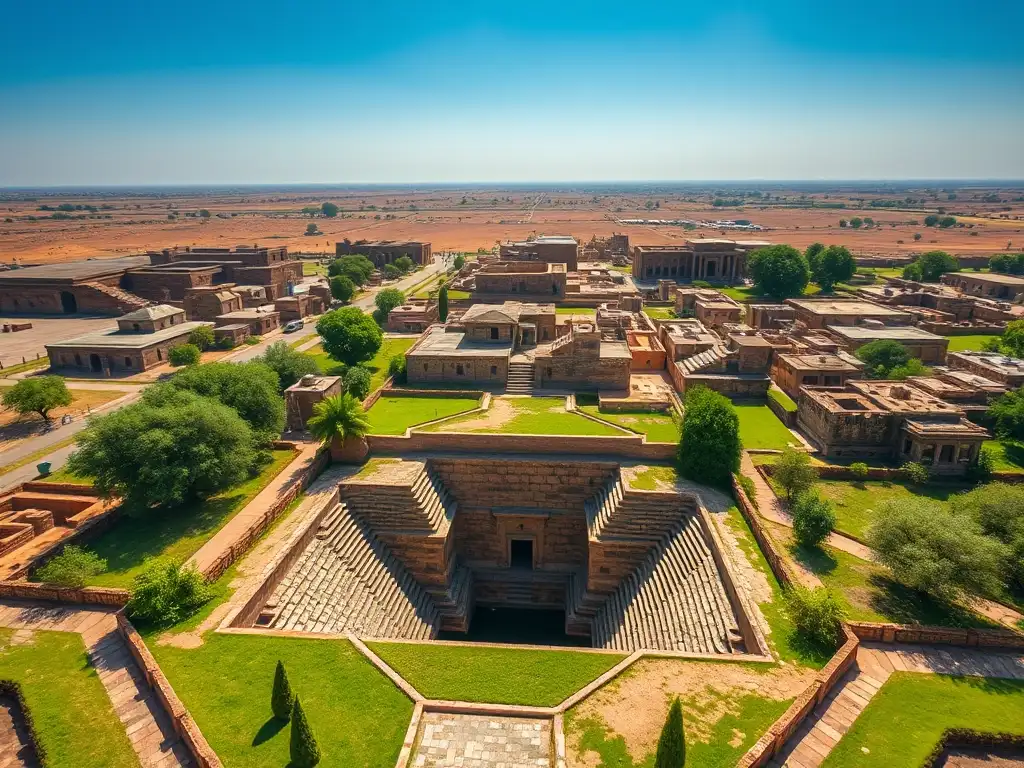
Welcome to Ancient India History, where we embark on a journey through the rich tapestry of ancient Indian civilizations. Here, we delve into the incredible architectural innovations of the Indus Valley, a marvel that showcases the ingenuity and sophistication of early urban planning. What secrets do these ancient structures hold, and how do they compare to other monumental achievements of the past? Join us as we uncover the fascinating stories behind these innovations and their impact on the broader landscape of history. Your exploration of this captivating era begins now!
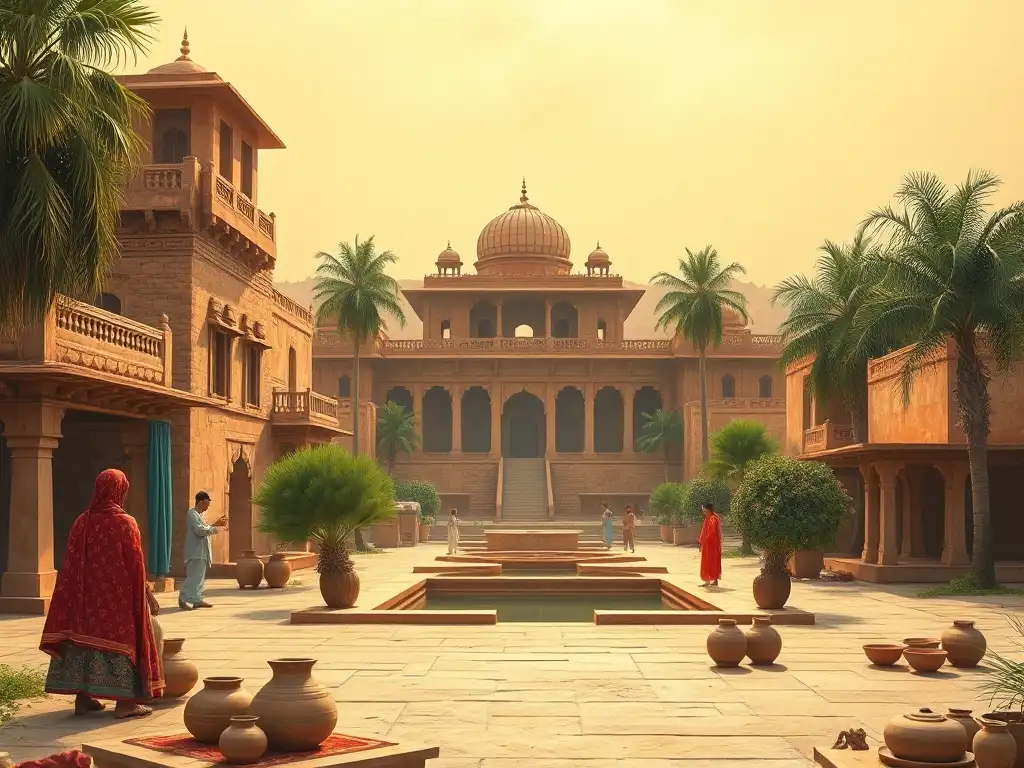
Introduction to Indus Valley Civilization
The Indus Valley Civilization (IVC), one of the oldest urban cultures in the world, flourished around 2500 BCE in what is now Pakistan and northwest India. Renowned for its advanced urban planning, sophisticated architecture, and remarkable engineering feats, the IVC laid a foundation for many aspects of modern urban life.
The architectural innovations of this civilization reflect not only the ingenuity of its people but also their ability to adapt to their environment and address the needs of a growing urban population. This article delves into the architectural innovations of the Indus Valley, exploring their significance and comparing them to other ancient civilizations.
Overview of the Indus Valley Civilization
The Indus Valley Civilization spanned across a vast region, including the cities of Harappa, Mohenjo-Daro, and Dholavira, among others. These cities were characterized by their well-planned layouts, which included:
- Grid patterns: Streets arranged in a rectilinear grid pattern.
- Advanced structures: Multi-story buildings constructed with standardized baked bricks.
- Public and private architecture: A clear distinction between residential, religious, and public spaces.
The civilization is estimated to have supported a population of around 5 million people at its peak, showcasing its ability to sustain large communities through effective agricultural practices and trade networks.
Importance of Architectural Innovations in Ancient India
Architectural innovations served as a vital component of ancient Indian civilizations, influencing subsequent cultures, and contributing to the region's historical narrative. The innovations in the Indus Valley are particularly significant for several reasons:
- Cultural identity: Reflecting the social, political, and economic organization of the civilization.
- Technology advancement: Showcasing early engineering techniques and construction methodologies.
- Urban sustainability: Providing insights into the management of resources and urban planning that could inspire modern urban design.
Understanding these innovations is essential for appreciating the complexity and sophistication of ancient Indian civilizations, particularly the IVC.
Key Features of Indus Valley Architectural Innovations
The architectural innovations of the Indus Valley Civilization are marked by several distinctive features that demonstrate their advanced understanding of urban planning, engineering, and environmental management.
Urban Planning and Layout of Indus Valley Cities
One of the most striking aspects of the Indus Valley Civilization is its urban planning. Cities were laid out with meticulous precision, incorporating features such as:
- Baked-brick constructions: Standardized bricks that facilitated uniform building practices.
- Wide streets: Streets that allowed for efficient movement and organization of trade.
- Zoning: An organized separation of residential, commercial, and industrial areas.
The use of a grid pattern not only aided in navigation but also reflected a sophisticated understanding of urban space usage.
Construction Techniques and Materials Used
The construction techniques employed in the Indus Valley were innovative for their time, and they included:
- Use of fired bricks: Baked bricks that were more durable than sun-dried alternatives.
- Water-resistant structures: Buildings often featured plaster and coatings to protect against the elements.
- Standardization of dimensions: The use of standardized brick sizes facilitated efficient construction and repair.
These techniques reveal a significant advancement in architectural practices that set the stage for future developments in the region.
Drainage and Sanitation Systems in Indus Valley Architecture
The Indus Valley Civilization is particularly noted for its advanced drainage and sanitation systems, which included:
- Covered drains: Streets featured covered drainage systems that efficiently managed wastewater.
- Public baths: Structures such as the Great Bath of Mohenjo-Daro reflect an emphasis on hygiene and ritual purity.
- Water supply systems: Wells and storage tanks ensured access to clean water for urban populations.
These innovations not only contributed to public health but also demonstrated a commitment to creating livable urban environments that prioritized the well-being of their inhabitants.
The architectural innovations of the Indus Valley Civilization highlight the remarkable capabilities of its people and their lasting contributions to urban planning and engineering that continue to influence modern practices.
Comparative Analysis: Indus Valley vs. Other Ancient Civilizations
The Indus Valley Civilization (IVC) is renowned for its unique architectural innovations, which set it apart from other ancient civilizations such as Mesopotamia and Egypt. This comparative analysis highlights the distinctive features of Indus Valley architecture, examining how these innovations influenced and contrasted with those found in neighboring cultures.
Comparison with Mesopotamian Architectural Innovations
The architectural innovations of the Indus Valley Civilization and Mesopotamia reveal both similarities and differences that reflect their respective environmental and cultural contexts.
- Urban Planning: Both civilizations demonstrated advanced urban planning, but while Mesopotamian cities often expanded haphazardly, the Indus Valley cities like Harappa and Mohenjo-Daro were meticulously planned with grid patterns and standardized brick sizes. This reflects a highly organized administrative system.
- Construction Materials: Mesopotamian architecture predominantly utilized mud bricks and stone, leading to structures like ziggurats. In contrast, the Indus Valley favored fired bricks, which provided durability and resistance to the elements. This choice of materials contributed to the longevity of Indus Valley structures.
- Drainage Systems: The Indus Valley is particularly noted for its sophisticated drainage systems. While Mesopotamian cities did use drainage, the IVC's underground sewer systems were far more advanced, showcasing a commitment to public health and sanitation that was less emphasized in Mesopotamia.
Indus Valley Innovations vs. Egyptian Architecture
When comparing the architectural innovations of the Indus Valley with those of ancient Egypt, several key distinctions emerge:
- Architectural Style: Egyptian architecture is characterized by monumental structures such as pyramids and temples, which were often built to honor deities or as tombs for pharaohs. In contrast, the Indus Valley architecture focused on residential and communal buildings, emphasizing functionality over monumentalism.
- Use of Geometry: The Egyptians made extensive use of symmetry and alignment with celestial bodies in their architectural designs. The Indus Valley, however, exhibited a more pragmatic approach, using geometric principles primarily for urban planning rather than for religious or cosmic alignment.
- Public Spaces: Indus Valley cities included large public baths, such as the Great Bath of Mohenjo-Daro, which were integral to social and ritualistic life. Egyptian architecture, while featuring public spaces, often prioritized royal and religious sites, reflecting a different societal focus.
Influence of Geography on Architectural Styles
Geography played a crucial role in shaping the architectural styles of the Indus Valley Civilization compared to other ancient cultures.
- Natural Resources: The availability of natural resources, such as clay for bricks and timber from the surrounding regions, influenced construction techniques. The Indus Valley's access to high-quality clay enabled the production of standardized bricks, while Mesopotamia's reliance on mud bricks reflected its arid environment.
- Flooding and Climate: The IVC's location along the Indus River necessitated innovative water management systems, leading to the development of sophisticated drainage and irrigation techniques. This was less of a concern in Egypt, where the Nile's predictable flooding patterns allowed for different agricultural and architectural strategies.
- Topography: The terrain of the Indus Valley, which included both plains and hills, influenced the layout of cities and the design of structures. In contrast, Egypt's flat landscape facilitated the construction of large, monumental structures that dominated the skyline.
Significance of Indus Valley Architectural Innovations
The architectural innovations of the Indus Valley Civilization hold substantial significance not only for their time but also for the development of architecture in subsequent cultures.
Impact on Subsequent Indian Architecture
The architectural legacy of the Indus Valley Civilization significantly influenced later Indian architecture, establishing foundational principles that persisted through the ages.
- Urban Planning: The grid layout of Indus Valley cities laid the groundwork for urban planning in India, influencing the design of later cities such as those during the Mauryan and Gupta periods. The emphasis on organized streets and public spaces can be traced back to IVC practices.
- Material Use: The use of fired bricks in Indus Valley constructions set a precedent for future architectural endeavors in India, particularly in the use of durable materials for building homes, fortifications, and public structures.
- Water Management: The advanced drainage and sanitation systems of the IVC have had a lasting impact, with subsequent Indian civilizations adopting similar techniques in urban planning, reflecting the importance of hygiene and public health.
Contributions to Urban Development in Ancient Civilizations
The contributions of the Indus Valley Civilization to urban development extend beyond its own borders, influencing various aspects of city planning and architecture in ancient civilizations.
- Standardization of Measurements: The IVC's standardized brick sizes and weights facilitated efficient construction practices, a concept that was adopted by other cultures, leading to improved trade and economic interactions.
- Integration of Public Amenities: The presence of public baths and drainage systems in Indus Valley cities set a precedent for the integration of public amenities in urban environments, which became a hallmark of later civilizations, including the Romans.
- Cultural Exchange: The architectural innovations of the Indus Valley served as a bridge for cultural exchange between neighboring regions. As trade routes expanded, architectural ideas and technologies were disseminated, enriching the architectural landscape of the broader ancient world.
The architectural innovations of the Indus Valley Civilization not only distinguished it from contemporary cultures but also laid important foundations for future urban development and architectural practices in ancient India and beyond.
Case Studies of Iconic Indus Valley Structures
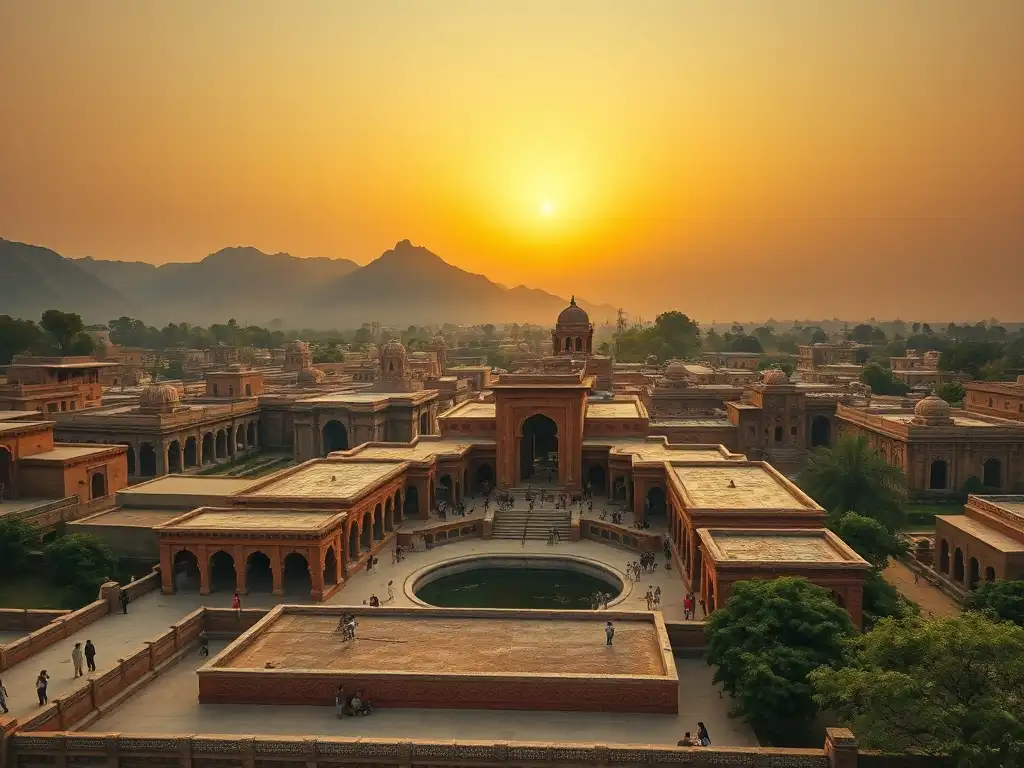
The Indus Valley Civilization, known for its remarkable urban planning and architectural innovations, showcases several iconic structures that reflect the advanced engineering and sophisticated urban design of its time. Among these structures, the Great Bath of Mohenjo-Daro, the Citadel of Harappa, and the residential areas reveal much about the cultural and social practices of the people who lived in this ancient civilization. Each site provides unique insights into the architectural innovations that characterized this era, highlighting the importance of water management, defense mechanisms, and community living.
The Great Bath of Mohenjo-Daro
The Great Bath of Mohenjo-Daro stands as one of the most significant architectural achievements of the Indus Valley Civilization. Constructed around 2500 BCE, this large rectangular structure measures approximately 12 meters by 7 meters and features a depth of 2.4 meters. The bath is lined with bricks and has a waterproof core, indicative of advanced engineering techniques.
This monumental structure is believed to have served a ceremonial or ritualistic purpose, possibly related to purification practices. Surrounding the bath are a series of rooms, which might have been used for changing or storage, suggesting that hygiene and cleanliness were valued in this society. The Great Bath's significance lies not only in its size and construction but also in its role as a focal point for community gatherings and spiritual activities, emphasizing the integration of architecture and social life.
The Citadel of Harappa
The Citadel of Harappa is another remarkable example of Indus Valley architectural innovation. This fortified structure, situated on a raised platform, served as both a religious and administrative center. Its strategic location allowed for enhanced defense against potential invasions while providing a place for governance and communal activities.
The Citadel is characterized by its massive walls made of baked bricks, which were constructed with precise engineering methods. The layout includes granaries, public baths, and possibly temples, reflecting the complex social hierarchy and economic practices of the Harappan society. The organization of space within the Citadel indicates a sophisticated understanding of urban planning, with careful attention paid to drainage systems and water management, which were crucial for the city's sustainability.
Residential Areas and Their Architectural Features
Residential areas within the Indus Valley cities were meticulously planned and constructed, showcasing the civilization's architectural prowess. Houses were primarily built using standardized baked bricks and featured flat roofs, with some structures having multiple stories.
The urban layout comprised well-defined streets, often laid out in a grid pattern, evidencing advanced urban planning principles. Each dwelling typically had access to a private bathroom, complete with drainage systems that connected to the main sewage lines. This attention to sanitation reflects an understanding of public health that was ahead of its time. Additionally, the use of courtyards and open spaces in residential designs promoted community interaction, highlighting the social dynamics of Indus Valley life.
Conclusion: Legacy of Indus Valley Architectural Innovations
The architectural innovations of the Indus Valley Civilization have left a profound legacy that continues to influence urban design and architecture today. The advanced planning and engineering techniques evident in their cities underscore the civilization's remarkable understanding of environmental and societal needs.
Lasting Influence on Modern Urban Planning
Modern urban planners and architects can draw inspiration from the Indus Valley's urban design principles, particularly in sustainable development and efficient water management systems. The emphasis on grid patterns and organized public spaces can be seen in contemporary city planning, where the balance between community living and environmental considerations is paramount. The legacy of these ancient innovations continues to resonate in efforts to create sustainable urban environments that prioritize both functionality and quality of life.
Preservation and Study of Indus Valley Architecture in Contemporary Research
Today, there is a growing interest in the preservation and study of Indus Valley architecture, as researchers and archaeologists strive to uncover more about this ancient civilization. Ongoing excavations and technological advancements, such as ground-penetrating radar and 3D modeling, allow for detailed analysis and reconstruction of these architectural marvels. Efforts to preserve the sites, along with interdisciplinary research, are essential for understanding the cultural significance and historical context of the architectural innovations from the Indus Valley Civilization, ensuring that its contributions to history are recognized and appreciated for generations to come.
References and Further Reading on Indus Valley Architecture
The architectural innovations of the Indus Valley Civilization are profound and deserve further exploration through various academic resources. The following sections provide a list of suggested books, articles, and online resources that delve deeper into the architectural marvels and urban planning of this ancient civilization.
Suggested Books and Articles
- "The Indus Valley Civilization: A History" by Shereen Ratnagar
- This book offers an in-depth analysis of the Indus Valley Civilization, focusing on its social structure, urban planning, and architectural advancements. Ratnagar's work is essential for understanding the broader context of the civilization’s innovations.
- "Indus Valley Civilization: An Encyclopedia" by David Frawley
- Frawley provides a comprehensive overview of the Indus Valley Civilization, emphasizing its architectural achievements, including drainage systems, public baths, and granaries.
- "Cities of the Indus Valley Civilization" by Gregory L. Possehl
- Possehl's research focuses on the urban centers of the Indus Valley, detailing their layout, architecture, and the innovative techniques employed in construction.
- "Harappa: The Invention of a Civilization" by Jonathan Mark Kenoyer
- This work explores the archaeological findings at Harappa, one of the major sites of the Indus Valley, offering insights into its urban design and architectural innovations.
- "The Archaeology of Ancient India" by J. C. D. Clark
- This book provides a broader perspective on the archaeological practices in ancient India, with significant sections dedicated to the architectural features of the Indus Valley Civilization.
Online Resources for Further Exploration
- The Archaeological Survey of India (ASI) Website
- A valuable resource for accessing official reports, archaeological findings, and research articles related to the Indus Valley and its architectural heritage.
- The British Museum’s Collection
- This online platform offers virtual tours and detailed descriptions of artifacts from the Indus Valley Civilization, showcasing its art and architectural innovations.
- Khan Academy: The Indus Valley Civilization
- An educational resource that provides free courses and articles on the history and culture of the Indus Valley, including its architectural achievements.
- YouTube: "Indus Valley Civilization - Architecture and Planning"
- A selection of documentaries and lectures that visually explore the urban planning and architectural features of the Indus Valley, making complex concepts accessible.
- Academia.edu and JSTOR
- These platforms contain numerous academic papers and articles on the architectural innovations of the Indus Valley, allowing for in-depth scholarly exploration.
Exploring these resources will deepen your understanding of the remarkable architectural innovations of the Indus Valley Civilization and their lasting impact on subsequent cultures and civilizations.
- Introduction to Indus Valley Civilization
- Key Features of Indus Valley Architectural Innovations
- Comparative Analysis: Indus Valley vs. Other Ancient Civilizations
- Significance of Indus Valley Architectural Innovations
- Case Studies of Iconic Indus Valley Structures
- Conclusion: Legacy of Indus Valley Architectural Innovations
- References and Further Reading on Indus Valley Architecture
- What were the key architectural innovations of the Indus Valley civilization?
- How did the Indus Valley influence later Indian architecture?
- What materials were primarily used in Indus Valley architecture?
- How does the Indus Valley architecture compare to that of other ancient civilizations?
- What role did religion play in Indus Valley architectural innovations?
Frequently Asked Questions
What were the key architectural innovations of the Indus Valley civilization?
The Indus Valley civilization is known for its advanced urban planning, including grid-pattern streets, sophisticated drainage systems, and public baths that showcased their engineering skills.
How did the Indus Valley influence later Indian architecture?
The architectural techniques developed in the Indus Valley, such as the use of baked bricks and urban planning, laid the groundwork for later styles seen in Mauryan and Gupta architecture.
What materials were primarily used in Indus Valley architecture?
The Indus Valley civilization predominantly used baked bricks, mud, and stone for construction, which contributed to the durability of their buildings and infrastructure.
How does the Indus Valley architecture compare to that of other ancient civilizations?
Compared to contemporaneous civilizations like Mesopotamia and Egypt, the Indus Valley's architectural innovations were marked by a unique emphasis on urban planning and sanitation, setting them apart in terms of public health.
What role did religion play in Indus Valley architectural innovations?
While the specific religious practices of the Indus Valley civilization remain largely unknown, structures such as granaries and public baths suggest a community-oriented approach that may have been influenced by religious or cultural beliefs.
Final Reflection: The Enduring Legacy of Indus Valley Architectural Innovations
The architectural innovations of the Indus Valley civilization continue to resonate in today's world, showcasing the ingenuity and foresight of a society that thrived over 4,000 years ago. As we navigate modern challenges in urban planning and sustainable design, the principles established by the Indus Valley architects serve as a powerful reminder of the importance of innovation rooted in environmental harmony and community well-being. Their legacy is not just a relic of the past; it is a blueprint for the future.
The influence of Indus Valley architecture extends beyond mere structural design; it embodies a cultural ethos that prioritizes functionality and sustainability. The meticulous urban planning, advanced drainage systems, and standardized brick sizes reflect a sophisticated understanding of community needs and environmental contexts. As historian David Frankel aptly stated, The Indus Valley civilization teaches us that architecture is not just about buildings; it's about creating spaces that foster community and resilience.
This perspective invites us to consider how architectural practices can shape our social landscapes today.
As we reflect on the lessons from the Indus Valley, I encourage you to think about the spaces you inhabit and how they influence your daily life. Consider how you can incorporate the principles of innovation, sustainability, and community into your own environment. Whether through advocating for better urban planning, supporting sustainable architecture, or simply being mindful of the spaces you create, each of us has the power to contribute to a legacy of thoughtful design that honors the past while paving the way for a brighter future.
Unlock the Secrets of Indus Valley Innovations!
Thank you for diving into the fascinating world of the Indus Valley and its remarkable architectural innovations! We hope this exploration has ignited your curiosity about how ancient civilizations shaped our world today. Now, let’s take the next steps in uncovering more about this extraordinary history.
Here’s how you can continue your journey:
- Explore more about other ancient architectural wonders by visiting our archives on Ancient Indian History.
- Share your insights on social media! Connect with us and join the conversation about the incredible legacies of the Indus Valley.
- Participate in a local history group or online forum—bring the stories of ancient architecture to life through discussion and collaboration.
What aspect of the Indus Valley's innovations intrigues you the most, and how do you think it influences modern architecture today?