
Gupta Mural Paintings: Windows to a Vibrant Past

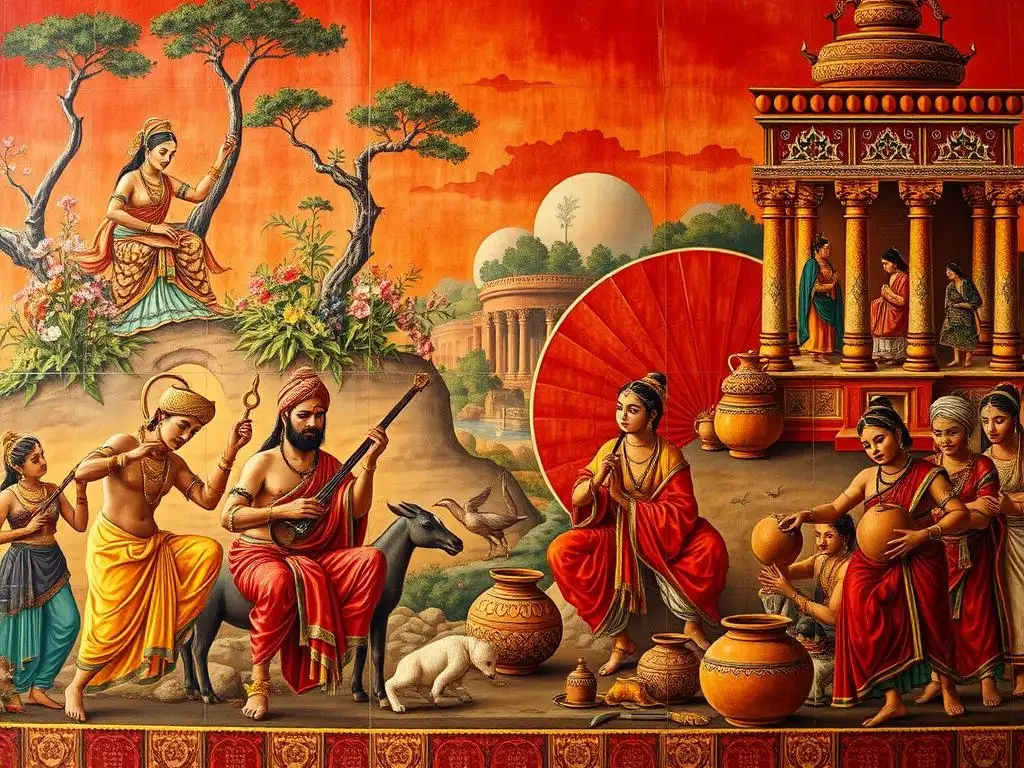
Welcome to Ancient India History, where we embark on a fascinating journey through time to uncover the rich tapestry of civilization that flourished in the Indian subcontinent. Today, we delve into the enchanting world of Gupta Empire mural painting history, revealing how these vibrant artworks serve as windows into a past filled with creativity and cultural significance.
As you explore our insights, prepare to discover not just the artistry, but the stories and traditions that shaped an era. Join us as we unravel the mysteries behind these captivating murals and their role in the grand narrative of ancient Indian civilizations.
Introduction to Gupta Empire Mural Painting History
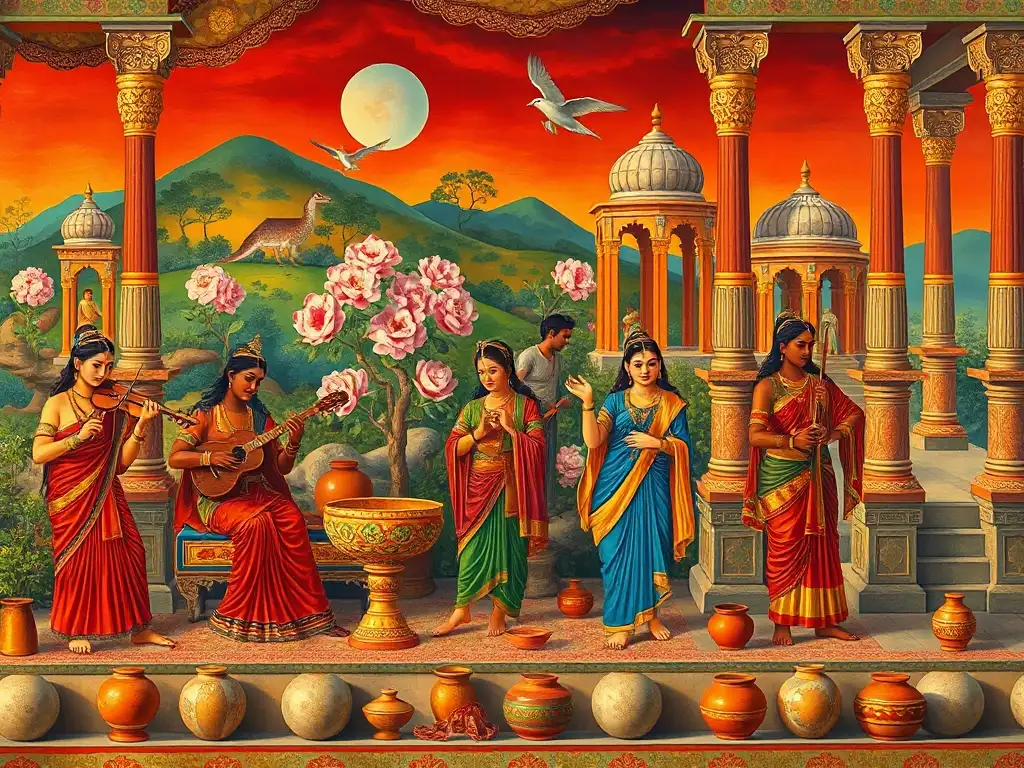
The Gupta Empire, often referred to as the "Golden Age" of India, flourished from the 4th to the 6th century CE and is renowned for its remarkable advancements in various fields, including art, science, and philosophy. Among its most significant artistic contributions are the mural paintings that adorned temples and cave walls, reflecting the vibrant culture and profound spirituality of the time.
This article delves into the Gupta Empire mural painting history, exploring not only the artworks themselves but also their historical context, cultural importance, and the influences that shaped this unique art form. By examining these murals, we gain insightful glimpses into the lives, beliefs, and artistic expressions of ancient Indian civilizations.
Overview of the Gupta Empire and Its Cultural Significance
The Gupta Empire was established by Sri Gupta and reached its zenith under rulers such as Chandragupta II and Samudragupta. This period is characterized by a flourishing of arts and culture, with significant developments in literature, mathematics, astronomy, and sculpture. The Gupta emperors were patrons of art and scholarship, which led to an unprecedented cultural renaissance.
- Key Features of Gupta Culture:
- Literature: Flourished with works like the Kumarasambhava by Kalidasa.
- Science: Advances in mathematics, notably the concept of zero.
- Architecture: Development of intricate temple designs and sculptures.
The cultural significance of the Gupta Empire lies not only in its artistic achievements but also in its role as a bridge between ancient traditions and the emerging medieval period in India.
Importance of Mural Paintings in Ancient Indian Art
Mural paintings during the Gupta period served multiple purposes: they were not just decorative but also conveyed stories, religious beliefs, and cultural values. These artworks often depicted scenes from Hindu epics such as the Ramayana and the Mahabharata, as well as Buddhist narratives, showcasing the syncretic nature of Gupta culture.
- Key Aspects of Gupta Mural Paintings:
- Narrative Quality: Murals tell stories and convey moral lessons.
- Symbolism: Use of colors and motifs with specific meanings.
- Technique: Development of naturalistic styles and vibrant palettes.
These paintings were instrumental in preserving the cultural heritage of the time, acting as a visual record of the society's values, beliefs, and daily life.
Historical Context of Gupta Mural Paintings
To fully appreciate Gupta mural paintings, it is essential to understand the historical context that led to their creation. The rise of the Gupta Empire brought about significant socio-political changes that influenced artistic expression.
The Rise of the Gupta Empire: A Brief Timeline
- c. 240 CE: Establishment of the Gupta Empire by Sri Gupta.
- c. 320 CE: Samudragupta ascends to the throne, marking the beginning of an era of expansion and cultural achievement.
- c. 375-415 CE: Reign of Chandragupta II, during which art and culture reach their pinnacle.
- c. 550 CE: Decline of the Gupta Empire begins, leading to the fragmentation of territories.
This timeline highlights the rapid rise and eventual decline of the Gupta Empire, illustrating how its dynamic history shaped the art and culture of the period.
Influences on Gupta Art: Predecessors and Regional Styles
The mural paintings of the Gupta period were not created in isolation; they were influenced by earlier artistic traditions and regional styles. The Ajanta Caves, a UNESCO World Heritage site, are prime examples of how Gupta artists drew inspiration from the Mauryan and Post-Mauryan artistic styles, incorporating elements from both to create a distinctive Gupta aesthetic.
- Influential Artistic Schools:
- Mauryan Art: Known for its intricate carvings and use of naturalistic forms.
- Buddhist Art: Influenced the themes and subjects depicted in murals.
- Regional Variations: Local styles contributed to the diversity of mural painting techniques and motifs.
Understanding these influences allows us to appreciate the complexity and richness of Gupta mural paintings, as they were the culmination of centuries of artistic evolution.
Characteristics of Gupta Mural Paintings
Gupta mural paintings are renowned for their vibrant colors, intricate detailing, and a sense of depth that showcases the artistic prowess of the period. These artworks often display a remarkable balance between realism and idealism, reflecting the cultural and spiritual ethos of ancient India.
One of the most striking characteristics is the use of natural pigments, which were derived from minerals, plants, and organic materials. This not only gave the murals their vivid hues but also contributed to their longevity. The line work in Gupta murals is typically fine and precise, enhancing the elegance of the figures depicted. Additionally, the compositions often feature a harmonious arrangement of figures, landscapes, and architectural elements, creating a narrative that draws the viewer into the scene.
Another notable aspect is the portrayal of facial expressions and body language, which convey a range of emotions and stories. This attention to human experience is complemented by the use of decorative elements, such as floral motifs and geometric patterns, which enrich the overall aesthetic and add layers of meaning to the artworks.
Key Themes and Subjects in Gupta Mural Art
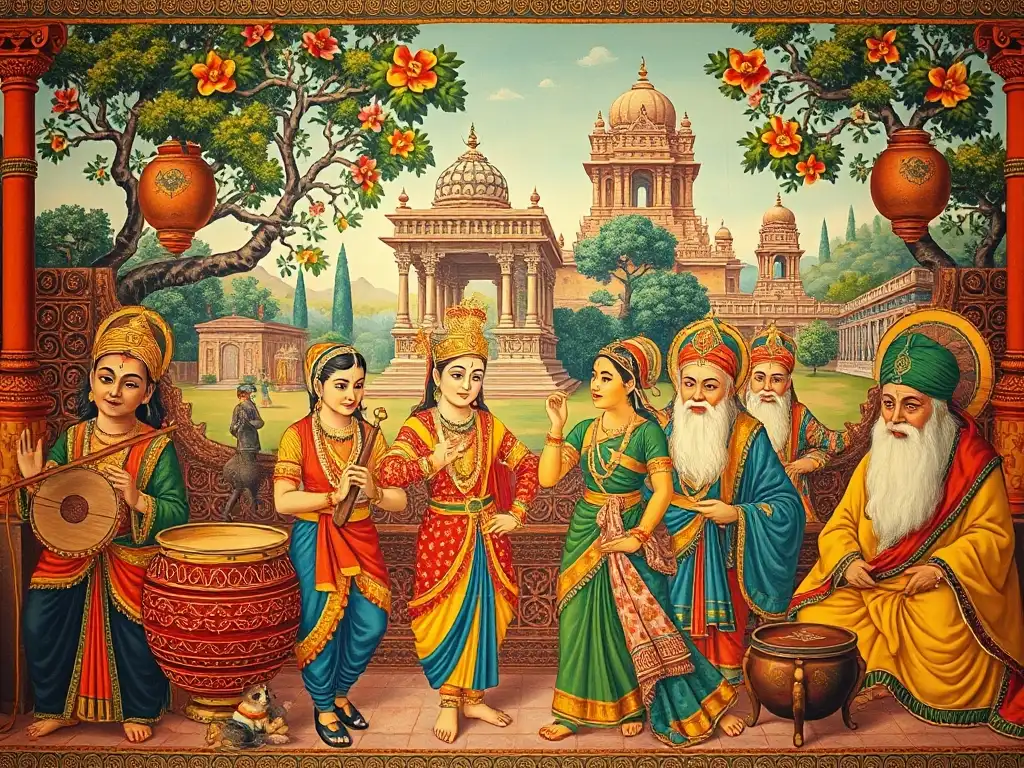
The themes and subjects of Gupta mural art are deeply intertwined with the spiritual, social, and cultural life of the period. Predominantly, these murals illustrate scenes from Hindu mythology, Buddhist teachings, and daily life, reflecting the diverse religious landscape of ancient India.
- Religious Narratives: Many murals depict stories from the epics like the Ramayana and Mahabharata, showcasing deities such as Vishnu, Shiva, and various bodhisattvas. These narratives not only serve a devotional purpose but also aim to educate viewers about moral and ethical values.
- Buddhist Influences: With the rise of Buddhism during the Gupta period, many murals feature Buddhist motifs, such as the Jataka tales, which narrate the previous lives of the Buddha. These tales are often rich in symbolism and provide insights into the teachings of Buddhism.
- Everyday Life: Gupta murals also capture scenes of daily life, including activities like farming, music, dance, and feasting. This provides a valuable glimpse into the social customs, attire, and domestic life of people during the Gupta Empire.
- Nature and Landscapes: The representation of flora and fauna is another common theme, often symbolizing abundance and prosperity. The natural elements are integrated into the scenes, enhancing the overall narrative and aesthetic appeal.
Techniques and Materials Used in Gupta Painting
The techniques and materials used in Gupta mural paintings reflect the advanced artistic practices of the time. Artists employed a variety of methods to ensure their works were both beautiful and durable.
- Fresco Technique: Most murals were created using the fresco technique, where pigments were applied to wet plaster. This method allowed the colors to bond with the wall as it dried, resulting in vibrant and long-lasting images.
- Natural Pigments: The use of natural pigments sourced from minerals (like ochres and lapis lazuli) and organic materials (such as plant extracts) was prevalent. These pigments not only provided a wide range of colors but also contributed to the murals’ aesthetic richness.
- Brushwork and Detailing: Fine brushes made from animal hair were used to achieve intricate details in the figures and backgrounds. This meticulous brushwork is evident in the delicate facial features and ornamental designs.
- Layering Techniques: Artists often layered colors to create depth and texture, giving the artworks a three-dimensional quality. This approach allowed for the depiction of varying light conditions and spatial relationships within the scenes.
Famous Examples of Gupta Mural Paintings
Several sites across India showcase the exquisite mural paintings of the Gupta Empire, with the most notable examples found in the Ajanta and Bagh Caves. These sites not only represent the pinnacle of Gupta artistic achievement but also provide valuable insights into the cultural and religious practices of the time.
Ajanta Caves: A Glimpse into Gupta Mural Painting History
The Ajanta Caves, a UNESCO World Heritage Site, are perhaps the most famous repository of Gupta mural paintings. Dating from the 2nd century BCE to about the 6th century CE, these caves feature elaborate murals that depict Buddhist themes, including the life of the Buddha and various Jataka tales.
The paintings at Ajanta are characterized by their vibrant colors, intricate detailing, and dynamic compositions. The use of fresco techniques is evident, as the paintings have remarkably preserved their vibrancy despite the passage of time. The caves serve as a testament to the artistic skills of the Gupta period and the importance of Buddhism in the region.
Bagh Caves: Artistic Innovations and Cultural Depictions
Located in Madhya Pradesh, the Bagh Caves are another significant site known for their remarkable wall paintings from the Gupta period. The murals here depict scenes from Buddhist texts alongside intricate floral and geometric designs.
One of the unique aspects of the Bagh Caves is the use of bold colors and innovative compositions that differ slightly from those found in Ajanta. The Bagh murals are notable for their dramatic representations of figures and expressive poses, showcasing a more evolved artistic style that reflects the cultural innovations of the Gupta Empire.
Other Notable Sites of Gupta Mural Art
In addition to Ajanta and Bagh, several other sites feature notable examples of Gupta mural art.
- Ellora Caves: Known for their impressive rock-cut architecture, the Ellora Caves also contain murals that reflect the artistic styles of the Gupta period, particularly in the Buddhist caves.
- Kanchipuram: This ancient city houses temples adorned with murals that showcase Gupta artistic influences, blending local traditions with the broader stylistic trends of the empire.
- Sanchi Stupa: The Sanchi Stupa features decorative reliefs and paintings that highlight the merging of architectural and mural art in conveying religious narratives.
These sites collectively illustrate the diversity and richness of Gupta mural painting history, providing a vivid window into the vibrant cultural landscape of ancient India.
The Cultural Significance of Mural Paintings in the Gupta Empire
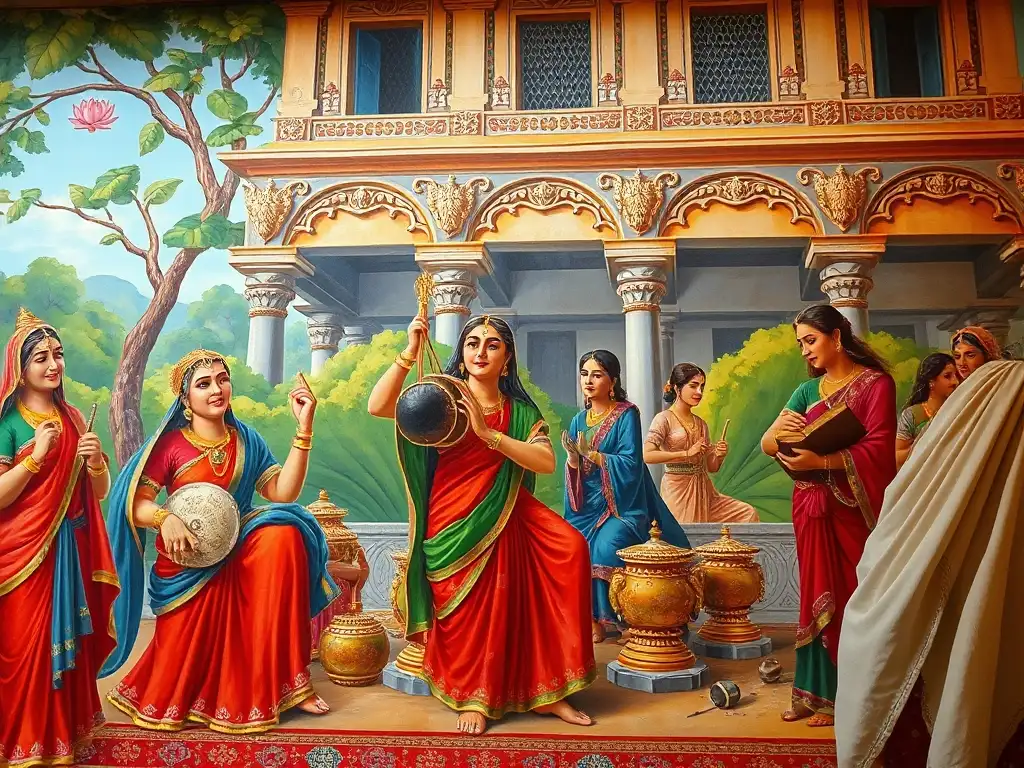
Mural paintings during the Gupta Empire (circa 240-550 CE) were not just decorative but served as vital expressions of the culture, religion, and daily life of the time. The Gupta period is often referred to as a golden age of art and culture in India, marked by significant advancements in various artistic forms, particularly mural paintings. These artworks are crucial for understanding the socio-political and religious ethos of the Gupta society.
The murals adorned the walls of temples, monasteries, and caves, conveying narratives that were deeply intertwined with the spiritual and cultural consciousness of the time. They reflected the Gupta Empire's emphasis on art as a means of storytelling and communication, offering insights into the values, beliefs, and practices that defined the era. Thus, these paintings are considered windows into the vibrant past of ancient India, showcasing the artistic excellence and the cultural richness that flourished during the Gupta dynasty.
Role of Religion and Mythology in Gupta Mural Narratives
Religion and mythology played a pivotal role in shaping the narratives depicted in Gupta mural paintings. The majority of these murals were commissioned for religious sites, including Buddhist monasteries and Hindu temples, making them integral to the spiritual life of the community.
- Buddhism: Mural paintings in Buddhist caves, such as those at Ajanta, illustrate Jataka tales—stories of the previous lives of the Buddha. These narratives were not only educational but also served to inspire devotion and moral conduct among the followers.
- Hinduism: In Hindu temples, murals depicted scenes from epics like the Ramayana and Mahabharata, showcasing deities and mythological events. This not only reinforced the religious beliefs of the time but also provided a visual representation of sacred texts, making them accessible to the general populace.
- Symbolism: The use of vibrant colors and intricate designs in these murals often held symbolic meanings, enhancing the religious significance of the artworks. For instance, the use of specific colors was associated with particular deities, creating a visual language that conveyed deeper spiritual messages.
Through these religious and mythological narratives, the murals served as a medium to educate, inspire, and connect the community with their spiritual heritage, embedding the cultural significance of the Gupta Empire within their artistic expressions.
Mural Paintings as Reflections of Social Life and Daily Activities
Beyond their religious themes, Gupta mural paintings also provide a rich tapestry of social life and daily activities during this period. These artworks document various aspects of contemporary life, offering historians and archaeologists valuable insights into the socio-economic conditions of the Gupta Empire.
- Scenes of Daily Life: Many murals depict everyday activities such as farming, weaving, and cooking, illustrating the agrarian lifestyle that characterized the Gupta society. These scenes highlight the importance of agriculture, craftsmanship, and the roles of women and men in the household.
- Festivals and Celebrations: Mural paintings often showcase community gatherings, festivals, and rituals, reflecting the vibrant cultural life of the time. These depictions reveal the social fabric of Gupta society, emphasizing the communal aspect of festivals and the importance of cultural traditions.
- Trade and Commerce: Some murals illustrate scenes of trade, indicating the economic dynamics of the Gupta Empire. They provide evidence of a thriving economy with bustling markets, suggesting that trade and commerce were vital to the social structure and prosperity of the empire.
Through these vivid portrayals, Gupta mural paintings serve as essential documents of the period, capturing the essence of daily life and the social interactions that defined the Gupta Empire.
Preservation and Legacy of Gupta Mural Paintings
The preservation of Gupta mural paintings is crucial for understanding the artistic and cultural legacy of the period. These murals, many of which were created in caves and temple complexes, face various challenges that threaten their survival.
Challenges in Preserving Gupta Mural Art
The preservation of Gupta mural paintings is fraught with challenges, primarily due to environmental factors, human activity, and the passage of time.
- Environmental Degradation: Factors such as moisture, humidity, and temperature fluctuations can lead to the deterioration of pigments and plaster, threatening the integrity of the murals. Natural elements like water seepage and fungal growth further exacerbate these conditions.
- Human Impact: Tourism and vandalism pose significant threats to the survival of these artworks. Increased foot traffic can lead to physical damage, while graffiti and other forms of defacement compromise the historical value of the murals.
- Lack of Awareness: In some cases, there is insufficient awareness among local communities and authorities about the importance of these artworks, leading to neglect and inadequate preservation efforts.
Addressing these challenges requires a concerted effort in conservation practices, public awareness campaigns, and sustainable tourism management to ensure that these invaluable artworks are preserved for future generations.
Influence of Gupta Mural Techniques on Later Indian Art
The techniques and styles developed during the Gupta period had a lasting impact on the evolution of Indian art. The artistic innovations seen in Gupta mural paintings laid the groundwork for future art movements and styles across the Indian subcontinent.
- Techniques: The use of vivid colors, intricate patterns, and elaborate compositions in Gupta mural paintings influenced subsequent art forms, including medieval and later Indian painting styles. The emphasis on narrative and emotional expression became a hallmark of Indian art, deriving inspiration from Gupta aesthetics.
- Cultural Continuity: Many elements of Gupta mural art, such as themes of mythology and daily life, continued to be explored in later periods, showcasing a continuity of cultural and artistic expression. This legacy is evident in the Mughal and Rajput paintings, which retained the narrative quality and vibrant color palettes characteristic of Gupta murals.
- Symbolism and Iconography: The iconography developed during the Gupta period established a framework for representing deities and mythological stories, which persisted in later Indian art. The symbolically rich depictions of gods and goddesses, along with the use of motifs derived from nature, can be traced back to Gupta influences.
The legacy of Gupta mural paintings extends beyond their immediate historical context, influencing a diverse range of artistic expressions that continue to resonate in Indian art today.
Conclusion: The Enduring Impact of Gupta Mural Painting History
The mural paintings of the Gupta Empire represent a significant chapter in the history of Indian art, illustrating not only the aesthetic achievements of the time but also the rich cultural and spiritual dimensions of ancient Indian society. These artworks, often found in temples and caves, serve as a testament to the sophistication of Gupta artists and their mastery of techniques such as fresco and tempera. The vibrant colors and intricate details found in these murals convey narratives from Hindu epics, Buddhist teachings, and everyday life, providing a window into the values, beliefs, and social structures of the period.
The legacy of Gupta mural paintings endures in contemporary art and culture, influencing various art forms across generations. Their intricate storytelling and vivid imagery continue to inspire modern artists, while scholars draw upon these ancient works to understand the evolution of artistic expression in India. The preservation of these murals is crucial, not only for historical appreciation but also for ongoing cultural discourse, as they embody the ethos of a civilization that cherished art as a means of communication and reflection.
Reflection on the Gupta Empire’s Contributions to Art and Culture
The Gupta Empire, often referred to as the "Golden Age" of India, was a period marked by remarkable advancements in various fields, including art and culture. Gupta mural paintings exemplify this flourishing era, showcasing the empire's commitment to artistic innovation and religious expression. The intricate designs and spiritual themes found in these murals reflect the empire's patronage of artists and the blending of cultural influences, particularly between Hinduism and Buddhism.
These murals not only served decorative purposes but also played a significant role in religious practice and education. They were instrumental in conveying complex spiritual narratives and philosophical concepts to the masses, democratizing access to religious teachings. In this way, the Gupta Empire's contributions to art and culture were not merely aesthetic; they were deeply intertwined with the social and spiritual fabric of the time, fostering a sense of identity and continuity that resonates to this day.
The Importance of Studying Gupta Mural Paintings Today
Studying Gupta mural paintings is essential for several reasons. Firstly, these artworks provide invaluable insights into the socio-cultural dynamics of ancient India, revealing the beliefs, practices, and daily lives of the people during the Gupta period. By analyzing the themes and styles of these murals, researchers can better understand the historical context in which they were created, contributing to a more nuanced appreciation of Indian history.
Secondly, Gupta mural paintings serve as a bridge connecting contemporary society with its ancient roots. They inspire modern artistic practices and encourage a dialogue about tradition and innovation in art. Additionally, as global interest in ancient cultures grows, Gupta murals offer a unique perspective on the interconnectedness of civilizations and the universal language of art.
Lastly, the preservation and study of these murals are crucial for cultural heritage. They not only represent artistic achievements but also embody the historical narratives and spiritual legacies of a civilization. By advocating for the protection and scholarly examination of Gupta mural paintings, we ensure that future generations can appreciate and learn from this vibrant aspect of human history.
- Introduction to Gupta Empire Mural Painting History
- Historical Context of Gupta Mural Paintings
- Characteristics of Gupta Mural Paintings
- Key Themes and Subjects in Gupta Mural Art
- Techniques and Materials Used in Gupta Painting
- Famous Examples of Gupta Mural Paintings
- The Cultural Significance of Mural Paintings in the Gupta Empire
- Preservation and Legacy of Gupta Mural Paintings
- Conclusion: The Enduring Impact of Gupta Mural Painting History
Frequently Asked Questions
What are Gupta Empire mural paintings?
Gupta Empire mural paintings are decorative artworks created during the Gupta period (circa 320-550 CE) that highlight the cultural and artistic achievements of ancient India, often depicting religious themes and daily life.
How did mural paintings evolve during the Gupta Empire?
Mural paintings during the Gupta Empire evolved to become more intricate and vibrant, showcasing naturalism and emotional expressions, which reflected a significant advancement in artistic techniques compared to previous periods.
What are some famous examples of Gupta mural paintings?
Some famous examples include the Ajanta Caves murals, which are renowned for their detailed narratives and expressive figures, illustrating scenes from Buddhism and everyday life in ancient India.
Why are Gupta Empire mural paintings important for historical studies?
These murals are important as they serve as windows into the past, providing insights into social, religious, and cultural dynamics of the Gupta Empire, thereby enriching our understanding of ancient Indian civilization.
How can one learn more about Gupta Empire mural painting history?
To learn more, one can explore historical texts, visit museums with collections of Gupta art, or delve into academic studies focusing on ancient Indian history and its artistic contributions.
Final Reflection: Embracing the Legacy of Gupta Mural Paintings
The exploration of Gupta Empire mural painting history reveals not just the artistic brilliance of a bygone era, but also its profound relevance in today’s world. As we navigate a fast-paced, often chaotic modern life, the intricate narratives and vibrant colors of Gupta murals serve as a reminder of our shared human experience and the timeless stories that connect us across generations. These murals are not merely relics of the past; they are windows into a vibrant cultural tapestry that continues to inspire and resonate with us today.
The influence of Gupta mural paintings extends far beyond their historical context, shaping our cultural landscape and enriching our understanding of art and heritage. These masterpieces invite us to reflect on the values, beliefs, and aesthetics of a civilization that thrived over a millennium ago. As we admire the detailed depictions of daily life, mythology, and spirituality, we recognize the enduring power of art to communicate complex ideas and emotions. Art is the most beautiful of all lies.
– Claude Debussy. This sentiment captures the essence of how Gupta murals, while rooted in their time, continue to evoke a sense of wonder and connection in our contemporary lives.
As we conclude this journey through the vibrant past of Gupta mural paintings, I invite you to reflect on how these artistic expressions can inspire your own life. Consider the stories you wish to tell, the beauty you wish to create, and the cultural legacies you wish to honor.
Let the lessons of the Gupta Empire remind you that art is not just a reflection of history; it is a powerful tool for understanding ourselves and the world around us. Embrace the richness of this legacy and allow it to guide your own creative endeavors, fostering a deeper appreciation for the art that surrounds us today.
Discover and Celebrate Gupta Mural Masterpieces!
Thank you for diving into the rich world of Gupta mural paintings with us! We hope you’ve uncovered the beauty and historical significance they hold. Now it’s time to take what you've learned and explore further!
Here are some exciting actions you can take to enrich your experience with Gupta art:
- Visit a local museum or gallery featuring Indian art to see vibrant works in person.
- Share your favorite mural from the article on social media and spark a conversation about its history and cultural impact.
- Join an online forum or community of art enthusiasts to discuss and exchange insights about ancient art, particularly from the Gupta period.
What aspect of Gupta mural art inspires you the most, and how do you plan to share that passion with others?