
Diwali: The Ancient Festival of Lights and Its Enduring Significance

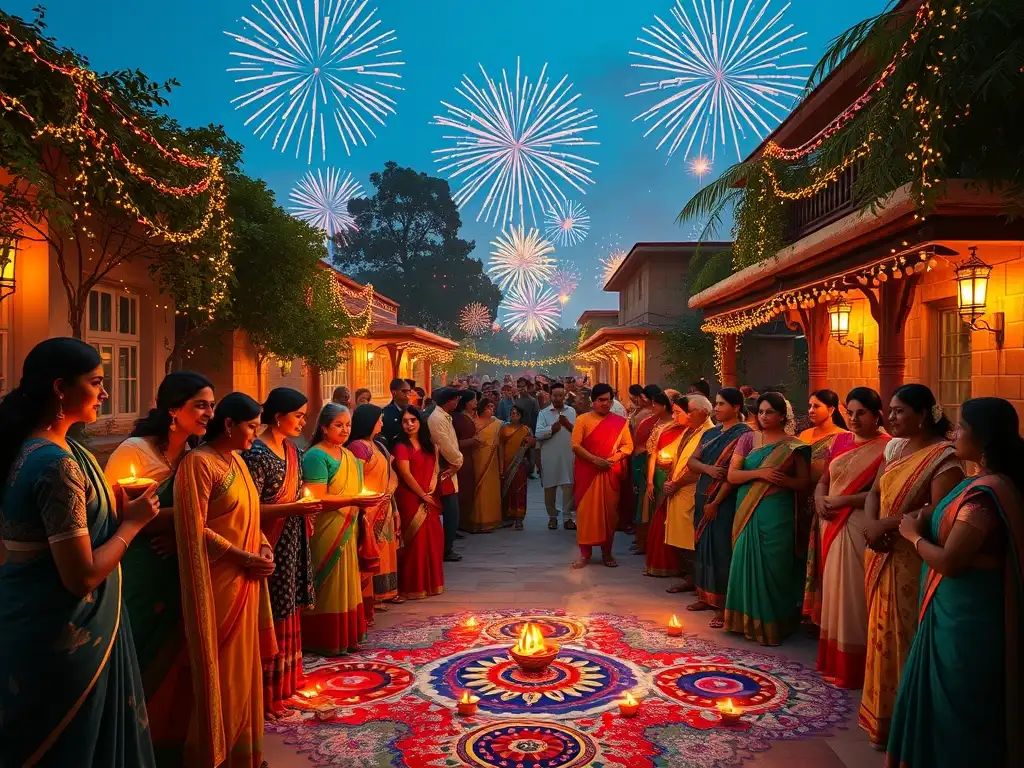
Welcome to Ancient India History, where we embark on a fascinating journey through the vibrant tapestry of India's past! In this exploration, we delve into the significance of Diwali in history, a festival that not only illuminates the lives of millions today but is also steeped in rich traditions and profound cultural meanings.
As you uncover the layers of this ancient festival of lights, prepare to be captivated by its enduring legacy and the stories that have shaped it over the centuries. Join us as we shine a light on the remarkable contributions of ancient Indian civilizations and their timeless traditions!
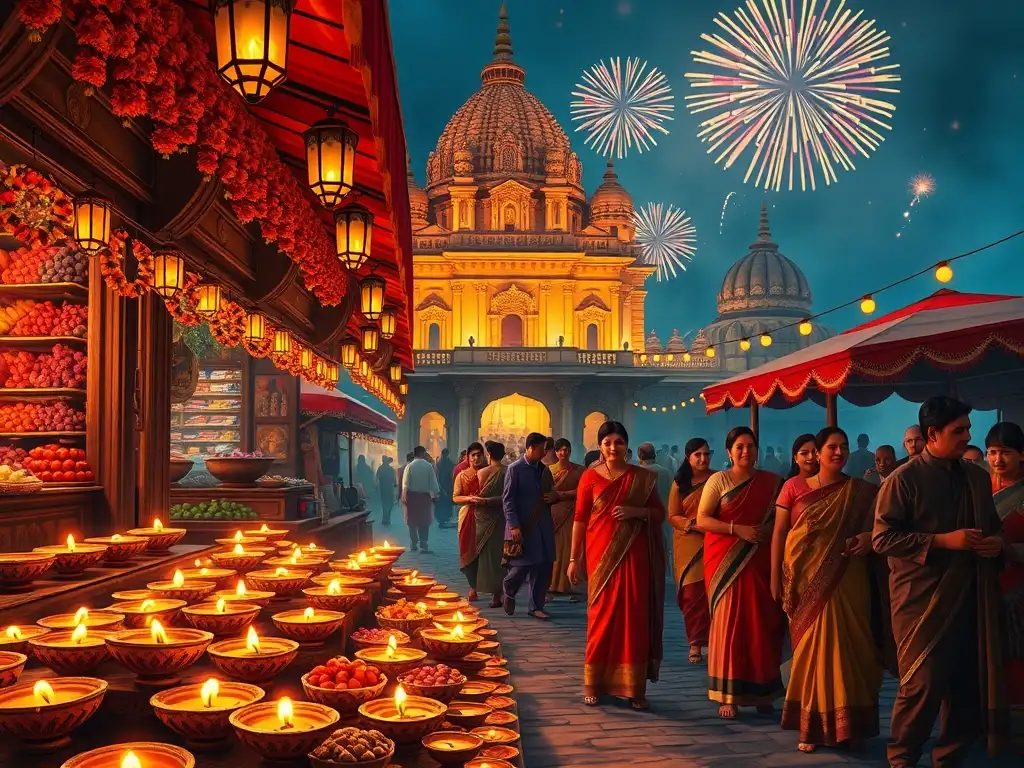
Introduction to Diwali
Diwali, also known as the Festival of Lights, is one of the most celebrated festivals in India and among Indian communities worldwide. This vibrant festival symbolizes the victory of light over darkness and good over evil, making it a time for joyous celebration and reflection.
Its rich tapestry of history, culture, and spiritual significance weaves through the fabric of ancient Indian civilization, highlighting the enduring values and traditions that have been passed down through generations. Understanding the significance of Diwali in history not only illuminates the religious and cultural dimensions of the festival but also sheds light on its role in shaping the social and moral ethos of ancient Indian societies.
Overview of Diwali as the Festival of Lights
Diwali is celebrated by millions across India and the globe, marked by an array of rituals, joyous gatherings, and the lighting of lamps and candles. This festival usually spans five days, each day dedicated to different deities and traditions, culminating in the main day of Diwali, when homes are adorned with lights, and families partake in prayers and feasts.
- Key Features of Diwali:
- Lighting of Diyas: Small oil lamps are lit to ward off darkness.
- Rangoli Designs: Colorful patterns are created at entrances to welcome guests and deities.
- Fireworks: Spectacular displays symbolize joy and celebration.
- Sweets and Gifts: Exchanging of gifts and sweets fosters community bonds.
The festival not only serves a religious purpose but also acts as a powerful reminder of the importance of community, family, and cultural heritage.
Historical Roots of Diwali in Ancient India
The origins of Diwali can be traced back to ancient Indian texts and stories, with various historical accounts suggesting that its roots lie in several different cultural practices. While the festival is often associated with the return of Lord Rama to Ayodhya after defeating the demon king Ravana, it also signifies the harvest season and the worship of various deities, such as Goddess Lakshmi.
- Historical Accounts:
- Hindu Mythology: The Ramayana describes the return of Lord Rama, which is a central narrative.
- Jainism: Diwali also marks the nirvana of Lord Mahavira, the last Tirthankara.
- Sikhism: The festival commemorates the release of Guru Hargobind Ji from imprisonment.
These stories illustrate the festival's multifaceted nature and its significance across different faiths, emphasizing its role as a unifying celebration in ancient Indian society.
The Significance of Diwali in History
Diwali's significance extends beyond mere celebration; it encapsulates the values and teachings of ancient Indian civilizations. The festival's rich symbolism and adherence to tradition provide insight into how ancient societies viewed concepts of morality, spirituality, and community cohesion.
The Cultural Importance of Diwali in Ancient Indian Civilizations
In ancient India, Diwali served as a cultural cornerstone, reinforcing social ties and promoting a sense of belonging among communities. The festival was not only an occasion for worship but also a time for communal gatherings, fostering unity and cooperation.
- Cultural Aspects:
- Community Gatherings: Families and neighbors come together to celebrate.
- Art and Craftsmanship: The creation of diyas and rangoli reflects the artistic heritage.
- Storytelling Traditions: Folklore and tales are shared, preserving history and morals.
Through these cultural practices, Diwali has contributed to the rich mosaic of Indian heritage, embodying the values of kindness, generosity, and togetherness.
Diwali’s Role in Ancient Indian Society and Traditions
Diwali's impact on ancient Indian society is profound, influencing various aspects of life including agriculture, commerce, and ethics. The festival coincides with the harvest season, marking a time of abundance and gratitude.
- Societal Roles:
- Economic Boost: Diwali encourages trade and commerce, particularly in the sale of goods and sweets.
- Moral Teachings: The emphasis on good over evil instills ethical values within the community.
- Ritual Practices: Various rituals associated with Diwali reinforce the importance of family and tradition.
The enduring significance of Diwali in history is a testament to its power as a cultural force, shaping not only individual lives but also the collective consciousness of ancient Indian civilizations. Through its rich traditions and values, Diwali continues to enlighten and inspire generations, making it a timeless celebration of light and life.
Myths and Legends Associated with Diwali
Diwali, also known as the Festival of Lights, is steeped in rich mythology and numerous legends that explain its significance and the rituals associated with it. These stories not only highlight the festival's spiritual essence but also demonstrate the cultural diversity within Indian traditions. Each myth carries a message of hope, triumph, and the eternal struggle between good and evil, which resonates deeply within the hearts of those who celebrate it.
The Mythological Origins of Diwali Celebrations
The origins of Diwali can be traced back to various ancient texts and epics, each attributing different mythological significance to the festival. One of the most popular narratives is derived from the epic Ramayana, which recounts the return of Lord Rama to Ayodhya after a 14-year exile and his victory over the demon king Ravana. The people of Ayodhya celebrated his homecoming by illuminating the city with diyas (oil lamps) and bursting fireworks, symbolizing the triumph of light over darkness.
Another significant story is linked to Goddess Lakshmi, the deity of wealth and prosperity. According to tradition, Diwali marks the day when Lakshmi emerged from the ocean during the churning of the seas (Samudra Manthan) and chose to visit her devotees' homes. Lighting lamps during Diwali is believed to invite her blessings.
Additionally, in some regions, Diwali commemorates Lord Krishna's victory over the demon Narakasura, symbolizing the destruction of evil. These various mythological roots contribute to the rich tapestry of beliefs surrounding Diwali, making it a festival celebrated in multifaceted ways.
Key Figures and Stories in Diwali Lore
The key figures in Diwali lore include several deities and heroes who embody the values celebrated during the festival.
- Lord Rama: His journey from exile to kingship is a central theme, representing righteousness and the importance of dharma (duty). His return to Ayodhya signifies hope and renewal.
- Goddess Lakshmi: Revered for her association with wealth and prosperity, she is worshipped during Diwali to seek her blessings for abundance in the coming year. Her presence during the festival highlights the importance of generosity and giving.
- Lord Krishna: As a protector and divine figure, his victory over Narakasura reinforces the idea that good ultimately prevails over evil. This story adds a layer of celebration to Diwali, showcasing the importance of courage and justice.
These figures and their associated stories serve as crucial elements in the celebrations, reminding devotees of the virtues of love, justice, and devotion.
The Evolution of Diwali Celebrations
As one of the most significant festivals in India, Diwali has seen a remarkable evolution over the centuries. Originally rooted in mythological narratives, the celebrations have transformed in practice and significance, adapting to the changing times while retaining their core essence.
Changes in Diwali Practices Through the Ages
Historically, Diwali was primarily a harvest festival celebrated by agrarian communities, marking the end of the harvest season and the beginning of the new year. Over time, as Indian society evolved, so did the festival. With the rise of urbanization and industrialization, the focus shifted from agricultural traditions to more community-based and family-centric celebrations.
Modern practices now include elaborate celebrations involving lighting homes with electric lights, hosting grand feasts, and participating in community events. While traditional rituals such as pujas (worship) and the exchange of sweets remain integral, contemporary Diwali also emphasizes environmental consciousness, with a growing movement towards eco-friendly celebrations, minimizing pollution from firecrackers, and promoting sustainable practices.
Regional Variations of Diwali Celebrations Across India
Diwali is celebrated across India, but the manner in which it is observed varies significantly from one region to another, reflecting the diverse cultural landscape of the country.
- North India: Here, the celebration prominently features the story of Lord Rama. Families clean and decorate their homes, light diyas, and engage in fireworks displays.
- South India: In contrast, the focus is on the victory of Lord Krishna over Narakasura. The day is often marked by ritualistic baths, special prayers, and festive meals.
- West India: In states like Gujarat, Diwali is celebrated with the Gujarati New Year. The festival includes traditional dances, music, and elaborate rangoli designs.
- East India: In Bengal, the festival is associated with the worship of Goddess Kali, emphasizing her power and protection.
These regional variations not only showcase the local customs and traditions but also highlight the universal themes of joy, light, and the triumph of good, ensuring that Diwali remains a cherished festival across the diverse tapestry of Indian culture.
The Symbolism of Light in Diwali
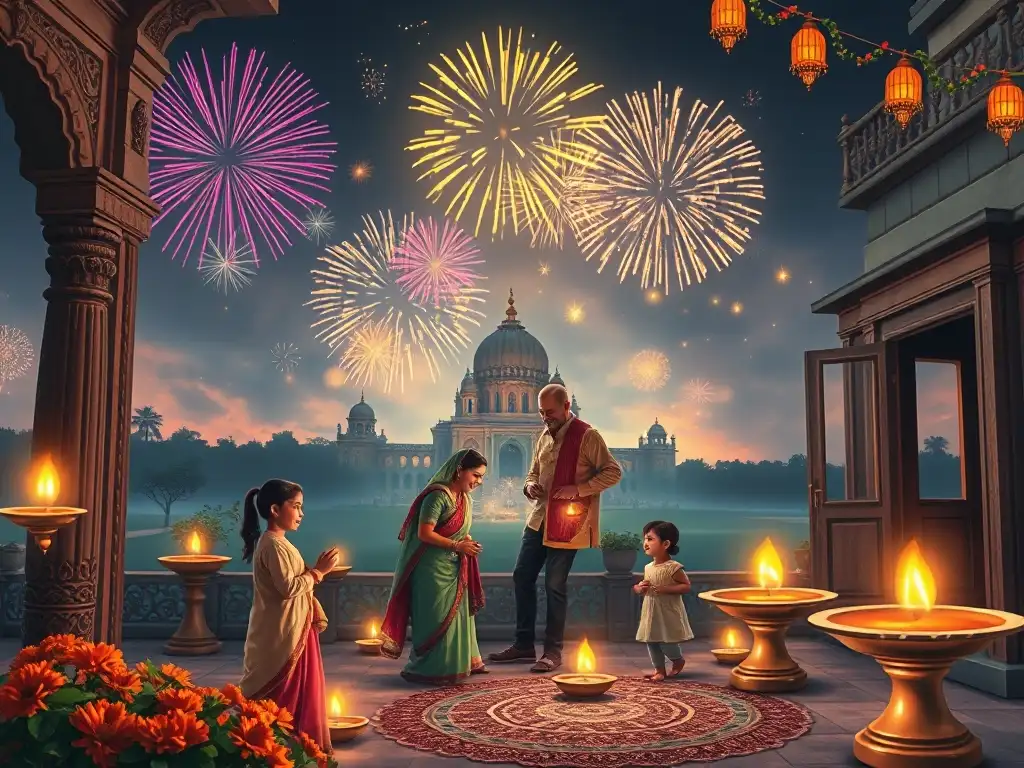
Diwali, widely known as the Festival of Lights, is deeply rooted in the symbolism of light overcoming darkness. This theme is prevalent in various ancient texts and practices, illustrating the profound significance of light in the cultural and spiritual landscape of India. Lights during Diwali signify the victory of good over evil, knowledge over ignorance, and hope over despair. During this time, homes are adorned with oil lamps (diyas), candles, and colorful lights, creating a vibrant and welcoming atmosphere that reflects joy and prosperity.
Understanding the Symbolic Meaning of Lights in Diwali
In ancient Indian traditions, light holds a multifaceted meaning. Each diya lit during Diwali represents the inner light that resides within each individual. The act of lighting these lamps symbolizes the dispelling of darkness and ignorance, making way for wisdom and understanding. This notion is echoed in various religious texts, where light is often associated with divine presence and guidance.
The practice of lighting lamps is not merely decorative; it serves as a reminder for individuals to cultivate their inner light and share it with others. It encourages a sense of community and collective celebration, where the flickering flames of the diyas create a sense of unity among families and communities. Thus, the symbolism of light in Diwali transcends mere festivity, acting as a spiritual metaphor for growth and enlightenment.
The Connection Between Light and Knowledge in Ancient Indian Philosophy
Ancient Indian philosophy profoundly associates light with knowledge and enlightenment. The Upanishads, key texts in Hindu philosophy, describe knowledge as a form of light that illuminates the mind and soul. This connection is reinforced during Diwali, where rituals often emphasize seeking knowledge and wisdom.
The festival's celebration aligns with the belief that true enlightenment comes from dispelling ignorance, akin to how light dispels darkness. As people gather to celebrate, they are reminded of the importance of education, introspection, and the pursuit of truth. This philosophical underpinning strengthens the significance of Diwali as not only a festive occasion but also a time for personal and communal reflection on the values of wisdom, learning, and spiritual growth.
Modern-Day Significance of Diwali
As we transition into contemporary society, the significance of Diwali has evolved while retaining its core values. It serves as a bridge between ancient traditions and modern cultural practices, reflecting the dynamic nature of Indian society. The festival is observed by millions around the world, showcasing its ability to adapt and resonate with diverse audiences.
How Diwali Continues to Influence Contemporary Indian Culture
In modern India, Diwali is celebrated with increased enthusiasm and creativity, blending traditional customs with contemporary trends. Festivities now include elaborate firework displays, the exchange of gifts, and the hosting of community events that foster social bonds. The festival also serves as a time for families to come together, reinforcing familial ties and cultural heritage.
Moreover, Diwali has become a symbol of economic activity, with businesses experiencing a surge in sales during the festival season. This cultural rejuvenation emphasizes the festival's role as a catalyst for social and economic vitality, connecting past traditions with modern entrepreneurial spirit.
The Global Recognition of Diwali: A Festival Beyond Borders
The impact of Diwali extends far beyond the borders of India, as it has gained recognition in various parts of the world. Countries with significant Indian diaspora communities, such as the United States, Canada, and the United Kingdom, celebrate Diwali with vibrant public events, parades, and cultural showcases.
This global acknowledgment of Diwali reflects its universal themes of hope, joy, and the triumph of good over evil. As the festival continues to be embraced by diverse cultures, it fosters intercultural dialogue and understanding, making it a truly global celebration. The enduring significance of Diwali in history not only highlights its importance in ancient traditions but also showcases its relevance in contemporary society and its capacity to unite people across different backgrounds.
Conclusion
Diwali, often referred to as the Festival of Lights, is much more than a mere celebration; it embodies the rich tapestry of ancient Indian culture and history. Its origins can be traced back to various legends and historical events, each contributing to its significance as a symbol of victory over darkness and ignorance.
The festival serves as a reminder of the values of love, compassion, and community, which have transcended generations and continue to resonate in contemporary society. The rituals and customs associated with Diwali have evolved, yet their essence remains rooted in the historical narratives that shaped ancient Indian civilization.
As we reflect on the significance of Diwali in history, it becomes evident that the festival has played an integral role in uniting people across different regions and cultures within India and beyond. The collective joy of lighting lamps and sharing sweets fosters a sense of belonging and continuity, connecting individuals to their heritage. This multifaceted festival not only marks the triumph of light over darkness but also reinforces the idea of hope and renewal, encouraging reflection on one’s life and the pursuit of inner peace.
Reflections on the Enduring Legacy of Diwali in History
The enduring legacy of Diwali is reflected in its ability to adapt and thrive through centuries. Historical texts and archaeological findings indicate that the festival has been celebrated in various forms for over two millennia. Each celebration is steeped in local customs, yet they all converge on the central themes of light, prosperity, and spiritual awakening. This adaptability is a testament to the festival's deep roots in ancient narratives, which continue to evolve while preserving their core values.
Moreover, Diwali's significance extends beyond its religious undertones; it has become a cultural phenomenon that shapes social interactions. Families come together to celebrate, share meals, and partake in rituals that reinforce familial bonds and community ties. The festival also promotes economic activity, particularly in local markets, where artisans and vendors sell festive goods, thereby sustaining traditional crafts and livelihoods. As such, Diwali stands as a vital part of India's historical and contemporary identity, echoing the resilience and creativity of its people.
The Importance of Preserving Diwali Traditions for Future Generations
Preserving the traditions of Diwali is crucial not only for maintaining cultural heritage but also for fostering a sense of identity among future generations. As globalization and modernization continue to influence contemporary lifestyles, there is a risk that the rich traditions associated with Diwali may become diluted or lost. Therefore, it is imperative to actively engage younger generations in the customs and practices of the festival.
Educational initiatives, community events, and family gatherings can play a significant role in imparting knowledge about the history and significance of Diwali. By involving children in the preparation of traditional dishes, the creation of decorative rangoli, or the storytelling of ancient myths, we can instill a sense of pride and connection to their roots.
Furthermore, the preservation of Diwali traditions contributes to the broader narrative of cultural diversity in India. It reminds us of the importance of celebrating differences while finding common ground in shared values. As we honor the significance of Diwali in history, we not only pay homage to our ancestors but also ensure that the festival continues to illuminate the lives of future generations, fostering a brighter, more inclusive world.
- Introduction to Diwali
- The Significance of Diwali in History
- Myths and Legends Associated with Diwali
- The Evolution of Diwali Celebrations
- The Symbolism of Light in Diwali
- Modern-Day Significance of Diwali
- Conclusion
- What is the historical significance of Diwali in ancient Indian civilizations?
- How did Diwali evolve throughout ancient Indian history?
- What role did the Gupta Empire play in the celebration of Diwali?
- Are there any significant texts or scriptures that mention Diwali?
- How is Diwali's significance reflected in modern Indian culture?
Frequently Asked Questions
What is the historical significance of Diwali in ancient Indian civilizations?
Diwali, known as the Festival of Lights, has deep-rooted historical significance in ancient Indian civilizations, symbolizing victory over darkness and ignorance.
How did Diwali evolve throughout ancient Indian history?
Over time, Diwali evolved from a harvest festival to a celebration of various mythological events, including the return of Lord Rama to Ayodhya, which is a key cultural aspect of the festival.
What role did the Gupta Empire play in the celebration of Diwali?
During the Gupta Empire, Diwali became more prominent, reflecting the cultural richness of the period and becoming a time for community gatherings and festivities.
Are there any significant texts or scriptures that mention Diwali?
Yes, ancient texts such as the Ramayana and various Puranas reference Diwali, highlighting its mythological roots and the significance of light as a symbol of knowledge and purity.
How is Diwali's significance reflected in modern Indian culture?
Today, Diwali retains its ancient significance as a time for celebration, family gatherings, and the spiritual practice of welcoming prosperity and joy, bridging ancient traditions with modern values.
Final Reflection: The Enduring Significance of Diwali in History
The significance of Diwali in history resonates powerfully in today's world, reminding us of the light that triumphs over darkness and the unity that can emerge from diversity. As we navigate an increasingly complex global landscape, the lessons of Diwali—celebrating victory, fostering community, and embracing hope—remain profoundly relevant. The festival serves as a beacon, illuminating the path toward understanding and compassion in our daily lives.
Celebrating Diwali is not merely about the rituals and festivities; it is a reflection of our shared humanity and the values we hold dear. The festival continues to influence cultural and social landscapes, fostering connections among people of various backgrounds. As we come together to light lamps and share joy, we are reminded of the words of Mahatma Gandhi: A 'No' uttered from the deepest conviction is better than a 'Yes' merely uttered to please, or worse, to avoid trouble.
This sentiment encapsulates the essence of Diwali, urging us to stand firm in our beliefs while embracing the diversity that enriches our lives.
As you reflect on the significance of Diwali in your own life, consider how you can embody its teachings of light, love, and resilience. Let this festival inspire you to illuminate the lives of others, to foster understanding, and to be a source of hope in your community. Embrace the spirit of Diwali not just during the festival, but throughout the year, allowing its enduring significance to guide your actions and interactions. Together, we can create a brighter future, one filled with the warmth of unity and the brilliance of shared joy.
Illuminate Your Diwali Experience Today!
Thank you for taking the time to explore the vibrant history and significance of Diwali. We hope you’ve gained a deeper understanding of this beautiful festival that celebrates light, hope, and renewal. Now it’s time to take action and enhance your own Diwali celebration!
- Start planning your personalized Diwali festivities by incorporating traditional rituals that hold special meaning for you.
- Explore local cultural events or workshops that honor Diwali—connect with your community and discover something new!
- Share this article with friends and family to inspire them to embrace the true essence of Diwali and help spread the joy of this ancient celebration.
As you prepare to celebrate, what unique traditions or personal touches will you add to your Diwali festivities this year? 🌟