
The Sufi Influence in Ancient Indian Festivals: A Cultural Fusion

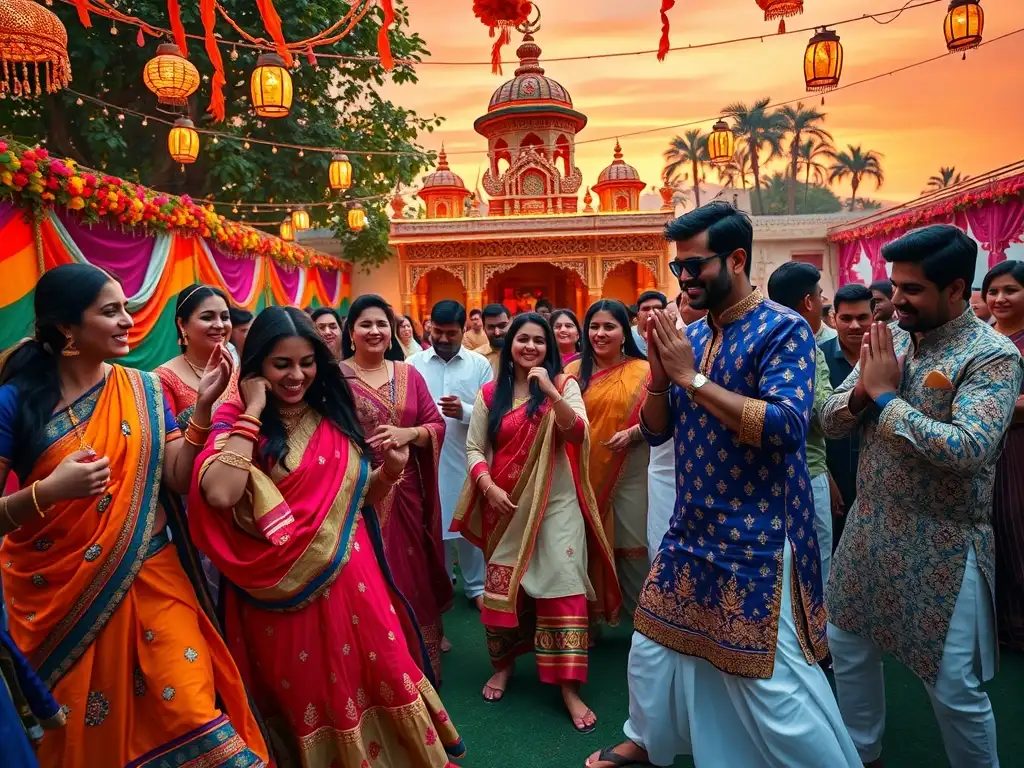
Welcome to Ancient India History, where we embark on a captivating journey through the rich tapestry of ancient Indian civilizations. From the awe-inspiring Indus Valley to the illustrious Gupta Empire, our exploration reveals the profound cultural influences that have shaped India's heritage. In our featured article, "The Sufi Influence in Ancient Indian Festivals: A Cultural Fusion," we delve into the intriguing interplay between Sufism and the vibrant festivals of India.
Discover how this spiritual movement has woven its essence into the fabric of celebrations, fostering unity and diversity. Prepare to be inspired as you uncover the layers of history that continue to resonate in today's traditions!
-
The Sufi Influence on Indian Festivals: A Cultural Fusion
- Introduction to Sufi Influence on Indian Festivals
- Sufi Influence on Major Indian Festivals
- Cultural Fusion: Blending Sufi and Hindu Traditions
- Regional Variations of Sufi Influence in Festivals
- The Legacy of Sufi Influence in Modern Indian Festivals
- Contemporary Celebrations and Their Sufi Roots
- Preservation of Sufi Influence in Indian Culture
- Conclusion: The Enduring Impact of Sufi Influence on Indian Festivals
- Reflection on Cultural Integration in Festivals
- Future Perspectives on Sufi Influence in Contemporary Celebrations
-
Frequently Asked Questions
- What is the Sufi influence on Indian festivals?
- How did Sufism contribute to the cultural landscape of India?
- Can you name some Indian festivals that reflect Sufi influence?
- What role do Sufi saints play in Indian festivals?
- How does understanding the Sufi influence enhance the appreciation of Indian culture?
- Final Reflection: Embracing the Sufi Influence on Indian Festivals
- Embrace the Spirit of Sufi Celebration!
The Sufi Influence on Indian Festivals: A Cultural Fusion
Introduction to Sufi Influence on Indian Festivals
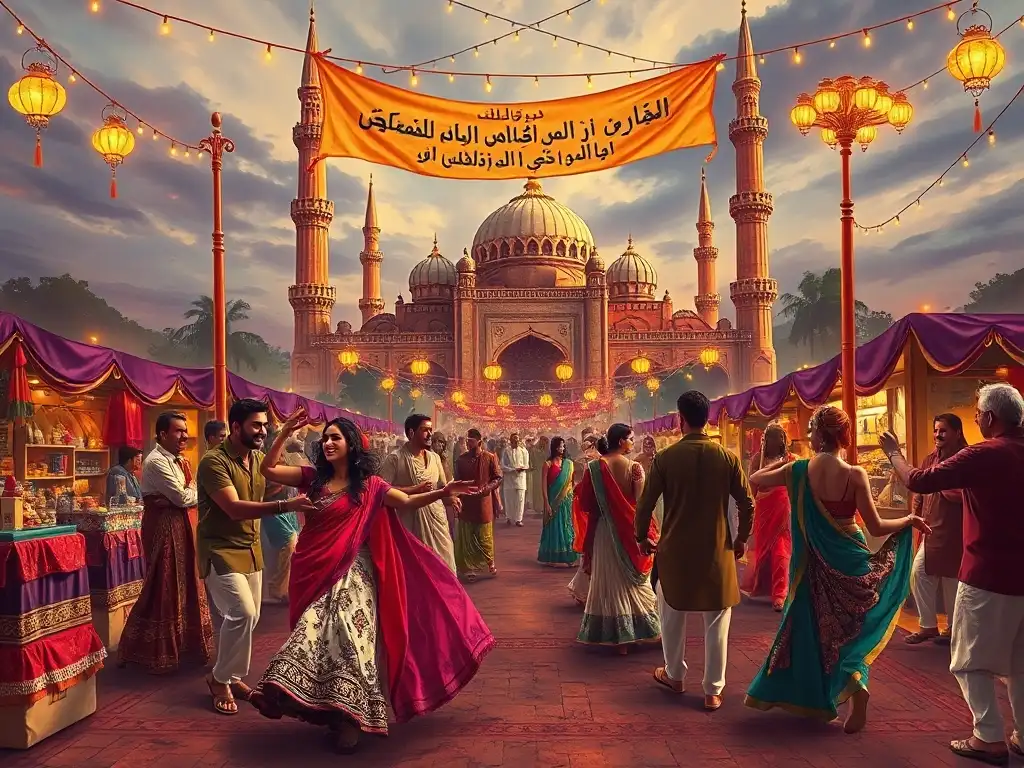
The intersection of Sufism and Indian festivals presents a fascinating tableau of cultural fusion that has enriched the spiritual and social fabric of the subcontinent. As a mystical branch of Islam, Sufism emphasizes the pursuit of divine love and knowledge, transcending mere ritualistic practices. This profound philosophy has inspired various cultural expressions, including vibrant festivals that celebrate unity, love, and community.
The Sufi influence on Indian festivals is a testament to the harmonious coexistence of diverse beliefs, showcasing how spirituality can transcend borders and foster a rich tapestry of traditions. Through this exploration, we will delve into the historical context of Sufism in India, its core beliefs, and its significant impact on major Indian festivals.
Overview of Sufism and Its Core Beliefs
Sufism, often described as the inner or mystical dimension of Islam, seeks a direct and personal connection with the divine. Here are some core beliefs that define Sufism:
- Love and Devotion: Sufis believe in cultivating a deep love for God, often expressed through poetry, music, and dance.
- Unity of Being (Wahdat al-Wujud): This principle emphasizes the oneness of all existence, suggesting that all creation is interconnected and emanates from the divine.
- Inner Purification: The path to spirituality involves self-discipline, meditation, and the remembrance of God (Dhikr).
- Universal Brotherhood: Sufism promotes the idea of universal love and acceptance, transcending religious boundaries.
These beliefs have deeply influenced various cultural practices, including Indian festivals, enhancing their significance and communal spirit.
Historical Context of Sufism in India
Sufism arrived in India around the 7th century, primarily through traders and missionaries. The syncretic nature of Indian culture allowed Sufi teachings to blend with local traditions. Key historical milestones include:
- The Arrival of Sufi Saints: Notable figures like Khwaja Moinuddin Chishti and Nizamuddin Auliya established Sufi orders (Tariqas) that attracted followers from diverse backgrounds.
- Cultural Exchange: Sufi shrines became centers of learning and cultural exchange, fostering an environment where various religious traditions could interact.
- Influence on Art and Literature: The teachings of Sufis inspired a rich literary tradition, including Urdu poetry, which often celebrates the themes of love and unity.
This historical context set the stage for the significant influence of Sufism on Indian festivals, enriching them with deeper spiritual meanings.
Sufi Influence on Major Indian Festivals
Sufism's impact on Indian festivals is evident in the ways these celebrations have evolved to embrace inclusivity and spiritual depth. Let's explore how Sufi traditions have shaped some of the major festivals in India.
The Role of Sufism in Diwali Celebrations
Diwali, known as the Festival of Lights, symbolizes the victory of light over darkness. While primarily a Hindu festival, the Sufi influence has permeated its celebrations in various ways:
- Interfaith Gatherings: In regions with mixed populations, Diwali has become a celebration of unity, where people from different faiths come together to light lamps and share sweets.
- Poetry and Music: The recitation of Sufi poetry and the performance of Qawwali music during Diwali gatherings highlight the festival's spiritual essence, fostering an atmosphere of love and togetherness.
These elements encourage a sense of shared celebration, breaking down communal barriers.
Sufi Contributions to Eid Festivities
Eid, marking the end of Ramadan, is a significant festival for Muslims. The Sufi influence enhances the celebration through:
- Community Feasts: Sufis often emphasize the importance of community and sharing, leading to large communal meals where people from all backgrounds are welcomed.
- Spiritual Reflection: Sufi practices of remembrance and gratitude are woven into Eid prayers, encouraging a deeper reflection on compassion and unity.
This fusion of Sufi ideals within Eid celebrations exemplifies the broader message of love and acceptance.
The Impact of Sufi Traditions on Holi
Holi, the vibrant festival of colors, also reflects Sufi influence, particularly in its themes of unity and joy. Key aspects include:
- Celebration of Love: Sufi teachings about love and togetherness resonate with Holi's spirit of joy, leading to celebrations that embrace all communities.
- Inclusivity in Celebrations: In many areas, Holi festivities are marked by participation from various religious groups, showcasing the Sufi ideal of universal brotherhood.
This blending of Sufi traditions with Holi underscores the potential for festivals to foster communal harmony and joy.
The Sufi influence on Indian festivals exemplifies a beautiful cultural fusion that enriches the spiritual landscape of the subcontinent. By understanding this interplay, we can appreciate the depth and diversity of India's rich festival traditions, celebrating the underlying themes of love, unity, and shared humanity.
Cultural Fusion: Blending Sufi and Hindu Traditions
The rich tapestry of Indian festivals showcases a remarkable blend of diverse cultural influences, particularly the intertwining of Sufi and Hindu traditions. This synthesis originated from the historical interactions between Sufi mystics and Hindu communities, which facilitated a unique cultural exchange. As Sufism emphasized universal love and devotion, it resonated deeply with the spiritual ethos of Hinduism, leading to the emergence of festivals that celebrate both traditions.
In many regions, festivals have become a platform for expressing this cultural fusion, where the rituals, music, and even culinary practices reflect a harmonious coexistence. The integration of Sufi concepts into Hindu festivals has not only enriched the celebratory practices but also fostered a sense of community among diverse religious groups. This blending is evident in the shared spaces of worship and communal festivities, highlighting the inclusive nature of both traditions.
The Syncretism of Sufi and Hindu Practices
The syncretism of Sufi and Hindu practices manifests in various ways, particularly during festivals. For instance, the observance of Urs (death anniversary of a Sufi saint) often coincides with Hindu festivals, where devotees from both faiths come together to pay homage. The rituals during these festivals frequently incorporate elements from both traditions, such as the lighting of lamps, singing of devotional songs, and communal meals.
Additionally, the practice of Zikr, or remembrance of God, often finds its place in festivals celebrated by Hindus, especially in regions with a strong Sufi influence. This spiritual practice, which involves chanting the names of God, aligns closely with Hindu devotional practices like bhajan and kirtan, thus blurring the lines between the two faiths. This syncretic approach not only deepens the spiritual experience of festivals but also reinforces the bonds of community and brotherhood among the participants.
Shared Themes and Values in Festivals
Both Sufi and Hindu festivals share common themes and values, such as love, devotion, and unity. These shared ideals often emerge in the narratives and practices associated with various celebrations. For example, the festival of Eid, celebrated by Muslims, resonates with the Hindu festival of Diwali in its emphasis on joy, community bonding, and sharing of food.
Moreover, the themes of peace and harmony are integral to both traditions. Sufi teachings often promote the idea of universal brotherhood, which aligns with the Hindu concept of Vasudhaiva Kutumbakam (the world is one family). During festivals, these values are celebrated through acts of charity, communal prayers, and the fostering of goodwill among people of different backgrounds. This convergence of themes enhances the overall festive spirit and encourages a collective celebration of humanity.
Influence of Sufi Poetry and Music on Festival Celebrations
Sufi poetry and music have significantly influenced the way festivals are celebrated across India. The lyrical beauty of Sufi poetry, often centered on themes of divine love and longing, has found its way into the fabric of various festivals. Poets like Bulleh Shah and Kabir have inspired countless devotional songs that are sung during festive occasions, creating a spiritual atmosphere that transcends religious boundaries.
The use of Qawwali and Sufi music during festivals adds a unique dimension to the celebrations, inviting participants to engage in spiritual ecstasy. These musical forms, characterized by their rhythmic and melodic intricacies, encourage communal participation and foster a sense of belonging. Festivities such as Mela and Urs often feature Sufi musicians, further illustrating the deep-rooted influence of Sufi art forms in enhancing the celebratory experience.
Regional Variations of Sufi Influence in Festivals
The influence of Sufism on Indian festivals is not uniform; it varies significantly across different regions of the country. Each area has adapted Sufi practices to align with local customs and traditions, resulting in a rich diversity of festival celebrations that reflect this cultural fusion.
Sufi Influences in Northern Indian Festivals
In Northern India, particularly in states like Punjab and Uttar Pradesh, the Sufi influence is prominently visible in festivals such as Baisakhi and Holi. These celebrations often incorporate Sufi elements, such as communal singing and spiritual gatherings at Sufi shrines. The blending of Bhangra with Sufi music during Baisakhi epitomizes this fusion, where the joy of harvest is celebrated alongside the spiritual teachings of Sufism.
Moreover, festivals like Jashn-e-Baharan celebrate the arrival of spring, where Sufi poetry recitations are a common feature, bridging the gap between different faiths and bringing communities together to rejoice in nature's beauty.
Sufi Presence in Southern Indian Celebrations
In Southern India, festivals such as Maha Shivaratri and Pongal exhibit Sufi influences, particularly through the incorporation of Sufi music and poetry. The dargah (Sufi shrine) culture in states like Tamil Nadu and Kerala has led to the blending of practices, where Hindu and Muslim devotees come together to celebrate.
During Maha Shivaratri, the rhythmic chants of Sufi verses can often be heard, transforming the atmosphere into one of shared spirituality. Similarly, the celebrations of Pongal include the practice of inviting Sufi musicians to perform, symbolizing the unity of different cultural expressions.
Regional Festivals Reflecting Sufi Traditions
Several regional festivals exemplify the rich Sufi traditions interwoven with local customs. For instance, Gudi Padwa in Maharashtra celebrates the New Year while incorporating Sufi elements through music and dance, promoting communal harmony. Festivals like Urs in Ajmer and Khwaja Moinuddin Chishti’s celebrations attract devotees from various backgrounds, highlighting the inclusive nature of Sufi practices.
These festivals serve as a testament to the enduring legacy of Sufi influence in Indian culture, where the celebration of diversity is embraced, and the spirit of togetherness prevails. They encapsulate the essence of Sufi philosophy, emphasizing love, peace, and the shared human experience during joyous occasions.
The Legacy of Sufi Influence in Modern Indian Festivals
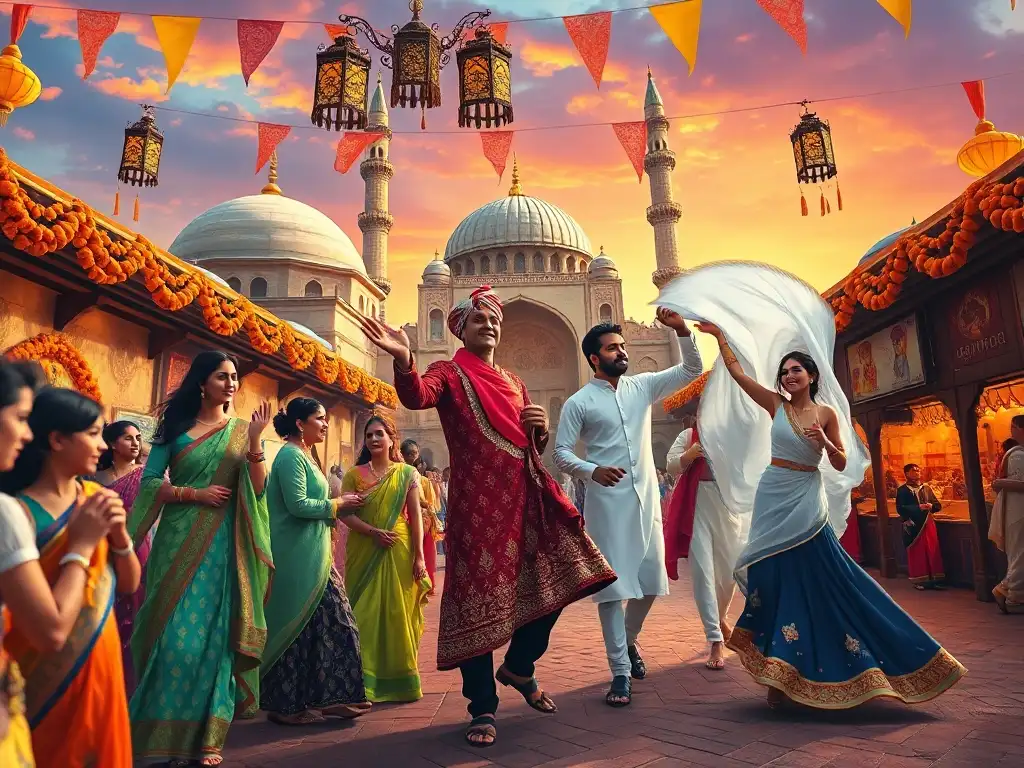
The Sufi influence on Indian festivals is a testament to the rich tapestry of cultural intermingling that characterizes India's historical journey. Over centuries, the Sufi tradition has woven its mystical themes and practices into various Indian festivals, particularly in regions where Sufi saints had significant followings. The legacy of Sufi influence is evident in the way these festivals promote values of love, peace, and communal harmony, echoing the core tenets of Sufism.
Sufi practices often emphasize the spiritual connection between humanity and the divine, which resonates in the celebratory atmosphere of festivals. This integration is not merely superficial; rather, it has deepened the experiential aspects of these celebrations, allowing participants to engage in a collective expression of spirituality and joy. Festivals like Eid, which are inherently Islamic, have absorbed local traditions, showcasing how Sufi mysticism has enriched them, making them inclusive celebrations that welcome diverse communities.
Contemporary Celebrations and Their Sufi Roots
Contemporary Indian festivals exhibit a fascinating blend of traditional and Sufi influences. For instance, the celebration of Eid al-Fitr is a prime example where Sufi traditions manifest through music, poetry, and communal gatherings. Qawwali performances, which are deeply rooted in Sufi practices, often take center stage during Eid festivities, enhancing the spiritual experience and fostering a sense of unity among attendees.
Moreover, the practice of distributing sweets and engaging in charitable acts during festivals reflects the Sufi principle of selflessness and compassion. These customs have transcended religious boundaries, inviting people from various backgrounds to participate and celebrate, thus promoting a spirit of inclusivity. Additionally, the use of traditional instruments and the recitation of Sufi poetry during these celebrations have become integral to the festive ambiance, showcasing the enduring impact of Sufi culture.
Preservation of Sufi Influence in Indian Culture
The preservation of Sufi influence in Indian culture is evident in various forms, from music and dance to literature and culinary traditions. Sufi music, particularly Qawwali, remains a vibrant part of the Indian cultural landscape, capturing the hearts of audiences across diverse communities. The lyrics, often imbued with themes of divine love and longing, resonate deeply with listeners, reinforcing the spiritual connection that Sufism emphasizes.
Furthermore, festivals like Urs, which commemorate the death anniversaries of Sufi saints, continue to attract large crowds, highlighting their significance in contemporary Indian society. These gatherings serve not only as religious observances but also as cultural celebrations, where people come together to share food, music, and stories, thereby preserving the Sufi legacy within the broader cultural narrative of India.
Conclusion: The Enduring Impact of Sufi Influence on Indian Festivals
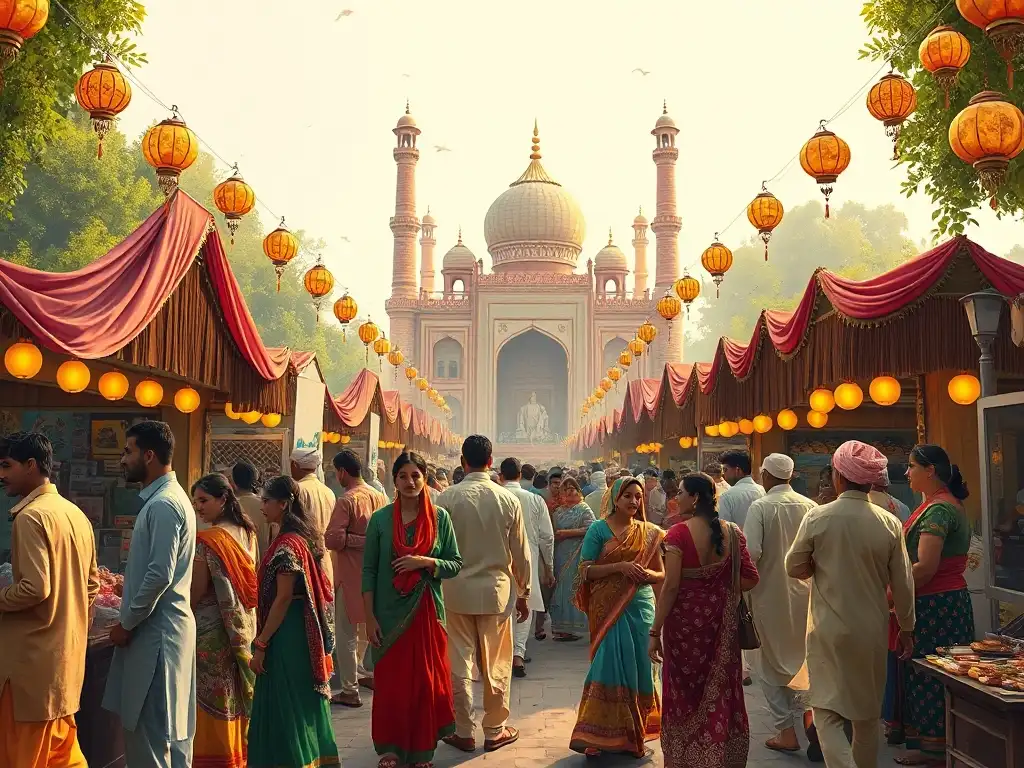
The influence of Sufism on Indian festivals is a profound reflection of the country’s cultural diversity and shared heritage. As these festivals evolve, they continue to embody the essence of Sufi teachings, promoting messages of love, peace, and unity. The blending of Sufi traditions with local customs enriches the celebratory experiences, making them more inclusive and meaningful.
Reflection on Cultural Integration in Festivals
Cultural integration in festivals is not just an amalgamation of different practices; it represents a harmony that Sufism embodies. The ability of festivals to adapt and incorporate elements from various cultural backgrounds speaks to the resilience and dynamism of Indian traditions. This integration fosters mutual respect and understanding among communities, creating a shared space for celebration that transcends religious and cultural divides.
Through this lens, Sufi influence is a catalyst for dialogue among diverse groups, allowing for a richer, more nuanced understanding of collective identity in India. As these festivals continue to evolve, they offer valuable insights into the ongoing process of cultural synthesis and the importance of preserving traditions that promote social cohesion.
Future Perspectives on Sufi Influence in Contemporary Celebrations
Looking ahead, the future of Sufi influence in contemporary celebrations appears promising. As globalization continues to shape cultural exchanges, there is an opportunity for Sufi traditions to gain further recognition and appreciation within the broader spectrum of Indian festivals.
With the rise of multiculturalism, festivals that embrace Sufi teachings can serve as platforms for dialogue and collaboration among different communities. Educational initiatives that emphasize the historical significance of Sufi influence can foster a deeper understanding of its contributions to Indian culture, encouraging younger generations to engage with these traditions.
As new forms of expression emerge in the realm of arts and festivals, Sufi influences may inspire innovative interpretations while retaining their core values of love and unity. Thus, the enduring impact of Sufi influence on Indian festivals is not only a celebration of the past but also a beacon for a harmonious future.
Frequently Asked Questions
What is the Sufi influence on Indian festivals?
The Sufi influence on Indian festivals is characterized by a fusion of spiritual practices and cultural traditions that enhance the celebratory aspects of various festivals, promoting themes of love, unity, and harmony.
How did Sufism contribute to the cultural landscape of India?
Sufism enriched the cultural landscape of India by introducing poetry, music, and dance into festivals, creating a more inclusive atmosphere that transcended religious boundaries and fostered communal harmony.
Can you name some Indian festivals that reflect Sufi influence?
Festivals like Eid, Urs, and even Navratri exhibit Sufi influence, showcasing a blend of rituals and practices that highlight the spiritual and cultural interconnections among different communities.
What role do Sufi saints play in Indian festivals?
Sufi saints play a pivotal role in Indian festivals by serving as catalysts for spiritual gatherings, inspiring devotional music, and reinforcing the values of compassion and service during celebrations.
How does understanding the Sufi influence enhance the appreciation of Indian culture?
Understanding the Sufi influence deepens appreciation for Indian culture by revealing the interwoven nature of various traditions, showcasing how spiritual beliefs and cultural practices have shaped a rich, diverse heritage.
Final Reflection: Embracing the Sufi Influence on Indian Festivals
The exploration of Sufi influence on Indian festivals reveals a profound connection between spirituality and cultural celebration that remains relevant in today's diverse society. As we navigate an increasingly globalized world, the blending of traditions and beliefs becomes a testament to our shared humanity. This cultural fusion not only enriches our festivals but also serves as a reminder of the beauty that arises when different faiths and practices come together in harmony.
The impact of Sufi traditions on Indian festivals is a testament to the ongoing dialogue between cultures, shaping our social landscape in ways that resonate deeply with our collective identity. This influence is not merely historical; it continues to inspire contemporary celebrations, fostering a spirit of inclusivity and understanding. As Rumi beautifully stated, The wound is the place where the Light enters you.
This quote encapsulates the essence of how Sufi teachings encourage us to embrace our differences and find unity in diversity, illuminating the path toward a more compassionate society.
As we reflect on the lessons derived from the Sufi influence on Indian festivals, I invite you to consider how you can incorporate these values of acceptance and celebration of diversity into your own life. Let us honor the rich tapestry of cultures that surround us by participating in and promoting inclusive practices within our communities. By embracing the spirit of Sufism, we can contribute to a future where festivals become not just occasions for joy, but also opportunities for deeper understanding and connection among all people.
Embrace the Spirit of Sufi Celebration!
Thank you for exploring the rich tapestry of Sufi influence in ancient Indian festivals with us. Your interest highlights the beauty of cultural fusion and the deep connections that bridge communities. Now, let’s take that inspiration further and actively engage with this vibrant heritage!
Here are a few ways you can celebrate and deepen your connection to Sufi traditions and Indian festivals:
- Dive into a Local Festival: Attend a nearby festival that showcases Sufi artistry or music. Experience the joy and unity these celebrations bring to the community!
- Share Your Experience: Post your thoughts or photos from a festival on social media to spark conversations about these rich traditions. Let’s create a dialogue about the impact of cultural heritage!
- Explore More: Research and read about renowned Sufi poets and spiritual leaders. Discover how their teachings can enrich your life today.
What festival or tradition do you feel embodies the spirit of cultural fusion, and how can we celebrate it together? Your thoughts could inspire others!