
The Language and Scripts of Ancient Western India: A Linguistic Journey

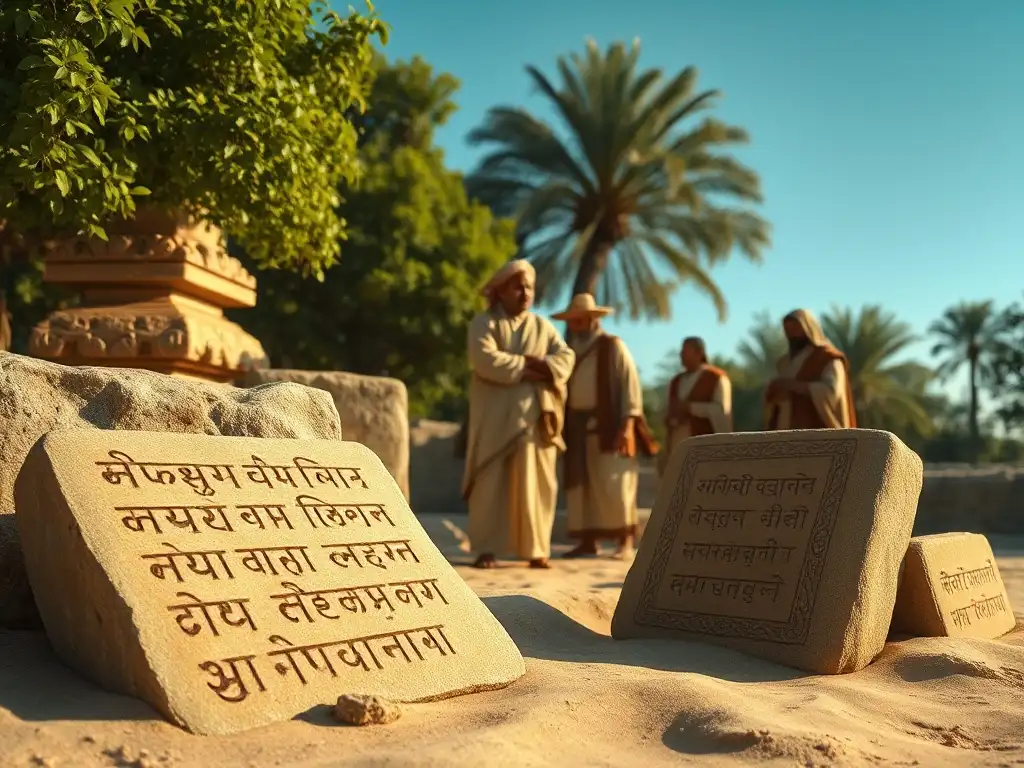
Welcome to Ancient India History, where we embark on an extraordinary journey through time to uncover the rich tapestry of India's past. Dive into our featured article, "The Language and Scripts of Ancient Western India: A Linguistic Journey," and discover the fascinating scripts that shaped the region's cultural heritage. As we explore the intricate connections between language and civilization, you'll find yourself captivated by the stories waiting to be uncovered.
Join us as we unravel the mysteries of ancient Western India scripts and their pivotal role in understanding the vibrant history of this remarkable land. Your adventure into the depths of ancient knowledge begins here!

Introduction to Ancient Western India Scripts
The scripts and languages of ancient Western India offer a fascinating glimpse into the complex tapestry of cultural and linguistic evolution that shaped the region's history. As one of the prominent areas of ancient Indian civilization, Western India was a melting pot of diverse peoples and cultures, each contributing to the linguistic heritage we study today.
This article embarks on a linguistic journey through ancient Western India, exploring various scripts that emerged from its rich civilizations, such as the Indus Valley Civilization, the Maurya Empire, and the Gupta Empire. By examining these scripts, we can gain insights into the social, economic, and cultural dynamics that defined this vibrant historical landscape.
Overview of the Linguistic Landscape in Ancient Western India
The linguistic landscape of ancient Western India was characterized by a variety of languages and scripts, reflecting the region's diverse cultural influences. Major languages included Sanskrit, Prakrit, and regional dialects that evolved over time. The use of scripts, such as Brahmi and Kharosthi, played a crucial role in documenting these languages, enabling the transmission of knowledge and cultural practices.
- Sanskrit: Often considered the classical language of ancient India, Sanskrit was used in religious texts and philosophical discourses.
- Prakrit: This vernacular language was widely spoken and used in literature, making it accessible to the common people.
- Regional Dialects: Numerous local dialects contributed to the richness of communication across different communities.
Additionally, the interplay between these languages facilitated a unique linguistic environment, where scripts not only served as tools for communication but also as a means of cultural expression.
Importance of Studying Scripts in Historical Context
Studying the scripts of ancient Western India is vital for several reasons:
- Cultural Insights: Scripts provide a window into the beliefs, values, and daily life of ancient civilizations.
- Linguistic Evolution: Understanding how scripts evolved helps linguists trace the development of languages over time.
- Historical Documentation: Scripts are essential for recording historical events, administrative practices, and literary works, offering valuable data for historians.
By analyzing these scripts, we can reconstruct historical narratives, understand societal changes, and appreciate the intellectual achievements of ancient Western India.
Historical Background of Languages in Western India
Major Civilizations Influencing Language Development
The linguistic heritage of Western India was primarily shaped by several key civilizations:
- Indus Valley Civilization: One of the earliest urban cultures, it featured symbols that may represent an early form of writing, hinting at a complex system of communication.
- Maurya Empire: Under the reign of Ashoka, the use of Brahmi script for edicts marked a significant advancement in language development.
- Gupta Empire: This period is often termed the "Golden Age" of India, where Sanskrit flourished in literature, science, and philosophy.
These civilizations not only influenced the languages spoken but also the scripts used, leading to a rich and diverse linguistic heritage.
The Role of Trade and Cultural Exchange in Linguistic Evolution
Trade routes connecting Western India with other regions facilitated not only commerce but also cultural exchange. This interaction led to the adoption and adaptation of various linguistic elements, enriching the scripts and languages in the region.
- Trade Networks: The bustling trade with regions such as Persia and the Mediterranean introduced new vocabulary and scripts.
- Cultural Exchange: The mingling of diverse cultures fostered a unique linguistic environment where languages and scripts influenced one another.
As a result, the scripts of ancient Western India evolved, reflecting the dynamic interplay of local and foreign influences, and leaving a lasting legacy that continues to be studied today.
The Scripts of Ancient Western India
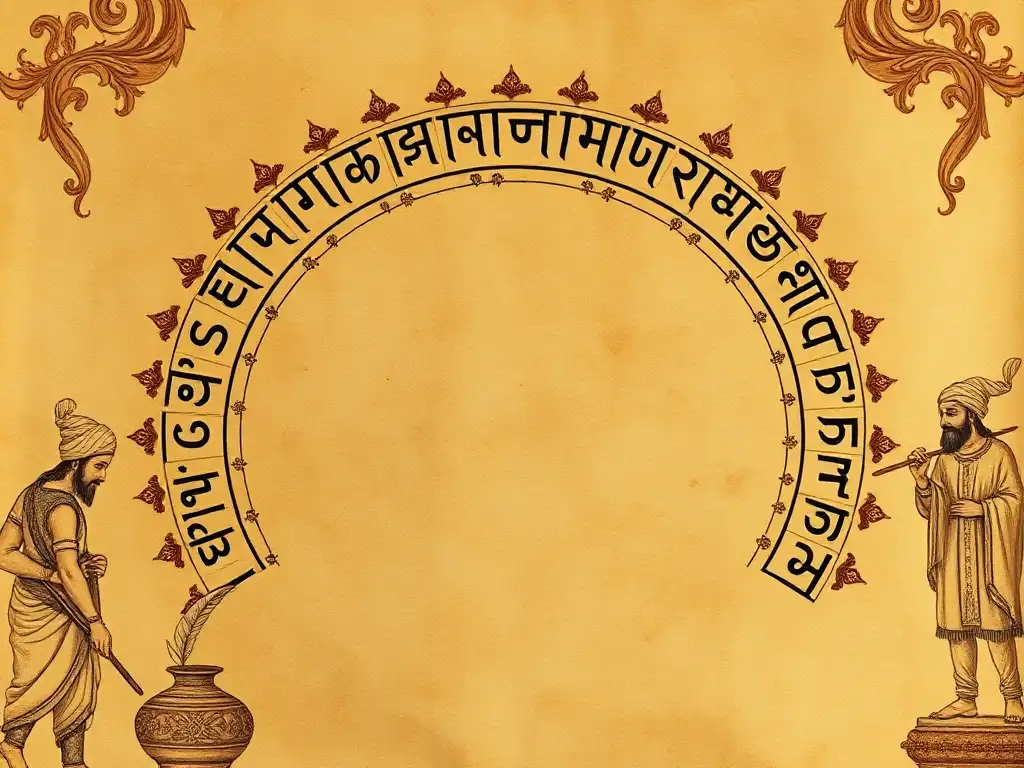
The ancient Western India scripts represent a fascinating aspect of the region's historical and cultural evolution. Spanning several millennia, these scripts were employed for a variety of purposes, from administrative documentation to religious texts. The scripts not only reflect the linguistic diversity of the area but also provide insights into the socio-political dynamics of ancient Indian civilizations.
The most notable scripts that emerged from this region include Brahmi, Kharosthi, and various regional variants. The Brahmi script, in particular, is considered the progenitor of many Indian scripts, influencing the development of scripts across the subcontinent. It was characterized by its syllabic nature, allowing for a wide range of phonetic expression. Kharosthi, used primarily in the northwestern regions, served as the script for writing Gandhari and was crucial in disseminating Buddhist texts.
The evolution of these scripts was not linear; rather, it was marked by regional adaptations and innovations. For instance, inscriptions found in the caves of Western India reveal usage variations, showcasing a blend of indigenous styles and external influences, particularly from trade and cultural exchanges with neighboring regions.
Overview of Prominent Ancient Scripts
- Brahmi Script
- Origin: Believed to have originated around the 3rd century BCE during the Mauryan Empire.
- Characteristics: A syllabic script that consists of consonants and diacritic marks for vowels. It is written from left to right.
- Influence: Considered the ancestor of many modern Indian scripts, including Devanagari, Bengali, and Tamil.
- Kharosthi Script
- Origin: Emerged around the same time as Brahmi but was primarily used in the Gandhara region.
- Characteristics: Also syllabic, but written from right to left, making it unique among Indian scripts.
- Usage: Predominantly used for Buddhist texts and inscriptions.
- Other Regional Variants
- Gupta Script: Developed from Brahmi, used during the Gupta Empire, showcasing a more cursive style that led to many regional scripts.
- Sharada Script: Used in Kashmir and northern India, it evolved from Brahmi and was prominent in the medieval period.
These scripts not only facilitated communication but also played a vital role in the preservation of literary and religious texts, thereby influencing subsequent generations.
The Languages Associated with Ancient Western India Scripts
The languages associated with ancient Western India scripts reflect the region's linguistic diversity and cultural richness. These languages were not only instrumental in daily communication but also played significant roles in administration, trade, and religion.
The primary languages include Sanskrit, Prakrit, and Gandhari, each of which corresponds to specific scripts and geographical regions. Sanskrit, the classical language of India, was often inscribed in Brahmi and later in Gupta script for religious, philosophical, and literary purposes. Prakrit languages, which evolved from Sanskrit, were used in various forms across different regions, including Western India.
Gandhari, a Middle Indic language, was significant in the context of Buddhism and was predominantly written in Kharosthi. This language is essential for understanding the spread of Buddhist teachings and the interactions between various cultures in ancient Western India.
Key Languages and Their Scripts
| Language | Associated Script | Characteristics |
|---|---|---|
| Sanskrit | Brahmi, Gupta | Classical language; used in religious texts, philosophy, and literature. |
| Prakrit | Brahmi | A group of Middle Indic languages; used in everyday communication and local literature. |
| Gandhari | Kharosthi | A Middle Indic language; primarily associated with Buddhist texts and inscriptions. |
The interplay between these languages and their corresponding scripts highlights the intricate tapestry of communication and cultural exchange in ancient Western India. Understanding this relationship enriches our knowledge of the region's history and its contributions to the broader context of Indian civilization.
Archaeological Discoveries of Ancient Scripts
The exploration of ancient Western India has unveiled a treasure trove of scripts that reflect the region's rich cultural and linguistic heritage. Archaeological excavations have uncovered inscriptions, seals, and pottery adorned with various forms of writing, providing invaluable insights into the languages spoken and the administrative practices of ancient civilizations.
One of the most significant discoveries is the Indus Valley Civilization's script, found in sites like Harappa and Mohenjo-Daro. This writing system, often referred to as the Indus script, remains undeciphered, leaving many questions about the social and economic structures of this advanced urban society. The existence of seals bearing these inscriptions indicates a sophisticated trade network and possibly a form of governance.
In addition to the Indus script, the Brahmi script emerged during the Mauryan period, marking a pivotal development in the history of writing in India. The Brahmi inscriptions found at sites like Junagadh and the Girnar hills highlight the administrative and religious functions of written language during this time. These findings not only illustrate the evolution of script but also provide evidence of the region's connections with broader historical narratives, including the spread of Buddhism and the role of kings in promoting literacy.
Key Sites in Western India with Script Findings
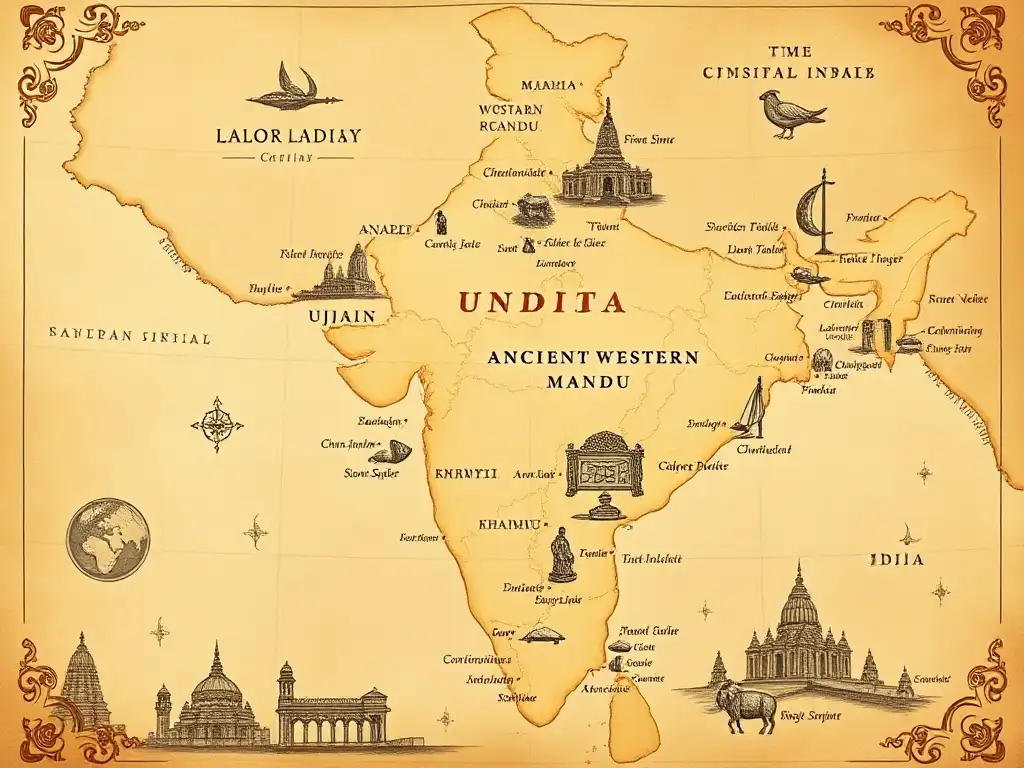
Several key archaeological sites in Western India have yielded important discoveries related to ancient scripts. These sites serve as critical windows into the linguistic practices of the time:
- Lothal: This ancient port city of the Indus Valley Civilization has produced numerous seals inscribed with the Indus script. The presence of these artifacts suggests that Lothal was a significant center for trade and communication.
- Junagadh: Known for its rock edicts of Emperor Ashoka, Junagadh provides a fascinating glimpse into the use of Brahmi script. The inscriptions here are among the earliest examples of written language in Western India, highlighting the spread of Buddhism and royal decrees.
- Uparkot Fort: Located in Junagadh, this site features inscriptions in both Brahmi and Sanskrit, indicating the transition of script usage over the centuries. The inscriptions reflect the diverse linguistic landscape of the region during the medieval period.
- Girnar Hills: The inscriptions found here, attributed to various rulers, illustrate the evolution of writing styles and the importance of these scripts in documenting history and culture.
These sites not only demonstrate the diversity of scripts utilized in ancient Western India but also emphasize the region's pivotal role in the broader history of Indian linguistics.
The Evolution of Scripts and Their Usage Over Time
The evolution of scripts in ancient Western India is a fascinating journey that showcases the interplay between language, culture, and governance. From the enigmatic Indus script to the more recognizable Brahmi and its derivatives, each script reflects a unique aspect of the society that created it.
The transition from the Indus script, characterized by its pictographic symbols, to Brahmi, which introduced phonetic elements, represents a significant leap in linguistic development. Brahmi's flexibility and adaptability allowed it to serve multiple languages, including Sanskrit and Prakrit, thus facilitating communication across various regions and cultures.
Over time, Brahmi evolved into numerous regional scripts, such as Gupta, Devanagari, and others, each adapting to local linguistic needs. This evolution was crucial for the dissemination of religious texts, administrative records, and literary works, which played a vital role in the cultural and intellectual life of ancient India.
Transition from Ancient to Medieval Scripts
The transition from ancient to medieval scripts in Western India marks a significant transformation in the region's linguistic landscape. As the Brahmi script matured, it gave rise to several derivative scripts that were used extensively during the medieval period.
The Gupta script, which emerged around the 4th century CE, is one of the most notable descendants of Brahmi. It was characterized by its rounded shapes and became the basis for many regional scripts that followed. The Gupta period is often regarded as a golden age of culture and literature in India, and the proliferation of written texts during this time reflects the growing importance of literacy.
By the medieval era, scripts such as Devanagari and regional varieties like Gujarati and Marathi began to take shape. These scripts not only facilitated the recording of administrative and literary works but also supported the growth of regional identities and languages. The influence of Persian and Arabic scripts during the later medieval period further enriched the linguistic tapestry of Western India, leading to a diverse and vibrant cultural milieu.
The journey from ancient scripts to their medieval counterparts illustrates the dynamic evolution of language in Western India, showcasing how scripts served as vital tools for communication, governance, and cultural expression across centuries.
The Impact of Ancient Western India Scripts on Modern Languages
The ancient scripts of Western India have left an indelible mark on the linguistic landscape of modern languages across the region and beyond. These scripts, including Brahmi and Kharosthi, served not only as tools for communication but also as vessels of culture, philosophy, and knowledge. As trade routes flourished and empires expanded, the influence of these scripts permeated various dialects and languages, shaping their evolution.
The adoption of these scripts by various communities facilitated the spread of literature, religious texts, and administrative documents, which in turn contributed to the linguistic diversity we witness today. The Brahmi script, for instance, is considered the progenitor of several modern scripts used in India, such as Devanagari, Gujarati, and Bengali. This historical continuity underscores how ancient Western India scripts have been instrumental in the development of contemporary linguistic identities.
Linguistic Legacies of Ancient Scripts in Contemporary Languages
The legacy of ancient Western Indian scripts is evident in the phonetics, vocabulary, and grammatical structures of several modern languages. For instance, many words in languages like Hindi, Marathi, and Gujarati have roots that can be traced back to the lexicon used in ancient texts written in Brahmi.
Moreover, the writing systems derived from Brahmi have influenced the way languages are written and read today. The adaptation of sounds and symbols from these ancient scripts has enriched the phonological systems of modern languages. Scholars and linguists continue to study these influences, revealing a complex web of connections that highlight the importance of ancient scripts in shaping linguistic heritage.
Preservation of Ancient Scripts in Modern India
In contemporary India, efforts to preserve and promote the understanding of ancient scripts are gaining momentum. Educational institutions, cultural organizations, and government initiatives are increasingly recognizing the significance of these scripts in the broader narrative of Indian history.
Programs aimed at teaching ancient languages and scripts, such as Sanskrit and Pali, are being integrated into school curricula and university courses. Additionally, workshops and seminars focused on ancient Western Indian scripts are being conducted to raise awareness and appreciation of their historical significance. Digital archiving projects are also underway, aiming to preserve ancient manuscripts and make them accessible to scholars and the public alike.
Conclusion: The Significance of Ancient Western India Scripts
The scripts of ancient Western India are not merely relics of the past; they are vital components of the region's cultural and linguistic heritage. Understanding these scripts provides insight into the social, political, and economic dynamics of ancient civilizations. Their study allows us to appreciate the rich tapestry of interactions that shaped the identities of communities throughout history.
Reflection on the Linguistic Journey of Western India
Reflecting on the linguistic journey of Western India reveals a narrative marked by continuity and change. The evolution of language, influenced by ancient scripts, showcases the resilience of cultural identity amidst the tides of time. This journey is a testament to the adaptability of language as it incorporates new influences while retaining elements of its historical roots.
The exploration of ancient Western India scripts invites us to delve deeper into the stories they tell about human experience, communication, and connection. It underscores the importance of preserving these languages for future generations, ensuring that the voices of the past continue to resonate in the present.
Future Research Directions in Ancient Indian Linguistics
Looking ahead, there are numerous avenues for future research in the field of ancient Indian linguistics. Scholars are encouraged to explore the interrelationships between ancient scripts and the development of regional dialects, as well as the impact of trade and migration on linguistic exchanges.
Additionally, interdisciplinary approaches that combine linguistics, archaeology, and cultural studies can yield deeper insights into how ancient scripts functioned within their socio-political contexts. Research focusing on lesser-known scripts and languages can also illuminate the diverse linguistic landscape of ancient Western India, contributing to a more comprehensive understanding of the region's history.
The ancient scripts of Western India are not just historical artifacts; they represent a continuous linguistic journey that shapes contemporary languages and cultural identities. Further exploration in this domain holds the promise of uncovering even more about the rich linguistic heritage of ancient India.
References
The study of ancient Western India scripts and languages is a multifaceted field that draws on numerous sources for a comprehensive understanding of the region's linguistic heritage. Below is a curated list of references that provide valuable insights into the scripts, languages, and cultural context of ancient Western India.
Suggested Reading on Ancient Western India Scripts
- "The Indus Script: Texts, Concordance, and Translations" by Iravatham Mahadevan
- This book presents an extensive overview of the Indus script, including translations and interpretations that shed light on the language used by one of the earliest civilizations in Western India.
- "Ancient Indian Epigraphy" by D.C. Sircar
- Sircar's work provides a detailed analysis of inscriptions found in ancient India, focusing on the scripts used during various periods and their implications for understanding historical narratives.
- "The Scripts of Ancient India: A Historical Overview" by R. B. Sharma
- This book explores the development and evolution of scripts in ancient India, with a particular emphasis on those used in Western India.
- "Language and Power: Exploring Political Language in Ancient India" by R. S. Sharma
- This text delves into the relationship between language and power dynamics in ancient Indian societies, highlighting how scripts were used as tools of governance and communication.
- "Brahmi and Kharosthi: The Scripts of Ancient India" by A. K. Majumdar
- A comprehensive guide to two of the most significant scripts in ancient India, this book discusses their origins, usage, and impact on subsequent linguistic developments.
Academic Journals and Articles for Further Study
- "Journal of South Asian Studies"
- This journal publishes research articles that often cover topics related to the languages, scripts, and cultures of ancient South Asia, including Western India.
- "Indian Historical Review"
- A well-respected journal that features scholarly articles on various aspects of Indian history, including linguistic studies and the analysis of ancient scripts.
- "Language and Linguistics in South Asia"
- This academic journal focuses on the linguistic diversity of South Asia, providing articles that address the historical and contemporary significance of languages and scripts in the region.
- "Epigraphy and Inscriptions in Ancient India" (Article by M. R. Srinivasan)
- This article discusses the importance of inscriptions in understanding the languages and scripts of ancient India, particularly in the context of Western India.
- "The Brahmi Script: Origins and Evolution" (Article by N. K. Dutta)
- An insightful examination of the Brahmi script, this article investigates its origins, adaptations, and influence on later scripts across the Indian subcontinent.
These resources will provide a solid foundation for anyone interested in exploring the intricate linguistic history of ancient Western India, contributing to a deeper understanding of its scripts and their significance in the broader context of Indian civilization.
- Introduction to Ancient Western India Scripts
- Overview of the Linguistic Landscape in Ancient Western India
- Importance of Studying Scripts in Historical Context
- Historical Background of Languages in Western India
- The Scripts of Ancient Western India
- Overview of Prominent Ancient Scripts
- The Languages Associated with Ancient Western India Scripts
- Archaeological Discoveries of Ancient Scripts
- Key Sites in Western India with Script Findings
- The Evolution of Scripts and Their Usage Over Time
- Transition from Ancient to Medieval Scripts
- The Impact of Ancient Western India Scripts on Modern Languages
- Conclusion: The Significance of Ancient Western India Scripts
- References
- What are the main ancient Western India scripts discussed in the article?
- How did ancient Western India scripts contribute to literature?
- What regions are covered under the term ancient Western India?
- How did the Brahmi script evolve over time?
- What is the significance of studying ancient Western India scripts today?
Frequently Asked Questions
What are the main ancient Western India scripts discussed in the article?
The article focuses on Brahmi and Kharosthi, which are seminal scripts that significantly influenced the development of writing in ancient Western India.
How did ancient Western India scripts contribute to literature?
These scripts enabled the documentation of literature, religious texts, and administrative records, thus preserving the cultural heritage of ancient civilizations.
What regions are covered under the term ancient Western India?
The term refers to areas like Gujarat, Maharashtra, and parts of Rajasthan, which were cradles of early civilizations and linguistic diversity.
How did the Brahmi script evolve over time?
The Brahmi script underwent several transformations, leading to the creation of various regional scripts that adapted to local languages, showcasing its linguistic adaptability.
What is the significance of studying ancient Western India scripts today?
Understanding these scripts provides insights into the cultural exchanges, trade, and intellectual advancements of ancient societies, enriching our knowledge of historical linguistics.
Final Reflection: The Enduring Legacy of Ancient Western India Scripts
The exploration of ancient Western India scripts is not just a journey into the past; it is a vital connection to our cultural heritage that resonates profoundly today. As we navigate a world increasingly defined by digital communication, the intricate scripts and languages of ancient Western India remind us of the rich tapestry of human expression and the importance of preserving our linguistic diversity. The stories etched in these scripts are not merely historical artifacts; they are the foundation of our identity and a testament to the intellectual achievements of our ancestors.
The influence of these ancient scripts continues to shape our cultural and social landscape, fostering a sense of pride and continuity among communities. The revival and study of these languages encourage a deeper understanding of our history and the interconnectedness of civilizations. Language is the road map of a culture. It tells you where its people come from and where they are going.
This quote encapsulates the essence of how ancient Western India scripts serve as a bridge between the past and the present, enriching our understanding of who we are today.
As we reflect on the significance of ancient Western India scripts, I invite you to consider how you can engage with this legacy in your own life. Take a moment to explore the languages and scripts that have shaped your culture, and recognize the stories they tell. Whether through learning, teaching, or simply appreciating the beauty of these ancient forms of communication, each of us has the power to contribute to the preservation and celebration of our linguistic heritage. Let us honor the past while inspiring future generations to continue this journey of discovery.
Embark on Your Linguistic Adventure!
Thank you for taking the time to explore the rich tapestry of languages and scripts that flourished in ancient Western India. Your journey through the intricate connections between culture and communication has hopefully ignited your curiosity about this fascinating period.
Now, it's time to take your newfound knowledge to the next level! Here are some exciting actions you can take:
- Dive deeper into the subject: Choose one ancient script you found particularly interesting and research its influence on modern languages. Consider how these connections shape today’s linguistic landscape.
- Share your insights: Discuss your favorite discovery from this exploration with friends or fellow history enthusiasts, sparking intrigue and conversation about our ancient heritage.
- Join a community: Connect with online forums or social media groups that focus on ancient histories and linguistics. Engage in discussions, share your thoughts, and learn from others!
As you reflect on your journey through the languages of ancient Western India, what aspect of this incredible linguistic heritage do you find most intriguing? Let’s start the conversation!