
Architectural Marvels of Western India: Temples, Forts, and Palaces

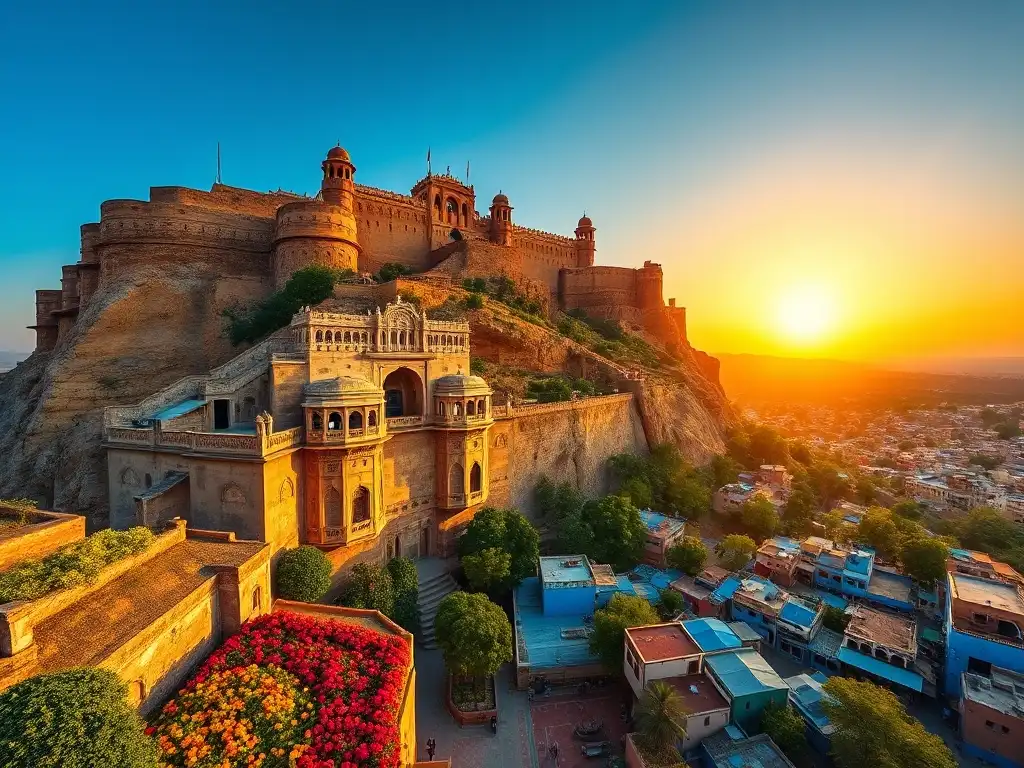
Welcome to Ancient India History, where we embark on an enthralling journey through the rich tapestry of India’s past. In this exploration, we invite you to uncover the Architectural Wonders of Western India, a testament to the ingenuity and artistry of ancient civilizations. From the intricate carvings of majestic temples to the imposing structures of forts and the opulent charm of palaces, these architectural marvels whisper stories of a bygone era.
Join us as we delve deeper into the regional histories that shaped not only Western India but the very essence of Indian heritage. Curiosity awaits—let’s unlock the secrets of these magnificent structures together!
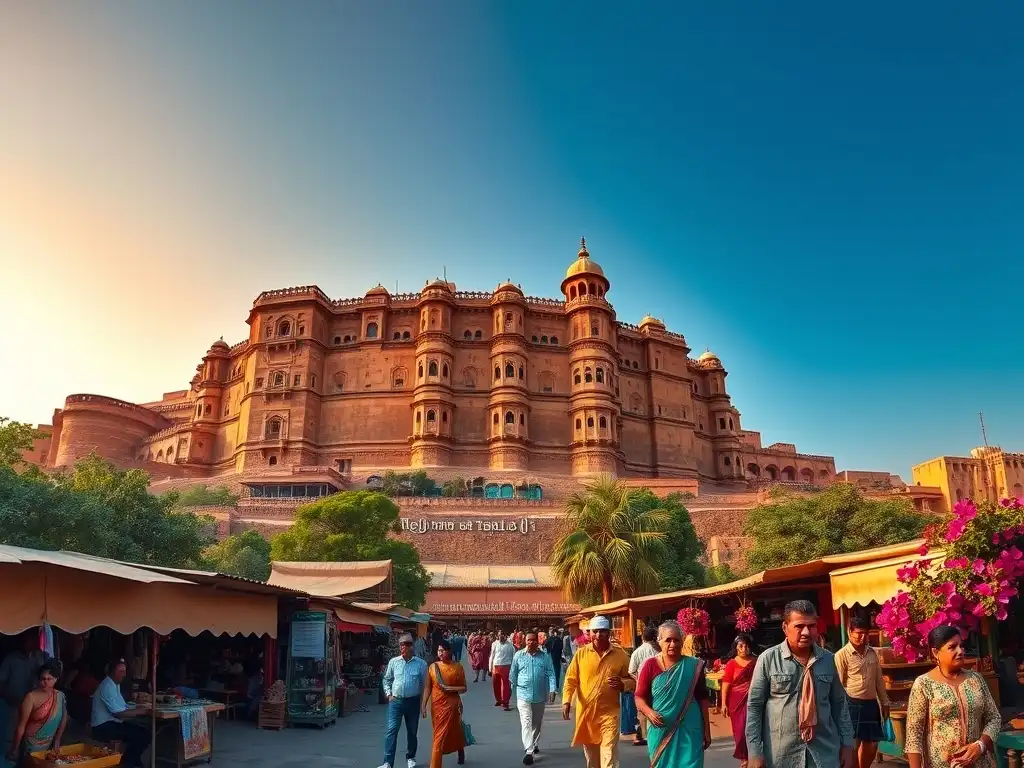
Introduction to Architectural Wonders of Western India
Western India is a region steeped in a rich tapestry of history, culture, and architectural brilliance. From the ancient Indus Valley civilization to the grandeur of the Gupta Empire, this area has played a pivotal role in shaping India's historical narrative.
The architectural wonders of Western India, particularly its temples, forts, and palaces, not only reflect the artistic ingenuity of their creators but also serve as testimony to the socio-political and religious dynamics of the time. In this article, we will delve into the intricate designs and historical contexts of these structures, exploring how they continue to inspire awe and admiration in contemporary society.
Overview of Western India's Historical Significance
Western India has been a melting pot of diverse cultures and traditions. The region's history is marked by the rise and fall of empires, each leaving an indelible mark on its landscape. The Indus Valley Civilization, known for its advanced urban planning and architecture, laid the foundation for future developments. As subsequent dynasties such as the Mauryas, Guptas, and Rajputs flourished, they contributed to a legacy of monumental architecture that speaks volumes about their beliefs, values, and social structures.
- Key Historical Events:
- Emergence of the Indus Valley Civilization (circa 2500 BCE)
- Rise of the Mauryan Empire (circa 322-185 BCE)
- The Golden Age under the Gupta Empire (circa 320-550 CE)
- The influence of Rajput kingdoms (circa 6th century onwards)
Importance of Temples, Forts, and Palaces in Ancient Indian Civilization
The architectural wonders of Western India—temples, forts, and palaces—are not merely structures; they are embodiments of the region's spiritual, military, and artistic aspirations. Temples served as centers of worship and community life, reflecting the intricate belief systems of their time. Meanwhile, forts symbolized power and protection, showcasing advanced engineering and strategic foresight. Palaces, on the other hand, offered insight into the lifestyle and governance of the ruling elite.
- Cultural Significance:
- Temples as centers of spirituality and community
- Forts as symbols of military strength and strategy
- Palaces reflecting the grandeur of royal life
Temples of Western India
Western India is renowned for its magnificent temples, which showcase a variety of architectural styles and intricate craftsmanship. These sacred spaces not only serve as places of worship but also as repositories of art and culture, reflecting the region's diverse religious practices and beliefs.
Architectural Styles of Temples
The architectural styles of temples in Western India exhibit a fascinating blend of indigenous traditions and influences from other cultures. Key styles include:
- Nagara Style: Characterized by tall, curvilinear shikhara (spire), prevalent in northern India.
- Dravidian Style: Notable for its pyramid-shaped towers, common in southern Indian temples.
- Vesara Style: A hybrid of Nagara and Dravidian styles, seen in various temples across the Deccan region.
These styles are manifested in the intricate carvings, sculptures, and layouts that adorn the temples, each telling a story of its own.
Notable Temples to Explore
Among the myriad of temples in Western India, several stand out for their architectural brilliance and historical significance. Some notable examples include:
- The Sun Temple at Konark: A UNESCO World Heritage Site, this temple is dedicated to the sun god Surya and is renowned for its intricate stone carvings.
- The Brihadeeswarar Temple in Thanjavur: A marvel of Dravidian architecture, it features a massive vimana (tower) that dominates the skyline.
- The Dilwara Temples in Mount Abu: Famous for their stunning marble carvings, these Jain temples exemplify exquisite craftsmanship.
Each temple offers a glimpse into the artistic and spiritual life of ancient Indian civilization, making them essential stops for any history enthusiast exploring the architectural wonders of Western India.
Forts of Western India
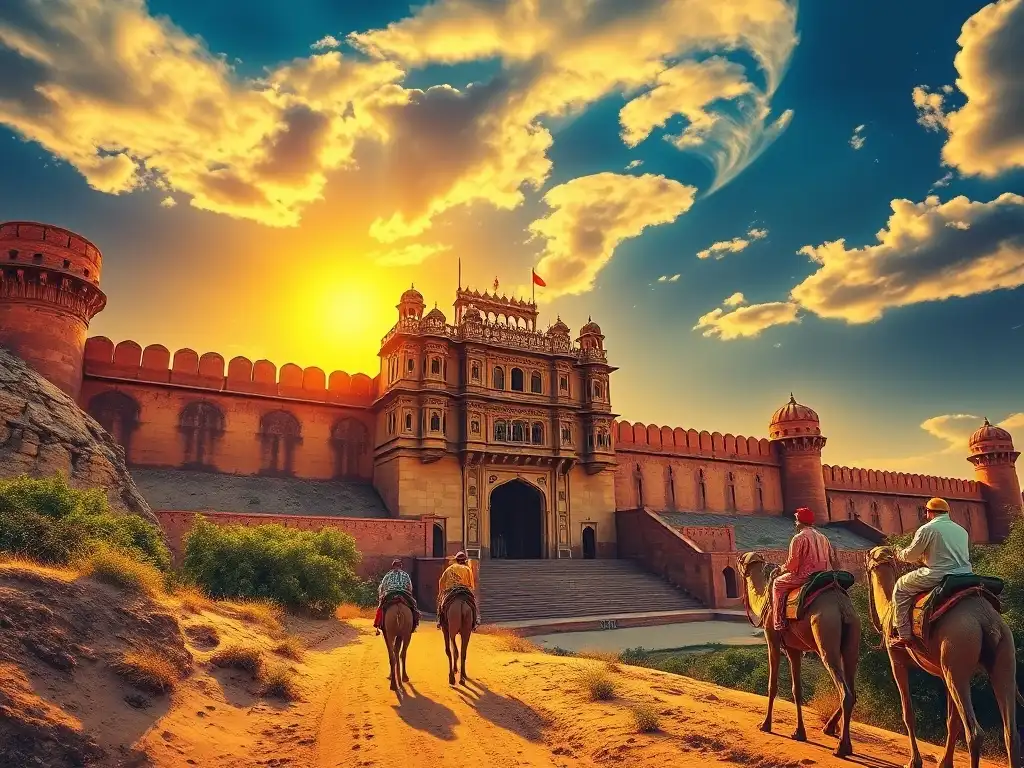
Western India is renowned for its formidable forts that stand as testaments to the region's rich history and strategic importance. These architectural wonders were built primarily during the medieval period and served as military strongholds, administrative centers, and royal residences. The rugged terrain of the Western Ghats provided an ideal backdrop for fortifications, ensuring both defensive advantages and stunning vistas. The forts of Western India, with their intricate designs and historical significance, reflect the cultural amalgamation of various dynasties, including the Marathas, Mughals, and Portuguese.
Historical Context of Forts in Western India
The historical context of forts in Western India can be traced back to the early medieval period when the region became a melting pot of various cultures due to trade, invasion, and local power struggles. The rise of the Maratha Empire in the 17th century marked a significant turning point, as leaders like Shivaji Maharaj emphasized the construction and renovation of forts to secure their territories against foreign invasions. Many forts were strategically located on hilltops or near important trade routes, allowing for effective surveillance and defense.
Forts such as Raigad, Sinhagad, and Lohagad not only served military purposes but also became symbols of resistance and pride for local populations. The architectural styles of these forts were influenced by the prevailing military needs and the availability of local materials, leading to unique designs that incorporated elements of both Hindu and Islamic architecture. Over time, these forts evolved from mere military structures to complex fortifications with temples, residential areas, and administrative buildings, illustrating the diverse functions they served in society.
Prominent Forts to Visit
- Raigad Fort: Once the capital of the Maratha Empire, Raigad Fort is perched atop a hill and offers breathtaking views of the surrounding landscape. Its impressive gates, palaces, and temples reflect the grandeur of Maratha architecture.
- Lohagad Fort: Known for its iconic 'Vishram Ghat' and the scenic beauty surrounding it, Lohagad Fort is a popular trekking destination. The fort's robust walls and winding pathways showcase military engineering of the time.
- Sinhagad Fort: This fort played a crucial role in the history of the Marathas and is famous for the valor of its defenders during the battle of Sinhagad. The fort's ruins, along with the panoramic views it offers, make it a must-visit site.
- Kumbhalgarh Fort: A UNESCO World Heritage Site, Kumbhalgarh is known for its massive walls that extend over 36 kilometers, making it one of the longest in the world. The fort's architecture is a blend of Rajput and Mughal styles.
- Chittorgarh Fort: Another UNESCO World Heritage Site, Chittorgarh Fort is a symbol of Rajput pride and bravery. Its numerous palaces, temples, and the iconic Vijay Stambha (Victory Tower) narrate tales of valor and sacrifice.
Palaces of Western India
Palaces in Western India are not just royal residences; they are architectural marvels that embody the grandeur and cultural richness of the region. The palaces reflect the artistic sensibilities of the ruling dynasties and often feature intricate carvings, expansive courtyards, and lush gardens. The architecture varies widely depending on the historical context and the cultural influences at play, showcasing a blend of Hindu, Islamic, and colonial styles.
Evolution of Palace Architecture in Western India
The evolution of palace architecture in Western India can be traced through various dynastic rules, with each contributing its unique style and innovation. The early palaces were predominantly influenced by Hindu architectural styles, characterized by ornate carvings and elaborate sculptures. With the advent of Islamic rule, a fusion of styles began to emerge, incorporating elements such as intricate jaali work (lattice screens) and expansive gardens.
During the Mughal period, the influence of Persian architecture became prominent, leading to the development of grand palatial complexes with symmetrical layouts, extensive use of marble, and water features. The colonial period further diversified the architectural landscape, introducing European styles that blended with traditional Indian elements. This amalgamation resulted in palaces that are not only visually stunning but also rich in historical significance, often serving as venues for royal ceremonies and administrative functions.
Famous Palaces Worth Exploring
- City Palace, Udaipur: A stunning blend of Rajasthani and Mughal architecture, the City Palace offers visitors a glimpse into the opulence of royal life. Its museums and courtyards are filled with artifacts, paintings, and intricate mosaics.
- Jai Vilas Palace, Gwalior: This palace is renowned for its grandeur and European-style architecture, featuring a mix of Italian and Indian influences. The Durbar Hall, adorned with crystal chandeliers, is a highlight for visitors.
- Mysore Palace: While technically located in Southern India, its architectural style has significant influences from Western India. The palace is known for its Indo-Saracenic architecture and is especially beautiful when illuminated at night.
- Shivaji Maharaj Museum of Indian History, Pune: Housed in the historic Aga Khan Palace, this site not only showcases royal architecture but also serves as a monument of significance in India’s freedom struggle.
- Maharaja's Palace, Mysore: This architectural wonder showcases Indo-Saracenic style and is famous for its intricate carvings and beautiful gardens, making it a popular tourist destination.
The forts and palaces of Western India are not just remnants of the past; they are living monuments that narrate the tales of valor, culture, and architectural brilliance of ancient Indian civilizations. Exploring these sites offers a deeper understanding of the historical landscape that shaped the region.
Cultural Significance of Architectural Marvels
The architectural wonders of Western India hold profound cultural significance, encapsulating the region's rich history and diverse traditions. From the intricately carved temples to the imposing forts and elegant palaces, each structure tells a story of the socio-political, religious, and economic dynamics that shaped ancient Indian civilization. These marvels not only served functional purposes but were also expressions of artistic excellence and spiritual devotion.
Temples in Western India, such as the famous Sun Temple at Modhera and the intricately designed Dilwara Temples of Mount Abu, represent the zenith of religious architecture. They are adorned with elaborate sculptures and murals that depict mythological narratives and divine figures, thus serving as a medium for spiritual connection and cultural storytelling. Similarly, forts like the formidable Kumbhalgarh and the majestic Mehrangarh reflect the military prowess and strategic significance that shaped the region's political landscape.
Furthermore, palaces such as the Udaipur City Palace embody the luxurious lifestyle of the Rajput rulers and their patronage of the arts. These architectural marvels are not just relics of the past; they continue to influence contemporary cultural practices, festivals, and rituals in the region, showcasing the enduring legacy of ancient craftsmanship.
Role of Temples, Forts, and Palaces in Ancient Society
Temples, forts, and palaces played crucial roles in ancient Western Indian society, serving as centers for worship, defense, and governance respectively. Temples were the heart of religious life, fostering community engagement through festivals, rituals, and ceremonies. They acted as repositories of cultural knowledge, preserving ancient texts and traditions. The architecture of these temples often reflected the socio-religious ethos of the time, showcasing artistic styles that evolved with the changing dynasties.
Forts were instrumental in safeguarding territories against invasions and played a pivotal role in the political landscape. They served as administrative centers, housing the royal families, military garrisons, and bureaucratic offices. The strategic positioning of forts on hilltops or near trade routes emphasized their importance in maintaining control over resources and trade, which were vital for the economy.
Palaces, on the other hand, were symbols of power and prestige. They were not only residences for royalty but also venues for political diplomacy and cultural patronage. The architectural design of palaces often included courtyards, gardens, and intricate artwork, which reflected the affluence and artistic sensibilities of the ruling class.
Preservation and Conservation of Western India's Architectural Heritage
The preservation and conservation of Western India's architectural heritage is a pressing concern, given the historical significance and vulnerability of these structures. Various organizations, including the Archaeological Survey of India, have undertaken initiatives to restore and maintain these sites, ensuring their longevity for future generations. Conservation efforts involve meticulous research, skilled craftsmanship, and often, community involvement to raise awareness and foster a sense of ownership.
Challenges such as urbanization, pollution, and climate change pose significant threats to these ancient marvels. For instance, the erosion of stone carvings due to environmental factors necessitates ongoing maintenance and protective measures. Moreover, increased tourism can lead to wear and tear, making it essential to establish sustainable tourism practices that balance visitor engagement with preservation.
Community-based conservation projects have emerged as effective strategies to involve local populations in the stewardship of their cultural heritage. Educational programs aimed at schools and local residents can cultivate a deeper appreciation of these architectural wonders, thus ensuring their preservation as living parts of the community's identity.
Conclusion: The Legacy of Architectural Wonders of Western India
The architectural wonders of Western India stand as testaments to the region's historical and cultural richness. These structures not only reflect the artistic and engineering prowess of ancient civilizations but also embody the values, beliefs, and aspirations of the people who built them. As we explore these marvels, we uncover layers of history that reveal the interconnectedness of society, religion, and politics throughout the ages.
Reflection on the Impact of Architecture on Western Indian Culture
The impact of architecture on Western Indian culture is profound and multifaceted. The design and aesthetics of temples, forts, and palaces have influenced local art forms, crafts, and even modern architecture. The themes and motifs found in ancient structures continue to inspire contemporary artists and architects, creating a dialogue between the past and the present. Festivals and rituals often revolve around these architectural sites, further embedding them into the cultural fabric of the region.
Additionally, these architectural marvels foster a sense of identity and pride among local communities. They serve as reminders of a glorious past, instilling values of resilience and creativity that resonate with the people. The stories encapsulated within these walls encourage a deeper understanding of cultural heritage, promoting unity and continuity across generations.
Call to Explore and Appreciate Western India's Architectural Marvels
Exploring and appreciating the architectural wonders of Western India is essential for understanding the region's historical narrative. Visitors and locals alike are encouraged to engage with these sites, not only as tourists but as custodians of cultural heritage. Guided tours, workshops, and cultural festivals provide opportunities to delve deeper into the significance of these structures and their role in shaping societal values.
In a world increasingly disconnected from its roots, embracing and celebrating these architectural marvels fosters a sense of belonging and continuity. It is a call to recognize the importance of preserving these legacies for future generations, ensuring that the stories etched in stone continue to inspire and educate long into the future. Let us embark on this journey of exploration and appreciation, embracing the architectural wonders that define Western India's rich history.
- Introduction to Architectural Wonders of Western India
- Overview of Western India's Historical Significance
- Importance of Temples, Forts, and Palaces in Ancient Indian Civilization
- Temples of Western India
- Forts of Western India
- Palaces of Western India
- Cultural Significance of Architectural Marvels
- Conclusion: The Legacy of Architectural Wonders of Western India
- What are some examples of architectural wonders in Western India?
- Why are the temples of Western India significant?
- How did the forts of Western India contribute to its history?
- What architectural styles are prominent in the palaces of Western India?
- How can I explore these architectural marvels today?
Frequently Asked Questions
What are some examples of architectural wonders in Western India?
Some notable architectural wonders include the Ajanta and Ellora Caves, Khajuraho temples, and the forts of Rajasthan, showcasing intricate carvings and unique designs.
Why are the temples of Western India significant?
The temples of Western India are significant for their architectural brilliance and spiritual importance, reflecting the region's cultural heritage and the artistic skills of ancient craftsmen.
How did the forts of Western India contribute to its history?
The forts of Western India served as strategic military locations and centers of power, playing a crucial role in various historical conflicts and the political landscape of the region.
What architectural styles are prominent in the palaces of Western India?
The palaces often showcase a blend of Rajput, Mughal, and Maratha architectural styles, characterized by ornate decorations, jharokhas (overhanging enclosed balconies), and spacious courtyards.
How can I explore these architectural marvels today?
Visitors can explore these architectural marvels through guided tours, local heritage walks, or by visiting UNESCO World Heritage Sites located throughout Western India.
Final Reflection: Celebrating the Architectural Wonders of Western India
The architectural wonders of Western India stand as timeless testaments to the region's rich cultural heritage and artistic brilliance. In an age where modernity often overshadows tradition, these magnificent temples, forts, and palaces remind us of the profound stories etched in stone, celebrating the ingenuity and craftsmanship of our ancestors. The beauty and historical significance of these structures continue to resonate today, urging us to appreciate and preserve our architectural legacy.
Cultural landmarks like the intricate carvings of the Sun Temple in Modhera or the majestic forts of Rajasthan not only reflect the artistic prowess of their time but also shape our contemporary identity. As we navigate the complexities of the modern world, these architectural marvels serve as anchors, connecting us to our roots and inspiring future generations. Architecture is the learned game, correct and magnificent, of forms assembled in the light.
– Le Corbusier. This quote encapsulates the essence of how these structures are not merely buildings but rather a harmonious blend of art, history, and culture.
As you reflect on the architectural wonders of Western India, I invite you to consider how these marvels can inspire your own journey. Take a moment to explore the stories behind these structures and let them ignite a passion for preservation and appreciation of our shared heritage. Whether you choose to visit these sites, share their stories, or advocate for their conservation, remember that each action contributes to the legacy of these architectural wonders, ensuring they continue to inspire awe for generations to come.
Embark on Your Journey to Explore Western India's Architectural Wonders!
Thank you for diving into the fascinating architecture of Western India with us! We hope you gained insights into the majestic temples, forts, and palaces that define this region's rich history. Now, it’s time to take your curiosity a step further!
Here’s how you can continue your exploration:
- Visit a Local Historical Site: Plan a trip to one of the architectural marvels you've discovered. Immerse yourself in history and culture first-hand!
- Share Your Discoveries: Discuss these stunning structures with your friends and family. Sharing knowledge fosters a deeper appreciation for our heritage.
- Join a Community: Participate in local history groups or online forums. Connect with fellow enthusiasts who share your passion for ancient architecture.
As you plan your next adventure, ask yourself: Which architectural masterpiece will you explore next, and what stories will it unveil?