
The Festival of Teej: A Celebration of Monsoon and Womanhood

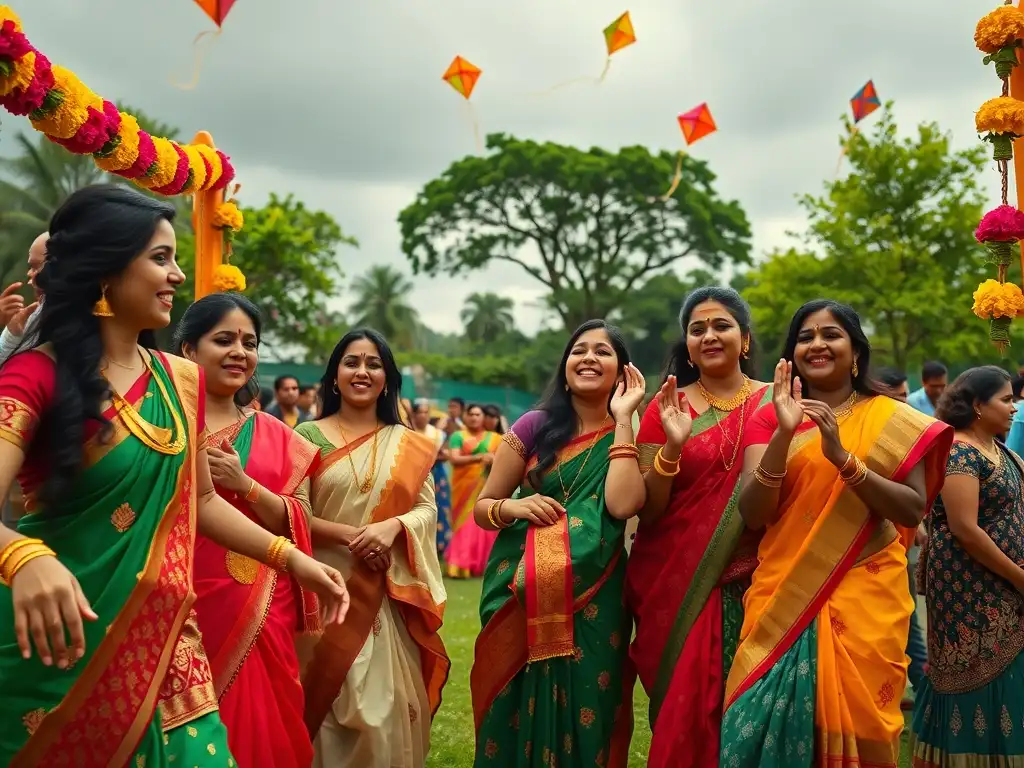
Welcome to Ancient India History, where we embark on a journey through the vibrant tapestry of India's past! Here, we delve into the rich and diverse history, culture, and contributions of ancient civilizations that shaped the subcontinent. Today, we invite you to explore the Significance of the Teej festival, a captivating celebration that honors the monsoon and the essence of womanhood.
Discover the traditions, rituals, and stories that make this festival a cherished part of our heritage. Prepare to be inspired as you uncover the layers of meaning behind this enchanting celebration—your adventure into the heart of ancient Indian culture begins here!
Introduction to the Teej Festival
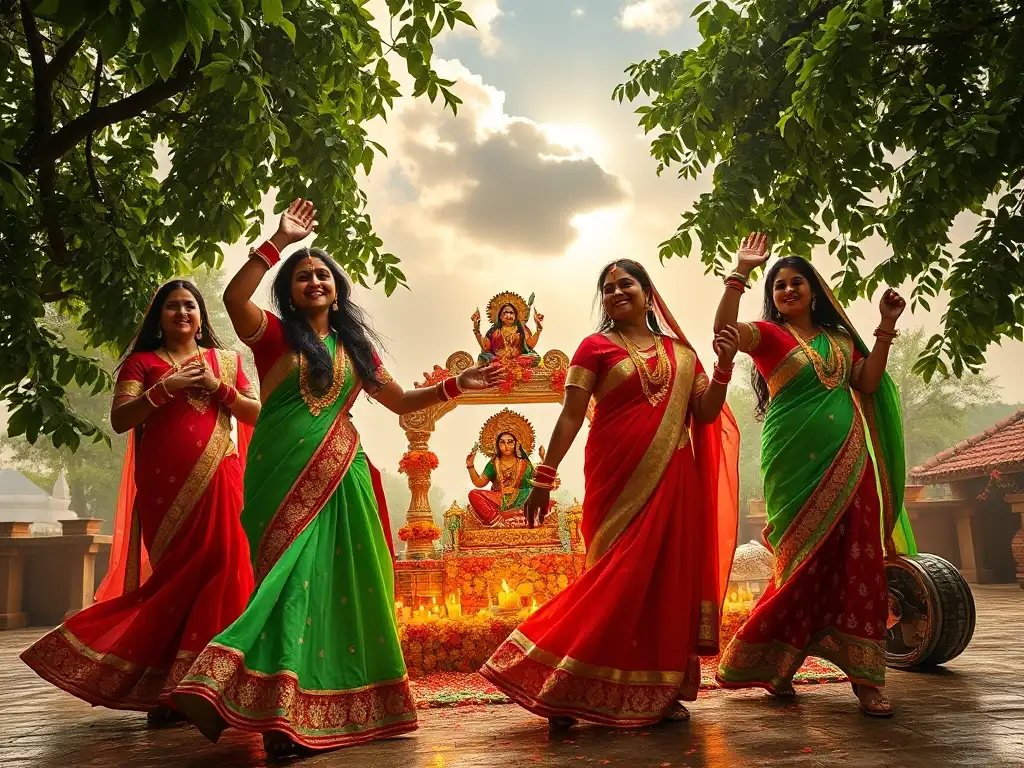
The Festival of Teej is a vibrant and culturally significant celebration that marks the arrival of the monsoon season in India, while simultaneously honoring the feminine spirit. This festival, primarily celebrated by women, is steeped in rich traditions and rituals that reflect the deep-rooted customs of ancient Indian civilization.
Teej not only symbolizes the joy and rejuvenation brought by the rains but also serves as a tribute to womanhood, love, and marital bliss. As we delve deeper into the significance of the Teej festival, we will uncover its historical context, cultural importance, and the unique ways in which nature plays a pivotal role in its celebrations.
Overview of the Teej Festival
Teej is celebrated with great enthusiasm across various regions of India, particularly in states like Rajasthan, Uttar Pradesh, and Bihar. The festival usually falls in the month of Shravan (July-August), coinciding with the arrival of the monsoon. Women adorn themselves in vibrant attire, often wearing green saris, and engage in various festivities that include singing, dancing, and fasting. The celebration is characterized by the worship of Goddess Parvati, who is revered for her devotion to Lord Shiva and is seen as an embodiment of marital love and fidelity.
Historical Context of Teej in Ancient India
The roots of the Teej festival can be traced back to ancient Indian texts and traditions. It is believed that the festival originated as a way to celebrate the union of Lord Shiva and Goddess Parvati, symbolizing the importance of love, devotion, and commitment in a marriage. Historical references suggest that the festival was celebrated by royal families and common folk alike, with elaborate rituals and public festivities marking its significance across various ancient kingdoms. Over time, Teej has evolved, but its core essence remains a celebration of love and the arrival of the much-anticipated monsoon.
Significance of Teej Festival
The significance of the Teej festival transcends mere celebration; it embodies cultural, spiritual, and natural elements that resonate deeply within the fabric of Indian society.
Cultural Importance of Teej for Women
Teej holds profound cultural importance for women, serving as a platform for empowerment and expression. During this festival, women participate in communal activities that strengthen bonds with their families and communities. The rituals associated with Teej, such as fasting and worshiping, are seen as acts of devotion, enhancing the status of women as nurturers and caretakers. Additionally, the festival fosters a sense of solidarity among women, as they come together to share experiences, stories, and support each other in their marital journeys.
Spiritual Significance of Teej in Hinduism
In Hinduism, Teej is viewed as a sacred occasion to honor Goddess Parvati, who symbolizes strength, love, and devotion. The spiritual rituals often involve prayer and offerings to the goddess, seeking her blessings for a happy and prosperous married life. The practice of fasting during Teej is also a reflection of self-discipline and devotion, reinforcing the spiritual connection between devotees and the divine. This aspect of the festival highlights the importance of spirituality in daily life and the pursuit of inner peace and harmony.
The Role of Nature in Teej Celebrations
Nature plays a critical role in the celebrations of Teej, as the festival coincides with the lush greenery and vitality brought by the monsoon rains. The arrival of the monsoon is not only a physical phenomenon but also a symbolic representation of fertility, growth, and renewal. During Teej, the beauty of nature is celebrated through various rituals, from adorning homes with fresh flowers to enjoying the vibrant sights and sounds of the season. This connection to nature serves as a reminder of the importance of balance and harmony in life, reinforcing the relationship between humanity and the environment.
By exploring the significance of the Teej festival, we gain valuable insights into the rich tapestry of ancient Indian traditions and the enduring cultural practices that continue to resonate today.
Celebratory Practices and Traditions of Teej
The Teej festival, celebrated predominantly by women, marks the arrival of the monsoon season and embodies themes of love, devotion, and womanhood. This vibrant festival is characterized by lively rituals, music, dance, and the adornment of traditional attire. Celebrations typically begin with women gathering to sing traditional folk songs that highlight the beauty of nature and the joys of married life.
One of the central practices during Teej is the swing festival, where women swing on beautifully decorated swings, symbolizing the joy and exuberance of the season. The festival is also marked by the gathering of friends and family, who participate in various games and activities. These practices not only foster community bonding but also reinforce the cultural significance of womanhood in society.
Rituals and Customs Associated with Teej
Rituals during the Teej festival vary by region but generally include a series of customs that emphasize devotion and the role of women. A prominent ritual is the fasting observed by married women, who pray for the well-being and longevity of their husbands. This fast is often coupled with the worship of Goddess Parvati, the deity associated with marital bliss and love.
On the day of Teej, women dress in their finest attire, often wearing green or red clothes, which symbolize fertility and prosperity. They gather to perform traditional prayers and offer sweets and fruits to the goddess. This customs serves as a way to express gratitude and seek blessings for a happy married life. The rituals culminate in a festive atmosphere filled with music, dance, and laughter.
Traditional Foods and Offerings during Teej
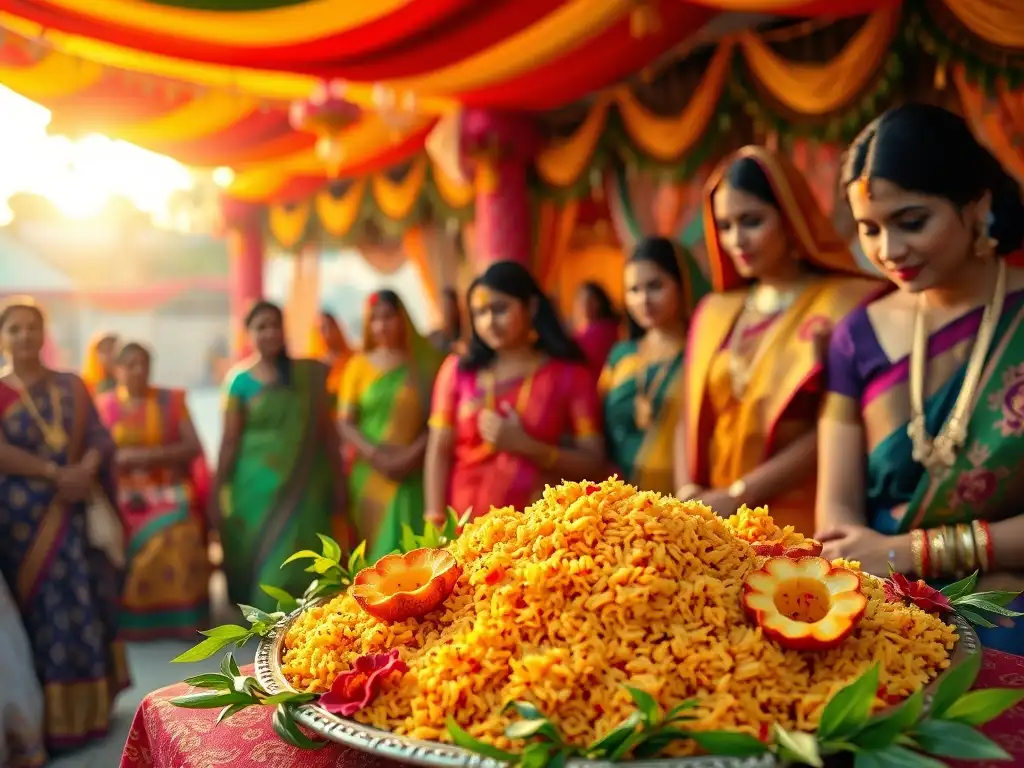
The culinary aspect of Teej is as rich and diverse as its traditions. Traditional foods are prepared as offerings to the deities and shared among family and friends. Sweets play a significant role during this festival, with special dishes like Gulab Jamun, Kheer, and Seviyan being common.
Women often prepare a special dish called Gatte Ki Sabzi, made from gram flour, which is a staple in many households during Teej. Fruits and dry fruits are also integral to the celebrations, symbolizing prosperity and abundance. The sharing of these foods not only enhances the festive spirit but also strengthens the bonds between family members and the community.
Clothing and Adornments Worn During Teej Celebrations
Clothing during Teej is a vibrant celebration of color and tradition. Women typically wear traditional sarees or lehenga cholis in shades of green, red, or yellow, representing fertility and new beginnings. The choice of attire is often accompanied by intricate jewelry that includes bangles, necklaces, and earrings, enhancing the festive look.
Henna application is another significant aspect of Teej celebrations, with women adorning their hands and feet with intricate designs. This practice not only beautifies but also symbolizes joy and celebration. The overall attire and adornments serve to reinforce the cultural identity associated with the festival and reflect the importance of womanhood.
Regional Variations of the Teej Festival
The Teej festival is celebrated with unique variations across different regions of India, each reflecting local customs and traditions. While the essence of the festival remains, the practices and rituals may differ significantly, showcasing the rich diversity of Indian culture.
Teej Celebrations in Rajasthan
In Rajasthan, Teej is celebrated with great enthusiasm, particularly among married women. The celebrations often begin several days in advance, with women preparing for the festival by cleaning their homes and decorating them with flowers and colorful rangoli. The highlight of the Rajasthani Teej is the procession of swings, where women swing on beautifully adorned swings, singing folk songs.
The state also hosts various fairs and cultural events during Teej, showcasing traditional music and dance. The vibrant atmosphere of Rajasthan during this festival is a testament to the region's rich cultural heritage.
Teej Traditions in Uttar Pradesh
In Uttar Pradesh, Teej holds a special significance, particularly in the Kanpur and Varanasi regions. Here, the festival is often associated with the worship of Goddess Parvati and her reunion with Lord Shiva. Women participate in elaborate rituals that include fasting and offering prayers at local temples.
The celebrations are marked by communal gatherings, where women come together to sing devotional songs and share festive foods. Kachoris and imartis are popular delicacies prepared during this time, symbolizing the festive spirit and culinary richness of the region.
How Teej is Observed in Other States
Beyond Rajasthan and Uttar Pradesh, Teej is also celebrated in states like Bihar, Madhya Pradesh, and Jharkhand, albeit with their unique customs. In Bihar, the festival is known as Haryali Teej, and it emphasizes the arrival of monsoon rains, which are crucial for agriculture.
Women in these states observe similar fasting rituals and engage in communal celebrations, underlining the universal theme of devotion and womanhood. Traditional songs, dances, and local delicacies play a significant role in these celebrations, showcasing the diverse interpretations of the Teej festival across India.
The Monsoon Connection in Teej Celebrations
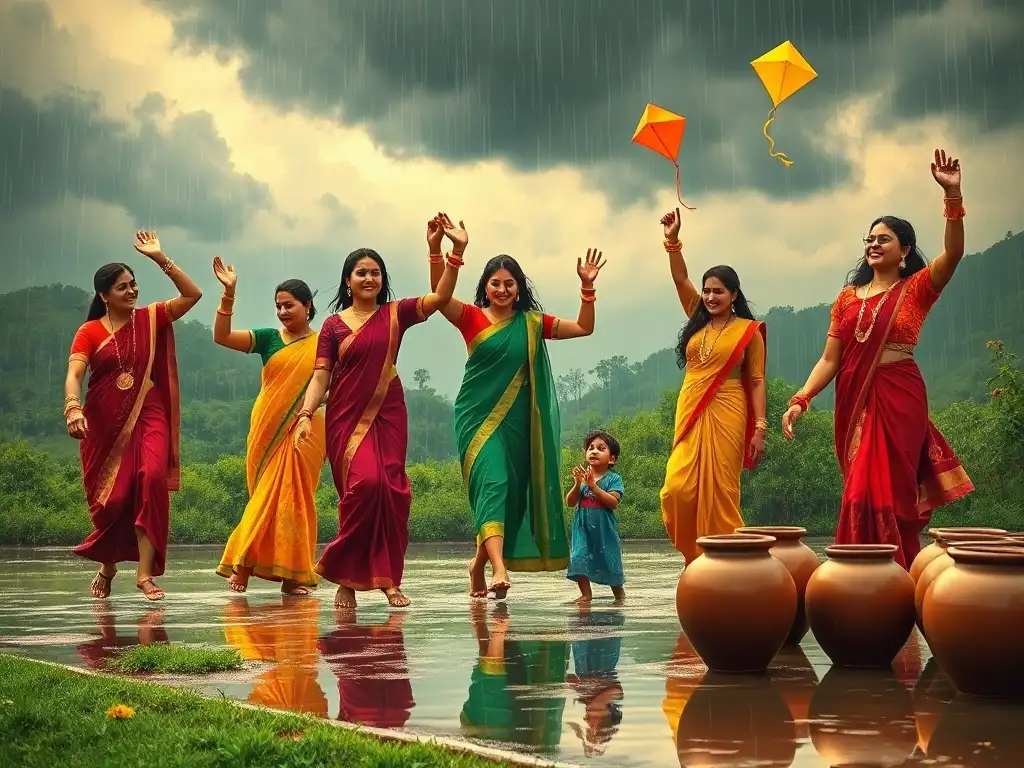
The Teej festival is intrinsically linked to the monsoon season, marking a vital period of renewal and rejuvenation in the agricultural heartland of India. Celebrated predominantly in northern and western states such as Rajasthan, Uttar Pradesh, and Haryana, Teej signifies not only the climatic changes but also embodies the cultural and spiritual aspects of life. The arrival of the monsoon is eagerly awaited, as it transforms the parched landscape into a lush paradise, filled with vibrant greenery and life.
The festival is typically observed in the month of Shravan (July-August), coinciding with the onset of the monsoon rains. This connection emphasizes the importance of nature in the cultural practices and rituals of ancient Indian society, as the rains are seen as blessings that enable agricultural prosperity. Through various customs, such as swinging on decorated swings and singing folk songs, women celebrate the beauty and bountifulness of the monsoon, reflecting their deep connection with the environment.
Relationship Between Monsoon and Teej Festival
The relationship between the monsoon and the Teej festival is both symbolic and practical. The festival serves as a celebration of the significant changes in nature, marking the transition from dry to wet weather. The rains not only bring relief from the sweltering heat but also signify the beginning of a fruitful season for farmers.
During this time, women participate in rituals that include fasting and prayer, often for the well-being of their husbands and families. The celebrations are vibrant, characterized by traditional attire, particularly green sarees, which represent fertility and the lushness of the monsoon. The festivities also foster community bonding, as women come together to celebrate, share stories, and engage in traditional games, reinforcing social ties and cultural heritage.
Symbolism of Rain in Teej Celebrations
Rain plays a pivotal role in the symbolism of the Teej festival. It is viewed as a harbinger of joy and prosperity, essential for agricultural growth and sustenance. The rains are often personified in folklore as a divine blessing, leading to the belief that the monsoon brings happiness and fertility to both the land and the people.
Moreover, the act of women applying henna on their hands during Teej symbolizes the blessing of a fruitful marriage and family life, paralleling the nurturing aspect of rain that sustains crops. The festival is a time for women to connect with nature, celebrating the cycle of life that rain nurtures. Rituals performed during Teej, such as singing songs about monsoon love and longing, further emphasize the emotional and spiritual connection between rain and womanhood.
Monsoon's Impact on Agricultural Practices
The arrival of the monsoon has a direct and profound impact on agricultural practices in ancient India. Farmers traditionally relied on the rains for their crops, which were essential for sustenance and trade. The Teej festival, therefore, serves as a reminder of the crucial relationship between agriculture and the monsoon, celebrating the vital role that rain plays in ensuring food security and economic stability.
During the festival, prayers are often offered for a bountiful harvest, as communities come together to acknowledge the significance of rain in their livelihoods. The joy of the rains is reflected in the various rituals and celebrations, which serve not only to honor nature but also to reinforce the agricultural calendar that dictates the rhythm of life in rural India.
Myths and Legends Surrounding Teej
The Teej festival is steeped in rich mythology and folklore, with several stories that explain its significance and the rituals associated with it. These myths often reflect the themes of love, devotion, and the divine connection between deities, particularly focusing on Goddess Parvati and Lord Shiva.
Popular Myths Associated with the Teej Festival
One of the most popular myths associated with the Teej festival is the tale of Goddess Parvati's devotion to Lord Shiva. According to the legend, Parvati undertook severe penance to win Shiva's love, demonstrating her unwavering commitment and devotion. The festival symbolizes her triumph in reuniting with Shiva, highlighting the importance of love and fidelity in marriage.
This story is celebrated during Teej through various rituals, including fasting and prayer by married women for the well-being of their husbands. Unmarried women also participate, praying for a loving partner, thus reinforcing the festival's themes of love, devotion, and the sanctity of marriage.
Stories of Goddess Parvati and Lord Shiva
The stories of Goddess Parvati and Lord Shiva are central to the Teej festival and reflect the deep spiritual symbolism associated with their union. One famed narrative recounts how Parvati, after being reborn as the daughter of the Himalayas, continued her quest to win Shiva's heart. Her perseverance and determination ultimately led Shiva to recognize her devotion, culminating in their marriage.
The festival encapsulates these themes through various ceremonies, such as the ritual of swinging, which symbolizes the joyous union of the divine couple. Women dress in traditional attire and adorn themselves with jewelry, embodying the essence of Parvati's grace and beauty. The celebration of Teej serves not only as a commemoration of their love story but also as a cultural expression of the values of commitment and fidelity that are revered in Indian society.
Conclusion: The Enduring Legacy of the Teej Festival
The Teej festival is a vibrant tapestry woven into the cultural fabric of India, celebrating monsoon and womanhood. Its enduring legacy is reflected in the way it continues to resonate with contemporary society. Rooted in ancient traditions, the festival embodies the ideals of devotion, love, and the beauty of nature, serving as a reminder of the deep connections between women and the natural world. Over the centuries, Teej has evolved, yet it remains a significant cultural event that highlights the strength and resilience of women in Indian society.
The rituals and customs associated with Teej, such as fasting, singing, and dancing, not only foster a sense of community among women but also reinforce familial bonds. They serve as a powerful medium for passing down stories, values, and traditions from one generation to the next. The festival's emphasis on the monsoon season symbolizes renewal and fertility, further enhancing its significance in agrarian societies where rainfall is crucial for crops and livelihoods.
As we look to the future, the Teej festival stands as a testament to the enduring spirit of Indian culture, reminding us of the importance of celebrating our heritage while adapting to modern changes. Its rich symbolism and rituals continue to inspire and empower women, making it a cherished celebration of both nature and femininity.
Modern-Day Celebrations of Teej
In modern times, the Teej festival has embraced contemporary elements while retaining its core traditions. Celebrated primarily in northern India, particularly in states like Rajasthan, Uttar Pradesh, and Bihar, the festival has seen a resurgence in interest among younger generations. Today, Teej is marked by elaborate community celebrations, social gatherings, and vibrant public festivities that attract participants from diverse backgrounds.
During the festival, women dress in traditional attire, often wearing beautiful green sarees symbolizing fertility and prosperity. They adorn themselves with intricate jewelry and henna designs, enhancing the festive atmosphere. The celebration typically involves singing traditional songs, dancing, and participating in various cultural performances, creating a lively ambiance that reflects the joy of the season.
Moreover, the festival has also found its way into urban settings, with many cities hosting cultural programs and events to honor the legacy of Teej. Social media platforms have played a significant role in promoting these celebrations, with individuals sharing their experiences and showcasing the rich customs associated with the festival. This blend of tradition and modernity has helped keep the spirit of Teej alive, ensuring that it remains relevant in contemporary society.
The Importance of Preserving Teej Traditions in Contemporary Society
Preserving the traditions of the Teej festival is crucial for several reasons. First and foremost, it ensures the continuity of cultural heritage, allowing future generations to connect with their roots and understand the historical significance of their customs. In a rapidly changing world, where globalization often dilutes local traditions, maintaining the essence of festivals like Teej helps foster a sense of identity and belonging among communities.
Additionally, the rituals and practices associated with Teej carry profound meanings that promote values such as devotion, respect for nature, and the celebration of womanhood. These ideals are increasingly relevant in today’s discourse on gender equality and environmental sustainability. By upholding the traditions of Teej, society can encourage a deeper appreciation for women's roles and contributions, empowering them in various spheres of life.
Furthermore, the festival serves as an opportunity for social bonding and community building. In an age where digital interactions often replace face-to-face connections, the communal aspects of Teej—gathering with family and friends, sharing meals, and participating in cultural activities—become vital in nurturing relationships and fostering a sense of unity.
The preservation of Teej traditions is not merely about maintaining customs; it is also about honoring the values they represent and ensuring that they continue to inspire and uplift future generations. Embracing these traditions allows society to celebrate its rich history while forging a path toward a more inclusive and harmonious future.
- Introduction to the Teej Festival
- Significance of Teej Festival
- Celebratory Practices and Traditions of Teej
- Rituals and Customs Associated with Teej
- Traditional Foods and Offerings during Teej
- Clothing and Adornments Worn During Teej Celebrations
- Regional Variations of the Teej Festival
- The Monsoon Connection in Teej Celebrations
- Myths and Legends Surrounding Teej
- Conclusion: The Enduring Legacy of the Teej Festival
Frequently Asked Questions
What is the significance of the Teej festival?
The Teej festival celebrates the monsoon season and honors the strength and resilience of women. It is marked by various rituals that symbolize marital bliss and the bond between husband and wife.
When is the Teej festival celebrated?
Teej is typically celebrated in the Hindu month of Shravan, which usually falls in July or August. The exact date varies each year, based on the lunar calendar.
What rituals are associated with the Teej festival?
During Teej, women engage in fasting, singing, and dancing. They often dress in traditional attire and decorate their hands with henna to mark the occasion.
How does Teej contribute to women's empowerment?
Teej emphasizes the role of women in society and their cultural significance. The festival encourages women to come together, share their experiences, and celebrate their collective strength.
Are there any regional variations of the Teej festival?
Yes, there are several regional variations of Teej, such as Hariyali Teej and Kajari Teej, each with unique customs and traditions that reflect the diverse cultural heritage of India.
Final Reflection: Celebrating the Essence of Womanhood and Nature
The significance of the Teej festival resonates deeply in today's world, where the celebration of womanhood and the reverence for nature are more crucial than ever. As we navigate through modern challenges, the values embodied in Teej—celebrating resilience, love, and the nurturing aspects of femininity—serve as a powerful reminder of the strength that lies within both women and the natural world. The festival's connection to the monsoon season symbolizes renewal and hope, making it a poignant celebration in our contemporary climate.
The impact of the Teej festival extends beyond mere tradition; it shapes our cultural narratives and fosters a sense of community. The vibrant rituals and collective joy experienced during this festival create a space where women can express their identities and share their stories. As noted by cultural anthropologist Dr. Maya Sharma, Festivals like Teej are not just celebrations; they are vital threads in the fabric of society that weave together the past, present, and future.
This ongoing influence highlights the importance of honoring such traditions, as they empower individuals and strengthen communal bonds.
As we reflect on the lessons of the Teej festival, I invite you to embrace its spirit in your own life. Consider how you can celebrate the women around you and nurture your connection with nature. Whether through acts of kindness, community gatherings, or simply taking a moment to appreciate the beauty of the world around you, let the essence of Teej inspire you to cultivate joy and resilience in your daily life. Together, we can honor the significance of this festival and carry its message forward into the future.
Celebrate Your Connection to Teej Today!
Thank you for joining us in exploring the vibrant Festival of Teej! We hope this journey has deepened your appreciation for the celebration of monsoon and womanhood, and ignited your passion to embrace this cultural heritage. Now, let’s turn that inspiration into action!
Here’s how you can keep the spirit of Teej alive:
- Join a local Teej celebration to experience the festivities firsthand and connect with your community.
- Share your favorite Teej memories or insights on social media to inspire others to celebrate their cultural roots, using the hashtag #FestivalOfTeej.
- Explore traditional recipes or crafts associated with Teej, and create something special to honor this beautiful festival.
How will you embrace the essence of Teej in your life this year?