
The Role of Ayurvedic Products in Personalized Medicine


Welcome to Ancient India History, where we embark on a journey through the rich tapestry of India's past, uncovering the remarkable civilizations that have shaped our world. In this exploration, we delve into the fascinating realm of Ayurvedic products for personalized medicine, a testament to the innovative spirit of ancient Indian traditions.
Discover how the wisdom of the past is inspiring modern advancements in health and wellness, and prepare to be intrigued by the seamless fusion of ancient practices and cutting-edge technology. Join us as we unravel the secrets of Ayurvedic wisdom and its enduring relevance in today's personalized medicine landscape!
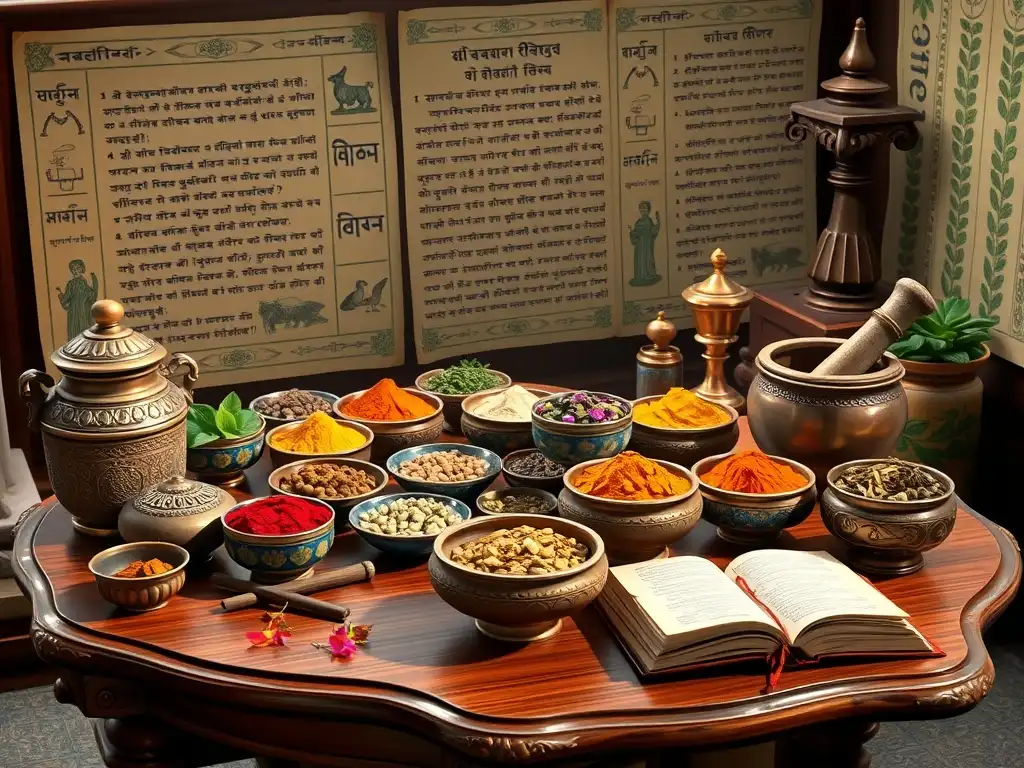
Introduction to Ayurvedic Products and Personalized Medicine
In recent years, there has been a growing interest in the integration of traditional healing practices with modern healthcare approaches. Among these, Ayurvedic products have emerged as a significant component of personalized medicine. Rooted in ancient Indian wisdom, Ayurveda emphasizes a holistic understanding of health, focusing on the individual’s unique constitution and lifestyle. This article delves into the fascinating intersection of Ayurvedic products and personalized medicine, exploring how ancient practices can inform and enhance contemporary healthcare solutions.
Understanding Ayurvedic Medicine
Ayurveda, often referred to as "the science of life," is a comprehensive system of medicine that originated in ancient India over 5,000 years ago. It encompasses a variety of practices, including herbal remedies, dietary recommendations, and lifestyle modifications, all aimed at balancing the body, mind, and spirit. Key principles of Ayurveda include:
- Doshas: The three fundamental energies (Vata, Pitta, and Kapha) that govern bodily functions and influence individual health.
- Prakriti: An individual’s unique constitution, determined by the balance of doshas, which guides personalized treatment approaches.
- Samskara: The importance of lifestyle choices and their effects on health over time.
By recognizing the interplay of these elements, Ayurvedic practitioners tailor treatments to the specific needs of each individual, making it particularly relevant in the context of personalized medicine.
The Concept of Personalized Medicine in Modern Healthcare
Personalized medicine represents a paradigm shift in healthcare, moving away from a one-size-fits-all approach to one that is tailored to the individual. This innovative field leverages genetic, environmental, and lifestyle factors to determine the most effective treatment strategies for each patient. Key features of personalized medicine include:
- Genomic Profiling: Analyzing genetic information to predict responses to medications and therapies.
- Data Integration: Combining information from various sources, including electronic health records and wearable devices, to inform treatment decisions.
- Patient-Centered Care: Focusing on the individual’s preferences and values in the decision-making process.
As personalized medicine continues to evolve, the incorporation of Ayurvedic products offers a unique perspective, enriching the options available to healthcare providers and patients alike.
The Historical Significance of Ayurvedic Products
Ayurvedic products have played a crucial role in the development of health and wellness practices in ancient India. Their significance extends beyond mere remedies; they reflect a deep understanding of the human body and its connection to nature.
Ancient Practices in Ayurvedic Medicine
Historical texts such as the Charaka Samhita and the Sushruta Samhita outline intricate details of Ayurvedic practices. These texts provide insights into:
- Herbal Formulations: The use of plant-based ingredients to create remedies tailored to specific ailments.
- Surgical Techniques: The advanced surgical practices documented in ancient texts, showcasing the sophistication of Ayurvedic medicine.
- Holistic Treatments: The emphasis on balancing physical health with mental and spiritual well-being.
These practices laid the foundation for modern medical systems, underscoring the relevance of Ayurveda in today’s healthcare landscape.
Contributions of Ancient Indian Civilizations to Health and Wellness
The ancient Indian civilizations, particularly during the Vedic period and the subsequent eras, made significant contributions to health and wellness that resonate even in contemporary practices. The synthesis of philosophy, science, and medicine in these cultures led to:
- Innovations in Pharmacology: Development of various herbal remedies that are still in use today.
- Integrative Approaches: A holistic view of health that combines physical, mental, and spiritual aspects, paving the way for modern integrative medicine.
- Cultural Legacy: The preservation and transmission of Ayurvedic knowledge through generations, influencing various health systems worldwide.
The rich tapestry of Ayurvedic products and practices not only highlights the ingenuity of ancient Indian civilizations but also showcases their enduring impact on personalized medicine in modern healthcare.
Key Principles of Ayurveda in Personalized Medicine
Ayurveda, one of the oldest systems of medicine in the world, emphasizes a holistic approach to health and well-being. The key principles of Ayurveda play a significant role in the concept of personalized medicine, which focuses on tailoring healthcare to individual characteristics and needs. Central to Ayurvedic philosophy is the belief that each person is unique, influenced by various factors such as genetics, lifestyle, and environment.
In personalized medicine, Ayurveda utilizes the understanding of the body's constitution, known as Prakriti, which is determined by the balance of three doshas: Vata, Pitta, and Kapha. These doshas represent various physiological and psychological functions and guide the selection of Ayurvedic products and treatments. By assessing an individual’s dosha balance, practitioners can design customized treatment plans that include dietary recommendations, lifestyle modifications, and specific Ayurvedic products.
Another principle is the importance of preventive care and the body's innate ability to heal itself. Ayurvedic medicine focuses on nurturing this healing capability through natural remedies and lifestyle practices. By addressing the root causes of health issues rather than merely treating symptoms, Ayurvedic treatments promote long-term health and well-being, making them integral to personalized medicine.
The Dosha System: Vata, Pitta, and Kapha
The dosha system is a foundational concept in Ayurveda that categorizes individuals based on their unique physical and mental characteristics. The three doshas—Vata, Pitta, and Kapha—represent different elements and qualities, each influencing health in distinct ways:
- Vata: Composed of air and space, Vata is associated with movement, creativity, and flexibility. Individuals with a predominance of Vata may experience anxiety, irregular digestion, and dry skin. Ayurvedic products for Vata often include warming herbs, grounding oils, and nourishing foods to help stabilize and balance this dosha.
- Pitta: Made up of fire and water, Pitta governs transformation, metabolism, and energy. Those with a Pitta constitution tend to be strong-willed and ambitious but may suffer from conditions like inflammation or acidity. Ayurvedic products for Pitta usually focus on cooling herbs, calming oils, and soothing foods to mitigate excess heat and promote harmony.
- Kapha: Comprising earth and water, Kapha provides structure, stability, and resilience. Individuals with a Kapha dominance often have a robust physique but may struggle with weight gain and sluggishness. Ayurvedic products tailored for Kapha include stimulating herbs, energizing oils, and lighter foods to invigorate and balance this dosha.
Understanding one's dosha is essential for creating personalized treatment plans using Ayurvedic products, ensuring that interventions are effective and harmonious with individual needs.
Tailoring Treatments: How Ayurvedic Products Cater to Individual Needs
Ayurvedic medicine excels in its ability to tailor treatments to meet the unique needs of individuals. This customization is achieved through a comprehensive assessment of a person's dosha, health history, and lifestyle factors. Ayurvedic practitioners utilize various diagnostic tools, such as pulse diagnosis and observation of physical and mental health, to determine the most suitable interventions.
Once the assessment is complete, practitioners can recommend specific Ayurvedic products, including herbal formulations, dietary adjustments, and lifestyle practices. For instance, a person with a Vata imbalance may be advised to incorporate warming spices like ginger and cinnamon into their diet, while someone with a Pitta imbalance might benefit from cooling herbs like mint and coriander.
Furthermore, Ayurvedic products can be combined in synergistic ways to enhance their effects. For example, a customized herbal tea blend may be created to address digestive issues while also promoting relaxation. This individualized approach ensures that treatments are not only effective but also resonate with the patient’s personal health journey, fostering a deeper connection to their wellness.
Popular Ayurvedic Products for Personalized Medicine

Ayurvedic products are diverse, offering a wide range of options that cater to individual health needs. These products are formulated from natural ingredients, focusing on the principles of balance and harmony that characterize Ayurvedic philosophy. Below are some popular categories within Ayurvedic products that are commonly used in personalized medicine.
Herbal Supplements and Their Benefits
Herbal supplements are at the forefront of Ayurvedic offerings in personalized medicine. These supplements are derived from various plants, with each herb possessing unique therapeutic properties. Some commonly used herbal supplements include:
- Ashwagandha: Known for its adaptogenic properties, it helps the body cope with stress and enhances overall vitality.
- Turmeric: Renowned for its anti-inflammatory and antioxidant benefits, it supports immune function and digestive health.
- Brahmi: Often used to enhance cognitive function and reduce anxiety, making it ideal for individuals with high-stress levels.
These herbal supplements can be tailored to individual needs based on dosha imbalances and specific health concerns, providing an effective means of personalized treatment.
Essential Oils and Their Therapeutic Uses
Essential oils play a significant role in Ayurveda, offering powerful therapeutic properties that can be customized to individual needs. These oils are extracted from various parts of plants and are used in aromatherapy, massage, and topical applications. Some popular essential oils include:
- Lavender: Known for its calming effects, it is beneficial for reducing stress and enhancing sleep quality.
- Peppermint: Often used for its invigorating properties, it can aid digestion and relieve headaches.
- Tea Tree: Celebrated for its antimicrobial properties, it is effective in treating skin conditions and infections.
In personalized medicine, essential oils can be blended based on individual preferences and health conditions, allowing for tailored therapeutic experiences that promote overall well-being.
Ayurvedic Formulations for Specific Health Conditions
Ayurvedic formulations are another vital component of personalized medicine, designed to address specific health conditions while considering individual dosha imbalances. These formulations often combine various herbs, minerals, and natural ingredients to create synergistic effects. Some examples include:
- Triphala: A blend of three fruits, it supports digestive health and detoxification, making it a popular choice for maintaining gut balance.
- Chyawanprash: A nutrient-rich jam that boosts immunity and vitality, particularly beneficial for individuals experiencing fatigue or low energy.
- Kanchanar Guggulu: This formulation is used to manage thyroid health and weight issues, tailored for individuals with Kapha imbalances.
By focusing on the specific health needs of individuals, these Ayurvedic formulations provide a personalized approach to managing health conditions, promoting a deeper understanding of the interconnectedness of body and mind.
Case Studies: Success Stories of Ayurvedic Products in Personalized Treatment
Ayurvedic products have been increasingly recognized for their potential in personalized medicine, leading to numerous successful case studies that highlight their efficacy and adaptability. These case studies demonstrate how Ayurvedic practices can be tailored to meet individual health needs, thereby enhancing treatment outcomes.
One notable example includes the use of Ayurvedic herbal formulations in managing chronic conditions like diabetes. A case study published in a peer-reviewed journal illustrated a patient who incorporated a customized blend of Bitter Gourd (Momordica charantia) and Fenugreek (Trigonella foenum-graecum) into their diet. This individualized approach led to a significant reduction in blood glucose levels and improvements in overall health, showcasing the effectiveness of Ayurvedic products in personalizing treatment strategies.
Another case involved a patient suffering from chronic stress and anxiety. A personalized regimen that included Ashwagandha (Withania somnifera) and Brahmi (Bacopa monnieri) was developed, focusing on the unique psychosomatic profile of the individual. The patient reported improved mental clarity and reduced anxiety levels within a few weeks, further emphasizing the role of Ayurvedic products in addressing specific mental health needs.
Real-Life Examples of Personalized Ayurvedic Treatments
Real-life applications of Ayurvedic products in personalized treatments are numerous and varied, showcasing the adaptability of these ancient practices to modern health concerns. For instance, a clinic in Kerala treats patients with customized Ayurvedic oils for joint pain. By analyzing each patient's unique dosha and health history, practitioners formulate tailored oils, which have been reported to alleviate pain and improve mobility effectively.
Another compelling example can be found in the treatment of skin disorders. A patient with eczema received a personalized treatment plan that included Neem (Azadirachta indica) and Turmeric (Curcuma longa). The combination was adjusted based on the patient's skin type and severity of the condition, leading to significant improvements and a reduction in flare-ups.
These examples illustrate how Ayurvedic products can be effectively personalized, addressing the specific needs of individuals and enhancing overall treatment efficacy.
Testimonials and Reviews of Ayurvedic Products

The growing acceptance of Ayurvedic products in personalized medicine is reflected in numerous testimonials and reviews from patients who have experienced transformative health benefits. Many individuals report positive outcomes after integrating Ayurvedic treatments into their healthcare regimen.
For example, a patient suffering from chronic migraines shared their experience with a personalized Ayurvedic concoction that included Peppermint (Mentha piperita) and Ginger (Zingiber officinale). They noted a marked decrease in the frequency and intensity of migraines after following the treatment plan prescribed by their Ayurvedic practitioner.
Additionally, online platforms and wellness forums are filled with reviews praising the effectiveness of Ayurvedic products like Triphala and Guggulu in managing digestive issues and weight loss. Users often highlight the importance of personalized guidance from practitioners in achieving these results, further validating the integration of Ayurvedic principles into modern healthcare settings.
Integrating Ayurvedic Products into Modern Healthcare
The integration of Ayurvedic products into modern healthcare systems is gaining momentum as practitioners seek holistic approaches to treatment. This integration is characterized by collaborative efforts between Ayurvedic practitioners and conventional medical professionals, leading to a more comprehensive approach to patient care.
Collaborations Between Ayurvedic Practitioners and Healthcare Professionals
Collaborative initiatives between Ayurvedic practitioners and healthcare professionals are pivotal in enhancing the efficacy of personalized medicine. Such partnerships allow for a multidisciplinary approach, combining the strengths of both systems. For instance, some hospitals have begun to include Ayurvedic consultations as part of their wellness programs, offering patients a broader spectrum of treatment options.
In one notable collaboration, a hospital in Pune integrated Ayurvedic therapies into its oncology department. By working together, oncologists and Ayurvedic doctors developed personalized care plans that included dietary recommendations and herbal supplements alongside conventional treatments. This approach not only helped in managing side effects but also improved patients' overall wellbeing during their cancer treatment journey.
The Rise of Ayurvedic Clinics and Personalized Treatment Plans
The increasing awareness and acceptance of Ayurvedic products have led to a surge in Ayurvedic clinics that focus on personalized treatment plans. These clinics often employ a comprehensive assessment of a patient’s physical, emotional, and environmental factors to create tailored healthcare strategies.
For example, a recent trend has seen Ayurvedic clinics offering online consultations and customized wellness packages that include dietary plans, herbal supplements, and lifestyle recommendations based on individual health assessments. This model not only increases accessibility for patients but also ensures that treatments are personalized to address specific health conditions effectively.
The rise of these clinics reflects a broader shift towards integrative health models, where personalized Ayurvedic products play a crucial role in enhancing patient care and outcomes in modern healthcare.
Challenges and Considerations in Using Ayurvedic Products
The integration of Ayurvedic products into personalized medicine brings with it several challenges and considerations that need to be addressed to ensure efficacy and safety. One of the primary challenges lies in the vast diversity of Ayurvedic formulations. Each product can vary significantly in its composition, which affects its therapeutic efficacy. Practitioners must ensure that they select products that align with the individual’s unique constitution (Prakriti) and imbalances (Vikriti).
Additionally, there is a misconception among some healthcare professionals regarding the scientific basis of Ayurvedic treatments, leading to skepticism towards their use in modern medicine. This reluctance can hinder the adoption of Ayurvedic products in personalized medicine frameworks. It is crucial to foster a dialogue that bridges the gap between traditional knowledge and contemporary scientific validation.
The potential for adverse effects also warrants consideration. While Ayurvedic products are generally perceived as safe, there are instances where contamination, incorrect dosages, or interactions with other medications can pose risks. Therefore, it is essential for patients to consult qualified practitioners and seek reputable sources for their Ayurvedic products.
Quality Control and Standardization of Ayurvedic Products
Quality control and standardization are critical factors in ensuring the safety and effectiveness of Ayurvedic products for personalized medicine. Unlike allopathic medicines, which undergo rigorous testing and standardization processes, many Ayurvedic formulations lack consistent quality assurance. This inconsistency can lead to variations in potency and efficacy.
To address this issue, there is a growing emphasis on developing standardized protocols for the production of Ayurvedic products. Regulatory bodies and industry stakeholders are working together to create benchmarks that ensure each batch of products meets specific quality criteria. This includes the standardization of herb sourcing, extraction processes, and formulation practices to minimize variability.
Moreover, advanced scientific techniques, such as chromatography and spectrometry, are being employed to analyze the active compounds in Ayurvedic formulations. By establishing a reliable system of quality control, practitioners can confidently recommend Ayurvedic products tailored to individual patient profiles in personalized medicine.
Regulatory Perspectives on Ayurvedic Medicine
The regulatory landscape for Ayurvedic products varies significantly across different regions, impacting their integration into personalized medicine. In India, Ayurvedic medicine is recognized as a legitimate system of healthcare, governed by the Ministry of AYUSH. However, the regulatory framework for Ayurvedic products often lacks the rigor seen in conventional pharmaceuticals, leading to concerns about product safety and efficacy.
In Western countries, Ayurvedic products are typically classified as dietary supplements, which subjects them to different regulatory scrutiny. This can result in a lack of comprehensive clinical data supporting their use in personalized treatments. Advocacy for clearer regulations and guidelines is crucial to promote the safe and effective use of Ayurvedic products in global healthcare systems.
Efforts are underway to harmonize standards and encourage the collaboration of regulatory agencies worldwide. Such initiatives would not only enhance the credibility of Ayurvedic products but also foster consumer trust, ultimately facilitating their acceptance in personalized medicine.
Future of Ayurvedic Products in Personalized Medicine

The future of Ayurvedic products in personalized medicine looks promising, particularly as the healthcare landscape shifts towards a more integrative approach. The growing interest in holistic health and preventive care supports the incorporation of Ayurvedic principles and products into personalized treatment plans.
As research continues to unveil the pharmacological properties of various Ayurvedic herbs and formulations, healthcare professionals are increasingly recognizing their potential. Studies demonstrating the efficacy of Ayurvedic products in managing chronic conditions, such as diabetes and hypertension, are paving the way for their broader acceptance in personalized medicine.
Innovations and Research in Ayurvedic Treatments
Innovations in research are critical for advancing the role of Ayurvedic products in personalized medicine. Collaborations between traditional Ayurvedic practitioners and modern researchers are yielding valuable insights into the molecular mechanisms underlying Ayurvedic treatments.
New methodologies, such as metabolomics and genomics, are being employed to understand how individual genetic profiles can influence responses to Ayurvedic therapies. This research is instrumental in developing personalized Ayurvedic treatments that cater to specific genetic and biochemical characteristics.
Furthermore, clinical trials focusing on Ayurvedic products are becoming more prevalent, providing the necessary scientific backing to support their use in modern healthcare. As evidence-based research continues to accumulate, Ayurvedic products are likely to gain greater acceptance and integration into personalized medicine frameworks.
The Role of Technology in Enhancing Ayurvedic Practices
Technology plays a pivotal role in enhancing Ayurvedic practices and their application in personalized medicine. Digital health tools, such as mobile applications and telemedicine platforms, are making Ayurvedic consultations more accessible to a broader audience. These technologies facilitate personalized assessments, allowing practitioners to tailor treatments based on individual health profiles.
Moreover, advancements in data analytics and artificial intelligence are transforming how Ayurvedic products are developed and prescribed. By analyzing large datasets, these technologies can identify patterns and correlations that inform the selection of Ayurvedic formulations tailored to specific health conditions and individual preferences.
The integration of technology not only streamlines Ayurvedic practices but also enhances the overall patient experience. As practitioners adopt these innovations, the synergy between technology and Ayurveda will likely lead to more effective personalized medicine solutions, ultimately improving patient outcomes.
Conclusion: The Synergy of Ayurvedic Products and Personalized Medicine
The integration of Ayurvedic products into personalized medicine represents a promising frontier in modern healthcare. By marrying ancient wisdom with contemporary scientific approaches, we can tailor health solutions that resonate with individual patient needs. The holistic nature of Ayurveda, which considers a person's unique constitution (Prakriti), lifestyle, and environmental factors, enhances the efficacy of treatments, ensuring that each individual receives care that is both relevant and effective. As we continue to explore this synergy, it becomes clear that Ayurvedic products not only complement but potentially elevate the standards of personalized medicine.
Embracing Ancient Wisdom for Modern Health Solutions
Ayurveda, one of the oldest systems of medicine, offers a treasure trove of knowledge that emphasizes balance and harmony within the body. This ancient wisdom is increasingly being recognized for its potential to address contemporary health challenges. The use of herbal formulations, dietary recommendations, and lifestyle modifications rooted in Ayurvedic principles allows for a more comprehensive approach to health.
By focusing on prevention and wellness rather than solely on treatment, Ayurvedic products can play a crucial role in promoting long-term health and well-being. In a world where chronic diseases are on the rise, embracing these time-tested methods can lead to innovative solutions that benefit individuals and communities alike.
Final Thoughts on the Importance of Ayurvedic Products in Healthcare
The significance of Ayurvedic products in modern healthcare cannot be overstated. As the healthcare landscape evolves toward more personalized approaches, integrating Ayurveda can enhance patient outcomes by providing tailored solutions that consider each person's unique biological and emotional makeup. Furthermore, the increasing interest in natural and holistic health products aligns perfectly with the principles of Ayurveda, appealing to a growing demographic seeking alternative options.
The ongoing research and validation of Ayurvedic products in scientific studies further bolster their credibility and acceptance in contemporary medicine. It is essential to continue promoting and incorporating these ancient practices into modern health paradigms to harness their full potential.
Call to Action: Explore Ayurvedic Products for Personalized Medicine
Are you interested in discovering how Ayurvedic products can enhance your health journey? Explore the rich variety of options available that cater specifically to your individual needs. From herbal supplements to personalized wellness plans, Ayurvedic solutions can provide you with the tools to achieve optimal health. Take the first step towards a more personalized and holistic approach to your well-being by integrating Ayurvedic products into your healthcare regimen.
Recommended Ayurvedic Products for Individual Needs
To help you get started on your journey with Ayurvedic products, here are some recommendations tailored to various health needs:
- Ashwagandha: An adaptogen known for reducing stress and anxiety while enhancing vitality.
- Tulsi (Holy Basil): Supports immune function and promotes respiratory health.
- Turmeric (Curcumin): A powerful anti-inflammatory agent that aids in digestive health and overall wellness.
- Triphala: A blend of three fruits that promotes detoxification and digestive health.
- Guggul: Supports healthy cholesterol levels and weight management.
By choosing the right Ayurvedic products, you can embrace a path towards personalized medicine that resonates with your unique health profile.
- Introduction to Ayurvedic Products and Personalized Medicine
- Understanding Ayurvedic Medicine
- The Historical Significance of Ayurvedic Products
- Key Principles of Ayurveda in Personalized Medicine
- Popular Ayurvedic Products for Personalized Medicine
- Case Studies: Success Stories of Ayurvedic Products in Personalized Treatment
- Real-Life Examples of Personalized Ayurvedic Treatments
- Testimonials and Reviews of Ayurvedic Products
- Integrating Ayurvedic Products into Modern Healthcare
- Challenges and Considerations in Using Ayurvedic Products
- Future of Ayurvedic Products in Personalized Medicine
- Conclusion: The Synergy of Ayurvedic Products and Personalized Medicine
- Call to Action: Explore Ayurvedic Products for Personalized Medicine
Frequently Asked Questions
What are Ayurvedic products?
Ayurvedic products are natural remedies derived from ancient Indian medicine, designed to promote health and balance within the body. They are based on the principles of Ayurveda, which focuses on individualized treatments.
How do Ayurvedic products contribute to personalized medicine?
Ayurvedic products contribute to personalized medicine by tailoring treatments to an individual's unique constitution, or Prakriti. This approach considers factors like doshas, lifestyle, and specific health conditions.
What are the benefits of using Ayurvedic products?
The benefits of Ayurvedic products include holistic healing, improved well-being, and fewer side effects compared to conventional medicines. They promote balance and harmony within the body.
Are Ayurvedic products safe for everyone?
While many Ayurvedic products are generally safe, individual responses can vary. It's essential to consult with a healthcare professional to ensure they are suitable for your specific health needs.
How can one choose the right Ayurvedic products?
Choosing the right Ayurvedic products involves understanding your body type, health goals, and any existing conditions. Consulting with an Ayurvedic practitioner can provide personalized recommendations.
Final Reflection: Embracing Ayurvedic Wisdom for Personalized Healing
The integration of Ayurvedic products into personalized medicine is not just a trend; it is a profound shift towards holistic health that resonates deeply in our modern world. As we navigate an era increasingly defined by individualized healthcare, the principles of Ayurveda offer a timeless approach that emphasizes balance, prevention, and the unique constitution of each individual. This alignment with contemporary health needs underscores the relevance of Ayurvedic practices, reminding us that healing is not one-size-fits-all but rather a journey tailored to the individual.
The impact of Ayurvedic products on our cultural and social landscape is undeniable, as they encourage a deeper connection between mind, body, and spirit. The growing acceptance of these ancient remedies alongside conventional medicine highlights a collective yearning for a more integrated approach to health. As noted by Dr. Deepak Chopra, “The future of medicine is not just about treating disease but about creating health.” This perspective invites us to reconsider how we view wellness and the role that traditional practices can play in shaping our health narratives.
As you reflect on the insights shared in this article, consider how you can incorporate Ayurvedic principles into your own life. Embrace the opportunity to explore personalized medicine through the lens of Ayurveda, allowing it to guide your journey towards optimal health. Whether it's through dietary changes, herbal supplements, or mindfulness practices, each step you take can lead to a more harmonious existence. Let the wisdom of Ayurveda inspire you to cultivate a deeper understanding of yourself and your health, paving the way for a future where personalized healing is not just a concept but a lived reality.
Unlock the Power of Ayurvedic Healing!
Thank you for diving into the transformative world of Ayurvedic products and their pivotal role in personalized medicine! Your journey into this ancient practice not only enriches your understanding but also empowers you to embrace wellness tailored to your unique needs. Now, let’s take your newfound knowledge and turn it into action!
- Explore local Ayurvedic practitioners to discover personalized treatments that align with your health goals.
- Share your insights! Discuss Ayurvedic methods with friends and family—together, you can cultivate wellness.
- Experiment with a new Ayurvedic product this week. Whether it’s herbal supplements or essential oils, observe how they enhance your daily routine.
What aspect of Ayurveda are you most eager to explore on your health journey? Share your thoughts and let’s inspire each other!