
The Significance of Paryushana: An Insight into Jain Spirituality

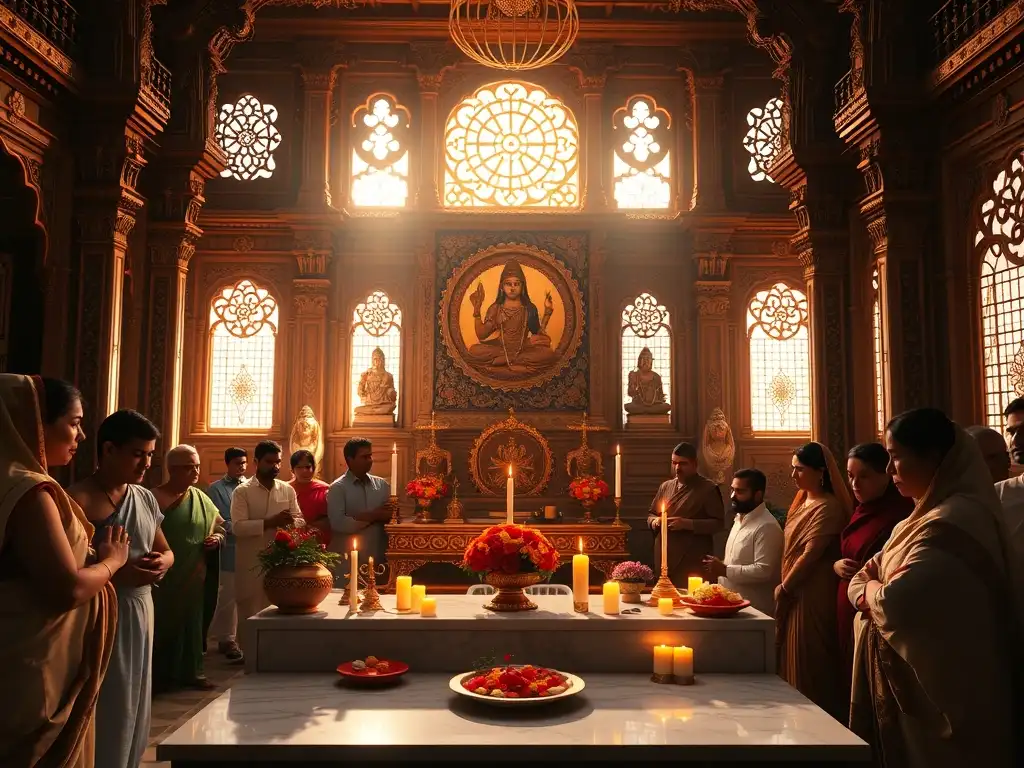
Welcome to Ancient India History, where we embark on a captivating journey through the rich tapestry of India's past. In this exploration, we delve into the profound realms of Jain spirituality and the significance of Paryushana, a festival that embodies the essence of introspection and renewal. As we uncover the intricate beliefs and practices that shaped ancient Indian civilizations, you'll find yourself drawn into the wisdom and teachings that continue to influence millions today. Prepare to ignite your curiosity and deepen your understanding as we unravel the layers of this fascinating topic.

Jain spirituality is a profound and intricate aspect of ancient Indian religions, characterized by its commitment to non-violence, truth, and asceticism. One of the most important observances within Jainism is Paryushana, a festival that holds significant spiritual meaning and emphasizes the core teachings of Jain philosophy. During this time, Jains engage in deep reflection, spiritual cleansing, and community activities aimed at fostering compassion and understanding.
In this article, we will explore the significance of Paryushana in the context of Jain spirituality, examining its definitions, historical roots, and the essence of its practices that contribute to the rich tapestry of Jain traditions. Understanding Paryushana not only sheds light on the spiritual lives of Jains but also offers valuable insights into the broader cultural and historical significance of Jainism in ancient India.
Introduction to Jain Spirituality
Jain spirituality is deeply rooted in the principles of ahimsa (non-violence), satya (truth), and aparigraha (non-possessiveness), which guide the ethical and moral framework of its adherents. The ultimate goal of Jainism is to achieve liberation (moksha) from the cycle of birth and death (samsara) through self-discipline and spiritual purity. The teachings of Lord Mahavira, the 24th Tirthankara, form the foundation of Jain beliefs and practices.
The core tenets of Jain spirituality manifest in various rituals and festivals, with Paryushana being one of the most significant. This annual observance serves as a time for Jains to purify their souls, seek forgiveness, and renew their commitment to spiritual growth.
Understanding Paryushana in Jainism
Paryushana is not merely a festival; it is a profound period of introspection and spiritual engagement for Jains. It typically occurs in late summer and lasts for eight days, culminating in the celebration of forgiveness and reflection. This period is marked by various religious practices, including fasting, prayer, and community gatherings, making it a pivotal time in the Jain calendar.
Definition of Paryushana
The term "Paryushana" can be translated as "abiding" or "coming together," signifying the importance of communal harmony and individual reflection during this sacred time. It is a period dedicated to spiritual renewal and self-examination, allowing Jains to deepen their understanding of their faith and practice forgiveness towards others.
During Paryushana, Jains engage in various rituals and recitations that emphasize the significance of compassion and the commitment to non-violence. The observance is also a reminder of the importance of living a life aligned with the core principles of Jainism.
Historical Context of Paryushana in Jain Traditions
Paryushana has a long-standing historical presence in Jain traditions, tracing its roots back to the teachings of Mahavira and earlier Tirthankaras. Historical texts suggest that Paryushana has been celebrated for centuries, evolving over time to incorporate various customs and rituals that resonate with contemporary Jain communities.
The festival's historical significance is evidenced through ancient scriptures, which highlight its role in fostering community ties and spiritual development. As Jainism spread across the Indian subcontinent, Paryushana became a cornerstone of Jain identity, celebrated with zeal and devotion.
Paryushana holds a vital place in Jain spirituality, serving as a time for reflection, forgiveness, and spiritual growth. Understanding its significance enriches our appreciation of Jainism and its contributions to the broader landscape of ancient Indian religions.
The Principles of Jain Spirituality during Paryushana
Paryushana, a significant festival in Jainism, encapsulates core principles of Jain spirituality, emphasizing self-discipline, purification, and ethical living. This observance typically lasts for eight days, during which Jains engage in various spiritual practices aimed at enhancing their connection with the divine and purifying their souls. The festival serves as a reflection period for practitioners, encouraging them to adhere to the fundamental tenets of Jainism that promote personal growth and enlightenment.
Central to the teachings of Jain spirituality during Paryushana are the principles of Ahiṃsā (non-violence) and Aparigraha (non-attachment). These doctrines guide practitioners in their quest for liberation and harmony with all living beings. By embracing these values, Jains seek to elevate their spiritual consciousness and foster a compassionate approach to life, ultimately leading to a deeper understanding of the interconnectedness of all existence.
The Importance of Ahiṃsā (Non-violence)
Ahiṃsā is the cornerstone of Jain ethics and plays a pivotal role during Paryushana. It emphasizes the absolute commitment to non-violence in thought, word, and deed. Jains believe that every act of violence, whether intentional or unintentional, generates negative karma, which hinders spiritual progress. During Paryushana, adherents are encouraged to reflect on their actions, cultivate compassion, and practice kindness towards all living beings.
The festival is an opportunity for Jains to deepen their commitment to Ahiṃsā by engaging in various activities that promote peace and compassion. This can include:
- Meditation and prayer focused on non-violence.
- Community service initiatives aimed at helping those in need.
- Educational programs that raise awareness about the significance of non-violence in daily life.
By prioritizing Ahiṃsā during Paryushana, Jains reinforce their spiritual principles and contribute to the broader goal of creating a more compassionate world.
The Role of Aparigraha (Non-attachment)
Aparigraha, or non-attachment, is another fundamental principle of Jain spirituality that finds special significance during Paryushana. This tenet encourages individuals to relinquish material desires and attachments, fostering a sense of detachment from worldly possessions. By practicing Aparigraha, Jains aim to purify their minds and focus on their spiritual journey instead of being ensnared by the distractions of materialism.
During Paryushana, Jains often engage in:
- Simplifying their lifestyle, reducing consumption and excess.
- Donating to charity, which helps in letting go of attachments and serves the community.
- Self-reflection and introspection to identify areas of attachment in their lives.
The observance of Aparigraha during Paryushana is instrumental in cultivating a mindset that values spiritual wealth over material possessions, leading to a more profound sense of inner peace and contentment.
The Concept of Forgiveness and Its Practice
Forgiveness is a vital aspect of Jain spirituality, and it is especially emphasized during Paryushana. Jains believe that harboring anger or resentment creates negative karma, which obstructs spiritual advancement. The festival is thus an occasion for individuals to reflect on their relationships and seek forgiveness from others while also forgiving those who may have wronged them.
Practicing forgiveness during Paryushana involves:
- Reciting prayers and mantras that focus on forgiveness and reconciliation.
- Engaging in discussions with family and community members to mend relationships and foster understanding.
- Participating in rituals that symbolize the act of letting go of grievances.
This emphasis on forgiveness not only purifies the mind and spirit but also strengthens communal bonds, promoting a harmonious and compassionate society.
Rituals and Practices of Paryushana
The rituals and practices observed during Paryushana are deeply embedded in Jain spirituality and serve to reinforce the principles of non-violence, non-attachment, and forgiveness. These rituals are designed to facilitate personal reflection, communal harmony, and spiritual growth.
Jains engage in a variety of practices throughout the festival, each aimed at enhancing their spiritual experience and commitment to Jain values. From fasting to communal prayers, these rituals play a crucial role in the observance of Paryushana.
Key Rituals Observed During Paryushana
Several key rituals are integral to the Paryushana celebration, each carrying significant spiritual meaning. These include:
- Pratikraman: A ritual of repentance where individuals reflect on their actions over the past year and seek forgiveness for any harm caused to others.
- Samyakdarshan: A meditation practice focusing on the right perception, helping practitioners align their thoughts with Jain principles.
- Puja: Ritualistic worship of Tirthankaras, which includes offerings and prayers to express devotion and gratitude.
These rituals, performed with devotion and sincerity, help Jains deepen their spiritual practice and cultivate a greater understanding of their faith during Paryushana.
Fasting and Its Spiritual Significance
Fasting is a common practice during Paryushana, allowing Jains to purify their bodies and minds while reinforcing their commitment to spiritual discipline. The act of fasting is seen as a way to detach from physical needs and desires, promoting a deeper focus on spiritual growth.
Different forms of fasting are observed, ranging from complete fasting to partial fasting. Some common fasting practices include:
- Upavas: A fast where individuals refrain from food and water for a specific period.
- Partial fasts: Consuming limited types of food or adhering to specific dietary restrictions.
- Pratikraman fasting: Fasting specifically during the Pratikraman rituals to enhance the experience of repentance.
Fasting during Paryushana is not merely about abstaining from food; it is a holistic approach to self-discipline, reflection, and spiritual awakening.
The Practice of Forgiveness during Paryushana
The practice of forgiveness is intricately woven into the fabric of Paryushana rituals. Jains use this time to introspect and reconcile with others, fostering an environment of peace and understanding. The act of seeking and granting forgiveness is central to maintaining harmony within the community and is often expressed through:
- Forgiveness ceremonies held within communities where members publicly express their willingness to forgive.
- Personal reflections where individuals write down grievances and consciously choose to let them go.
- Community gatherings that promote dialogue and understanding among members.
By engaging in these practices, Jains not only fulfill their spiritual obligations but also contribute to the overall well-being of their communities, solidifying the importance of forgiveness as a path to spiritual liberation.
The Cultural Impact of Paryushana on Jain Community
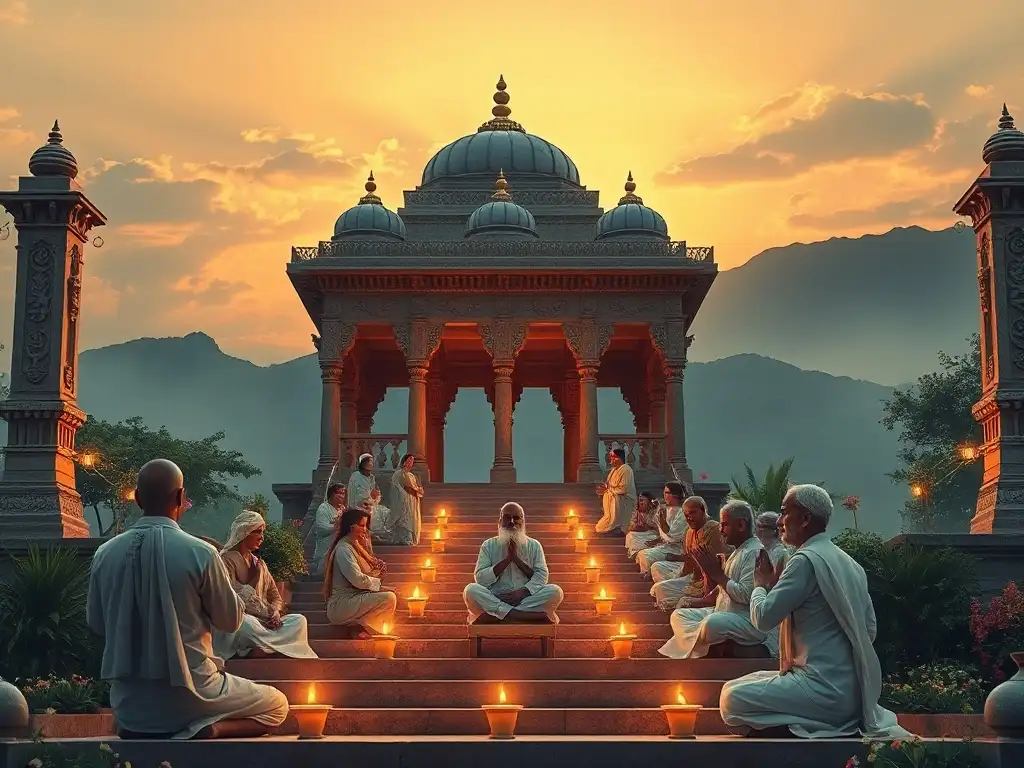
Paryushana, often referred to as the "season of rain," is one of the most significant religious observances in Jainism. This eight-day festival holds immense cultural importance for the Jain community, serving as a period of reflection, penance, and spiritual renewal. It is during Paryushana that Jains deepen their commitment to the principles of non-violence (ahimsa) and truth (satya), reinforcing their dedication to living a life of compassion and ethical conduct.
The festival promotes a sense of unity among Jains, as individuals come together to engage in communal prayers, meditation, and discussions about spiritual teachings. This collective experience fosters a strong sense of identity and belonging, reinforcing cultural traditions that have been passed down through generations. Furthermore, Paryushana encourages the practice of forgiveness, culminating in the ritual of "Kshamavani," where Jains seek forgiveness from others for any wrongs committed, thus promoting harmony within the community.
Paryushana’s Influence on Jain Art and Literature
Paryushana has profoundly influenced Jain art and literature, serving as a source of inspiration for various creative expressions. Temples and sacred spaces often feature elaborate sculptures and paintings that depict scenes from the Jain scriptures related to Paryushana, illustrating the stories of revered Tirthankaras and their teachings. This artistic representation not only enhances the religious ambiance but also educates devotees about the significance of the festival.
In literature, Paryushana is frequently referenced in numerous texts that elaborate on Jain philosophy and ethics. Sacred texts such as the "Acharanga Sutra" and the "Samayasara" explore themes of renunciation, self-discipline, and compassion, which are particularly emphasized during this time. Additionally, modern writers and poets have drawn upon the principles of Paryushana to create works that resonate with contemporary audiences, ensuring the continued relevance of Jain teachings in today’s world.
Community Gatherings and Their Spiritual Importance
During Paryushana, community gatherings play a crucial role in enhancing the spiritual experience for Jains. These gatherings typically involve collective prayers, lectures, and discussions led by spiritual leaders who emphasize the teachings of the Tirthankaras and the importance of ethical living. Such events not only provide an opportunity for spiritual education but also reinforce social bonds among community members.
The spiritual importance of these gatherings lies in their ability to create an atmosphere of devotion and introspection. Participants engage in rituals, including the recitation of sacred texts and the performance of rituals like "Tapa," which involves fasting or abstaining from certain pleasures. These practices foster a sense of discipline and encourage participants to reflect on their personal spiritual journeys, making the communal experience a vital aspect of Paryushana's significance.
Paryushana and Its Relevance in Modern Jain Spirituality
Paryushana remains highly relevant in modern Jain spirituality, adapting to contemporary lifestyles while preserving its core principles. The festival serves as a reminder for Jains to reconnect with their spiritual roots, emphasizing the timeless nature of Jain teachings in a rapidly changing world. It encourages practitioners to integrate the values of non-violence, compassion, and truth into their daily lives, reflecting a conscious effort to live ethically.
Moreover, Paryushana has become a platform for addressing modern challenges faced by the Jain community, such as environmental issues and social justice. By emphasizing the principles of non-violence and sustainability, Jains are encouraged to engage with contemporary societal issues, making the teachings of Paryushana applicable and meaningful in today’s context.
Contemporary Practices of Paryushana
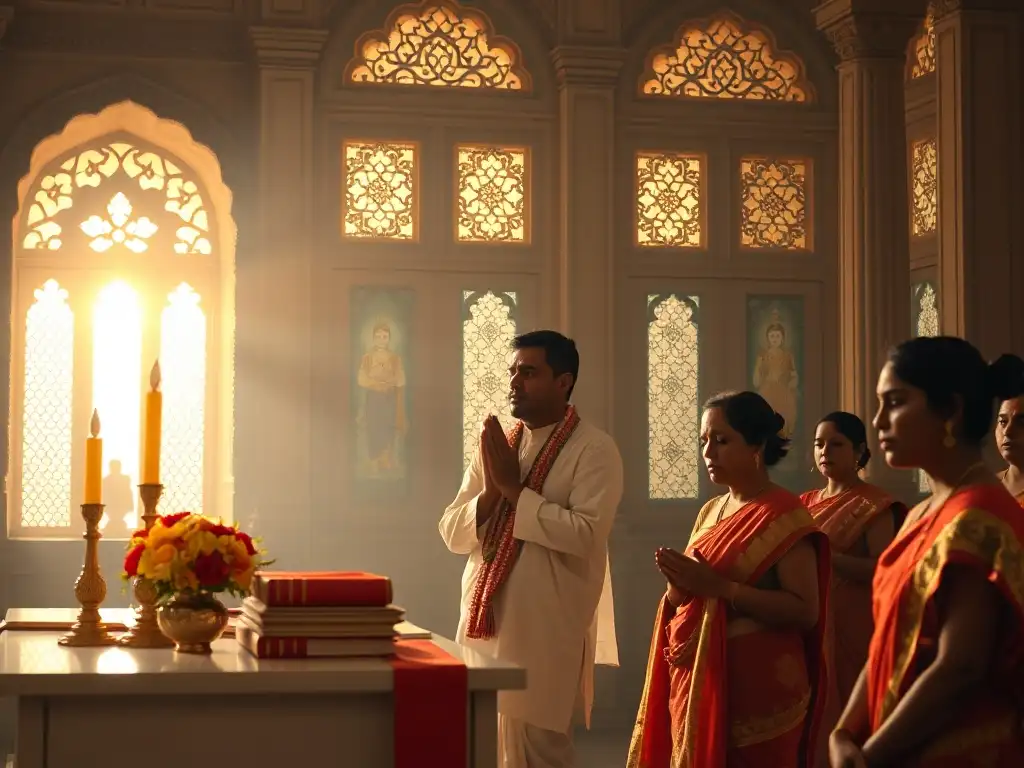
Contemporary practices of Paryushana have evolved to accommodate the changing dynamics of society while maintaining the essence of the festival. Many Jains now observe Paryushana with increased emphasis on personal reflection and community service. Activities such as food drives, educational programs, and environmental initiatives are commonly organized during this period, highlighting the commitment to social responsibility.
Additionally, the use of technology has transformed how Paryushana is celebrated. Virtual gatherings and online discourses have become popular, allowing Jains from different parts of the world to participate in spiritual practices and discussions. This modern adaptation ensures that the teachings of Jainism remain accessible and relevant, enabling a wider audience to engage with the principles of Paryushana.
The Evolution of Paryushana Celebrations
The evolution of Paryushana celebrations reflects the adaptability of Jain traditions over time. Historically, Paryushana was marked by strict observance of fasting and penance. However, as society has progressed, the festival has incorporated more diverse practices that resonate with the younger generation. Today, Paryushana celebrations often include cultural programs, artistic performances, and community outreach initiatives that blend spirituality with cultural expression.
This evolution also recognizes the importance of inclusivity within the Jain community. Efforts have been made to ensure that Paryushana is accessible to individuals of all ages and backgrounds, fostering a spirit of unity and collective participation. As Paryushana continues to adapt, it remains a vital aspect of Jain spirituality, reflecting the enduring values of compassion, forgiveness, and ethical living that are central to Jain beliefs.
Conclusion: The Lasting Significance of Paryushana in Jain Spirituality
Paryushana represents a pivotal moment in Jain spirituality, encapsulating the essence of self-reflection, forgiveness, and spiritual growth. This annual festival underscores the importance of internal purification and ethical living, which are central tenets of Jainism. During this period, Jains engage in heightened religious observance, including fasting, prayer, and community gatherings, fostering a deeper connection with their spiritual roots.
The teachings imparted during Paryushana resonate well beyond the festival itself, promoting values such as non-violence (ahimsa) and truthfulness (satya) that are fundamental to Jain philosophy. The emphasis on forgiveness, particularly during the concluding day known as Samvatsari, highlights the importance of reconciliation and humility, serving as a reminder of the interconnectedness of all beings. This aspect of Paryushana not only strengthens individual resolve but also enhances communal harmony, as participants seek to mend relationships and foster peace.
Moreover, the festival's rich traditions and rituals serve as a means of preserving Jain heritage, ensuring that the teachings of the Tirthankaras are passed down through generations. As Jains come together to celebrate Paryushana, they reaffirm their commitment to living a life of virtue and spiritual discipline, thus ensuring that the significance of this festival endures in the fabric of Jain spirituality for years to come.
Reflection on Jain Spirituality and Paryushana Significance in Ancient Indian Culture
The significance of Paryushana extends beyond the confines of Jainism, reflecting broader themes prevalent in ancient Indian culture. This festival serves as a microcosm of the spiritual ethos that permeated the Indian subcontinent, wherein festivals often acted as reminders of moral values and spiritual ideals. The concepts of self-discipline, compassion, and introspection highlighted during Paryushana resonate with the teachings of various ancient Indian philosophies, including Buddhism and Hinduism.
In ancient Indian society, festivals like Paryushana provided an opportunity for communal bonding, spiritual rejuvenation, and cultural continuity. They encouraged individuals to engage in self-assessment and promote social harmony, which was essential in a diverse society marked by various belief systems and practices. The rituals associated with Paryushana, such as reciting scriptures and practicing forgiveness, echo similar traditions found in other ancient texts and practices, illustrating a shared cultural heritage focused on ethical living.
Furthermore, Paryushana's emphasis on non-violence and truth is particularly significant in the context of ancient Indian thought, where these principles were paramount in social and philosophical discourse. The festival not only reinforces Jain teachings but also serves as a reminder of the importance of these values in fostering a just and harmonious society.
Overall, Paryushana stands as a testament to the enduring legacy of Jain spirituality within ancient Indian culture, showcasing how spiritual practices can facilitate personal growth while simultaneously enriching communal and cultural identities. Through this lens, it becomes clear that the significance of Paryushana is not merely a reflection of religious observance but a vital component of the broader tapestry of ancient Indian history and values.
- Introduction to Jain Spirituality
- Understanding Paryushana in Jainism
- The Principles of Jain Spirituality during Paryushana
- Rituals and Practices of Paryushana
- The Cultural Impact of Paryushana on Jain Community
- Paryushana’s Influence on Jain Art and Literature
- Community Gatherings and Their Spiritual Importance
- Paryushana and Its Relevance in Modern Jain Spirituality
- Contemporary Practices of Paryushana
- The Evolution of Paryushana Celebrations
- Conclusion: The Lasting Significance of Paryushana in Jain Spirituality
- Reflection on Jain Spirituality and Paryushana Significance in Ancient Indian Culture
Frequently Asked Questions
What is Paryushana in Jainism?
Paryushana is a significant Jain festival that emphasizes self-reflection and spiritual growth. It usually lasts for eight days and serves as a time for forgiveness, introspection, and renewal of faith.
How do Jains observe Paryushana?
During Paryushana, Jains engage in various spiritual practices such as fasting, meditation, and attending prayer services. They focus on non-violence (ahimsa) and often seek forgiveness from others for any wrongs committed.
Why is forgiveness important during Paryushana?
Forgiveness is a key theme of Paryushana, as it fosters inner peace and harmony within the community. Jains believe that seeking and granting forgiveness is essential for spiritual cleansing and growth.
What role does Jain spirituality play in Paryushana?
Jain spirituality emphasizes the importance of detachment from material possessions and attachment to ethical living. Paryushana serves as a time to deepen this spiritual commitment and reflect on one's actions and intentions.
Paryushana is closely linked to the teachings of Mahavira, the 24th Tirthankara of Jainism. His philosophies on ahimsa, truth, and self-discipline are central to the practices observed during this festival, reinforcing Jain values.
Final Reflection: Embracing the Essence of Jain Spirituality Through Paryushana
The significance of Paryushana resonates profoundly in today's world, reminding us of the importance of self-reflection and spiritual growth. In an era marked by rapid change and often superficial connections, the teachings of Jain spirituality offer a sanctuary for introspection and ethical living. Paryushana, with its emphasis on forgiveness, humility, and non-violence, challenges us to cultivate deeper relationships with ourselves and others, urging us to embrace compassion as a guiding principle in our daily lives.
The impact of Paryushana extends beyond the confines of Jain communities, influencing broader cultural and social landscapes. As we witness a growing interest in mindfulness and ethical living, the principles encapsulated in Paryushana serve as a beacon for those seeking meaning in their lives. Forgiveness is the fragrance that the violet sheds on the heel that has crushed it.
This quote beautifully encapsulates the essence of Jain spirituality during Paryushana, reminding us that true strength lies in our ability to forgive and rise above grievances, fostering a more harmonious existence.
As we reflect on the teachings of Paryushana, I invite you to consider how these principles can be woven into the fabric of your own life. Take a moment to pause, reflect, and embrace the values of compassion and forgiveness. Let the lessons of Jain spirituality inspire you to cultivate a deeper understanding of yourself and your relationships, fostering a world where kindness and empathy prevail. The journey of spiritual growth is ongoing, and each step taken in the spirit of Paryushana can lead to profound transformation, both personally and collectively.
Embrace the Spirit of Paryushana Today!
Thank you for taking the time to explore the profound insights of Paryushana and its significance in Jain spirituality. We hope you’ve discovered the deep connections between this sacred observance and personal growth. Now, let’s turn that knowledge into action!
Here are a few meaningful steps you can take right now:
- Dive into a Paryushana tradition by practicing meditation or reflecting on themes of compassion and forgiveness in your daily routine.
- Share the wisdom you've gained by discussing the importance of Paryushana with friends and family, inspiring them to join you on this journey.
- Explore local Jain temples or community events that honor Paryushana to connect with others and deepen your understanding of this sacred time.
As you contemplate these actions, we invite you to reflect: What personal changes are you ready to embrace this Paryushana to foster a spirit of peace and understanding in your life?