
The Philosophical Significance of Festivals in Hindu Culture

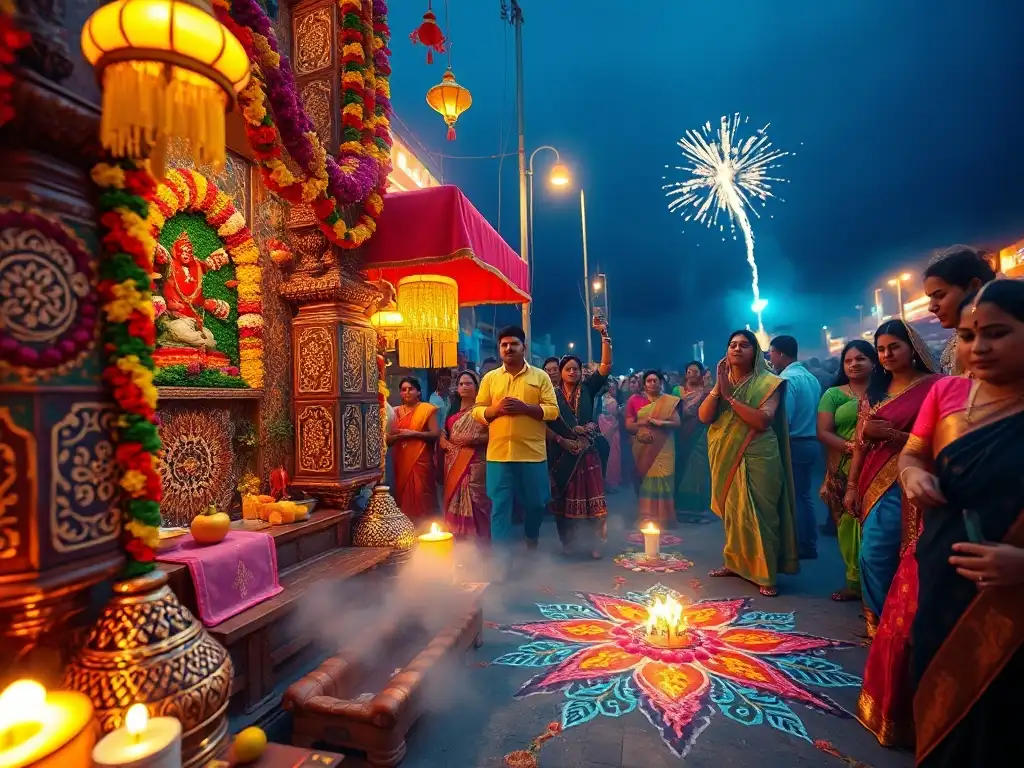
Welcome to Ancient India History, where we embark on a fascinating journey through time to uncover the rich tapestry of ancient Indian civilizations. Today, we delve into the philosophical significance of Hindu festivals, exploring how these vibrant celebrations not only mark the passage of time but also embody profound cultural values and spiritual teachings. As you navigate through our insights, prepare to discover the deeper meanings behind these festivities that have shaped the very essence of Indian identity. Join us in unraveling the mysteries and marvels of a past that continues to resonate in the present!
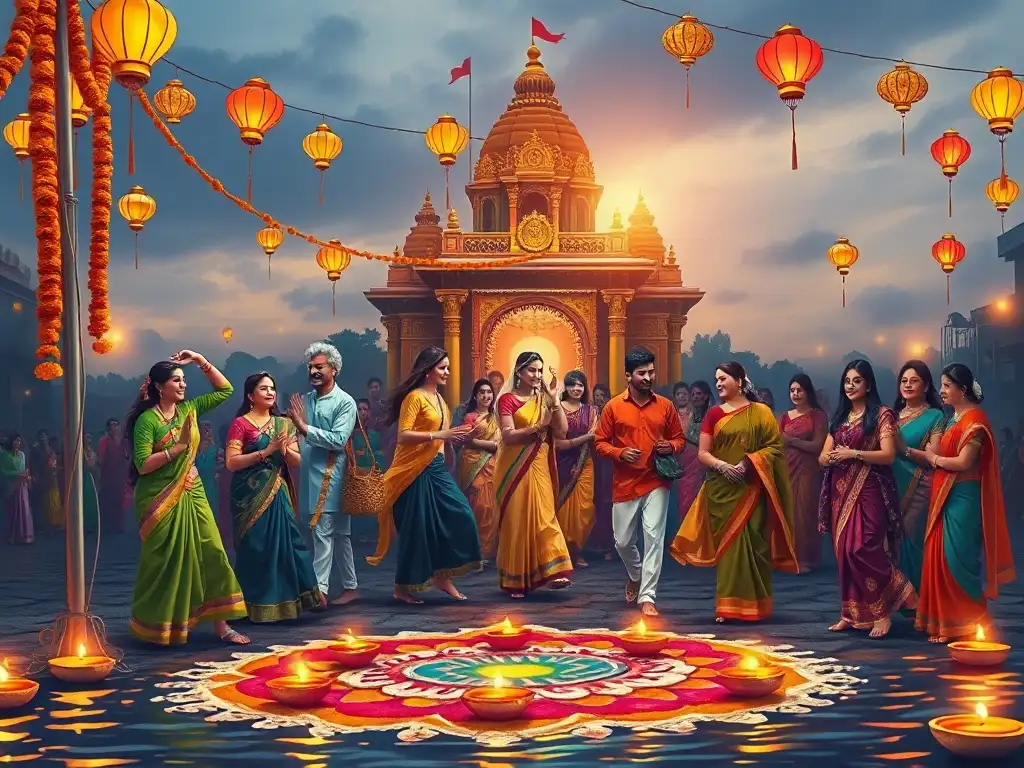
Festivals in Hindu culture are not merely occasions for celebration; they are profound expressions of philosophical and spiritual beliefs that have evolved over millennia. The philosophical significance of Hindu festivals lies in their ability to encapsulate the essence of Hindu thought, weaving together themes of morality, community, and the cyclical nature of life.
From the ancient rituals of the Indus Valley to the vibrant celebrations of the Gupta Empire, these festivals serve as a lens through which we can explore the rich tapestry of Hindu philosophy and its enduring impact on cultural practices. This article delves into the intricate relationship between Hindu festivals and the philosophical underpinnings that guide them, offering a deeper understanding of their role in shaping the spiritual landscape of ancient and modern India.
Introduction to Hindu Festivals
Overview of Festivals in Hinduism
Hindu festivals are deeply rooted in the religious calendar and are celebrated with great fervor across the Indian subcontinent. They are diverse in nature, reflecting the myriad traditions, regional variations, and cultural influences that characterize Hinduism. Some of the most prominent festivals include:
- Diwali - The Festival of Lights, symbolizing the victory of light over darkness.
- Holi - The Festival of Colors, celebrating love and the arrival of spring.
- Navaratri - A nine-night festival honoring the goddess Durga.
- Makar Sankranti - A harvest festival marking the transition of the sun into Capricorn.
These festivals often involve elaborate rituals, communal gatherings, and the reenactment of mythological stories, allowing devotees to engage with their spiritual heritage while fostering a sense of belonging within the community.
Importance of Festivals in Hindu Culture
The importance of festivals in Hindu culture transcends mere celebration; they serve as pivotal moments for communal bonding, spiritual renewal, and the reaffirmation of cultural identity. They embody the following key aspects:
- Social Cohesion: Festivals bring people together, fostering a sense of unity and collective identity among diverse communities.
- Ritual and Tradition: They provide an opportunity to engage in ritual practices that connect the present with ancient traditions, reinforcing cultural continuity.
- Spiritual Reflection: Festivals encourage introspection and spiritual growth, allowing individuals to reflect on their values and beliefs.
In these ways, festivals are integral to the social fabric of Hindu life, acting as a bridge between the individual and the collective, the sacred and the secular.
The Philosophical Significance of Hindu Festivals
Understanding Philosophy in Hinduism
Hindu philosophy is rich and multifaceted, encompassing various schools of thought, including Vedanta, Samkhya, and Yoga. Central to these philosophies are concepts such as dharma (duty/righteousness), karma (action and consequence), and moksha (liberation). These ideas are not just abstract principles; they find expression in the rituals and themes of Hindu festivals.
For instance, the concept of dharma is often highlighted during festivals like Diwali, where the victory of Lord Rama over the demon king Ravana symbolizes the triumph of righteousness over evil.
Connection Between Festivals and Hindu Philosophy
The connection between festivals and Hindu philosophy is profound. Each festival encapsulates philosophical themes that resonate with the life experiences of individuals. For example:
- Cycle of Life: Festivals often celebrate the cyclical nature of existence, reflecting the philosophical idea of samsara (the cycle of birth, death, and rebirth). This is evident in festivals like Holi, which signifies renewal and the arrival of spring.
- Moral Lessons: Many festivals convey moral teachings, reinforcing values such as compassion, forgiveness, and selflessness—key elements of Hindu ethical philosophy.
- Celebration of Diversity: The plurality of festivals mirrors the philosophical acceptance of diverse paths to spirituality, embodying the idea that multiple beliefs can coexist harmoniously.
Through their philosophical significance, Hindu festivals not only commemorate historical events and deities but also offer insights into the fundamental beliefs that shape human existence and community life.
Major Hindu Festivals and Their Philosophical Meanings
Hindu festivals are not merely celebrations; they serve as profound reflections of the philosophical tenets inherent in Hindu thought. Each festival embodies a unique set of values, beliefs, and teachings that resonate with the overarching themes of dharma (duty), karma (action), and moksha (liberation). The festivals are a means to engage with these concepts on a personal and communal level, fostering a deeper understanding of life and the universe.
Diwali: The Festival of Lights
Diwali, known as the Festival of Lights, symbolizes the victory of light over darkness and good over evil. Philosophically, it represents the inner light of the soul and the pursuit of knowledge and wisdom. The lighting of lamps (diyas) signifies the dispelling of ignorance and the awakening of spiritual consciousness.
The celebration of Diwali also involves the worship of Goddess Lakshmi, the deity of wealth and prosperity, highlighting the importance of ethical living and the responsible use of resources. The exchange of gifts and sweets during this festival reflects the principles of generosity and community, emphasizing the interconnectedness of individuals within society.
Holi: The Festival of Colors
Holi, the Festival of Colors, serves as a vibrant celebration of love, joy, and the arrival of spring. Philosophically, it underscores the transient nature of life and the importance of enjoying the present moment. The playful throwing of colors represents the shedding of inhibitions and the breaking down of social barriers, as participants engage in joyous festivities regardless of their background.
Holi also embodies the concept of rebirth and renewal, echoing the cycles of nature. The festival encourages forgiveness and the mending of relationships, resonating with the idea that love and unity can triumph over animosity. This celebration serves as a reminder of the divine presence in everyday life and the importance of embracing life's colorful experiences.
Navaratri: The Festival of Nine Nights
Navaratri, which translates to "Nine Nights," is a festival dedicated to the worship of the divine feminine. It honors the goddess Durga and her various forms, emphasizing the philosophical significance of femininity, strength, and protection. Each night represents a different aspect of the goddess, inviting devotees to reflect on their own inner strength and resilience.
The festival also embodies the themes of transformation and spiritual growth. The nine nights of fasting, prayer, and dance symbolize the journey of the soul towards enlightenment, encouraging individuals to overcome their inner demons and embrace a path of righteousness. Navaratri highlights the balance between the masculine and feminine energies, promoting harmony within oneself and society.
Makar Sankranti: The Harvest Festival
Makar Sankranti marks the transition of the sun into the zodiac sign of Capricorn and is celebrated as a harvest festival across India. Philosophically, it signifies new beginnings, prosperity, and the cyclical nature of life. This festival is rooted in gratitude, as communities come together to celebrate the fruits of their labor.
The act of flying kites during Makar Sankranti symbolizes the elevation of the spirit and the pursuit of higher knowledge. It serves as a reminder of the importance of community and collective effort in achieving prosperity. The festival also emphasizes the significance of environmental harmony, as it is closely tied to agricultural practices and seasonal changes.
The Role of Rituals in Hindu Festivals
Rituals are integral to Hindu festivals, serving as manifestations of deeper philosophical principles. They provide a structured way to engage with the ideas, values, and teachings central to Hinduism. Through rituals, participants can experience and embody the philosophies that these festivals represent.
Rituals as Expressions of Philosophy
Each ritual performed during Hindu festivals carries significant philosophical meanings. For instance, the act of lighting a lamp during Diwali symbolizes the illumination of knowledge and the dispelling of ignorance. Similarly, the rituals performed during Holi, such as throwing colors, reflect the philosophical idea of celebrating life's fleeting moments and fostering connections among individuals.
Rituals also serve as a means of connecting with the divine, allowing individuals to express their beliefs and seek blessings. They act as conduits for spiritual experiences and provide a framework for understanding complex philosophical concepts through tangible actions.
How Rituals Enhance the Philosophical Experience
Rituals enhance the philosophical experience by creating a sense of community and shared purpose. When individuals participate in rituals collectively, they forge deeper connections with one another and with the teachings of their faith. This communal aspect reinforces the idea of dharma, as people come together to uphold and celebrate their cultural heritage.
Furthermore, rituals often evoke emotional responses that facilitate introspection and personal growth. Engaging in practices such as chanting, meditation, and prayer during festivals allows participants to reflect on their values and beliefs, ultimately leading to a richer understanding of the philosophical significance of Hindu festivals. Through these experiences, individuals are encouraged to internalize the teachings and apply them to their daily lives, fostering a continuous journey of spiritual evolution.
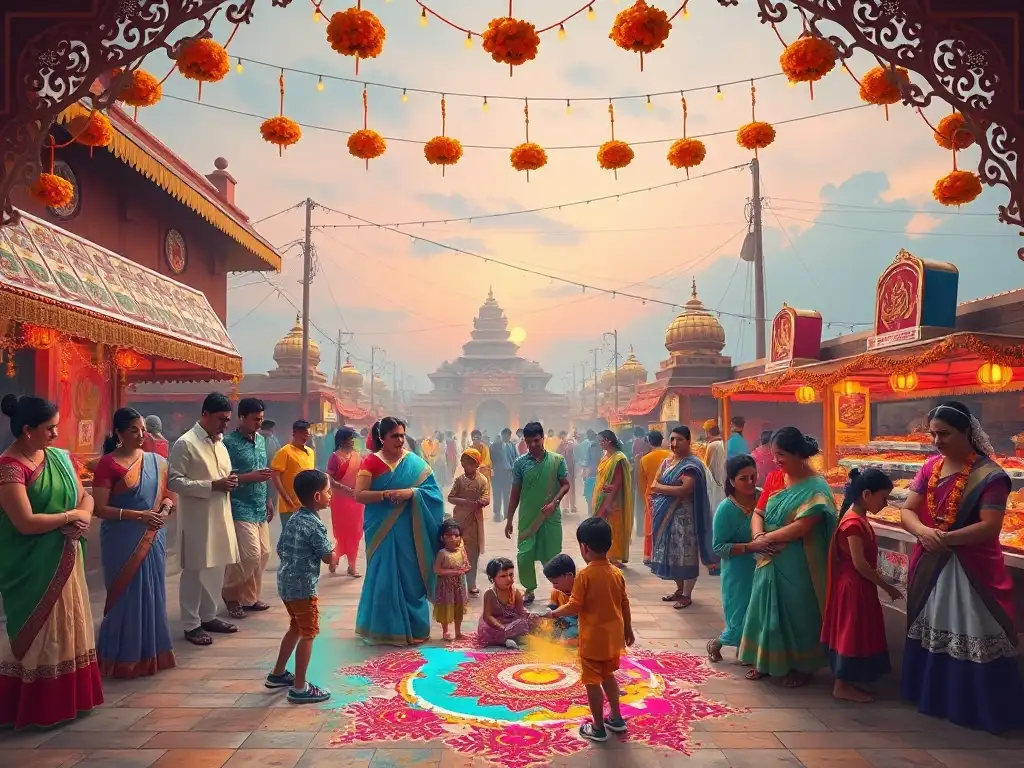
Hindu festivals play an essential role in fostering community spirit and social cohesion among diverse groups. These celebrations bring together individuals from various backgrounds, promoting a sense of belonging and unity. Festivals such as Diwali, Holi, and Navratri serve as platforms for communal participation, where people share joy and happiness, transcending social and economic barriers. The community aspect of these festivals often manifests in collective rituals, communal feasts, and vibrant gatherings that strengthen interpersonal bonds and create a shared cultural identity.
Festivals as a Means of Social Cohesion
The communal nature of Hindu festivals serves as a powerful means of social cohesion. During these events, families and friends gather to engage in rituals, prayers, and celebrations, reinforcing their connections and sense of community. For instance, during Diwali, the festival of lights, people decorate their homes together, share sweets, and visit each other's houses, fostering goodwill and camaraderie. These activities encourage interactions among individuals across different age groups and communities, enhancing social networks and promoting harmony.
Furthermore, festivals often involve elaborate community service initiatives, such as food distribution and charitable acts, fostering a spirit of altruism and collective responsibility. By participating in these activities, individuals strengthen their ties to one another and their cultural heritage, reinforcing the philosophy of 'Vasudhaiva Kutumbakam'—the world is one family.
Philosophical Implications of Community and Togetherness
The philosophical implications of community and togetherness during Hindu festivals extend beyond mere social interactions. They embody deeper spiritual truths about interconnectedness and the importance of collective consciousness. The essence of many Hindu festivals lies in the concept of 'Dharma,' which emphasizes the moral duties of individuals toward their community and society.
In essence, festivals remind participants of their shared humanity, encouraging empathy, compassion, and cooperation. This communal participation reflects the core Hindu belief that individual well-being is intrinsically linked to the well-being of others. Through rituals and celebrations, the festivals reinforce the notion that unity in diversity is a fundamental principle of life, promoting a harmonious existence that aligns with the philosophical teachings of Hinduism.
Conclusion: The Enduring Philosophical Legacy of Hindu Festivals
The philosophical legacy of Hindu festivals is profound and enduring, impacting not only individual lives but also the broader societal framework. They encapsulate the essence of Hindu thought by intertwining spirituality, community, and cultural identity.
Reflection on the Impact of Festivals on Hindu Thought
Festivals serve as a reflection of Hindu philosophy, prompting individuals to contemplate their place within the universe and their responsibilities toward others. The cyclical nature of festivals, mirroring the cycles of life, death, and rebirth, invites introspection and spiritual growth. Each festival carries its unique significance and teachings, often derived from ancient scriptures and mythologies, which guide participants in understanding deeper existential truths.
Moreover, the rituals and customs associated with these festivals encourage mindfulness and presence, fostering a deeper connection with the divine and the cosmos. This reflection on the spiritual dimensions of festivals shapes individual and collective identities, reinforcing values that resonate within Hindu thought.
The Future of Festivals in Hindu Philosophy
As society evolves, the future of festivals in Hindu philosophy remains a subject of great interest. While modern influences may alter the ways in which festivals are celebrated, the underlying philosophical significance will likely endure. Innovations in how festivals are observed—whether through virtual gatherings or new interpretations of age-old traditions—will continue to highlight the adaptability and resilience of Hindu culture.
The challenge lies in maintaining the essence of these festivals, ensuring that they remain true to their philosophical roots while adapting to contemporary contexts. By emphasizing their role in fostering community, promoting spiritual growth, and celebrating shared values, Hindu festivals can continue to thrive as essential components of the rich tapestry of Indian culture and philosophy.
References and Further Reading
To gain a deeper understanding of the philosophical significance of Hindu festivals, it is essential to explore various resources that encompass both historical context and interpretative frameworks. The following sections outline suggested books and academic articles that delve into the intricate relationships between Hindu festivals, cultural practices, and philosophical underpinnings.
Suggested Books on Hindu Festivals and Philosophy
-
"Hindu Festivals: A Cultural Perspective" by Nanditha Krishna
This book provides an insightful exploration of various Hindu festivals, detailing their historical origins, cultural significance, and philosophical interpretations. The author discusses how these festivals embody the values and beliefs inherent in Hindu philosophy.
-
"The Hindu Festival Calendar" by Dr. K. K. Sharma
Dr. Sharma outlines the significance of various festivals within the Hindu calendar, emphasizing their philosophical meanings and the rituals that accompany them. The book serves as both a guide and a reference for understanding the spiritual dimensions of these celebrations.
-
"Festivals of India: An Anthology of Celebrations" by Ramesh Chandra Dutta
This anthology compiles essays that highlight the philosophical ideas associated with numerous festivals across India. The contributors analyze the rituals and practices of these festivals, linking them to broader philosophical themes within Hindu thought.
-
"The Essence of Hinduism" by Dr. Ananda K. Coomaraswamy
Coomaraswamy's work provides a comprehensive understanding of Hindu philosophy, including discussions on festivals as expressions of deeper metaphysical concepts. This book is crucial for anyone seeking to grasp the philosophical dimensions behind cultural practices.
-
"Hinduism: A Very Short Introduction" by Kim Knott
This concise book offers a clear overview of Hinduism, including its festivals. Knott discusses the philosophical aspects that underpin these celebrations, making it accessible for readers new to the subject.
Academic Articles on the Philosophical Aspects of Hinduism
-
"The Philosophy of Ritual in Hindu Festivals" by Dr. M. R. Anand
In this article, Dr. Anand analyzes the role of rituals in Hindu festivals and their philosophical implications. The paper discusses how these rituals serve as a means of connecting the individual with the divine and the larger cosmic order.
-
"Symbolism in Hindu Festivals: A Philosophical Interpretation" by Dr. S. P. Reddy
This scholarly article delves into the symbolic meanings embedded in various Hindu festivals. Dr. Reddy articulates how these symbols reflect key philosophical concepts such as dharma, karma, and moksha.
-
"Festivals as a Reflection of Hindu Ethics: A Philosophical Inquiry" by Dr. L. N. Mishra
Dr. Mishra explores the ethical dimensions of Hindu festivals, arguing that they serve not only to celebrate cultural heritage but also to reinforce moral values within the community. The philosophical implications of these festivals are discussed in detail.
-
"Temporal and Eternal: The Philosophical Significance of Time in Hindu Festivals" by Dr. A. S. Varma
This article examines the concept of time as understood in Hindu philosophy, especially in relation to festivals. Dr. Varma highlights how these celebrations bridge the temporal and the eternal, offering insights into the cyclical nature of existence.
-
"The Philosophical Underpinnings of Hindu Festival Practices: An Ethnographic Study" by Dr. R. K. Sharma
This ethnographic study investigates the practices associated with Hindu festivals and their philosophical foundations. Dr. Sharma discusses how these practices embody the core tenets of Hindu philosophy, providing a nuanced understanding of their significance in contemporary society.
- Introduction to Hindu Festivals
- The Philosophical Significance of Hindu Festivals
- Major Hindu Festivals and Their Philosophical Meanings
- The Role of Rituals in Hindu Festivals
- Community and Social Aspects of Hindu Festivals
- Conclusion: The Enduring Philosophical Legacy of Hindu Festivals
- References and Further Reading
Frequently Asked Questions
What is the philosophical significance of Hindu festivals?
Hindu festivals embody deeper meanings beyond mere celebrations, reflecting spiritual values, cultural heritage, and community bonding. They provide an opportunity for individuals to connect with their inner selves and the divine.
Hindu festivals foster unity among families and communities by encouraging shared experiences and participation in rituals. This helps strengthen relationships and promotes a sense of belonging.
Can you explain the connection between festivals and spiritual growth in Hindu culture?
Festivals serve as a time for reflection, purification, and devotion. They guide individuals on their spiritual journeys, allowing them to engage in practices that enhance their understanding of life and the universe.
What role do rituals play during Hindu festivals?
Rituals are vital during festivals as they symbolize traditions, myths, and values. They help participants immerse themselves in the cultural context and connect with the divine through sacred actions.
How do Hindu festivals celebrate the cycle of life?
Hindu festivals often represent the cyclic nature of life, encompassing themes of birth, death, and rebirth. They remind participants of the transience of life and the importance of living in harmony with the universe.
Final Reflection: Embracing the Philosophical Significance of Hindu Festivals
The philosophical significance of Hindu festivals resonates profoundly in today's world, reminding us of the importance of community, spirituality, and the cyclical nature of life. In a time when individualism often overshadows collective experiences, these festivals serve as a vital link to our cultural heritage, fostering connections that transcend generations. They invite us to reflect on our existence, our values, and our shared journey through life, emphasizing that celebration is not merely an act of joy but a profound exploration of our beliefs and identities.
Celebrating these festivals is not just about the rituals; it is about understanding their deeper meanings and how they shape our social fabric. The teachings embedded in these celebrations encourage us to engage with our communities, promoting harmony and understanding. As Mahatma Gandhi once said, The best way to find yourself is to lose yourself in the service of others.
This sentiment encapsulates the essence of Hindu festivals, where the act of coming together serves as a reminder of our interconnectedness and shared humanity, fostering a sense of belonging and purpose.
As we reflect on the philosophical significance of Hindu festivals, let us embrace the opportunity to integrate their lessons into our daily lives. I invite you to participate in these celebrations with an open heart and mind, allowing their rich traditions to inspire you.
Take a moment to consider how these festivals can deepen your understanding of yourself and your community, encouraging you to cultivate a spirit of gratitude, compassion, and unity. By doing so, we not only honor our heritage but also pave the way for a more harmonious future, where the essence of these celebrations continues to thrive in our hearts and actions.
Embrace the Essence of Celebration!
Thank you for exploring the philosophical significance of festivals in Hindu culture with us! By delving into these vibrant traditions, you've uncovered the deeper meanings that shape our communities and values. Now, let's take that understanding and turn it into action.
Here are a few ways you can keep the spirit of celebration alive:
- Attend a local festival: Experience the beauty and philosophy of Hindu festivals firsthand by participating in or volunteering at community events.
- Share your insights: Engage with friends and family about what you've learned; uplift the essence of these traditions by facilitating meaningful discussions.
- Explore further: Deepen your understanding of the philosophy behind various festivals by reading literature or watching documentaries that highlight cultural practices.
Which festival resonates with you the most, and how does it align with your personal beliefs?