
The Life of Mahakasyapa: From Disciple to Leader of the Buddhist Community

Welcome to Ancient India History, where we embark on a fascinating journey through the rich tapestry of ancient Indian civilizations. Delve into the remarkable life of Mahakasyapa, a pivotal figure who transformed from a devoted disciple into a revered leader of the Buddhist community. As we explore his journey and the profound impact he had on the development of ancient Indian religions, you'll uncover insights that illuminate the spiritual and cultural landscape of his time. Are you ready to discover how one man's dedication shaped the future of Buddhism? Let's dive deeper into this captivating story!
The journey of Mahakasyapa is a profound narrative within the tapestry of Buddhism, shedding light on the evolution of the Buddhist community from its formative years to a structured religious movement. Renowned as one of the foremost disciples of Siddhartha Gautama, the Buddha, Mahakasyapa's contributions extend beyond mere discipleship; he ascended to the role of a pivotal leader, shaping the early Buddhist community's direction and philosophy. His life and teachings are not only significant to practitioners of Buddhism but also offer insights into the socio-religious dynamics of ancient India.
As the first to receive the Buddha's teachings after his parinirvana (the final passing away), Mahakasyapa is often credited with preserving and disseminating the core tenets of Buddhism. His leadership during the formation of the Sangha (the Buddhist monastic community) laid the groundwork for the institutionalization of Buddhist practices and beliefs. This article will delve into the life of Mahakasyapa, examining his transformation from a devoted disciple to a revered leader of the Buddhist community, highlighting his pivotal role in the preservation and propagation of Buddhist teachings and the establishment of monastic discipline.
Early Life and Disciple of the Buddha
Mahakasyapa, originally known as Kasyapa, hailed from a brahmin family in the region of Magadha. His early life was characterized by a pursuit of spiritual truth, leading him to renounce worldly attachments in favor of ascetic practices. It was during this transformative phase that he encountered the Buddha, who profoundly influenced his spiritual journey.
- Key characteristics of Mahakasyapa's early life:
- Emphasis on asceticism and meditation.
- Encounter with the Buddha, leading to profound insights.
- Immediate adherence to the Buddha’s teachings, showcasing his commitment.
Mahakasyapa distinguished himself among the Buddha’s disciples through his unwavering dedication and profound understanding of the Dharma (the Buddha’s teachings). His keen insight and ability to grasp the essence of Buddhist philosophy made him a trusted confidant and a significant figure within the early Sangha.
Leadership in the Buddhist Community
Following the Buddha’s death, Mahakasyapa emerged as a crucial leader within the Buddhist community, especially during the First Buddhist Council held at Rajgir. This council was convened to preserve the teachings of the Buddha and compile the sacred texts. Mahakasyapa's leadership played a vital role in ensuring the authenticity and integrity of the teachings that would guide future generations of Buddhists.
- Significant contributions as a leader:
- Organizing the First Buddhist Council to compile scriptures.
- Advocating for monastic discipline and ethical conduct among monks.
- Promoting unity and cohesion within the burgeoning Buddhist community.
His leadership was characterized by a focus on maintaining the purity of the teachings and fostering a sense of community among followers. Mahakasyapa's role was not only administrative but also spiritual, as he offered guidance and wisdom to those seeking to navigate the complexities of Buddhist practice.
Legacy of Mahakasyapa
The legacy of Mahakasyapa extends beyond his lifetime, influencing countless generations of Buddhists. His emphasis on the importance of community and monastic discipline became foundational for the future of Buddhism. The values he championed continue to resonate within Buddhist traditions today.
- Enduring impacts of Mahakasyapa's teachings:
- Establishment of monastic rules and guidelines.
- Influence on subsequent Buddhist leaders and schools of thought.
- Promotion of the importance of community in spiritual practice.
Mahakasyapa’s life story serves as an inspiring testament to the transformative power of spiritual dedication and community leadership within the context of ancient Indian Buddhism. His journey from a devoted disciple to a revered community leader exemplifies the essential qualities of wisdom, compassion, and commitment to the Dharma. As we explore his life further, we gain deeper insights into the foundational principles that continue to shape the Buddhist community today.
Introduction to Mahakasyapa and His Role in Buddhism
Mahakasyapa is a pivotal figure in the history of Buddhism, revered not only as one of the principal disciples of Gautama Buddha but also as a prominent leader who played a crucial role in the early Buddhist community. His journey from a devoted follower to a leader exemplifies the transformative power of faith and dedication in the pursuit of enlightenment. Mahakasyapa’s legacy is marked by his profound understanding of Buddhist teachings and his commitment to preserving and disseminating the Dharma.
Overview of Mahakasyapa's Significance in Buddhist History
Mahakasyapa’s significance can be traced back to his close relationship with the Buddha, which provided him with direct insight into the core principles of Buddhism. He is often credited with the transmission of the teachings after the Buddha's parinirvana (final passing away), ensuring that the essence of Buddhism was preserved for future generations.
- The First Buddhist Council: Following the Buddha's death, Mahakasyapa convened the First Buddhist Council at Rajgir. This historical gathering aimed to compile and preserve the Buddha’s teachings, ensuring their accuracy and integrity. Mahakasyapa's leadership during this council solidified his status as a key figure in establishing the foundations of Buddhist doctrine.
- Advocacy for Simplicity: Known for his ascetic practices, Mahakasyapa emphasized simplicity and mindfulness, which became a cornerstone of Buddhist philosophy. His approach attracted many followers who sought a more austere and disciplined path to enlightenment, making him a respected leader in the community.
- Symbol of Enlightenment: Mahakasyapa is also associated with the transmission of the Zen (Chan) tradition in Buddhism. His famous encounter with Buddha, where the Buddha held up a flower and Mahakasyapa smiled, symbolizes the concept of direct transmission of wisdom beyond words. This moment is often regarded as the origin of Zen teachings, highlighting his role in shaping Buddhist thought.
- Legacy in Various Buddhist Traditions: Mahakasyapa's influence extends across different schools of Buddhism, from Theravada to Mahayana and Zen traditions. His teachings and practices continue to inspire countless individuals who seek guidance in their spiritual journeys.
The Importance of Leadership in the Buddhist Community
Leadership within the Buddhist community is vital for maintaining the integrity and continuity of Buddhist teachings. Mahakasyapa’s role as a leader exemplifies the qualities necessary for effective guidance within the community.
- Preservation of Teachings: Leaders like Mahakasyapa are responsible for ensuring that the teachings of the Buddha remain unaltered and accessible. This preservation not only involves memorization of texts but also the embodiment of teachings in everyday life.
- Role Models: Buddhist leaders serve as role models for followers. Mahakasyapa's ascetic lifestyle and unwavering commitment to the Dharma inspired many to adopt similar paths. His life demonstrates that leadership is not just about authority but also about living in accordance with the values one espouses.
- Conflict Resolution: In any community, conflicts may arise, and effective leadership is crucial in resolving disputes and maintaining harmony. Mahakasyapa’s wisdom and experience provided a stabilizing force during challenging times, ensuring the community remained united in its purpose.
- Encouraging Community Engagement: Leaders are also responsible for fostering a sense of community among practitioners. Mahakasyapa encouraged communal practices, such as meditation and discussions on the Dharma, which strengthened the bonds among followers and enhanced their spiritual development.
Mahakasyapa’s role as a Buddhist community leader is marked by his commitment to preserving the teachings of the Buddha, embodying the principles of Buddhism, and guiding the community through challenges. His legacy continues to influence modern Buddhist practices and highlights the essential qualities of compassionate and wise leadership in the spiritual realm.
Early Life of Mahakasyapa

Historical Context of Ancient India During Mahakasyapa's Era
Mahakasyapa lived during a transformative period in ancient India, specifically around the 5th century BCE, when the socio-political landscape was marked by the rise of various kingdoms and the emergence of philosophical schools. This era saw the decline of the Vedic tradition, which was characterized by ritualistic practices, and the advent of new religious movements, including Buddhism and Jainism.
The Mahajanapadas, or great kingdoms, such as Magadha, Kosala, and Vatsa, played a significant role in shaping the spiritual and cultural milieu of the time. These kingdoms were not only politically powerful but also cultural hubs that encouraged intellectual discourse. The cities of this period became melting pots for diverse ideas, fostering the growth of various philosophies.
Buddhism, founded by Siddhartha Gautama (the Buddha), began to gain traction during this time, presenting an alternative to the existing religious structures. Mahakasyapa was one of the earliest disciples of the Buddha, and his life unfolded against this backdrop of religious innovation and social change. His journey from a devoted follower to a leader of the Buddhist community reflects the significant shifts occurring in ancient Indian society.
Family Background and Early Influences
Mahakasyapa was born into a family that valued spirituality and learning, which undoubtedly influenced his path towards Buddhism. His father was a Brahmin, a member of the priestly caste, which traditionally held knowledge and ritualistic authority within society. This lineage provided Mahakasyapa with a foundation in the spiritual practices and philosophical discussions of the time, although he eventually sought a path that diverged from orthodox Vedic traditions.
From an early age, Mahakasyapa exhibited a deep interest in spiritual matters. He was known for his ascetic tendencies, which set him apart from his peers. As a young man, he became increasingly disillusioned with the rituals and sacrifices prevalent in the Vedic practices, seeking a more profound understanding of existence. His quest for knowledge led him to explore various philosophies and spiritual practices, ultimately guiding him towards the teachings of the Buddha.
The pivotal moment in Mahakasyapa's life came when he encountered the Buddha, which marked the beginning of his transformation. His initial skepticism melted away as he embraced the Four Noble Truths and the Eightfold Path, which became fundamental to his spiritual practice. This transition from a Brahmin background to a devoted disciple of the Buddha highlighted the significant shifts in belief systems during his time.
Summary
Mahakasyapa's early life was shaped by the rich historical context of ancient India, characterized by political change and the rise of new religious movements. His family background and early influences played a crucial role in his spiritual journey, leading him to become a central figure in the Buddhist community. As he matured, Mahakasyapa would become well-known not just as a disciple, but as a pivotal leader, guiding others in their understanding of the Buddha's teachings.
Mahakasyapa as a Disciple of the Buddha
The Relationship Between Mahakasyapa and Siddhartha Gautama
Mahakasyapa, one of the foremost disciples of Siddhartha Gautama, also known as the Buddha, played a pivotal role in the early Buddhist community. Born into a Brahmin family, Mahakasyapa's spiritual journey began when he encountered the Buddha, whose teachings resonated deeply with him. His commitment to the Buddha's path was evident from the outset, leading him to join the monastic community alongside other early followers.
The relationship between Mahakasyapa and the Buddha is often characterized by mutual respect and profound understanding. Mahakasyapa is renowned for his ascetic practices and deep meditation, which the Buddha acknowledged and appreciated. This bond was not merely one of teacher and student; it evolved into a partnership where Mahakasyapa became a key figure in disseminating the Buddha's teachings. The two shared a vision of a community grounded in the principles of compassion, mindfulness, and the pursuit of enlightenment.
Mahakasyapa's prominence in the Buddhist community was solidified during the Buddha's lifetime, where he was often regarded as the elder among disciples. His ability to grasp the essence of the teachings allowed him to lead by example, fostering a sense of unity among the followers. Thus, the relationship between Mahakasyapa and Siddhartha Gautama served as a foundation for the growth and organization of the early Buddhist community.
Key Teachings Received from the Buddha
Throughout his time as a disciple, Mahakasyapa absorbed numerous teachings from the Buddha, many of which would later shape his leadership style. Some of the key doctrines imparted to him include:
- The Four Noble Truths: Mahakasyapa learned the fundamental principles of Buddhism, which articulate the nature of suffering and the path to its cessation. Understanding these truths enabled him to guide others on their spiritual journeys.
- The Eightfold Path: The Buddha emphasized the importance of ethical conduct, mental discipline, and wisdom through the Eightfold Path. Mahakasyapa integrated these teachings into his life, exemplifying the principles of right action and right effort.
- Emphasis on Community: The Buddha stressed the significance of Sangha (community), which Mahakasyapa embraced wholeheartedly. He believed that a supportive community was essential for achieving enlightenment and maintaining a harmonious spiritual practice.
- Mindfulness and Meditation: Mahakasyapa received direct teachings on meditation, particularly the importance of mindfulness. His deep meditative practices became a hallmark of his spiritual journey and a source of inspiration for others.
These teachings not only enriched Mahakasyapa's personal practice but also equipped him with the knowledge and wisdom required to lead the Buddhist community effectively after the Buddha's passing.
Notable Events During His Time as a Disciple
Mahakasyapa's time as a disciple of the Buddha was marked by several notable events that underscored his significance within the early Buddhist community. These events include:
- The First Buddhist Council: After the Buddha's death, Mahakasyapa convened the First Buddhist Council at Rajgir, gathering prominent disciples to preserve the Buddha's teachings. This council played a crucial role in compiling the Sutta Pitaka and ensuring the continuity of the Buddhist doctrine.
- The Transmission of the Dharma: Mahakasyapa is often associated with the transmission of special teachings, particularly the idea of direct experience as a means to understand the Dharma. This concept laid the groundwork for later developments in Zen Buddhism.
- A Symbol of Asceticism: Mahakasyapa's commitment to ascetic practices became a powerful symbol for the community. His adherence to simplicity and renunciation resonated with many followers and established a standard for monastic discipline.
- Interactions with Other Disciples: Mahakasyapa's relationships with other disciples, including Ananda and Sariputta, were instrumental in fostering a collaborative and supportive environment within the Sangha. His ability to mediate conflicts and offer guidance was crucial in maintaining harmony among the followers.
Through these significant events, Mahakasyapa’s leadership qualities were highlighted, further establishing him as a pivotal figure in the evolution of the Buddhist community. His legacy continues to influence Buddhist thought and practice to this day, embodying the values of commitment, community, and compassion.
Transition from Disciple to Leader
The Circumstances Surrounding the Buddha's Parinirvana
The Parinirvana of the Buddha, which occurred around 483 BCE, marked a significant turning point in the history of Buddhism and the leadership structure within the emerging community. Following the Buddha's death, the disciples faced the challenge of preserving his teachings and ensuring the continuity of the Buddhist path. Mahakasyapa, one of the foremost disciples, emerged as a pivotal figure during this tumultuous period.
As the community grappled with the loss of their spiritual leader, the atmosphere was charged with uncertainty. The Buddha had left no formal instructions regarding his succession, which led to a critical need for guidance. Mahakasyapa's deep understanding of the Buddha’s teachings, coupled with his strong moral character, positioned him as a natural leader among the disciples.
His ascetic lifestyle and dedication to the Dharma earned him the respect of many within the community. According to traditional accounts, Mahakasyapa was present at the Buddha's death and played a vital role in the rites surrounding it, reflecting his status as a senior disciple. This proximity to the Buddha during his final moments solidified his authority and set the stage for his eventual leadership of the Buddhist community.
Mahakasyapa's Role in the First Buddhist Council
In the aftermath of the Buddha's Parinirvana, the First Buddhist Council was convened at Rajgir, approximately three months later. Mahakasyapa was instrumental in organizing this pivotal gathering, which aimed to preserve the teachings and monastic rules of Buddhism. The council brought together 500 senior monks, including notable figures like Ananda, who had been the Buddha's personal attendant.
During this council, Mahakasyapa’s leadership qualities shone through. He took the initiative to reaffirm the teachings of the Buddha, ensuring that they were accurately recited and documented. The council focused on two primary objectives:
- Preservation of the Dharma: The monks collectively recited the Buddha’s discourses, known as the Suttas, and established a comprehensive collection that would serve as the foundation for future teachings.
- Establishment of Vinaya: Mahakasyapa also emphasized the importance of the monastic code of conduct, or Vinaya, which regulated the behavior of monks and nuns. This was crucial for maintaining the integrity and discipline of the Buddhist community.
Mahakasyapa's role in the council solidified his position as a leader and guardian of the Buddha's teachings. His efforts ensured that the core principles of Buddhism were preserved and passed down to future generations.
Leadership Qualities that Defined Mahakasyapa
Mahakasyapa's ascent to leadership in the Buddhist community was characterized by several key qualities that distinguished him as an effective leader:
- Wisdom and Insight: Mahakasyapa was known for his profound understanding of the Dharma. His ability to interpret and convey the teachings of the Buddha with clarity and depth made him a trusted figure among the disciples.
- Compassion and Empathy: His compassionate nature allowed him to connect with the needs of the community. Mahakasyapa was approachable and understanding, fostering a sense of belonging and support among the monks.
- Commitment to Asceticism: Mahakasyapa’s dedication to an ascetic lifestyle exemplified his commitment to the Buddhist path. This not only inspired others but also set a standard for ethical conduct within the community.
- Decisiveness and Authority: In times of uncertainty, Mahakasyapa demonstrated decisiveness in his leadership. His ability to make difficult decisions, such as convening the First Buddhist Council, showcased his capability to guide the community through challenging times.
These qualities were instrumental in establishing Mahakasyapa as a respected leader of the Buddhist community, helping to ensure the survival and spread of the Buddha's teachings across generations. His legacy as a leader continues to be revered in the history of Buddhism, marking him as a crucial figure in the development of the early monastic tradition.
Mahakasyapa's Contributions to the Buddhist Community
Mahakasyapa is a pivotal figure in the history of Buddhism, revered not only as a disciple of Gautama Buddha but also as a leader who significantly shaped the early Buddhist community. His contributions laid foundational practices and teachings that continue to influence Buddhism today. Understanding Mahakasyapa's role is essential for comprehending the evolution of Buddhist traditions and monastic life.
Establishing Monastic Rules and Practices
One of Mahakasyapa's most notable contributions was the establishment of monastic rules and practices that governed the lives of Buddhist monks. After the Buddha's death, Mahakasyapa convened the First Buddhist Council at Rajgir, where he played a crucial role in compiling and codifying the teachings of the Buddha. This council aimed to preserve the Buddha's teachings and ensure their accurate transmission to future generations.
Key aspects of Mahakasyapa's contributions include:
- Vinaya Pitaka: Mahakasyapa was instrumental in formalizing the Vinaya, the rules governing monastic discipline. This text outlines ethical conduct, community living, and guidelines for monks, which are still essential in various Buddhist traditions.
- Sangha Formation: He emphasized the importance of the Sangha, or community of monks, as a central pillar of Buddhist practice. Mahakasyapa advocated for communal living, shared resources, and mutual support among monks, fostering a cohesive community dedicated to spiritual growth.
- Training and Ordination: Mahakasyapa established rigorous training protocols for new monks, ensuring that they were well-versed in Buddhist teachings and practices before being ordained. This emphasis on proper training helped maintain the integrity and discipline of the monastic community.
Promoting the Teachings of the Buddha
Mahakasyapa's role as a promoter of the Buddha's teachings was vital in the years following the Buddha's parinirvana (final passing). He actively disseminated the teachings, ensuring that they reached a wider audience and were understood correctly.
Important contributions in this area include:
- Public Teachings: Mahakasyapa traveled extensively to deliver sermons and teachings, often focusing on core principles such as impermanence, suffering, and the path to enlightenment. His ability to communicate complex ideas in an accessible manner attracted many followers to Buddhism.
- Encouraging Lay Participation: He recognized the importance of lay practitioners in the growth of Buddhism. Mahakasyapa encouraged laypeople to adopt Buddhist principles in their daily lives, fostering a symbiotic relationship between monastics and the laity.
- Preservation of Oral Tradition: Mahakasyapa understood the significance of oral transmission in preserving the teachings. He trained disciples who were tasked with memorizing and reciting the Buddha's discourses, ensuring that these teachings remained intact and accessible.
Influence on the Development of Early Buddhism
Mahakasyapa's influence extended beyond his lifetime, shaping the trajectory of early Buddhism and its subsequent developments. His leadership and vision helped establish a framework that would guide Buddhist practice for centuries to come.
Key points illustrating his influence include:
- Buddhist Schools Formation: Mahakasyapa's interpretations and practices contributed to the early formation of various Buddhist schools. His emphasis on meditation and monastic discipline laid the groundwork for later traditions such as the Theravada and Mahayana schools.
- Cultural Integration: As Buddhism spread, Mahakasyapa’s teachings adapted to various cultural contexts, facilitating the integration of Buddhist principles with local customs and philosophies, which promoted its acceptance and growth.
- Symbol of Continuity: Mahakasyapa has become a symbol of continuity within the Buddhist community, representing the unbroken transmission of the Buddha's teachings from master to disciple. His legacy continues to inspire contemporary Buddhist leaders and practitioners.
Mahakasyapa's contributions as a Buddhist community leader were instrumental in establishing monastic rules, promoting the teachings of the Buddha, and influencing the development of early Buddhism. His legacy serves as a testament to the importance of leadership and community in the preservation and propagation of Buddhist ideals.
Legacy of Mahakasyapa
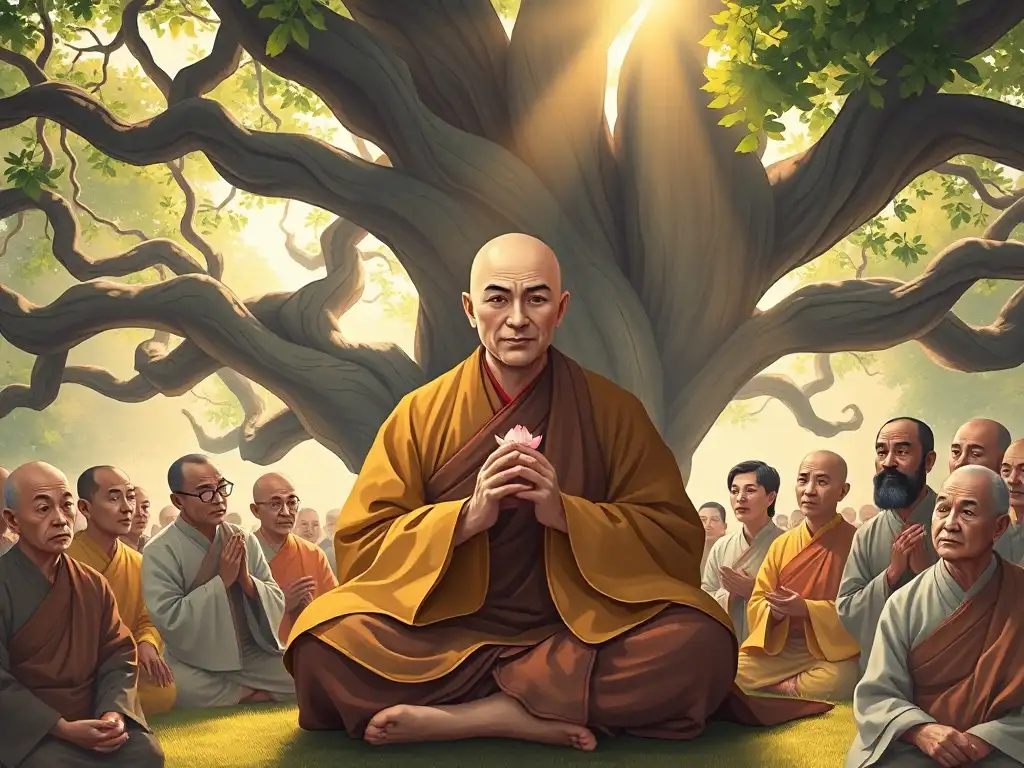
Mahakasyapa, a prominent figure in early Buddhism, is renowned not only as a disciple of Gautama Buddha but also as a pivotal leader of the Buddhist community following the Buddha's passing. His legacy is multifaceted, influencing both the development of Buddhist thought and the organizational structure of monastic life.
The Impact of His Leadership on Future Generations
Mahakasyapa’s leadership was instrumental in shaping the early Buddhist community, particularly in the establishment of the monastic order, or Sangha. After Buddha’s death, he convened the First Buddhist Council at Rajgir, which was a crucial moment for the preservation of Buddhist teachings. This council aimed to compile the teachings of the Buddha and ensure their transmission to future generations.
- Key Contributions to the Council:
- Preservation of Teachings: Mahakasyapa played a significant role in codifying the Sutras, the discourses attributed to Buddha, and the Vinaya, the monastic rules governing the conduct of monks.
- Leadership Transition: He established a framework for leadership within the Sangha, which allowed for a structured succession of authority among monks, ensuring continuity and stability within the community.
The impact of Mahakasyapa’s leadership extends beyond his lifetime. His insistence on discipline and adherence to the original teachings laid the groundwork for future Buddhist leaders and sects. His approach emphasized the importance of community over individualism, a principle that resonates within various Buddhist traditions today.
Mahakasyapa's Place in Buddhist Texts and Tradition
Mahakasyapa is prominently featured in various Buddhist texts, where he is often depicted as a paragon of wisdom and asceticism. In the Pali Canon, he is noted for his deep understanding of the Dharma and his ability to convey its teachings effectively. His portrayal in these texts is not just as a follower but as a custodian of the Buddha's teachings.
- Significant Textual References:
- The Vinaya Pitaka: This text outlines the rules for monastic discipline that Mahakasyapa helped to formalize during the First Council.
- The Dhammapada: In this collection of sayings of the Buddha, Mahakasyapa's insights and interpretations are often highlighted, showcasing his role as a teacher.
Mahakasyapa is also central to Mahayana Buddhism, where his image transforms into that of a legendary figure who embodies the ideal monk. His narrative often includes miraculous events and profound teachings, illustrating his elevated status within Buddhist lore.
Continuing Influence on Modern Buddhist Communities
The influence of Mahakasyapa can still be felt in modern Buddhist communities, where his principles of discipline, community, and devotion to the teachings of the Buddha remain relevant. His legacy manifests in various ways across different schools of Buddhism:
- Theravada Buddhism: The strict adherence to monastic rules and the emphasis on community life are direct reflections of Mahakasyapa's teachings.
- Mahayana Buddhism: His symbolic representation as a wise elder and a teacher continues to inspire practitioners who seek to emulate his virtues.
In contemporary settings, Mahakasyapa's emphasis on unity and communal harmony serves as a guiding principle for Buddhist organizations worldwide. His life and contributions are celebrated through various rituals, teachings, and commemorations, ensuring that his legacy endures in the hearts and minds of practitioners.
Mahakasyapa's role as a leader of the Buddhist community has left an indelible mark on the history of Buddhism. His dedication to preserving the teachings of the Buddha and fostering a cohesive community continues to resonate, making him a lasting symbol of leadership and commitment within the Buddhist tradition.
Conclusion
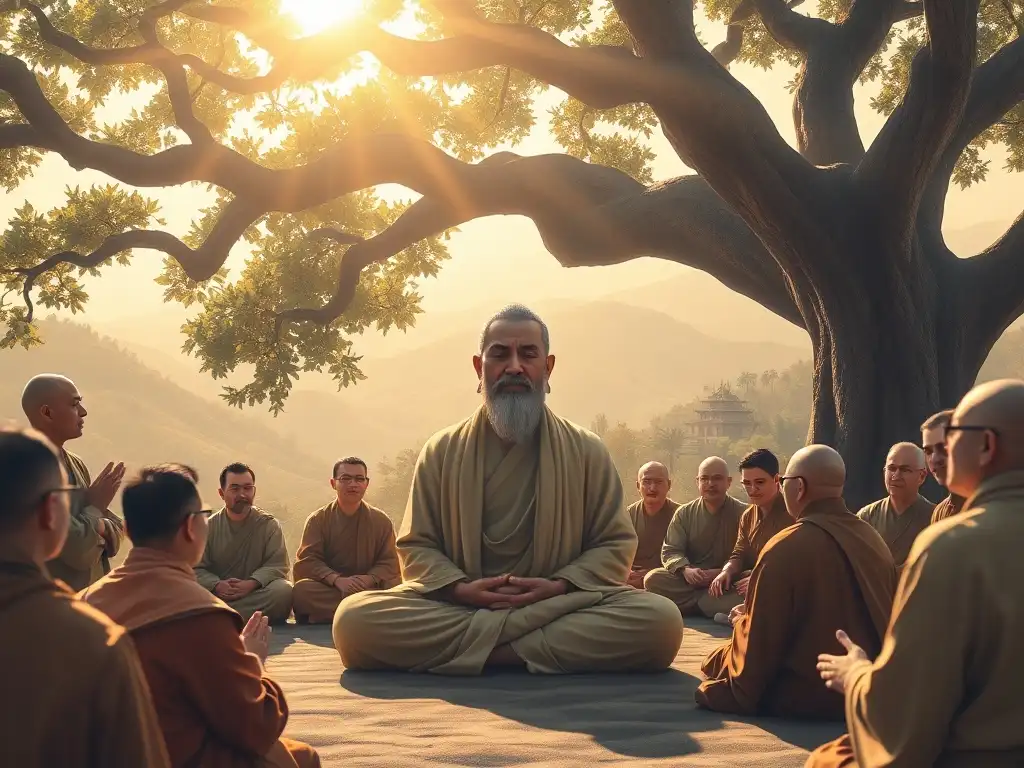
Summary of Mahakasyapa’s Journey from Disciple to Leader
Mahakasyapa's journey from a devoted disciple to a prominent leader of the Buddhist community is a profound narrative that reflects the evolution of early Buddhism. Initially, he was known as a seeker of truth who was deeply influenced by the teachings of Siddhartha Gautama, the Buddha. His ascetic lifestyle and dedication to the practice of meditation positioned him as a noteworthy figure among the Buddha's followers.
As a disciple, Mahakasyapa exemplified the essence of Buddhist teachings, particularly through his commitment to the principles of compassion and mindfulness. His pivotal role became evident during significant events, such as the First Buddhist Council, where he was instrumental in preserving the Buddha's teachings. This council was critical for the consolidation of the Buddhist doctrine after the passing of the Buddha, showcasing Mahakasyapa's leadership qualities.
Over time, Mahakasyapa not only held the title of a senior monk but also became a guiding force in establishing monastic rules and practices. His leadership was marked by a focus on community building, emphasizing the importance of Sangha (the community of monks) and the adherence to the Vinaya (monastic code). This transition from disciple to leader illustrates how Mahakasyapa embodied the teachings of the Buddha, translating them into practices that fostered community cohesion and spiritual growth.
The Enduring Legacy of Mahakasyapa as a Buddhist Community Leader
Mahakasyapa's legacy as a Buddhist community leader is both enduring and influential. His contributions to the early formation of Buddhism laid the groundwork for the development of monastic practices that are still in place today. His approach to leadership was characterized by humility, wisdom, and a deep understanding of the teachings, which helped to unify the diverse groups within the early Buddhist community.
One of the most significant aspects of Mahakasyapa's legacy is his role in the transmission of the Dharma. He is often credited with ensuring that the teachings of the Buddha were accurately preserved and conveyed to future generations. This preservation was crucial for the survival of Buddhism, especially during a time of fragmentation and challenges within the community.
Moreover, Mahakasyapa's emphasis on direct experience and personal insight laid the foundation for various Buddhist schools that emerged later. His teachings encouraged practitioners to seek enlightenment through meditation and self-reflection rather than solely relying on doctrinal knowledge. This aspect of his legacy continues to inspire practitioners and leaders in the Buddhist community today.
Mahakasyapa's journey from disciple to leader reflects the core values of Buddhism and his enduring impact on the Buddhist tradition. His leadership not only shaped the early Buddhist community but also set a precedent for future generations, making him a significant figure in the history of Buddhism.
References
Suggested Readings on Mahakasyapa and Early Buddhism
-
"The Life of the Buddha" by Bhikkhu Nanamoli
This comprehensive text provides an overview of the life of the Buddha, including significant figures like Mahakasyapa. It offers insights into the early Buddhist community and the teachings that shaped Mahakasyapa's leadership.
-
"Mahakasyapa: The First Leader of the Buddhist Community" by John S. Strong
A detailed examination of Mahakasyapa's role within the early Buddhist community, this book focuses on his contributions and the challenges he faced after the Buddha's death.
-
"Buddhist Scriptures" edited by Edward Conze
A collection of essential Buddhist texts, including those attributed to Mahakasyapa and his teachings. This book serves as both a historical document and a source of spiritual guidance.
-
"The Historical Buddha" by Richard Gombrich
This work explores the life of the Buddha and the evolution of his teachings, with specific chapters dedicated to Mahakasyapa as a pivotal figure in early Buddhism.
-
"The Dhammapada: The Sayings of the Buddha" translated by Eknath Easwaran
While not solely focused on Mahakasyapa, this text encapsulates the wisdom of Buddhism that influenced leaders like him. It serves as a fundamental resource for understanding Buddhist philosophy.
Academic Sources for Further Research on Buddhist Leaders
-
"The Role of Mahakasyapa in Early Buddhism" - Journal of Buddhist Studies
This article delves into Mahakasyapa's impact on the formation of the Buddhist community, analyzing his leadership style and contributions to the Dharma.
-
"Leadership in Ancient Indian Buddhism" - International Journal of Asian Studies
A scholarly examination of various leaders in ancient Indian Buddhism, including Mahakasyapa, highlighting their influence on the growth of the Buddhist tradition.
-
"Buddhism: A Very Short Introduction" by Damien Keown
This concise resource provides an accessible overview of Buddhism, with sections discussing key figures such as Mahakasyapa and their roles in the development of the religion.
-
"Mahakasyapa and the Early Buddhist Community: Historical and Textual Analysis" - Buddhist Studies Review
A critical analysis of primary texts related to Mahakasyapa, evaluating his contributions in the context of early Buddhist history.
-
"The Transmission of the Buddha's Teachings: From the Buddha to Mahakasyapa" - Asian Philosophy Journal
This paper explores the transmission of teachings from the Buddha to his disciples, focusing specifically on Mahakasyapa's role in preserving and leading the community.
Frequently Asked Questions
What is the significance of Mahakasyapa in Buddhism?
Mahakasyapa is considered a key figure in Buddhist history, recognized for his role as one of the foremost disciples of the Buddha and later as the leader of the Buddhist community.
How did Mahakasyapa become a leader?
After the Buddha's passing, Mahakasyapa emerged as a prominent figure, organizing the First Buddhist Council to preserve the teachings and ensure the continuity of the Buddhist tradition.
What teachings did Mahakasyapa emphasize?
Mahakasyapa is known for emphasizing meditation and the importance of direct experience in understanding the teachings of the Buddha, which greatly influenced the development of Mahayana Buddhism.
How did Mahakasyapa contribute to the spread of Buddhism?
As a leader, Mahakasyapa played a crucial role in unifying the early Buddhist community and promoting the dissemination of Buddhist teachings, which helped in the expansion of Buddhism across Asia.
What can we learn from Mahakasyapa's life?
Mahakasyapa's journey from a disciple to a leader teaches the importance of dedication, leadership, and the ability to adapt and preserve a rich spiritual tradition for future generations.
Final Reflection: The Enduring Legacy of Mahakasyapa as a Buddhist Community Leader
The journey of Mahakasyapa from a devoted disciple to a revered leader of the Buddhist community underscores the profound impact of individual commitment in shaping collective spiritual paths. Today, as we navigate a world increasingly in need of compassion and understanding, Mahakasyapa's life serves as a powerful reminder of the transformative potential of leadership rooted in humility and wisdom. His story invites us to reflect on how personal dedication can inspire a broader movement towards enlightenment and community cohesion.
The influence of Mahakasyapa transcends time, resonating deeply within the cultural and social fabric of Buddhism and beyond. His ability to foster unity among diverse followers illustrates the importance of inclusive leadership in any community. As Mahakasyapa once emphasized, “The true essence of leadership is not in commanding but in serving.” > This quote encapsulates the essence of his approach, reminding us that effective leaders are those who uplift and empower others, creating a legacy that continues to inspire generations.
As we contemplate the lessons from Mahakasyapa's life, I invite you to reflect on your own role within your community. Consider how you can embody the principles of compassion, service, and unity that Mahakasyapa exemplified. Whether through small acts of kindness or larger commitments to social causes, each of us has the potential to contribute to a more harmonious world. Let Mahakasyapa's journey inspire you to lead with heart and purpose, fostering connections that strengthen the fabric of your community.
Embrace the Wisdom of Mahakasyapa Today!
Thank you for exploring the inspiring journey of Mahakasyapa, a true pillar of the Buddhist community. We hope you have gained valuable insights into his life and legacy that can uplift your own path. Now, let's transform this knowledge into meaningful action!
- Practice Mindfulness: Begin a daily meditation routine to cultivate the spirit of Mahakasyapa's teachings.
- Explore Community: Join a local or online Buddhist group to share experiences and deepen your understanding together.
- Share the Knowledge: Write about what has inspired you from Mahakasyapa's life and spread the wisdom through social media or blogs.
Which aspect of Mahakasyapa's teachings resonates most with you, and how will you integrate it into your daily life?