
The Life of Kasyapa: The Enlightened Monk Who Predicted the Buddha

Welcome to Ancient India History! Here, we embark on an enlightening journey through the rich tapestry of ancient Indian civilizations, where every corner reveals a story of culture, intellect, and spirituality. Dive into our latest article, “The Life of Kasyapa: The Enlightened Monk Who Predicted the Buddha,” to uncover the extraordinary life of Kasyapa, a monk whose wisdom shaped the philosophical landscape of his time.
What secrets did this enlightened figure hold, and how did his predictions influence the path of Buddhism? Join us as we explore the profound impact of Kasyapa, and let your curiosity lead you deeper into the fascinating world of ancient Indian religions!
- Introduction to Ancient Indian Monk Kasyapa
- Early Life of Kasyapa
- Kasyapa's Spiritual Journey
- Kasyapa and His Prophecies
- Kasyapa's Role in the Development of Buddhism
- Kasyapa's Legacy in Ancient Indian Culture
- Conclusion: The Enduring Impact of Kasyapa
- Frequently Asked Questions
- Final Reflection: The Enduring Legacy of Kasyapa, the Enlightened Monk
- Unveil Your Path to Enlightenment!
Introduction to Ancient Indian Monk Kasyapa
The life of Kasyapa, an eminent figure in ancient Indian Buddhism, encapsulates a fascinating intersection of spiritual enlightenment and prophetic insight. Revered as an ancient Indian monk, Kasyapa is often celebrated for his profound contributions to Buddhist philosophy and teachings. His predictions regarding the emergence of the Buddha are a testament to his spiritual prowess and understanding of the metaphysical realms.
This article delves into the rich tapestry of Kasyapa's life, exploring his significance in Buddhist history and the enduring impact of his teachings on the evolution of Buddhist thought. By examining Kasyapa's life, we not only gain insights into his character and beliefs but also appreciate the broader cultural and religious dynamics of ancient Indian civilizations.
Significance of Kasyapa in Buddhist History
Kasyapa holds a pivotal place in the annals of Buddhist history, often regarded as one of the earliest and most influential monks. His significance can be distilled into several key aspects:
- Prophetic Vision: Kasyapa is often noted for his foresight regarding the arrival of the Buddha, Siddhartha Gautama. This prophetic ability not only marked him as a visionary but also established a foundational belief in the continuity of spiritual teachings within Buddhism.
- Role as a Teacher: As a monk, Kasyapa played a crucial role in disseminating Buddhist teachings. His interactions with early disciples helped shape the core philosophies that underpin the Buddhist tradition today.
- Symbol of Enlightenment: Kasyapa exemplifies the journey towards enlightenment, serving as a model for practitioners on the path of spiritual awakening. His life story serves as an inspiration for many who seek to understand the depths of Buddhist practices and beliefs.
- Cultural Influence: Beyond his religious contributions, Kasyapa's life and teachings also reflect the rich cultural milieu of ancient India, highlighting the interconnectedness of spirituality, philosophy, and daily life during that era.
Overview of Kasyapa's Life and Teachings
Kasyapa's life is steeped in legend and reverence, with various accounts narrating his journey towards enlightenment.
- Early Life: Traditionally believed to have been born into a noble family, Kasyapa's early life was marked by a quest for deeper truths. His initial exposure to the transient nature of worldly possessions sparked his spiritual journey.
- Encounters with the Buddha: The turning point in Kasyapa's life occurred when he encountered Siddhartha Gautama. This meeting catalyzed his transformation from a seeker to a teacher, as he embraced the Buddha's teachings and dedicated his life to spreading them.
- Teachings and Philosophy: Kasyapa's teachings emphasized the importance of mindfulness, compassion, and the pursuit of wisdom. He often engaged in dialogues that highlighted the significance of understanding the nature of suffering and the path to liberation.
- Legacy: Kasyapa's influence persists through various Buddhist traditions, with many texts and teachings attributed to him. His legacy serves as a reminder of the profound impact that one enlightened individual can have on the spiritual landscape of an entire civilization.
The life of the ancient Indian monk Kasyapa stands as a beacon of enlightenment and spiritual insight. His contributions to Buddhism not only shaped the religious framework of his time but continue to inspire countless individuals on their spiritual journeys today.
Early Life of Kasyapa

Birth and Family Background of Kasyapa
Kasyapa, often regarded as an ancient Indian monk, holds a significant place in the Buddhist tradition, especially for his prophetic insights regarding the Buddha. His birth is believed to have occurred during the early centuries of the 1st millennium BCE, a time when the socio-political landscape of ancient India was teeming with spiritual exploration and philosophical inquiry.
Kasyapa was born into a respectable family, likely within the context of a Brahmin lineage, which afforded him a rigorous education and exposure to the spiritual discourses of the time. His father is often described as a learned scholar, well-versed in the Vedic texts, which instilled in Kasyapa a profound respect for knowledge and wisdom. This familial backdrop played a crucial role in shaping Kasyapa's intellectual pursuits and later spiritual inclinations.
In many accounts, Kasyapa is depicted as a child prodigy, displaying keen insight and a thirst for knowledge from a young age. His early life was marked by an intense curiosity about the nature of existence and the human condition, which ultimately led him away from the material pursuits of his family and towards a life of asceticism and spiritual awakening.
Influences in Kasyapa's Formative Years
The formative years of Kasyapa were characterized by a rich tapestry of influences that shaped his spiritual journey. Among these, the teachings of various sages and ascetics of the time played a pivotal role. The spiritual atmosphere of ancient India was vibrant, with numerous philosophical schools and sects vying for prominence, including early strands of Buddhism, Jainism, and various Hindu traditions.
Kasyapa was particularly influenced by the teachings of the Ajivikas and Jain monks, both of whom espoused rigorous ascetic practices and a deep understanding of karma and rebirth. Their philosophies challenged Kasyapa to contemplate the nature of suffering and the possibilities of liberation, leading him to adopt a path of renunciation.
Additionally, the socio-political dynamics of the region, marked by the rise of urban centers and the proliferation of trade, fostered a climate where spiritual leaders emerged as influential figures. Kasyapa's interactions with these leaders further enriched his understanding of spiritual matters, allowing him to synthesize various teachings into his own insights.
Kasyapa's quest for enlightenment was also propelled by personal experiences, including encounters with suffering and the transient nature of life. These experiences deepened his resolve to seek answers beyond the material realm, prompting him to eventually embrace monastic life.
Kasyapa's early life, encapsulated by his family background and the diverse influences of the time, laid the foundation for his later contributions as an enlightened monk who would predict the advent of the Buddha, marking him as a significant figure in the history of ancient Indian spirituality.
Kasyapa's Spiritual Journey
Kasyapa, often regarded as a pivotal figure in early Buddhism, embarked on a profound spiritual journey that would shape not only his own destiny but also the course of Buddhist thought. His life and teachings reflect the core principles of seeking enlightenment and imparting wisdom to others as he navigated the complexities of existence.
Kasyapa's Quest for Enlightenment
Kasyapa's quest for enlightenment began during a time of great spiritual upheaval in ancient India. Influenced by various schools of thought, he sought to understand the nature of suffering and the path to liberation. His journey can be outlined as follows:
- Early Life and Influences: Born into a family of spiritual seekers, Kasyapa was exposed to a variety of philosophical teachings from an early age. He was particularly drawn to the ascetic traditions that emphasized renunciation and meditation.
- The Role of Meditation: Kasyapa's dedication to meditation became a cornerstone of his spiritual practice. He sought solitude in the forests and mountains, dedicating long hours to deep meditation. This period was critical in cultivating his inner awareness and understanding of the mind's nature.
- Seeking Teachers: Throughout his journey, Kasyapa sought guidance from various renowned teachers, including those from the Jain and Brahmanical traditions. Each interaction enriched his understanding, though he often found their teachings lacking in addressing the root causes of suffering.
- Encounter with the Buddha: The defining moment in Kasyapa's quest came upon meeting Siddhartha Gautama, who would become the Buddha. Kasyapa was profoundly inspired by the Buddha's teachings on the Four Noble Truths and the Eightfold Path, which resonated deeply with his own experiences and insights.
- Attaining Enlightenment: After years of disciplined practice and seeking, Kasyapa attained enlightenment under the guidance of the Buddha. This transformative experience not only allowed him to comprehend the nature of suffering but also to realize the interconnectedness of all beings.
Key Experiences that Shaped Kasyapa's Philosophy
Kasyapa's philosophy was deeply influenced by several key experiences during his spiritual journey. These experiences can be categorized as follows:
- Vision of Impermanence: Early in his meditative practice, Kasyapa encountered profound insights into the transient nature of life. This understanding of impermanence became a central theme in his teachings, emphasizing the importance of detachment and mindfulness.
- Witnessing Suffering: Kasyapa’s travels exposed him to various forms of suffering in society—illness, old age, and death. These observations fueled his determination to find a path that alleviated suffering not only for himself but for all beings.
- Interpersonal Relationships: His interactions with fellow monks and laypeople provided practical lessons on compassion and community. Kasyapa emphasized the value of supportive relationships in the pursuit of enlightenment, fostering a sense of belonging and shared purpose.
- The Power of Compassion: Inspired by the Buddha’s emphasis on compassion, Kasyapa integrated this principle into his own philosophy. He taught that true enlightenment involves not only self-realization but also a commitment to help others on their paths.
- Legacy of Teachings: Kasyapa's insights and teachings were instrumental in shaping early Buddhist thought. His emphasis on meditation, compassion, and the pursuit of wisdom became foundational elements of the monastic tradition.
Kasyapa's spiritual journey is a testament to the transformative power of seeking truth and understanding. His experiences and the lessons learned along the way contributed significantly to the development of Buddhist philosophy, making him a revered figure in the annals of ancient Indian history.
Kasyapa and His Prophecies
Kasyapa, often referred to as the Enlightened Monk, holds a significant place within the annals of Buddhist history. He is renowned not only for his spiritual insights but also for his remarkable prophecies regarding the arrival of the Buddha, Siddhartha Gautama. Kasyapa's life and teachings exemplify the deep intertwining of spirituality and foresight in ancient Indian monastic traditions.
Born into a time of spiritual upheaval, Kasyapa is said to have been a member of the ascetic community that sought enlightenment through rigorous practices. His unique perspective on the nature of existence and enlightenment set him apart as an influential figure in early Buddhism. What truly distinguishes Kasyapa is his ability to foresee the coming of the Buddha, a prophecy that would shape the beliefs and practices of his contemporaries and followers.
The Predictions Made by Kasyapa
Kasyapa's predictions are documented in various Buddhist texts, highlighting his visionary abilities. He prophesied the birth of the Buddha, indicating that a great teacher would emerge to guide sentient beings towards the path of enlightenment. Specifically, he foretold:
- The Birth of the Buddha: Kasyapa predicted that Siddhartha would be born in Lumbini, under extraordinary circumstances that would mark him as a being destined for greatness.
- The Enlightenment: He also foretold the moment when Siddhartha would attain enlightenment under the Bodhi tree, emphasizing the transformative power of meditation and deep contemplation.
- The Spread of Buddhism: Kasyapa's visions extended to the future, where he articulated that the teachings of the Buddha would reach far beyond the boundaries of India, influencing cultures and spiritual practices worldwide.
These prophecies were not merely predictions but were infused with deep spiritual significance, as they encouraged his followers to cultivate qualities such as patience, diligence, and compassion while waiting for the arrival of the Buddha.
The Impact of Kasyapa's Predictions on Buddhism
Kasyapa's foresight had profound implications for the development of early Buddhism. His predictions inspired a sense of hope and anticipation among his contemporaries, and they contributed to the foundation of belief systems that would emerge after the Buddha's enlightenment.
- Encouragement of Ascetic Practices: Kasyapa's teachings motivated many to pursue asceticism, as they believed that preparing themselves spiritually would facilitate their understanding of the Buddha's teachings upon his arrival.
- Formation of Monastic Communities: His prophecies led to the establishment of early monastic communities, where monks dedicated themselves to the practices of meditation and ethical living in preparation for the guidance of the Buddha.
- Integration of Kasyapa’s Teachings: The insights offered by Kasyapa became integrated into the foundational teachings of Buddhism. His emphasis on foresight, insight, and enlightenment influenced subsequent Buddhist thought and practice, creating a framework that encouraged seekers of truth.
The ancient Indian monk Kasyapa plays a pivotal role in the history of Buddhism through his prophecies and teachings. His foresight not only shaped the spiritual landscape of his time, but it also laid the groundwork for the flourishing of Buddhism, ensuring that his legacy would endure for centuries to come.
Kasyapa's Role in the Development of Buddhism
Kasyapa, often regarded as one of the prominent figures in early Buddhism, played a pivotal role in shaping the foundational teachings of the religion. His life and contributions are intertwined with the formative years of Buddhism, particularly in the dissemination of the Buddha's teachings and the establishment of monastic traditions. Kasyapa's insights and practices not only influenced his contemporaries but also laid the groundwork for future generations of monks and practitioners, making him a significant figure in the annals of ancient Indian religious history.
Contributions of Kasyapa to Early Buddhist Teachings
Kasyapa's contributions to early Buddhist teachings are multifaceted, reflecting his deep understanding of the Dharma and his commitment to spreading the Buddha's message.
- Advocacy of the Middle Way: Kasyapa was a strong proponent of the Middle Way, a core tenet of Buddhism that emphasizes the avoidance of extreme asceticism and indulgence. His teachings encouraged followers to seek a balanced approach to spiritual practice, which resonated with many early practitioners.
- Emphasis on Meditation: As an ancient Indian monk Kasyapa underscored the importance of meditation as a means to achieve enlightenment. He taught various meditative techniques that enabled his followers to cultivate mindfulness and develop a deeper understanding of their true nature.
- Role in the First Buddhist Council: Kasyapa is historically noted for his participation in the First Buddhist Council, convened shortly after the Buddha's passing. His efforts in preserving and reciting the Buddha's teachings were crucial in ensuring that the Dharma was accurately transmitted to future generations.
- Integration of Local Practices: Kasyapa adeptly integrated local spiritual practices into his teachings, making Buddhism more accessible to a diverse audience. This approach helped attract a wider following, enabling Buddhism to flourish across different regions of ancient India.
- Establishment of Ethical Precepts: Kasyapa contributed significantly to the formulation of ethical precepts for monks. His teachings emphasized the importance of moral conduct, compassion, and communal harmony, which became essential components of Buddhist monastic life.
Kasyapa's Influence on Later Buddhist Monastic Practices
Kasyapa’s influence extended far beyond his lifetime, shaping the monastic practices that would define Buddhism for centuries.
- Formation of Monastic Communities: Kasyapa advocated for the formation of monastic communities, which became the backbone of Buddhist practice. These communities provided support and a structured environment for monks to pursue their spiritual goals, fostering a sense of belonging and shared purpose.
- Standardization of Monastic Rules: The Vinaya, the code of monastic discipline, was significantly influenced by Kasyapa’s teachings. His emphasis on ethical conduct and communal living became foundational elements of the Vinaya, guiding the behavior of monks and nuns in various Buddhist traditions.
- Mentorship and Lineage: Kasyapa is often remembered for his role as a mentor to numerous monks, ensuring the transmission of Buddhist teachings and practices. His emphasis on teacher-student relationships established a lineage system that became integral to the Buddhist monastic tradition.
- Promotion of Inclusivity: Kasyapa's open-mindedness towards integrating diverse beliefs and practices into the Buddhist framework encouraged inclusivity within monastic communities. This inclusivity helped Buddhism adapt and thrive in various cultural contexts, furthering its spread across Asia.
- Legacy of Enlightenment: Ultimately, Kasyapa’s legacy as an enlightened monk who predicted the Buddha underscores the profound impact he had on the evolution of Buddhism. His teachings continue to inspire modern practitioners and scholars alike, reflecting the enduring relevance of his contributions to ancient Indian history and spirituality.
Kasyapa's Legacy in Ancient Indian Culture
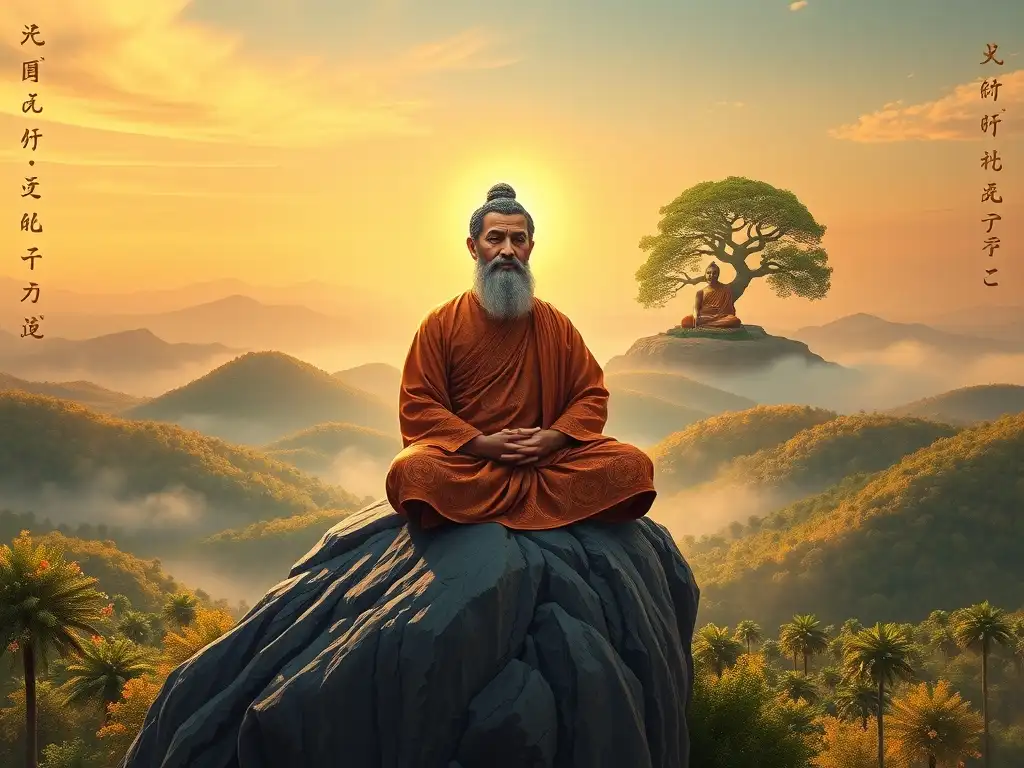
Kasyapa, often referred to as the enlightened monk, holds a significant place in ancient Indian culture, particularly within Buddhism. His contributions and teachings have not only shaped the spiritual landscape of his time but also left a lasting legacy that continues to inspire practitioners today.
The Reverence for Kasyapa in Buddhist Texts
The reverence for Kasyapa is prominently documented in various Buddhist texts, where he is portrayed as a figure of great wisdom and foresight. His predictions regarding the arrival of the Buddha and the establishment of Buddhism are chronicled in several scriptures, including the Pali Canon and Mahayana texts.
- Role as a Forecaster: Kasyapa is often depicted as a clairvoyant monk, capable of perceiving events that would unfold in the future. His foresight about the teachings of the Buddha is seen as a pivotal moment in the history of Buddhism.
- Integration into Buddhist Lore: Kasyapa's stories are interwoven with the broader narrative of the Buddha’s life, showcasing his role not only as a monk but also as a crucial link in the transmission of Buddhist teachings. He is frequently mentioned in the context of the Sangha, the community of monks, emphasizing his influential role in its formation.
- Symbolic Representation: In Buddhist iconography, Kasyapa is often depicted with distinctive attributes, such as a halo or a staff, symbolizing his enlightened status and his role as a teacher. These representations serve to honor his contributions and remind followers of the virtues he embodied.
Kasyapa’s Influence on Subsequent Generations of Monks
The influence of Kasyapa on subsequent generations of monks is profound, laying a foundation for monastic practices and teachings that would flourish across Asia. His legacy can be observed in several key areas:
- Monastic Discipline: Kasyapa is credited with establishing early monastic rules that emphasized simplicity, meditation, and communal living. These principles became the backbone of many Buddhist monastic communities that followed.
- Teaching Methodology: He pioneered methods of teaching that combined oral transmission of knowledge with experiential learning. This approach encouraged monks to engage deeply with the teachings rather than passively receiving information.
- Cultural Transmission: Kasyapa’s influence extended beyond India, as his teachings traveled along the Silk Road, reaching East Asia. His legacy contributed significantly to the spread of Buddhism in regions such as China, Japan, and Korea, where his methods and teachings adapted to local cultures while retaining core Buddhist principles.
In essence, Kasyapa's life and teachings exemplify the profound impact that an individual monk can have on an entire tradition. His legacy not only enriched ancient Indian culture but also laid the groundwork for the enduring practice of Buddhism across the globe.
Conclusion: The Enduring Impact of Kasyapa
The life and teachings of the ancient Indian monk Kasyapa continue to resonate throughout the corridors of spiritual thought and practice. As one of the key figures in early Buddhism, Kasyapa not only played a significant role in the dissemination of the Buddha's teachings but also left a lasting legacy that shapes contemporary understanding of spiritual growth and enlightenment. His predictions regarding the Buddha and his insights into the nature of suffering and liberation provide valuable lessons that transcend time and cultural boundaries.
Reflection on Kasyapa's Contribution to Buddhism
Kasyapa's influence in Buddhism is marked by his profound understanding of the Buddha's message. As a prominent and respected figure among the Buddha's disciples, Kasyapa was known for his exceptional meditation skills and his ability to articulate complex spiritual concepts. His ability to recognize the significance of the Buddha's teachings early on allowed him to act as a bridge between the historical Buddha and the wider monastic community.
Here are several key contributions of Kasyapa to Buddhism:
- Preservation of Teachings: Kasyapa was instrumental in preserving and transmitting the teachings of the Buddha. His dedication ensured that vital lessons about compassion, mindfulness, and the path to enlightenment were not lost to history.
- Symbol of Enlightenment: Kasyapa's life serves as a testament to what can be achieved through rigorous practice and dedication. His journey from a seeker to an enlightened monk stands as a beacon of hope for countless spiritual aspirants.
- Community Builder: Beyond his personal enlightenment, Kasyapa played a crucial role in establishing the early Buddhist community. His leadership and wisdom fostered a sense of unity among practitioners, which is foundational to the growth of Buddhism.
Kasyapa's teachings emphasize that enlightenment is not a destination but a continuous journey. His insights into the nature of existence and the importance of community reflect the core values of Buddhism, making him a pivotal figure whose teachings remain relevant even today.
The Relevance of Kasyapa's Teachings in Modern Spirituality
In the context of modern spirituality, Kasyapa's teachings offer profound insights that resonate with a contemporary audience seeking meaning and depth in their spiritual practices. Here are some aspects of his teachings that continue to inspire:
- Mindfulness and Meditation: Kasyapa's emphasis on meditation as a means to achieve clarity and insight remains central to modern spiritual practices. Techniques derived from his teachings are widely adopted in mindfulness programs around the world.
- Interconnectedness: Kasyapa's teachings highlight the interconnected nature of all beings. This perspective fosters compassion and empathy, which are critical in addressing the challenges of contemporary society, such as conflict and environmental issues.
- Practical Wisdom: The practical wisdom imparted by Kasyapa encourages individuals to engage in self-reflection and personal growth. His teachings inspire a myriad of self-help philosophies that advocate for inner transformation as a means to affect positive change in the outer world.
- Community and Support: Kasyapa's role in building the Buddhist community underscores the importance of support systems in spiritual journeys. Modern spiritual movements often emphasize community engagement, echoing Kasyapa's commitment to fostering connections among practitioners.
The ancient Indian monk Kasyapa's life and teachings are not only a vital part of Buddhist history but also serve as a guiding light for those navigating the complexities of modern spirituality. His legacy offers timeless wisdom that encourages individuals to seek enlightenment through mindfulness, compassion, and community engagement, making his impact enduring and profound.
Frequently Asked Questions
What is the significance of Kasyapa in ancient Indian history?
Kasyapa is recognized as an enlightened monk and a prominent figure in ancient Indian spirituality. He is often associated with the prediction of the Buddha, highlighting his importance in the Buddhist tradition.
How did Kasyapa contribute to Buddhism?
Kasyapa is credited with spreading the teachings of the Buddha and playing a vital role in the establishment of early Buddhist communities. His insights and guidance helped shape Buddhist philosophy.
In which period did Kasyapa live, and what was his background?
Kasyapa lived during the 6th century BCE, a time marked by significant spiritual and philosophical developments in India. He is believed to have come from a scholarly background, deeply immersed in various spiritual traditions.
What are some notable teachings of Kasyapa?
Kasyapa emphasized the importance of meditation, mindfulness, and understanding the nature of suffering. His teachings often focused on attaining enlightenment through inner transformation and self-discipline.
How does Kasyapa's life influence modern spiritual practices?
Kasyapa's life and teachings continue to inspire modern spiritual seekers who look for guidance in meditation and mindfulness. His emphasis on compassion and wisdom remains relevant in contemporary spiritual practices.
Final Reflection: The Enduring Legacy of Kasyapa, the Enlightened Monk
The life and teachings of Kasyapa, the ancient Indian monk, resonate profoundly in today's world, reminding us of the timeless quest for enlightenment and understanding. As we navigate an era marked by uncertainty and rapid change, Kasyapa's foresight and wisdom serve as a beacon, illuminating the path toward inner peace and spiritual awakening. His ability to predict the arrival of the Buddha underscores the significance of vision and insight in our lives, urging us to cultivate a deeper awareness of our surroundings and ourselves.
The influence of Kasyapa extends beyond historical narratives; it shapes our cultural and spiritual landscapes even today. His teachings encourage a reflective approach to life, inspiring countless individuals to seek enlightenment and foster compassion in their communities. As we engage with his legacy, we are reminded of the words of the Buddha: What we think, we become.
This profound insight invites us to consider how our thoughts and actions can impact not only our lives but also the world around us, reinforcing the importance of mindfulness and intentionality in our daily practices.
As we conclude our exploration of Kasyapa's life, I invite you to reflect on the lessons he imparted and consider how they can be woven into your own journey. Embrace the opportunity to cultivate awareness, compassion, and insight in your life, just as Kasyapa did.
Let his story inspire you to seek your own path toward enlightenment, and in doing so, contribute to a more harmonious and understanding world. The legacy of Kasyapa is not merely a tale of the past; it is a call to action for each of us to live with purpose and clarity in the present.
Unveil Your Path to Enlightenment!
Thank you for exploring the remarkable life of Kasyapa, the monk who foresaw the arrival of the Buddha! Your journey today not only enriches your understanding of ancient wisdom but also opens doors to your own personal growth.
Now, let’s take meaningful next steps towards enlightenment:
- Reconnect with your inner self by practicing meditation daily; even just five minutes can be transformative.
- Delve deeper into Kasyapa's teachings—consider reading texts or biographies that explore his philosophies in greater detail.
- Share this article with friends or community members who may benefit from learning about Kasyapa's inspiring life and teachings.
As you contemplate these actions, ask yourself: How can the insights from Kasyapa’s predictions inspire your own journey toward wisdom and enlightenment?