
The Influence of Religion on Daily Work and Leisure in the Indus Valley

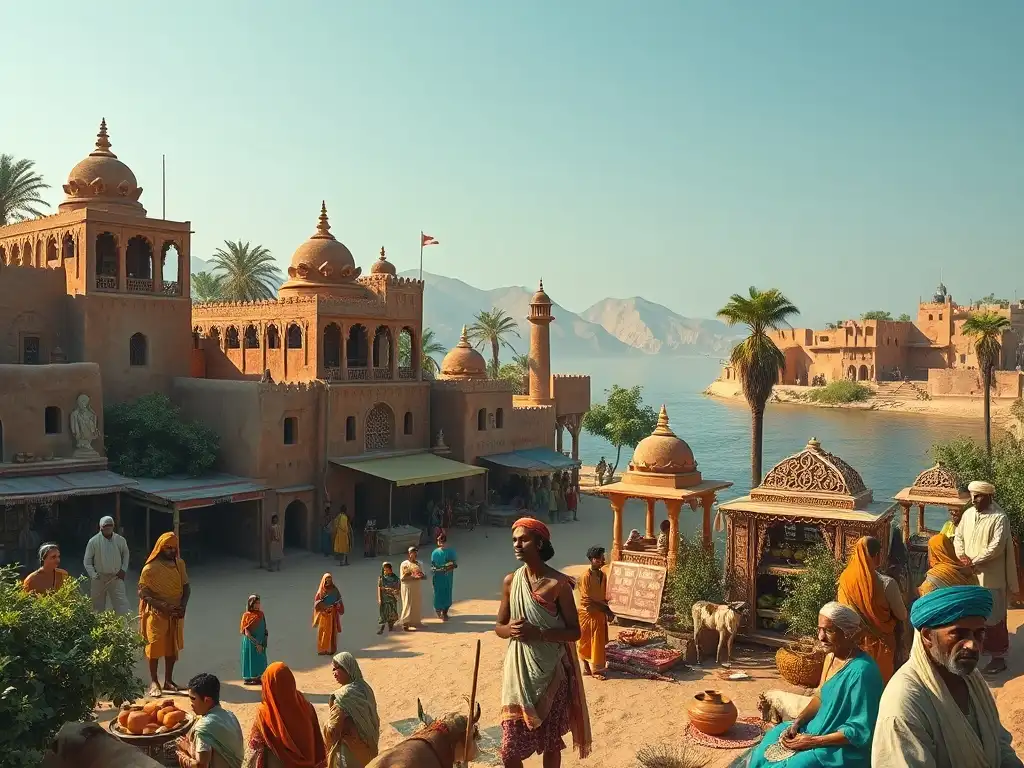
Welcome to Ancient India History, where we embark on a fascinating journey through the vibrant tapestry of ancient Indian civilizations. Here, we delve deep into the rich and diverse history, culture, and contributions that have shaped one of the world's oldest cultures. In our featured article, we explore the intriguing interplay between religion and daily life in the Indus Valley, revealing how spiritual beliefs intricately wove themselves into the fabric of everyday work and leisure. Are you ready to uncover the secrets of this remarkable civilization? Join us as we unveil the captivating stories that lie ahead!
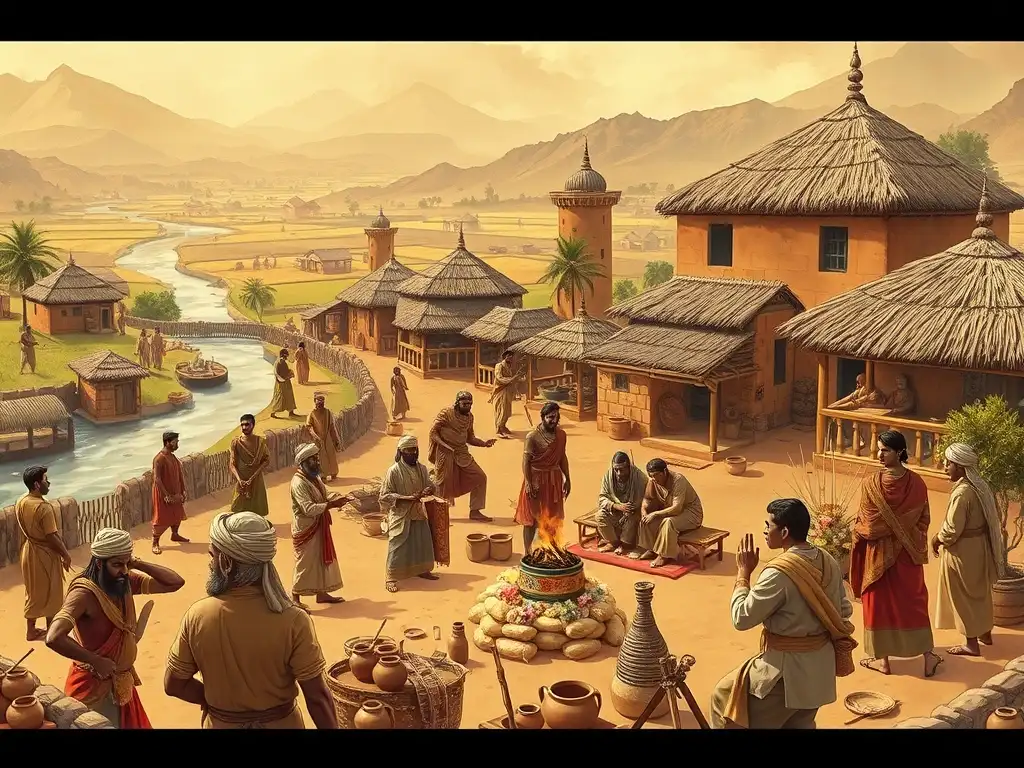
Introduction to Religion and Daily Life in the Indus Valley
The Indus Valley Civilization, one of the earliest urban cultures in the world, flourished between approximately 2600 and 1900 BCE in what is now modern-day Pakistan and northwest India. This remarkable civilization is renowned for its advanced urban planning, intricate drainage systems, and rich cultural heritage. However, to fully appreciate the essence of life in the Indus Valley, one must delve into the profound influence of religion on both daily work and leisure activities.
Religion in the Indus Valley was deeply woven into the fabric of society, shaping the community’s values, rituals, and interactions. The spiritual beliefs of the time not only guided individual actions but also created a collective identity among the inhabitants. Through examining how religious practices informed daily routines, occupational choices, and leisure pursuits, we can gain valuable insights into the social dynamics that characterized this ancient civilization. Understanding the interplay between religion and daily life in the Indus Valley is crucial for comprehending the broader context of ancient Indian history.
Overview of Religious Beliefs in the Indus Valley
Religious beliefs in the Indus Valley Civilization remain partially obscured due to the limited decipherment of their script and the scarcity of written records. However, archaeological findings provide significant clues about their spiritual life.
- Polytheistic Tendencies: The people of the Indus Valley are believed to have practiced a form of polytheism, worshipping multiple deities that likely represented natural elements, fertility, and various aspects of life.
- Sculptures and Seals: Numerous terracotta figurines and seals have been unearthed, depicting what appear to be religious symbols and deities. The famous "Priest-King" seal suggests a potential connection between political leadership and spiritual authority.
- Ritual Practices: Evidence of ritualistic bathing in the Great Bath of Mohenjo-Daro suggests that purification and water-related rituals played a significant role in their religious practices.
- Cultural Syncretism: The religious beliefs of the Indus Valley may have been influenced by neighboring cultures, leading to a unique blend of traditions that shaped their social and spiritual landscape.
- Nature Worship: The reverence for nature is evident in the symbolic representation of animals and plants in their art. This connection to the environment likely influenced both agricultural practices and leisure activities.
By exploring these facets of religious beliefs, we can better understand how spirituality permeated the daily lives of the Indus Valley inhabitants, guiding their work, community interactions, and leisure pursuits. As we delve deeper into this topic, it becomes clear that the intersection of religion and daily life was integral to the identity of the Indus Valley Civilization.
Religion's Impact on Daily Work Activities
Religion played a pivotal role in shaping the daily work routines of the people in the Indus Valley Civilization. The intertwining of religious practices with daily tasks created a structured approach to work, where spiritual beliefs influenced various aspects of livelihood. This integration fostered a sense of community and purpose, as individuals viewed their labor not only as a means of survival but also as a form of devotion and obligation to the deities they worshiped.
Agricultural Practices Influenced by Religion
Agriculture was the backbone of the Indus Valley economy, and religious beliefs significantly influenced farming practices. Farmers often performed rituals and offerings to appease gods associated with fertility and harvest, seeking blessings for a bountiful yield. The deities worshiped varied, with some linked explicitly to agriculture, such as the Earth Mother, who symbolized fertility.
Seasonal festivals closely aligned with agricultural cycles, such as sowing and harvesting, were marked by communal rituals. These practices reinforced the idea that successful farming was a divine endeavor, where the cooperation of both human effort and divine favor was essential. The respect for natural elements, as a part of religious belief, led to sustainable farming practices aimed at honoring the earth and its cycles.
Craftsmanship and Trade in Relation to Religion
Craftsmanship in the Indus Valley was deeply intertwined with religious beliefs. Artisans often created items that held religious significance, such as figurines of deities, seals depicting various symbols, and ceremonial objects. Each piece crafted was not merely a product but a medium of spiritual expression and devotion.
Trade, too, was influenced by religious practices. Merchants would often invoke blessings before embarking on trading journeys, highlighting the importance of divine favor in ensuring safe passage and profitable exchanges. The presence of specific symbols and motifs in their goods reflected the spiritual beliefs of the society, indicating that the marketplace was as much a space for economic transactions as it was for spiritual exchanges.
Work Ethos Shaped by Religious Beliefs
The work ethos in the Indus Valley was profoundly shaped by religious beliefs. The concept of karma, which posits that one's actions influence future outcomes, was likely ingrained in the community's mindset. This belief encouraged individuals to perform their work diligently and ethically, as their efforts were seen as contributing to a larger cosmic order.
Religious teachings likely emphasized the value of community service and cooperation, promoting a strong sense of collective responsibility. This ethos fostered teamwork in agricultural and artisanal settings, where individuals worked together to achieve common goals, reinforcing social bonds and shared religious values.
Religion's Effect on Leisure Activities
Leisure activities in the Indus Valley were also influenced by the prevailing religious beliefs, which permeated social gatherings and recreational practices. The community engaged in various leisure activities that not only provided relaxation but also acted as a means of reinforcing their spiritual and cultural identity.
Festivals and Religious Celebrations
Festivals were a significant aspect of leisure in the Indus Valley, serving as a platform for communal bonding and spiritual expression. These celebrations often coincided with agricultural events, marking the changing seasons and agricultural cycles. Festivals included rituals, dances, music, and feasting, which brought the community together in joyous reverence of their deities.
The significance of particular festivals varied across different regions and communities, reflecting the diverse religious practices of the Indus Valley. Participation in these festivals was crucial for social cohesion, as they reinforced shared beliefs and cultural values, creating a sense of belonging among the participants.
Recreational Practices Influenced by Spirituality
Recreational practices, including games, music, and dance, were deeply influenced by the spiritual ethos of the society. Many forms of entertainment likely had religious connotations, with performances dedicated to gods or depicting mythological tales. This not only provided enjoyment but also served to educate participants and observers about their cultural heritage and spiritual beliefs.
Moreover, spaces for leisure, such as public baths and gathering areas, were often designed with religious significance, promoting social interactions that furthered community ties. These recreational practices allowed individuals to express their spirituality in a relaxed setting, blending daily life with their religious values seamlessly.
Daily Life Rituals and Religious Observances
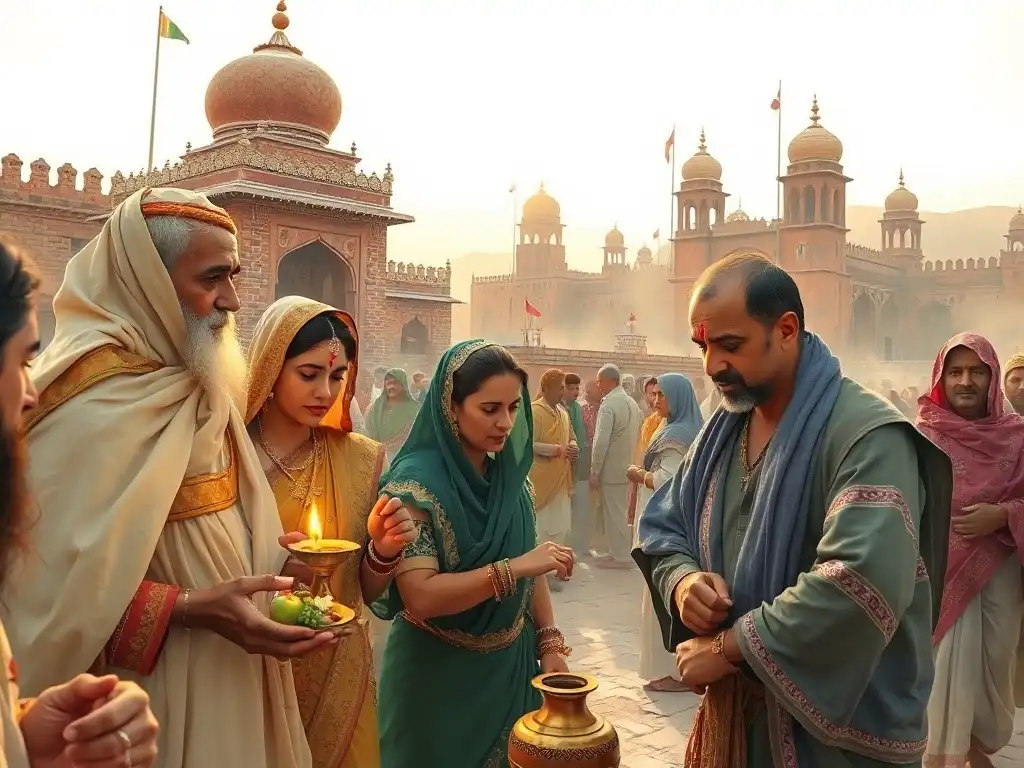
In the Indus Valley Civilization, religion permeated daily life, influencing both work and leisure activities. The people engaged in various rituals that celebrated agricultural cycles, seasonal changes, and fertility. Evidence from archaeological sites, such as Harappa and Mohenjo-Daro, suggests that rituals often included offerings to deities, which likely played a crucial role in agricultural productivity and community well-being.
Key Rituals:
- Harvest Festivals: These were significant occasions where communities came together to celebrate the harvest. Offerings made to deities were believed to ensure continued fertility of the land.
- Water Rituals: Given the importance of rivers in agriculture, water-related rituals were common. These might have included bathing in sacred rivers or performing rites to honor water deities, reflecting the belief in the sanctity of water as a life source.
- Domestic Worship: Households often had small shrines or altars. Family members would perform daily offerings to household gods, ensuring divine favor over their homes and daily affairs.
Additionally, leisure activities often intertwined with religious observances. Festivals not only involved rituals but also included music, dance, and communal feasting, fostering social cohesion and a shared cultural identity among the people of the Indus Valley.
Religion in the Indus Valley Civilization was intricately linked to the social structure, influencing hierarchies and relationships within society. While evidence about social stratification is limited, it is believed that religious leaders or priestly classes held significant power, guiding the community in spiritual matters and rituals.
Social Implications:
- Priestly Class: This elite group likely facilitated religious ceremonies and maintained the sacred sites, thus wielding considerable influence over both civic and religious life.
- Community Cohesion: Shared religious beliefs fostered a sense of unity among the diverse groups within the civilization. Public rituals and festivals served as occasions for community bonding, reinforcing social ties.
- Economic Activities: The religious calendar influenced agricultural practices. The timing of planting and harvesting was often aligned with religious observances, impacting the economic structure of society.
The intertwining of religion with social norms also extended to ethical behavior and communal responsibilities, shaping how individuals interacted with one another and their environment. This harmony between religious practices and social structure contributed to the stability and longevity of the Indus Valley Civilization.
Conclusion: The Lasting Impact of Religion on the Indus Valley Civilization
The influence of religion on daily life in the Indus Valley Civilization left an indelible mark on its culture and society. From daily rituals to the overarching social framework, religion was a guiding force that shaped community life. Aspects of spirituality infused both work and leisure, creating a rich tapestry of cultural practices that defined the era.
The legacies of these religious influences can still be traced in subsequent Indian civilizations. The emphasis on community rituals, agricultural observances, and the integration of spirituality into daily life persisted, laying foundational beliefs that would evolve through the ages. Understanding the role of religion in the Indus Valley not only highlights the civilization's complexity but also offers valuable insights into the cultural continuity in ancient and modern India. The interplay of religion and daily life in the Indus Valley exemplifies how deeply intertwined spirituality can be with everyday existence, a theme that resonates through the annals of Indian history.
Further Reading on Religion and Daily Life in Ancient Civilizations
To gain a deeper understanding of the intricate relationship between religion and daily life in ancient civilizations, particularly in the context of the Indus Valley, several resources can be explored. These readings delve into various aspects of how religious beliefs shaped the social, economic, and cultural practices of ancient societies.
Books
- "The Indus Civilization: A Contemporary Perspective" by Gregory L. Possehl
- This comprehensive book offers insights into the Indus Valley Civilization, including its religious structures and practices. Possehl discusses archaeological findings and how they reflect the daily lives of its people through the lens of religion.
- "Daily Life in Ancient India" by J. C. Harle
- This work provides a detailed overview of daily life in India from ancient times, emphasizing the interplay of religion, rituals, and social customs in shaping everyday activities.
- "Gods and Goddesses of the Ancient World" by Susan Wise Bauer
- While not exclusively focused on the Indus Valley, this book explores the pantheons of ancient religions and how they influenced the daily lives and leisure activities of various civilizations, including those of the Indus Valley.
Articles and Journals
- "The Role of Religion in the Economic Life of the Indus Valley Civilization"
- This article examines how religious beliefs influenced trade, agriculture, and craftsmanship in the Indus Valley, providing a nuanced understanding of the socio-economic dynamics.
- "Sacred Spaces and Daily Practices: The Religion of the Indus Valley Civilization"
- Found in an academic journal, this paper discusses the architectural and archaeological evidence of religious sites and how these spaces were integral to the daily lives of the people.
Online Resources
- The British Museum: Indus Valley Civilization
- An excellent resource for exploring artifacts, maps, and articles that detail the religious practices and their impact on daily life in the Indus Valley.
- Ancient History Encyclopedia: Daily Life in the Indus Valley Civilization
- This online encyclopedia entry provides an overview of daily life intertwined with religious beliefs, highlighting how spirituality influenced various aspects of society.
These resources collectively enhance the understanding of how religion permeated everyday experiences in the Indus Valley, offering perspectives that are critical for anyone interested in the broader implications of faith on ancient civilizations.
- Introduction to Religion and Daily Life in the Indus Valley
- Overview of Religious Beliefs in the Indus Valley
- Religion's Impact on Daily Work Activities
- Religion's Effect on Leisure Activities
- Daily Life Rituals and Religious Observances
- The Interplay Between Religion and Social Structure
- Conclusion: The Lasting Impact of Religion on the Indus Valley Civilization
- Further Reading on Religion and Daily Life in Ancient Civilizations
- What role did religion play in the daily life of the Indus Valley civilization?
- How did the Indus Valley people integrate religious practices into their daily work?
- Were there specific gods or goddesses worshipped in the Indus Valley?
- How did leisure activities reflect the religious beliefs of the Indus Valley?
- What archaeological evidence supports the connection between religion and daily life in the Indus Valley?
Frequently Asked Questions
What role did religion play in the daily life of the Indus Valley civilization?
Religion was deeply intertwined with daily life, influencing work practices, social organization, and leisure activities through rituals and beliefs.
How did the Indus Valley people integrate religious practices into their daily work?
Daily work often included rituals and offerings to deities, which were believed to ensure prosperity and success in agricultural and craft activities.
Were there specific gods or goddesses worshipped in the Indus Valley?
Yes, the people worshipped a variety of deities, often associated with fertility, nature, and prosperity, as seen in artifacts and seals from the period.
How did leisure activities reflect the religious beliefs of the Indus Valley?
Leisure activities often included festivals and ceremonial gatherings, which allowed the community to come together in celebration of their religious beliefs and cultural practices.
What archaeological evidence supports the connection between religion and daily life in the Indus Valley?
Artifacts such as figurines, seals, and ritualistic items highlight the significance of religious practices in shaping the daily experiences of the Indus Valley people.
Final Reflection: The Enduring Legacy of Religion in Daily Life
The intricate relationship between religion and daily life in the Indus Valley continues to resonate profoundly in our contemporary world. As we navigate the complexities of modern existence, the values, rituals, and social structures rooted in ancient beliefs remind us of the enduring influence that spirituality holds over our daily work and leisure activities. The echoes of the Indus Valley civilization serve as a testament to how religion shapes our identities, guiding our actions and interactions in both personal and communal spheres.
The impact of religion on the cultural and social landscape is not merely a relic of the past; it is a living force that continues to mold our experiences today. The rituals and practices that once governed the lives of the Indus Valley inhabitants have evolved but remain integral to the fabric of society. As we reflect on this influence, we can appreciate how these ancient traditions have paved the way for contemporary expressions of faith and community. Religion is not merely a set of beliefs; it is a way of life that shapes our understanding of the world and our place within it.
As we conclude this exploration, I invite you to reflect on how the lessons from the Indus Valley can enrich your own life. Consider how your beliefs and values influence your daily routines and interactions. Embrace the opportunity to integrate spiritual practices into your work and leisure, fostering a deeper connection to yourself and those around you. Let the legacy of the Indus Valley inspire you to cultivate a life where faith and daily activities harmoniously coexist, creating a meaningful and fulfilling existence.
Embrace the Legacy: Enhance Your Life with Ancient Wisdom!
Thank you for diving into the fascinating world of the Indus Valley! Your interest in how religion shaped daily work and leisure opens the door to understanding the profound impact of ancient cultures on our modern lives. Now, let’s turn that inspiration into action!
Here’s how you can take the next steps:
- Explore the motifs of Indus Valley art: Visit local museums or browse online galleries to immerse yourself in their stunning craftsmanship and appreciate their cultural significance.
- Start a conversation: Share your thoughts about the influence of religion on modern work-life balance with friends or in community forums. Your insights could shed light on current practices and traditions!
- Engage with your spirituality: Reflect on how ancient beliefs resonate with your daily routine. Consider journaling about your own practices—what values speak to you, and how can you incorporate them into your life today?
What ancient practices do you believe should be revived for a balanced modern life? Share your thoughts in the comments!