
Gupta Era Inventions: Early Tools and Techniques That Changed the World

Welcome to Ancient India History, where we invite you to embark on a fascinating journey through time, uncovering the rich tapestry of ancient Indian civilizations. From the ingenuity of the Indus Valley to the remarkable achievements of the Gupta Empire, each era has left an indelible mark on the world.
In our featured article, "Gupta Era Inventions: Early Tools and Techniques That Changed the World," we delve into the groundbreaking inventions and innovations that not only transformed daily life but also laid the foundation for future advancements. Prepare to be intrigued as we explore how these ancient contributions continue to resonate today—your adventure into the depths of history begins now!
- Gupta Empire Inventions and Innovations: An Overview
- Key Inventions of the Gupta Era
- Techniques that Changed the World
- Conclusion: The Lasting Impact of Gupta Empire Inventions and Innovations
-
Frequently Asked Questions
- What are some notable inventions and innovations from the Gupta Empire?
- How did Gupta Era innovations influence modern science?
- What role did trade play in the spread of Gupta inventions?
- Were there any significant medical advancements during the Gupta period?
- How did the artistic achievements of the Gupta Era complement its scientific innovations?
- Final Reflection: The Enduring Legacy of Gupta Empire Inventions
- Unveil the Legacy of Gupta Era Innovations!
Gupta Empire Inventions and Innovations: An Overview
The Gupta Empire, often referred to as the "Golden Age of India," was a period marked by remarkable advancements in various fields, including science, mathematics, and technology. Flourishing between approximately 320 CE and 550 CE, this era witnessed significant inventions and innovations that not only transformed Indian society but also laid the groundwork for future developments across the globe.
In this article, we will delve into the remarkable contributions of the Gupta Empire, exploring early tools and techniques that have left a lasting legacy on the world stage. From groundbreaking mathematical concepts to pioneering medical practices, the Gupta Empire's inventions and innovations continue to shape our understanding of many disciplines today.
Understanding the Gupta Empire
The Gupta Empire was established by Maharaja Sri Gupta and reached its zenith under the rule of Chandragupta II. This era is characterized by its strong central governance, flourishing trade routes, and cultural renaissance. The empire's influence stretched across a vast territory, encompassing modern-day India, Pakistan, and parts of Nepal and Bangladesh.
Historical Context of the Gupta Empire
The Gupta period is often seen as a response to the preceding chaos following the decline of the Maurya Empire. The establishment of Gupta rule brought stability, which was crucial for the resurgence of art, science, and culture. Key aspects of this context include:
- Political Stability: The efficient administration under Gupta rulers facilitated the growth of cities and trade.
- Cultural Developments: The era saw a revival of Hindu philosophy, literature, and the arts, with notable figures such as Kalidasa and Aryabhata emerging during this time.
- International Trade: The Gupta Empire maintained trade links with distant lands, enriching its economy and facilitating the exchange of ideas and technologies.
The Influence of the Gupta Dynasty on Science and Technology
The Gupta Empire is renowned for its significant contributions to science and technology, often referred to as "Gupta Era inventions." Among these advancements, several stand out:
- Mathematics:
- The introduction of the concept of zero and the decimal system, which revolutionized numerical representation.
- Aryabhata’s work on trigonometry and astronomy, laying the foundation for future mathematical studies.
- Medicine:
- The development of surgical techniques and medical texts such as the Sushruta Samhita, which detailed surgical procedures and anatomy.
- Innovations in herbal remedies that contributed to the field of Ayurveda.
- Metallurgy:
- The production of high-quality iron and the creation of the Iron Pillar of Delhi, a testament to advanced metallurgical techniques.
- Astronomy:
- Advances in understanding planetary motion and celestial phenomena, leading to more accurate calendars.
The inventions and innovations from the Gupta Empire not only exemplify the ingenuity of ancient Indian civilization but also demonstrate how these contributions have shaped various fields of study that continue to evolve today.
Key Inventions of the Gupta Era
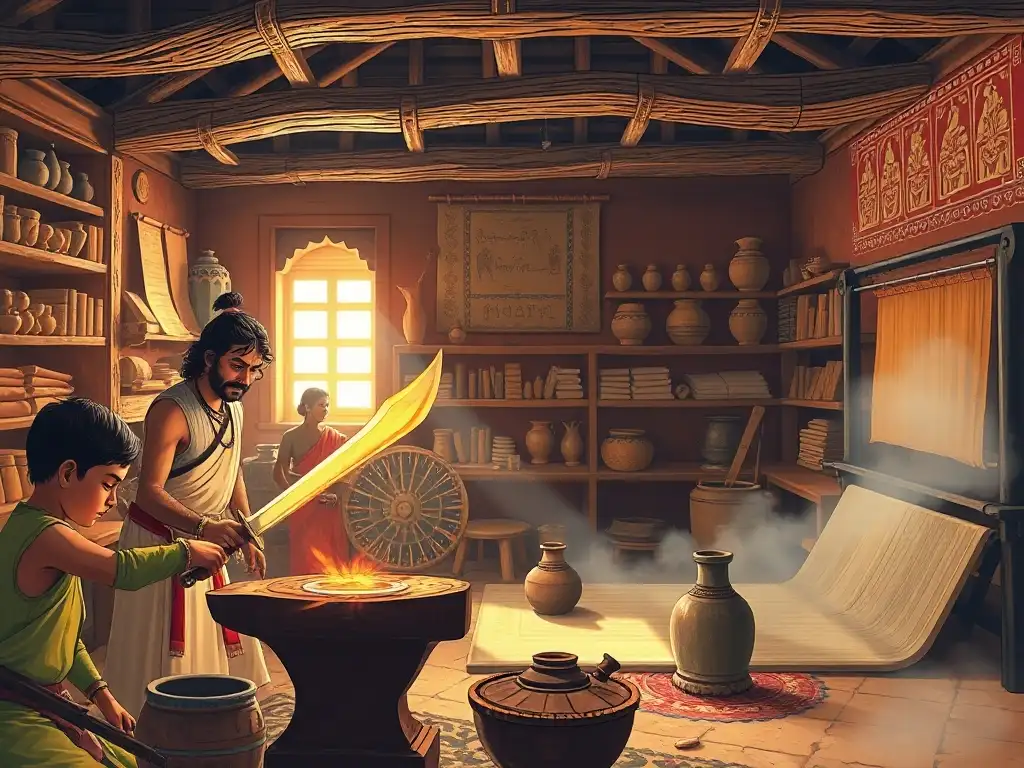
The Gupta Empire, often hailed as a golden age of Indian civilization, witnessed remarkable advancements in various fields, particularly in mathematics, astronomy, and engineering. The inventions and innovations of this era not only transformed Indian society but also laid the groundwork for future scientific endeavors across the globe. Here, we explore some of the most significant contributions from the Gupta period, focusing on their lasting impact.
Advances in Mathematics
During the Gupta Empire, mathematicians made groundbreaking strides that would resonate through the ages. This era is particularly renowned for its contributions to numerical systems and mathematical concepts that are still in use today.
The Concept of Zero and Its Significance
One of the most revolutionary inventions of the Gupta period was the formalization of the concept of zero. Mathematicians like Aryabhata and later Brahmagupta introduced zero as both a numeral and a placeholder in positional notation. This innovation facilitated:
- Complex Calculations: The use of zero allowed for the simplification of arithmetic operations and paved the way for more complex calculations.
- Mathematical Theorems: With the notion of zero, mathematicians could explore new theorems and concepts, such as negative numbers and the rules for arithmetic operations involving zero.
The introduction of zero is often considered one of the most significant developments in mathematics worldwide, influencing not just Indian scholars but also those in the Islamic world and Europe centuries later.
Innovations in Algebra and Geometry
The Gupta Empire also saw significant advancements in algebra and geometry:
- Algebra: Mathematicians like Brahmagupta wrote extensively on algebraic equations, developing methods to solve quadratic equations. His work included rules for arithmetic operations with both positive and negative integers, which was revolutionary for its time.
- Geometry: The Gupta scholars also made substantial contributions to geometry. They formulated rules for calculating areas and volumes of geometric shapes, laying the groundwork for calculus and trigonometry in later centuries.
These mathematical innovations not only enhanced trade and commerce during the Gupta period but also contributed to the development of mathematics as a formal discipline in the ages to come.
Developments in Astronomy
The Gupta era was a time of significant exploration in astronomy as well. Scholars made advancements in celestial mechanics and timekeeping methods that were critical for navigation and agriculture.
The Aryabhata System and Celestial Mechanics
Aryabhata, one of the most prominent astronomers of the Gupta period, introduced a heliocentric model of the solar system, proposing that:
- The Earth Rotates: He posited that the Earth rotates on its axis, explaining the apparent motion of stars and planets.
- Accurate Calculations: Aryabhata developed formulas to calculate the positions of celestial bodies, eclipses, and even the circumference of the Earth with remarkable accuracy.
His work laid the foundation for future astronomical studies, influencing both Indian and Islamic astronomy for centuries.
Inventions in Timekeeping: The Water Clock and Sundials
Innovations in timekeeping were also notable during this period. The Gupta Empire saw the development of:
- Water Clocks (Ghatikas): These devices measured time by regulating the flow of water. They were crucial for various activities, including religious rituals and agricultural planning.
- Sundials: The use of sundials became common, allowing people to track time during daylight hours. The precision of these instruments improved with the advancements in geometry, reflecting the sophisticated understanding of light and shadow.
These timekeeping inventions not only aided daily life but also contributed to the fields of astronomy and navigation, demonstrating the Gupta Empire's far-reaching influence on the world.
Medical Innovations
The Gupta Empire, spanning from approximately 320 to 550 CE, is renowned not only for its achievements in art and culture but also for its remarkable advancements in medicine. The period marked significant progress in medical knowledge and practices, laying the groundwork for many modern medical systems.
Ayurveda: The Foundation of Ancient Indian Medicine
Ayurveda, a traditional system of medicine that originated in India, saw substantial development during the Gupta period. This holistic approach to health emphasizes balance among the body, mind, and spirit, and it incorporates a variety of treatments including herbal medicines, dietary recommendations, and lifestyle changes. Key texts, such as the Charaka Samhita and the Sushruta Samhita, were compiled during this era, detailing comprehensive medical theories and practices.
The Gupta scholars classified diseases into categories, developed diagnostic techniques, and emphasized the importance of preventive measures. This knowledge system not only influenced the health practices of ancient India but also significantly impacted subsequent medical traditions in Asia and beyond, offering insights into wellness that continue to be relevant today.
Surgical Techniques and Instruments Introduced During the Gupta Period
The Gupta Empire is also credited with pioneering surgical techniques that were advanced for their time. The Sushruta Samhita, attributed to the physician Sushruta, is one of the earliest texts to systematically describe surgical procedures and the use of various instruments.
Innovations included:
- Surgical Procedures: Techniques for cataract surgery, plastic surgery, and the treatment of fractures were documented, showcasing the sophisticated understanding of human anatomy.
- Instruments: A range of surgical tools were introduced, such as scalpels, forceps, and sutures, many of which were made from high-quality metals. These instruments facilitated more complex surgeries and improved patient outcomes.
- Anesthesia: Methods of anesthesia, including herbal concoctions, were utilized, reflecting an advanced understanding of pain management.
This focus on surgery and medical instrumentation not only improved healthcare during the Gupta era but also influenced surgical practices in other cultures, making significant contributions to the field of medicine.
Metallurgy and Material Sciences
The Gupta era was a period of remarkable advancements in metallurgy and material sciences, characterized by innovative techniques that transformed various industries and everyday life.
The Creation of Wootz Steel: A Revolutionary Metal
One of the most significant metallurgical achievements of the Gupta period was the development of Wootz steel, known for its exceptional quality and durability. This high-carbon steel, produced using advanced techniques, was highly sought after and became the foundation for creating superior weapons and tools.
The process of producing Wootz steel involved:
- Crucible Steel Making: The steel was made in small batches using a crucible, allowing for precise control over the carbon content and temperature.
- Pattern Welding: This technique involved layering different types of steel to create swords that were not only functional but also aesthetically beautiful, often displaying unique patterns on their blades.
- Trade and Influence: Wootz steel gained international acclaim and was traded extensively with regions such as the Middle East and Europe, influencing metallurgy across cultures.
The legacy of Wootz steel endures, as modern metallurgical techniques still draw inspiration from these ancient practices.
Innovations in Coinage and Metalwork Techniques
The Gupta Empire also made significant strides in coinage and metalworking, contributing to the economic and cultural prosperity of the region.
Notable advancements included:
- Gold Coins: The Gupta rulers introduced a variety of gold coins, known as dinaras, which were intricately designed and carried depictions of emperors and deities. These coins facilitated trade and commerce, enhancing the economic stability of the empire.
- Minting Techniques: The period saw improvements in minting processes, enabling the production of coins with higher purity and consistent weight, which were crucial for trade.
- Artistic Metalwork: Beyond coinage, Gupta artisans excelled in creating intricate metal sculptures and decorative items, showcasing advanced techniques in casting and engraving.
These innovations in metallurgy and coinage not only bolstered the Gupta economy but also contributed to the cultural richness of the empire, reflecting its artistic and technological sophistication.
Techniques that Changed the World
The Impact of Gupta Innovations on Subsequent Civilizations
The Gupta Empire, often heralded as a golden age of Indian civilization, was marked by significant advancements in various fields, particularly in science and mathematics. The innovations developed during this period not only transformed Indian society but also had a profound impact on subsequent civilizations across the globe.
One of the most notable contributions from this era was the development of the decimal numeral system, which included the concept of zero. This breakthrough allowed for more complex calculations and paved the way for advanced mathematics. The numeral system spread to the Islamic world and eventually reached Europe, fundamentally altering the approach to mathematics and commerce.
Additionally, Ayurveda, an ancient system of medicine that flourished during the Gupta period, established foundational practices in health and wellness. The principles of Ayurveda influenced medical practices not only in India but also in other cultures, leading to a broader understanding of holistic health.
Influence on Islamic Golden Age Scholars
The Gupta Empire's contributions laid the groundwork for the Islamic Golden Age, which saw a remarkable flourishing of knowledge from the 8th to the 14th centuries. Scholars such as Al-Khwarizmi, known as the father of algebra, were heavily influenced by Indian mathematical texts. The adoption of the decimal system and the concept of zero were instrumental in enhancing mathematical calculations in Islamic scholarship.
Furthermore, Indian astronomy, particularly the works of Aryabhata, provided critical insights that were integrated into Islamic astronomy. The translation of Indian texts into Arabic facilitated the dissemination of this knowledge, leading to advancements in navigation, timekeeping, and calendar systems.
Contributions to the Renaissance and Beyond
The innovations of the Gupta Empire significantly influenced the European Renaissance, which began in the 14th century. The transmission of mathematical texts through Islamic scholars reintroduced the decimal system and the concept of zero to Europe, revolutionizing mathematics and science during this period.
The printing of these texts in the 15th century further democratized knowledge, allowing a wider audience access to advanced mathematical concepts. This shift not only spurred scientific inquiry but also represented a paradigm shift in how knowledge was perceived and disseminated in Europe.
The Legacy of Gupta Empire Inventions in Modern Science
The legacy of Gupta Empire inventions continues to resonate in contemporary practices across various scientific fields. The principles established during this era remain integral to modern mathematics, medicine, and technology.
How Ancient Innovations Shape Contemporary Practices
Modern mathematics is deeply rooted in the advancements made during the Gupta period. The adoption of the decimal system and the use of zero are fundamental to arithmetic operations that form the basis of contemporary mathematics.
In the field of medicine, Ayurvedic practices have seen a resurgence in interest, with many contemporary health and wellness practices drawing inspiration from ancient texts. The holistic approaches emphasized by Ayurveda are now increasingly recognized in modern health paradigms, particularly in integrative and alternative medicine.
The Enduring Importance of Gupta Innovations in Today's Scientific Community
The innovations of the Gupta Empire have not only shaped historical narratives but also continue to influence the scientific community today. Scholars and researchers reference Gupta-era contributions as foundational elements in their work, particularly in mathematics and medicine.
Moreover, the emphasis on empirical observation and systematic study during the Gupta period laid the groundwork for the scientific method that is vital in today's research endeavors. As we navigate the complexities of modern science, the enduring importance of Gupta innovations serves as a reminder of the rich intellectual heritage that continues to inspire new generations of thinkers and innovators.
Conclusion: The Lasting Impact of Gupta Empire Inventions and Innovations
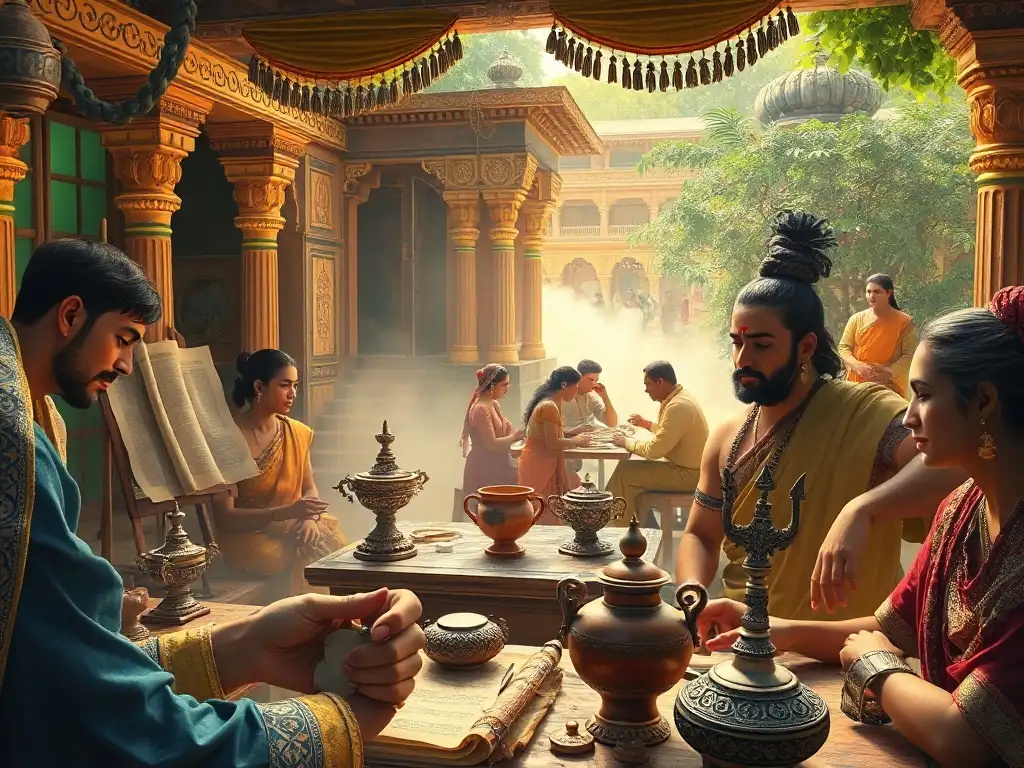
The Gupta Empire, often referred to as the Golden Age of India, is celebrated not only for its cultural achievements but also for its groundbreaking inventions and innovations that have left a profound impact on the world. The advancements made during this period laid the groundwork for various fields, including mathematics, astronomy, metallurgy, and medicine. The legacy of these inventions continues to influence modern practices and knowledge systems, illustrating the Gupta Empire's pivotal role in shaping global history.
Reflection on the Gupta Era's Contributions to Global Knowledge
During the Gupta period, scholars and inventors made significant strides in various disciplines, creating tools and techniques that enhanced human understanding and capabilities. For example, the introduction of the concept of zero as a numeral revolutionized mathematics, enabling complex calculations and paving the way for modern arithmetic.
Key Contributions:
- Mathematics:
- The decimal system was refined, allowing for more efficient calculations.
- Aryabhata's work in trigonometry and astronomy provided insights that influenced later scholars in both the East and West.
- Astronomy:
- The Gupta astronomers proposed heliocentric theories and more accurate methods for calculating the length of the solar year.
- The use of sophisticated instruments, such as the gnomon (a simple sundial), facilitated the study of celestial movements.
- Metallurgy:
- The Gupta Empire is renowned for its advancements in metallurgy, particularly the production of high-quality iron tools and weaponry, such as the Iron Pillar of Delhi, which remains rust-resistant for centuries.
- Medicine:
- The compilation of medical texts, such as the Sushruta Samhita, documented surgical techniques and herbal remedies, significantly enhancing healthcare practices.
The impact of these inventions extended beyond the borders of India, influencing global knowledge in various domains. Scholars from the Islamic Golden Age, for instance, translated and built upon Gupta texts, disseminating this wisdom across Europe and the Middle East.
Future Research Opportunities on Gupta Innovations and Their Influence
Investigating the Gupta Empire's inventions and innovations opens up numerous avenues for future research. Scholars can delve deeper into specific inventions and their pathways through history, examining how these innovations were transmitted across cultures and adapted over time.
Potential Research Areas:
- Cross-Cultural Exchange: Understanding how Gupta innovations influenced other civilizations, such as the interactions with Chinese and Arab scholars, could provide insights into the dynamics of knowledge transfer in ancient times.
- Technological Continuity: Analyzing the continuity of Gupta inventions in subsequent periods can help illuminate how ancient techniques evolved into modern applications, particularly in fields like medicine and mathematics.
- Material Science: Further studies on the metallurgy techniques of the Gupta period could lead to advancements in modern materials and engineering practices, especially in sustainable technologies.
- Comparative Studies: Exploring the Gupta Empire's contributions alongside those of contemporary civilizations could highlight unique approaches to common challenges in science and technology.
The Gupta Empire's inventions and innovations not only transformed the Indian subcontinent but also contributed significantly to global progress. Continued exploration of this remarkable era will enhance our understanding of its lasting influence on various domains of knowledge and technology.
Frequently Asked Questions
What are some notable inventions and innovations from the Gupta Empire?
The Gupta Empire is known for significant advancements in fields like mathematics, astronomy, and medicine, including the invention of zero and the decimal system.
How did Gupta Era innovations influence modern science?
Many Gupta Era innovations laid the groundwork for modern scientific principles, particularly in mathematics and astronomy, which are still used today.
What role did trade play in the spread of Gupta inventions?
Trade during the Gupta Empire facilitated the exchange of ideas and technologies, allowing inventions to spread across Asia and influence other cultures.
Were there any significant medical advancements during the Gupta period?
Yes, the Gupta Empire saw the emergence of Ayurveda, with advancements in surgery, herbal medicine, and holistic health practices that are still relevant today.
How did the artistic achievements of the Gupta Era complement its scientific innovations?
The artistic achievements of the Gupta Era, such as sculpture and painting, showcased the same creativity and precision that characterized its scientific innovations, reflecting a rich cultural legacy.
Final Reflection: The Enduring Legacy of Gupta Empire Inventions
The Gupta Empire's inventions and innovations stand as a testament to human ingenuity, showcasing how early advancements in science, mathematics, and technology continue to shape our modern world. In an age where we often overlook the foundations of our current achievements, it is crucial to recognize that many principles we take for granted today were first explored during this remarkable period. The brilliance of Gupta scholars not only laid the groundwork for future discoveries but also illuminated the path for generations to come.
The influence of Gupta innovations resonates deeply within our cultural and social landscape, reminding us of the interconnectedness of knowledge across time and space. From the introduction of the numeral system to groundbreaking advancements in medicine and astronomy, these contributions have woven themselves into the very fabric of our daily lives. As we reflect on this legacy, we are reminded of the words of Albert Einstein: The important thing is not to stop questioning. Curiosity has its own reason for existence.
This curiosity, ignited during the Gupta era, continues to inspire contemporary thinkers and innovators.
As we close this exploration of Gupta Empire inventions, I invite you to reflect on how these early tools and techniques can inspire your own journey of discovery and innovation. Consider how the spirit of inquiry and creativity that flourished during this golden age can be harnessed in your life today. Whether in your personal pursuits or professional endeavors, let the lessons from the Gupta Empire encourage you to embrace curiosity, challenge the status quo, and contribute to the ongoing narrative of human progress.
Unveil the Legacy of Gupta Era Innovations!
Thank you for exploring the fascinating world of Gupta Era inventions with us! Your journey through history not only highlights the ingenuity of early tools and techniques but also inspires us to appreciate their lasting impact on our modern life.
Now it’s your turn to bring these historical innovations to life! Here are some engaging actions you can take next:
- Dive deeper into the inventions that intrigue you the most by researching how they influenced subsequent developments in technology and science.
- Share your insights with friends or on social media using the hashtag #GuptaInnovations to spark conversations about historical creativity.
- Join our community at Ancient India History by commenting below on your favorite Gupta invention and how you believe it continues to affect our world today.
Which invention from the Gupta era do you think holds the greatest significance in today's technological landscape?