
The Gupta Empire and Its Relationship with Neighboring Kingdoms


Welcome to Ancient India History, where we embark on a journey through the rich tapestry of India’s past! In our featured article, “The Gupta Empire and Its Relationship with Neighboring Kingdoms,” we delve into the fascinating dynamics of power, trade, and cultural exchange that shaped one of the most remarkable empires in history. Discover how the Gupta Empire interacted with its neighbors, influencing and being influenced by the diverse cultures that surrounded it.
Join us as we uncover the intricate connections and stories that have forged the legacy of ancient Indian civilizations. Your adventure into the depths of history begins now!
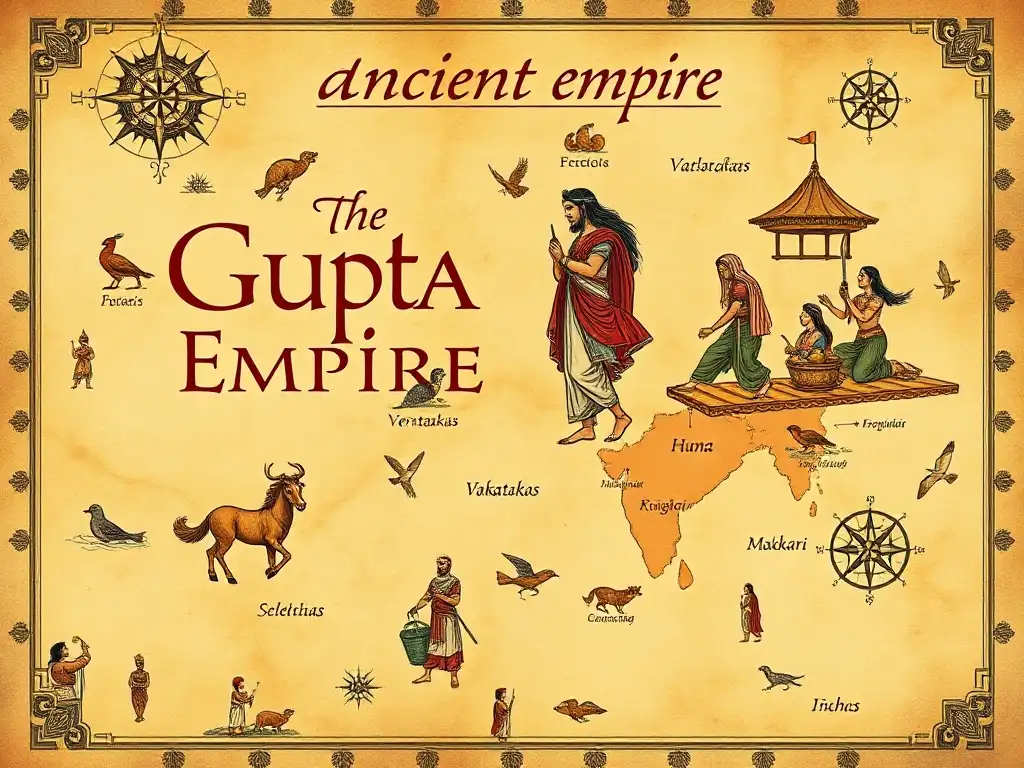
The Gupta Empire, often referred to as the Golden Age of India, stands as a testament to the remarkable achievements in art, culture, science, and governance during its reign from approximately 320 to 550 CE. This period is characterized by significant advancements that not only enriched the Indian subcontinent but also established profound interactions with neighboring kingdoms.
Understanding the relations between the Gupta Empire and its neighboring realms is crucial to comprehending both the geopolitical landscape of ancient India and the cultural exchanges that shaped the region. This article delves into the intricate dynamics that defined the Gupta Empire's interactions with adjacent kingdoms, highlighting how these relationships influenced trade, diplomacy, and cultural diffusion.
Introduction to the Gupta Empire
The Gupta Empire emerged as a dominant political force in ancient India, succeeding the Mauryan Empire and laying the groundwork for a vibrant cultural and intellectual revolution. Under the leadership of Chandragupta I, and later his successors like Samudragupta and Chandragupta II, the empire expanded its territory, encompassing large parts of northern India. This era is marked by advancements in various fields, including literature, mathematics, astronomy, and architecture, setting a benchmark for future generations.
Overview of the Gupta Empire's Historical Significance
The historical significance of the Gupta Empire lies in its role as a unifying force in India during a tumultuous period. It fostered a sense of identity among the diverse populations within its borders. Major contributions during this time include:
- Cultural Flourishing: The Gupta period witnessed a renaissance in arts and sciences, producing renowned scholars like Aryabhata, who made significant contributions to mathematics and astronomy.
- Political Stability: The centralized administration provided stability, allowing trade and commerce to thrive, which was essential for the economy.
- Religion and Philosophy: The era also saw the promotion of Hinduism and the patronage of Buddhist monasteries, facilitating a rich exchange of ideas.
Key Features of the Gupta Dynasty
Several key features define the Gupta Dynasty:
- Decentralized Administration: While the Gupta Empire had a strong central authority, it allowed local rulers a degree of autonomy, which helped in maintaining order and allegiance.
- Cultural Patronage: The Gupta rulers were known for their patronage of arts and literature, which led to advancements in sculpture, painting, and poetry.
- Trade Networks: The empire was strategically located along vital trade routes, enhancing economic prosperity through trade with various regions, including Southeast Asia.
Understanding Neighboring Kingdoms
The Gupta Empire did not exist in isolation; it interacted with several neighboring kingdoms, which influenced its political and cultural landscape. Understanding these neighboring kingdoms is essential to grasp the complexities of the Gupta Empire's relations.
Major Kingdoms Surrounding the Gupta Empire
The Gupta Empire was surrounded by several significant kingdoms, each playing a role in shaping its policies and cultural exchanges. These included:
- Maitraka Kingdom: Located in present-day Gujarat, the Maitrakas were known for their Buddhist support and cultural exchanges with the Guptas.
- Vakataka Dynasty: To the south, the Vakatakas were influential in promoting trade and culture, particularly in Maharashtra, and maintained diplomatic ties with the Guptas.
- Saka Kingdoms: In western India, the Saka rulers posed both military threats and opportunities for alliances, impacting Gupta territorial expansion.
- Huna Tribes: To the northwest, the Huna tribes eventually became a significant challenge to Gupta stability, leading to military confrontations that tested the empire's resilience.
These interactions reveal the complexities of the Gupta Empire's diplomatic and military strategies, illustrating how neighboring kingdoms influenced its development and legacy.
Gupta Empire Neighboring Kingdoms Relations
The Gupta Empire, often referred to as the Golden Age of India, thrived between the 4th and 6th centuries CE. It was characterized by significant advancements in arts, science, and literature, as well as a complex interplay of relations with neighboring kingdoms. The Gupta rulers employed a combination of political alliances, economic interactions, and military strategies to maintain their influence and stability in the region. This multifaceted approach not only secured their dominance but also facilitated cultural exchanges that enriched both the Gupta Empire and its neighbors.
Political Alliances and Diplomatic Relations
The Gupta Empire engaged in numerous political alliances to bolster its power and secure its borders. Marriages between Gupta royalty and local rulers were a common tactic, fostering loyalty and ensuring peace. For instance, the marriage of Chandragupta II to a princess from the neighboring Lichchhavi clan of Vaishali was a strategic alliance that strengthened ties with powerful regional families.
Diplomatic relations were also paramount. The Gupta rulers maintained communication with neighboring kingdoms, such as the Vakatakas and the Maukhari Dynasty, to navigate political landscapes and address mutual concerns. Such diplomacy often involved treaties that ensured non-aggression, trade benefits, and cultural exchanges, contributing to a stable environment conducive to economic growth.
Economic Interactions with Neighboring Kingdoms
Economic interactions played a crucial role in the Gupta Empire's relations with its neighbors. The empire had a robust economy based on agriculture, trade, and craftsmanship, which it leveraged to forge profitable relationships. The Gupta rulers established trade routes that connected the empire to regions like Central Asia, Southeast Asia, and the Middle East.
Trade agreements with neighboring kingdoms facilitated the exchange of goods such as textiles, spices, and precious metals. The flourishing trade not only enriched the Gupta Empire but also allowed neighboring kingdoms to benefit from the economic prosperity, leading to a network of interdependence. Additionally, the Guptas promoted the use of standardized currency, further enhancing trade efficiency and fostering economic ties.
Military Relations and Conflicts
While the Gupta Empire is often celebrated for its cultural achievements, it also had its share of military engagements. The empire maintained a formidable army that was crucial for both defense and expansion. Conflicts arose with various neighboring kingdoms, such as the Huna invaders from Central Asia, who posed a significant threat during the later years of the Gupta rule.
The Guptas employed military strategies that included both offensive and defensive tactics. They often engaged in campaigns to subdue rebellious states or to repel invasions, securing their borders and maintaining control over vital trade routes. However, the Gupta rulers also demonstrated restraint, opting for diplomacy over conflict when possible, which allowed for a balance between military power and peaceful coexistence with their neighbors.
Cultural Impact of the Gupta Empire on Neighboring Kingdoms

The Gupta Empire's influence extended beyond political and economic spheres, significantly impacting the culture of neighboring kingdoms. The period is marked by remarkable achievements in art, literature, and science, which resonated in adjacent regions, enriching their cultural landscapes.
Spread of Religion and Philosophy
One of the most profound cultural impacts of the Gupta Empire was the dissemination of religion and philosophy. The Gupta period saw the flourishing of Hinduism, and its principles were propagated through various means, including temples, educational institutions, and literature. The empire became a center for religious learning, attracting scholars and practitioners from neighboring regions.
Buddhism also saw a resurgence during the Gupta period, with significant contributions to its philosophy and art. The construction of stupas and monastic complexes served as focal points for Buddhist practice, influencing neighboring kingdoms such as those in Southeast Asia. Additionally, the Gupta period saw the emergence of great philosophical thinkers like Aryabhata, whose work in mathematics and astronomy spread widely, influencing scholars across borders.
The Gupta Empire's relationships with neighboring kingdoms were characterized by strategic political alliances, economic ties, and military engagements, all while leaving a lasting cultural legacy that transcended its borders. The interplay of these factors not only solidified the Gupta Empire’s power but also fostered a vibrant exchange of ideas and practices that shaped the historical trajectory of the region.
Conclusion
The Gupta Empire, often celebrated as the Golden Age of India, not only thrived within its own borders but also established significant relationships with neighboring kingdoms. These connections, characterized by diplomacy, trade, and cultural exchange, played a crucial role in shaping the political and cultural landscape of ancient India. By navigating alliances and rivalries skillfully, the Gupta rulers managed to foster a period of unprecedented stability and prosperity, which in turn facilitated advancements in science, art, and philosophy.
The interactions with neighboring kingdoms, including the Vakatakas to the south and the Kushans to the northwest, demonstrate the Gupta Empire's strategic vision. This era was marked by the flourishing of trade routes, which not only enhanced economic prosperity but also promoted the exchange of ideas and cultural practices. The legacy of these relationships continues to influence the historical narrative of the Indian subcontinent, illustrating how interconnected ancient societies were despite the geographical barriers.
Summary of Gupta Empire’s Relations with Neighboring Kingdoms
The Gupta Empire's relations with neighboring kingdoms were multifaceted, encompassing diplomatic alliances, military confrontations, and economic partnerships. The Guptas often formed alliances through marriage, notably with the Vakatakas, which strengthened their political position in the Deccan region. This alliance allowed for shared military resources and cultural exchanges, which enriched both empires.
In contrast, the Gupta Empire also faced challenges from neighboring powers, such as the Huns, which necessitated military engagement. Despite these conflicts, the Guptas adeptly maintained a balance of power and often emerged victorious, further solidifying their dominance in northern India.
Trade relationships were another cornerstone of Gupta interactions, enhancing economic ties with regions as far as Southeast Asia and facilitating the exchange of goods, culture, and knowledge. These interactions not only contributed to the wealth of the Gupta Empire but also to its cultural and intellectual achievements, as evidenced by the proliferation of art, literature, and science during this period.
Lasting Legacy of the Gupta Empire on Future Indian Kingdoms
The Gupta Empire's legacy profoundly influenced subsequent Indian kingdoms, setting a precedent for governance, culture, and trade. The administrative practices developed during this era were emulated by later rulers, who recognized the effectiveness of centralized governance and the importance of a well-structured bureaucracy.
Culturally, the Gupta period is often viewed as the zenith of classical Indian art and literature. The emphasis on education and scholarship led to the establishment of institutions such as Nalanda University, which became a hub for learning and attracted scholars from across Asia. This emphasis on education and culture would be echoed in later Indian empires, fostering a continuous thread of intellectual pursuit throughout India's history.
Additionally, the Gupta Empire's engagement in trade laid the foundation for subsequent economic practices. The establishment of trade routes and the promotion of commerce facilitated the growth of future kingdoms, allowing them to thrive economically and culturally. The interconnectedness fostered during the Gupta period would continue to shape the Indian subcontinent's socio-economic landscape for centuries to come.
References and Further Reading
For those interested in exploring the Gupta Empire and its interactions with neighboring kingdoms, a wealth of resources is available. Below are some recommended readings and online resources that delve deeper into this fascinating period of ancient Indian history.
Suggested Books on the Gupta Empire and Its Relations
- "The Gupta Empire" by Romila Thapar: A comprehensive analysis of the Gupta dynasty, its governance, culture, and relations with neighboring powers.
- "A History of Ancient India" by R.C. Majumdar: This work covers a broad spectrum of ancient Indian history, including insights into the Gupta Empire and its foreign relations.
- "The Golden Age of India: Gupta Period" by S. R. Sharma: This book focuses on the cultural achievements and political strategies of the Gupta Empire, with particular emphasis on its neighboring kingdoms.
Online Resources for Ancient Indian History
- Digital South Asia Library: A collection of resources on South Asian history, including materials on the Gupta Empire and its regional interactions.
- Ancient History Encyclopedia: Offers articles and resources dedicated to ancient civilizations, including detailed sections on the Gupta Empire.
- The British Museum: Provides access to artifacts and information related to the Gupta period, showcasing its historical significance and cultural contributions.
By engaging with these resources, readers can gain a deeper appreciation for the Gupta Empire's intricate relationships with its neighboring kingdoms and its enduring impact on Indian civilization.
- Introduction to the Gupta Empire
- Understanding Neighboring Kingdoms
- Gupta Empire Neighboring Kingdoms Relations
- Cultural Impact of the Gupta Empire on Neighboring Kingdoms
- Conclusion
- References and Further Reading
- What were the key features of the Gupta Empire?
- How did the Gupta Empire interact with neighboring kingdoms?
- What neighboring kingdoms were significant to the Gupta Empire?
- How did trade influence the Gupta Empire's relations with its neighbors?
- What were the cultural contributions of the Gupta Empire to neighboring regions?
Frequently Asked Questions
What were the key features of the Gupta Empire?
The Gupta Empire is renowned for its golden age of arts and sciences, marked by advancements in mathematics, astronomy, and literature during the 4th to 6th centuries CE.
How did the Gupta Empire interact with neighboring kingdoms?
The Gupta Empire's relations with neighboring kingdoms were characterized by diplomacy, trade, and at times, military conquests, which helped maintain stability and promote cultural exchange.
What neighboring kingdoms were significant to the Gupta Empire?
Important neighboring kingdoms included the Maitraka dynasty, Vakataka dynasty, and Hunas, all of which played roles in both conflict and cooperation with the Gupta Empire.
How did trade influence the Gupta Empire's relations with its neighbors?
Trade significantly enhanced the Gupta Empire's relations by fostering economic interdependence and cultural exchange, leading to greater political alliances and mutual benefits.
What were the cultural contributions of the Gupta Empire to neighboring regions?
The Gupta Empire spread artistic, scientific, and religious ideas to neighboring kingdoms, influencing architecture, literature, and the development of Hinduism and Buddhism across the region.
Final Reflection: Understanding the Gupta Empire's Legacy in Neighboring Relations
The exploration of the Gupta Empire's relationships with neighboring kingdoms reveals a complex tapestry of diplomacy, trade, and cultural exchange that resonates profoundly in today's globalized world. As we navigate our interconnected societies, the lessons from the Gupta Empire serve as a striking reminder of how collaboration and mutual respect among nations can lead to prosperity and cultural enrichment. The dynamics of these ancient relationships underscore the timeless importance of fostering connections beyond our borders.
The Gupta Empire's interactions with its neighbors not only shaped its own cultural and political landscape but also left an indelible mark on the broader region. In reflecting on these historical ties, we can see how they laid the groundwork for future alliances and cultural exchanges that continue to influence our world today. As historian Romila Thapar noted, History is not just about the past; it is a living narrative that shapes our present and future.
The legacy of the Gupta Empire reminds us that the relationships we cultivate today can have lasting impacts on our societies and cultures.
As we contemplate the lessons from the Gupta Empire, I invite you to reflect on your own relationships—both personal and communal. Consider how you can foster connections that transcend boundaries, whether they be cultural, political, or social. By embracing the spirit of cooperation and understanding that characterized the Gupta Empire's relations with its neighbors, we can contribute to a more harmonious and interconnected future. Let us take inspiration from the past and strive to build bridges that unite us rather than walls that divide us.
Unveil the Legacy of the Gupta Empire Today!
Thank you for exploring the fascinating world of the Gupta Empire and its connections with neighboring kingdoms. Your interest in this remarkable period of ancient history enriches your understanding of our cultural heritage. Now, let's take the next step together!
Here are a few actions you can take to deepen your journey into the world of the Guptas:
- Dive deeper into research: Explore books or documentaries about the Gupta Empire. Consider visiting a local library or utilizing online resources to gather more insights and context.
- Share your knowledge: Discuss what you've learned with friends or family. Start a conversation on social media by highlighting intriguing points from your research!
- Join a history group: Connect with fellow enthusiasts! Find or create a community that shares your passion for ancient civilizations—whether through online forums or local gatherings.
As you reflect on the Gupta Empire's enduring influence, consider this: How can understanding the Gupta Empire reshape our perspective on modern diplomacy and cultural ties? Let's engage in this important conversation!