
Symbols of Unity: How Ancient Indian Art Merged with Foreign Influences

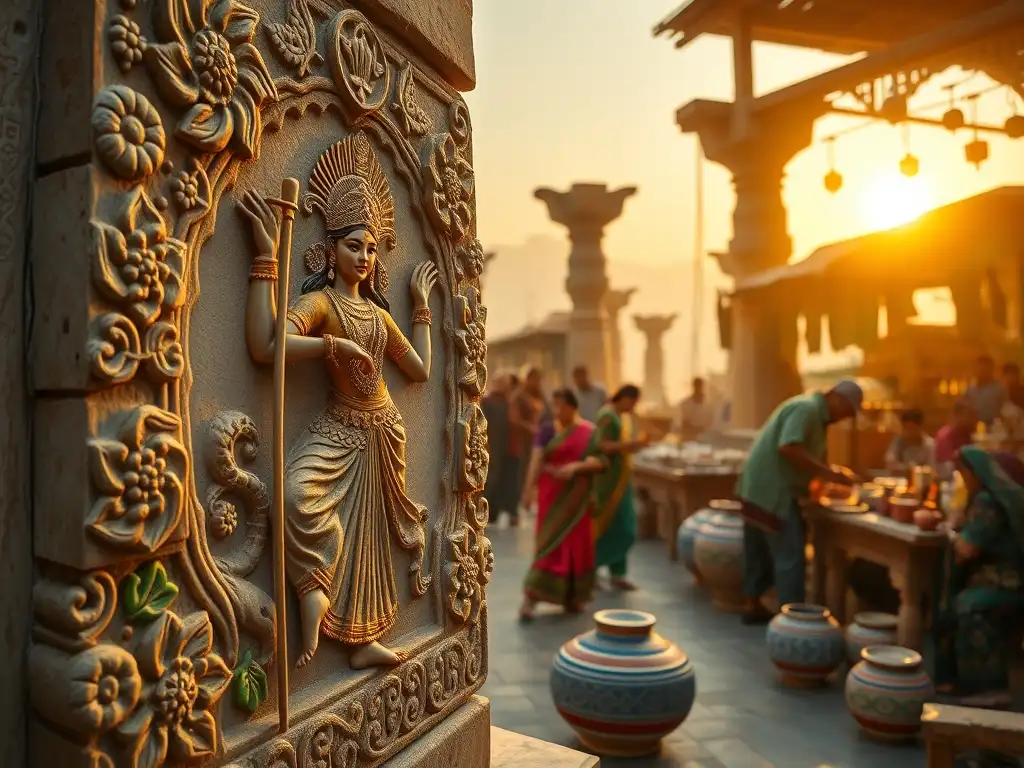
Welcome to Ancient India History! Dive into the depths of a civilization that flourished eons ago, where vibrant cultures and rich traditions shaped the world as we know it. Our featured article, "Symbols of Unity: How Ancient Indian Art Merged with Foreign Influences," invites you to explore the fascinating interplay between indigenous artistry and external inspirations. Discover how ancient Indian art not only reflected the spirit of its time but also served as a canvas for cultural exchange that transcended borders. Join us on this journey through time and unlock the secrets of a heritage that continues to inspire!
- Introduction to Ancient Indian Art Influences
- Historical Context of Ancient Indian Art
- Foreign Influences on Ancient Indian Art
- Symbols of Unity in Ancient Indian Art
- Case Studies of Artistic Blend
- Conclusion: The Legacy of Ancient Indian Art Influences
- References and Further Reading on Ancient Indian Art Influences
-
Frequently Asked Questions
- What are the main themes discussed in the article about ancient Indian art?
- How did foreign influences impact ancient Indian art?
- What periods of ancient Indian history are covered in the article?
- Why is understanding ancient Indian art important?
- How can one explore more about ancient Indian art influences?
- Final Reflection: Embracing the Tapestry of Ancient Indian Art Influences
- Celebrate the Harmony of Cultures!
Introduction to Ancient Indian Art Influences
Ancient Indian art is a testament to the rich tapestry of cultural exchanges that shaped the subcontinent’s history. From the intricate sculptures of the Indus Valley Civilization to the grand murals of the Gupta Empire, Indian art reflects a dynamic interplay between indigenous traditions and foreign influences. This article delves into the profound ways in which external cultures melded with local artistic expressions, creating a unique and enduring legacy. By examining the various influences that permeated ancient Indian art, we can gain insights into the broader narrative of cultural syncretism that characterized this vibrant civilization.
Overview of Artistic and Cultural Syncretism
Artistic and cultural syncretism in ancient India can be traced back to various historical interactions. Trade routes, conquests, and migrations facilitated the exchange of ideas, beliefs, and artistic techniques. For instance, the Silk Road served as a significant conduit for cultural exchange, bringing in influences from the Persian, Greek, and Central Asian regions. These interactions led to the incorporation of diverse elements into Indian art, resulting in a fusion that enriched the local aesthetic.
Key aspects of this syncretism include:
- Sculptural Techniques: The introduction of Hellenistic styles influenced the development of realistic portrayals in Indian sculpture, particularly during the Mauryan and post-Mauryan periods.
- Architectural Styles: The spread of Buddhism led to the emergence of the stupa, which combined local architectural practices with foreign forms, creating a distinctive architectural language.
- Iconography: The incorporation of motifs and symbols from neighboring cultures can be seen in various art forms, such as the fusion of Zoroastrian imagery with Hindu iconography.
Importance of Understanding Ancient Indian Art
Understanding the influences on ancient Indian art is crucial for several reasons. Firstly, it highlights the interconnectedness of cultures, demonstrating that art is not created in isolation but rather through a continuous dialogue between societies. Recognizing these influences allows us to appreciate the complexity and diversity of Indian artistic traditions.
Furthermore, studying these influences provides insights into the historical context of the period. For instance, art often reflects the socio-political climates of its time, revealing how external pressures and exchanges shaped cultural identities. This understanding fosters a deeper appreciation for the heritage of artistic innovation that has continued to resonate through the ages.
Ancient Indian art serves as a mirror of cultural syncretism, showcasing the profound impact of foreign influences on local traditions. By exploring these contributions, we can better understand the rich history of artistic expression in ancient India and its role in shaping a diverse cultural landscape.
Historical Context of Ancient Indian Art
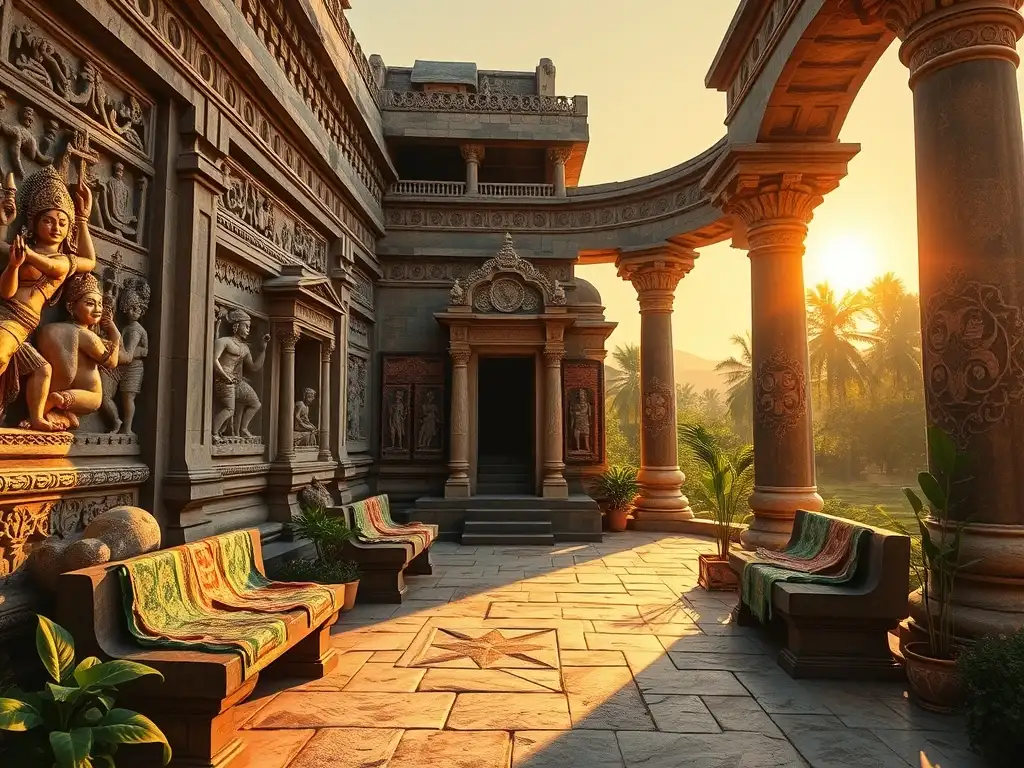
Timeline of Ancient Indian Art Development
The evolution of ancient Indian art is marked by various phases, each reflecting the sociopolitical conditions, cultural exchanges, and religious influences prevalent at the time. Understanding this timeline allows for a comprehensive appreciation of how ancient Indian art was shaped by both internal and external factors.
- Indus Valley Civilization (c. 3300–1300 BCE)
- Key Characteristics: The art of the Indus Valley Civilization is known for its intricate seals, pottery, and sculpture. The use of steatite for seals, often depicting animals and human figures, showcases the advanced craftsmanship of the period.
- Influences: The art from this era reflects an indigenous aesthetic, but the urban planning and trade links hint at external influences, particularly from Mesopotamia.
- Vedic Period (c. 1500–500 BCE)
- Key Characteristics: This period is characterized by the absence of material art but a flourishing of oral traditions. The concepts of dharma, karma, and moksha began to influence cultural expressions.
- Influences: The transition from tribal to settled life led to the development of rituals and symbolic art forms, which were influenced by the surrounding geographical and cultural landscapes.
- Maurya Empire (c. 322–185 BCE)
- Key Characteristics: The Mauryan period saw the emergence of monumental art, such as the rock-cut caves and stupas. The famous Ashoka Pillars exemplify this era’s artistic achievements.
- Influences: The embrace of Buddhism and the spread of its teachings led to a significant artistic output, including the use of relief sculpture and narrative art.
- Gupta Period (c. 320–550 CE)
- Key Characteristics: Often referred to as the Golden Age of India, the Gupta period is marked by a flourishing of classical art, especially in sculpture, painting, and temple architecture.
- Influences: This era witnessed the integration of foreign influences through trade with the Hellenistic world and the spread of Buddhism into Central Asia, which is evident in the stylistic elements of Gupta art.
- Post-Gupta to Early Medieval Period (c. 550–1200 CE)
- Key Characteristics: This period saw regional styles developing as local dynasties gained power. Temples became the focal point for artistic expression, with intricate carvings and frescoes.
- Influences: The influx of Islamic influences began to emerge, particularly in the late medieval period, leading to a fusion of styles that would later influence the Indo-Islamic architecture.
Major Civilizational Phases Influencing Art
Ancient Indian art was not created in isolation; it was shaped significantly by various civilizational phases that introduced new ideas, techniques, and materials. Here are the major influences that contributed to the rich tapestry of ancient Indian art:
- Cultural Exchanges with Persia
- The Achaemenid Empire (c. 550–330 BCE) introduced new artistic techniques and motifs, particularly in sculpture and architecture. The influence is visible in the decorative elements found in Mauryan art.
- Hellenistic Influence
- Following Alexander the Great’s invasion, Greek artistic styles made their way into Indian art, particularly in the Gandhara region. This influence is seen in the representation of the human form in sculptures and the introduction of realistic facial expressions and drapery.
- Buddhist Art
- The spread of Buddhism facilitated artistic exchanges across Asia. The stylistic elements of Buddhist art, such as the depiction of the Bodhisattvas and the use of stupas as focal points for worship, were influenced by the interactions with cultures in Central Asia and beyond.
- Regional Styles
- As various kingdoms rose and fell, local artistic styles emerged. For instance, the Chola and Pallava dynasties in South India developed distinct temple architecture and bronze sculptures, reflecting their unique cultural identities while also integrating influences from the north.
- Islamic Influence
- The arrival of Muslim rulers in India led to a significant transformation in the art landscape, particularly in architecture. The blending of Islamic geometric patterns with traditional Indian motifs created a unique architectural style that is evident in the construction of forts and mosques.
The development of ancient Indian art is a dynamic narrative of cultural synthesis, where indigenous styles blended with foreign influences to create a diverse artistic heritage. The intricate patterns, sculptures, and architectural marvels that emerged from these phases continue to inspire and influence contemporary art, underscoring the enduring legacy of ancient Indian art influences.
Foreign Influences on Ancient Indian Art
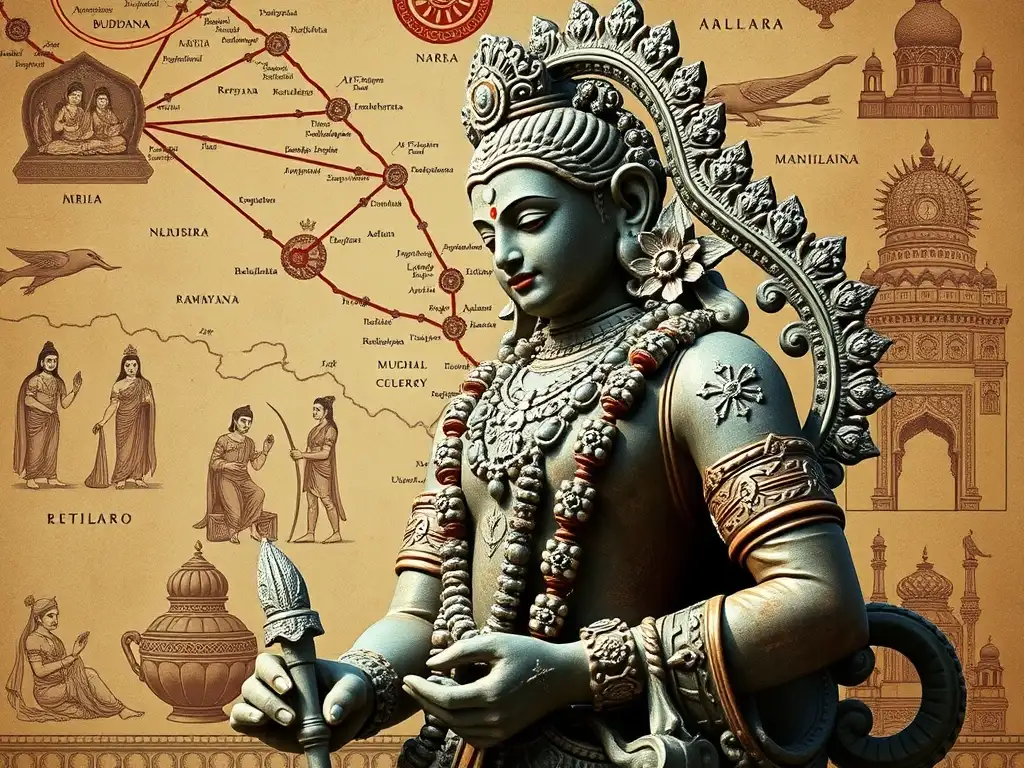
The artistic landscape of ancient India was profoundly shaped by a variety of foreign influences that stemmed from trade, conquest, and cultural exchange. This amalgamation of styles and techniques enriched the traditional Indian art forms, creating a unique and diverse artistic expression. As trade routes opened up, particularly through the Silk Route and maritime pathways, ideas, motifs, and artistic practices flowed into the subcontinent, leading to a dynamic interplay between local and foreign elements. This section explores the mechanisms of these exchanges and their lasting impact on ancient Indian art.
Trade Routes and Cultural Exchange
The establishment and expansion of trade routes during ancient times played a pivotal role in facilitating cultural exchanges between India and various regions of the world. Key trade routes included:
- The Silk Route: Connecting India with Central Asia, Persia, and beyond, this route was not only a conduit for goods but also for ideas and artistic practices.
- Maritime Trade Routes: Indian ports such as Lothal and Sopara enabled extensive maritime trade with Southeast Asia, the Arabian Peninsula, and even the eastern coast of Africa, allowing for the exchange of artistic styles and techniques.
As a result, Indian artisans were exposed to new materials (like glass and metalwork), motifs (such as floral and geometric patterns), and techniques (including fresco painting and sculpture), leading to a hybridization of art forms.
Key Foreign Cultures and Their Contributions
The influences on ancient Indian art were numerous and varied, emanating from different cultures that interacted with Indian civilization. Below are some of the most significant foreign cultures and their contributions.
Greek Influences on Indian Sculpture
The arrival of Greek culture in India, particularly after Alexander the Great's invasion in the 4th century BCE, left a profound mark on Indian sculpture. Key elements include:
- Hellenistic Style: The introduction of naturalism and realistic human forms, which contrasted with the more stylized Indian traditions.
- Buddhist Art: The Gandhara school of art, which flourished in the northwest of India, is a prime example of Greek influence, showcasing Greek motifs and techniques in the representation of Buddhist figures.
- Iconography: Greek depictions of deities and mythological scenes were integrated into Indian art, influencing the portrayal of bodhisattvas and other religious figures.
Persian Elements in Indian Architecture
The Persian influence on Indian architecture is particularly notable during the Achaemenid Empire and later, during the Islamic conquests. Key contributions include:
- Arch and Dome Construction: The introduction of the arch and dome, which became prominent features in later Indian architecture, particularly in Islamic structures.
- Gardens and Water Features: Persian garden designs, emphasizing symmetry and water elements, were adopted in the construction of royal gardens in India, exemplified by the Mughal gardens.
- Calligraphy and Ornamentation: Persian calligraphy and intricate ornamentation techniques were integrated into Indian art, enhancing the decorative aspects of architecture.
Central Asian Cultural Impacts
Central Asia served as a melting pot of cultures that significantly influenced ancient Indian art. Notable impacts include:
- Nomadic Art Forms: The introduction of nomadic artistic traditions, such as textile designs and metalwork, which enriched local handicrafts.
- Iconographic Exchanges: Central Asian motifs, such as the use of animal forms and dynamic compositions, can be seen in various Indian artifacts, particularly in textiles and pottery.
- Cultural Syncretism: The blending of Central Asian and Indian artistic styles led to unique forms of expression, especially in the development of Buddhist art in regions like Kashmir and Gandhara.
The artistic landscape of ancient India was a tapestry woven from diverse influences that not only enhanced the aesthetics but also reflected the dynamic cultural exchanges of the time. The resulting syncretism is a testament to the adaptability and creativity of ancient Indian civilizations, which embraced and transformed foreign elements into something uniquely their own.
Symbols of Unity in Ancient Indian Art
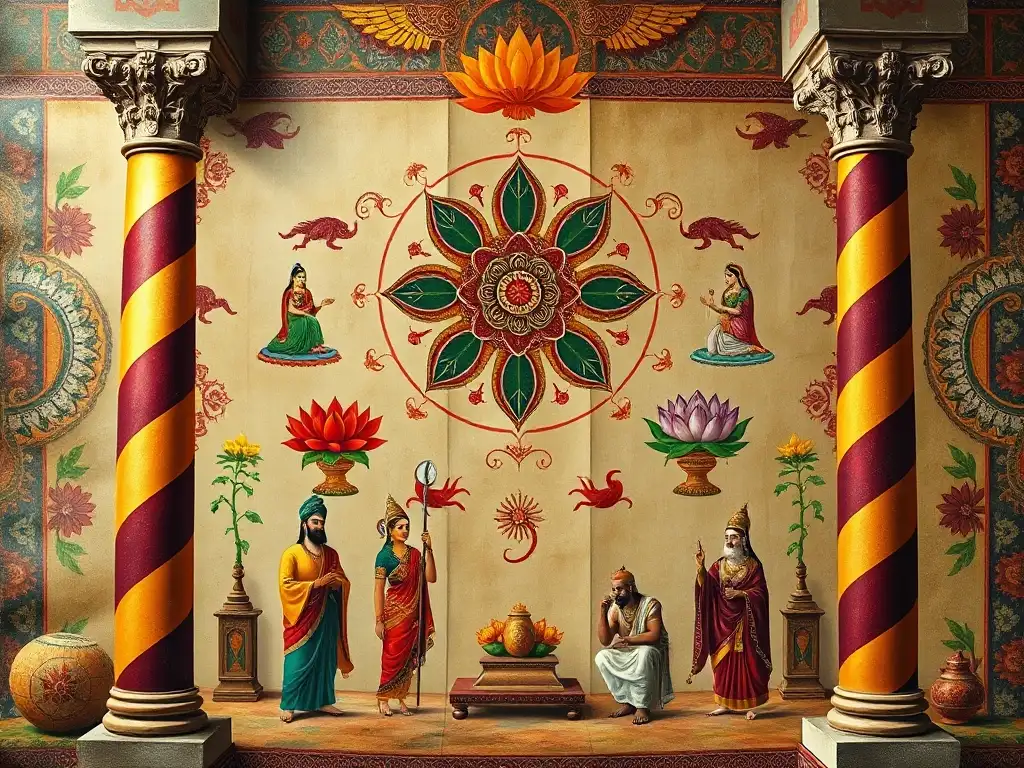
The concept of unity in ancient Indian art is deeply intertwined with the cultural, religious, and social contexts in which it was created. As ancient Indian civilizations interacted with various foreign influences, their art began to reflect a blend of ideas and styles that conveyed a sense of unity despite diverse origins. This artistic syncretism not only enriched the visual language of ancient India but also fostered a collective identity that transcended regional boundaries.
Common Themes and Motifs
Ancient Indian art is characterized by recurring themes and motifs that resonate with the collective values and beliefs of its society. These elements often served as symbols of unity, bridging different cultural influences and creating a shared artistic heritage.
Nature and Spirituality
Nature played a pivotal role in ancient Indian art, often depicted as a manifestation of the divine. The representation of flora and fauna not only showcased the beauty of the natural world but also symbolized deeper spiritual truths. For instance:
- Lotus Flower: A prominent motif in various art forms, the lotus represents purity and enlightenment, often associated with deities like Lakshmi and Saraswati.
- Animals: Creatures like elephants, horses, and peacocks were frequently illustrated, symbolizing strength, grace, and beauty, respectively. These animals were integral to both daily life and religious symbolism.
The intertwining of nature and spirituality emphasized the unity of life, encouraging a harmonious coexistence between humans and the environment.
Religious Symbols and Iconography
Religious themes are central to understanding the unity reflected in ancient Indian art. The iconography of gods and goddesses, along with religious symbols, played a crucial role in conveying shared beliefs across different communities.
- Deities: Icons of Hindu gods such as Vishnu, Shiva, and Devi are not only artistic representations but also serve as unifying figures for various sects and communities.
- Buddhist Symbols: The lotus, wheel (Dharmachakra), and stupa are key elements in Buddhist art that illustrate the shared philosophical foundations and the quest for enlightenment.
These symbols fostered a collective identity among followers of different faiths, illustrating a syncretic approach to spirituality within the broader tapestry of ancient Indian art.
Representation of Unity in Diverse Art Forms
Ancient Indian art is not limited to one medium; it encompasses a variety of forms that collectively express the cultural amalgamation of the time. Each art form uniquely contributes to the representation of unity, showcasing how diverse influences coalesced into a singular artistic expression.
Sculpture and Reliefs
Sculptural art in ancient India is renowned for its intricate details and expressive forms. Temples and monuments often featured reliefs that depicted scenes from mythology and daily life, reflecting a unified cultural narrative.
- Khajuraho Temples: The sculptures here exemplify the integration of eroticism and spirituality, representing a broad spectrum of human experience and belief.
- Ajanta Caves: The Buddhist sculptures and reliefs in Ajanta illustrate the dissemination of Buddhist ideologies through art, showcasing a blend of local and foreign influences.
These sculptural forms not only narrate stories but also symbolize the unity of diverse narratives within a cohesive artistic framework.
Paintings and Murals
Murals and paintings are another significant medium where the symbols of unity are vividly expressed. These artworks often depict religious scenes, historical events, and everyday life, encapsulating the cultural ethos of the time.
- Madhubani Paintings: Originating from Bihar, these vibrant artworks reflect local traditions while also integrating themes from Hindu mythology, showcasing unity through diversity.
- Miniature Paintings: The Mughal influence on Indian miniature painting exemplifies the merging of Persian and Indian styles, resulting in a unique artistic tradition that celebrates unity.
Through their colors and themes, these paintings convey a sense of collective identity and shared heritage among diverse groups.
Pottery and Textiles
Pottery and textiles are vital components of ancient Indian art that reflect both functional and aesthetic values. The designs and motifs used in these art forms often symbolize unity through shared cultural practices.
- Terracotta Pottery: The intricate designs on pottery from the Indus Valley Civilization reflect a blend of local craftsmanship and external influences, showcasing unity in daily life and artistic expression.
- Textiles: The rich tradition of weaving in India, including the use of natural dyes and patterns, symbolizes the cultural richness and unity found in diversity, particularly in regional variations like Banarasi and Kanchipuram silks.
These art forms not only served practical purposes but also acted as mediums for cultural expression, reinforcing a sense of unity through shared artistic techniques and motifs.
By examining these diverse art forms and their underlying themes, we can appreciate how ancient Indian art encapsulated the essence of unity amidst a backdrop of rich cultural exchanges. The merging of local and foreign influences fostered a unique artistic identity that continues to inspire and resonate in contemporary interpretations of ancient Indian heritage.
Case Studies of Artistic Blend
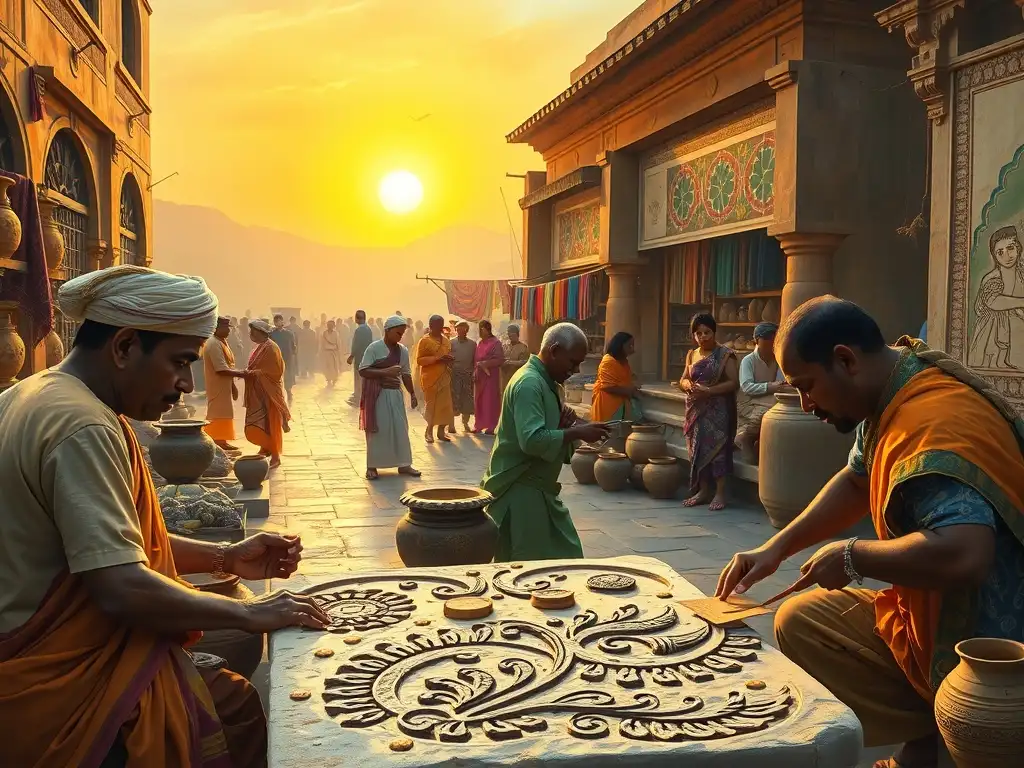
Gandhara Art: A Fusion of Styles
Gandhara art, flourishing between the 1st and 5th centuries CE in the regions of present-day Pakistan and Afghanistan, stands as a remarkable example of artistic syncretism in ancient Indian art. This style emerged primarily due to the interaction between Hellenistic (Greek) cultures and the indigenous Indian artistic traditions, resulting in a unique blend that is both visually striking and culturally significant.
Key Characteristics of Gandhara Art:
- Realism and Naturalism: Gandhara artists adopted realistic portrayals of human figures, which was heavily influenced by Greek sculpture. This is evident in the intricate details of facial expressions, drapery, and anatomical precision.
- Iconography: The portrayal of Buddhist themes became prominent, with the depiction of Bodhisattvas and the Buddha himself exhibiting Hellenistic features, such as wavy hair and idealized bodies.
- Materials and Techniques: Artists in Gandhara utilized local materials like schist and stucco, employing techniques that reflected both Indian craftsmanship and Greco-Roman methods.
The merging of styles in Gandhara art not only produced stunning visual artwork but also facilitated the spread of Buddhism across Central Asia and into the Western world. The cultural exchanges that occurred in this region illustrate how ancient Indian art influences can transcend geographical boundaries.
The Influence of Buddhism on Indian Art
Buddhism has played a pivotal role in shaping the trajectory of ancient Indian art, particularly from the 3rd century BCE onward. As Buddhism spread throughout Asia, it carried with it distinctive artistic elements that profoundly influenced Indian artistic expression.
Notable Aspects of Buddhist Influence:
- Stupas and Viharas: The architectural forms of stupas (domed structures) and viharas (monasteries) became central to Buddhist art. These structures were not only places of worship but also served as canvases for intricate murals and sculptures depicting Jataka tales (stories of the Buddha's previous lives).
- Relief Sculptures: The narrative reliefs found on the walls of stupas, such as those at Sanchi and Bharhut, illustrate scenes from the life of the Buddha, showcasing a blend of stylized forms and realistic details.
The iconography of Buddhism also influenced other art forms, such as painting and metalwork. The emergence of the Buddhist artistic canon was marked by a focus on spiritual themes, where artists sought to convey the essence of enlightenment and compassion, further solidifying Buddhism's impact on ancient Indian art.
Jain Art and Its Syncretic Elements
Jain art, flourishing primarily from the 6th century CE onwards, represents another significant facet of artistic syncretism in ancient India. Influenced by both local traditions and the prevailing artistic styles of the time, Jain art reflects the core values of Jainism, emphasizing non-violence and truth.
Distinct Features of Jain Art:
- Elaborate Temples: Jain temples, characterized by their intricate carvings and detailed sculptures, showcase a blend of local architectural styles with influences from neighboring cultures. The temples often feature ornate doorways and sanctums dedicated to Tirthankaras (spiritual teachers).
- Iconography and Symbolism: Jain art is rich in symbolism, with the depiction of Tirthankaras often rendered in an idealized manner. The use of specific motifs, such as the lotus and the swastika, represents purity and auspiciousness.
Cultural Exchange in Jain Art:
Jain art not only reflects the intrinsic values of Jainism but also illustrates the influences from surrounding cultures, including those from Buddhist and Hindu traditions. The adaptation of styles and themes in Jain art highlights the complex interactions among different religious and cultural groups in ancient India, enhancing the understanding of how ancient Indian art influences have shaped broader artistic narratives.
Conclusion: The Legacy of Ancient Indian Art Influences
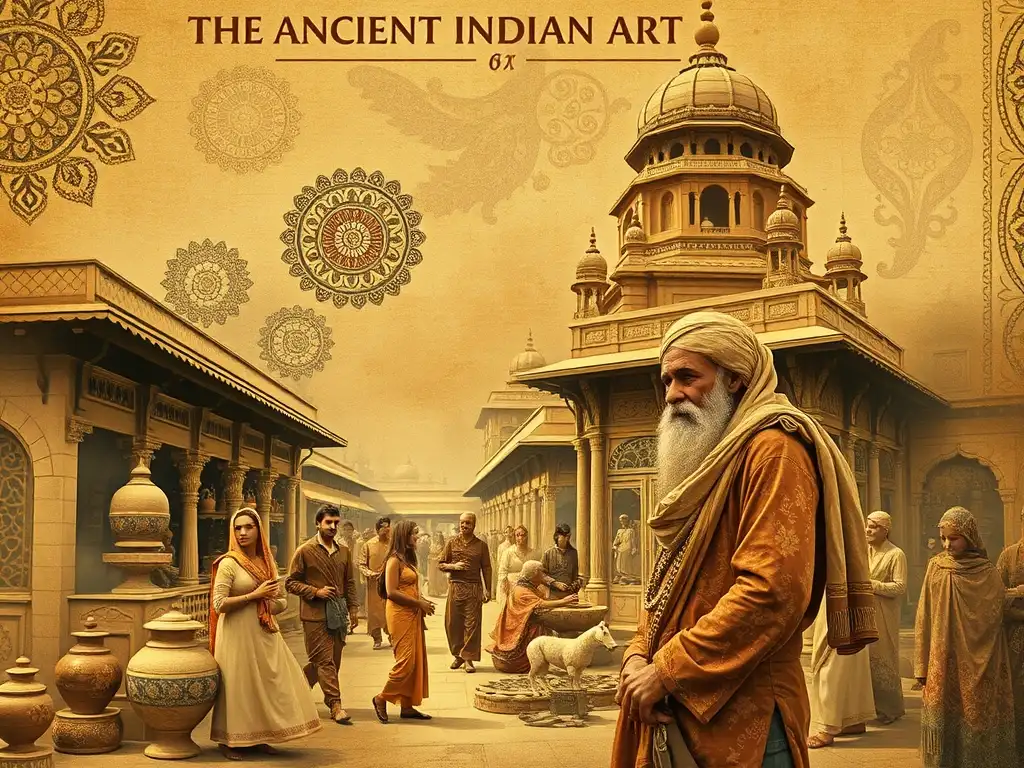
The legacy of ancient Indian art influences is profound, weaving a tapestry that illustrates the rich interplay between indigenous traditions and foreign elements. This intricate fusion can be seen in various forms of art, including sculpture, painting, architecture, and textiles, showcasing a dynamic dialogue that transcends time and geography. Throughout history, ancient Indian artists were not merely passive recipients of external ideas but active participants in a creative exchange that enriched their artistic vocabulary.
The Indus Valley Civilization, with its sophisticated urban planning and artistic motifs, laid the foundation for subsequent developments in Indian art. As foreign influences began to permeate Indian culture through trade, invasions, and migrations, artists adapted and reinterpreted these new styles. For instance, the introduction of Hellenistic elements during the Mauryan Empire resulted in a unique blend of Indian and Greek art, exemplified in the famous Buddhist stupas adorned with intricate carvings that depict narratives from the life of the Buddha.
Moreover, the Gupta Empire marked a golden age for ancient Indian art, characterized by the emergence of classical forms and styles that synthesized local traditions with influences from regions like Central Asia and Persia. This period saw the rise of temple architecture, which incorporated decorative sculptures and murals that were not only aesthetically pleasing but also carried deep spiritual significance.
Lasting Impact on Modern Indian Art
The impact of ancient Indian art influences is still evident in modern Indian art, where contemporary artists continue to draw inspiration from the diverse heritage of their predecessors. Many modern works reinterpret traditional motifs, techniques, and themes, bridging the past with the present. For example, the revival of Madhubani painting, with its vibrant colors and intricate patterns, reflects the enduring legacy of ancient artistic traditions while embracing modern themes.
In addition, contemporary artists often explore the concept of cultural syncretism, much like their ancient counterparts. The blending of diverse artistic practices can be seen in installations, mixed media works, and performances that honor the rich history of artistic expression in India. By reimagining ancient forms through a modern lens, artists foster a dialogue that resonates with current societal issues while celebrating India's cultural diversity.
| Art Form | Ancient Influence | Modern Interpretation |
|---|---|---|
| Sculpture | Mauryan and Gupta styles | Contemporary installations |
| Painting | Frescoes from Ajanta and Ellora | Revival of traditional styles like Madhubani |
| Architecture | Temple designs from ancient times | Fusion of traditional and modern architecture |
| Textile Art | Block printing and weaving techniques | Innovative textile designs incorporating traditional motifs |
The Importance of Cultural Unity in Artistic Expression
Cultural unity plays a crucial role in the evolution of artistic expression, as it fosters collaboration and understanding among diverse communities. Ancient Indian art, characterized by its ability to incorporate foreign influences while maintaining a distinct identity, exemplifies this principle. The confluence of ideas, beliefs, and techniques led to a rich artistic heritage that not only celebrated individuality but also acknowledged interconnectedness.
The influence of ancient Indian art on various cultures is a testament to the power of artistic expression in bridging divides. Through a shared appreciation of beauty and creativity, artists can transcend cultural barriers, fostering dialogue and collaboration. This unity is essential in today's globalized world, where cross-cultural interactions continue to shape artistic practices.
The legacy of ancient Indian art influences serves as a reminder of the importance of cultural unity in artistic expression. By embracing the richness of diverse influences, artists can create works that resonate with broader audiences, fostering a sense of community and shared heritage. This enduring legacy inspires future generations to explore, innovate, and celebrate the beauty of cultural diversity in their art.
References and Further Reading on Ancient Indian Art Influences
Suggested Books and Articles
-
"The Art of Ancient India: Buddhist, Hindu, Jain" by Susan L. Huntington
This comprehensive book explores the evolution of ancient Indian art, delving into its spiritual and cultural contexts. Huntington provides insights into how foreign influences shaped various artistic expressions, making it essential reading for understanding ancient Indian art influences.
-
"Indian Art" by John Guy
Guy’s work offers a detailed overview of Indian art history, including a discussion of how interactions with other cultures informed artistic practices. The book includes numerous illustrations that highlight the syncretism present in ancient works.
-
"Cultural Interactions in the Indian Ocean World" edited by N. A. B. M. A. M. Ashraf
This collection of essays examines the broader cultural exchanges within the Indian Ocean region, providing context for how ancient Indian art influences were part of larger global dialogues.
-
"The Influence of Persian Art on Indian Art" by M. S. D. R. M. S. R. Sharma
This article specifically focuses on the significant impact of Persian aesthetics on Indian art, particularly during the Mughal period, highlighting the syncretic nature of artistic development.
-
"Art and Architecture of Ancient India" by D. N. M. S. K. S. R. R. Bhattacharya
This book provides an in-depth analysis of the architectural styles and artistic traditions that emerged from ancient Indian civilizations, including the influences from neighboring cultures.
Online Resources for Further Exploration
-
The British Museum's Collection
The British Museum hosts a vast collection of ancient Indian art, with detailed descriptions that provide context about foreign influences. Explore the collection here .
-
Heidelberg University’s South Asian Art Research
This online platform offers access to a wide range of research papers and articles on South Asian art history, focusing on the syncretic nature of ancient Indian art. Visit the site for more information .
-
The Metropolitan Museum of Art
This museum features an extensive collection of Indian art, including pieces that illustrate the intermingling of local and foreign artistic traditions. The online catalogue contains valuable descriptions and essays. Check it out here .
-
Google Arts & Culture: Indian Art
A digital initiative that showcases various aspects of Indian art including exhibitions that highlight influences from other cultures. Discover more here .
-
JSTOR
A digital library of academic journals, books, and primary sources, JSTOR hosts numerous articles on ancient Indian art and its influences. It’s an excellent resource for scholarly insights. Access JSTOR here .
These resources will deepen your understanding of how ancient Indian art influences shaped the rich tapestry of artistic expression in ancient India.
Frequently Asked Questions
What are the main themes discussed in the article about ancient Indian art?
The article explores how ancient Indian art was shaped by foreign influences, highlighting the merging of cultural elements from various civilizations throughout history.
How did foreign influences impact ancient Indian art?
Foreign influences brought new styles, techniques, and themes, enriching ancient Indian art and leading to the development of unique artistic expressions that reflected a blend of cultures.
What periods of ancient Indian history are covered in the article?
The article covers significant periods, including the Indus Valley Civilization and the Gupta Empire, showcasing how art evolved through these eras under various cultural exchanges.
Why is understanding ancient Indian art important?
Understanding ancient Indian art provides insights into the social, political, and religious dynamics of the time, illustrating how art served as a medium for cultural unity and expression.
How can one explore more about ancient Indian art influences?
Readers can delve deeper by researching art movements in ancient India, visiting museums, or exploring academic publications that focus on the interactions between Indian and foreign artistic traditions.
Final Reflection: Embracing the Tapestry of Ancient Indian Art Influences
In exploring the intricate interplay of ancient Indian art and foreign influences, we uncover a rich tapestry that continues to resonate in our contemporary world. The fusion of diverse artistic traditions not only reflects the historical exchanges between cultures but also highlights the enduring relevance of these influences in shaping modern artistic expressions. As we navigate through an increasingly interconnected global landscape, the lessons from ancient Indian art remind us of the power of collaboration and the beauty that emerges when different perspectives converge.
The impact of ancient Indian art influences is profound, shaping not just the aesthetic sensibilities of the past but also the cultural narratives we engage with today. This ongoing dialogue between tradition and innovation underscores the importance of recognizing our shared heritage. As the renowned artist Anish Kapoor once said, Art is a bridge between cultures, a way of understanding the world.
This sentiment encapsulates how the blending of artistic styles fosters a deeper appreciation for diversity and encourages us to celebrate the uniqueness of our collective human experience.
As we reflect on the lessons drawn from the rich history of ancient Indian art, I invite you to consider how these themes of unity and collaboration can be woven into your own life. Take a moment to explore the influences that shape your perspectives and creativity. Whether through art, music, or personal relationships, let the spirit of integration inspire you to forge connections that transcend boundaries. Embrace the idea that, just like the artists of ancient India, we too can create a vibrant mosaic of experiences that enrich our lives and the lives of those around us.
Celebrate the Harmony of Cultures!
Thank you for diving into the fascinating world of ancient Indian art and its beautiful fusion with diverse influences! We hope you’ve uncovered insights that inspire you to appreciate the intricate connections woven through history. Now, it’s time to take action and keep this exploration alive!
- Immerse yourself in art: Visit a local museum or gallery showcasing Indian art or multicultural works. Capture moments through photography to share your experience and connect with others about your discoveries!
- Join the discussion: Engage with fellow art enthusiasts in online forums or social media groups dedicated to art history. Share your thoughts on how you perceive unity expressed across various cultures.
- Get creative: Consider crafting your own piece inspired by this blend of art styles! Utilize traditional techniques alongside modern expressions to showcase how different cultures can harmonize.
How has this exploration of cultural unity influenced your perspective on art and history? We’d love to hear your thoughts!