
How Sangam Literature Explores the Human Condition: Timeless Themes and Reflections

Welcome to Ancient India History, where we embark on a fascinating journey through the rich tapestry of ancient Indian civilizations. Here, you'll uncover the profound insights of Sangam literature, a treasure trove that beautifully explores the human condition through its timeless themes and reflections. Delve into our featured article, "How Sangam Literature Explores the Human Condition: Timeless Themes and Reflections," and discover how these ancient texts resonate with modern experiences and emotions. Join us as we unravel the intricate connections between literature and life, inviting you to explore the depth of our shared humanity across the ages.
- Introduction to Sangam Literature and the Human Condition
- Historical Context of Sangam Literature
- Timeless Themes in Sangam Literature
- Reflections on Society and Human Values
- Comparative Analysis of Sangam Literature and Other Literary Traditions
- Conclusion: The Relevance of Sangam Literature Today
- Frequently Asked Questions
- Final Reflection: The Enduring Legacy of Sangam Literature on the Human Condition
- Unveiling the Rich Tapestry of Sangam Literature!
Introduction to Sangam Literature and the Human Condition

Sangam literature stands as a pivotal pillar in the understanding of ancient Indian civilization, particularly the Tamil culture. Originating between 300 BCE and 300 CE, this body of work encompasses a rich tapestry of poetry that delves into various aspects of life, love, nature, and the human experience. The profound reflections captured in these texts not only highlight the aesthetic beauty of the Tamil language but also serve as a mirror to the complexities of the human condition.
By exploring themes such as love, valor, ethics, and the interplay between man and nature, Sangam literature provides timeless insights into the emotional and philosophical dilemmas that resonate across generations. This article aims to illuminate how Sangam literature intricately weaves the human experience into its narratives, thereby enriching our understanding of both the past and the present.
Definition of Sangam Literature
Sangam literature refers to a collection of ancient Tamil texts composed during the Sangam period, which is characterized by the establishment of academies of poets and scholars in the Tamil region. This literature is primarily divided into two genres: Aham (inner) and Puram (outer), which address personal emotions and the external world, respectively. The works are composed in Tamizh, showcasing the linguistic richness and cultural context of the time. Notable texts include Thirukkural, Ettuthokai, and Pattupattu, which together provide invaluable insights into the socio-political, ethical, and emotional landscape of ancient Tamil society.
Importance of Exploring Human Condition in Literature
Literature has always served as a conduit for exploring the human condition, reflecting the intricacies of emotions, motivations, and societal norms. Examining the human condition through the lens of Sangam literature is particularly significant for several reasons:
- Cultural Insight: It offers a unique perspective on the values, beliefs, and social structures of ancient Tamil civilization.
- Emotional Resonance: Themes of love, loss, and longing resonate universally, allowing modern readers to connect with emotions experienced millennia ago.
- Philosophical Reflection: The texts encourage introspection and philosophical inquiry, prompting readers to consider their own lives in relation to the timeless themes presented.
Through this exploration, we gain a deeper appreciation of the literary artistry involved and the profound observations about life and existence that continue to be relevant today.
Overview of Themes in Sangam Literature
Sangam literature intricately weaves a variety of themes that reflect the multifaceted nature of human experience. Some of the most prominent themes include:
- Love and Relationships: Poets often explore the nuances of romantic love, friendship, and familial bonds, depicting the emotional highs and lows associated with these connections.
- Nature and Environment: The relationship between humans and nature is vividly portrayed, emphasizing the beauty and brutality of the natural world and its impact on human emotions.
- Valour and Heroism: Many poems celebrate the bravery of warriors and the virtues of heroism, reflecting societal values and the importance of honor.
- Ethics and Morality: The literature examines the moral dilemmas faced by individuals, offering reflections on duty, righteousness, and the consequences of one's actions.
- Transience of Life: A recurring theme is the impermanence of life and the inevitability of change, prompting reflections on mortality and the legacy one leaves behind.
By delving into these themes, Sangam literature not only enriches our understanding of ancient Tamil society but also provides timeless reflections on the human condition that remain relevant in today's world.
Historical Context of Sangam Literature
Timeframe and Origins of Sangam Literature
Sangam literature, a remarkable body of work from ancient Tamil Nadu, dates back to approximately 300 BCE to 300 CE. This period is characterized by the emergence of a thriving literary culture, known as the Sangam period, during which numerous poets and scholars gathered to compose and share their works. The term "Sangam" itself signifies an assembly or gathering, emphasizing the collaborative nature of this literary endeavor.
The origins of Sangam literature are steeped in the oral traditions of the Tamil people. Initially transmitted orally, these poems were later compiled into anthologies, forming a rich tapestry of Tamil culture and heritage. The Ettuthokai (Eight Anthologies) and Pattupattu (Ten Songs) are essential collections that encapsulate the essence of Sangam poetry. These texts reflect not only the aesthetic sensibilities of the time but also the socio-political dynamics that shaped the Tamil landscape.
Sangam literature is deeply intertwined with the cultural and social milieu of ancient Tamil society. The poetry encompasses a wide range of themes, including love (akam) and valor (puram), which are reflective of the human condition. The societal structure during this period was marked by a feudal system, where chieftains and their courts played a pivotal role in patronizing poets and artists.
The Tamil landscape, with its lush greenery, rivers, and mountains, significantly influenced the imagery and metaphors used in Sangam poetry. Poets often drew upon natural elements to articulate complex emotions and human experiences. The cultural practices, festivals, and rituals of the Tamil people are vividly depicted, providing insight into the daily lives and spiritual beliefs of the time.
Additionally, the interactions with other cultures, particularly through trade and conquests, brought diverse influences into Tamil society. This cultural exchange enriched Sangam literature, allowing poets to explore themes of morality, ethics, and the essence of life, which resonate with the universal human condition.
Key Poets and Their Contributions
Sangam literature boasts an array of influential poets, each contributing uniquely to its rich canon. Some of the key figures include:
- Tiruvalluvar
- Renowned for the Tirukkural, a philosophical text that addresses ethical living, love, and governance. His verses explore the complexities of the human experience and remain relevant in discussions on morality today.
- Kapilar
- A prominent poet known for his deep emotional expressions in love poetry. His works often reflect the nuances of human relationships and the bittersweet nature of love, shedding light on the human condition.
- Avvaiyar
- An iconic female poet whose works focus on wisdom and social values. Her poetry emphasizes the importance of virtue and ethical living, resonating with the broader themes of human experience.
- Nakkirar
- Famous for his compositions that celebrate valor and heroism in battles. His poems reflect the societal values of courage and honor, exploring how these traits shape the human experience.
Through their collective works, these poets not only documented the socio-political landscape of their time but also provided profound reflections on the human condition. Their timeless themes continue to inspire and resonate with readers, illustrating the enduring legacy of Sangam literature in understanding the complexities of life.
Timeless Themes in Sangam Literature
Love and Desire in Sangam Poetry
Sangam literature, a treasure trove of poetic expressions from ancient Tamil Nadu, encapsulates the complexities of love and desire through a rich tapestry of verses. This body of work, dating back to around 300 BCE to 300 CE, serves as an insightful lens into the emotional landscapes of human relationships, making it a significant study in understanding the Sangam literature and human condition.
Expressions of Passion and Longing
The poems of Sangam literature vividly articulate the myriad emotions associated with love, ranging from fervent passion to deep longing. The Akam (interior) poems, in particular, delve into the intricacies of romantic love, portraying the inner feelings of lovers separated by circumstance. For example, the poet Kannagi often reflects on the pangs of separation, using evocative imagery and metaphors that resonate with readers across time:
The wind carries the scent of the flowers, a reminder of your presence, yet my heart aches in your absence.
This expression of longing is not merely personal but speaks to universal experiences of love, making the themes relevant even today.
Impact of Love on Human Relationships
Sangam poetry also explores how love influences human relationships beyond the romantic realm. The emotional bond between friends, family, and community is illustrated through various poems, emphasizing the idea that love fosters connection and understanding.
In one notable poem, the Tolkappiyam, the significance of companionship is highlighted:
- Friendship: The poets often portray friendships as enduring bonds that provide emotional support during life's trials.
- Family Ties: Love within family structures is depicted as a foundation for societal stability, showcasing the interdependence of individuals within their communities.
Through these reflections, Sangam literature presents a holistic view of love that transcends individual experiences, encompassing the broader human condition.
Nature and its Reflection on Human Emotions
Nature plays a pivotal role in Sangam literature, serving as both a backdrop and a catalyst for emotional expression. The poets skillfully intertwine elements of the natural world with human feelings, illustrating the profound connection between the two.
Symbolism of Nature in Sangam Literature
The natural imagery in Sangam poetry is rich and varied, often symbolizing the emotional states of the characters. For instance, the valley and river may represent tranquility, while stormy skies signify turmoil and conflict. This interplay of nature and emotion is exemplified in the poems where the changing seasons reflect the internal states of the lovers:
- Spring: Symbolizes new beginnings and the joy of love.
- Monsoon: Represents passionate love, often intense and overwhelming.
- Winter: Reflects separation and longing, with imagery of barren landscapes emphasizing emotional desolation.
This symbolism not only enhances the poetic experience but also invites readers to reflect on their own emotional journeys in relation to the natural world.
The Interconnection between Nature and Humanity
Sangam poets emphasize the interdependence of nature and humanity, suggesting that human emotions are deeply influenced by the environment. The poems often depict characters engaging with nature, whether through agricultural practices or spiritual reflection, highlighting the essential relationship between humans and their surroundings.
For instance, the lush landscapes described in the poetry not only serve as a setting but also evoke feelings of peace and contentment:
As I plow the fertile fields, the earth breathes life into my spirit, reminding me of the love that nourishes my heart.
This connection illustrates that the human condition is often mirrored in the natural world, reinforcing the idea that our emotions are an intrinsic part of our environment. Through such themes, Sangam literature invites readers to ponder the timeless relationship between nature and the human experience, underscoring the enduring relevance of these reflections in contemporary life.
War and Heroism: The Human Struggle
Sangam literature, a treasure trove of ancient Tamil poetry, vividly captures the essence of war and heroism, illuminating the human struggle against external and internal conflicts. These texts delve deep into the psyche of warriors and the societal implications of their valor. The recurrent theme of heroism is not merely celebrated for its own sake but is intricately woven into the fabric of the human experience, reflecting the struggles individuals face in their pursuit of honor, identity, and survival.
The portrayal of war in Sangam literature serves as a backdrop for exploring the human condition, where the valor of heroes is often contrasted with the tragedies of war. This duality emphasizes that heroism is not without its costs, as it comes with the burden of loss, grief, and moral dilemmas that challenge the very notions of valor.
Depictions of Valor and Bravery
In Sangam poetry, valor is often depicted through the actions of warriors who embody the ideals of courage and sacrifice. Poets celebrate the heroics of figures such as the legendary warrior Kovalan, who is portrayed as a figure of immense bravery, willing to face insurmountable odds for the sake of his community and honor.
The descriptions of battles are rich with imagery and emotion, capturing the physical and psychological aspects of warfare. The valor displayed by these warriors often serves as a source of inspiration for the community, reinforcing societal values of bravery and honor. These depictions are not just mere glorifications; they provide insights into the personal sacrifices made by these individuals and the inevitable consequences that arise from their heroic deeds.
The Consequences of Conflict on Society
While Sangam literature glorifies bravery, it does not shy away from exploring the devastating consequences of war. The texts often reflect on the social fabric torn apart by conflict, with poems depicting the sorrow of families who lose loved ones in battle. The emotional weight of loss and the aftermath of conflict are critical themes that highlight the fragility of human existence.
The societal impact of war is further illustrated through the portrayal of communities devastated by violence. The suffering endured by the innocent victims of war is a poignant reminder of the costs associated with heroism and valor. Sangam poets use these narratives to invoke empathy and reflection, urging readers to contemplate the true meaning of heroism in a world marred by conflict.
Fate and Destiny in the Human Experience
Fate and destiny are recurring themes in Sangam literature, emphasizing the complexities of human existence. The poets grapple with the concepts of free will and predestination, reflecting the philosophical inquiries that have persisted through the ages. This exploration offers rich insights into how individuals perceive their roles in the grand tapestry of life, often questioning the extent of human agency in shaping their destinies.
The interplay between fate and individual choices is a recurring motif, revealing the tension between human ambition and the forces that govern existence. Through various poetic forms, the writers articulate the struggles of individuals as they navigate their paths amidst the uncertainties of life.
Exploration of Human Agency vs. Predestination
Sangam literature often presents characters caught in the throes of fate, wrestling with their desires and aspirations against the backdrop of an indifferent universe. The exploration of human agency versus predestination is evident in narratives that illustrate the struggle between personal choices and the predetermined outcomes that loom over characters' lives.
Poets like Ilango Adigal effectively capture this tension, as characters often confront the realization that their efforts may be futile in the face of destiny. Such reflections invoke a deep sense of existential questioning, prompting readers to ponder their own experiences of agency within the constraints of fate.
Reflections on Life's Uncertainties
The theme of uncertainty permeates Sangam literature, with poets articulating the inherent unpredictability of life. This exploration of life's uncertainties resonates with the human condition, as individuals navigate the complexities of their experiences. The poets convey a profound awareness of the transient nature of existence, where joy and sorrow coexist, and where the path ahead remains clouded in ambiguity.
The reflections on uncertainty are often intertwined with themes of love, loss, and aspiration, underscoring the emotional depth of the human experience. Through vivid imagery and poignant language, Sangam poets encourage readers to embrace the unpredictability of life, fostering a sense of resilience amidst the chaos. The acknowledgment of life's uncertainties serves as a timeless reminder of the shared human struggle, resonating with audiences across generations.
Reflections on Society and Human Values
Sangam literature provides a nuanced exploration of social structures in ancient Tamil society, revealing how these hierarchies influence individual identities and experiences. The texts portray various social classes, including kings, poets, merchants, and farmers, each with distinct roles and expectations. This stratification is not merely a backdrop but serves as a lens through which the human condition is examined.
- Kings and Warriors: The portrayal of rulers emphasizes the virtues of bravery and justice, reflecting the societal expectation for leaders to protect their subjects and maintain order. The Akananuru and Purananuru poems often depict kings as embodiments of dharma (righteousness), illustrating how their decisions impact the wider community.
- Poets and Artists: Poets held a revered position in society, often acting as commentators on social issues. Their works highlight personal and collective struggles, emphasizing the emotional depth of human experiences while navigating societal norms.
- Merchants and Farmers: The economic classes are depicted in relation to their contributions to society. Sangam literature illustrates the interdependence of these groups, showcasing how agricultural success or trade prosperity can elevate or diminish individual status within the community.
Through these portrayals, Sangam literature not only reflects the social realities of its time but also prompts readers to reflect on the enduring nature of social structures and their influence on the human condition.
Ethical and Moral Dilemmas in Sangam Poetry
Sangam poetry is rich with ethical and moral dilemmas that resonate deeply with the human condition. These dilemmas often arise from the tension between personal desires and societal expectations, forcing characters to make difficult choices that reveal their true nature.
- Duty vs. Desire: One recurring theme is the conflict between personal aspirations and familial or societal obligations. Poems often depict characters torn between their passions and the responsibilities they hold, echoing the timeless struggle faced by individuals across cultures.
- Love and Sacrifice: The exploration of love in Sangam literature frequently involves elements of sacrifice. Characters are often faced with choices that require them to prioritize their beloved's well-being over their happiness. This interplay of love and duty serves as a profound reflection on the complexities of human relationships.
- Justice and Retribution: Ethical questions surrounding justice are prevalent in Sangam texts. Characters grapple with the consequences of their actions, weighing the desire for revenge against the call for forgiveness. This moral ambiguity invites readers to consider the broader implications of justice in their own lives.
By delving into these ethical quandaries, Sangam literature offers timeless reflections on the human condition, inviting readers to engage with their own moral compass and societal values.
The Role of Community in Shaping Human Experiences
Community plays a pivotal role in Sangam literature, serving as a vital force in shaping individual identities and experiences. The texts illustrate how communal ties influence personal choices, emotions, and social dynamics.
- Collective Identity: The concept of belonging is central to the human experience depicted in Sangam poetry. Whether through kinship, friendship, or shared geographical roots, characters find their identities intertwined with those of their communities. This sense of belonging cultivates both support and conflict, reflecting the dual nature of community life.
- Rituals and Traditions: Sangam literature often highlights the significance of rituals and traditions in forging communal bonds. Celebrations, mourning practices, and social gatherings are depicted as crucial moments that reinforce connections among individuals, shaping their identities and experiences.
- Conflict and Resolution: The dynamics of community are not without strife. Sangam poetry frequently addresses conflicts arising from misunderstandings, jealousy, or competition. These narratives explore how communities navigate tensions, often emphasizing the importance of reconciliation and understanding in maintaining harmony.
The exploration of community in Sangam literature underscores its essential role in shaping the human condition. By examining how individuals relate to their communities, the texts reveal insightful reflections on the interconnectedness of human experiences.
Comparative Analysis of Sangam Literature and Other Literary Traditions
Similarities with Other Ancient Indian Literature
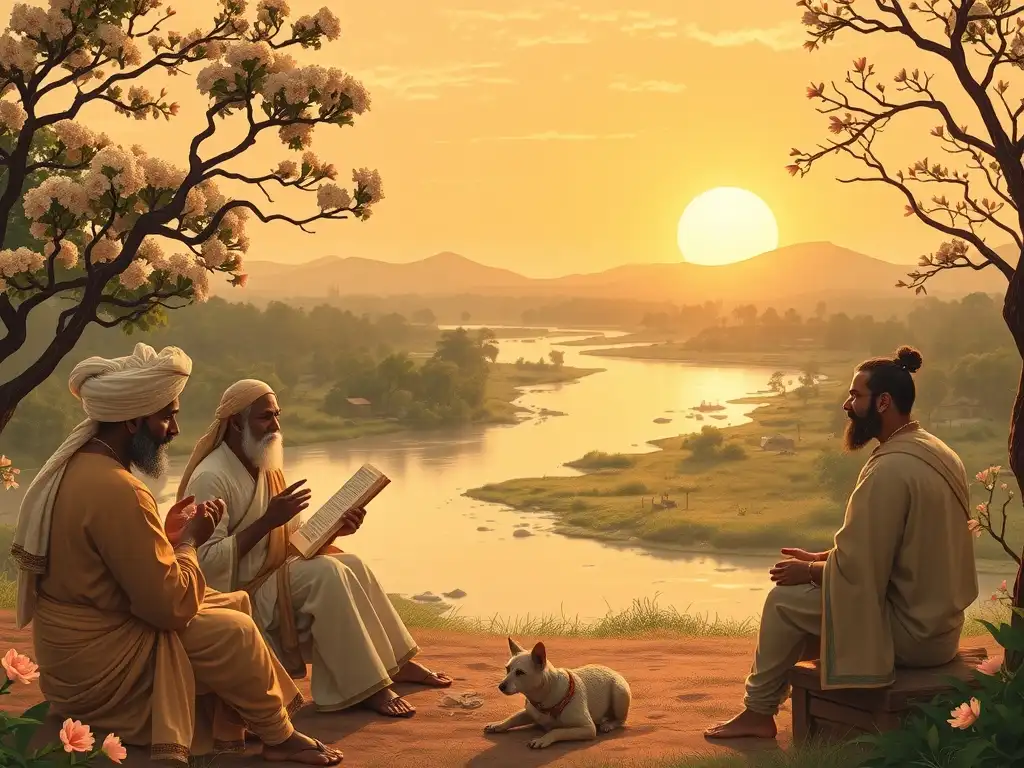
Sangam literature shares notable similarities with other ancient Indian literary forms, particularly in its thematic focus, poetic devices, and cultural context. One of the most prominent parallels can be drawn with the Vedic texts, where both traditions emphasize the significance of nature, spirituality, and moral values. Just as the Vedic hymns explore the relationship between the divine and humanity, Sangam poetry often reflects on the intimate connection between human emotions and the natural world.
- Themes of Love and War: Both Sangam literature and the Mahabharata delve into themes of love, valor, and the complexities of human relationships. The Akam (inner) poetry of Sangam literature mirrors the romantic and emotional explorations found in the epics.
- Imagery and Symbolism: Similar to the Puranas, Sangam poetry employs rich imagery and symbolism, using nature as a metaphor for human experiences. For instance, the depiction of landscapes in Sangam poems often reflects the emotional states of the characters, akin to the lush descriptions found in Puranic narratives.
Contrasts with Western Literary Traditions
While Sangam literature shares commonalities with various literary traditions, it also presents distinct contrasts, especially when compared to Western literary forms. One significant difference lies in the approach to the human condition.
- Collective vs. Individual Focus: Sangam literature often emphasizes the collective experience of communities, reflecting societal norms and values, unlike much of Western literature, which tends to focus on individualism and personal journeys. The communal themes in Sangam poetry showcase the interconnectedness of human experiences, highlighting how personal emotions are often linked to societal contexts.
- Cosmic Perspective: Sangam poets frequently adopt a cosmic view of existence, interweaving human experiences with philosophical reflections on life and death. This contrasts sharply with Western traditions that may lean towards existentialism or nihilism, focusing on the individual's struggle for meaning in a seemingly indifferent universe.
Unique Perspectives on the Human Condition
Sangam literature offers unique insights into the human condition, presenting a nuanced understanding of emotions, relationships, and existential themes.
- Emotional Spectrum: Sangam poetry captures a wide array of emotions, from love and longing to despair and joy. The pathos expressed in these poems resonates deeply with the reader, as they reflect universal human experiences, such as the pain of separation or the joy of reunion. The Kurunthogai, for example, poignantly encapsulates the bittersweet nature of love through vivid imagery and emotional depth.
- Interplay of Nature and Emotion: The interplay between nature and human emotions is a hallmark of Sangam literature. The poets often draw parallels between the changing seasons and the vicissitudes of human life, suggesting that the external world mirrors internal emotional landscapes. This perspective allows readers to see their experiences as part of a larger, cyclical existence, fostering a sense of connection to the world around them.
- Moral and Ethical Reflections: Sangam literature also engages with moral and ethical questions, prompting readers to reflect on their actions and choices within the societal framework. The Tirukkural, though not strictly Sangam literature, complements this exploration with its aphoristic wisdom on virtue, wealth, and love, emphasizing the importance of leading a balanced and ethical life.
The exploration of the human condition in Sangam literature is characterized by its deep emotional resonance, communal focus, and rich engagement with nature, setting it apart as a profound reflection of life and society in ancient India.
Conclusion: The Relevance of Sangam Literature Today
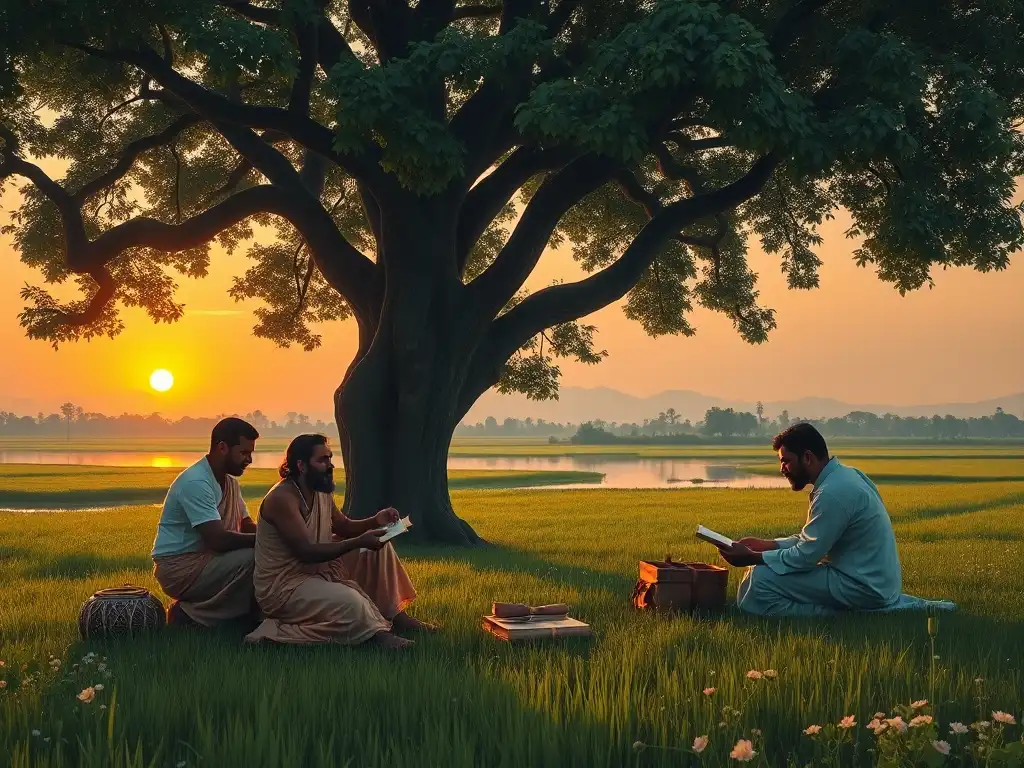
Sangam literature, with its rich tapestry of emotions, thoughts, and reflections on the human condition, remains an invaluable treasure of ancient Indian civilization. As we explore the timeless themes presented in these texts, it becomes evident that the insights offered by this literary tradition transcend the boundaries of time and geography. The reflections on love, loss, nature, and the communal experience found in Sangam poetry resonate with the modern reader, affirming its continued relevance in contemporary society.
Lasting Impact on Contemporary Literature and Culture
The enduring influence of Sangam literature can be seen in various facets of contemporary culture, from literature to art and even philosophy. Modern writers and poets often draw inspiration from the themes and stylistic elements of Sangam texts. For instance, the nuanced portrayal of emotions and the intricate connection between humans and nature in Sangam poetry have inspired numerous contemporary literary works.
- Literary Influence: Many modern poets seek to replicate the emotional depth and lyrical beauty found in Sangam verses. This influence is especially prominent in Tamil literature, where contemporary poets often engage with the same themes of love, nature, and existential reflections.
- Cultural Celebrations: Festivals and cultural events in Tamil Nadu frequently celebrate Sangam literature, showcasing traditional music and dance that echo the sentiments expressed in these ancient texts. This not only keeps the heritage alive but also introduces new generations to the profound philosophical inquiries of the past.
- Academic Interest: Scholars continue to explore Sangam literature, analyzing its impact on various aspects of social and cultural life. This academic engagement reinforces the significance of these texts as a foundation for understanding the evolution of Tamil culture and language.
Lessons from Sangam Literature for Modern Society
Sangam literature offers a plethora of lessons that can guide modern society in navigating the complexities of life. The themes explored in these works encourage reflection on personal and collective experiences, fostering a deeper understanding of the human condition.
- Emotional Intelligence: The nuanced expressions of love and sorrow in Sangam poetry highlight the importance of emotional intelligence in human relationships. Recognizing and articulating feelings can lead to healthier interactions and a more compassionate society.
- Connection to Nature: The reverence for nature depicted in Sangam literature serves as a poignant reminder of our connection to the environment. In an era of environmental crisis, these texts encourage a return to a more harmonious relationship with nature.
- Community and Solidarity: Many Sangam poems emphasize the significance of community and shared experiences. This sense of belonging and mutual support is essential for fostering social cohesion in today's increasingly fragmented world.
Final Reflections on the Human Condition in Sangam Poetry
Ultimately, Sangam literature invites us to reflect on the universal aspects of the human condition. The exploration of love, grief, and the quest for meaning are themes that resonate with individuals across different cultures and eras.
- Timelessness of Themes: The emotional and philosophical inquiries presented in Sangam poetry continue to be relevant, allowing readers to connect their own experiences with those of the characters and themes depicted in the texts.
- Cultural Legacy: As we delve into these ancient works, we are reminded of the shared human experiences that unite us, regardless of time or space. This cultural legacy enriches our understanding of humanity and encourages us to explore our own identities within a broader context.
Sangam literature not only reflects the intricacies of the human condition but also serves as a timeless guide for navigating the complexities of life. Its relevance in contemporary society underscores the profound insights it offers, making it an enduring pillar of literary and cultural heritage.
Frequently Asked Questions
What is Sangam literature?
Sangam literature refers to the ancient Tamil poetry composed during the Sangam period (approximately 300 BCE to 300 CE). It encompasses themes of love, valor, and the human experience, providing insight into the society of that era.
How does Sangam literature explore the human condition?
Sangam literature delves into the complexities of human emotions and relationships, portraying themes such as love, loss, and social justice. These timeless themes resonate with readers, reflecting the universal aspects of the human experience.
What are the major themes found in Sangam literature?
Major themes include love (Akam), warfare (Puram), and the natural world. These themes highlight the interconnection between humans and nature, as well as the challenges of life faced by individuals in society.
Why is Sangam literature important for understanding ancient Indian culture?
Sangam literature is crucial for understanding ancient Indian culture as it provides insights into societal values, beliefs, and the lifestyle of the Tamil people. It serves as a historical document that reflects cultural norms and practices of the time.
How has Sangam literature influenced modern literature and culture?
Sangam literature has had a profound influence on modern Tamil literature and arts. Its themes and styles continue to inspire contemporary writers and artists, showcasing the enduring legacy of its exploration of the human condition.
Final Reflection: The Enduring Legacy of Sangam Literature on the Human Condition
In an age where the complexities of the human experience are often overshadowed by rapid technological advancements, Sangam literature remains a vital lens through which we can explore timeless themes of love, loss, and the search for meaning. This ancient body of work not only reflects the intricacies of human emotions but also resonates with our contemporary struggles, reminding us that the essence of being human transcends time and cultural boundaries.
Sangam literature has profoundly influenced our understanding of the human condition, shaping cultural narratives and social consciousness. Its rich tapestry of poetry and prose offers insights that are as relevant today as they were centuries ago. As we navigate our own lives, we find echoes of these ancient voices that speak to our joys and sorrows. The beauty of Sangam literature lies in its ability to articulate the inexpressible, capturing the essence of what it means to be human.
This enduring relevance invites us to reflect on our shared humanity and the emotional landscapes we all traverse.
As we conclude our exploration of Sangam literature and its reflections on the human condition, I invite you to take a moment to ponder your own experiences. Consider how the themes of love, resilience, and existential inquiry manifest in your life. Let the wisdom of these ancient texts inspire you to embrace your own narrative, fostering a deeper connection with yourself and others. In doing so, we honor the legacy of Sangam literature and its timeless exploration of what it truly means to be human.
Unveiling the Rich Tapestry of Sangam Literature!
Thank you for diving into the profound insights of Sangam literature! You’ve explored its timeless themes that reveal the complexities of the human condition. Now, let’s keep the momentum going and put your newfound understanding into action.
Here are a few steps you can take to deepen your connection with this fascinating topic:
- Read a Sangam poem or anthology: Immerse yourself in the verses to experience the emotions and cultural nuances firsthand.
- Share your insights: Discuss what you learned with friends or family, or even on social media to inspire others.
- Join a discussion group or forum: Connect with fellow literature enthusiasts to exchange perspectives and interpretations.
What aspect of Sangam literature resonates with you the most, and how do you think it reflects your own experiences?