
The Maurya Empire's Political Innovations: Paving the Way for Administrative Excellence

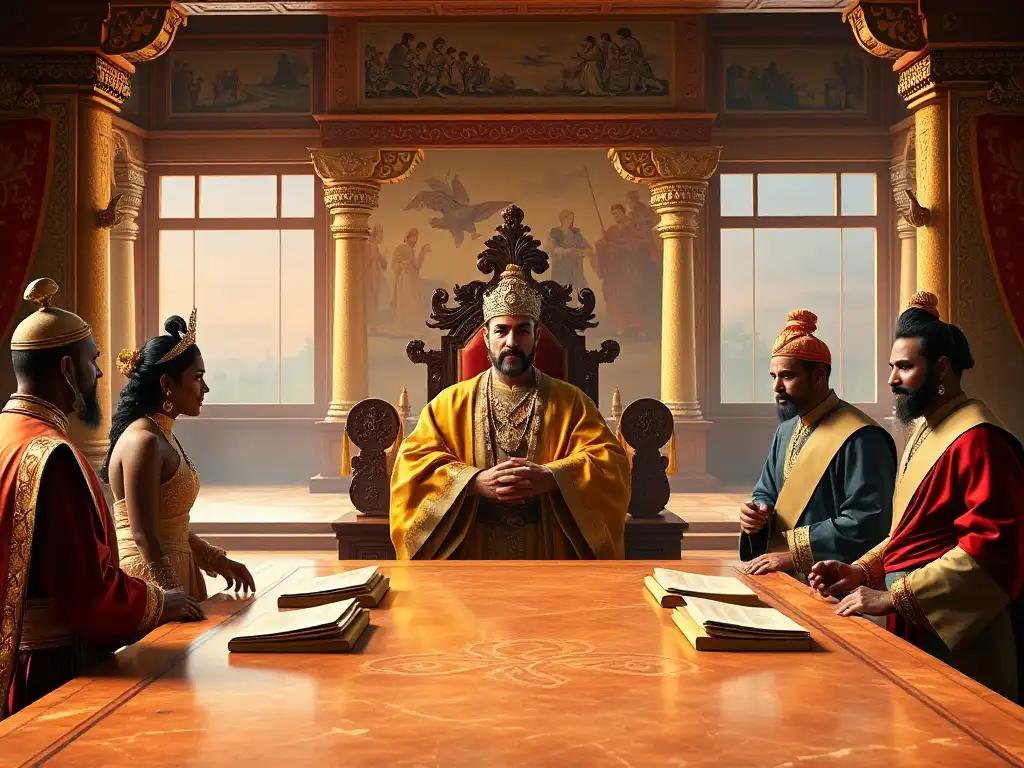
Welcome to Ancient India History, where we embark on a fascinating journey through the rich tapestry of ancient Indian civilizations. Today, we delve into the remarkable political innovations of the Maurya Empire, a pivotal chapter that not only shaped the administrative landscape of its time but also laid the groundwork for future governance. Prepare to uncover the ingenious strategies and systems that defined an era of unparalleled excellence.
Join us as we explore the intricate dynamics of power, leadership, and societal organization that continue to resonate through history. Your adventure into the depths of ancient India's legacy begins here—are you ready to discover more?
The Maurya Empire stands as a monumental chapter in the history of ancient India, characterized by its remarkable political innovations that laid the groundwork for effective governance and administrative systems. Spanning from the 4th to the 2nd century BCE, the Maurya Empire was not only vast in territory but also rich in diversity, encompassing various cultures and communities. This article delves into the political structures and innovations introduced during this era, highlighting how they contributed to the empire's stability and success.
By examining the strategic methodologies employed by the Mauryan rulers, particularly Chandragupta Maurya and his grandson Ashoka, we can gain insights into the sophisticated governance that was instrumental in managing a large empire. The Maurya Empire's political innovations not only influenced subsequent Indian dynasties but also served as a model for governance across the ancient world.
The Role of Chandragupta Maurya in Political Innovations
Chandragupta Maurya, the founder of the Maurya Empire, implemented several political innovations that transformed the landscape of governance in ancient India. By establishing a centralized authority, he was able to unite various regions under a cohesive administration. His strategies included:
- Formation of a Bureaucracy: Chandragupta introduced a structured bureaucratic system, assigning officials to different regions to ensure effective governance.
- Use of Spies: A network of spies was established to gather intelligence, monitor public sentiment, and maintain law and order throughout the empire.
- Standardization of Currency: The introduction of a uniform currency facilitated trade and commerce, promoting economic stability and growth.
Administrative Reforms Under Ashoka
The reign of Ashoka, the grandson of Chandragupta, marked a significant evolution in political innovations within the Maurya Empire. His commitment to Dharma (moral law) influenced not only governance but also the empire's social fabric. Key reforms included:
- Decentralization of Power: Ashoka promoted local governance by empowering regional officials, fostering a sense of autonomy and responsibility within communities.
- Promotion of Welfare Programs: He initiated various public welfare projects, such as the construction of hospitals and roads, enhancing the quality of life for his subjects.
- Edicts of Ashoka: The famous rock edicts served as a tool for communication with the populace, outlining policies and principles that guided his rule, emphasizing ethical governance.
Legacy of Maurya Empire's Political Innovations
The political innovations of the Maurya Empire had far-reaching impacts that shaped the governance of subsequent Indian dynasties. The principles of bureaucracy, effective communication, and ethical governance established during this period continue to resonate in modern administrative practices. The Maurya Empire's approach to political structure serves as a testament to the advanced political thought of ancient India, influencing not just the subcontinent but also providing a framework that can be studied and appreciated in contemporary governance.
The Maurya Empire's political innovations were pivotal in creating a sophisticated administrative system that ensured stability and prosperity, showcasing the empire as a beacon of political excellence in ancient India.
- The Role of Chandragupta Maurya in Political Innovations
- Administrative Reforms Under Ashoka
- Legacy of Maurya Empire's Political Innovations
- What were the key political innovations of the Maurya Empire?
- How did the Maurya Empire influence later Indian governance?
- Who was the most notable leader of the Maurya Empire?
- What role did Ashoka play in the Maurya Empire's political innovations?
- How did trade and economy impact the political innovations of the Maurya Empire?
Introduction to the Maurya Empire
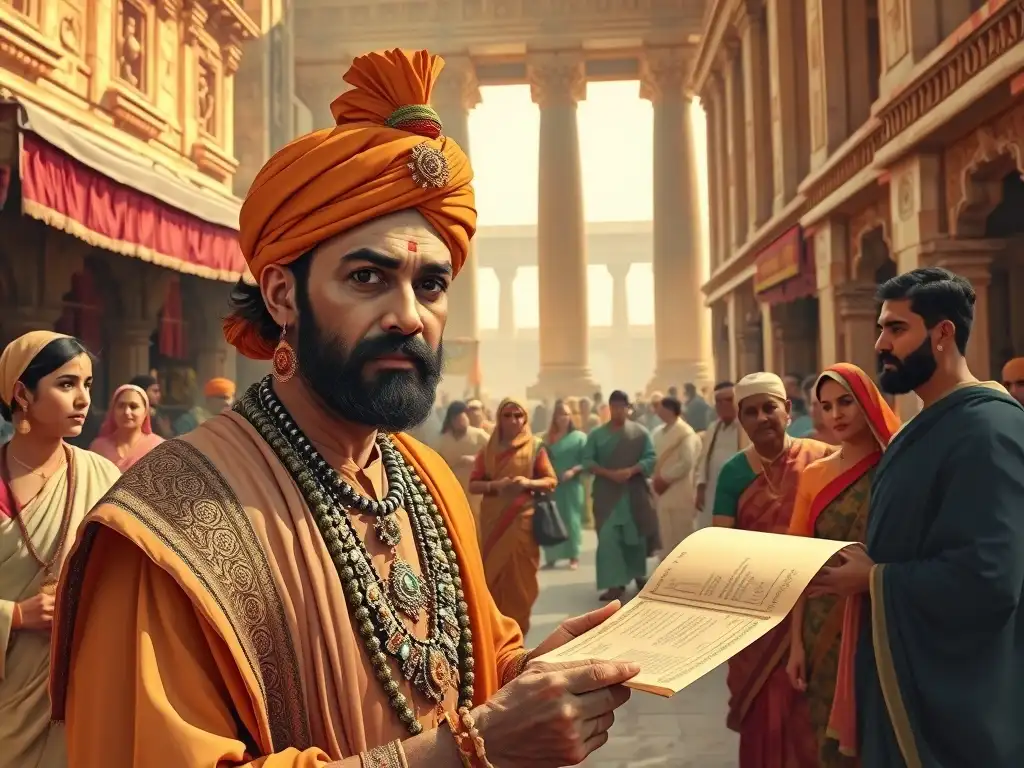
The Maurya Empire, established in 322 BCE by Chandragupta Maurya, stands as one of the most significant ancient Indian empires, known for its powerful political structure and extensive administrative innovations. This empire not only unified a substantial part of the Indian subcontinent but also laid the groundwork for future governance models in India. The political innovations during the Maurya Empire played a crucial role in its ability to manage vast territories and diverse populations.
Through the implementation of advanced administrative techniques, the Maurya Empire established a legacy that influenced subsequent empires and shaped the political landscape of ancient India. Central to this legacy were the practices and policies that promoted efficiency, communication, and adherence to law, which are pivotal in understanding the empire's enduring impact.
Overview of the Maurya Empire's Historical Context
The Maurya Empire emerged in a time of fragmentation and regionalism following the decline of the Nanda Dynasty. Chandragupta Maurya capitalized on this disunity, gaining support from key figures such as the philosopher Chanakya, who played an instrumental role in both political strategy and administration. By 321 BCE, Chandragupta had successfully overthrown the Nandas and established a centralized authority.
- Timeline of Key Events:
- 322 BCE: Chandragupta Maurya establishes the Maurya Empire.
- 297 BCE: Chandragupta abdicates in favor of his son, Bindusara.
- 268 BCE: Ashoka, Chandragupta's grandson, ascends to the throne, marking the empire's zenith.
The Maurya Empire reached its peak under Ashoka, who expanded its territory to include most of the Indian subcontinent. His reign is particularly notable for the adoption of Buddhism and the promotion of Dhamma, which emphasized moral governance. The period of the Maurya Empire was characterized by significant trade, cultural exchange, and advancements in art and architecture, all supported by a robust administrative framework.
Importance of Political Innovations in Ancient Empires
Political innovations within the Maurya Empire were vital for managing its vast territories and facilitating effective governance. These innovations included:
- Centralized Administration: The Maurya Empire established a centralized bureaucratic system that allowed for efficient decision-making and resource allocation. This system included a hierarchy of officials responsible for different regions and functions.
- Use of Spies: The Mauryan administration employed spies to gather intelligence on both internal and external affairs. This practice, as outlined in the Arthashastra by Chanakya, helped maintain control and preemptively address potential threats.
- Legal Codification: The Maurya Empire is noted for its efforts to codify laws, which provided a framework for justice and governance. This legal system helped unify diverse populations under a common set of rules, fostering stability.
- Taxation System: A well-organized taxation system ensured that the empire could maintain its military and public works. Taxes were collected in various forms, including cash and goods, which bolstered the empire's economy.
- Diplomatic Relations: The Maurya Empire was adept at establishing diplomatic ties with other territories, engaging in treaties, and forming alliances, which allowed for peaceful coexistence and trade.
The Maurya Empire's political innovations not only facilitated its rise to prominence but also served as a model for subsequent Indian states. The principles established during this period influenced the governance of later empires and remain significant in the study of ancient political structures.
The Maurya Empire's political innovations were instrumental in shaping its administrative excellence and have had a lasting impact on the political landscape of ancient India. Understanding these innovations provides valuable insight into the complexities of governance and the evolution of statecraft in one of history's most remarkable civilizations.
Key Political Innovations of the Maurya Empire
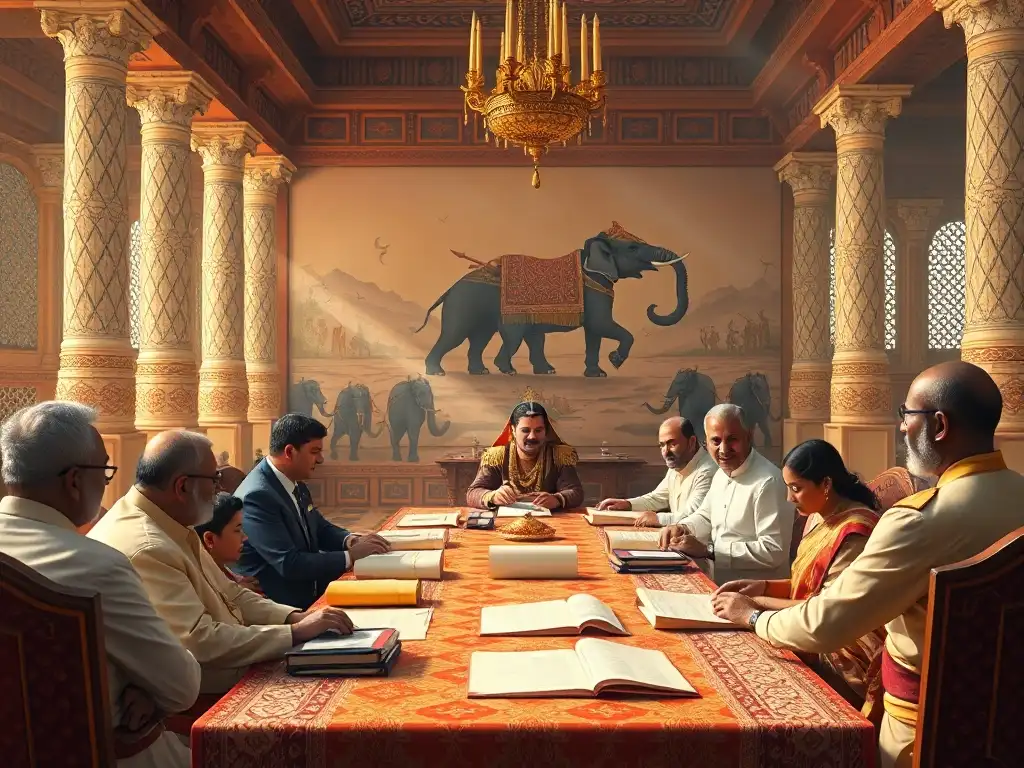
The Maurya Empire, which flourished from 322 to 185 BCE, is often celebrated for its significant political innovations that laid the foundation for effective governance and administration. These innovations not only strengthened the empire but also established precedents that would influence subsequent Indian civilizations. The Mauryan political structure was characterized by a centralized administration, a robust bureaucracy, and the standardization of laws, each contributing to its administrative excellence.
Centralized Administration: A New Approach to Governance
One of the most notable political innovations of the Maurya Empire was its centralized administration, which marked a departure from the fragmented governance of previous kingdoms. Under the leadership of Emperor Chandragupta Maurya and later his grandson Ashoka, the empire adopted a systematic approach to governance that ensured efficient control over vast territories.
- Core Features of Centralization:
- Strong Sovereignty: The emperor held supreme authority, which was reflected in various governance policies.
- Provincial Governance: The empire was divided into provinces called Mahajanapadas, each overseen by a governor appointed by the emperor, ensuring uniformity in administration.
- Direct Control: The central government maintained direct control over critical resources, military, and taxation, which minimized the risk of local uprisings.
This centralized model not only facilitated easier communication between the capital and provinces but also allowed for swift decision-making, crucial in managing territorial disputes and administrative challenges.
The Role of the Mauryan Bureaucracy in Political Innovations
The Mauryan bureaucracy played a pivotal role in implementing the policies of centralized governance. This organization was characterized by its structured hierarchy and specialization, which were revolutionary for the time.
- Key Aspects of the Bureaucracy:
- Diverse Departments: The administration was divided into various departments, such as finance, military, and agriculture, each managed by skilled officials.
- Merit-Based Appointments: Appointments were often based on merit rather than aristocratic lineage, fostering a capable governance structure.
- Intelligence Network: A sophisticated intelligence network was established to gather information across the empire, aiding in policy formulation and execution.
This bureaucratic efficiency allowed the Maurya Empire to effectively manage its internal affairs and respond to external threats, contributing to the stability and longevity of the empire.
Standardization of Laws and Regulations across the Empire
Another significant political innovation was the standardization of laws and regulations across the empire. This effort was crucial for ensuring justice and maintaining order in a diverse and expansive territory.
- Principles of Standardization:
- Legal Codification: Ashoka’s Edicts, inscribed on pillars and rocks, served as a moral and legal framework that outlined the empire's laws and ethical guidelines.
- Uniform Taxation Systems: Taxation was standardized to ensure fairness and consistency, which helped in economic stability and development.
- Judicial Reforms: The establishment of a uniform judicial system allowed for equitable administration of justice, fostering trust in governance.
Standardization not only facilitated smoother governance but also promoted a sense of unity and identity among the empire's diverse populations, enhancing the Maurya Empire's legacy as a significant political innovator in ancient India.
The Influence of Chandragupta Maurya on Political Structure
Chandragupta Maurya, the founder of the Maurya Empire, played a pivotal role in shaping the political landscape of ancient India. His vision for a unified state not only transformed regional governance but also set a precedent for future empires. His strategies and innovations laid the groundwork for an administrative system that emphasized central authority while accommodating regional diversity.
Chandragupta’s Vision for a Unified State
Chandragupta’s vision was rooted in the desire to unify the fragmented territories of northern India, which were often plagued by local rivalries and warfare. He recognized that a strong central authority was essential for maintaining order and facilitating trade across the vast expanses of the subcontinent. To achieve this, he implemented several key strategies:
- Centralized Governance: Chandragupta established a centralized administration that allowed for efficient decision-making and policy implementation. He appointed governors to oversee various regions, ensuring that local leaders aligned with the empire's goals.
- Legal Framework: A comprehensive legal system was introduced, which was codified to provide clarity and consistency across the empire. This legal framework helped in resolving disputes and maintained order, reinforcing the authority of the central government.
- Economic Integration: Chandragupta promoted economic integration by standardizing weights and measures, which facilitated trade. This economic policy not only enhanced revenue but also strengthened the bonds between different regions of the empire.
Chandragupta’s emphasis on unity and stability was instrumental in the establishment of an enduring political structure that characterized the Maurya Empire.
Military Innovations and Their Impact on Political Control
The military strategies employed by Chandragupta Maurya were vital in consolidating his power and ensuring the stability of the Maurya Empire. His innovations in military organization and tactics played a significant role in maintaining effective political control over his vast territories.
- Professional Army: Chandragupta established a standing army comprised of professional soldiers, which was a departure from the traditional reliance on local militias. This professional force was better trained, more disciplined, and loyal to the emperor, allowing for swift and decisive action against external threats and internal dissent.
- Use of War Elephants: The integration of war elephants into military strategies was a notable innovation. These formidable creatures not only served as a psychological weapon in battles but also provided a significant tactical advantage, allowing for the effective routing of enemy forces.
- Intelligence Network: Chandragupta implemented an extensive intelligence network that gathered information on potential threats and unrest within the empire. This enabled him to preemptively address issues before they escalated, thus maintaining a tight grip on political control.
Through these military innovations, Chandragupta Maurya ensured that the Maurya Empire not only expanded its territories but also maintained internal stability, which was crucial for the political integrity of the state. This combination of military prowess and administrative acumen solidified the empire's legacy as a model of political excellence in ancient India.
Ashoka the Great: Expanding Political Innovations
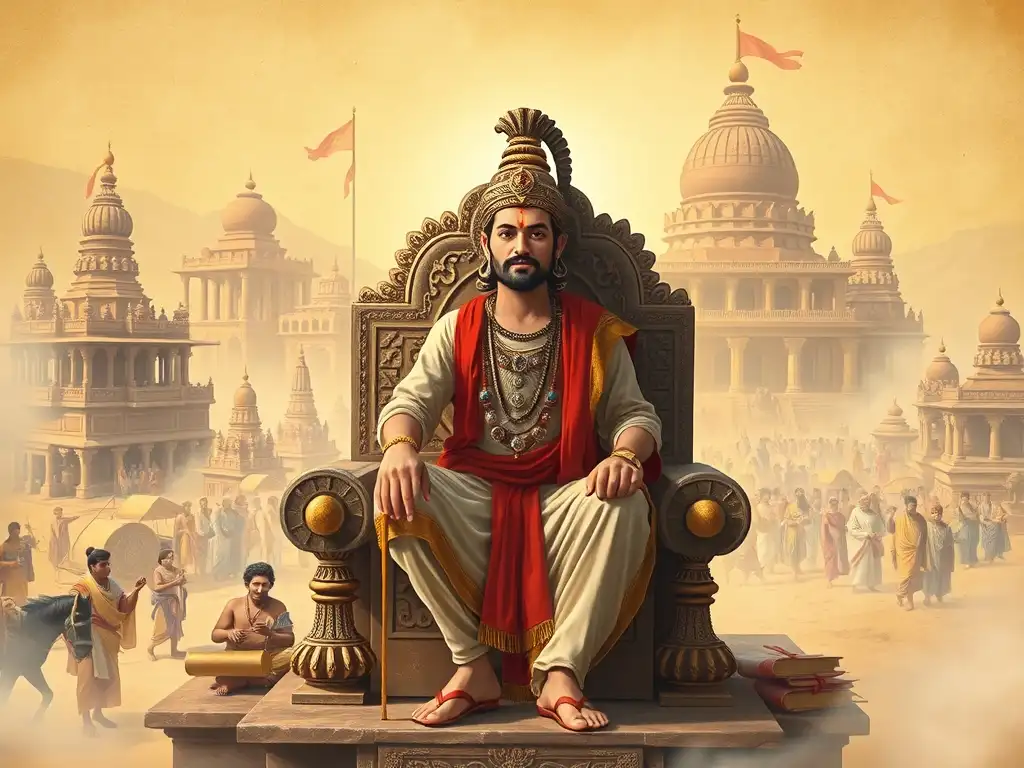
Ashoka the Great, the third ruler of the Maurya Empire, is celebrated not only for his military conquests but also for the remarkable political innovations he instituted during his reign from 268 to 232 BCE. His leadership marked a pivotal shift in governance, emphasizing ethical rule and social welfare over sheer power. Under Ashoka, the Maurya Empire flourished, and his reforms laid the groundwork for a sophisticated administrative framework that prioritized the well-being of its citizens.
Ashoka's reign is particularly noted for the transition from a war-centric policy to one focused on peace and moral governance. This transformation was largely influenced by his conversion to Buddhism after the Kalinga War, which led him to adopt principles that emphasized compassion, non-violence, and social justice. His political innovations reflect a deep understanding of governance that transcended mere administration, incorporating elements of ethics and spirituality into the political fabric of the empire.
Edicts of Ashoka: A New Paradigm in Governance
One of the most significant political innovations introduced by Ashoka was the issuance of the Edicts of Ashoka. These edicts were inscribed on rocks and pillars throughout the empire, serving as a form of public communication aimed at educating the populace about his policies and moral philosophy. The edicts can be categorized into two main types: major rock edicts and minor rock edicts, each addressing different aspects of governance and societal conduct.
- Major Rock Edicts: These edicts focus on fundamental principles such as:
- Emphasis on dharma (moral duty)
- Promotion of non-violence and compassion
- Advocacy for the welfare of all living beings
- Minor Rock Edicts: These address more specific issues, such as:
- Regulations regarding trade and commerce
- Guidelines for the treatment of prisoners
- Provisions for the care of the sick and elderly
The Edicts of Ashoka represent a pioneering effort in using written communication as a tool for governance. By making his policies public and accessible, Ashoka fostered a sense of transparency and accountability within his administration, which was relatively unique for his time. This method of governance not only informed his subjects but also encouraged them to reflect on their moral responsibilities towards one another and the state.
Ashoka's commitment to promoting dharma was a cornerstone of his political strategy, aimed at cultivating social harmony and unity across the diverse cultures within the Maurya Empire. His approach to governance was characterized by several key innovations that sought to integrate ethical values into the fabric of political life.
- Establishment of a Bureaucratic System:
- Ashoka developed a more structured and efficient bureaucratic system to implement his policies effectively. This system included various officials responsible for overseeing different sectors, from agriculture to law enforcement.
- The use of trained administrators ensured that his reforms were executed uniformly across the vast empire.
- Emphasis on Welfare Programs:
- Ashoka invested in numerous public welfare initiatives, including the construction of hospitals, wells, and rest houses for travelers—measures designed to improve the lives of his subjects.
- His policies reflected a profound understanding of the socio-economic challenges faced by his people, and he addressed these through practical solutions.
- Promotion of Religious Tolerance:
- Ashoka's embrace of Buddhism did not diminish his respect for other religions. He advocated for religious tolerance, allowing various faiths to coexist and thrive within the empire.
- This inclusivity helped to foster a sense of belonging and community among the diverse groups within his realm.
Through these innovations, Ashoka the Great exemplified a model of governance that prioritized ethical leadership and social responsibility. His legacy continues to serve as a reference point for political thought, illustrating the powerful impact of integrating moral principles into governance. The political innovations of the Maurya Empire under Ashoka not only transformed the empire but also left an indelible mark on the history of governance in ancient India.
The Role of Spies and Intelligence in Maurya Governance
The Use of Spies in Political Control and Administration
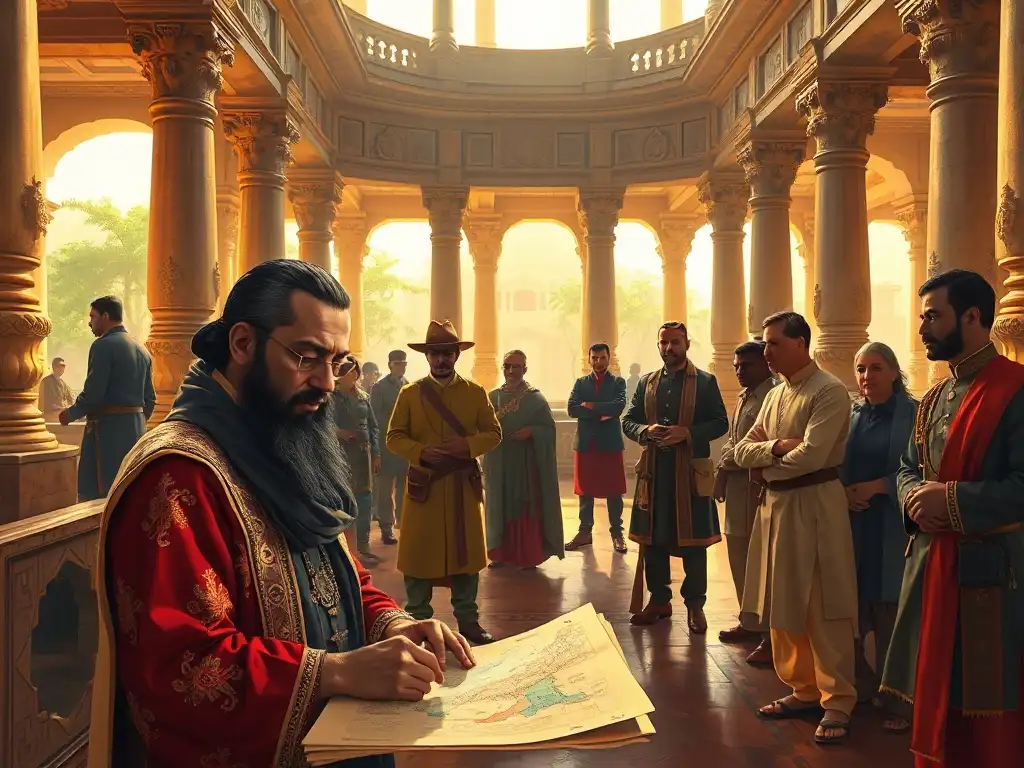
The Maurya Empire, renowned for its extensive administrative framework, employed a sophisticated intelligence network that was pivotal in maintaining political control. Spies were integral to the governance system, facilitating the collection of information essential for decision-making. The empire's founder, Chandragupta Maurya, and his advisor, Kautilya (also known as Chanakya), recognized that knowledge about both allies and adversaries was crucial in a vast empire characterized by diverse cultures and potential unrest.
Key Functions of Spies:
- Surveillance of Nobility: Spies monitored the activities of regional governors and local leaders to ensure loyalty and prevent rebellion. This surveillance helped maintain the emperor's authority and deter any insurrection.
- Information Gathering: Spies collected intelligence on local economies, public sentiment, and the activities of rival states. This data was vital for formulating policies and military strategies.
- Counterintelligence Operations: The Mauryan administration employed tactics to mislead potential adversaries or traitors, creating a web of false information that could destabilize opposition plans.
The effectiveness of this espionage system is well documented in ancient texts like the Arthashastra, where Kautilya outlines various strategies for intelligence gathering and counter-espionage. The emphasis on spies showcased an innovative approach to governance, ensuring that the empire remained vigilant and proactive in addressing threats.
Impact of Intelligence on Political Stability and Security
The employment of spies had profound implications for the Maurya Empire's political stability and security. The intelligence gathered not only informed the central authority but also enabled effective responses to internal and external challenges.
- Prevention of Revolts: By maintaining a keen awareness of dissenting factions through espionage, the Mauryan rulers could act swiftly to quell potential uprisings. For instance, reports of discontent among the populace or disloyalty among local leaders would prompt preemptive measures, such as strategic political appointments or military interventions.
- Strategic Alliances: Spies facilitated the formation of alliances with neighboring kingdoms. By understanding the political landscapes of adjacent territories, the Maurya Empire could negotiate advantageous treaties or engage in diplomacy that strengthened its position without resorting to warfare.
- Crisis Management: The intelligence network allowed for agile responses to crises, whether they stemmed from natural disasters, economic downturns, or military threats. This agility was crucial in maintaining the empire's integrity during tumultuous periods.
- Enhanced Governance: The insights gained from espionage led to informed policy-making. The rulers could tailor administrative reforms and resource allocation to align with the needs and sentiments of the populace, fostering loyalty and compliance.
The Maurya Empire's political innovations, particularly the strategic use of spies and intelligence, laid the groundwork for administrative excellence. This sophisticated approach not only bolstered political control but also ensured the empire's stability in an era marked by complexity and change. The legacy of these practices continues to influence governance models in various contexts across history.
Regional Administration: Decentralization within Centralization
The Maurya Empire, renowned for its vast territorial expanse and efficient governance, exemplified a unique blend of centralization and decentralization in its regional administration. This dual approach allowed for effective control over diverse regions while accommodating local needs and customs. The strategic distribution of authority facilitated not only governance but also the integration of various cultures and practices within the empire.
Central to this model was the establishment of a hierarchy that ensured the central government maintained ultimate authority while delegating power to local administrators. This arrangement enabled the Mauryan rulers to implement policies that were both uniform across the empire and adaptable to local contexts. As a result, the Maurya Empire's political innovations in regional administration became a cornerstone of its enduring legacy.
Appointment of Governors: Balancing Power and Control
The appointment of governors, or Uparikas, was a key innovation in the Maurya Empire's political structure. These governors were responsible for overseeing large provinces, known as Mahajanapadas, which often included diverse populations with varying languages and customs. This system of appointing governors served multiple purposes:
- Maintaining Central Authority:
- Governors were representatives of the emperor, ensuring that imperial directives were executed effectively.
- They reported directly to the central authority, providing a channel for communication between the local regions and the capital.
- Administrative Efficiency:
- By dividing the empire into manageable regions, the Mauryan administration could respond swiftly to local issues and needs.
- This localization of power allowed governors to enact policies that were tailored to their specific regions, increasing the efficacy of governance.
- Checks and Balances:
- The governors were often selected based on their loyalty and competence, which helped in maintaining a balance of power within the empire.
- Regular assessments and audits by imperial officials ensured that governors adhered to the central policies, preventing potential abuses of power.
- Cultural Integration:
- The governors played a crucial role in integrating various cultural practices into the administrative framework, fostering unity within diversity.
- Local customs and traditions were often respected and incorporated into governance, which enhanced the legitimacy and acceptance of Mauryan rule.
This innovative approach to governance not only strengthened the Maurya Empire's control over its vast territories but also laid the groundwork for future administrative practices in India.
Local Governance Innovations and Their Significance
In addition to the appointment of governors, the Maurya Empire introduced several local governance innovations that significantly impacted the administration of its provinces. These innovations included:
- Village Assemblies (Sabhas and Samitis):
- Local self-governance was empowered through the establishment of village assemblies, which allowed for community participation in decision-making processes.
- These assemblies addressed local issues, managed resources, and facilitated the collection of taxes, thereby promoting civic responsibility.
- Bureaucratic Structure:
- A well-defined bureaucratic hierarchy was established to streamline administration at the local level.
- Officials known as Pradesikas were tasked with overseeing districts, ensuring effective governance and implementation of policies.
- Taxation and Resource Management:
- The Mauryan administration introduced systematic taxation methods, which were adapted to local economic conditions.
- Efficient resource management contributed to the prosperity of local communities and strengthened the economic stability of the empire.
- Judicial Reforms:
- Local courts were established to handle disputes and administer justice at the community level, which fostered trust in the legal system.
- This localized approach to law and order ensured that justice was accessible and culturally relevant.
Through these innovations, the Maurya Empire not only enhanced its administrative capabilities but also fostered a sense of ownership and participation among its subjects. The emphasis on local governance ensured that the needs and aspirations of diverse communities were addressed, solidifying the Maurya Empire's legacy as a model of political innovation in ancient Indian civilization.
Economic Policies as Political Innovations
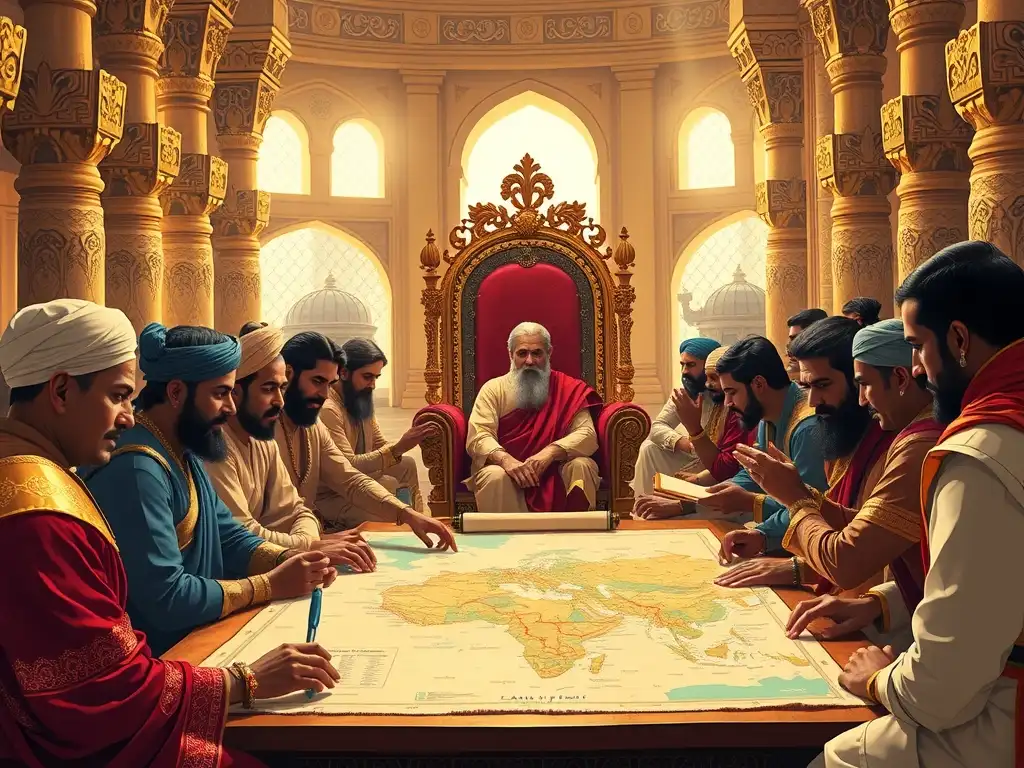
The Maurya Empire stands as a hallmark of political innovation, particularly in its economic policies that laid the groundwork for administrative excellence. These policies not only enhanced the empire's revenue but also fostered stability and growth, which were crucial for maintaining its vast territory. The Mauryan approach to economic management was multi-faceted, addressing taxation, trade, and commerce, thereby reflecting a sophisticated understanding of statecraft.
Taxation Systems and Revenue Collection Innovations
The taxation systems established by the Maurya Empire were among the most advanced of their time. Under the leadership of Emperor Ashoka, taxation became more systematic and equitable, which was vital for sustaining the empire's extensive bureaucracy and military.
- Land Revenue: The primary source of revenue was land tax, which was meticulously assessed based on the fertility and productivity of the land. Typically, this tax amounted to about 25% of the agricultural yield, although it could vary depending on circumstances such as drought or flood.
- Trade Taxes: The Maurya administration also imposed taxes on trade, which were collected at various points, including markets, ports, and along trade routes. These taxes were critical in boosting the empire’s coffers while also regulating commerce.
- Innovative Collection Methods: The Mauryan state employed a range of methods for revenue collection, including:
- Direct collection from farmers and traders.
- Tax farming, where private individuals were allowed to collect taxes in exchange for a percentage of the revenues.
- Periodic reviews of tax assessments, ensuring that they remained fair and updated according to economic changes.
These innovations in taxation not only maximized revenue but also enhanced the legitimacy of the state, as citizens felt their contributions were both necessary and just.
Trade and Commerce: Fostering Economic Stability and Growth
The Maurya Empire recognized the importance of trade and commerce in promoting economic stability and growth. The empire's geographic position facilitated trade routes that connected it with neighboring regions and distant lands, including Persia and the Mediterranean.
- Infrastructure Development: The Mauryan rulers invested significantly in infrastructure, such as roads and ports, which made trade easier and safer. Notable examples include:
- The Grand Trunk Road, which became a crucial artery for trade and communication.
- Harbors along the Indian coast, which enabled maritime trade.
- Merchant Guilds: The state supported merchant guilds, which played a pivotal role in regulating trade practices, setting standards, and providing security for traders. These guilds were instrumental in fostering trust and stability within commerce.
- Currency Standardization: The Maurya Empire also introduced standardized currency, which facilitated trade by providing a reliable medium of exchange. The introduction of a silver coin called 'Karshapana' simplified transactions and encouraged economic activity.
- Promotion of Crafts and Industries: The empire actively promoted various crafts and industries, including textiles, metallurgy, and pottery. State support for artisans not only enhanced local economies but also enriched the cultural tapestry of the empire.
By fostering trade and commerce, the Maurya Empire created a robust economic foundation that contributed to its political stability and administrative effectiveness. These economic policies can therefore be seen as integral to the broader narrative of Maurya Empire political innovations, setting a precedent for future empires in the region.
Legacy of Maurya Empire Political Innovations
Influence on Subsequent Indian Dynasties and Governance
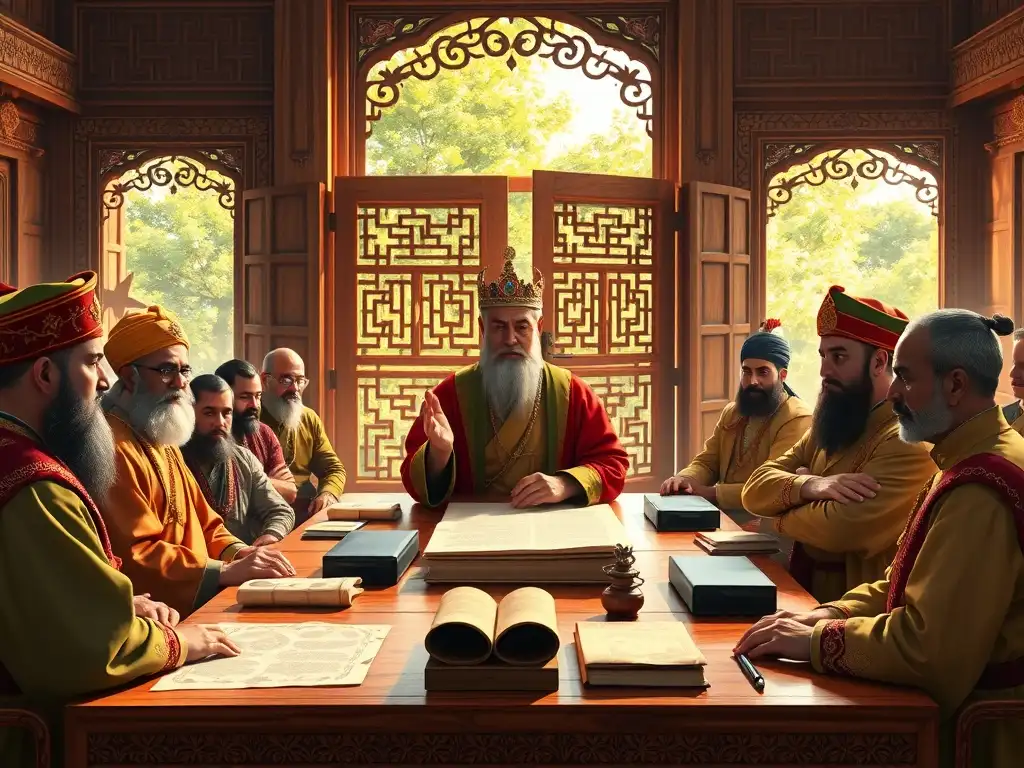
The political innovations established by the Maurya Empire have had a profound influence on subsequent Indian dynasties and governance structures throughout history. One of the most notable contributions was the establishment of a centralized administration, which served as a blueprint for future empires. The Mauryan model demonstrated the efficacy of a strong central authority, utilizing a network of provincial governors to maintain control over vast territories. This approach inspired later dynasties, such as the Gupta Empire and the Mughal Empire, to adopt similar administrative frameworks.
- Centralized Bureaucracy: The Mauryan Empire's emphasis on a bureaucratic system allowed for efficient governance. The use of well-defined roles within the administration, including ministers and regional governors, was instrumental in managing the empire's diverse population. This model was echoed in subsequent empires, which implemented similar structures to ensure effective governance.
- Legal Framework: The Mauryan legal system, codified under Emperor Ashoka, laid the groundwork for the rule of law in India. The edicts inscribed on pillars and rocks across the empire not only conveyed ethical guidelines but also established a precedent for legal documentation that future rulers would emulate. This commitment to justice and ethical governance became a hallmark of Indian political philosophy.
- Taxation and Revenue Systems: The Mauryan innovations in taxation systems were pivotal in establishing a reliable revenue stream for governance. The introduction of standardized tax rates and land revenue assessments facilitated economic stability. This approach was later seen in various dynasties that sought to enhance their treasury for administrative and military purposes.
Lasting Impact on Modern Administrative Practices
The political innovations of the Maurya Empire continue to resonate in modern administrative practices, showcasing their enduring legacy. Elements of their governance structure can be traced in contemporary Indian political systems, highlighting the sophistication of ancient administrative strategies.
- Decentralization and Federalism: The Maurya Empire's model of regional governance presaged the concept of federalism, which is a cornerstone of modern democratic systems. The delegation of authority to local bodies mirrors the Mauryan practice of appointing governors to oversee provinces, thus allowing for localized decision-making while maintaining overall unity.
- Administrative Reforms: Modern administrative practices, such as performance evaluation and accountability measures, can be linked back to the Mauryan Empire's structured approach to governance. The emphasis on meritocracy and efficiency in administration laid the groundwork for contemporary bureaucratic reforms aimed at enhancing governmental effectiveness.
- Ethical Governance: The Mauryan emphasis on ethical leadership, particularly as demonstrated by Ashoka's promotion of Dhamma, has influenced modern concepts of governance. The idea that rulers should adhere to moral principles and promote the welfare of their citizens remains a relevant discourse in today's political landscape.
The political innovations of the Maurya Empire not only shaped the governance of subsequent Indian dynasties but also continue to inform modern administrative practices. Their legacy is a testament to the sophistication and foresight of ancient Indian political structures, which laid the foundation for both historical and contemporary governance.
Conclusion: The Maurya Empire’s Contribution to Political Excellence
The Maurya Empire, which flourished from 322 to 185 BCE, stands as a monumental example of political innovation and administrative excellence in ancient India. Under the leadership of remarkable figures such as Chandragupta Maurya and his grandson Ashoka, the Empire implemented groundbreaking strategies that not only consolidated power but also laid the groundwork for future governance in the Indian subcontinent. The political innovations of the Maurya Empire are pivotal in understanding the evolution of governance and administration in ancient India and beyond.
Summary of Key Political Innovations
The political innovations during the Maurya Empire can be categorized into several critical areas:
- Centralized Administration:
- The Maurya Empire established a highly centralized government, which allowed for efficient control over vast territories.
- Administrative divisions were created, with governors appointed to oversee provinces, ensuring that local governance aligned with imperial policies.
- Bureaucratic Structure:
- A well-defined bureaucratic system was instituted, which included various departments tasked with specific functions such as finance, agriculture, and justice.
- The use of written records became prevalent, enhancing transparency and accountability within the administration.
- Legal Reforms:
- The introduction of a codified legal system under Ashoka played a significant role in standardizing laws across the empire.
- Edicts inscribed on stone pillars served not only as legal codes but also as ethical guidelines, reflecting the moral governance philosophy of Ashoka.
- Diplomacy and Foreign Relations:
- The Maurya Empire engaged in diplomatic relations with neighboring states, employing strategies such as marriage alliances and treaties.
- This political maneuvering not only expanded their influence but also facilitated trade and cultural exchanges.
- Infrastructure Development:
- The establishment of an extensive network of roads and communication systems improved trade and military mobilization.
- Public works, such as wells and rest houses, were constructed to support travelers and traders, emphasizing the state’s role in economic prosperity.
Reflection on the Maurya Empire's Legacy in Ancient Indian History
The legacy of the Maurya Empire's political innovations extends far beyond its temporal existence. Its governance model influenced subsequent Indian dynasties and can be seen reflected in various historical contexts.
- Enduring Administrative Practices: Many of the administrative practices initiated during the Maurya period were adopted and adapted by later empires, including the Gupta Empire. The emphasis on a structured bureaucracy and provincial governance became foundational elements of Indian political thought.
- Moral Governance: Ashoka’s focus on Dharma (moral law) as a guiding principle for governance has left an indelible mark on Indian political ideology. This integration of ethics into politics paved the way for future rulers to prioritize the welfare of their subjects.
- Cultural Integration: The Maurya Empire's diplomatic strategies fostered cultural exchanges that enriched the Indian subcontinent, setting a precedent for the integration of diverse cultures, languages, and practices.
The Maurya Empire's political innovations not only exemplified administrative excellence of their time but also provided a framework that would influence governance in India for centuries to come. The Empire’s ability to blend central authority with local governance, alongside its ethical approach to rule, underscores its critical role in shaping the political landscape of ancient India.
Frequently Asked Questions
What were the key political innovations of the Maurya Empire?
The Maurya Empire introduced important administrative reforms, such as a centralized government and an extensive bureaucratic system, which helped manage its vast territory effectively.
How did the Maurya Empire influence later Indian governance?
The political innovations of the Maurya Empire, particularly in administration and law, laid the groundwork for future Indian kingdoms, promoting a legacy of centralized authority and efficient governance.
Who was the most notable leader of the Maurya Empire?
Chandragupta Maurya was the founder of the Maurya Empire and is credited with establishing its political framework and significant administrative innovations.
What role did Ashoka play in the Maurya Empire's political innovations?
Ashoka, the grandson of Chandragupta, is known for his ethical governance and the spread of Dhamma, which emphasized moral conduct and influenced the political landscape of the empire.
How did trade and economy impact the political innovations of the Maurya Empire?
The Maurya Empire's control over key trade routes facilitated economic growth, which in turn supported the development of a strong administrative structure and innovative taxation systems.
Final Reflection: The Enduring Legacy of Maurya Empire Political Innovations
The political innovations of the Maurya Empire remain profoundly relevant today, illustrating how visionary governance can shape societies for generations. The strategies employed by this ancient civilization not only laid the groundwork for effective administration but also serve as a blueprint for contemporary political systems striving for efficiency and inclusivity. The Maurya Empire's emphasis on centralized governance and bureaucratic organization is a testament to the power of innovative thinking in addressing complex societal needs.
The influence of the Maurya Empire's political innovations can be seen in the ongoing evolution of governance and administration across the globe. From the establishment of a structured bureaucracy to the promotion of welfare policies, the principles set forth by the Mauryan rulers resonate in modern political discourse. As Mahatma Gandhi once said, "> The best way to find yourself is to lose yourself in the service of others." This sentiment echoes the Mauryan commitment to serving the populace, reminding us that effective governance is rooted in the well-being of the people.
As we reflect on the lessons from the Maurya Empire, let us consider how we can apply these insights to our own lives and communities. Think about the ways in which you can contribute to a more organized and equitable society, whether through civic engagement, advocacy, or simply by fostering a spirit of cooperation and service. The legacy of the Maurya Empire encourages us to innovate and strive for excellence in our own governance, reminding us that the seeds of change can be sown by each of us, today and in the future.
Unveil the Legacy: Take Action on Your Journey Through History!
Thank you for exploring the political innovations of the Maurya Empire with us! You've gained insights into how these ancient strategies laid the groundwork for effective governance. Now, it's your turn to build on this knowledge and engage more deeply with history.
Here are some practical steps you can take:
- Dive Deeper: Read about the key figures of the Maurya Empire and their contributions. We recommend exploring a curated list of essential readings to enhance your understanding!
- Share Your Insights: Discuss what you've learned with friends or within your social circles. Engage in conversations about how these historical innovations relate to contemporary governance!
- Join a Community: Get involved in local history groups or online forums to share your passion for ancient history. Participating in discussions can enrich your understanding and connect you with fellow enthusiasts!
What aspects of the Maurya Empire's political innovations do you find most relevant today, and how might they influence modern governance?