
The Living Heritage of Ancient Indian Architecture: Preserving the Past

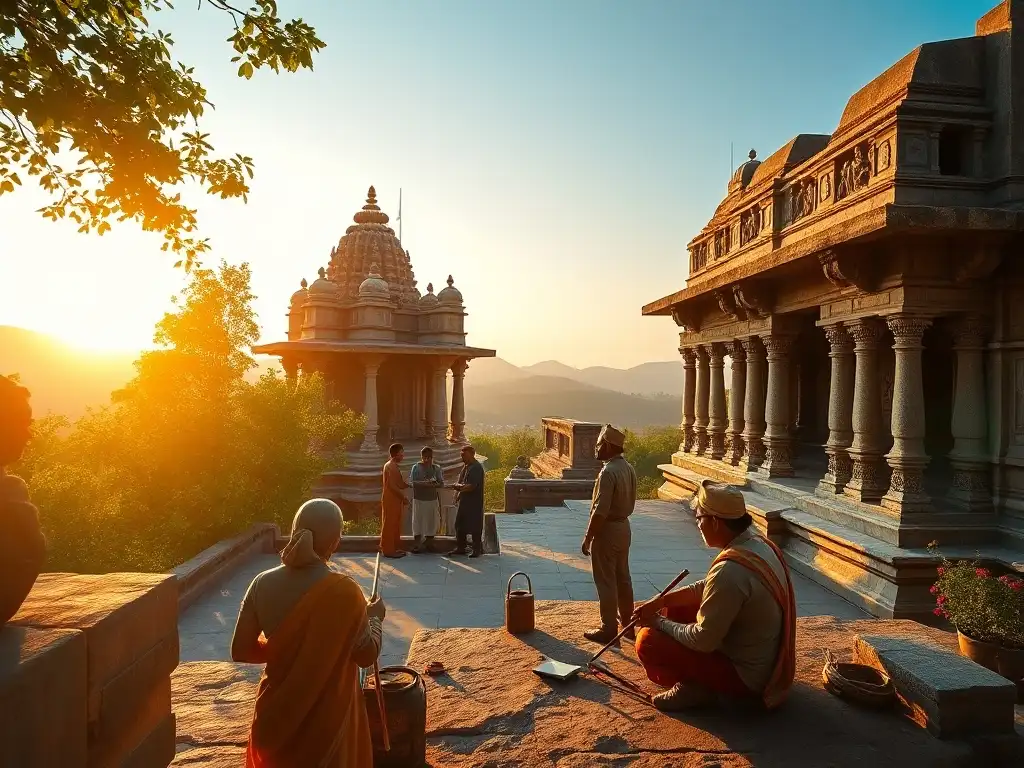
Welcome to Ancient India History, where we embark on a captivating journey through the rich tapestry of India's past. In our feature article, “The Living Heritage of Ancient Indian Architecture: Preserving the Past,” we delve into the intricate world of ancient Indian architecture preservation—a vital endeavor that not only safeguards our monumental legacies but also breathes life into our understanding of cultural identity.
Discover the stories behind the stones and the philosophies that shaped these awe-inspiring structures, igniting your curiosity and inviting you to explore the profound contributions of ancient Indian civilizations. Join us as we unlock the secrets of our heritage and inspire a deeper appreciation for the artistry that continues to resonate through time.
Introduction to Ancient Indian Architecture
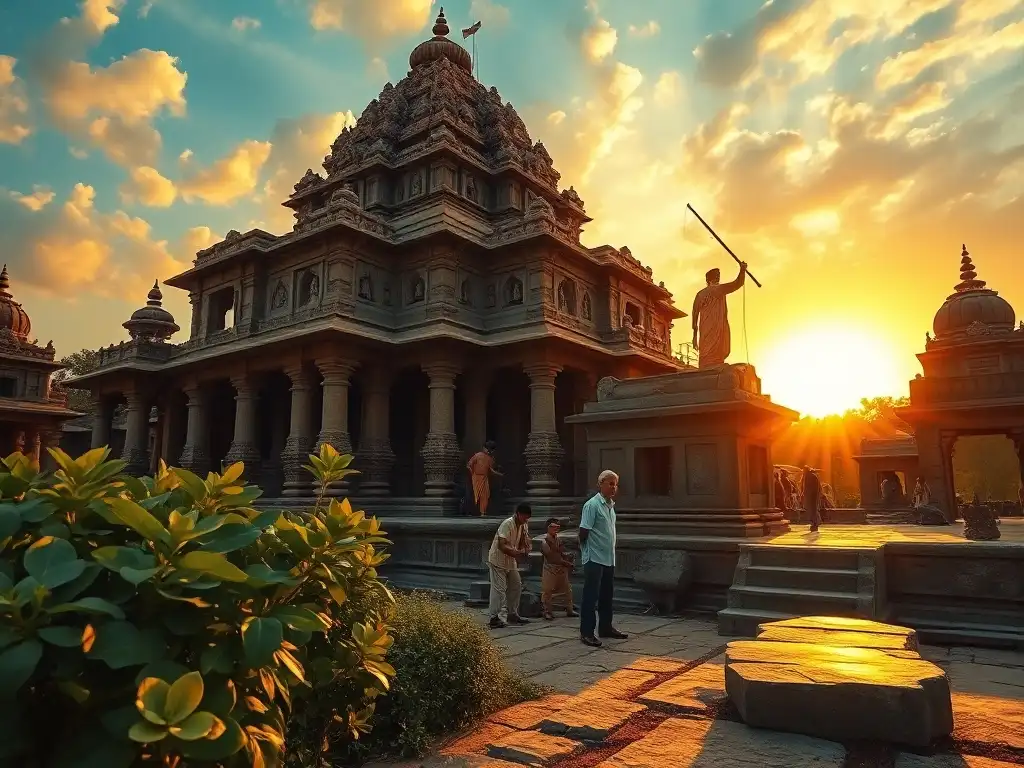
Ancient Indian architecture is a testament to the rich tapestry of cultural, religious, and social influences that have shaped the subcontinent over millennia. From the intricate designs of the Indus Valley Civilization to the majestic temples of the Gupta Empire, each architectural marvel tells a unique story of human ingenuity and artistic expression.
As we delve into the living heritage of ancient Indian architecture, it becomes imperative to understand not only its historical significance but also the pressing need for preservation efforts. Preserving ancient Indian architecture is crucial for maintaining our connection to the past and understanding the evolution of cultural identity in the region.
Overview of Ancient Indian Architecture
The architectural landscape of ancient India is remarkably diverse, encompassing a wide range of styles, materials, and purposes. Key features include:
- Religious Structures: Temples, stupas, and monasteries that reflect the spiritual beliefs of various communities.
- Urban Planning: Well-planned cities like Mohenjo-Daro and Harappa, showcasing advanced urban design.
- Fortifications: Imposing forts and palaces that highlight the military prowess of ancient kingdoms.
The amalgamation of indigenous and foreign influences led to the development of distinctive architectural styles, such as Hindu, Buddhist, and Jain architecture, each contributing to the rich legacy of the region.
Significance of Preservation in Architectural Heritage
Preserving ancient Indian architecture is not merely about maintaining physical structures; it is about safeguarding cultural heritage, historical narratives, and collective memory. The significance of preservation lies in:
- Cultural Identity: Architectural heritage plays a vital role in shaping community identity and pride.
- Educational Value: Preserved sites serve as outdoor classrooms for scholars, students, and tourists alike, providing insights into past civilizations.
- Tourism and Economy: Architectural sites attract millions of visitors, contributing substantially to local economies and promoting awareness of cultural heritage.
- Sustainability: Preservation encourages sustainable practices by utilizing local materials and techniques, fostering a sense of responsibility towards the environment.
Main Periods of Ancient Indian Architecture
To understand the evolution of ancient Indian architecture, it is essential to explore its main periods, each characterized by unique contributions and innovations.
Indus Valley Civilization Architecture
The Indus Valley Civilization (circa 3300–1300 BCE) is recognized for its advanced urban planning and architectural sophistication. Key features include:
- Grid Layout: Cities such as Harappa and Mohenjo-Daro were meticulously planned with a grid-like street pattern.
- Drainage Systems: An elaborate drainage system indicates a high level of civic planning and hygiene.
- Public Buildings: Structures like the Great Bath in Mohenjo-Daro exhibit the community's emphasis on ritual and public life.
These innovations laid the groundwork for subsequent architectural developments in India.
Mauryan Architecture Contributions
The Mauryan Empire (circa 322–185 BCE) marked a significant era in Indian architecture, particularly in the context of Buddhist structures. Noteworthy aspects include:
- Ashoka's Edicts: The pillars erected by Emperor Ashoka, adorned with inscriptions and carvings, symbolize the spread of Buddhism.
- Stupas: The Great Stupa at Sanchi is a prime example of Mauryan architecture, serving as a focal point for Buddhist worship and pilgrimage.
- Rock-cut Caves: The development of rock-cut architecture, such as the Barabar Caves, exemplifies the ingenuity of Mauryan builders.
These contributions reflect a fusion of artistic expression and religious significance.
Gupta Empire Architectural Innovations
The Gupta Empire (circa 240–550 CE) is often regarded as the Golden Age of Indian art and architecture. Key innovations during this period include:
- Temple Architecture: The Gupta period saw the emergence of temple architecture characterized by ornate carvings and intricate sculptures, exemplified by the Dashavatara Temple at Deogarh.
- Sculptural Art: Advances in sculptural techniques led to the creation of exquisite figures depicting deities, narratives from mythology, and everyday life.
- Astronomical Observatories: Structures like the Jantar Mantar reflect the Gupta interest in science and mathematics, showcasing architectural versatility.
These architectural innovations not only highlight the technical proficiency of ancient Indian builders but also their deep spiritual and philosophical engagement with the cosmos.
By understanding these periods and their contributions, we can appreciate the richness of ancient Indian architecture and the importance of preserving these irreplaceable cultural treasures for future generations.
Key Features of Ancient Indian Architecture
Ancient Indian architecture is distinguished by its intricate designs, harmonious proportions, and the thoughtful integration of structures with natural surroundings. Key features include:
- Symmetry and Geometry: Many ancient structures exhibit a remarkable understanding of geometry, with symmetrical layouts that reflect balance and harmony. Temples, forts, and palaces were often designed with meticulous attention to geometric patterns.
- Carvings and Sculptures: Detailed carvings depicting religious stories, deities, and everyday life are prevalent in ancient Indian architecture. Stone carvings, especially in temples, serve not only an aesthetic purpose but also convey spiritual narratives.
- Use of Water: Water bodies, such as tanks, wells, and moats, were strategically incorporated into architectural designs to enhance both functionality and beauty. This reflects the ancient Indian understanding of environmental sustainability.
- Vastu Shastra: The principles of Vastu Shastra, a traditional Indian system of architecture, were integral to the design process. This includes considerations of direction, energy flow, and the relationship between the built environment and nature.
Distinctive Styles and Techniques
The diversity of ancient Indian architecture is reflected in its various regional styles, each with unique characteristics and techniques. Notable styles include:
- Indo-Aryan: This style is exemplified by the early structures in the Indus Valley Civilization, characterized by grid layouts and advanced drainage systems.
- Buddhist Architecture: Stupas and monastic complexes, like those at Sanchi and Ajanta, showcase the use of rock-cut techniques and the emphasis on meditation spaces.
- Hindu Temple Architecture: The Nagara and Dravidian styles represent the pinnacle of Hindu temple architecture, with towering shikharas (spires) and intricate mandapas (pillared halls) that serve both spiritual and communal purposes.
- Islamic Influences: The Mughal era introduced elements such as large domes, intricate inlay work, and expansive gardens, seen in iconic structures like the Taj Mahal and Red Fort.
Influence of Religion on Architecture
Religion has profoundly shaped the architectural landscape of ancient India. Each faith brought its own values and aesthetics, leading to distinct architectural expressions:
- Hinduism: Temples were built as microcosms of the universe, with elaborate sculptures that narrate mythological tales. The design often reflects cosmic principles, such as the sacred geometry of the mandala.
- Buddhism: The focus on meditation and enlightenment influenced the creation of stupas, which serve as reliquaries. The architectural focus is on creating serene spaces conducive to spiritual practices.
- Jainism: Jain temples, known for their exquisite carvings and intricate marble work, embody the principles of non-violence and truth, often featuring detailed depictions of Tirthankaras.
- Islam: The introduction of Islamic architecture in India brought innovations such as the use of arches, calligraphy, and geometric patterns, merging with local styles to create a unique architectural heritage.
Challenges in Preserving Ancient Indian Architecture
Despite the rich legacy of ancient Indian architecture, numerous challenges impede preservation efforts:
Environmental Factors Affecting Preservation
Ancient structures are increasingly at risk from environmental factors such as:
- Pollution: Air and water pollution contribute to the deterioration of stone and other materials, accelerating wear and tear on historical buildings.
- Climate Change: Extreme weather conditions, including heavy rains and rising temperatures, can cause structural damage, leading to cracks and erosion.
- Vegetation Growth: Overgrowth of plants and trees can destabilize structures, with roots penetrating walls and foundations, leading to structural compromise.
Urban Development and Its Impact on Heritage Sites
Rapid urbanization poses a significant threat to ancient architecture:
- Land Encroachment: Expanding cities often encroach upon historical sites, leading to the destruction or alteration of these irreplaceable structures.
- Infrastructure Projects: Construction of roads, bridges, and buildings can disrupt the integrity of heritage sites, often resulting in irreversible damage.
- Tourism Pressure: While tourism can provide funding for preservation, excessive foot traffic can cause wear and damage to delicate structures.
Lack of Awareness and Funding for Preservation Efforts
Preservation initiatives often struggle due to:
- Insufficient Funding: Many preservation projects lack adequate financial support from government and private entities, hindering essential maintenance and restoration efforts.
- Public Awareness: A general lack of understanding and appreciation for the significance of ancient architecture results in diminished community support for preservation initiatives.
- Bureaucratic Hurdles: Complex regulatory frameworks and bureaucratic inefficiencies can slow down preservation efforts, leading to delayed actions in safeguarding heritage sites.
By addressing these challenges and recognizing the importance of ancient Indian architecture preservation, stakeholders can work collaboratively to ensure these cultural treasures endure for future generations.
Efforts in Preservation of Ancient Indian Architecture
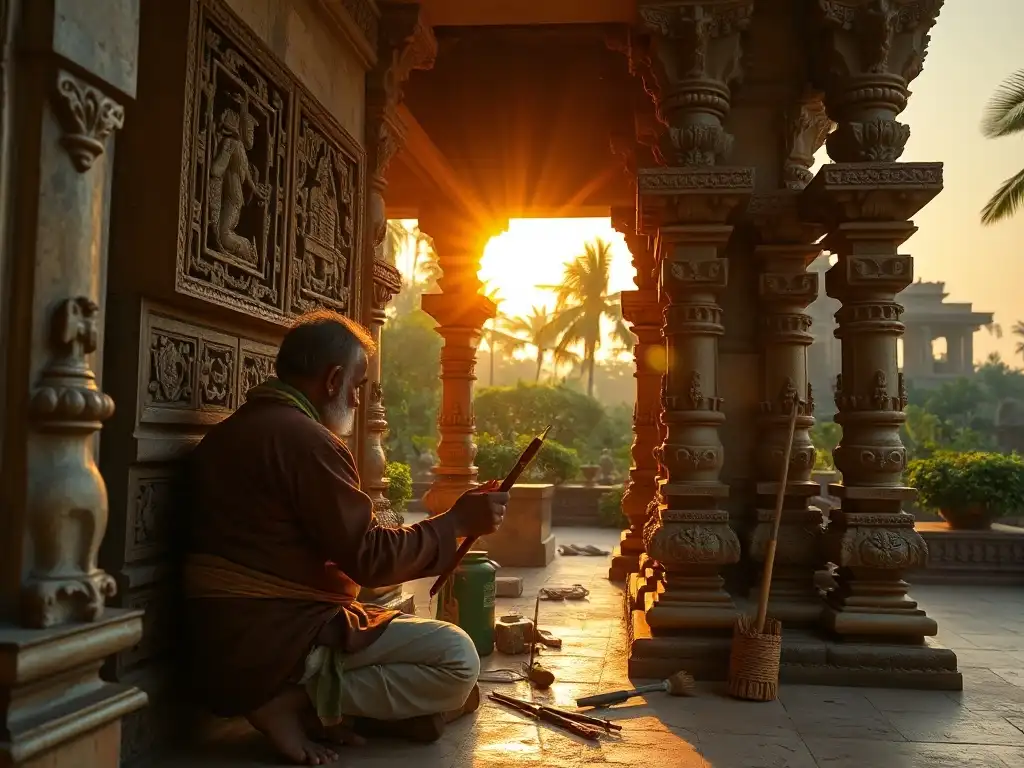
Preservation of ancient Indian architecture is a multifaceted endeavor that encompasses various strategies, initiatives, and collaborative efforts. Given the immense historical, cultural, and artistic value of these structures, numerous stakeholders are involved in the task of safeguarding them for future generations. The preservation efforts can be categorized into government initiatives, contributions from non-governmental organizations (NGOs), and active involvement from local communities. Each of these areas plays a crucial role in maintaining the integrity and significance of ancient architectural marvels.
Government Initiatives for Heritage Conservation
The Indian government has taken significant steps to ensure the preservation of ancient architecture through various policies and programs. The Archaeological Survey of India (ASI), established in 1861, is the primary agency responsible for archaeological research and the conservation of heritage sites. The ASI has been tasked with:
- Restoration Work: Conducting restoration projects to repair and maintain historical monuments, ensuring that their original architecture and aesthetics are preserved.
- Legal Framework: Implementing the Ancient Monuments and Archaeological Sites and Remains Act, which provides legal protection to heritage sites and regulates construction around them.
- Funding and Grants: Allocating funds for restoration projects and archaeological research, often in collaboration with state governments and international organizations.
In addition to these initiatives, the government also engages in public awareness campaigns to educate citizens about the importance of preserving ancient architecture, cultivating a sense of pride and responsibility towards heritage conservation.
Role of NGOs in Preservation Projects
Non-governmental organizations (NGOs) play a pivotal role in the preservation of ancient Indian architecture, often filling gaps that government initiatives may overlook. These organizations focus on advocacy, research, and community engagement to promote heritage conservation. Their contributions include:
- Awareness Programs: Conducting workshops, seminars, and educational programs to raise awareness about the significance of preserving architectural heritage.
- Research and Documentation: Undertaking detailed studies of ancient structures, documenting their history, architecture, and current condition. This research is vital for informed conservation practices.
- Restoration Projects: Partnering with local communities and government bodies to execute restoration projects, ensuring that traditional techniques and materials are utilized to maintain authenticity.
By collaborating with various stakeholders, NGOs foster a holistic approach to heritage preservation, ensuring that ancient architecture is not only protected but also appreciated by future generations.
Community Involvement in Heritage Preservation
Community involvement is crucial in the preservation of ancient Indian architecture, as local populations often possess intimate knowledge of the history and significance of these structures. Engaging communities can lead to:
- Local Stewardship: Empowering local communities to take ownership of heritage sites, encouraging them to participate in preservation activities and decision-making processes.
- Cultural Practices: Involving communities in traditional practices associated with these structures, which helps keep the cultural significance alive and fosters a sense of belonging.
- Economic Benefits: Highlighting the economic advantages of preserving heritage sites, such as increased tourism and job creation, which can motivate communities to engage in preservation efforts actively.
By fostering community involvement, preservation initiatives can be more sustainable, ensuring that the cultural and historical narrative of ancient architecture continues to thrive.
Case Studies of Successful Preservation Projects
Examining successful preservation projects provides valuable insights into effective strategies and methodologies. Two notable case studies exemplify successful preservation efforts in India: Hampi and the Khajuraho Temples.
Case Study 1: Hampi
Hampi, a UNESCO World Heritage Site, is renowned for its stunning ruins and intricate temples that date back to the Vijayanagara Empire. Preservation efforts in Hampi have included:
- Conservation Techniques: Employing traditional stone masonry techniques to restore crumbling structures, ensuring that the original craftsmanship is preserved.
- Community Engagement: Involving local communities in conservation efforts, including training programs for artisans and guides, fostering economic opportunities while safeguarding heritage.
- Sustainable Tourism: Implementing sustainable tourism practices that minimize environmental impact and promote awareness of Hampi's historical significance.
The successful preservation of Hampi demonstrates the importance of integrating local knowledge, traditional techniques, and sustainable practices in architectural conservation.
Case Study 2: Khajuraho Temples
The Khajuraho Temples, famous for their exquisite sculptures and intricate carvings, are another example of successful preservation. Key strategies implemented include:
- Restoration Projects: Systematic restoration of the temples, focusing on cleaning and preserving the intricate carvings without altering their original form.
- International Collaboration: Collaborating with international conservation experts to apply best practices in preservation while respecting the local cultural context.
- Cultural Programs: Organizing cultural festivals and activities around the temples to promote their significance and attract visitors, thereby generating funds for ongoing preservation efforts.
The Khajuraho Temples case underscores the effectiveness of collaboration and cultural engagement in heritage conservation.
Lessons Learned from Preservation Efforts
The preservation of ancient Indian architecture provides critical lessons that can enhance future conservation efforts. Some key takeaways include:
- Holistic Approaches: Successful preservation requires a comprehensive approach that integrates legal, financial, technical, and community aspects.
- Stakeholder Collaboration: Collaboration among government agencies, NGOs, communities, and international bodies is essential for pooling resources and expertise.
- Adaptive Management: Preservation strategies should be adaptable to changing conditions, emphasizing the need for ongoing research and monitoring to address emerging challenges.
By learning from past successes, stakeholders can develop more effective strategies for preserving the rich legacy of ancient Indian architecture.
Future of Ancient Indian Architecture Preservation
The future of ancient Indian architecture preservation is a multifaceted endeavor that requires a combination of innovative strategies, societal commitment, and a deep understanding of historical significance. As urbanization and modernization continue to encroach upon ancient structures, the preservation of these architectural marvels is paramount not just for cultural heritage but also for education and tourism. The trajectory of preservation efforts will increasingly rely on the integration of modern technology, community involvement, and sustainable practices that ensure these legacies are not just maintained but also appreciated and understood by future generations.
Technological Advances in Preservation Techniques
Technological advancements play a crucial role in the preservation of ancient Indian architecture. Techniques such as 3D scanning, digital modeling, and virtual reality provide unprecedented opportunities for documenting and restoring these sites. For instance, 3D laser scanning allows for precise measurements and the creation of detailed digital archives of structures, which can be invaluable for restoration projects. Additionally, the use of non-invasive materials and methods, such as nanotechnology in conservation, ensures that the integrity of the original materials is preserved while enhancing durability.
Furthermore, Geographic Information Systems (GIS) can facilitate better planning and management of heritage sites by mapping their surroundings, assessing risks, and developing strategies for conservation. These technologies not only aid in the physical preservation of architecture but also enhance public engagement by providing interactive experiences that educate visitors about the historical context and significance of these sites.
The Importance of Education and Awareness Campaigns
Education and awareness campaigns are vital for fostering a culture of preservation among the public. By integrating the history and significance of ancient Indian architecture into educational curricula at various levels, institutions can cultivate a sense of pride and responsibility towards heritage conservation. Workshops, seminars, and exhibitions can also serve as platforms to discuss the importance of preserving these structures, highlighting their architectural, cultural, and historical value.
Additionally, community engagement is crucial. Local communities often have a wealth of knowledge about the history and significance of their heritage that can be harnessed for preservation efforts. Awareness campaigns can encourage locals to participate in preservation initiatives, fostering a sense of ownership and stewardship of their shared heritage.
Collaborations Between Government and Private Sector
The collaboration between government bodies and the private sector can significantly enhance preservation efforts for ancient Indian architecture. Public-private partnerships can leverage resources, expertise, and funding, enabling more extensive and effective preservation projects. Government initiatives can provide the regulatory framework and support necessary for preservation, while private entities can contribute innovative solutions, funding, and management skills.
For example, corporate sponsorships can fund restoration projects and cultural events that promote awareness of architectural heritage. Furthermore, collaborative efforts can extend to international organizations, allowing for knowledge exchange and the implementation of best practices in preservation. Such partnerships can create a robust ecosystem that ensures the conservation of ancient structures is prioritized and adequately funded.
Conclusion: The Imperative of Preserving Ancient Indian Architecture
The preservation of ancient Indian architecture is not merely about maintaining physical structures; it is a commitment to safeguarding the narratives, traditions, and identities that these monuments encapsulate. As we move towards a future characterized by rapid change and development, it becomes increasingly imperative to prioritize these preservation efforts. By employing advanced technologies, promoting education and awareness, and fostering collaborations, we can ensure that the rich legacy of ancient Indian architecture endures for generations to come.
Summary of Key Points on Preservation Efforts
- Technological Integration: Utilizing modern technologies like 3D scanning and GIS for documentation and restoration.
- Educational Initiatives: Incorporating heritage education in schools and community programs to enhance public awareness and engagement.
- Collaborative Approaches: Forming partnerships between government and private sectors to pool resources and expertise for preservation projects.
Call to Action for Continued Preservation Initiatives
As stewards of this rich heritage, it is our collective responsibility to advocate for the continued preservation of ancient Indian architecture. Individuals, communities, and organizations must unite to support initiatives that protect and promote our architectural marvels. Whether through donations, volunteering, or simply spreading awareness, every effort counts. Let us commit to ensuring that the stories and beauty of our ancient architecture are preserved, celebrated, and passed on to future generations. 🌍🏛️
- Introduction to Ancient Indian Architecture
- Main Periods of Ancient Indian Architecture
- Key Features of Ancient Indian Architecture
- Challenges in Preserving Ancient Indian Architecture
- Efforts in Preservation of Ancient Indian Architecture
- Case Studies of Successful Preservation Projects
- Future of Ancient Indian Architecture Preservation
- Conclusion: The Imperative of Preserving Ancient Indian Architecture
Frequently Asked Questions
What is ancient Indian architecture?
Ancient Indian architecture refers to the design and construction styles developed in India from the Indus Valley Civilization to the Gupta Empire, showcasing religious and cultural significance.
Why is preservation of ancient Indian architecture important?
Preservation is crucial for maintaining cultural identity, understanding historical contexts, and promoting tourism, which can help sustain local economies.
What are some examples of ancient Indian architectural styles?
Key styles include Hindu temple architecture, Buddhist stupas, and Islamic structures, each reflecting the religious practices and artistic expressions of their time.
How can ancient Indian architecture be preserved today?
Modern preservation methods involve restoration projects, applying sustainable practices, and enhancing public awareness through education and cultural programs.
What role does technology play in preserving ancient Indian architecture?
Technology aids in documentation, restoration techniques, and monitoring structural integrity, ensuring that these historical sites remain intact for future generations.
Final Reflection: Preserving the Past for a Sustainable Future
The exploration of ancient Indian architecture preservation reveals not only the beauty and ingenuity of our historical structures but also their profound relevance in today's world. As we navigate an era marked by rapid urbanization and technological advancement, the lessons embedded in these architectural marvels remind us of the importance of sustainability and cultural identity. The preservation of these ancient sites is not merely an act of maintaining the past; it is a commitment to enriching our present and future.
The influence of ancient Indian architecture extends far beyond its physical structures; it shapes our cultural and social landscapes in ways that resonate deeply with our identities. These architectural wonders serve as a testament to the values, traditions, and innovations of our ancestors. They inspire a sense of belonging and continuity in an ever-changing world.
As Mahatma Gandhi once said, "> A nation's greatness is measured by how it treats its weakest members." This quote encapsulates the essence of preserving our heritage, as it reflects our responsibility to honor the past while ensuring that future generations can appreciate and learn from it.
As we conclude this exploration, I invite you to reflect on the significance of ancient Indian architecture in your own life. Consider how the principles of preservation can be integrated into your daily actions, whether through supporting local heritage initiatives or simply appreciating the historical narratives that surround us. Let us commit to being stewards of our cultural heritage, ensuring that the stories and wisdom of the past continue to inspire and guide us into a sustainable future. Together, we can honor our roots while building a legacy that respects and celebrates the richness of our shared history.
Preserve Our Heritage: Take Action Today!
Thank you for exploring the rich tapestry of ancient Indian architecture with us! By delving into this topic, you've taken a step toward understanding the importance of preserving our cultural legacy. Now, let’s transform that knowledge into meaningful action!
Here’s how you can make a difference:
- Join a local preservation group to help protect and maintain historical sites in your community.
- Organize or participate in educational workshops to raise awareness about the significance of ancient architecture.
- Share your insights by discussing this article with your friends and family—spread the word about the beauty of India's architectural heritage!
What aspect of ancient Indian architecture inspires you the most, and how do you plan to contribute to its preservation?