
From Art to Profit: Navigating the Market for Indian Handicrafts

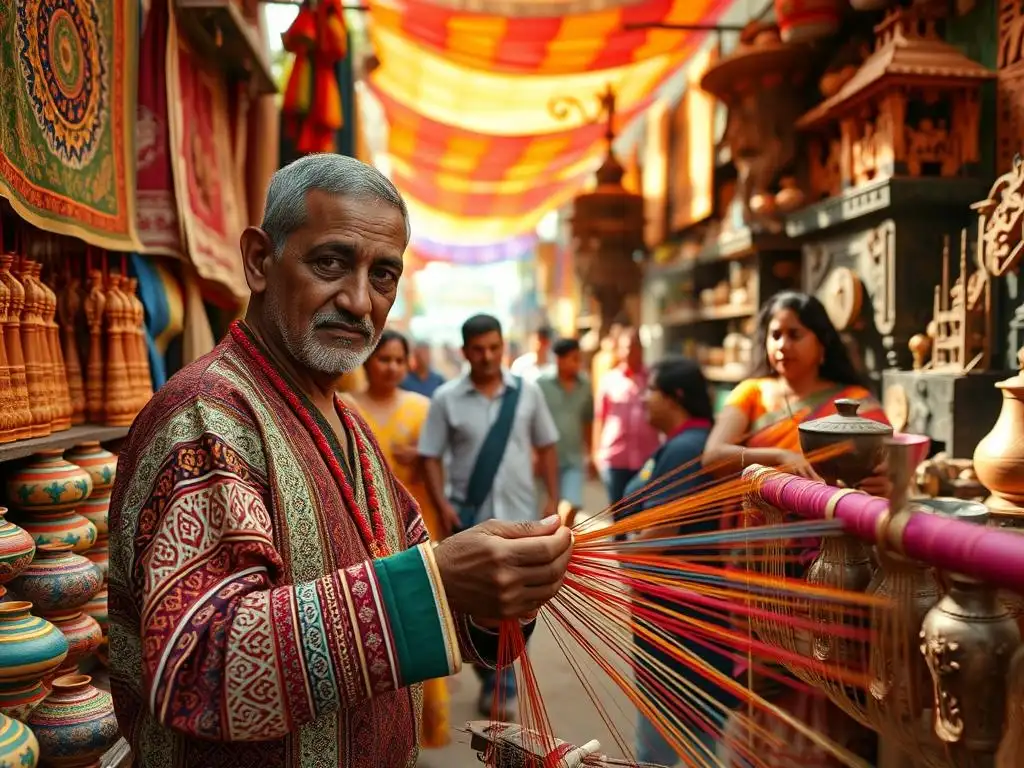
Welcome to Ancient India History, where we embark on a fascinating journey through the vibrant tapestry of India's past! Here, we delve into the rich and diverse history, culture, and contributions of ancient Indian civilizations, from the innovative Indus Valley to the illustrious Gupta Empire.
In our featured article, "From Art to Profit: Navigating the Market for Indian Handicrafts," we uncover the latest trends in the Indian handicrafts market that not only reflect the artistic legacy of this great nation but also offer lucrative opportunities for business and investment. Prepare to be inspired as we reveal the intricate connections between ancient artistry and modern commerce—continue reading to discover how you can engage with this timeless craft in today's market!
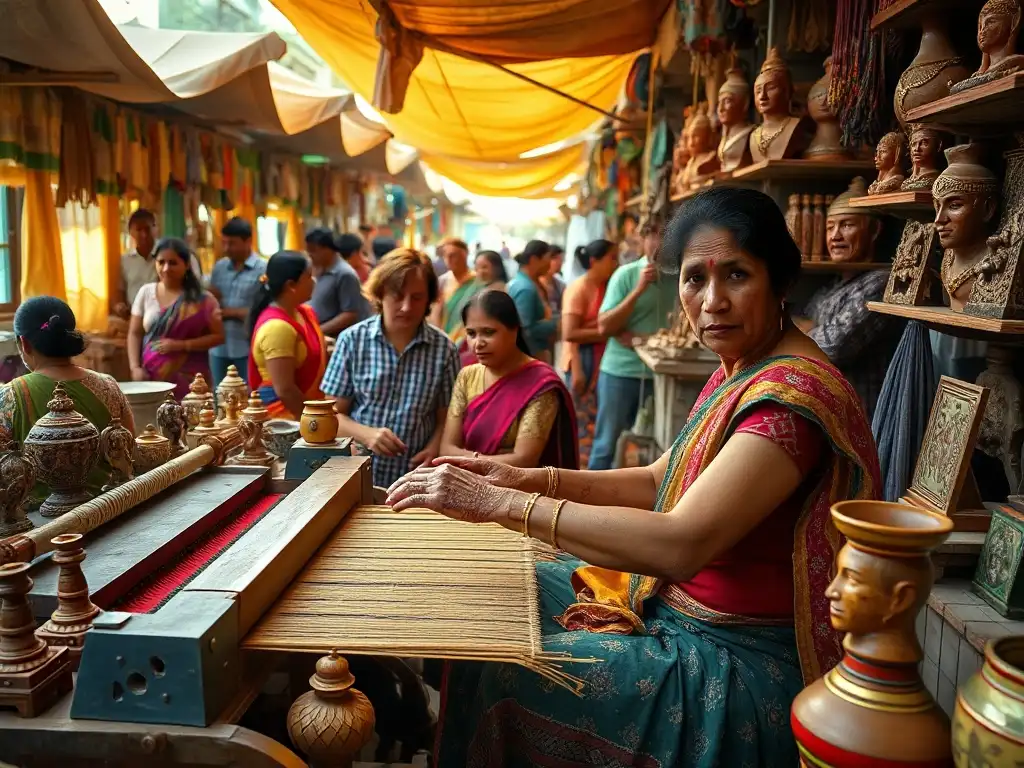
The Indian handicrafts market is a vibrant tapestry woven with threads of tradition, culture, and artistry. Spanning centuries, the rich heritage of Indian craftsmanship reflects the ingenuity and creativity of artisans from diverse regions. As globalization reshapes economies and consumer behaviors, understanding the current trends in the Indian handicrafts market has become crucial for stakeholders, including artisans, entrepreneurs, and investors.
This article will explore the intricacies of the Indian handicrafts market, highlighting the factors driving its growth and the significant cultural underpinnings that make these artisanal products valuable in both local and international markets. By examining these elements, we aim to provide insights into navigating the evolving landscape of the Indian handicrafts sector, ultimately shedding light on its potential for profit and sustainable development.
Understanding Indian Handicrafts Market Trends
Overview of the Indian Handicrafts Sector
The Indian handicrafts sector is a vital component of the country's economy, contributing approximately $3 billion to India’s exports annually. This sector encompasses a wide range of products, including textiles, pottery, metalwork, and woodcrafts, each reflecting the unique cultural heritage of its region. With over 7 million artisans engaged in handicraft production, this industry not only supports livelihoods but also preserves traditional skills and techniques passed down through generations.
Current Market Trends in Indian Handicrafts
Recent trends indicate a growing demand for Indian handicrafts in both domestic and international markets. Factors such as:
- Sustainability: Increasing consumer awareness about environmentally friendly products is driving demand for artisanal goods.
- E-commerce Growth: The rise of online marketplaces has made it easier for artisans to reach global customers, enhancing visibility and sales.
- Customization: Consumers are increasingly seeking personalized products, prompting artisans to innovate and adapt their offerings.
These trends underscore a significant shift towards valuing craftsmanship and the stories behind each product, presenting lucrative opportunities for artisans and businesses alike.
Impact of Globalization on Indian Handicrafts
Globalization has had a dual impact on the Indian handicrafts market. On one hand, it has opened up new markets and created opportunities for artisans to showcase their work on international platforms. On the other hand, it has posed challenges such as mass production and competition from cheaper imports. The emphasis on unique and sustainable products has, however, led to a resurgence in demand for authentic handicrafts, allowing artisans to carve out a niche in a competitive landscape.
Key Factors Driving the Indian Handicrafts Market
Cultural Significance of Handicrafts in India
Handicrafts in India are not merely products; they embody the cultural identity and social values of various communities. Each piece tells a story, providing insights into local traditions, rituals, and lifestyles. This cultural significance enhances the appeal of handicrafts, making them desirable not only as decorative items but also as symbols of heritage and craftsmanship.
Consumer Preferences and Demand for Artisanal Products
There has been a noticeable shift in consumer preferences towards artisanal products that offer authenticity and uniqueness. Modern consumers, particularly millennials and Gen Z, are gravitating towards products that reflect their values, including sustainability, ethical sourcing, and support for local artisans. This demand is fueling growth in the Indian handicrafts market, as consumers seek to connect with the stories and artisans behind the products they purchase.
Role of Government Initiatives in Promoting Handicrafts
The Indian government has recognized the potential of the handicrafts sector and has implemented various initiatives to support artisans and promote their products. Programs like "Handicrafts Mega Cluster Development Scheme" and "Market Development Assistance" aim to enhance artisans' skills, improve access to markets, and promote traditional crafts. These efforts not only empower artisans but also contribute to the overall growth of the handicrafts market, ensuring its sustainability for future generations.
Popular Categories in the Indian Handicrafts Market
The Indian handicrafts market is a vibrant tapestry of creativity, skill, and tradition, offering a diverse range of products that reflect the rich cultural heritage of the country. Each category showcases unique craftsmanship and artistry, appealing to both domestic and international consumers. Here are some of the most popular categories in the Indian handicrafts market:
Textiles and Apparel: A Textile Tradition
The textile industry in India is renowned for its intricate designs, vibrant colors, and diverse techniques that vary from region to region. From handwoven fabrics like khadi and ikat to embroidered textiles such as kantha and zardozi, the textile tradition is deeply embedded in Indian culture.
- Regional Specialties: Each state boasts its own unique textile heritage, with popular types including:
- Banarasi silk from Varanasi
- Kanjeevaram silk from Tamil Nadu
- Pashmina shawls from Kashmir
- Sustainable Practices: Many artisans are now adopting eco-friendly practices in textile production, sourcing organic materials and using natural dyes, appealing to environmentally conscious consumers.
The demand for Indian textiles continues to grow globally, driven by trends in sustainable fashion and a preference for artisanal products.
Wooden Crafts: The Art of Carving
Wooden crafts in India showcase exquisite craftsmanship, with artisans using traditional techniques to create intricate designs on various wooden items. This category includes furniture, decorative pieces, and functional items that reflect regional artistry.
- Types of Wooden Crafts:
- Carved Furniture: Items such as chairs, tables, and cabinets often feature elaborate carvings depicting local folklore and nature.
- Toys and Figurines: Many states, notably Rajasthan and Himachal Pradesh, produce colorful wooden toys and figurines that are popular among both children and collectors.
The uniqueness of wooden crafts lies in the use of local woods and traditional carving techniques passed down through generations, making each piece a work of art.
Pottery and Ceramics: Crafting with Clay
Pottery and ceramics are among the oldest crafts in India, with a rich history that dates back thousands of years. The craft involves shaping clay and firing it to create functional and decorative items.
- Traditional Techniques: Techniques such as wheel throwing and hand-building are commonly used. Each region has its own style, such as:
- Blue Pottery from Jaipur
- Terracotta from West Bengal
- Artistic Expression: Pottery not only serves practical purposes but also acts as a canvas for artistic expression, with intricate designs and vibrant glazes that reflect the local culture.
The revival of interest in handmade pottery has led to a resurgence in this category, with consumers seeking unique pieces for home décor.
Jewelry: Adorning with Tradition
Indian jewelry is a significant aspect of the country's cultural identity, known for its elaborate designs and craftsmanship. The jewelry market encompasses a variety of styles, from traditional gold and silver pieces to contemporary designs.
- Types of Jewelry:
- Traditional Gold Jewelry: Often worn during festivals and weddings, featuring intricate craftsmanship and gemstones.
- Silver Jewelry: Artisans in regions like Rajasthan create beautiful silver jewelry using techniques such as filigree and oxidization.
- Cultural Significance: Jewelry in India is not just an adornment; it carries cultural and historical significance, often passed down through generations as heirlooms.
With the rise of e-commerce, the Indian jewelry market is expanding, reaching customers worldwide who appreciate its craftsmanship and heritage.
Challenges in the Indian Handicrafts Market
While the Indian handicrafts market holds immense potential, it also faces several challenges that artisans and businesses must navigate to thrive in the competitive landscape.
Competition from Mass-Produced Goods
One of the significant challenges facing the Indian handicrafts market is the competition from mass-produced products. With the globalization of markets, consumers often have access to cheaper, machine-made alternatives that can undermine the viability of artisanal crafts.
- Perception of Value: Many consumers prioritize cost over craftsmanship, leading to a decline in demand for handmade products.
- Market Saturation: The influx of low-cost goods can saturate the market, making it difficult for artisans to compete on price without compromising quality.
Artisans must focus on marketing the unique value of their products, emphasizing the quality, craftsmanship, and cultural significance that mass-produced items lack.
Quality Control and Standardization Issues
Quality control is a critical issue in the handicrafts sector, as variations in craftsmanship can affect the overall perception of a product.
- Inconsistent Quality: Different artisans may produce items with varying levels of quality, which can impact customer satisfaction and brand reputation.
- Lack of Standardization: The absence of standardized practices across different regions and crafts can make it challenging for artisans to maintain consistent quality.
To address these issues, initiatives aimed at training artisans in quality standards and implementing certification programs can help elevate the overall quality of products in the market.
Access to Global Markets for Artisans
Despite the growing interest in Indian handicrafts, many artisans struggle to access global markets due to various barriers.
- Limited Marketing Knowledge: Many artisans lack the knowledge and resources to effectively market their products online and reach international consumers.
- Logistical Challenges: Exporting goods can be complicated by logistics, regulations, and inadequate infrastructure, making it difficult for small-scale artisans to penetrate international markets.
Addressing these challenges requires collaboration between government bodies, NGOs, and the private sector to provide artisans with the tools and support needed to succeed in a globalized market.
Strategies to Profit from Indian Handicrafts
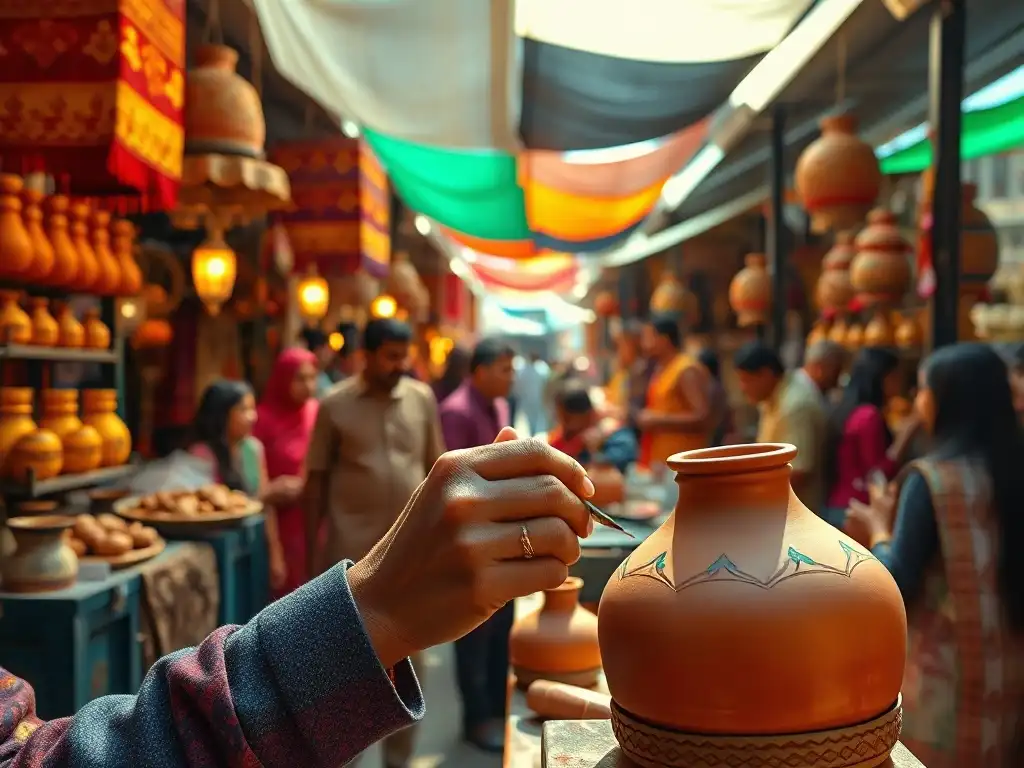
The Indian handicrafts market offers diverse opportunities for entrepreneurs looking to tap into the rich cultural heritage and craftsmanship of the country. To maximize profits, businesses must adopt various strategies that encompass branding, marketing, and collaboration with artisans. Here are key strategies that can lead to success in this vibrant market:
- Understanding Market Trends: Researching and analyzing current trends in consumer preferences can help businesses tailor their products effectively. This includes identifying popular styles, materials, and craftsmanship that resonate with modern consumers.
- Quality Control: Ensuring that products meet high-quality standards is crucial. This can enhance customer satisfaction and build brand loyalty, leading to repeat purchases and positive word-of-mouth.
- Diversification of Products: Offering a wide range of products, from traditional crafts to contemporary designs, can attract a broader customer base. This diversification can mitigate risks associated with changing market demands.
- Sustainable Practices: Emphasizing sustainability in production processes not only appeals to environmentally conscious consumers but also adds value to the products. This can include using eco-friendly materials and fair trade practices.
Building a Brand Around Artisanal Products
Creating a strong brand identity is essential for standing out in the competitive Indian handicrafts market. A well-defined brand can communicate the story, values, and craftsmanship behind the products, making them more appealing to consumers.
- Storytelling: Sharing the narrative behind each product or artisan can create an emotional connection with customers. This storytelling approach can reflect the cultural significance and the artisanal skill involved, enhancing the perceived value of the products.
- Visual Branding: Investing in visually appealing branding elements, such as logos, color palettes, and packaging, can significantly impact consumer perceptions. A distinctive visual identity can help in establishing brand recognition and loyalty.
- Certification and Authenticity: Obtaining certifications for traditional crafts or organic materials can help reinforce authenticity and quality. This adds credibility to the brand and assures customers of the craftsmanship involved.
Utilizing E-commerce Platforms for Market Reach
In today's digital age, leveraging e-commerce platforms is vital for reaching a wider audience. The online marketplace provides opportunities for artisans and businesses to sell their products beyond geographical boundaries.
- Platform Selection: Choosing the right e-commerce platforms is critical. Options like Amazon Handmade, Etsy, and local marketplaces can provide different advantages in terms of audience reach and ease of use.
- SEO Optimization: Implementing SEO strategies to optimize product listings can improve visibility on e-commerce platforms. Using relevant keywords, including "Indian handicrafts market trends," can attract more traffic to listings.
- Customer Engagement: Engaging with customers through reviews and feedback can enhance the online shopping experience. Prompt responses and addressing customer queries can lead to higher satisfaction and repeat business.
Collaborating with Local Artisans
Collaborating with local artisans is not only beneficial for businesses but also plays a significant role in preserving traditional crafts and supporting local economies.
- Skill Development Programs: Investing in training programs can help artisans enhance their skills and adapt to market demands. This can lead to improved product quality and innovation.
- Fair Trade Practices: Establishing fair trade practices ensures that artisans receive equitable compensation for their work. This not only fosters goodwill but also encourages artisans to continue their craft.
- Co-creating Products: Involving artisans in the product development process can lead to unique offerings that blend traditional techniques with contemporary designs. This collaboration can result in innovative products that cater to modern tastes.
Case Studies: Successful Brands in Indian Handicrafts
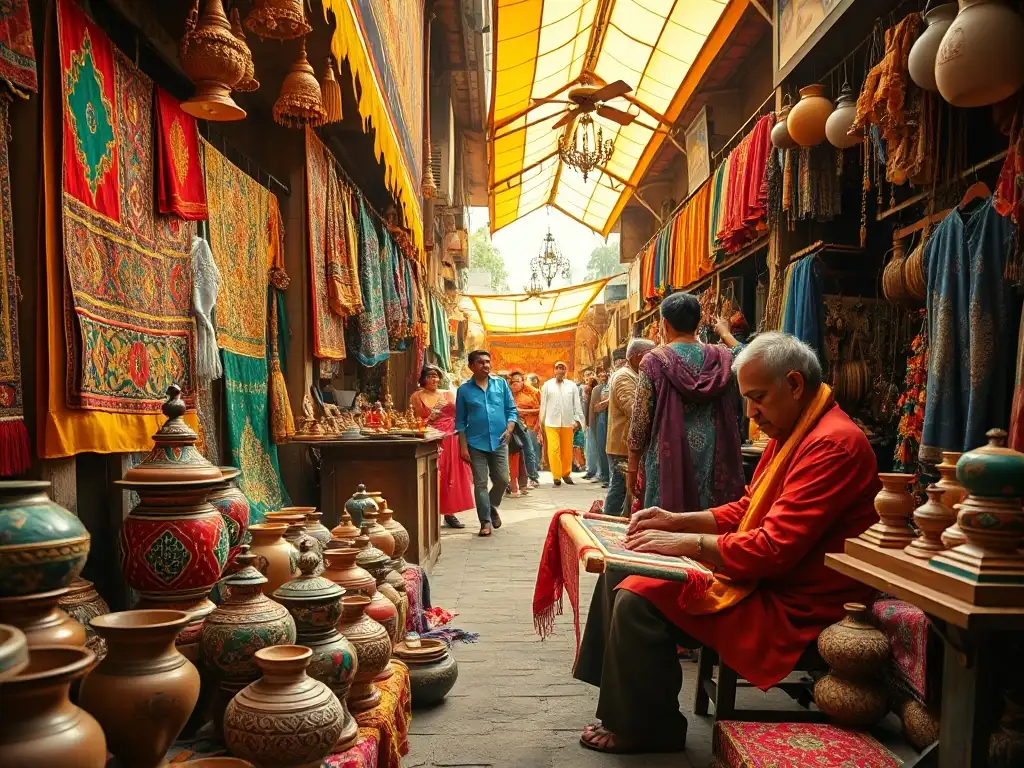
Examining successful brands in the Indian handicrafts sector can provide valuable insights into effective strategies and practices that lead to profitability.
Brand A: Transforming Tradition into Profit
Brand A has successfully integrated traditional craftsmanship with modern aesthetics to cater to a diverse customer base. By focusing on sustainable materials and ethical production practices, they have carved a niche in the market. Their emphasis on storytelling through marketing campaigns has resonated with consumers, leading to a strong brand loyalty that translates into consistent sales.
Brand B: Innovating with Heritage Craft
Brand B stands out by innovating traditional crafts to create contemporary products that appeal to younger demographics. By collaborating with local artisans and leveraging e-commerce platforms, they have expanded their reach significantly. Their active presence on social media has allowed them to engage with customers directly, fostering a community around their brand. This innovative approach has positioned them as a leader in the Indian handicrafts market, driving both awareness and profits.
Conclusion: Future Outlook of the Indian Handicrafts Market
The Indian handicrafts market is poised for substantial growth in the coming years, driven by a blend of cultural heritage, increasing global demand, and innovative marketing strategies. As consumers become more conscious of sustainability and ethical sourcing, Indian handicrafts, which often embody these values, are likely to gain prominence. The integration of technology in marketing and production processes presents an opportunity for artisans to reach wider audiences and enhance their profitability.
Moreover, the revival of traditional crafts, coupled with contemporary designs, is attracting younger demographics, thereby diversifying the consumer base. With a commitment to preserving craftsmanship while adapting to modern trends, the Indian handicrafts market stands at a promising juncture.
Predictions for Growth and Emerging Trends
- Digital Transformation: E-commerce platforms and social media are expected to further facilitate market access for artisans. This digital shift will enable them to showcase their products globally, driving sales and brand recognition.
- Sustainable Practices: As sustainability becomes a key consumer priority, we can anticipate a rise in demand for eco-friendly and ethically sourced handicrafts. Artisans who adopt sustainable practices will likely find a competitive edge.
- Customization and Personalization: With increasing consumer interest in unique and personalized products, artisans who offer bespoke services may see significant growth. Tailoring products to meet individual preferences will enhance customer satisfaction and loyalty.
- Collaborations and Partnerships: Collaborations between artisans and designers can lead to innovative product offerings that blend traditional techniques with modern aesthetics, appealing to a broader audience.
- Government Support and Policy Initiatives: The Indian government’s support for the handicrafts sector through various schemes and initiatives will contribute to the market's growth, facilitating access to financing, training, and resources for artisans.
Final Thoughts on Profiting from the Indian Handicrafts Market
Profiting from the Indian handicrafts market requires a strategic approach that combines an understanding of market trends with a genuine appreciation for the craftsmanship involved. Successful entrepreneurs will need to balance traditional skills with contemporary marketing techniques to create products that resonate with both local and global consumers. Embracing innovation while maintaining the essence of artisanal work will be key to capturing opportunities in this vibrant marketplace. As the demand for unique, hand-crafted items continues to rise, those who navigate this landscape with creativity and foresight will likely thrive.
Call to Action: Explore and Invest in Indian Handicrafts
The Indian handicrafts market offers a wealth of opportunities for entrepreneurs and investors alike. By immersing yourself in this sector, you can not only contribute to the preservation of traditional crafts but also tap into a growing market that values authenticity and artistry. Whether you are looking to start your own business or invest in existing artisanal ventures, now is the time to engage with this rich cultural heritage.
Resources for Entrepreneurs and Investors
- Government Initiatives: Familiarize yourself with various government programs aimed at supporting artisans and promoting handicrafts, such as the "Product Development and Marketing Scheme" and "Market Development Assistance."
- Trade Shows and Exhibitions: Attend trade fairs like the "Indian Handicrafts and Gifts Fair" to connect with artisans, suppliers, and potential customers while gaining insights into market trends.
- Online Platforms: Utilize platforms like Craftsvilla and Etsy to explore market dynamics and better understand consumer preferences.
- Networking Groups: Join associations and organizations that focus on handicrafts, such as the "All India Handicrafts Association," to network and gain knowledge from industry veterans.
Recommended Products and Services for Starting Your Journey
- Artisan Collaborations: Consider partnering with local artisans to create unique products that reflect both traditional craftsmanship and modern design.
- E-commerce Solutions: Invest in user-friendly e-commerce platforms to facilitate online sales, ensuring that your products reach a global audience.
- Marketing Services: Engage marketing professionals specializing in handicrafts to help promote your brand effectively across various channels.
- Sustainable Materials: Source materials that are eco-friendly and ethically produced to appeal to the increasingly conscious consumer market.
By taking these steps, you can establish a thriving business within the Indian handicrafts market, contributing to the preservation of its rich cultural heritage while also reaping the benefits of its growth.
- Understanding Indian Handicrafts Market Trends
- Key Factors Driving the Indian Handicrafts Market
- Popular Categories in the Indian Handicrafts Market
- Challenges in the Indian Handicrafts Market
- Strategies to Profit from Indian Handicrafts
- Building a Brand Around Artisanal Products
- Utilizing E-commerce Platforms for Market Reach
- Collaborating with Local Artisans
- Case Studies: Successful Brands in Indian Handicrafts
- Conclusion: Future Outlook of the Indian Handicrafts Market
- Call to Action: Explore and Invest in Indian Handicrafts
- What are the current trends in the Indian handicrafts market?
- How can handicrafts contribute to the Indian economy?
- What are the key challenges faced by artisans in the handicrafts sector?
- How important is cultural heritage in the Indian handicrafts market?
- What role does technology play in the handicrafts market?
Frequently Asked Questions
What are the current trends in the Indian handicrafts market?
The Indian handicrafts market is witnessing a shift towards sustainable practices, with consumers increasingly valuing eco-friendly products and traditional craftsmanship.
How can handicrafts contribute to the Indian economy?
Handicrafts play a vital role in the Indian economy by providing employment opportunities for artisans and generating significant exports, promoting local craftsmanship on a global scale.
What are the key challenges faced by artisans in the handicrafts sector?
Artisans face several challenges, including lack of access to modern marketing platforms, insufficient financial support, and competition from mass-produced items.
How important is cultural heritage in the Indian handicrafts market?
Cultural heritage is crucial as it not only influences the design and production of handicrafts but also attracts tourists and collectors, enhancing the market's value.
What role does technology play in the handicrafts market?
Technology facilitates better marketing, enables artisans to reach a wider audience through e-commerce, and helps in preserving traditional techniques through digital documentation.
Final Reflection: Embracing the Soul of Indian Handicrafts in a Modern Market
**The journey through the Indian handicrafts market reveals a profound truth: **the intersection of tradition and commerce is not merely a transaction, but a celebration of culture and identity. As we navigate the complexities of market trends today, it becomes increasingly clear that understanding and valuing the artistry behind these crafts is essential. The resurgence of interest in sustainable and ethically sourced products highlights the importance of preserving our heritage while adapting to contemporary consumer demands.
Cultural appreciation and economic empowerment are intricately linked in the realm of Indian handicrafts. The ongoing influence of these crafts extends beyond mere aesthetics; it fosters community, supports artisans, and revives age-old techniques that might otherwise fade into obscurity. As Mahatma Gandhi once said, “The best way to find yourself is to lose yourself in the service of others.” This sentiment resonates deeply within the handicrafts sector, where each piece tells a story and contributes to the livelihoods of countless artisans.
As we reflect on the lessons learned from the evolving landscape of the Indian handicrafts market, I invite you to consider your role in this narrative. How can you support the artisans and the traditions they represent? Whether through conscious purchasing decisions or sharing knowledge about the significance of these crafts, your actions can make a difference. Let us embrace the beauty of Indian handicrafts, not just as products, but as a vital connection to our cultural heritage and a means to uplift communities. Together, we can ensure that these treasures continue to thrive in the modern world.
Empower Your Craft: Transform Passion into Profit!
Thank you for immersing yourself in the vibrant world of Indian handicrafts! Your curiosity and interest in this rich heritage can lead to exciting opportunities. As you explore the potential of these unique creations, consider taking action today to turn your passion into profit.
Here are a few steps you can take right now:
- Start a local craft fair or online showcase for your own or community handicrafts to connect with buyers and promote cultural artistry.
- Share your journey on social media—use relevant hashtags to spark interest and build a supportive community.
- Explore collaborations with artisans to uncover unique stories behind the crafts, enhancing your marketing approach.
What unique steps will you take to share the beauty of Indian handicrafts with the world? Let's discuss in the comments!