
The Historical Roots of the Kumbh Mela: A Gathering of Faith

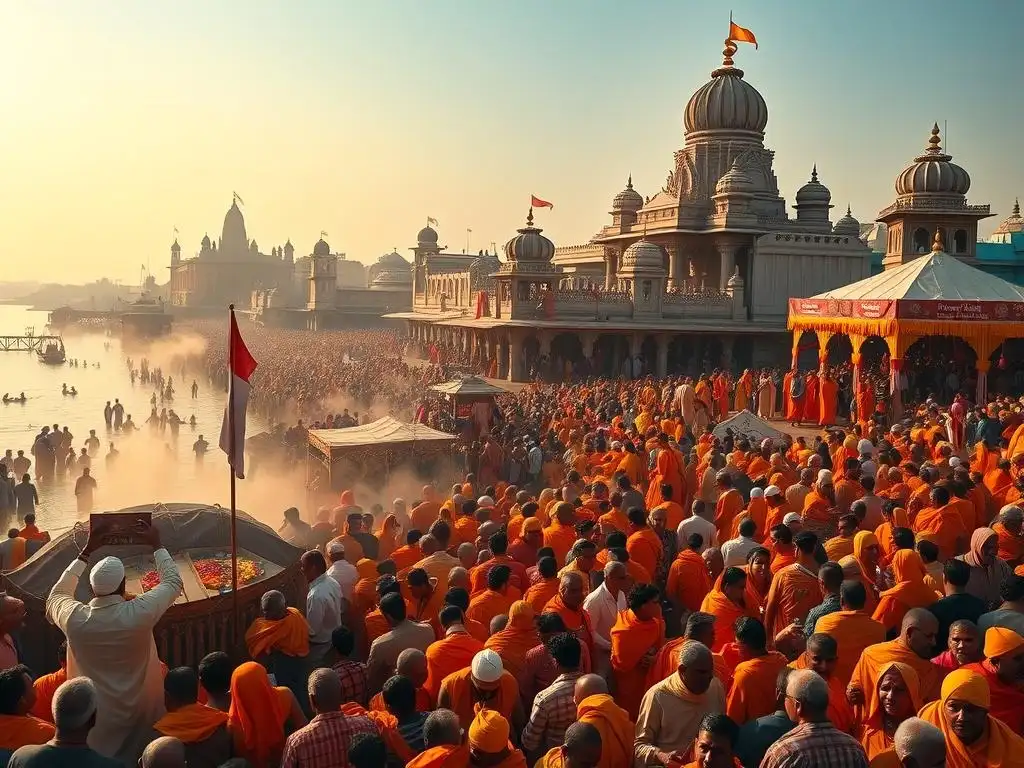
Welcome to Ancient India History, where we embark on a captivating journey through time, exploring the rich tapestry of ancient Indian civilizations. In this corner of our site, we delve into the historical significance of the Kumbh Mela, one of the world's largest religious gatherings steeped in tradition and spirituality. What makes this festival not just a celebration, but a profound testament to faith and cultural heritage?
Join us as we uncover the layers of history that surround this extraordinary event, revealing stories that have shaped the very foundation of Indian society. Prepare to be intrigued and inspired as you explore the depths of ancient traditions that continue to resonate today!
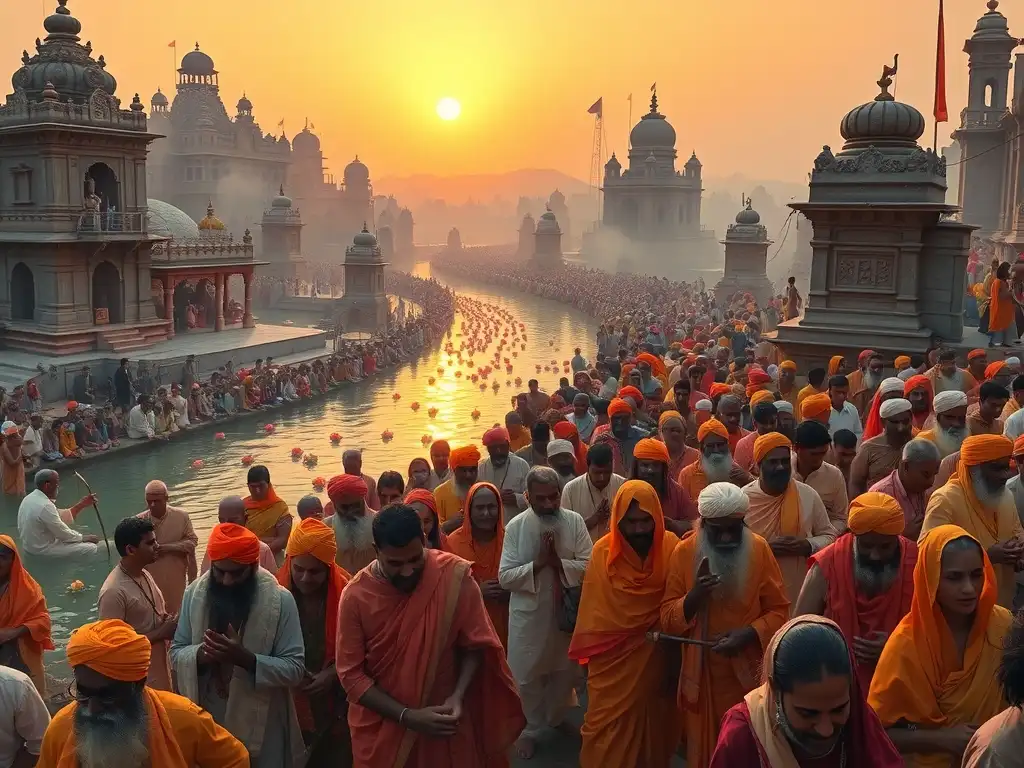
The Kumbh Mela is not merely a religious event; it is a vibrant tapestry woven from the threads of ancient Indian history, culture, and spirituality. Celebrated at auspicious intervals, this grand gathering attracts millions of devotees from across the globe, who converge to participate in sacred rituals and seek spiritual rejuvenation along the banks of holy rivers.
Understanding the Kumbh Mela historical significance involves delving into its multifaceted origins and the profound impact it has had on the spiritual and cultural landscape of ancient India. This article aims to explore the historical roots of the Kumbh Mela, shedding light on its importance in ancient Indian society and the rich traditions that continue to flourish today.
Introduction to Kumbh Mela
Overview of the Kumbh Mela
The Kumbh Mela is one of the largest religious gatherings in the world, held every three years at one of four sacred locations: Haridwar, Prayagraj (formerly Allahabad), Nashik, and Ujjain. Each site hosts the festival in a cycle that aligns with specific astrological positions of the sun, moon, and Jupiter. This festival is steeped in rituals, including the ceremonial bathing in holy waters, which is believed to cleanse sins and promote spiritual liberation.
- Key Features of Kumbh Mela:
- Duration: Lasts for several weeks, with the most auspicious days attracting millions.
- Rituals: Includes bathing, prayers, and offerings to deities.
- Cultural Significance: A melting pot of spirituality, culture, and tradition.
Importance of Kumbh Mela in Ancient India
The Kumbh Mela holds a central place in the spiritual and cultural heritage of India. Its significance extends beyond mere ritual; it symbolizes the unity of diverse cultures and faiths that have coexisted throughout India's history. The festival not only serves as a spiritual pilgrimage for devotees but also as a platform for cultural exchange, social interaction, and community bonding.
- Cultural Impact:
- Unity in Diversity: Brings together people from various backgrounds.
- Promotion of Peace: Encourages communal harmony and spiritual dialogue.
- Economic Benefits: Boosts local economies through tourism and trade.
The Origins of Kumbh Mela
Ancient Texts and References to Kumbh Mela
The roots of Kumbh Mela can be traced back to ancient texts, including the Puranas, where it is mentioned in the context of the amrit manthan (churning of the ocean) myth. This event is believed to have led to the emergence of the nectar of immortality (amrita), which was fought over by the gods and demons. The drops of this nectar are said to have fallen at the four Kumbh Mela sites, thus sanctifying them.
- Relevant Texts:
- Mahabharata: Describes the significance of sacred rivers.
- Skanda Purana: Mentions the Kumbh Mela and its spiritual significance.
Historical Accounts of Early Celebrations
Historical accounts from various eras provide insight into the early celebrations of the Kumbh Mela. From the Mauryan Empire to the Gupta period, records suggest that this gathering was not only a religious event but also a significant socio-political occasion. Rulers and scholars often attended, highlighting the festival's importance in ancient society.
- Notable Historical References:
- Travelogues: Accounts by travelers like Xuanzang and Ibn Battuta who documented the scale and significance of the festival.
- Archaeological Evidence: Findings at Kumbh Mela sites that date back centuries, showcasing the continuity of tradition.
Through these explorations, the Kumbh Mela emerges as a festival deeply rooted in the historical and cultural fabric of ancient India, embodying the essence of faith, unity, and tradition.
Kumbh Mela in Ancient Scriptures
The Kumbh Mela, one of the largest religious gatherings in the world, finds its roots deeply embedded in ancient Indian scriptures. These texts not only document the festival's significance but also serve as a foundation for the beliefs and rituals associated with it. The festival is mentioned in various ancient scriptures, highlighting its importance in Hindu culture and spirituality.
The Role of Hindu Scriptures in Shaping Kumbh Mela
Hindu scriptures such as the Vedas, Puranas, and epics like the Mahabharata and Ramayana play a crucial role in shaping the narrative and significance of the Kumbh Mela. The Rigveda, one of the oldest texts, emphasizes the importance of water and purification rituals, which are central themes during the Kumbh Mela. The Puranas elaborate on the mythical origins of the festival, detailing the cosmic events that led to the gathering of pilgrims at sacred rivers.
Moreover, the Mahabharata recounts the tale of the divine nectar (amrita) that emerged during the churning of the ocean, which is intricately linked to the Kumbh Mela. These scriptures not only provide religious legitimacy to the festival but also guide the rituals and pilgrimage practices observed during the event.
Mythological Narratives Associated with Kumbh Mela
The mythological narratives surrounding the Kumbh Mela are rich and varied, offering multiple layers of meaning. A prominent story involves the churning of the ocean, where the gods and demons collaborated to obtain the nectar of immortality. During this cosmic event, drops of nectar fell at four sacred locations: Haridwar, Allahabad, Nashik, and Ujjain, which are now the sites of the Kumbh Mela.
These locations are believed to be imbued with divine energy, making them sacred spaces for devotees seeking purification and spiritual renewal. The narratives serve not only to explain the festival's origins but also to reinforce the belief that participating in the Kumbh Mela grants devotees the opportunity to wash away their sins and attain moksha, or liberation from the cycle of rebirth.
Evolution of Kumbh Mela through the Ages
The Kumbh Mela has undergone significant transformations throughout history, evolving from a ritualistic gathering in ancient times to a grand festival that attracts millions of pilgrims today. This evolution has been influenced by changing socio-political contexts, theological developments, and cultural shifts within Indian society.
Kumbh Mela in the Vedic Period
During the Vedic period, the Kumbh Mela was primarily a ritualistic event associated with water and purification. The rituals were simpler and focused on the performance of yajnas (sacrificial rites) by priests, emphasizing the significance of water as a purifying element. The assembly of devotees was less organized, with gatherings occurring sporadically at sacred rivers during auspicious times determined by astrological alignments.
The emphasis during this period was on individual purification and spiritual practices, with less focus on communal celebration. However, the seeds of what would later become the Kumbh Mela were sown in these early traditions of pilgrimage and ritual cleansing.
Changes in Kumbh Mela Celebrations during the Gupta Era
The Gupta Era, often referred to as the Golden Age of India, brought about significant changes in the celebrations of the Kumbh Mela. This period saw the formalization of the festival, with a clearer structure and increased participation from various segments of society. The Gupta rulers, who were patrons of Hinduism, contributed to the promotion of religious practices, including the Kumbh Mela.
During this time, the festival began to attract not only local pilgrims but also devotees from distant regions, marking the beginning of its evolution into a large-scale gathering. Temples were constructed at the sacred sites, and elaborate rituals were introduced, enhancing the spiritual atmosphere of the festival. The Gupta period also saw the incorporation of diverse cultural elements, enriching the Kumbh Mela's traditions and rituals, and laying the groundwork for its future significance in Indian culture.
The Cultural Significance of Kumbh Mela
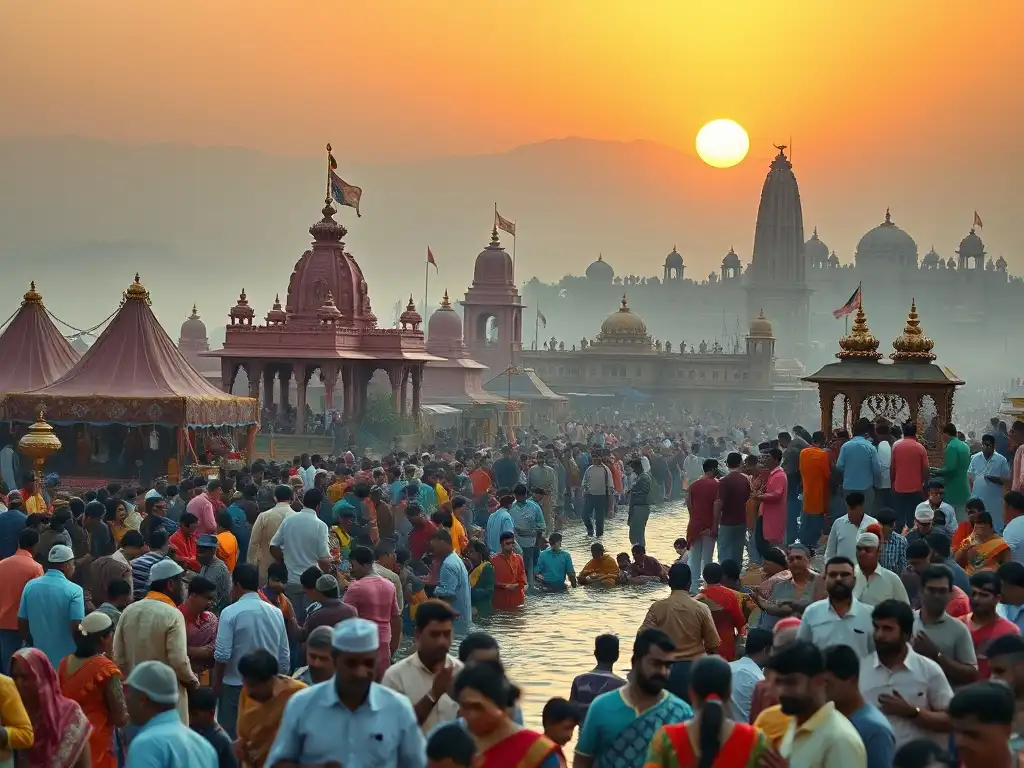
The Kumbh Mela is not merely a religious gathering; it embodies a rich tapestry of cultural traditions that have evolved over centuries. As one of the largest and most significant festivals in the world, it attracts millions of pilgrims and tourists alike, creating a vibrant confluence of faith, culture, and social interaction. The festival showcases the diverse heritage of India, highlighting various regional customs, artistic expressions, and communal harmony.
The historical roots of Kumbh Mela can be traced back to ancient texts, which refer to it as a time of spiritual renewal and collective consciousness. It represents an opportunity for people from different walks of life—irrespective of caste, creed, or social status—to come together and engage in a shared experience of devotion. The festival's significance lies in its ability to foster a sense of belonging and collective identity, which transcends individual differences.
Kumbh Mela as a Symbol of Unity and Faith
Kumbh Mela serves as a profound symbol of unity, reflecting the essence of Indian spirituality. Pilgrims from diverse backgrounds, including different regional, linguistic, and cultural groups, converge at sacred rivers for this momentous event. This gathering is a testament to the belief that faith can bridge divides and create a sense of community amongst participants.
Moreover, the festival underscores the concept of "Dharma," or righteous duty, which encourages individuals to seek spiritual growth and share their experiences with others. The idea that a simple act of participation in the Kumbh Mela can lead to profound spiritual benefits reinforces the sense of collective faith and purpose among attendees. The event, through its sheer scale and diversity, epitomizes the unity that lies at the heart of Indian culture, making it a significant landmark in the history of religious gatherings.
The Diversity of Rituals and Practices at Kumbh Mela
The Kumbh Mela is characterized by a multitude of rituals and practices, each with its unique significance and cultural background. From the sacred baths in the holy rivers to the elaborate ceremonies conducted by priests, these rituals reflect the rich diversity of Indian spirituality.
- Sacred Bathing: The most pivotal ritual is the act of bathing in the sacred rivers, believed to cleanse the soul of sins and facilitate spiritual liberation.
- Yoga and Meditation: Many participants engage in yoga and meditation sessions led by spiritual leaders, emphasizing inner peace and connection with the divine.
- Processions and Celebrations: Colorful processions, featuring ascetics and saints, create an atmosphere of festivity and reverence, showcasing traditional music, dance, and art forms.
This diversity not only enriches the experience of the Kumbh Mela but also illustrates the myriad ways in which spirituality manifests across different communities within India. The rituals, steeped in history and tradition, serve as a living testament to the enduring legacy of ancient Indian civilization.
Kumbh Mela and Its Spiritual Implications
The Kumbh Mela has profound spiritual implications that extend beyond the immediate experience of the festival. It is a time for reflection, renewal, and connection with the divine, inviting participants to engage in a deeper understanding of their spiritual journey.
The Concept of Purification in Kumbh Mela
At the heart of the Kumbh Mela lies the concept of purification. The act of bathing in the holy waters is believed to wash away not only physical impurities but also spiritual burdens accumulated over time. This ritual symbolizes rebirth and renewal, enabling individuals to shed their past and embrace a more enlightened existence.
The notion of purification is deeply rooted in Hindu philosophy, which views the body as a temple that requires cleansing to achieve spiritual enlightenment. This belief system is echoed in various ancient texts, including the Vedas and the Puranas, which highlight the significance of ritualistic purification in attaining moksha, or liberation from the cycle of birth and death.
Spiritual Leaders and Their Influence on Kumbh Mela
Spiritual leaders and gurus play a pivotal role in shaping the Kumbh Mela experience. Their teachings and philosophies guide the spiritual practices observed during the festival. Renowned saints and ascetics often lead large groups of followers, imparting wisdom and facilitating rituals that enhance the spiritual atmosphere.
These leaders often have vast followings and are revered for their knowledge and spiritual prowess. Their presence at the Kumbh Mela not only draws larger crowds but also reinforces the festival's significance as a melting pot of spiritual wisdom. The teachings shared during this time often emphasize themes of love, compassion, and unity, resonating deeply with attendees and leaving a lasting impact on their spiritual journeys.
The Kumbh Mela is a multifaceted celebration that encapsulates the essence of ancient Indian spirituality, cultural diversity, and communal harmony, making it a unique phenomenon in the historical landscape of festivals.
Modern-Day Kumbh Mela: Continuity and Change
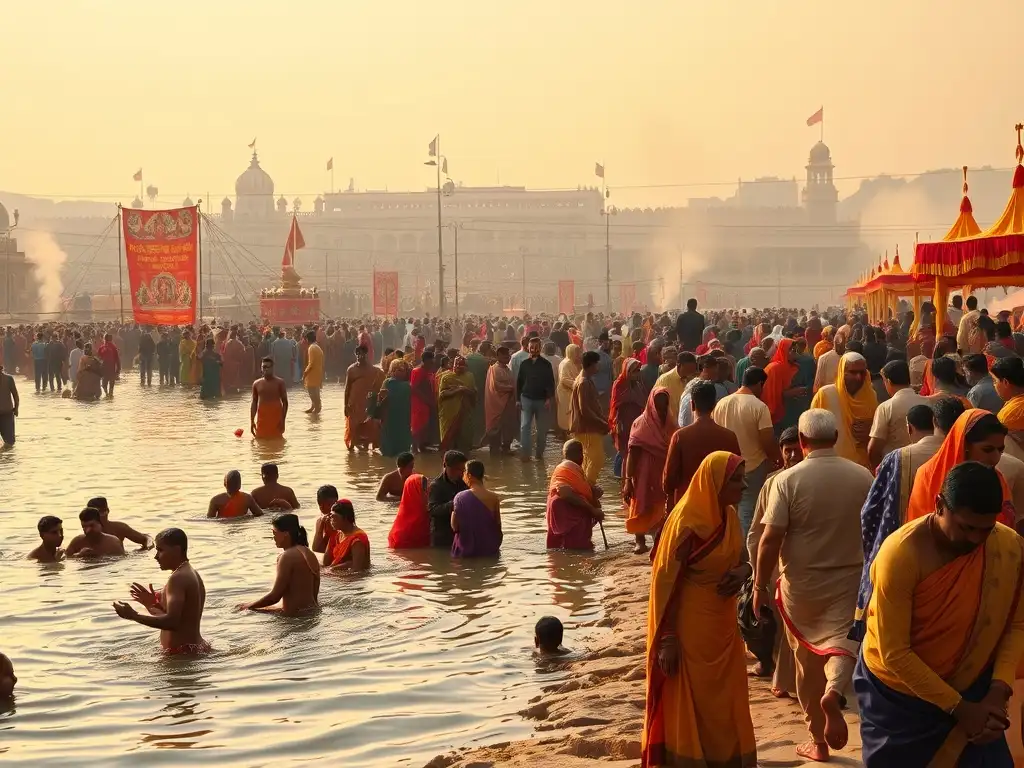
The Kumbh Mela, one of the largest religious gatherings in the world, has evolved significantly over the years while retaining its core spiritual essence. This festival sees millions of devotees converge to partake in ritual bathing at sacred rivers, believed to cleanse sins and confer spiritual merit. Despite the rapid changes in society, the Kumbh Mela continues to reflect the enduring traditions of ancient Indian culture while adapting to contemporary influences.
As the festival takes place every twelve years at four designated locations—Haridwar, Prayagraj, Ujjain, and Nashik—it showcases a blend of ancient practices and modern developments. The logistics of managing such a vast influx of people have transformed with advancements in technology and infrastructure, enhancing the overall experience for attendees. Yet, the fundamental rituals and beliefs surrounding the Kumbh Mela remain deeply rooted in its historical origins.
Contemporary Practices Rooted in Historical Traditions
Many contemporary practices during the Kumbh Mela draw directly from ancient traditions, ensuring that the festival retains its historical significance. Ritual bathing, or "snan," is central to the event, symbolizing purification and renewal. Devotees follow age-old customs, often guided by spiritual leaders who impart wisdom passed down through generations.
In addition to bathing, the Kumbh Mela features vibrant processions of sadhus (holy men), who are revered for their ascetic lifestyles. Their presence at the festival harks back to the ancient traditions of seeking spiritual enlightenment and sharing knowledge. The gathering also includes discourses on spirituality and philosophy, echoing the intellectual pursuits of ancient Indian scholars.
Moreover, traditional music, dance, and art forms are integral to the celebrations, representing a rich cultural heritage that has been preserved over centuries. These performances not only entertain but also educate attendees about the historical narratives and religious teachings associated with the Kumbh Mela.
The Influence of Modernity on Kumbh Mela Celebrations
While the Kumbh Mela remains anchored in its historical roots, modernity has undoubtedly influenced its celebrations. The integration of technology has revolutionized the way the festival is organized and experienced. Online registration systems, real-time crowd monitoring, and enhanced sanitation facilities illustrate how contemporary practices have improved the management of this colossal event.
Social media platforms serve as vital tools for disseminating information, sharing experiences, and fostering community connections among participants, transcending geographical barriers. The presence of live broadcasts and digital documentation has allowed a global audience to witness the Kumbh Mela, further expanding its reach and cultural impact.
However, this modernization raises questions about the preservation of traditional values. Striking a balance between embracing new technologies and maintaining spiritual authenticity is crucial for the festival’s future. The challenge lies in ensuring that while the Kumbh Mela adapts to modern sensibilities, it does not lose sight of its profound historical significance.
Conclusion: The Enduring Legacy of Kumbh Mela
The Kumbh Mela stands as a testament to the rich historical tapestry of ancient India, embodying the nation's spiritual, cultural, and social ethos. As the festival evolves, it serves as a vital link between the past and present, showcasing the resilience of traditions amidst changing times.
Reflecting on the Historical Significance of Kumbh Mela
The historical significance of the Kumbh Mela cannot be overstated. It is not merely a religious festival; it is a celebration of unity, faith, and cultural diversity. The gathering of millions from varying backgrounds underscores the social fabric of India, where communal harmony is fostered through shared beliefs and practices.
Historically, the Kumbh Mela has played a crucial role in shaping India's spiritual landscape. It has been a platform for philosophical discourse, a space for spiritual seekers, and a venue for the exchange of ideas and cultural expressions. This festival encapsulates the essence of ancient Indian civilization, reflecting its values and beliefs that continue to resonate today.
Future of Kumbh Mela in Preserving Ancient Traditions
Looking ahead, the future of the Kumbh Mela hinges on its ability to preserve ancient traditions while adapting to the evolving needs of society. As globalization increases and cultural exchanges become more frequent, it is vital for the custodians of the Kumbh Mela to remain vigilant in safeguarding its historical practices.
Engaging the younger generation through educational initiatives can ensure that the festival's rich heritage is not lost. By fostering a deeper understanding of its significance, the Kumbh Mela can continue to thrive as a vital cultural institution. As it navigates the complexities of modernity, the Kumbh Mela's enduring legacy will depend on its commitment to honoring its past while responsibly embracing the future.
References
The Kumbh Mela, celebrated at the confluence of sacred rivers, is a profound festival in the Hindu tradition, symbolizing faith, spirituality, and the quest for liberation. Understanding its historical significance involves delving into key texts and resources that illuminate its origins, practices, and cultural impact over centuries.
Key Texts and Resources on Kumbh Mela Historical Significance
- Puranas: Ancient Indian texts like the Skanda Purana and Padma Purana provide foundational narratives related to the Kumbh Mela. These texts describe the mythological origins of the festival, emphasizing the significance of the sacred waters and the rituals performed during the gathering.
- Historical Accounts: Writings by historians and travelers such as Hiuen Tsang and Alberuni offer insights into the Kumbh Mela during ancient times. Their observations highlight the scale of the gathering and its importance as a pilgrimage site, reflecting the deep-rooted spiritual traditions of the time.
- Archaeological Studies: Research conducted at sites associated with the Kumbh Mela, such as Haridwar and Prayagraj, reveals artifacts and inscriptions that trace the historical evolution of the festival. These studies provide evidence of how the festival has persisted and transformed over millennia.
- Modern Analyses: Contemporary scholars like M. N. Srinivas and N. K. Dutta have explored the sociological and anthropological aspects of the Kumbh Mela, examining its role in modern society. Their works analyze how the festival continues to serve as a site of communal identity and cultural continuity.
Further Reading on Ancient Indian Festivals and Traditions
- "The Festivals of India" by R. C. Dhere: This book provides an overview of various Indian festivals, including the Kumbh Mela, detailing their historical contexts and cultural practices.
- "Rituals and Festivals in Ancient India" by R. N. Sharma: A comprehensive examination of the rituals associated with ancient Indian festivals, exploring their origins and significance in the context of Indian civilization.
- "Hindu Festivals: Their Significance and Celebrations" by A. K. Mehta: This resource delves into the broader spectrum of Hindu festivals, including the Kumbh Mela, and discusses their spiritual, social, and cultural dimensions.
- Research Articles and Journals: Academic journals such as the Indian Journal of History and Cultural Studies Review often publish articles focusing on the historical and cultural aspects of Indian festivals, providing valuable insights into the Kumbh Mela within the scope of ancient traditions.
These texts and resources serve as essential tools for understanding the historical significance of the Kumbh Mela and its enduring legacy within the tapestry of ancient Indian festivals.
- Introduction to Kumbh Mela
- The Origins of Kumbh Mela
- Kumbh Mela in Ancient Scriptures
- Evolution of Kumbh Mela through the Ages
- The Cultural Significance of Kumbh Mela
- Kumbh Mela as a Symbol of Unity and Faith
- The Diversity of Rituals and Practices at Kumbh Mela
- Kumbh Mela and Its Spiritual Implications
- Modern-Day Kumbh Mela: Continuity and Change
- Conclusion: The Enduring Legacy of Kumbh Mela
- References
Frequently Asked Questions
What is the Kumbh Mela?
The Kumbh Mela is a significant religious festival in India, celebrated by millions of Hindus. It involves ritual bathing in sacred rivers, believed to cleanse sins and promote spiritual renewal.
What is the historical significance of the Kumbh Mela?
The historical significance of the Kumbh Mela lies in its roots in ancient texts and traditions, connecting it to the mythological event of the churning of the ocean where divine nectar was found.
How often is the Kumbh Mela held?
The Kumbh Mela is held every 12 years, rotating among four sacred locations: Haridwar, Allahabad, Nashik, and Ujjain. Each site has its own historical and spiritual importance.
What role does the Kumbh Mela play in Indian culture?
The Kumbh Mela serves as a cultural unifier, fostering a sense of community among diverse groups. It emphasizes spirituality, tradition, and the sharing of religious practices across generations.
How has the Kumbh Mela evolved over time?
Over the centuries, the Kumbh Mela has evolved from a small gathering to a massive festival, attracting millions. Despite modernization, it retains its spiritual essence and continues to celebrate ancient traditions.
Final Reflection: The Enduring Legacy of Kumbh Mela's Historical Significance
The Kumbh Mela stands as a testament to the profound intertwining of faith, culture, and history, reflecting not only the spiritual aspirations of millions but also the rich tapestry of traditions that have evolved over centuries. As we navigate an increasingly complex world, the relevance of such gatherings becomes ever more apparent, reminding us of the power of collective belief and the shared human experience. The Kumbh Mela is not just a historical event; it is a living phenomenon that continues to shape identities and foster connections across generations.
The influence of the Kumbh Mela extends far beyond its immediate religious context, serving as a cultural beacon that inspires unity and reverence among diverse communities. This grand congregation encapsulates the essence of coexistence and mutual respect, illustrating how shared rituals can bridge divides. As Mahatma Gandhi once said, The best way to find yourself is to lose yourself in the service of others.
This sentiment resonates deeply within the Kumbh Mela, where individuals come together, transcending personal boundaries to partake in a collective journey of faith and devotion.
As we reflect on the historical significance of the Kumbh Mela, I invite you to consider how you can embody the spirit of this gathering in your own life. Take a moment to explore your beliefs, engage with your community, and seek out shared experiences that foster understanding and compassion.
The lessons of the Kumbh Mela remind us that, regardless of our backgrounds, we are all part of a larger narrative that calls for connection and collaboration. Embrace this opportunity to reflect on your role in the tapestry of humanity, and let the legacy of the Kumbh Mela inspire you to contribute positively to the world around you.
Embrace the Spirit of the Kumbh Mela Today!
Thank you for diving into the fascinating history of the Kumbh Mela! You've unlocked a deeper understanding of this vibrant festival and its significance in the tapestry of Indian culture. Now, it’s time to connect, celebrate, and engage with this magnificent tradition in your own life.
Here’s how you can take action:
- Join a Local Celebration: Look for Kumbh Mela-inspired gatherings in your community or at nearby temples. Experience the joy and spirituality firsthand!
- Share Your Insights: Discuss what you learned with friends or family. Engage in lively conversations about faith and culture!
- Explore More: Read books or watch documentaries about Indian festivals to enhance your understanding and appreciation of these rich traditions.
As you reflect on the Kumbh Mela and its importance, consider this: How does participating in cultural traditions deepen our understanding of faith and community today?