
Itihasas as Tools for Moral Instruction in Ancient India

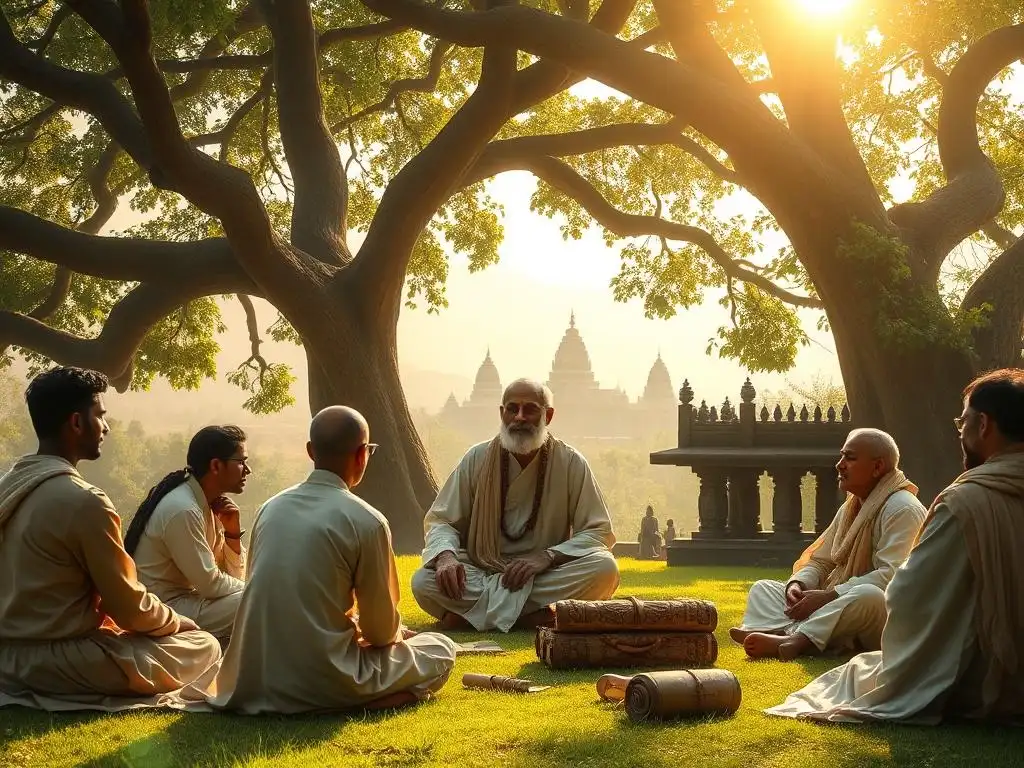
Welcome to Ancient India History, where we embark on a fascinating journey through the rich tapestry of ancient Indian civilizations. Here, we delve into the profound moral lessons in ancient India, revealing how the timeless Itihasas served as essential tools for moral instruction. Discover how these narratives not only shaped the cultural fabric of India but also imparted wisdom that resonates even today. Are you ready to explore the ethical teachings woven into the very heart of India's past? Let’s uncover the stories that have guided generations!
- Introduction to Itihasas and Their Significance in Ancient India
- Understanding Moral Lessons in Ancient India
- Key Itihasas and Their Moral Teachings
- The Influence of Itihasas on Ancient Indian Society
- Comparative Analysis of Moral Instruction in Itihasas
- Conclusion: The Lasting Legacy of Moral Lessons in Ancient India
- Further Reading and Resources on Itihasas and Moral Lessons in Ancient India
- Frequently Asked Questions
- Final Reflection: The Enduring Wisdom of Itihasas in Moral Instruction
- Unlock the Wisdom of Itihasas Today!
Introduction to Itihasas and Their Significance in Ancient India
The Itihasas are integral to understanding the moral and ethical framework of ancient Indian civilization. Comprising a rich tapestry of narratives, these texts not only chronicle historical events but also impart critical moral lessons that shaped societal values and behaviors. The term Itihasa translates to "thus it was," indicating a blend of history and mythology, and serves as a medium through which ancient wisdom and principles are conveyed.
The significance of Itihasas extends beyond mere storytelling; they function as tools for moral instruction, guiding individuals in their personal and communal lives. This article delves into the essence of Itihasas, exploring their role as historical narratives and their impact on ancient Indian literature, particularly concerning the moral lessons inherent within these texts.
Overview of Itihasas as Historical Narratives
Itihasas, primarily represented by texts such as the Mahabharata and the Ramayana, serve as foundational narratives that reflect the complex interplay of history, culture, and spirituality in ancient India. These texts are not just records of events but are imbued with philosophical insights and ethical dilemmas that resonate with readers across generations.
- Historical Context:
- The Mahabharata narrates the epic conflict of the Pandavas and Kauravas, embodying themes of duty (dharma), justice, and righteousness.
- The Ramayana, on the other hand, explores ideals of virtue through the life of Lord Rama, emphasizing the importance of loyalty, honor, and moral integrity.
- Cultural Significance:
- These narratives reflect the societal norms and values of their time, providing insight into the moral fabric that governed ancient Indian life.
- They also illustrate the consequences of moral choices, serving as cautionary tales for future generations.
By intertwining historical events with moral teachings, Itihasas offer a unique lens through which the complexities of human nature and ethical conduct are examined.
The Role of Itihasas in Ancient Indian Literature
The Itihasas hold a pivotal position in ancient Indian literature, functioning as a bridge between mythological narratives and moral philosophy. Their influence extends beyond literature into various aspects of life, including art, religion, and social norms.
- Moral Instruction:
- The teachings embedded within these texts often serve as guidelines for personal conduct and ethical decision-making.
- For instance, the Bhagavad Gita, a part of the Mahabharata, is a profound philosophical dialogue that addresses moral dilemmas faced by individuals, emphasizing the importance of righteousness over personal gain.
- Literary Contributions:
- The narrative style of Itihasas has inspired countless poets, playwrights, and scholars, enriching the literary landscape of India.
- They have also influenced modern storytelling, showcasing the timeless appeal of their moral lessons.
Itihasas are not merely historical accounts but are essential vessels of moral instruction. Their enduring legacy continues to shape the ethical framework of society, making them indispensable to the study of ancient Indian history and literature. The exploration of moral lessons in ancient India, as articulated through these texts, reveals a sophisticated understanding of human ethics that remains relevant to this day.
Understanding Moral Lessons in Ancient India
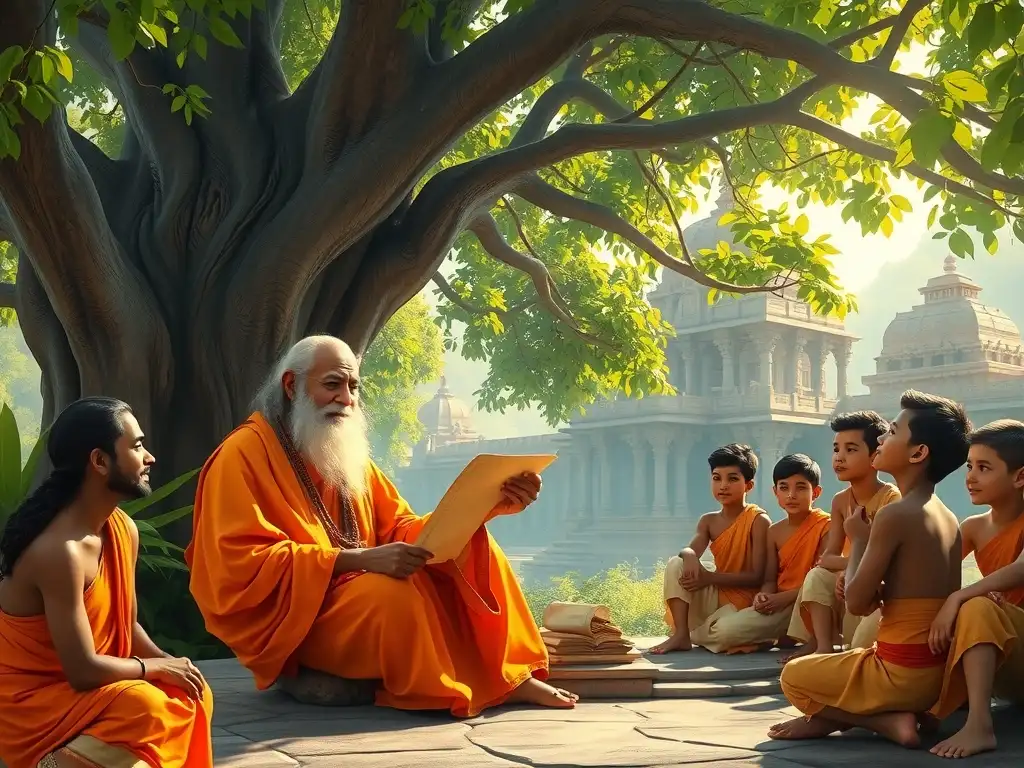
Definition of Moral Instruction in Ancient Indian Context
Moral instruction in ancient India is deeply rooted in its literary traditions, particularly within the Itihasas and Puranas. These texts serve not only as historical narratives but also as repositories of ethical and moral wisdom. They convey lessons through parables, stories, and dialogues that reflect the philosophical teachings of the time.
In ancient Indian literature, moral instruction often revolves around concepts such as dharma (righteousness), karma (action and its consequences), and moksha (liberation). Each of these concepts plays a crucial role in shaping the understanding of morality. For instance, the Mahabharata, one of the major Itihasas, illustrates the complexities of dharma through the lives of its characters, particularly in the context of duty and righteousness.
These moral lessons are not merely prescriptive; they are embedded within narratives that often highlight the consequences of ethical and unethical behavior. Characters in these stories frequently face dilemmas that require them to choose between conflicting values, thus providing readers with a framework for understanding moral choices.
Importance of Moral Lessons in Indian Philosophical Traditions
The significance of moral lessons in ancient Indian thought cannot be overstated. They serve as guiding principles that inform individual behavior and societal norms. The interplay between moral instruction and philosophical inquiry is particularly evident in texts like the Bhagavad Gita, which addresses ethical dilemmas faced by its protagonist, Arjuna, on the battlefield.
Key Areas of Influence:
- Social Cohesion: Moral teachings fostered a sense of community and social order. By emphasizing values such as honesty, integrity, and respect for elders, these texts laid the groundwork for harmonious living.
- Cultural Identity: The moral lessons derived from Itihasas and Puranas contribute to a shared cultural identity. They reinforce values that resonate across generations, shaping the ethos of Indian society.
- Philosophical Discourse: Moral instruction has been a catalyst for philosophical discussions throughout Indian history. Scholars and thinkers have engaged with these texts, interpreting and reinterpreting their moral teachings in light of contemporary issues.
- Practical Application: Beyond theoretical discussions, these moral lessons have practical implications. They guide personal conduct, influence legal systems, and shape educational curricula in ancient Indian society.
Moral lessons in ancient India, as articulated through its Itihasas and Puranas, represent a vital aspect of the civilization's cultural and philosophical landscape. They provide timeless insights into the human condition, offering frameworks for ethical decision-making that continue to resonate in modern discourse.
Key Itihasas and Their Moral Teachings
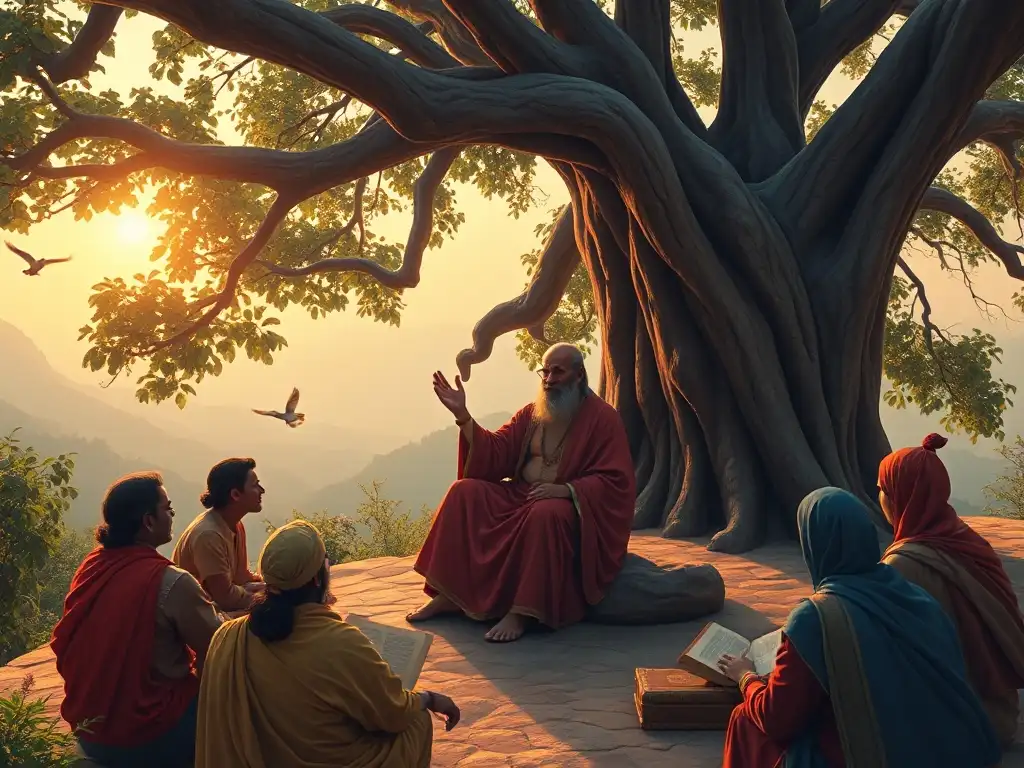
The Itihasas, encompassing the Ramayana and the Mahabharata, serve as vital sources of moral instruction in ancient Indian society. These texts not only narrate grand tales of heroism and adventure but also weave intricate lessons that reflect the ethical dilemmas faced by their characters. The teachings derived from these narratives have influenced the moral fabric of Indian culture, guiding individuals in their pursuit of righteousness and ethical living.
The Ramayana: Lessons in Duty and Dharma
The Ramayana, attributed to the sage Valmiki, is one of the most revered Itihasas in ancient India. It presents a rich tapestry of moral lessons that focus on the concepts of duty (dharma) and righteousness.
Key Characters and Their Moral Dilemmas
The Ramayana is populated with characters who embody various aspects of dharma, facing profound moral dilemmas throughout the narrative. Some of the key characters include:
- Rama: The ideal king and hero, representing the epitome of virtue and duty.
- Sita: Rama's devoted wife, symbolizing loyalty and chastity.
- Lakshmana: Rama's brother, who showcases selflessness and fidelity.
- Ravana: The antagonist, whose actions illustrate the consequences of adharma (unrighteousness).
Each character's journey is filled with challenges that test their moral convictions, revealing the complexities of adhering to dharma in the face of adversity.
Major Moral Lessons Derived from the Ramayana
The Ramayana imparts several key moral lessons:
- The Importance of Duty: Rama's unwavering commitment to his dharma, even at great personal cost, emphasizes that fulfilling one's duties is paramount.
- Loyalty and Sacrifice: Sita's trials highlight the virtue of loyalty, as she endures hardship for the sake of her husband and her principles.
- Consequences of Actions: Ravana's downfall serves as a cautionary tale about the repercussions of pride and immoral behavior.
- The Value of Forgiveness: The resolution of conflicts in the Ramayana illustrates the importance of compassion and forgiveness in restoring harmony.
These lessons continue to resonate, fostering a sense of moral responsibility among readers.
The Mahabharata: Complexities of Ethics and Morality
The Mahabharata, attributed to Vyasa, is a monumental text that delves into the intricate dimensions of ethics and morality. Unlike the more straightforward moral teachings of the Ramayana, the Mahabharata presents a nuanced exploration of dharma, often posing challenging questions about right and wrong.
The Concept of Dharma in the Mahabharata
Dharma in the Mahabharata is multifaceted, reflecting the complexities of human nature and societal norms. It is not a rigid code but rather a contextual understanding of righteousness that varies based on circumstances. Key themes include:
- Relativism of Duty: Different characters prioritize competing duties, leading to conflicts that challenge the notion of a singular moral path.
- The Role of Intention: Actions are often judged by their intent, suggesting that the motivation behind an action can alter its moral weight.
- Consequences of War: The epic portrays the devastating impact of the Kurukshetra war, prompting reflections on the moral costs of conflict.
Moral Lessons from Key Events and Characters
The Mahabharata is rich with moral lessons derived from its characters and events:
- The Dilemma of Arjuna: Arjuna's initial reluctance to fight against his kin illustrates the internal struggle between duty and personal ethics, ultimately highlighting the necessity of standing up for righteousness.
- Yudhishthira's Integrity: Yudhishthira's commitment to truth, even in dire situations, underlines the value of honesty and moral integrity.
- Draupadi's Disrobing: This incident raises profound questions about justice, womanhood, and the responsibilities of those in power.
- Krishna's Role as a Guide: Krishna's interventions emphasize the importance of seeking wisdom and counsel when navigating moral dilemmas.
The moral teachings of the Mahabharata encourage readers to engage with ethical complexities, fostering critical thinking about morality in their own lives.
The Itihasas, through their rich narratives and profound moral lessons, continue to serve as essential guides for understanding duty, ethics, and the intricacies of moral decision-making in ancient India. The enduring relevance of these teachings reflects their significance in shaping the moral landscape of Indian civilization.
Other Notable Itihasas and Their Teachings
Beyond the well-known epics of the Mahabharata and Ramayana, several other Itihasas play a vital role in conveying moral lessons in ancient India. These texts, often less recognized, provide profound insights into ethical behavior, societal norms, and the consequences of one's actions.
- The Bhagavata Purana: This Itihasa emphasizes the importance of devotion (bhakti) and righteousness. Through the tales of Lord Krishna, it teaches lessons on love, duty, and the triumph of good over evil. The story of Prahlada, who remains devoted to Vishnu despite his father's opposition, underscores the power of faith and perseverance.
- The Vishnu Purana: This text delves into the concept of dharma (duty) and its significance in maintaining cosmic order. It narrates the importance of adhering to one's responsibilities and the dire consequences of neglecting them, as exemplified in the stories of various kings and sages.
- The Skanda Purana: Through the adventures of Lord Kartikeya, this Itihasa illustrates themes of courage, loyalty, and the importance of protecting the weak. The moral teachings are often intertwined with stories of valor and sacrifice, encouraging readers to embody these virtues in their lives.
- The Padma Purana: This work emphasizes the significance of humility and devotion. It narrates the life and teachings of saints and sages, showcasing how their humility and selflessness led to spiritual enlightenment and societal respect.
The Puranas and Their Contributions to Moral Instruction
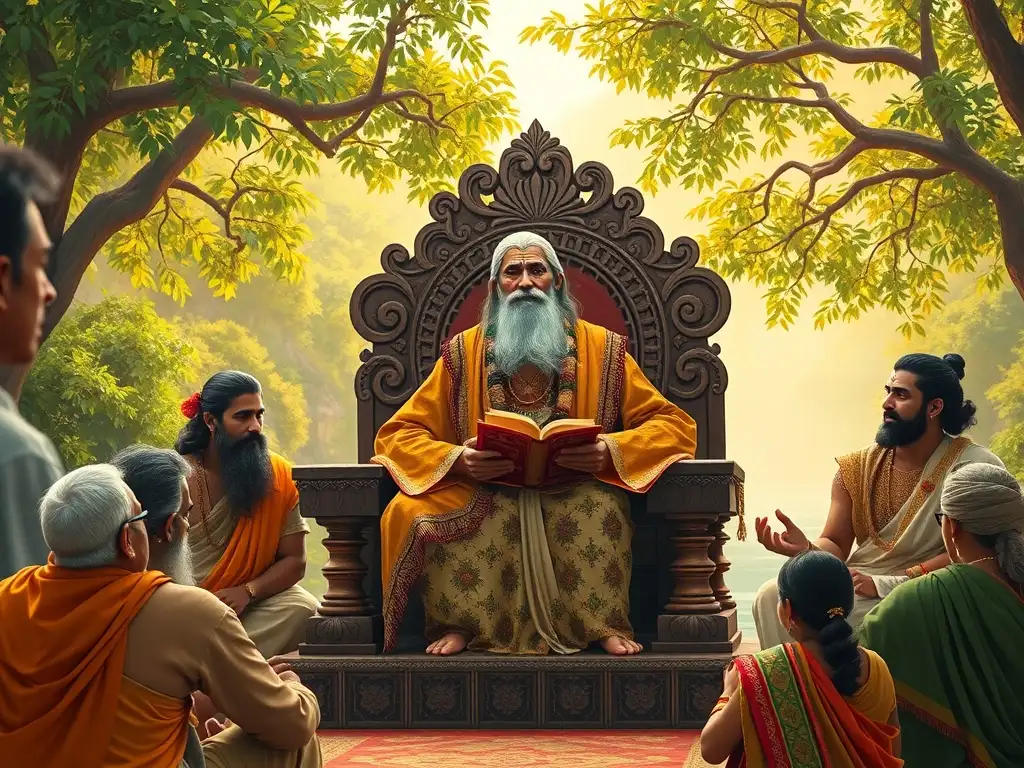
The Puranas, a genre of ancient Indian literature, serve as a crucial medium for imparting moral instruction. Composed in a narrative style, they encompass a wide range of topics, including cosmology, mythology, and moral teachings.
- Narrative Framework: The Puranas often use stories of gods, sages, and historical figures to illustrate moral lessons. The characters' actions and their repercussions serve as cautionary tales, guiding readers toward ethical living.
- Cultural Values: Each Purana reflects the cultural values and social norms of the time. For example, the emphasis on family, hospitality, and respect for elders is prevalent throughout these texts, reinforcing the importance of these values in society.
- Accessibility: Unlike the more complex philosophical texts, the Puranas are written in a more approachable language, making them accessible to a broader audience. This ensures that moral teachings reach various strata of society, from the educated elite to common folk.
- Timeless Relevance: Many of the moral lessons found in the Puranas remain relevant today. Themes such as honesty, compassion, and the pursuit of justice resonate across generations, illustrating the enduring nature of these teachings.
The Role of Folk Tales in Conveying Moral Lessons
Folk tales have long been a vital part of Indian culture, serving as an effective means of conveying moral lessons to audiences of all ages. These stories often feature relatable characters and situations, making them memorable and impactful.
- Simplicity and Relatability: Folk tales typically involve everyday characters and situations, allowing listeners to easily connect with the moral dilemmas presented. This relatability enhances the effectiveness of the lessons being taught.
- Oral Tradition: Passed down through generations, folk tales are often told in an engaging manner, incorporating humor, drama, and suspense. This oral tradition ensures that the moral teachings are not only preserved but also enjoyed, making them more likely to be remembered.
- Diversity of Themes: The themes explored in folk tales are diverse, ranging from the consequences of greed and dishonesty to the virtues of kindness and perseverance. This variety allows for a broader exploration of moral instruction, catering to different aspects of human behavior.
- Cultural Preservation: Folk tales also play a crucial role in preserving cultural heritage. They encapsulate the values, beliefs, and traditions of a community, ensuring that moral lessons are tied to the cultural identity of the people.
Both Itihasas and folk tales serve as potent tools for moral instruction in ancient India, imparting lessons that continue to resonate with contemporary audiences. Through their rich narratives and relatable characters, they encapsulate the essence of moral living, making them invaluable resources for ethical guidance.
The Influence of Itihasas on Ancient Indian Society

The Itihasas, which include the Mahabharata and the Ramayana, serve as crucial texts in understanding the moral and ethical framework of ancient Indian society. These narratives not only recount historical events but also encapsulate the values, beliefs, and philosophies that shaped the cultural fabric of their time. The teachings embedded within these texts have been instrumental in molding the moral compass of generations, making them timeless educational tools.
Itihasas as Educational Tools for the Young
The Itihasas have long been utilized as a means of imparting moral education to the youth of ancient India. Through storytelling, these texts convey complex moral dilemmas and ethical choices faced by their characters, allowing young readers to engage with and reflect on these scenarios.
- Narrative Techniques: The use of vivid narratives and compelling characters captures the imagination of young minds. For example, the character of Rama in the Ramayana embodies dharma (righteousness), and his decisions provide a framework for understanding moral behavior.
- Parables and Allegories: Many stories within the Itihasas serve as allegories that illustrate broader moral lessons. For instance, the tale of Yudhishthira’s integrity during the game of dice in the Mahabharata teaches the importance of truthfulness and the consequences of deceit.
- Character Role Models: Characters such as Hanuman and Draupadi exemplify virtues like courage, devotion, and resilience. Young readers are inspired to emulate these traits as they navigate their own lives.
- Oral Tradition: The oral tradition of reciting these tales in communal settings fosters a collective learning environment, reinforcing social bonds while imparting moral lessons.
The educational value of Itihasas is further enhanced by their accessibility and relatability, making them effective tools for moral instruction in ancient Indian society.
The moral lessons embedded within the Itihasas have had a profound impact on the social values and norms of ancient India. These narratives have influenced the collective consciousness of society, guiding behavior and fostering a sense of community.
- Establishment of Ethical Standards: The Itihasas have contributed to defining ethical standards that govern personal and social conduct. The principles outlined in these texts, such as respect for elders, duty towards family, and the pursuit of justice, have become deeply ingrained in societal norms.
- Conflict Resolution and Justice: The tales often explore themes of justice and conflict resolution, providing frameworks for addressing disputes. For example, the resolution of the Kurukshetra War in the Mahabharata emphasizes the importance of righteousness over might, influencing societal views on justice.
- Cultural Identity: The moral lessons in the Itihasas have played a significant role in shaping the cultural identity of various communities across India. They serve as a common reference point that fosters unity and shared values, despite regional differences.
- Influence on Subsequent Literature: The teachings of the Itihasas have inspired countless works of literature, philosophy, and art throughout Indian history, perpetuating their moral lessons and ensuring their relevance across generations.
The Itihasas function not only as historical texts but also as enduring moral compasses that have shaped societal norms and values in ancient India. Their role in education and ethical guidance underscores their importance in the cultural heritage of the region. Through the lens of moral lessons in ancient India, these texts continue to resonate, inviting reflection and learning even in contemporary times.
Comparative Analysis of Moral Instruction in Itihasas
Comparing Itihasas with Other Ancient Texts
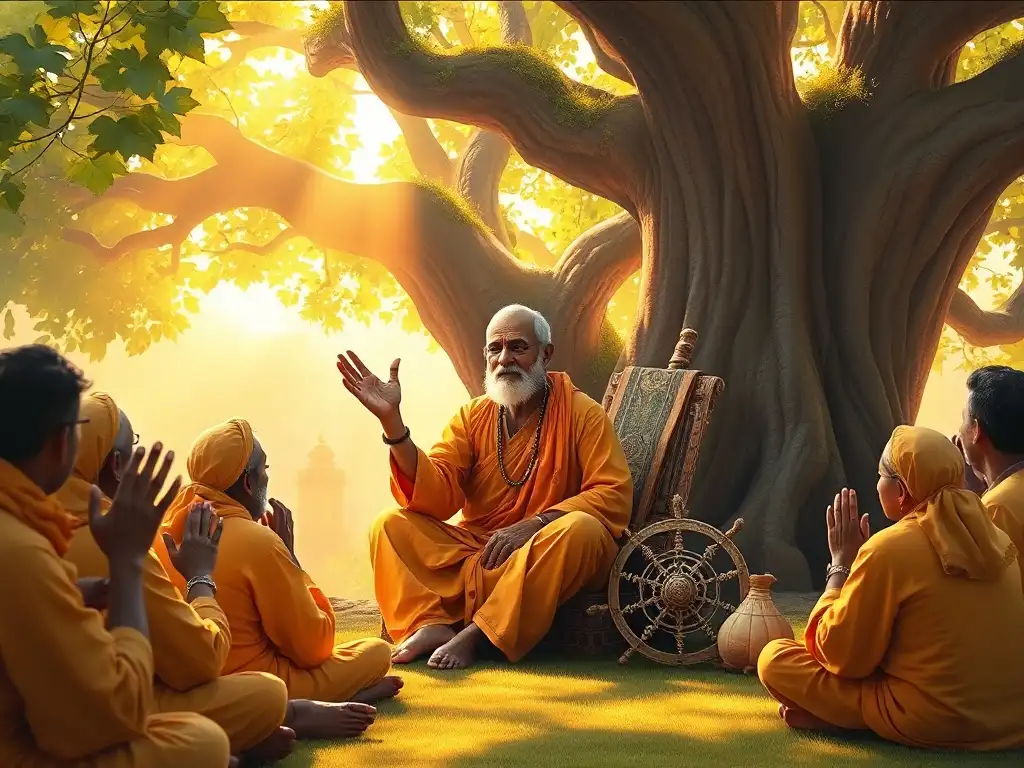
The Itihasas, comprising the Mahabharata and the Ramayana, serve as pivotal texts in ancient Indian literature, distinctively designed to convey moral lessons. When compared to other ancient texts from different cultures, such as Aesop's Fables or the Bible, the Itihasas provide a more complex and nuanced approach to moral instruction.
- Narrative Structure:
- Itihasas: Offer intricate narratives that blend mythology with moral dilemmas faced by characters.
- Aesop's Fables: Use simple animal characters to convey straightforward moral lessons.
- The Bible: Contains parables that illustrate moral teachings but often lacks the extensive narrative context found in Itihasas.
- Character Development:
- Itihasas: Characters like Arjuna and Rama experience profound internal conflicts, allowing readers to grapple with moral choices in a relatable manner.
- Aesop's Fables: Characters are often one-dimensional, serving solely to illustrate a specific lesson.
- The Bible: While characters are complex, the focus is often on divine instruction rather than personal moral growth.
- Cultural Context:
- Itihasas: Embed moral lessons within the cultural and historical context of ancient India, reflecting societal values and norms.
- Aesop's Fables: Rooted in Greek culture, they reflect the societal norms of ancient Greece, often emphasizing individualism.
- The Bible: Provides moral guidance within the framework of Judeo-Christian values, emphasizing community and divine law.
The comparative analysis reveals that while other ancient texts aim to impart moral lessons, the Itihasas do so through rich storytelling that encourages introspection and personal growth.
The Unique Approach of Itihasas to Moral Lessons
The Itihasas employ a multifaceted approach to moral instruction, integrating various literary techniques and philosophical underpinnings that distinguish them from other forms of literature.
- Complex Moral Dilemmas: The Itihasas present characters with moral dilemmas that often lack clear right or wrong answers. For example, in the Mahabharata, Arjuna's initial reluctance to fight in the Kurukshetra War challenges readers to consider the complexities of duty (dharma) and personal ethics.
- Role of Divine Guidance: Divine characters, such as Lord Krishna, provide guidance but also leave room for human agency. This interplay emphasizes the importance of making moral choices rather than simply following divine commands.
- Interconnectedness of Actions: The Itihasas illustrate the concept of karma, showing how actions have far-reaching consequences. This principle teaches that moral lessons are not isolated incidents but part of a larger ethical framework.
- Use of Symbolism: The narratives are rich with symbolism, where characters and events often represent broader moral truths. For instance, Rama's exile symbolizes the trials faced in adhering to one's principles.
- Cultural Reflection: The moral lessons in the Itihasas often reflect the social and ethical values of ancient Indian civilization, providing insights into the evolving nature of morality over time.
The unique approach of the Itihasas to moral lessons combines narrative complexity, philosophical depth, and cultural reflection, offering readers a profound understanding of morality that resonates through the ages.
Conclusion: The Lasting Legacy of Moral Lessons in Ancient India
Summary of Key Points on Itihasas and Moral Instruction
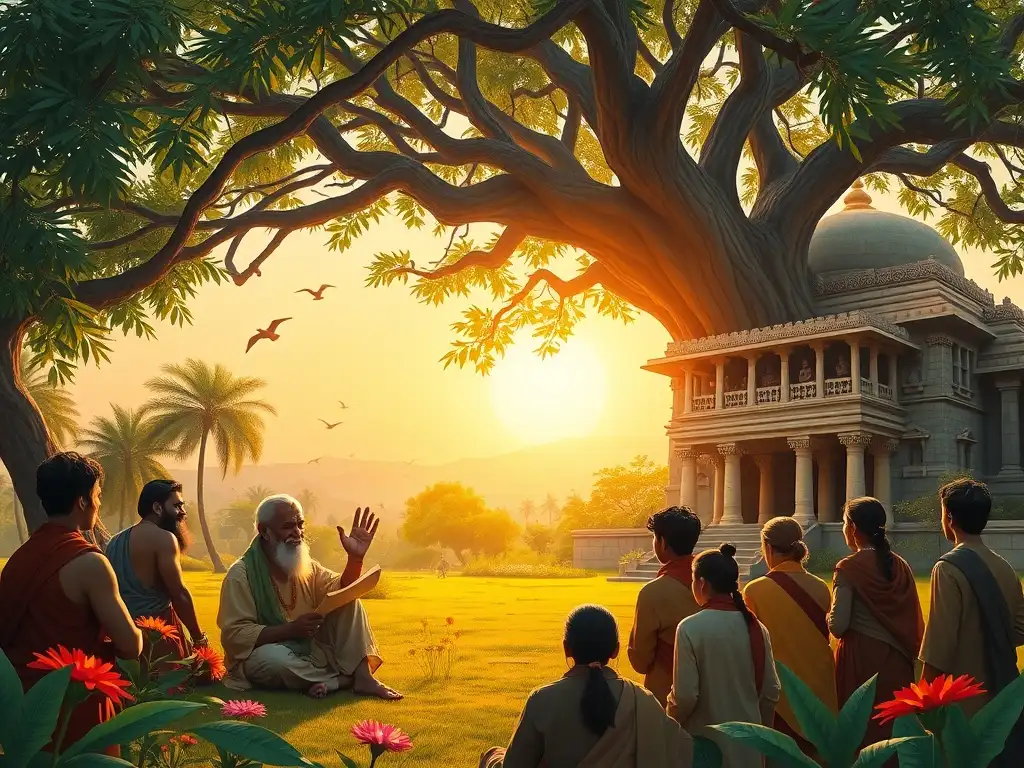
The Itihasas, which include the Mahabharata and Ramayana, serve as profound sources for moral instruction in ancient India. Through their narratives, they encapsulate essential values, ethics, and societal norms that resonate beyond the time in which they were written. Key points include:
- Narrative Framework: The stories within the Itihasas are not mere tales; they are intricately woven with moral dilemmas that characters face, offering readers a reflective lens on their own ethical choices. For example, the concept of Dharma (righteousness) is pivotal, guiding characters like Arjuna in the Mahabharata as he grapples with his duties as a warrior.
- Character Archetypes: The Itihasas present diverse character archetypes that embody various virtues and vices. Figures such as Lord Rama represent ideal righteousness, while characters like Ravana showcase the consequences of ego and desire. These archetypal portrayals provide a clear framework for understanding moral complexities.
- Moral Lessons: Each narrative is rich with moral lessons that address themes such as loyalty, sacrifice, justice, and compassion. The teachings of the Itihasas emphasize the importance of moral integrity and the impact of one’s choices on the broader community.
- Cultural Transmission: The Itihasas have played a crucial role in transmitting ethical values across generations, ensuring that the moral lessons remain relevant. They have influenced various art forms, rituals, and educational practices, embedding these lessons into the cultural fabric of Indian society.
The Relevance of Moral Lessons in Contemporary Society
The moral lessons derived from ancient Indian Itihasas hold significant relevance in today's society. In an age characterized by rapid technological advancement and shifting societal values, these timeless teachings can guide individuals and communities in several ways:
- Ethical Decision-Making: The dilemmas faced by characters in the Itihasas can serve as case studies for modern ethical decision-making. By reflecting on the choices made by figures like Yudhishthira or Sita, individuals can better navigate their moral challenges, fostering a more conscientious society.
- Cultural Identity: In a globalized world, the Itihasas help reinforce cultural identity and continuity. They remind individuals of their heritage and the values that have shaped their community, promoting a sense of belonging and responsibility towards preserving these ideals.
- Conflict Resolution: The teachings encapsulated within the Itihasas emphasize the importance of dialogue, understanding, and reconciliation. In contemporary settings, these values can aid in resolving conflicts, whether interpersonal or societal, by encouraging peaceful discourse rather than aggression.
- Personal Growth: The moral lessons serve as a guide for personal development. They encourage introspection and self-improvement, urging individuals to cultivate virtues such as empathy, integrity, and humility in their everyday lives.
The moral lessons in ancient India, as illustrated through the Itihasas, continue to offer profound insights and guidance for navigating the complexities of modern life. By embracing these teachings, individuals can foster a more ethical, harmonious, and culturally rich society.
Further Reading and Resources on Itihasas and Moral Lessons in Ancient India
Recommended Books and Articles
For those interested in delving deeper into the moral lessons embedded in the Itihasas and their significance in ancient Indian society, the following books and articles are highly recommended:
-
"The Mahabharata: A Modern Rendering" by Ramesh Menon
This contemporary retelling of the Mahabharata not only preserves the epic's rich narrative but also elucidates the moral dilemmas faced by its characters. It serves as an excellent resource for understanding the ethical teachings woven throughout the story.
-
"The Ramayana: A Tale of Gods and Demons" by R.K. Narayan
Narayan's version of the Ramayana presents the story in an accessible format while highlighting the virtues of dharma (righteousness) and the consequences of moral choices.
-
"Puranic Encyclopedia" by Vettam Mani
This comprehensive work provides insights into the Puranas and their moral teachings, shedding light on their role in shaping cultural and ethical frameworks in ancient India.
-
"Ethics in Ancient India: A Study of the Values of the Itihasas" by Ramakrishna K. Nair
This scholarly article examines the ethical principles illustrated in the Itihasas, offering a detailed analysis of their relevance in contemporary times.
-
"Moral Stories from the Mahabharata" by Ramesh Menon
This collection of stories focuses on the moral lessons derived from the Mahabharata, making it a useful guide for readers looking to comprehend the ethical ramifications of the epic's events.
Online Resources for Exploring Itihasas and Their Teachings
The internet hosts a variety of resources that can enhance your understanding of the Itihasas and the moral lessons they impart:
-
Digital Library of India
This repository offers free access to numerous texts related to ancient Indian literature, including Itihasas. Readers can explore original manuscripts and translations to study moral concepts in context.
-
Ancient India: A Historical Overview
A website dedicated to the historical and cultural aspects of ancient India, featuring articles that discuss the importance of Itihasas in moral education.
-
Sanskrit Documents
A comprehensive database of Sanskrit texts, including Itihasas, Puranas, and their commentaries. It serves as a valuable tool for those interested in studying the original texts and their moral teachings.
-
YouTube Channels on Indian Mythology
Channels like "Epic Indian Tales" and "Mythology Unplugged" offer engaging visual content that explores the stories found in the Itihasas, emphasizing their moral lessons and cultural significance.
-
Podcasts on Indian Epics
Series like "The Mahabharata Podcast" discuss various episodes from the Mahabharata and Ramayana, focusing on the moral and ethical lessons that can be drawn from these narratives.
By exploring these resources, readers can gain a deeper appreciation for the moral lessons in ancient India, as conveyed through the Itihasas, and understand their enduring relevance in contemporary society.
Frequently Asked Questions
What are Itihasas in ancient India?
Itihasas are epic narratives that include texts like the Mahabharata and Ramayana. They serve as both historical accounts and moral instruction for society.
How did ancient Indian civilizations use stories for moral lessons?
Ancient Indian civilizations utilized narratives and fables within Itihasas to convey important ethical values and moral lessons, guiding individuals on how to live virtuously.
What are some key moral lessons found in Itihasas?
The Itihasas emphasize themes such as dharma (duty), truthfulness, and compassion. These lessons encourage individuals to act with integrity and uphold societal norms.
How did the Gupta Empire contribute to moral teachings in literature?
During the Gupta Empire, literature flourished, with many scholars and poets crafting works that integrated moral teachings, reinforcing the importance of ethics in daily life.
Why are moral lessons in ancient India still relevant today?
The moral lessons from ancient Indian texts remain timeless, offering guidance on personal conduct and societal responsibilities, making them applicable to contemporary life challenges.
Final Reflection: The Enduring Wisdom of Itihasas in Moral Instruction
The teachings embedded within the Itihasas remain profoundly relevant today, as they offer timeless moral lessons in ancient India that resonate with contemporary ethical dilemmas. In a world increasingly fraught with complexity and ambiguity, the narratives of the Mahabharata and Ramayana provide a compass for navigating the challenges of modern life. These ancient texts not only recount epic tales but also serve as a repository of wisdom, urging us to reflect on our values and choices in a rapidly changing society.
The influence of Itihasas extends beyond mere storytelling; they shape the cultural and social fabric of communities, fostering a collective moral consciousness. The lessons imparted through these narratives continue to inspire individuals to strive for righteousness, compassion, and duty. As Mahatma Gandhi once said, The best way to find yourself is to lose yourself in the service of others.
This sentiment echoes the core teachings of the Itihasas, reminding us that our actions have far-reaching consequences and that true fulfillment lies in serving a greater purpose.
As we contemplate the moral lessons in ancient India, I invite you to reflect on how these teachings can be woven into the tapestry of your own life. Consider how the principles of duty, honor, and selflessness can guide your decisions and interactions with others. In a world that often prioritizes individual gain over collective well-being, let us draw inspiration from the Itihasas and commit ourselves to embodying the values they espouse. Together, we can create a future that honors the wisdom of the past while forging a path toward a more compassionate and just society.
Unlock the Wisdom of Itihasas Today!
Thank you for exploring the profound lessons of Itihasas in this article! You've gained valuable insights into how these ancient texts shape moral instruction and cultural wisdom. Now, it's time to take action and deepen your understanding further.
- Reflect on a moral lesson from your favorite Itihasa and consider how it applies to your life today. Write it down and share it with friends or family!
- Explore more about the cultural significance of Itihasas by seeking out local lectures, workshops, or online courses that delve deeper into ancient Indian history.
- Join the conversation! Share your thoughts on the moral teachings of Itihasas in the comments below, or connect with like-minded readers on social media.
Which moral lesson from the Itihasas resonates most with you, and how do you plan to integrate it into your daily life?