
Chandragupta Maurya: The Architect of a Centralized Governance System

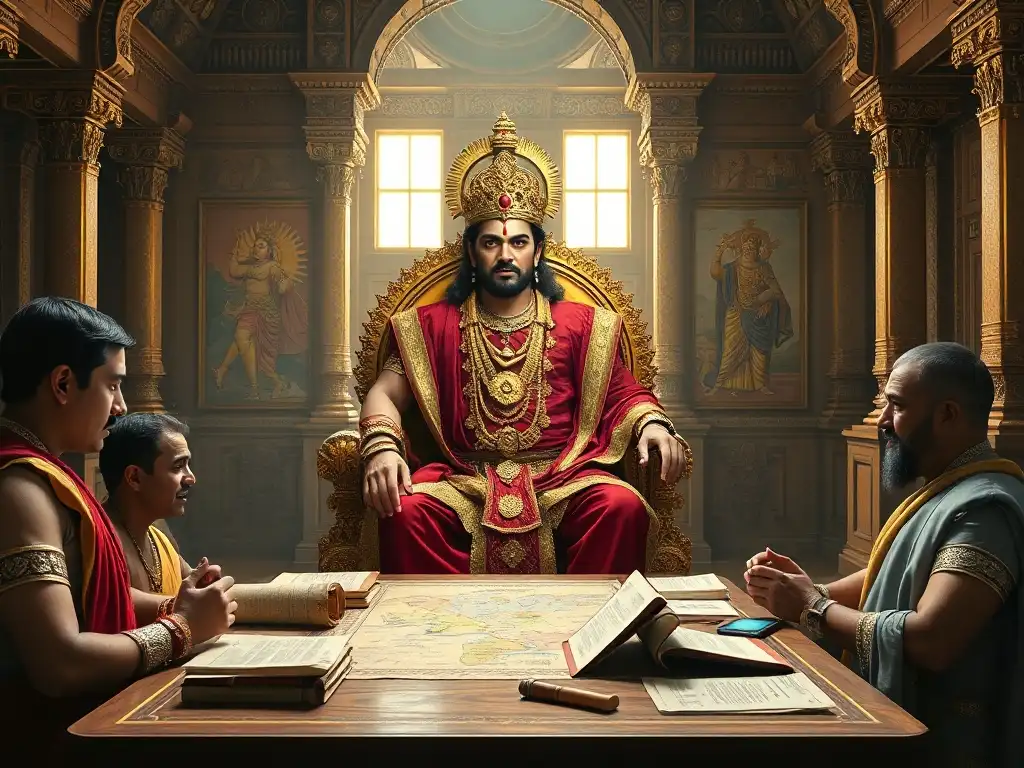
Welcome to Ancient India History, where we embark on a fascinating journey through the rich tapestry of ancient Indian civilizations. Here, we delve into the remarkable stories and profound contributions that have shaped our world, from the enigmatic Indus Valley to the illustrious Gupta Empire. In our featured article, "Chandragupta Maurya: The Architect of a Centralized Governance System," we uncover the innovative governance strategies that transformed Chandragupta Maurya's empire.
What made his system so effective, and how did it influence future generations? Join us as we explore these questions and more, igniting your curiosity about the legacy of ancient India.
- Introduction to Chandragupta Maurya and His Governance System
- Historical Context of Chandragupta Maurya
- The Chandragupta Maurya Governance System
- Legal and Economic Reforms
- Military Organization and Control
- Cultural and Social Impact of Chandragupta Maurya's Governance
- Legacy of Chandragupta Maurya’s Governance System
- Conclusion
- Frequently Asked Questions
- Final Reflection: The Enduring Legacy of Chandragupta Maurya's Governance System
- Unveil the Legacy of Chandragupta Maurya!
Introduction to Chandragupta Maurya and His Governance System
Chandragupta Maurya stands as a monumental figure in ancient Indian history, primarily recognized for establishing the Maurya Empire, which laid the foundation for one of the most sophisticated governance systems of its time. His rise to power marked a significant transition from fragmented regional states to a centralized authority, characterized by a well-organized administrative framework.
The governance system that emerged under his reign not only unified vast territories but also created a model that would influence subsequent Indian political structures for centuries. This article delves into the intricacies of Chandragupta Maurya's governance system, highlighting its significance in the context of ancient Indian civilization.
Overview of the Maurya Empire
The Maurya Empire, founded in 322 BCE, was one of the largest empires in ancient India, spanning across significant parts of the Indian subcontinent. It was characterized by its:
- Geographical Extent: Covering present-day India, Pakistan, and parts of Afghanistan.
- Political Structure: A centralized governance system with a complex administrative hierarchy.
- Cultural Integration: A melting pot of diverse cultures, languages, and religions.
Chandragupta Maurya, with the guidance of his mentor Chanakya, established a robust administrative framework that allowed for effective governance across this vast empire. The Maurya Empire's success can be attributed to its emphasis on a centralized system that facilitated control over resources, trade, and military, ensuring stability and prosperity.
Importance of Centralized Governance in Ancient India
Centralized governance played a crucial role in the development of ancient Indian civilizations. Key aspects include:
- Unification of Diverse Regions: Chandragupta's governance system helped integrate various regions, cultures, and communities under a single political umbrella, fostering a sense of unity.
- Efficient Administration: The establishment of a bureaucratic structure allowed for better tax collection, law enforcement, and resource management, which were vital for sustaining the empire's economy.
- Legal Framework: The codification of laws under a centralized authority ensured consistency and fairness in governance, promoting justice and order.
This centralized approach not only strengthened the Maurya Empire during Chandragupta's reign but also set a precedent for future empires in India, illustrating the lasting impact of his governance system on the Indian political landscape.
Historical Context of Chandragupta Maurya
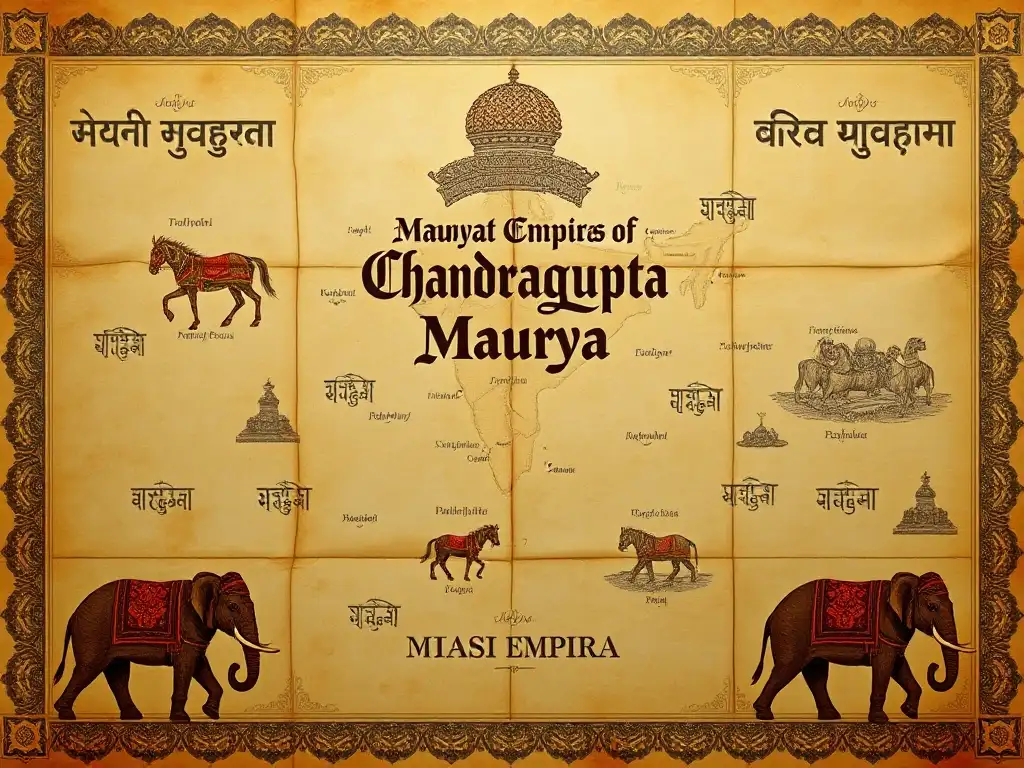
The historical context of Chandragupta Maurya is pivotal in understanding the emergence of his governance system. Born into a time when the Indian subcontinent was fragmented into numerous kingdoms and republics, Chandragupta's rise marked the transition from regional powers to a centralized authority. The decline of the Nanda dynasty and the invasions by Alexander the Great set the stage for his ascent, as they destabilized the existing political order and created a power vacuum.
Chandragupta began his journey in Magadha, where he was mentored by the philosopher Chanakya, also known as Kautilya. Chanakya's teachings and strategic insights were crucial in shaping Chandragupta's approach to governance. The socio-political landscape of the time was characterized by a lack of unity, which Chandragupta sought to address by consolidating power and unifying the various regions under a single administrative framework.
The Rise of Chandragupta Maurya
Chandragupta Maurya's rise to power began around 321 BCE, as he successfully overthrew the Nanda dynasty, which had ruled Magadha for nearly a century. His initial victories were bolstered by the support of Chanakya, who harbored a deep-seated animosity towards the Nandas. Together, they organized a rebellion that saw Chandragupta gathering a sizable army.
Through strategic military campaigns and clever alliances, Chandragupta expanded his territory, eventually establishing dominance over northern India. His most significant challenge came from Alexander the Great's forces. However, after Alexander's departure from India, Chandragupta capitalized on the weakened state of the regional powers, further solidifying his control.
Key Milestones in Chandragupta's Rise:
- Formation of Alliances: Collaborated with local rulers and tribes to strengthen his military.
- Military Strategy: Employed guerrilla tactics and psychological warfare.
- Overthrow of Nanda Dynasty: Seized power in Magadha and declared himself the ruler.
Chandragupta's ability to unify diverse groups under his rule laid the foundation for a centralized governance system that would flourish during the Maurya Empire.
Key Influences on His Governance Philosophy
Chandragupta Maurya's governance philosophy was heavily influenced by both his mentor Chanakya and the socio-political environment of his time. Chanakya’s seminal work, the Arthashastra, played a crucial role in shaping the principles of governance that Chandragupta implemented. This treatise emphasized the importance of statecraft, economic management, and military strategy, which Chandragupta adopted to solidify his rule.
Major Influences:
- Chanakya's Strategic Insights:
- Realpolitik: Advocated for pragmatic and sometimes ruthless approaches to governance.
- Centralization: Promoted the idea of a strong, centralized authority to maintain order and stability.
- Historical Precedents:
- Indus Valley Civilization: The administrative practices from earlier civilizations provided a framework for urban planning and resource management.
- Nanda Administration: Chandragupta learned from the failures of the Nanda dynasty, particularly their inability to maintain control over a vast empire.
- Cultural and Religious Factors:
- The diverse cultural landscape of India during Chandragupta's time necessitated a governance system that acknowledged and integrated various traditions and practices to foster unity.
- Economic Considerations:
- Trade and Agriculture: Understanding the importance of a strong economy, Chandragupta focused on enhancing trade routes and agricultural practices to support his administration.
Chandragupta's governance system combined these influences into a cohesive strategy that emphasized centralized authority, economic stability, and military strength, significantly contributing to the Maurya Empire's success and longevity.
The Chandragupta Maurya Governance System
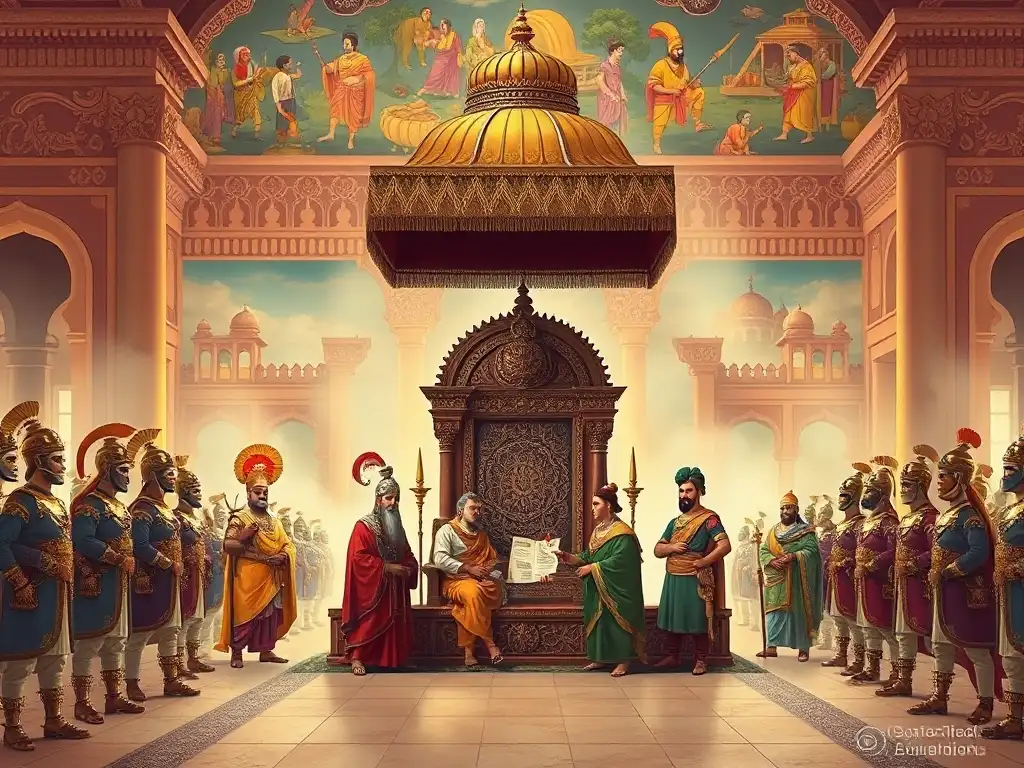
Chandragupta Maurya's governance system was a pioneering model for centralized administration in ancient India. This system was characterized by its ability to consolidate power, streamline decision-making, and implement efficient governance across a vast empire. The Mauryan Empire, founded in the 4th century BCE, laid the groundwork for future Indian states by integrating diverse regions and cultures under a singular administrative framework.
Characteristics of the Centralized Governance Model
The centralized governance model established by Chandragupta Maurya featured several key characteristics that distinguished it from previous systems:
- Central Authority: At the apex of the governance structure was the emperor, who wielded supreme power over the state. This centralization facilitated quick decision-making and unified policy implementation.
- Bureaucratic Efficiency: The Mauryan administration was marked by a well-organized bureaucracy that enabled effective management of resources and personnel. This included a hierarchy of officials tasked with specific duties.
- Standardization of Laws: Under Chandragupta, there was an emphasis on codifying laws that applied uniformly across the empire, promoting justice and reducing local variations in legal practices.
- Taxation and Revenue Collection: A systematic approach to taxation was implemented, ensuring a steady revenue stream for state expenditures. Taxes were levied on agriculture, trade, and crafts, and were collected by appointed officials.
- Military Organization: The centralized governance model also prioritized a robust military structure, essential for defending the empire and maintaining internal order. Chandragupta established a professional army with a clear chain of command.
Administrative Structure Under Chandragupta Maurya
The administrative structure of Chandragupta Maurya's governance was meticulously organized to ensure stability and efficiency across the empire.
- Emperor's Council: This council comprised trusted ministers and advisors who assisted the emperor in governance. They played a crucial role in strategic planning and decision-making.
- Provincial Administration: The empire was divided into several provinces, each overseen by a governor (known as a Uparika). This division allowed for localized governance while maintaining overarching control from the central authority.
- District and Village Level Administration: Below the provincial level, administrative units included districts and villages. Local officials were responsible for maintaining order, collecting taxes, and implementing the emperor's directives.
Role of Ministers and Advisors
Ministers and advisors were integral to the functioning of Chandragupta Maurya's governance system. Their roles included:
- Strategic Planning: Ministers provided counsel on military strategies, economic policies, and diplomatic relations. Their expertise was crucial for navigating the complexities of rule.
- Law Enforcement: They ensured the enforcement of laws and regulations, maintaining order within their jurisdictions. This included overseeing local magistrates and law enforcement officials.
- Economic Oversight: Advisors managed trade policies and economic initiatives, facilitating commerce and resource management throughout the empire.
Importance of Provincial Administration
The provincial administration was vital for the stability and effectiveness of the Mauryan governance system. Key aspects include:
- Local Governance: Governors had the authority to implement policies tailored to their provinces, allowing for a degree of local autonomy while still adhering to the central government’s directives.
- Resource Management: Provinces were responsible for the management of local resources, including agriculture and trade, which contributed to the overall wealth of the empire.
- Cultural Integration: The provincial structure facilitated the integration of diverse cultures and practices within the empire, promoting unity while respecting local traditions.
In essence, the governance system established by Chandragupta Maurya was a sophisticated blend of centralized power and local administration, laying the foundation for one of the most effective empires in ancient history. This model not only enhanced administrative efficiency but also set a precedent for future Indian rulers.
Legal and Economic Reforms
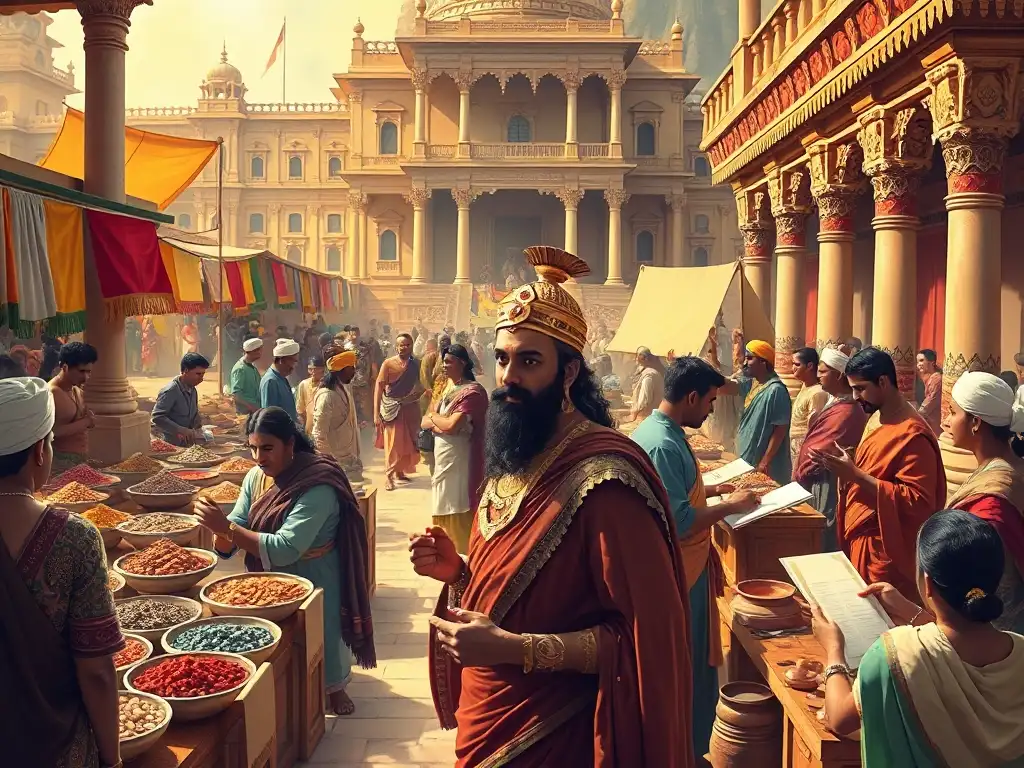
The Maurya Empire, under the leadership of Chandragupta Maurya, is recognized for its significant legal and economic reforms that laid the foundation for a centralized governance system. These reforms not only unified the vast territories of the empire but also facilitated trade and commerce, contributing to the overall prosperity of ancient India.
Establishment of a Unified Legal Framework
One of the cornerstone achievements of Chandragupta Maurya's governance system was the establishment of a unified legal framework. This framework aimed to standardize laws across the diverse regions of the empire, promoting fairness and justice. The key aspects of this legal system included:
- Codification of Laws: Chandragupta’s administration undertook the monumental task of codifying laws. This involved compiling existing local customs and practices into a coherent legal structure. The resulting code was accessible to the public, which helped in reducing corruption and arbitrary governance.
- Role of Dhamma: Although primarily associated with his grandson Ashoka, the principles of Dhamma also influenced Chandragupta’s legal philosophy. The emphasis on ethical governance and the welfare of the subjects was evident in his administration, ensuring that justice was not only punitive but also restorative.
- Judicial Administration: A structured judicial system was put in place, with appointed judges overseeing legal matters across different regions. This hierarchical system ensured that laws were enforced uniformly, fostering a sense of security among the populace.
Economic Policies and Trade Regulations
Chandragupta Maurya's governance system also featured robust economic policies that were instrumental in enhancing trade and commerce within the empire. The key elements of his economic reforms included:
- State Control of Resources: The Mauryan Empire maintained strict control over essential resources, including minerals, forests, and agricultural produce. This control allowed the state to regulate production and distribution, ensuring stability and preventing monopolies.
- Infrastructure Development: Significant investments were made in infrastructure, including roads and irrigation systems. This not only improved agricultural productivity but also facilitated trade across regions, connecting urban centers with rural areas.
- Promotion of Trade: Chandragupta’s regime actively promoted trade by establishing favorable trade agreements with neighboring kingdoms and facilitating access to trade routes. The Maurya Empire became a hub for commerce, attracting traders from distant lands.
Taxation Systems in the Maurya Empire
The taxation system during Chandragupta Maurya's reign was meticulously structured to sustain the empire's vast administrative and military apparatus. Key features of this system included:
- Progressive Taxation: The Maurya Empire implemented a progressive taxation model, where taxes were levied based on the capacity to pay. This approach ensured that the burden of taxation was equitably distributed among different strata of society.
- Agricultural Taxation: A significant portion of the revenue came from agricultural taxes, which were typically collected in kind. Farmers were required to pay a portion of their produce to the state, facilitating a steady flow of resources into the imperial treasury.
- Trade Duties: Chandragupta's administration imposed duties on trade, which provided a substantial revenue stream. These duties were carefully regulated to encourage trade while ensuring that the state benefited from commercial activities.
The legal and economic reforms instituted by Chandragupta Maurya were pivotal in establishing a cohesive governance system that not only unified the diverse regions of the Maurya Empire but also fostered economic growth and stability. These reforms significantly contributed to the legacy of the Maurya Empire in the annals of ancient Indian history.
Military Organization and Control
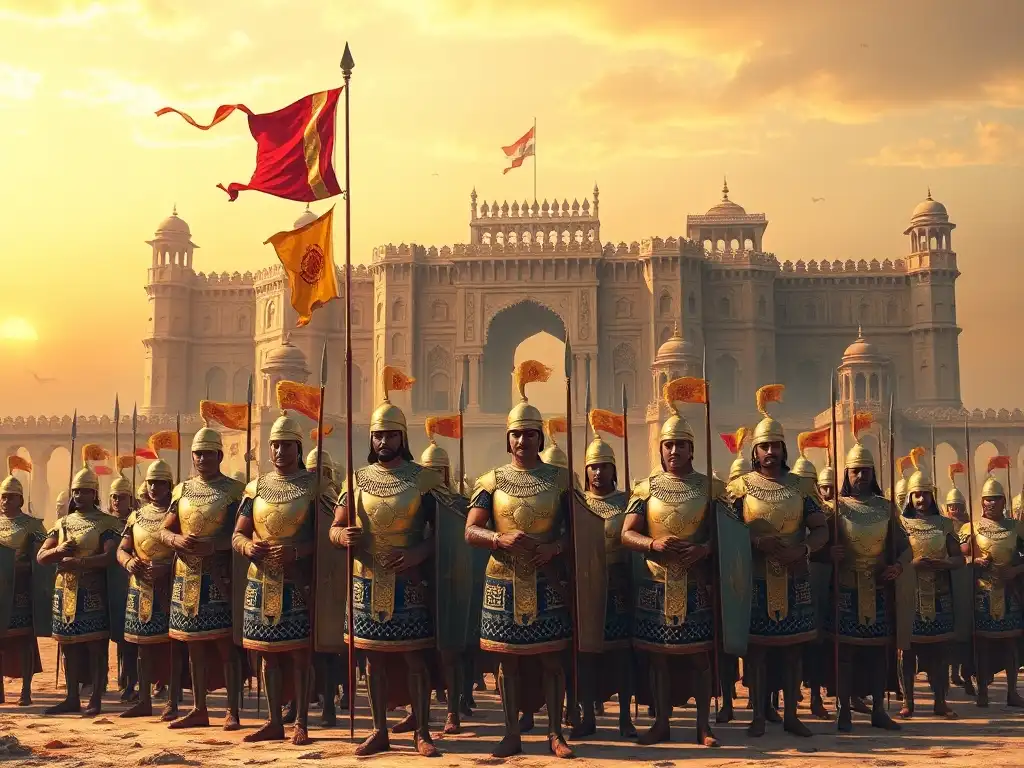
The military organization of the Maurya Empire under Chandragupta Maurya was a pivotal element in establishing and maintaining a centralized governance system. This structured military apparatus not only ensured the security of the empire but also facilitated the enforcement of the emperor's policies across vast territories.
Structure of the Mauryan Army
The Mauryan army was a highly organized and formidable force, characterized by its diverse composition and tactical flexibility. It was divided into several key components:
- Infantry (Padati): The backbone of the Mauryan army, the infantry comprised foot soldiers equipped with a variety of weapons, including swords, bows, and shields. The infantry was crucial for ground combat and played a significant role in both offense and defense during military campaigns.
- Cavalry (Ashvashakti): The cavalry units provided mobility and speed, allowing for rapid strikes against enemies and quick retreats when necessary. Cavalrymen were typically armed with lances and swords, and their horses were well-trained for combat situations.
- War Elephants (Gaja): Elephants were a symbol of power and dominance in ancient Indian warfare. The Mauryan army utilized war elephants not only for their strength in battle but also for psychological warfare, instilling fear in adversaries. These elephants were often adorned with armor and could carry archers or spearmen on their backs.
- Chariots (Ratha): Although less prevalent than in earlier Indian armies, chariots remained an integral part of the Mauryan military. They provided a platform for archers and allowed for quick movement across the battlefield.
The command structure of the Mauryan army was hierarchical, with Chandragupta Maurya himself at the top. He was supported by a council of generals and commanders who oversaw various divisions and coordinated military strategies. This clear chain of command facilitated efficient decision-making and rapid response during conflicts.
Role of Military in Maintaining Centralized Governance
The military was not merely an instrument of war for the Mauryan Empire; it was central to the governance and administration of the vast territories under Chandragupta Maurya. Several key roles highlight the military's function in maintaining centralized governance:
- Enforcement of Authority: The military served as the enforcement arm of the emperor. By demonstrating military strength, Chandragupta was able to suppress dissent and maintain order in the empire. The presence of a powerful army discouraged rebellions and ensured compliance with imperial decrees.
- Protection of Trade Routes: The Mauryan Empire thrived on trade, both inland and overseas. The military played a vital role in securing trade routes from banditry and external threats, thus facilitating economic stability and growth. Safe passage for merchants promoted commerce, which was essential for the empire's prosperity.
- Territorial Expansion: Chandragupta Maurya utilized military campaigns to expand the empire’s boundaries. Through strategic warfare and diplomacy, he was able to annex neighboring kingdoms, thereby consolidating power and resources. This expansion was crucial for establishing a centralized governance system that could effectively manage a larger population.
- Integration of Diverse Cultures: As the Mauryan Empire expanded, it incorporated various cultures and communities. The military acted as a mechanism for integration, promoting a sense of unity among diverse populations. Soldiers were often drawn from different regions, and their interactions helped to foster a shared identity under Mauryan rule.
- Support for Administrative Functions: The military also supported administrative functions by providing manpower for various civil duties, such as tax collection and public works. This dual role enhanced the efficiency of governance and ensured that the emperor's policies were effectively implemented across the empire.
The military organization and control under Chandragupta Maurya were instrumental in establishing a robust governance system. Through a well-structured army, he not only secured his empire but also ensured the effective administration of vast territories, laying the groundwork for the Maurya Empire's legacy in ancient Indian history.
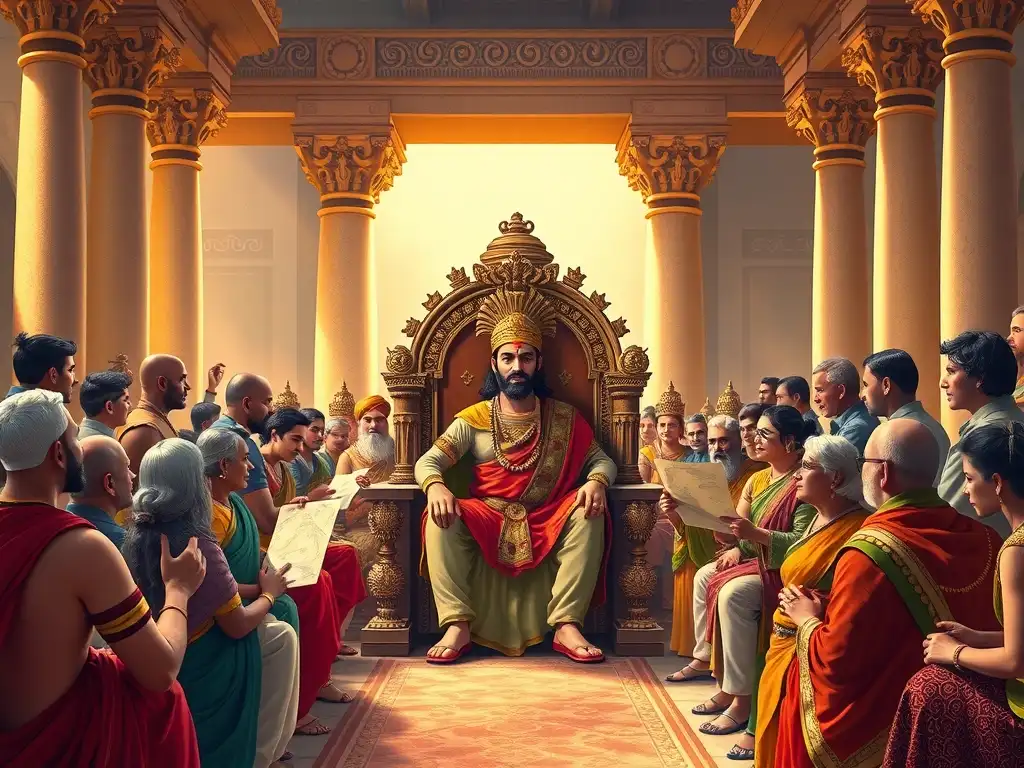
The governance system established by Chandragupta Maurya had profound cultural and social implications that shaped the trajectory of ancient Indian society. His centralized administration not only facilitated effective governance but also fostered an environment conducive to trade, cultural exchange, and the reorganization of social hierarchies.
Promotion of Trade and Cultural Exchange
Chandragupta Maurya's governance system significantly bolstered trade routes and cultural interactions across his empire. By implementing a unified administrative framework, he ensured the stability and security of trade, which was crucial for economic growth. Key aspects of this promotion include:
- Standardization of Weights and Measures: To facilitate trade, Chandragupta introduced a standardized system of weights and measures. This move minimized discrepancies in trade practices, allowing merchants to conduct business with confidence and clarity.
- Development of Infrastructure: The Mauryan Empire invested heavily in infrastructure, including roads and irrigation systems. The Grand Trunk Road, for instance, became a vital artery for trade, linking important cities and regions. This infrastructure not only enhanced commerce but also enabled the movement of ideas, cultures, and innovations across the empire.
- Cultural Exchange through Trade: The flourishing trade routes under Chandragupta's rule attracted merchants from various regions, including Persia, Central Asia, and Southeast Asia. This influx of traders led to a vibrant exchange of goods, art, and ideas, enriching the cultural tapestry of the Mauryan Empire. For example, Indian spices, textiles, and artifacts found their way to distant lands, while foreign influences introduced new artistic and architectural styles.
- Promotion of Buddhism and Jainism: Chandragupta's patronage of Buddhism and Jainism played a crucial role in cultural exchange. The spread of these religions not only influenced local customs but also facilitated interactions with neighboring regions. The establishment of stupas and monasteries served as centers for trade and cultural dialogue.
Chandragupta Maurya's governance system also had a significant impact on social hierarchies and classes within the empire. The centralization of power and administration altered traditional societal structures in several ways:
- Merit-Based Administration: Chandragupta emphasized the appointment of officials based on merit rather than birthright. This shift allowed individuals from diverse backgrounds to rise to positions of authority, thereby challenging the rigid caste system that had previously dominated Indian society. The introduction of such a meritocratic system encouraged talent and efficiency in governance.
- Integration of Local Governance: The Mauryan administration included local chieftains and leaders into the governance framework, promoting a more inclusive approach. This integration allowed for the representation of various communities and helped stabilize regional governance, thus fostering loyalty to the central authority.
- Economic Opportunities for Different Classes: The promotion of trade and economic activities under Chandragupta created new opportunities for merchants and artisans. The rise of a prosperous merchant class contributed to the evolution of social hierarchies, where wealth and economic influence began to rival traditional caste distinctions.
- Legal Reforms: Chandragupta's governance included the establishment of a legal framework that aimed to ensure justice and order. These reforms addressed grievances across different social classes, leading to a sense of fairness and equity in society, which was essential for maintaining the stability of his empire.
The governance system of Chandragupta Maurya served as a catalyst for cultural dynamism and social reorganization in ancient India. By promoting trade and fostering social mobility, he laid the groundwork for a more interconnected and complex society, the effects of which were felt long after the decline of the Mauryan Empire.
Legacy of Chandragupta Maurya’s Governance System
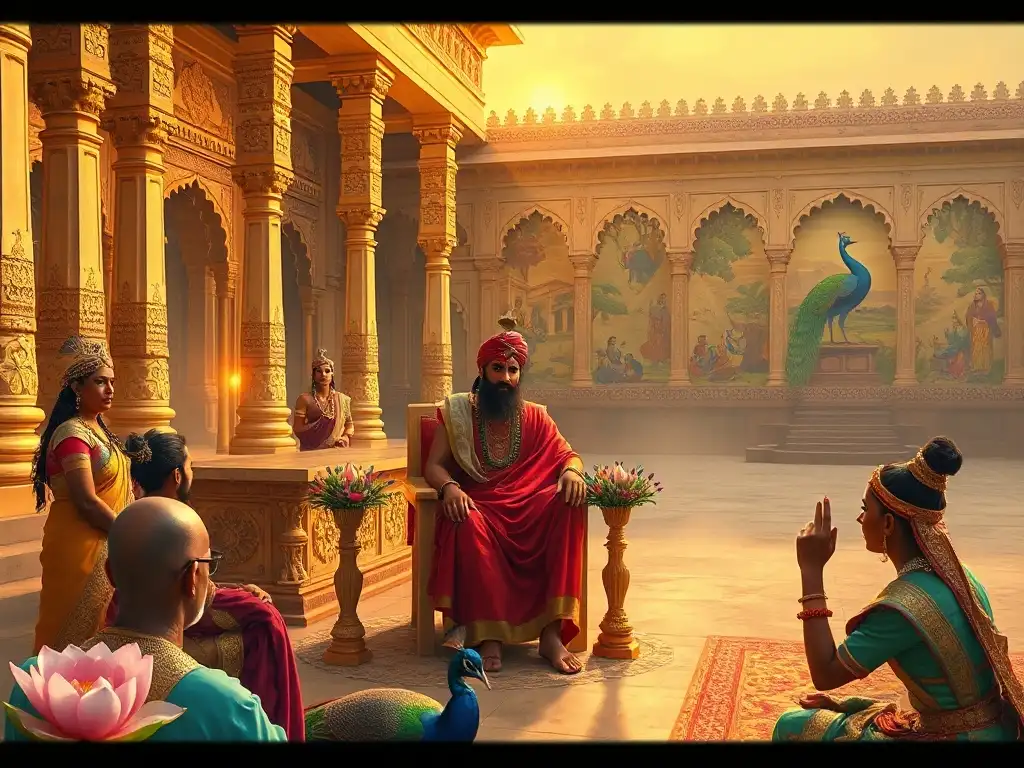
Chandragupta Maurya's governance system laid the foundational framework for centralized administration in ancient India, profoundly influencing subsequent empires and setting a standard for effective governance. His approach emerged during a tumultuous period marked by fragmentation and chaos, and it proved essential in unifying the diverse regions of the Indian subcontinent under the Mauryan Empire.
Impact on Future Indian Empires
The centralized governance system established by Chandragupta Maurya served as a model for later Indian empires, particularly the Gupta Empire and the Chola Dynasty. These empires adopted and adapted many of the principles set forth by Chandragupta.
- Central Authority: Chandragupta centralized power in the hands of the emperor, supported by a network of ministers and officials. This model was replicated by later rulers who recognized the importance of strong centralized leadership to maintain order and implement policies effectively.
- Bureaucratic Structure: His administration introduced a well-defined bureaucratic structure with designated roles and responsibilities, ensuring that governance was efficient and responsive. The Gupta Empire further refined this system, which included various departments focused on agriculture, taxation, and public works, demonstrating the long-lasting influence of Chandragupta's governance.
- Legal Framework: The emphasis on law and order under Chandragupta's regime set a precedent for future empires. The Arthashastra, attributed to his advisor Kautilya (Chanakya), articulated principles of statecraft, economic management, and law enforcement that influenced legal systems in subsequent Indian states.
- Cultural Integration: Chandragupta's policies encouraged the integration of various cultures and regions, fostering a sense of unity among diverse populations. This cultural cohesion became a hallmark of later empires, as seen in the Gupta period, which is often referred to as a golden age of cultural and intellectual achievements.
Comparative Analysis with Other Ancient Governance Systems
When comparing Chandragupta Maurya’s governance system with other ancient governance frameworks, several distinct features emerge that highlight both its uniqueness and its shared characteristics with contemporaneous systems.
| Feature | Chandragupta Maurya’s Governance | Other Ancient Systems (e.g., Roman, Persian) |
|---|---|---|
| Centralization | Strongly centralized power in the emperor | Varies; Roman Republic emphasized checks on power |
| Bureaucratic Organization | Clear hierarchy with designated officials | Roman Empire had a complex bureaucracy; Persian satraps managed provinces |
| Legal Codification | Influenced by the Arthashastra | Roman law was highly codified; Persian laws were more localized |
| Cultural Policies | Promoted integration across diverse cultures | Roman assimilation through citizenship; Persian tolerance of local customs |
| Economic Management | State-controlled economy with focus on agriculture | Roman economy relied on trade and conquest; Persian state-managed agriculture |
Chandragupta’s system was characterized by its adaptability and pragmatism, which allowed for the effective governance of a vast and diverse empire. In contrast, the Roman system was more focused on legalistic and procedural frameworks with an emphasis on civic duty, whereas the Persian model was based on regional autonomy under a central authority.
Chandragupta Maurya’s governance system not only laid the groundwork for future Indian empires but also offers valuable insights when analyzed alongside other ancient governance systems, showcasing the diversity and evolution of administrative practices in the ancient world.
Conclusion
Summary of Chandragupta Maurya's Contributions to Governance
Chandragupta Maurya stands as a pivotal figure in the history of ancient India, primarily recognized for establishing a robust governance system that laid the foundation for the Maurya Empire. His governance system was characterized by a centralized administrative structure, which was a significant departure from the fragmented political landscape that preceded his reign.
Key contributions of Chandragupta Maurya include:
- Centralization of Power: He centralized authority by consolidating various regional powers under a single imperial rule. This not only facilitated better governance but also fostered unity among diverse cultures and regions.
- Administrative Framework: Chandragupta implemented a systematic bureaucratic framework. He appointed officials known as Amatyas to manage different aspects of governance, including finance, military, and regional administration. This hierarchy ensured efficient decision-making and accountability.
- Legal Reforms: He introduced a codified set of laws, which were crucial for maintaining order and justice across the empire. These laws were designed to regulate both civil and criminal matters, contributing to societal stability.
- Economic Policies: An innovative taxation system was established under his rule, which was essential for revenue generation to sustain the empire's military and administrative expenses. This included land revenue, trade taxes, and tolls.
- Infrastructure Development: Chandragupta emphasized infrastructure development, constructing roads, irrigation systems, and urban centers. This not only facilitated trade but also enhanced communication across the vast empire.
Overall, the governance system established by Chandragupta Maurya was foundational in shaping the future political landscape of India, influencing subsequent dynasties and their administrative practices.
Reflection on the Importance of Centralized Systems in Ancient India
The significance of centralized governance, as exemplified by Chandragupta Maurya, cannot be overstated. In an era marked by tribal affiliations and regional kingdoms, the introduction of a centralized system provided various advantages:
- Stability and Security: Centralized governance minimized internal conflicts and power struggles among various factions. This stability allowed for the consolidation of power and the establishment of a secure environment for trade and cultural exchange.
- Efficient Resource Management: A unified administration enabled better allocation and management of resources. This was particularly crucial for agricultural development, trade facilitation, and military preparedness.
- Cultural Integration: Centralized systems promoted the integration of diverse cultures, languages, and traditions. By fostering a sense of belonging to a larger entity, it helped cultivate a shared identity among the populace.
- Legacy of Governance: The principles of governance established by Chandragupta and his successors served as a model for later empires, including the Gupta Empire. The Mauryan governance system influenced the evolution of administrative practices in India for centuries to come.
The governance system initiated by Chandragupta Maurya was not merely a political arrangement but a transformative approach that shaped the trajectory of ancient Indian civilization. Its impacts are evident in both historical and contemporary governance models.
Frequently Asked Questions
What was the significance of Chandragupta Maurya's governance system?
Chandragupta Maurya established a centralized governance system that laid the foundation for a unified Indian state, promoting administrative efficiency and political stability.
How did Chandragupta Maurya achieve political unity in India?
Through strategic alliances and military conquests, Chandragupta succeeded in uniting various regions, effectively ending the fragmented rule of smaller kingdoms and establishing a centralized authority.
What were the main features of his governance?
The governance system under Chandragupta was characterized by strong centralized control, a well-defined bureaucracy, and an emphasis on law and order, which helped maintain stability across the empire.
Who influenced Chandragupta Maurya's governance style?
Chandragupta was influenced by Chanakya, also known as Kautilya, whose political philosophy outlined the importance of realpolitik and strategic governance, shaping the methods employed in his administration.
What were the long-term impacts of his governance system?
The governance system of Chandragupta Maurya set a precedent for future rulers, influencing the political landscape of India and contributing to the growth of administrative frameworks that persisted in subsequent empires.
Final Reflection: The Enduring Legacy of Chandragupta Maurya's Governance System
Chandragupta Maurya's governance system remains profoundly relevant today, as it laid the groundwork for centralized governance that continues to influence modern political structures. The principles of unity, administration, and strategic leadership that he implemented are not just historical footnotes; they are essential frameworks that guide contemporary governance and inspire leaders across the globe. In an era where effective governance is more crucial than ever, the lessons from Chandragupta's reign resonate powerfully, reminding us that strong leadership can shape the destiny of nations.
The impact of Chandragupta Maurya's governance system transcends time, echoing through the corridors of history and into our current societal frameworks. His ability to unify diverse regions under a centralized authority fostered a sense of identity and stability that is still sought after in today's fragmented world. The greatest victory is that which requires no battle.
This quote encapsulates the essence of Chandragupta's approach, highlighting that true strength lies in governance that prioritizes unity and strategic foresight over conflict.
As we reflect on the lessons of Chandragupta Maurya, let us consider how we can apply these principles in our own lives and communities. Embrace the spirit of collaboration and leadership that he exemplified, and strive to create systems that promote unity and effective governance in your spheres of influence. The future is shaped by our actions today, and by embodying the values of centralized governance, we can contribute to a more cohesive and harmonious society.
Unveil the Legacy of Chandragupta Maurya!
Thank you for diving into the remarkable journey of Chandragupta Maurya and the revolutionary governance system he established. You’ve gained insights into a pivotal figure who changed the course of Indian history. Now, it’s time to take that knowledge and put it into action!
- Explore more about the Mauryan Empire by visiting **local libraries or reputable websites**, delving into historical texts that share perspectives on governance and leadership.
- Share this article with friends who are passionate about history—**ignite discussions** on how Chandragupta's strategies can apply to today's world!
- Consider writing your own thoughts in a journal or blog about **the impact of centralized governance on contemporary societies**—your insights could inspire others!
As you reflect on these ideas, ask yourself: How can the principles of Chandragupta’s governance inspire your personal or professional life today?