
The Maurya Empire’s Relationship with Indigenous Tribes and Governance

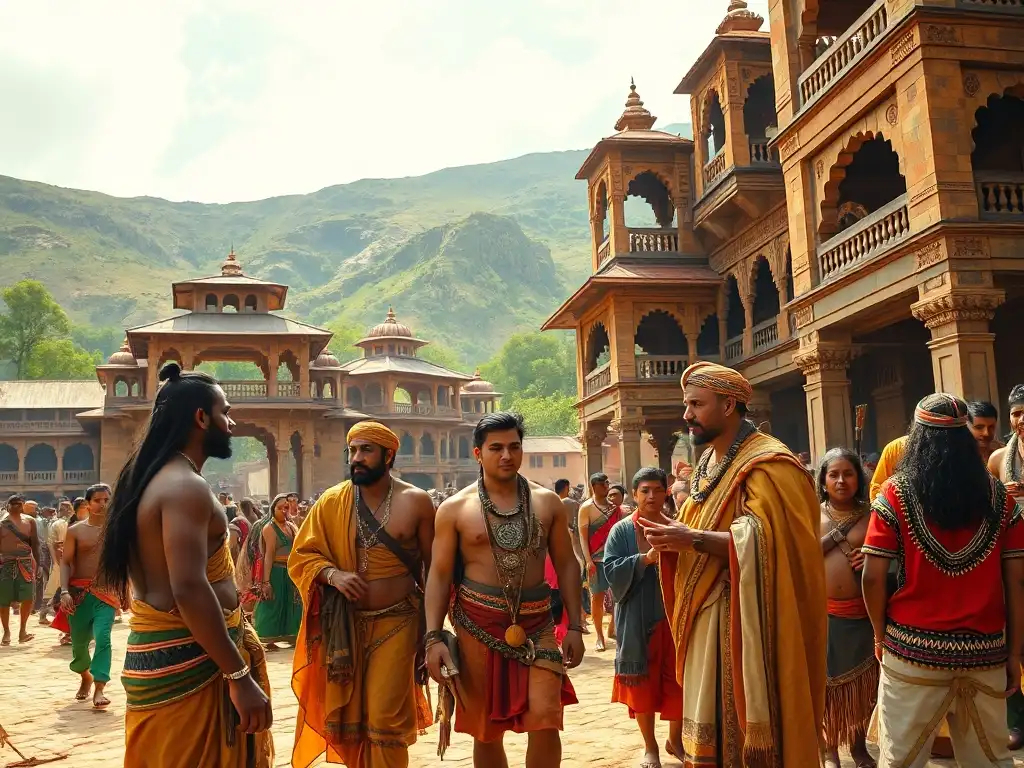
Welcome to Ancient India History, where we embark on a fascinating journey through the rich tapestry of ancient Indian civilizations. Delve into the captivating world of the Maurya Empire as we explore its intricate relationship with indigenous tribes and the innovative governance that shaped its legacy. What secrets lie within this pivotal era, and how did these tribal connections influence the very fabric of governance? Join us as we unravel the complexities of a civilization that laid the groundwork for future empires, and prepare to be intrigued by the stories waiting to be discovered.
Introduction to the Maurya Empire and Indigenous Tribes
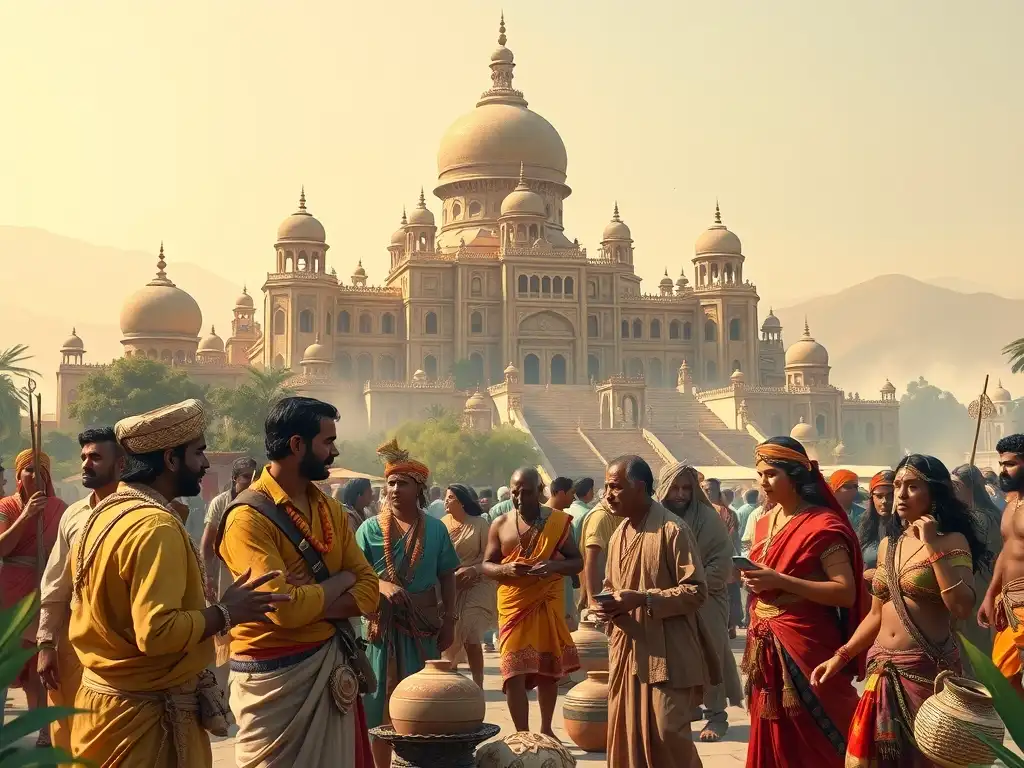
The Maurya Empire, which flourished from 322 to 185 BCE, stands as one of the most significant and expansive empires in ancient Indian history. Established by Chandragupta Maurya, it marked a pivotal moment of unification and governance across the Indian subcontinent. The empire is notable not only for its political achievements but also for its intricate relationship with various indigenous tribes that inhabited the region.
These tribes played a crucial role in the socio-political landscape of ancient India, influencing both the culture and administration of the Mauryan regime. Understanding this relationship is essential to grasp the complexities of governance and the diverse fabric of ancient Indian civilization.
Overview of the Maurya Empire's Significance
The Maurya Empire is renowned for its remarkable contributions to governance, culture, and economy. Under the leadership of figures such as Ashoka the Great, the empire expanded its territories, reaching into present-day Afghanistan and parts of Southeast Asia. This period was characterized by:
- Cultural Flourishing: The Mauryan era saw the emergence of significant advancements in art, architecture, and philosophy, including the construction of stupas and the promotion of Buddhism.
- Economic Development: The establishment of trade routes facilitated economic prosperity, connecting various regions and enhancing commerce.
- Political Unity: The empire's centralized governance model laid the groundwork for subsequent Indian states, influencing political thought and administrative practices for centuries.
Importance of Indigenous Tribes in Ancient India
Indigenous tribes were integral to the social and political framework of ancient India. They contributed to the diversity of cultures, languages, and traditions that characterized the region. Some key aspects of their importance include:
- Cultural Contributions: Indigenous tribes enriched the cultural tapestry of the Maurya Empire through their unique customs, arts, and rituals.
- Military Alliances: Many tribes formed alliances with the Mauryan rulers, providing military support and contributing to the empire's expansion.
- Resource Management: The knowledge of local resources and land management practices held by these tribes was invaluable for the agrarian economy of the Maurya Empire.
The Governance Structure of the Maurya Empire
The governance of the Maurya Empire was sophisticated and well-organized, reflecting a blend of centralized authority and local autonomy. The empire implemented a system that allowed for effective administration across its vast territories.
Overview of Mauryan Administration
The Mauryan administration was characterized by a hierarchical structure that facilitated efficient governance. Key features included:
- Centralization of Power: The emperor held supreme authority, supported by a bureaucracy that managed various aspects of governance.
- Provincial Administration: The empire was divided into provinces (Mahajanapadas), each governed by officials appointed by the emperor, ensuring local needs were addressed while maintaining central control.
Key Features of Mauryan Governance
Mauryan governance was marked by several distinctive features that set it apart from previous systems:
- Legal Framework: A codified legal system was established to ensure justice and order, with laws that addressed both urban and rural populations.
- Taxation and Revenue: The empire implemented a structured taxation system that supported public works, military expenses, and welfare programs. Taxes were levied on agriculture, trade, and land use.
- Public Welfare Initiatives: Under Ashoka, the emphasis shifted towards social welfare, with initiatives aimed at improving healthcare, education, and infrastructure.
Relationship between Governance and Indigenous Tribes
The relationship between the Maurya Empire and indigenous tribes was complex and multifaceted. The empire recognized the importance of these tribes in maintaining stability and fostering loyalty. Key aspects of this relationship included:
- Integration into Governance: Indigenous leaders were often co-opted into the administrative framework, allowing for greater local representation and reducing resistance to Mauryan rule.
- Cultural Respect and Adaptation: The Mauryan administration often adapted to local customs and practices, fostering a sense of inclusion among indigenous populations.
- Conflict and Cooperation: While alliances were formed, there were also instances of conflict, particularly in regions where tribal autonomy clashed with imperial objectives. However, the Mauryan strategy often leaned towards negotiation and integration rather than outright conquest.
This intricate relationship between the Maurya Empire and indigenous tribes illustrates the dynamic nature of governance in ancient India, highlighting the empire's adaptability and its reliance on the diverse cultural landscape that defined the region.
Indigenous Tribes in the Maurya Empire
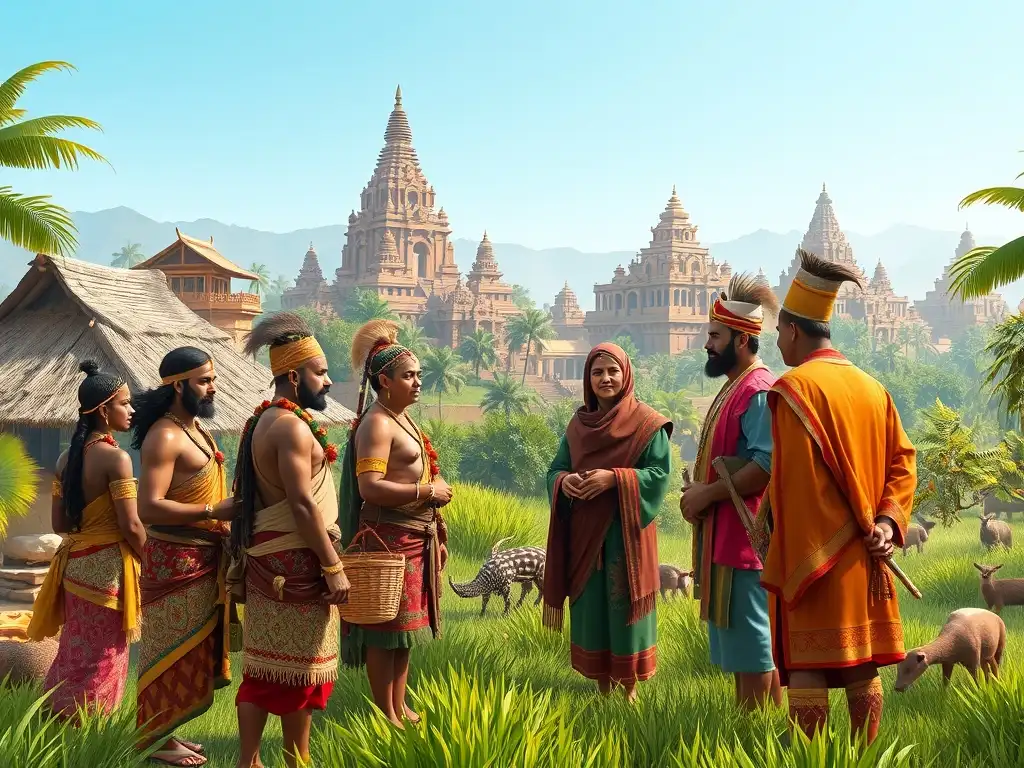
The Maurya Empire, which thrived from approximately 322 to 185 BCE, was not only the first large-scale empire in ancient India but also a melting pot of various cultures, languages, and ethnicities. Among its most significant facets was the interaction with indigenous tribes, who played a crucial role in shaping the socio-political landscape of the empire. These tribes, with their distinct customs and traditions, were integral to the empire's administration and cultural fabric. The Mauryan rulers recognized the importance of these tribes in maintaining stability and expanding their influence across vast territories.
Indigenous tribes often occupied regions that were strategically important for trade routes, agriculture, and resource management. The Maurya Empire encompassed a variety of tribes, each contributing to the empire's diversity. The governance strategies employed by the Mauryans were instrumental in integrating these tribes into the larger imperial framework, ensuring both loyalty and cooperation.
Major Indigenous Tribes within the Empire
Several indigenous tribes were prominent within the Maurya Empire, each with unique identities and contributions. Notable among these were:
- The Kshatras: This warrior tribe played a pivotal role in the military organization of the empire, contributing soldiers and leaders.
- The Nagas: Known for their serpent worship, the Nagas were integral in religious practices and local governance, often serving as intermediaries between the empire and local populations.
- The Bhils: Located primarily in the western regions, the Bhils engaged in agriculture and trade, forming vital economic links within the empire.
- The Gonds: This tribe, known for its rich cultural heritage, contributed to the arts and local governance, often holding significant sway in their regions.
These tribes were not merely subjects of the Mauryan rule; they were active participants in the socio-political dynamics of the empire, influencing both governance and culture.
Cultural Contributions of Indigenous Tribes to the Maurya Empire
The cultural contributions of indigenous tribes to the Maurya Empire were profound and multifaceted. Their rich traditions, folklore, and artistic expressions significantly enriched the empire’s cultural tapestry.
- Art and Craftsmanship: Indigenous tribes were skilled artisans, contributing unique styles of pottery, textiles, and jewelry that were integrated into the Mauryan economy. For example, the intricate beadwork of the Bhils became popular across the empire.
- Religious Practices: The spiritual beliefs of various tribes, such as the worship of local deities and nature, influenced the religious landscape of the Maurya Empire. This syncretism is evident in the art and architecture of the period, where tribal motifs blended with mainstream religious symbols.
- Agricultural Techniques: Many tribes possessed advanced agricultural knowledge that was crucial for the empire's agrarian economy. Their techniques in irrigation and crop rotation were adopted and adapted by the Mauryan administration, leading to increased productivity.
These contributions not only enhanced the empire's cultural richness but also facilitated social cohesion among diverse groups.
The Dynamics of Governance and Indigenous Tribes
The relationship between the Maurya Empire and indigenous tribes was characterized by a dynamic governance approach that emphasized integration and collaboration. The Mauryan rulers understood that fostering strong ties with these tribes was essential for maintaining control over their vast territories.
How the Maurya Empire Integrated Indigenous Tribes
Integration of indigenous tribes into the Maurya Empire involved a multifaceted approach that included diplomatic engagement, economic incentives, and cultural assimilation. The empire often appointed local leaders from these tribes as vassals or governors, empowering them to maintain order and collect taxes within their communities. This strategy ensured loyalty while allowing the tribes to retain a degree of autonomy.
Additionally, the Mauryan administration implemented policies that promoted trade and commerce, enabling indigenous tribes to participate actively in the empire's economy. By creating a network of roads and trade routes, the Maurya Empire facilitated the flow of goods and cultural exchange, which further integrated tribal communities into the imperial framework.
Policies Implemented for Indigenous Governance
To govern the diverse populations effectively, the Maurya Empire established policies that recognized the rights and customs of indigenous tribes. These included:
- Local Autonomy: The empire allowed tribes to maintain their traditional leadership structures, enabling them to govern local affairs according to their customs. This not only fostered loyalty but also minimized resistance to Mauryan rule.
- Taxation Systems: The Mauryan administration designed tax systems that considered the economic realities of indigenous tribes, ensuring that tax burdens were fair and manageable.
- Conflict Resolution Mechanisms: The empire established methods for resolving disputes between tribes and between tribes and the state, often involving local leaders in judicial processes to ensure fairness and cultural sensitivity.
These policies were pivotal in facilitating harmonious relations between the Maurya Empire and indigenous tribes, promoting stability across its extensive territories.
The Role of Indigenous Leaders in Mauryan Governance
Indigenous leaders played a crucial role in the governance structure of the Maurya Empire. By serving as intermediaries between the empire and their communities, these leaders facilitated the administration's efforts to maintain order and collect resources.
- Advisors to the Emperor: Many tribal leaders were appointed to advisory roles within the imperial court, providing insights into local customs, political dynamics, and economic conditions.
- Military Command: Indigenous leaders often commanded local militias, contributing to the Mauryan military campaigns and ensuring the defense of the empire's borders.
- Cultural Ambassadors: By promoting cultural exchange and understanding, indigenous leaders helped to foster a sense of unity within the empire. They played a key role in disseminating Mauryan policies and initiatives within their communities, which often led to greater compliance and loyalty.
Indigenous leaders were instrumental in bridging the gap between the empire and local tribes, ensuring that governance was effective and culturally relevant. Their contributions were essential for the stability and success of the Maurya Empire, demonstrating the significance of indigenous tribes in the broader context of ancient Indian governance.
Challenges Faced by the Maurya Empire in Governing Indigenous Tribes
The Maurya Empire, one of the largest and most powerful empires in ancient India, encountered numerous challenges in its efforts to govern the vast and diverse indigenous tribes within its territory. The integration of these tribes into the Mauryan administrative framework was complicated by a multitude of factors, including cultural differences, geographical barriers, and varying social structures. As the empire expanded, it became essential for the Mauryan rulers to navigate these complexities to maintain control and ensure stability across their realm.
Conflicts between Indigenous Tribes and Mauryan Authority
One of the primary challenges faced by the Maurya Empire was the frequent conflicts between indigenous tribes and Mauryan authority. Many tribes had established their own systems of governance and held strong ties to their land and traditions. When the Mauryan administration imposed its authority, it often led to resistance.
For example, the expansionist policies of Ashoka, while aimed at unifying the empire, sometimes disregarded the autonomy of local tribes, resulting in skirmishes and unrest. The tribes perceived these incursions as threats to their identity and way of life, leading to a cycle of conflict that the Mauryan administration struggled to manage.
Resistance Movements among Indigenous Communities
In addition to outright conflicts, there were also resistance movements among indigenous communities that sought to preserve their cultural and social structures. These movements emerged as a response to the Mauryan policies that sought to assimilate tribes into the broader imperial framework. The indigenous populations often rallied around leaders who championed their rights and autonomy, leading to localized uprisings. Such resistance was not uniform; different tribes adopted varying strategies based on their unique circumstances, which further complicated the Mauryan Empire's efforts to maintain control and implement cohesive governance across its diverse territories.
Impact of Geographic Diversity on Governance
The impact of geographic diversity on governance was another significant challenge for the Maurya Empire. The empire encompassed a wide range of terrains, including mountains, forests, and river valleys, each presenting unique obstacles to administration. Communication and transportation were hindered in rugged areas, making it difficult for Mauryan officials to exert authority and enforce laws.
The geographic diversity also meant that local tribes had adapted to their environments in distinct ways, leading to various customs and practices that the Mauryan administration had to consider. This necessitated a flexible governance approach, which could be challenging to implement consistently across such a vast empire.
Case Studies of Indigenous Tribes and Governance in the Maurya Empire
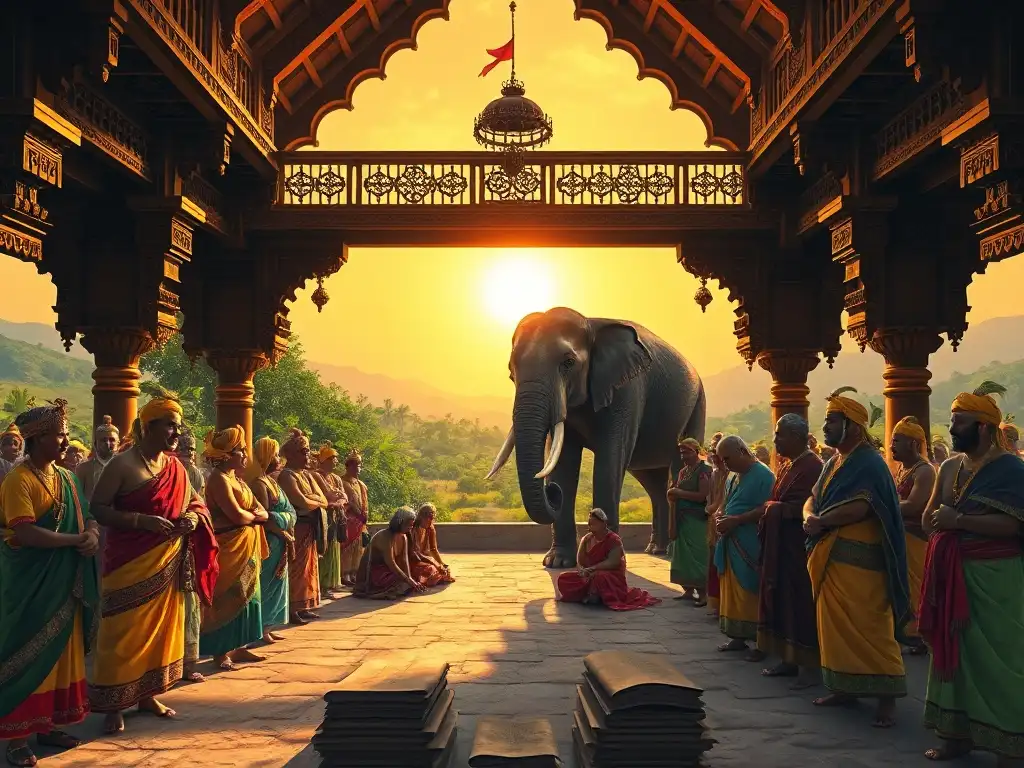
To better understand the relationship between the Maurya Empire and indigenous tribes, it is helpful to examine specific case studies that highlight the dynamics of governance and indigenous identity.
Case Study 1: The Kshatriyas and Their Role in Governance
The Kshatriyas, traditionally known as warriors and rulers, played a significant role in the governance of the Maurya Empire. As a prominent caste within Indian society, they were often co-opted into the Mauryan administration to help manage local governance and maintain order among tribes. The Mauryan rulers recognized the Kshatriyas' influence and established alliances, integrating them into the imperial framework.
This relationship allowed the empire to utilize the local knowledge and military strength of the Kshatriyas while providing them with status and resources. However, this also created tension, as some Kshatriyas resisted the central authority in favor of local autonomy, reflecting the complex interplay between indigenous governance and Mauryan rule.
Case Study 2: The Munda Tribe and Its Relationship with the Empire
The Munda tribe, predominantly located in the eastern regions of the empire, provides another insightful case study regarding indigenous governance. The Mundas had a distinct social structure and governance system that emphasized communal decision-making. Initially, the Maurya Empire sought to incorporate the Munda leaders into its administrative network, promoting cooperation. However, over time, as the empire's demands increased, tensions grew. The Mundas often resisted external control, particularly in matters related to land rights and cultural practices. Their resistance was emblematic of broader indigenous struggles against Mauryan governance, highlighting how local identities and governance systems could clash with imperial ambitions.
Conclusion: Legacy of the Maurya Empire’s Governance of Indigenous Tribes
The Maurya Empire, one of the most significant and expansive empires in ancient Indian history, is renowned for its sophisticated governance structures and policies that engaged indigenous tribes. The legacy of its governance is characterized by a blend of central authority and local autonomy, which allowed for effective administration across diverse tribal societies. This relationship fostered a sense of unity within the empire while ensuring that the unique cultural identities of various tribes were respected and preserved.
The Mauryan approach to governance provided a model for later Indian empires. It emphasized diplomacy, strategic alliances, and the incorporation of indigenous leaders into the administrative framework. This legacy has had enduring implications for how subsequent Indian states interacted with local populations, paving the way for a governance model that balances central authority with regional autonomy.
Lasting Influences on Later Indian Governance
The administrative practices established during the Maurya Empire influenced many subsequent Indian kingdoms and empires. The integration of indigenous tribes into the governance structure set a precedent for future rulers to adopt similar methods of engagement. For instance, the practice of appointing local chieftains as governors or representatives allowed for smoother governance and better resource management.
Additionally, the Maurya Empire's emphasis on legal codification and standardization of laws served as a foundation for later legal frameworks in India. Subsequent dynasties, such as the Gupta Empire, expanded upon these principles, further integrating local customs and traditions into their governance, ensuring a more cohesive societal structure.
Reflections on Indigenous Contributions to Mauryan Society
Indigenous tribes played a crucial role in the cultural and social fabric of the Maurya Empire. The contributions of these tribes were not merely passive; they actively influenced various aspects of society, including trade, agriculture, and military organization. The interaction between the Mauryan administration and indigenous tribes led to a rich exchange of ideas, practices, and resources that propelled the empire's economic development.
Moreover, the artistic expressions and cultural practices of indigenous tribes enriched the broader Indian civilization. The fusion of local traditions with the more standardized Mauryan practices resulted in a diverse cultural landscape that has left a lasting imprint on Indian heritage. The acknowledgment and integration of these contributions highlight the importance of indigenous tribes in shaping the Mauryan identity and governance.
Additional Resources on the Maurya Empire and Indigenous Tribes
For those interested in delving deeper into the complexities of the Maurya Empire's governance and its relationship with indigenous tribes, several resources can provide further insights.
Recommended Readings and References
- "The Mauryan Empire" by Romila Thapar - This book offers an extensive overview of the Mauryan Empire, its administration, and its interactions with indigenous populations.
- "India: A History" by John Keay: - Keay’s work provides context for the Maurya Empire within the broader spectrum of Indian history, emphasizing governance and societal structures.
- "The History of Ancient India" by R.C. Majumdar - An insightful resource that chronicles the evolution of governance in ancient India, including the Maurya Empire's strategies.
Suggested Further Topics for Exploration
- The Role of the Ashoka in Promoting Indigenous Rights and Governance
- Comparative Studies of Indigenous Governance Models in Other Ancient Civilizations
- The Economic Impact of Indigenous Tribes on the Maurya Empire’s Trade Networks
- Cultural Syncretism: The Fusion of Mauryan and Indigenous Traditions in Art and Religion
These topics can offer a broader understanding of the intricate dynamics between the Maurya Empire and indigenous tribes, enriching one's appreciation of ancient Indian governance and its complexities.
- Introduction to the Maurya Empire and Indigenous Tribes
- Overview of the Maurya Empire's Significance
- Importance of Indigenous Tribes in Ancient India
- The Governance Structure of the Maurya Empire
- Indigenous Tribes in the Maurya Empire
- The Dynamics of Governance and Indigenous Tribes
- Challenges Faced by the Maurya Empire in Governing Indigenous Tribes
- Case Studies of Indigenous Tribes and Governance in the Maurya Empire
- Conclusion: Legacy of the Maurya Empire’s Governance of Indigenous Tribes
- Additional Resources on the Maurya Empire and Indigenous Tribes
- What was the significance of the Maurya Empire in ancient Indian history?
- How did the Maurya Empire interact with indigenous tribes?
- What governance strategies were employed by the Maurya Empire?
- How did the relationship between the Maurya Empire and indigenous tribes evolve?
- What role did indigenous tribes play in the economy of the Maurya Empire?
Frequently Asked Questions
What was the significance of the Maurya Empire in ancient Indian history?
The Maurya Empire was pivotal as it unified much of India under a centralized governance structure, promoting economic stability and cultural development.
How did the Maurya Empire interact with indigenous tribes?
The Maurya Empire engaged with indigenous tribes through diplomacy and military alliances, often integrating them into its administrative framework to maintain social harmony and control.
What governance strategies were employed by the Maurya Empire?
The Maurya Empire utilized a sophisticated system of governance that included a well-organized bureaucracy, local administration, and a network of spies to ensure loyalty and effective rule.
How did the relationship between the Maurya Empire and indigenous tribes evolve?
Over time, the relationship evolved from conflict to collaboration, as the Mauryan rulers often sought to incorporate tribal leaders into their governance structures, enhancing political stability.
What role did indigenous tribes play in the economy of the Maurya Empire?
Indigenous tribes contributed significantly to the economy by providing resources, participating in trade, and serving as a labor force, which helped in the empire's expansion and prosperity.
Final Reflection: Understanding the Maurya Empire's Legacy in Governance and Indigenous Relations
The relationship between the Maurya Empire and indigenous tribes is not just a historical curiosity; it is a profound lesson in governance that resonates with our contemporary world. As we navigate the complexities of multicultural societies today, the Maurya Empire's approach to integrating diverse indigenous communities offers invaluable insights into effective governance and social harmony. The empire's ability to foster cooperation and mutual respect among various tribes stands as a striking testament to the power of inclusive leadership.
Clearly, the Maurya Empire's legacy continues to shape our understanding of cultural integration and governance. The dynamics of its relationships with indigenous tribes reflect ongoing challenges and opportunities in modern governance. As we witness the struggles of indigenous communities around the globe, the Maurya Empire's historical narrative serves as a reminder of the importance of recognizing and valuing diverse voices. A nation’s greatness is measured by how it treats its weakest members.
– Mahatma Gandhi. This quote encapsulates the essence of the Maurya Empire's approach and its relevance in our current socio-political landscape.
As we reflect on the lessons drawn from the Maurya Empire, let us consider how we can apply these insights in our own lives and communities. How can we foster inclusivity and respect for diverse cultures in our governance structures? I invite you to engage in conversations that honor indigenous voices and advocate for policies that promote equity and understanding. Together, we can build a future that not only acknowledges the past but also embraces the richness of our collective heritage, ensuring that every community is valued and heard.
Uncover the Legacy: Engage with the Maurya Empire Today!
Thank you for taking the time to explore the intricate relationship between the Maurya Empire and indigenous tribes. You've gained valuable insights into how governance intertwined with cultural diversity shaped ancient India. Now, let's delve even deeper into these connections!
Here are some actionable ways you can engage with this fascinating history:
- Dive deeper into research: Explore academic articles and books that focus on the Maurya Empire's governance and its impact on indigenous communities. This will enrich your understanding and perspective.
- Join a discussion forum or online community: Connect with fellow history enthusiasts by sharing your thoughts and insights on platforms like Reddit or specialized Facebook groups.
- Create an educational project: Consider developing a presentation or writing a blog post to share your newfound knowledge about the Maurya Empire and its governance. This can encourage others to appreciate this rich history.
Which aspect of the Maurya Empire's relationship with indigenous tribes intrigues you the most, and how do you plan to share that with others?