
The Impact of Trade on Gupta Art and Culture: A Global Exchange

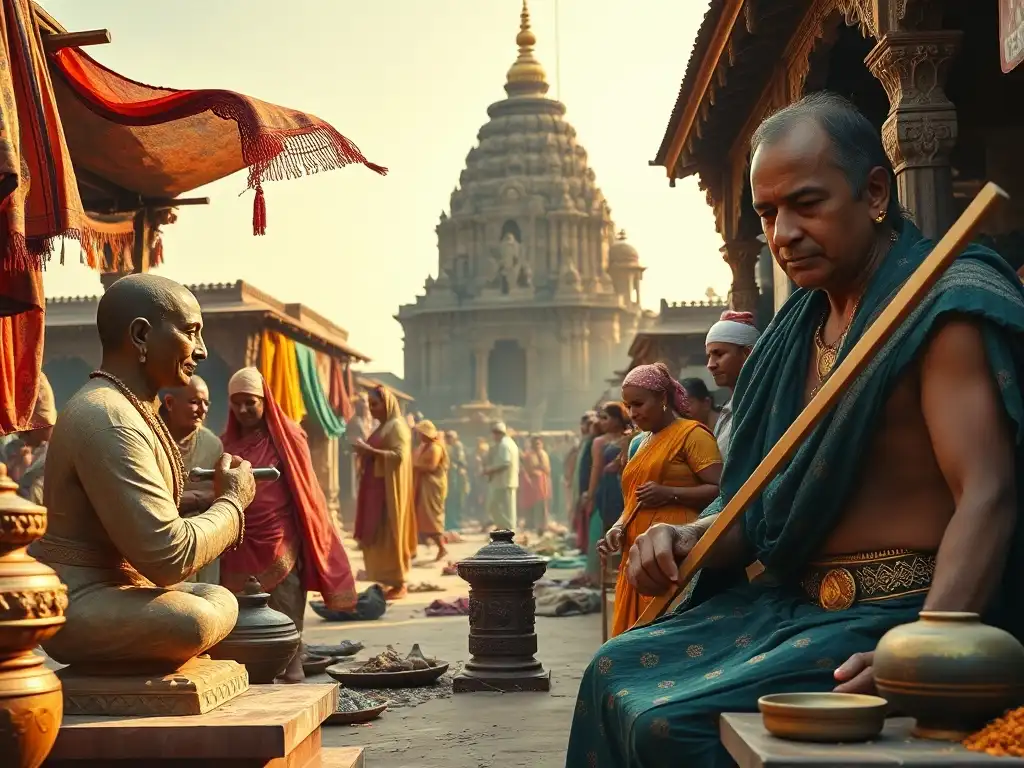
Welcome to Ancient India History, where we embark on a captivating journey through the vibrant tapestry of ancient Indian civilizations. Here, we delve into the remarkable interconnections between trade and art during the illustrious Gupta Empire, a period that witnessed a flourishing of culture and creativity. Have you ever wondered how the exchange of goods influenced the artistic expressions of this era?
In our featured article, "The Impact of Trade on Gupta Art and Culture: A Global Exchange," we unravel the intricate relationships that shaped one of history's most dynamic epochs. Join us as we explore the legacy of the Gupta Empire and discover the profound ways in which trade transformed art and culture, inviting you to dive deeper into the past.
Introduction to the Gupta Empire
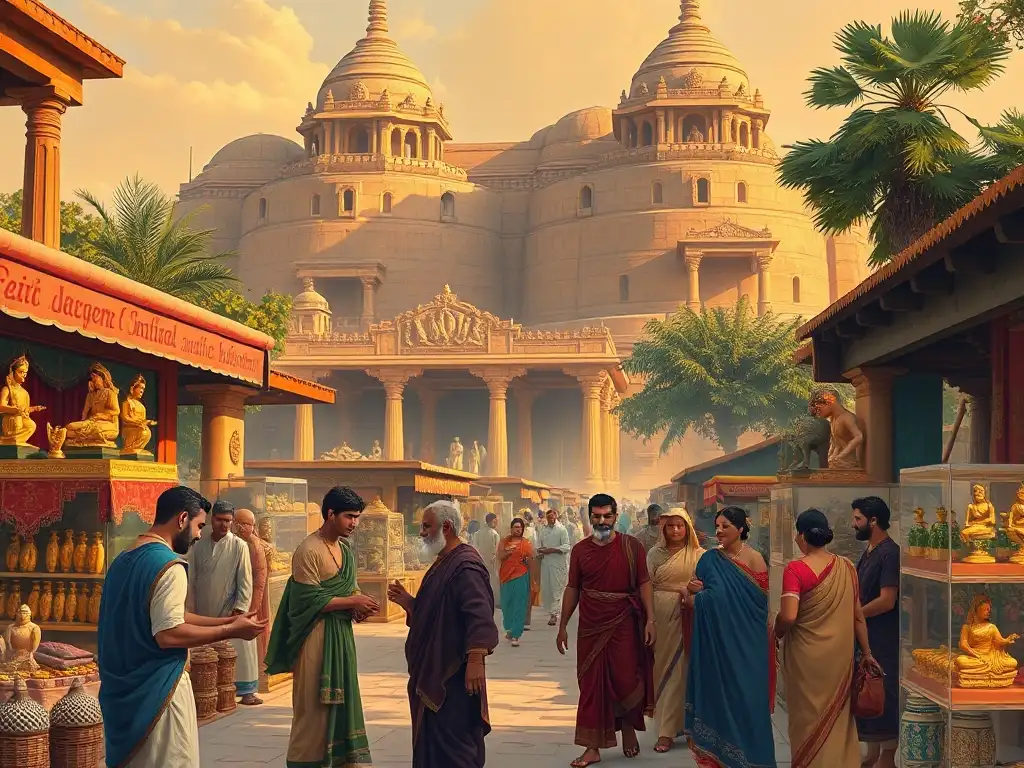
The Gupta Empire, which flourished from approximately 320 to 550 CE, is often referred to as a golden age in Indian history, characterized by significant advancements in various fields such as science, mathematics, literature, and, notably, art and culture. This period saw the emergence of a unique artistic style that blended indigenous traditions with influences from abroad, creating a vibrant cultural tapestry.
Central to the development of this art and culture was trade, which facilitated not only the exchange of goods but also the dissemination of ideas, religious beliefs, and artistic practices. Understanding the dynamic interplay between trade and art during the Gupta period provides vital insights into how global interactions shaped the identity of this influential civilization.
Overview of the Gupta Empire
The Gupta Empire covered a vast territory across northern India, encompassing regions that are now part of modern-day India, Pakistan, and Bangladesh. Under the leadership of notable rulers like Chandragupta I and Samudragupta, the empire experienced territorial expansion and consolidation of power. The Gupta period is marked by remarkable achievements in various domains:
- Political Stability: The Guptas established a strong centralized government, which contributed to peace and prosperity.
- Cultural Flourishing: This era witnessed the creation of significant literary works, including the famous "Shakuntala" by Kalidasa, and developments in mathematics, notably the concept of zero and the decimal system.
- Religious Diversity: The Gupta Empire was characterized by a rich tapestry of religions, including Hinduism, Buddhism, and Jainism, each influencing the art and culture of the time.
The interplay between these elements set the stage for a thriving artistic expression that reflected both local traditions and foreign influences.
Significance of Trade in Gupta Society
Trade was a cornerstone of Gupta society, fostering economic growth and cultural exchange. The Gupta Empire thrived due to its strategic location along key trade routes that connected it to various regions, including Southeast Asia, the Middle East, and the Mediterranean. This connectivity allowed for:
- Economic Prosperity: Increased trade led to a surplus of wealth, which funded artistic endeavors and the patronage of artisans.
- Cultural Exchange: Merchants and traders acted as conduits for the exchange of ideas, beliefs, and artistic styles, enriching Gupta art and culture.
- Urban Development: Trade fostered the growth of cities, which became centers of cultural and artistic production, further stimulating creativity and innovation.
Through trade, the Gupta Empire not only enhanced its economic standing but also established itself as a cultural nexus of the ancient world.
The Role of Trade in Gupta Art Development
The artistic achievements of the Gupta Empire were profoundly influenced by trade, which helped shape the visual language of the period. This section explores how trade routes and the exchange of goods catalyzed the development of Gupta art.
Trade Routes and Their Influence on Artistic Styles
The Gupta Empire was strategically positioned along major trade routes, including the Silk Road and maritime routes connecting India with other civilizations. These routes facilitated the movement of not only goods but also artistic ideas and techniques. Key influences included:
- Cultural Syncretism: The interaction with cultures from Central Asia and beyond resulted in the blending of artistic styles, evident in sculptures and paintings.
- Iconography: The importation of foreign motifs and themes enriched Gupta art, leading to the emergence of new iconographic representations in religious art.
- Materials and Techniques: Trade brought in new materials, such as lapis lazuli and marble, and advanced techniques that enhanced the quality and diversity of artistic production.
The artistic landscape of the Gupta Empire, therefore, reflects a rich interplay of local traditions and external influences, resulting in a unique and sophisticated art form.
Key Trade Goods and Their Impact on Art
Certain trade goods played a pivotal role in shaping Gupta art and culture. The exchange of specific items not only influenced artistic practices but also enhanced the aesthetic appeal of the artworks produced during this time:
- Textiles: Fine silk and cotton textiles from India were highly sought after, inspiring intricate patterns and designs in art.
- Metals: The availability of precious metals like gold and silver allowed for the crafting of exquisite jewelry and ornamental art pieces.
- Spices and Dyestuffs: These goods contributed to the color palette used by artists, enriching the visual vibrancy of Gupta art.
The interdependence of trade and art in the Gupta Empire illustrates how global exchanges can profoundly influence cultural expression, leading to a legacy that continues to be celebrated in the study of ancient Indian civilizations.
Cultural Exchange Through Trade
The Gupta Empire, flourishing from approximately 320 to 550 CE, was not only a period of political stability and economic prosperity but also a time of significant cultural exchange facilitated by trade. The extensive trade networks established by the Guptas connected them to various regions, including Central Asia, the Mediterranean, and Southeast Asia. This connectivity allowed for the exchange of not just goods but also ideas, beliefs, and artistic practices.
Through trade, the Gupta Empire engaged in a vibrant dialogue with diverse cultures. Merchants and traders acted as cultural ambassadors, bringing back influences from distant lands. This cross-cultural interaction enriched Gupta art and culture, leading to a unique blend of indigenous and foreign elements that characterized the period.
Interactions with Neighboring Civilizations
The Gupta Empire's trade routes extended to several neighboring civilizations, including the Persian Empire, the Roman Empire, and various kingdoms in Southeast Asia. These interactions were pivotal in fostering a mutual exchange of artistic styles and cultural practices.
- Persian Influence: The Guptas were influenced by Persian motifs and techniques, which can be seen in the intricate patterns and floral designs that adorned their sculptures and textiles.
- Roman Trade: Trade with the Romans introduced new materials and artistic concepts, such as the use of glass and advanced jewelry-making techniques, enhancing the aesthetic appeal of Gupta art.
- Southeast Asian Connections: Gupta traders played a crucial role in spreading Indian culture to Southeast Asia, leading to the establishment of Indianized kingdoms where Gupta artistic styles, including temple architecture, became prevalent.
These interactions not only broadened the artistic horizons of the Gupta Empire but also facilitated the export of Indian culture, including religion, literature, and philosophy, to other regions.
Influence of Foreign Cultures on Gupta Artistic Expression
The artistic expression of the Gupta Empire was notably enriched by the influences of foreign cultures. As traders brought in new materials and artistic ideas, Gupta artists began to integrate these elements into their work.
- Buddhist Art: The Gupta period is renowned for its Buddhist art, which often incorporated stylistic elements from Hellenistic and Central Asian traditions. The serene expressions and intricate drapery in Gupta sculptures reflect these influences.
- Iconography: Gupta artists adopted and adapted iconographic conventions from foreign cultures, leading to the evolution of new forms and styles in religious iconography. This is particularly evident in the portrayal of deities, where local and foreign motifs intertwined.
- Textile Art: The demand for luxury textiles fueled the incorporation of foreign designs and techniques, resulting in a rich tapestry of patterns that blended local traditions with exotic influences.
Overall, the synthesis of foreign cultural elements into Gupta art created a distinctive aesthetic that celebrated both local heritage and global interconnectedness.
Major Artistic Contributions of the Gupta Empire
The Gupta Empire is often referred to as the "Golden Age of India" due to its remarkable contributions to art and culture. The period witnessed an unprecedented flourishing of artistic expression that set the standards for future generations.
Sculpture and Iconography
Gupta sculpture is characterized by its exquisite craftsmanship and attention to detail. The period produced some of the most iconic sculptures in Indian history, particularly in the realm of religious art.
- Material and Technique: Artists utilized stone, bronze, and clay to create sculptures that featured intricate carvings and finely detailed expressions. The use of soft sandstone allowed for delicate features that conveyed a sense of serenity and grace.
- Iconographic Development: The Gupta period saw the establishment of standardized iconography for deities, particularly in Buddhism and Hinduism. Sculptures of Buddha and gods like Vishnu and Shiva became more humanized, depicting them in relatable postures and expressions.
- Famous Sites: Notable sites like the Ajanta Caves and Sanchi Stupa showcase the mastery of Gupta sculpture, featuring exquisite reliefs and freestanding figures that narrate religious stories and teachings.
Gupta Painting Techniques and Innovations
Painting during the Gupta period reached new heights, characterized by vibrant colors and intricate detailing.
- Murals and Frescoes: The Ajanta Caves are famous for their murals that depict Buddhist themes and narratives, showcasing the advanced techniques of shading and perspective that artists employed.
- Materials and Palettes: Gupta painters used natural pigments derived from minerals and plants, creating a rich palette that contributed to the vibrancy of their work. The application of these pigments in layers resulted in depth and luminosity.
- Innovative Styles: The period also saw the development of narrative painting styles, where scenes from religious texts were illustrated in a sequential manner, enhancing storytelling through visual art.
Architecture: Temples and Monuments
The architectural achievements of the Gupta Empire are among its most enduring legacies.
- Temple Architecture: Gupta temples are known for their intricate carvings, elaborate shikharas (spires), and detailed sculptures. The design often incorporated elements that reflected the cosmic order and religious symbolism.
- Urban Planning: The construction of cities like Ujjain and Pataliputra featured advanced urban planning, with careful attention to layout, drainage, and public spaces that catered to both functionality and aesthetics.
- Influence on Future Architecture: The architectural innovations of the Gupta period laid the groundwork for later Indian architecture, influencing temple designs in subsequent dynasties and contributing to the evolution of Indo-Islamic architecture.
The artistic contributions of the Gupta Empire, shaped significantly by trade and cultural exchange, created a rich tapestry of art and architecture that continues to inspire and influence even today.
The Economic Aspects of Gupta Trade
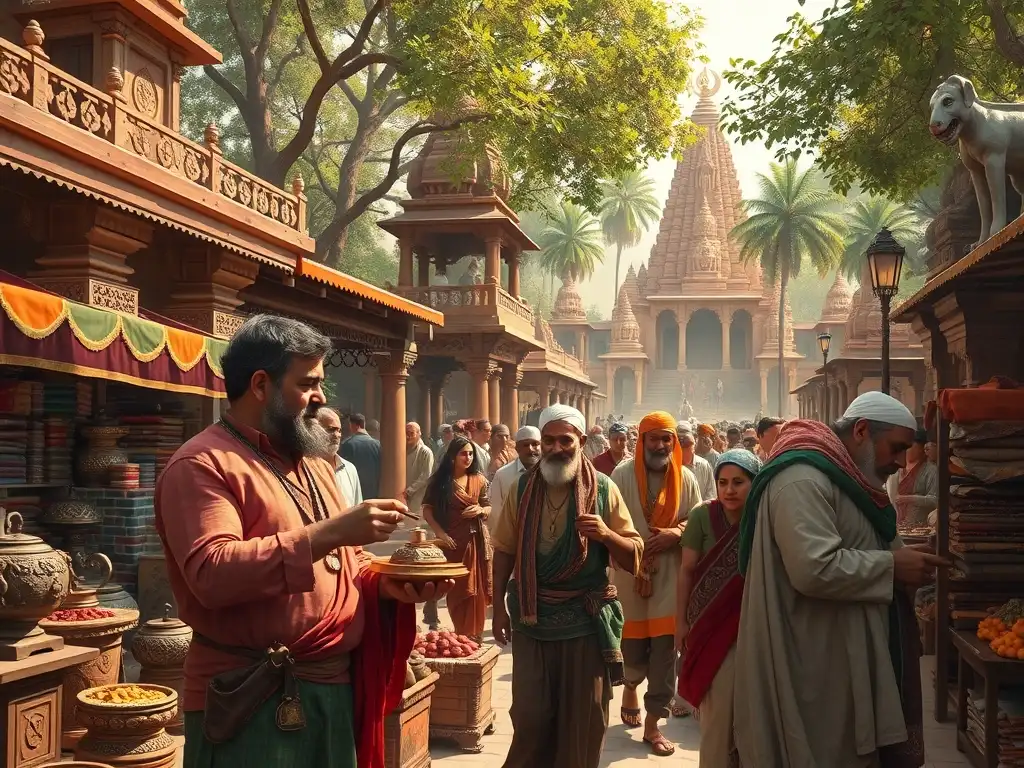
The Gupta Empire (circa 240-550 CE) is recognized for its significant contributions to art, culture, and economic prosperity, largely driven by an extensive trade network. The economic aspects of Gupta trade were multifaceted, encompassing local, regional, and international exchanges. Major trade routes connected the Gupta Empire to other civilizations, including those in Southeast Asia, the Middle East, and even parts of Europe.
Gupta merchants engaged in the exchange of various commodities, such as spices, textiles, metals, and precious stones. This trade not only enhanced the empire's wealth but also facilitated cultural exchanges and the spread of ideas. The economic stability fostered by trade allowed for the patronage of artists and craftsmen, leading to a flourishing of the arts during this period. The Gupta period is often referred to as a "Golden Age" due to this prosperity, which in turn had a profound impact on the artistic expressions of the time.
Trade Networks and Merchant Guilds
The Gupta Empire boasted a complex web of trade networks that facilitated commerce across vast distances. Key trade routes included the Silk Road, which connected India to China, and maritime routes that linked India to Southeast Asia and beyond. These networks were crucial for transporting goods and cultural artifacts, allowing for a rich exchange of ideas and artistic influences.
Merchant guilds played a pivotal role in this trade system. These organizations not only regulated trade practices and set standards for commerce but also provided support to their members, including financial assistance, legal protection, and negotiation with local rulers. Prominent guilds, such as the Shreshthi, were involved in both domestic and international trade, fostering relationships with foreign traders and establishing the Gupta Empire as a central hub for commerce. The influence of these guilds extended to the arts, as guild members often commissioned artworks and monuments, thereby shaping the cultural landscape of the empire.
Economic Prosperity and Its Influence on Art Production
The economic prosperity of the Gupta Empire had a direct impact on art production. As trade flourished, the availability of resources and wealth increased, allowing artisans to experiment with new materials and techniques. The patronage from wealthy merchants and local rulers led to the commissioning of elaborate sculptures, intricate carvings, and vibrant murals, which are hallmarks of Gupta art.
Furthermore, the economic stability allowed for the establishment of workshops and schools dedicated to the arts, attracting skilled artisans and fostering innovation. This period saw the emergence of distinct styles in sculpture and painting, characterized by greater realism and expressive forms, often influenced by diverse cultural interactions from trade. The support from affluent classes enabled artists to focus on their craft, leading to an unparalleled artistic output that defined the Gupta era.
Case Studies of Gupta Art Influenced by Trade
The influence of trade on Gupta art can be observed through various iconic examples that showcase the blend of local and foreign artistic traditions.
Example 1: The Sarnath Lion Capital
The Sarnath Lion Capital, originally erected by Emperor Ashoka in the 3rd century BCE, underwent significant artistic refinement during the Gupta period. This capital is renowned for its intricate carvings and symbolizes the Buddhist ideals of harmony and peace. The artistic style of the Lion Capital reflects a fusion of indigenous Indian motifs and influences from Hellenistic art, made possible through trade routes that connected India to the Mediterranean world.
The capital's lions, each facing a different direction, are exquisitely detailed and showcase the Gupta mastery of sculpture. This piece not only serves as a national emblem but also exemplifies how trade facilitated the exchange of ideas and styles, leading to the evolution of Indian art during the Gupta Empire.
Example 2: The Ajanta Caves Murals
The Ajanta Caves, a UNESCO World Heritage site, are renowned for their stunning frescoes and sculptures that date back to the Gupta period. These caves served as monastic retreats for Buddhist monks and are adorned with murals depicting Jataka tales and various aspects of Buddhist teachings. The artistic style found in the Ajanta murals illustrates the significant influences of trade and cultural exchange.
The vibrant colors and intricate details of the murals demonstrate the use of materials and techniques that were likely introduced through trade. The presence of foreign motifs, such as floral patterns and intricate drapery, showcases the interaction between Indian and other cultures, particularly those from Central Asia and the Mediterranean, resulting in a unique and rich artistic heritage that continues to captivate audiences today.
Challenges Faced by Gupta Trade and Art
The Gupta Empire, renowned for its remarkable contributions to art and culture, faced several challenges that impacted its trade and artistic production. These challenges were multifaceted, stemming from economic, political, and social factors that collectively influenced the flourishing of Gupta art. Understanding these obstacles provides insight into the complexities of the Gupta Empire's cultural landscape and its eventual decline.
Economic Decline and Its Impact on Artistic Production
The economic health of the Gupta Empire significantly influenced its artistic output. As trade routes became less secure due to various internal and external pressures, the economic decline began to take a toll on the resources available for artistic endeavors.
- Decrease in Revenue: With diminishing trade, the revenues that funded artistic projects and patronage from the elite class dwindled. Many artisans and craftsmen, who relied on wealthy patrons for their livelihood, found it increasingly difficult to sustain their practices.
- Resource Scarcity: The decline in trade also led to a scarcity of materials needed for art production, such as fine textiles, precious metals, and pigments. This scarcity forced artists to innovate with available materials, often resulting in a decline in quality and variety.
- Shift in Priorities: As the economy weakened, the focus shifted from cultural development to survival. Resources were redirected towards military endeavors and basic necessities, sidelining the arts. This prioritization ultimately stifled the creative spirit that once flourished during the peak of the Gupta Empire.
Political Factors Affecting Trade and Art
The Gupta Empire was not immune to the political turbulence that shaped its trade dynamics. Various political factors contributed to the challenges faced by Gupta art and culture.
- Fragmentation of Authority: The later years of the Gupta Empire saw a fragmentation of authority, with regional powers emerging that disrupted central governance. This fragmentation led to instability, impacting trade routes and diminishing the empire's ability to control and promote artistic initiatives.
- Invasions and Conflicts: Continuous invasions and conflicts with neighboring regions, such as the Huns, posed a direct threat to trade. These incursions not only disrupted trade but also instilled a sense of insecurity, making it challenging for artists and traders to operate freely.
- Changes in Patronage: As power shifted to local rulers, the centralized support that artists previously enjoyed diminished. This change in patronage resulted in a fragmentation of artistic styles and traditions, as local rulers favored different artistic expressions that reflected their own cultural identities.
Conclusion: The Lasting Legacy of Gupta Trade and Art
The interplay between trade and art during the Gupta Empire created a rich tapestry of cultural exchange that has had a lasting impact on art and culture in India and beyond. Despite the challenges faced by the empire, its legacy continues to resonate through its artistic achievements.
Summary of Trade's Impact on Gupta Culture
Trade was pivotal in shaping Gupta culture, facilitating the exchange of ideas, materials, and artistic styles. The interaction with foreign cultures enriched the Gupta artistic repertoire, leading to innovations in sculpture, architecture, and painting.
- Cross-Cultural Influences: The influx of diverse cultural influences through trade led to the synthesis of different artistic styles, resulting in unique Gupta art forms that incorporated elements from various traditions, including Hellenistic and Buddhist art.
- Artistic Flourishing: The wealth generated from trade allowed for the commissioning of grand works of art, including intricately carved temples and detailed sculptures, reflecting the empire's values and beliefs.
Reflection on the Global Influence of Gupta Art Today
The art of the Gupta Empire continues to exert a profound influence on contemporary art and culture.
- Inspiration for Modern Artists: Many modern artists draw inspiration from Gupta motifs, techniques, and themes, integrating them into contemporary works. This revival of interest in Gupta art highlights the timelessness of its beauty and significance.
- Cultural Heritage: The Gupta artistic legacy is celebrated not only in India but globally, as art historians and scholars study its impact on the development of art in other regions. The intricate craftsmanship and philosophical depth of Gupta art serve as a reminder of the empire's rich cultural heritage and its place in the broader narrative of art history.
The challenges faced by Gupta trade and art were significant, yet the resilience and creativity of its people enabled a cultural legacy that continues to inspire and influence the world today.
- Introduction to the Gupta Empire
- The Role of Trade in Gupta Art Development
- Cultural Exchange Through Trade
- Major Artistic Contributions of the Gupta Empire
- The Economic Aspects of Gupta Trade
- Case Studies of Gupta Art Influenced by Trade
- Challenges Faced by Gupta Trade and Art
- Conclusion: The Lasting Legacy of Gupta Trade and Art
Frequently Asked Questions
What was the significance of trade during the Gupta Empire?
Trade played a crucial role in the Gupta Empire, facilitating the exchange of goods, ideas, and cultures. This economic prosperity contributed significantly to the flourishing of art and culture during this period.
How did trade influence Gupta art?
Trade introduced various artistic styles and techniques from different regions, enriching Gupta art. The interaction with foreign cultures led to the incorporation of new themes and elements, enhancing its diversity and complexity.
What were the main trade routes during the Gupta Empire?
The Gupta Empire utilized both land and maritime trade routes. Key routes connected India to regions like Southeast Asia, the Middle East, and Central Asia, facilitating the flow of luxury goods and cultural influences.
Can you name some notable art forms from the Gupta period?
Notable art forms include sculpture, cave paintings, and temple architecture. The intricate carvings and detailed murals from this era reflect the rich cultural heritage influenced by trade.
How did the Gupta Empire impact global trade?
The Gupta Empire established itself as a significant player in global trade, exporting spices, textiles, and metals. This exchange not only boosted its economy but also positioned India as a cultural hub in ancient commerce.
Final Reflection: The Enduring Legacy of Gupta Empire Trade and Art
The intricate relationship between trade and art during the Gupta Empire underscores a profound truth: cultural exchange is a catalyst for creativity and innovation. As we navigate an increasingly interconnected world, the lessons from Gupta trade practices remind us that the sharing of ideas and resources can lead to remarkable artistic achievements and cultural enrichment. The Gupta Empire stands as a testament to how trade can transcend borders, fostering not only economic growth but also a vibrant tapestry of artistic expression that resonates even today.
The influence of Gupta trade on art and culture continues to echo through the ages, shaping our understanding of cultural identity and artistic heritage. The exchange of goods, ideas, and techniques not only enriched the Gupta artistic landscape but also laid the groundwork for future generations to explore and innovate. As we reflect on this historical narrative, we can appreciate the words of art historian John Onians: Art is a reflection of the society that creates it, and trade is the bridge that connects diverse cultures.
This observation highlights the ongoing relevance of trade as a vital force in the evolution of art and culture, reminding us that our contemporary creative expressions are similarly shaped by the global exchanges of our time.
As we look to the future, let us embrace the spirit of the Gupta Empire by fostering connections across cultures and disciplines. I invite you to reflect on how you can contribute to this ongoing dialogue of exchange in your own life.
Whether through supporting local artists, engaging with diverse cultural practices, or simply being open to new ideas, we all have the power to enrich our communities and inspire creativity. By recognizing the impact of trade on art and culture, we can honor the legacy of the Gupta Empire and continue to build a world where creativity knows no boundaries.
Unveil the Rich Tapestry of Gupta Culture!
Thank you for diving deep into the fascinating world of Gupta art and culture. We hope you’ve gained a valuable perspective on how trade enriched this period, revealing a beautiful intertwining of global influences. Now, it’s time to take your newfound knowledge and explore further!
Here’s how you can engage more with the themes of this article:
- Visit a local museum or exhibition that features artifacts or showcases the history of trade in ancient India. Experience the art up close and personal!
- Share your insights with friends or on social media. Start a conversation about the ways ancient trade continues to influence modern culture.
- Participate in a community discussion or online forum dedicated to the study of Ancient Indian history. Connect with fellow enthusiasts and experts to expand your understanding.
What aspect of Gupta culture do you find most intriguing, and in what ways do you think trade has shaped its legacy in today's world?