
10 Fascinating Facts About Chandragupta Maurya: The Founder of the Maurya Empire

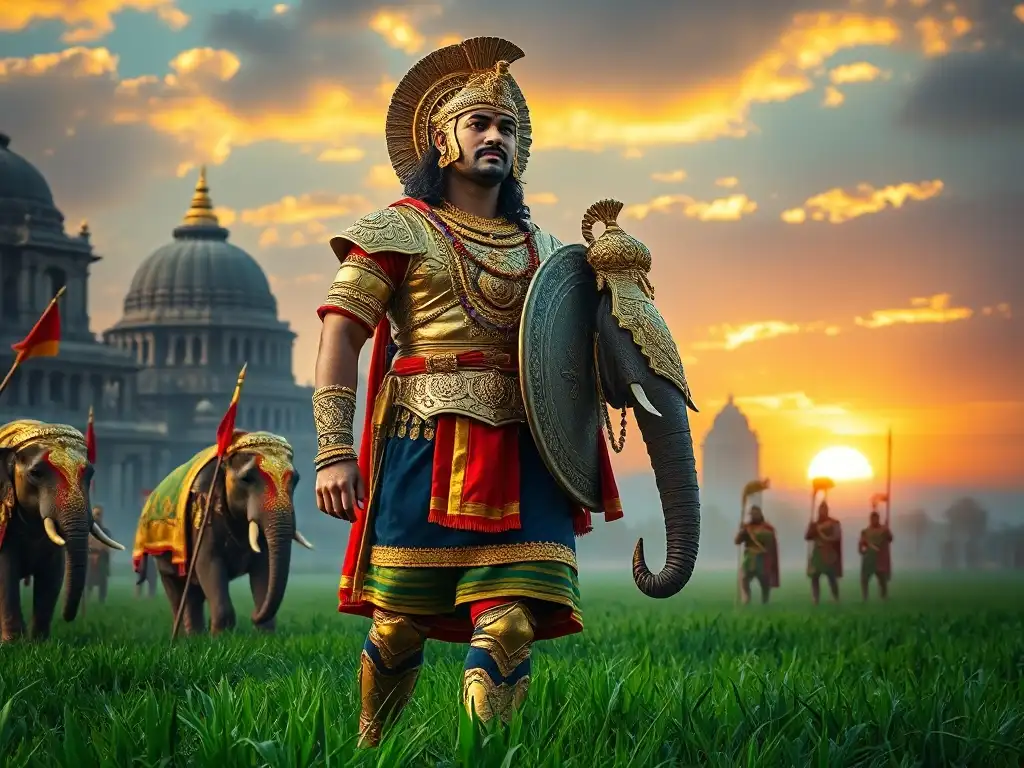
Welcome to Ancient India History, where we invite you to embark on a captivating journey through the rich tapestry of ancient Indian civilizations. Here, we delve into the remarkable stories of culture, innovation, and legacy that have shaped the subcontinent. In our featured article, "10 Fascinating Facts About Chandragupta Maurya: The Founder of the Maurya Empire," we unveil the historical significance of this formidable leader and explore how his reign set the stage for a powerful empire.
Prepare to be intrigued as we uncover the powerful narratives and lesser-known details that reveal the essence of Chandragupta Maurya's impact on history. Dive in, and let your curiosity guide you through the wonders of ancient India!
- Introduction to Chandragupta Maurya and His Historical Significance
- Fascinating Fact 1: The Early Life of Chandragupta Maurya
- Fascinating Fact 2: The Role of Chanakya in Chandragupta's Rise
- Fascinating Fact 3: Establishment of the Maurya Empire
- Fascinating Fact 4: Military Strategies and Conquests
- Fascinating Fact 5: Administration and Governance
- Fascinating Fact 6: Chandragupta Maurya's Relationship with Alexander the Great
- Fascinating Fact 7: Promotion of Trade and Economy
- Fascinating Fact 8: Religious Tolerance and Patronage
- Fascinating Fact 9: The Legacy of Chandragupta Maurya
- Fascinating Fact 10: The Mysterious End of Chandragupta's Life
- Conclusion: The Lasting Historical Significance of Chandragupta Maurya
- Frequently Asked Questions
- Final Reflection: The Enduring Legacy of Chandragupta Maurya
- Unveil the Legacy of Chandragupta Maurya!
Introduction to Chandragupta Maurya and His Historical Significance
Chandragupta Maurya is a towering figure in the annals of ancient Indian history, renowned for founding the Maurya Empire, one of the most significant empires of ancient India. His life and achievements not only marked the unification of a fragmented subcontinent but also laid the groundwork for a centralized administration that would influence governance in India for centuries to come. This article delves into 10 fascinating facts about Chandragupta Maurya, highlighting his pivotal role in shaping Indian civilization and exploring his historical significance.
Overview of the Maurya Empire
The Maurya Empire emerged in the 4th century BCE, characterized by its vast expanse and unprecedented administrative sophistication. At its height, the empire stretched across much of the Indian subcontinent, encompassing diverse cultures, languages, and traditions.
- Founding: Chandragupta Maurya established the empire after overthrowing the Nanda Dynasty, a feat accomplished with the strategic guidance of his mentor, Chanakya (Kautilya), who played a crucial role in the consolidation of power.
- Administration: The empire was noted for its highly organized structure, which included a vast network of officials and a system of taxation that allowed for economic prosperity. Chandragupta's governance model emphasized justice and efficiency, setting a precedent for future Indian rulers.
- Cultural Flourishment: The Maurya Empire was not only a political entity but also a cultural hub that fostered advancements in art, science, and philosophy. The period saw the emergence of important texts and a flourishing of trade routes that connected India to other civilizations.
Importance of Chandragupta Maurya in Indian History
Chandragupta Maurya's historical significance extends beyond his role as a conqueror; he symbolizes the rise of early Indian statehood and the establishment of a centralized authority in governance.
- Unification of India: By uniting various kingdoms and tribes under a single banner, Chandragupta laid the foundations for a cohesive Indian identity that transcended regional divisions. This unification was crucial for fostering trade, cultural exchange, and security across the region.
- Influence on Future Leadership: His reign established a model of leadership that emphasized the balance of power, strategic alliances, and administrative efficiency. Subsequent Indian rulers, including his grandson Ashoka, would build upon these principles, furthering the legacy of the Maurya Empire.
- Philosophical Contributions: The Maurya period also saw the early development of political philosophy, particularly through the works of Chanakya, whose treatise, the Arthashastra, remains a seminal text in the study of statecraft and economics.
Chandragupta Maurya's legacy is a testament to the transformative impact of his leadership on ancient India, making him a key figure in understanding the historical narrative of the subcontinent. His contributions continue to resonate in contemporary discussions about governance, culture, and identity in India.
Fascinating Fact 1: The Early Life of Chandragupta Maurya
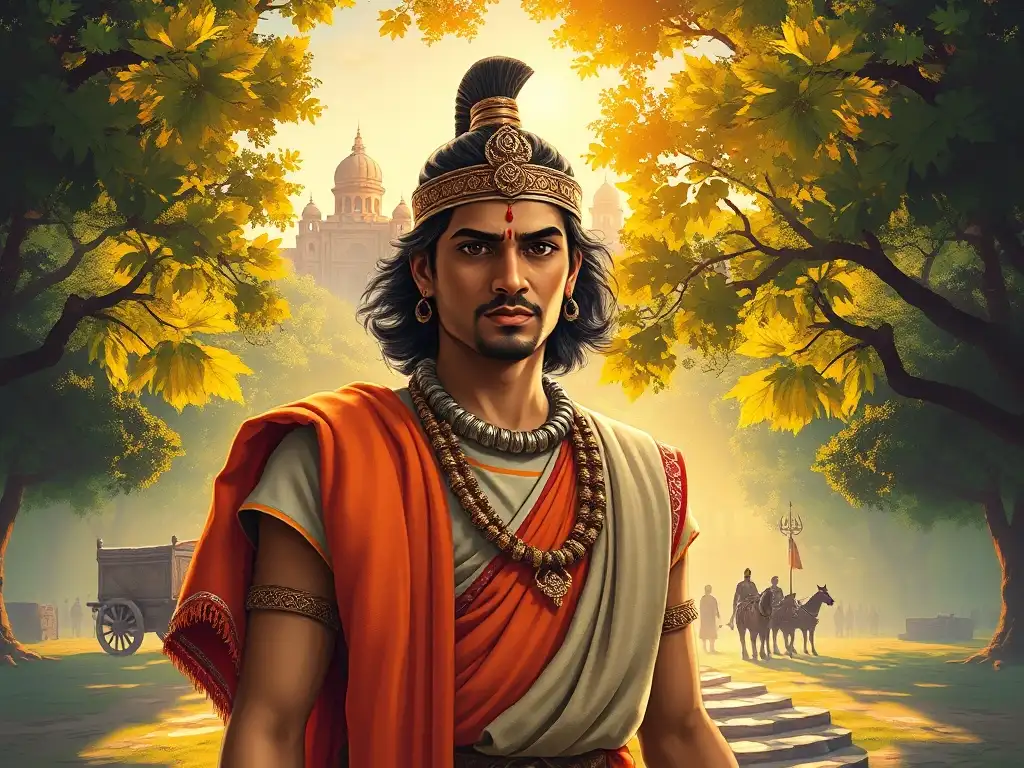
Background and Origins
Chandragupta Maurya, born around 340 BCE, hailed from a modest background in the region that is today part of Bihar, India. His lineage is often debated, with some historians suggesting he was of Kshatriya (warrior) descent, while others propose that he was from a humble family, possibly a peasant or a local chieftain. The historical text, Mudrarakshasa, written by the ancient playwright Vishakhadatta, alludes to Chandragupta's birth in a family of warriors, but the exact details remain elusive.
His early life is closely tied to the decline of the Nanda Dynasty, which ruled over Magadha. This decline set the stage for Chandragupta's ambitions to establish his own rule. The Nandas were known for their wealth and power, but their unpopularity among the local populace created a ripe environment for revolt. Chandragupta’s aspirations were fueled by the socio-political turmoil surrounding him, and he was determined to challenge the status quo.
Influences During His Formative Years
Chandragupta's early years were marked by significant influences that shaped his character and ambitions. One of the most pivotal figures in his life was Chanakya, also known as Kautilya, a renowned scholar and strategist who later became Chandragupta's chief advisor. Chanakya recognized Chandragupta's potential and took him under his wing, imparting valuable lessons in governance, military strategy, and political maneuvering.
- Military Training: Under Chanakya’s guidance, Chandragupta received rigorous military training. He learned the art of warfare and guerrilla tactics, which would later play a crucial role in his conquests.
- Political Philosophy: Chanakya’s teachings also encompassed the principles of statecraft as outlined in the Arthashastra, a treatise that emphasized realpolitik, economic management, and the importance of a strong military. This education provided Chandragupta with the intellectual tools necessary to navigate the complex political landscape of his time.
- Cultural Context: Chandragupta grew up during a time of cultural flux, marked by the spread of Jainism and Buddhism. These philosophies influenced his worldview, contributing to his understanding of governance and administration.
Chandragupta's early life, marked by humble beginnings and significant mentorship, laid the groundwork for his eventual rise as the founder of the Maurya Empire. His ability to adapt and learn from his environment was key to his historical significance and legacy as a formidable ruler.
Fascinating Fact 2: The Role of Chanakya in Chandragupta's Rise
Chanakya’s Philosophy and Strategies
Chanakya, also known as Kautilya, was not only a brilliant scholar but also a master strategist whose philosophies played a pivotal role in the establishment of the Maurya Empire. His seminal work, the Arthashastra, outlines his economic theories and political strategies, emphasizing the importance of statecraft, military tactics, and diplomacy.
One of Chanakya's core beliefs was that the ends justify the means, a concept that shaped his approach to governance and warfare. He advocated for the use of intelligence and espionage to outmaneuver opponents. This philosophy was crucial in Chandragupta's rise to power, as Chanakya orchestrated a series of strategic moves to undermine the Nanda dynasty, which ruled over Magadha at the time.
Key Strategies Employed by Chanakya:
- Alliance Building: Chanakya understood the importance of forming alliances with local rulers and influential figures. He sought out discontented nobles within the Nanda empire to gain support for Chandragupta’s cause.
- Guerrilla Warfare: With limited resources, Chanakya trained Chandragupta's forces in guerrilla tactics, allowing them to strike swiftly and retreat before the Nanda forces could effectively respond.
- Propaganda and Misinformation: Chanakya utilized propaganda to spread dissent within the Nanda ranks, fostering confusion and distrust among their soldiers.
Through these methods, Chanakya not only laid the foundation for Chandragupta's military campaigns but also ensured that the new empire would be grounded in strategic foresight and resilience.
The Mentor-Student Relationship
The relationship between Chanakya and Chandragupta was one of profound mutual respect and synergy. Chanakya, driven by a desire to overthrow the Nandas, recognized the potential in Chandragupta and took him under his wing. This mentor-student bond was instrumental in shaping Chandragupta into a formidable leader.
Elements of Their Relationship:
- Mentorship: Chanakya provided Chandragupta with education in various fields, including warfare, governance, and economics, ensuring that he was well-prepared to lead an empire.
- Trust and Loyalty: Their relationship was built on deep trust. Chanakya's loyalty to Chandragupta was unwavering, and in return, Chandragupta respected Chanakya's wisdom and experience.
- Shared Vision: Both Chanakya and Chandragupta shared a vision of a unified India free from foreign domination. This common goal propelled them to work tirelessly together, strategizing and planning their campaigns against the Nandas.
This mentor-student dynamic not only facilitated Chandragupta’s rise but also cemented Chanakya's legacy as a key figure in the formation of the Maurya Empire. Their collaboration exemplifies the crucial role of mentorship in leadership, showcasing how a guiding figure can influence the trajectory of a future ruler.
The historical significance of Chandragupta Maurya is deeply intertwined with the philosophies and strategies of Chanakya, whose guidance was instrumental in laying the groundwork for one of the most significant empires in ancient Indian history.
Fascinating Fact 3: Establishment of the Maurya Empire
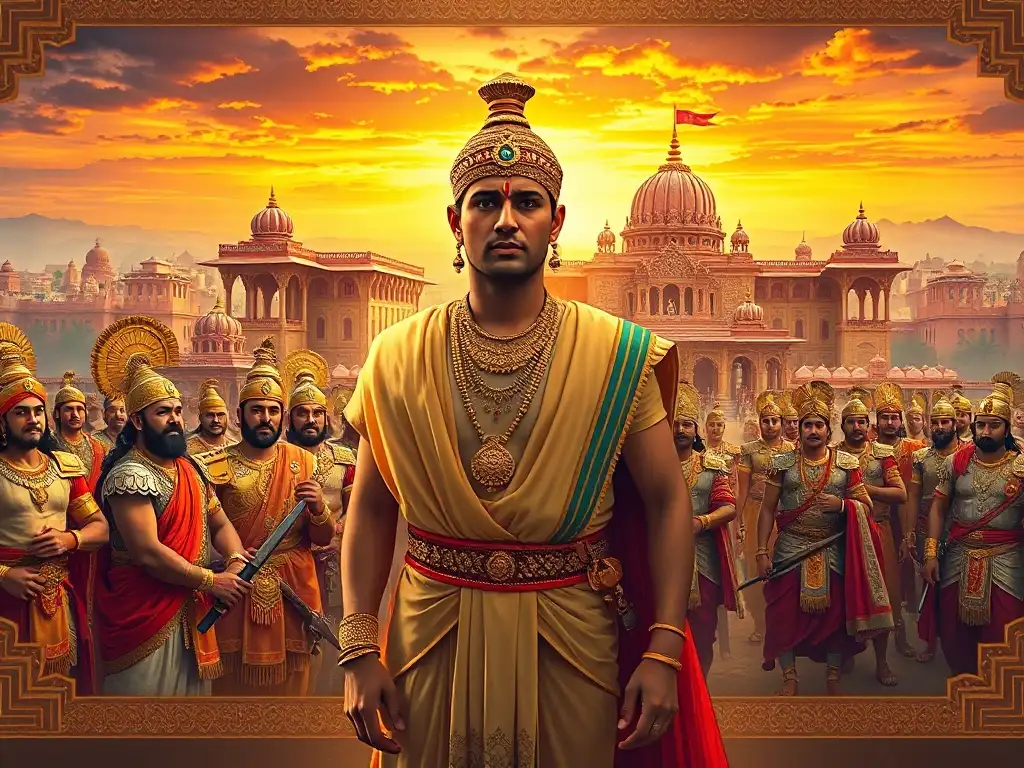
Key Events Leading to the Empire's Formation
The establishment of the Maurya Empire by Chandragupta Maurya marked a pivotal moment in ancient Indian history. Several key events contributed to the rise of this influential empire:
- The Fall of the Nanda Dynasty:
- The Nanda Dynasty, which ruled over a significant portion of northern India, had amassed wealth and power. However, it was also known for its unpopularity due to heavy taxation and oppressive rule. Chandragupta, with his vision for a unified empire, capitalized on this discontent among the populace.
- Acquisition of Military Support:
- Chandragupta sought the guidance of Chanakya (also known as Kautilya), a Brahmin and former advisor to the Nandas. Chanakya helped Chandragupta build a formidable army and strategize the overthrow of the Nandas. Their alliance was crucial in the initial stages of the revolt.
- Guerrilla Warfare Tactics:
- Employing guerrilla warfare tactics, Chandragupta and his forces effectively ambushed Nanda outposts, gradually weakening their hold on the region. This unconventional approach allowed them to gain momentum and support from local rulers and warriors disillusioned with Nanda rule.
- Consolidation of Power:
- After successfully overthrowing the Nanda Dynasty around 321 BCE, Chandragupta rapidly consolidated power by establishing control over key regions. He implemented administrative reforms and promoted trade, which further solidified his authority.
- Influence of Alexander the Great's Campaign:
- The invasions of Alexander the Great in the northwest of India indirectly aided Chandragupta. The weakened states left in the wake of Alexander's campaigns created power vacuums that Chandragupta was able to exploit to expand his empire.
Through these strategic moves, Chandragupta Maurya laid the foundation for what would become one of the largest empires in ancient India.
The Significance of the Maurya Empire in Ancient India
The Maurya Empire, founded by Chandragupta Maurya, holds immense historical significance for several reasons:
- Unification of India:
- The Maurya Empire unified a fragmented India for the first time, bringing together various regions under a central authority. This unification helped in the standardization of laws, trade, and culture across the subcontinent.
- Political Innovations:
- The Maurya Empire introduced advanced administrative and governance structures, including a centralized government and a complex bureaucratic system. These innovations influenced subsequent Indian empires and established a model of governance that would endure for centuries.
- Economic Prosperity:
- The empire promoted trade routes and agricultural development, leading to economic prosperity. The Mauryan economy thrived due to its control over trade networks, allowing for the exchange of goods, ideas, and culture.
- Cultural Flourishing:
- The Maurya Empire was a cradle for cultural and intellectual advancements. It saw the rise of significant figures like Ashoka, Chandragupta's grandson, who promoted Buddhism and established policies of non-violence and tolerance that resonated throughout Asia.
- Legacy and Influence:
- The impact of the Maurya Empire extended beyond its time, influencing later Indian political structures, cultural practices, and the spread of Buddhism. The principles of governance and administration established during this period can still be observed in modern India.
Chandragupta Maurya's establishment of the Maurya Empire was not just a significant event in his life, but a transformative moment in the history of ancient India, shaping the political, economic, and cultural landscape of the region for generations to come.
Fascinating Fact 4: Military Strategies and Conquests
Key Battles and Their Outcomes
Chandragupta Maurya's military strategies were crucial in establishing the Maurya Empire as one of the most powerful empires in ancient India. His approach to warfare was characterized by a combination of tactical genius and strategic alliances, which played a significant role in his numerous conquests.
- Battle of the Hydaspes (326 BCE): Although primarily attributed to Alexander the Great, the implications of this battle shaped the military landscape for Chandragupta. Following Alexander's departure from India, Chandragupta seized the opportunity to consolidate power in the northwestern territories. This battle highlighted the importance of cavalry and the effective use of terrain, lessons that Chandragupta would later apply in his campaigns.
- Battle Against the Nandas: Chandragupta's most significant military challenge was against the Nanda dynasty, which ruled over a large part of northern India. The Nandas were known for their wealth and military strength. Utilizing guerrilla tactics, Chandragupta, alongside his mentor Chanakya, orchestrated a series of surprise attacks that ultimately led to the overthrow of the Nanda king, Dhana Nanda. This victory was pivotal in laying the foundation for the Maurya Empire.
- Conquest of Magadha: Following the defeat of the Nandas, Chandragupta focused on controlling Magadha, a region that was central to the Indian subcontinent's political landscape. His successful siege on Pataliputra, the capital of Magadha, was marked by strategic alliances with local rulers and a well-coordinated offensive, which further solidified his power.
Chandragupta's Military Innovations
Chandragupta Maurya was not just a conqueror; he was also a military innovator. His advancements in military organization and tactics contributed significantly to the historical significance of Chandragupta Maurya.
- Use of War Elephants: One of the most notable innovations was the incorporation of war elephants into his military strategy. These massive creatures provided both a psychological advantage on the battlefield and physical strength, breaking enemy lines and causing chaos among opposing troops. Elephants were used effectively in various formations, enhancing the Mauryan army's ability to dominate in battle.
- Guerrilla Warfare: Chandragupta's early campaigns showcased his adeptness at guerrilla tactics. This involved ambush strategies and hit-and-run attacks, which were particularly effective against larger, more traditional armies. His ability to adapt and utilize the terrain to his advantage allowed him to outmaneuver more established forces.
- Intelligence and Espionage: Chandragupta emphasized the importance of intelligence in warfare. He established a network of spies who gathered information about enemy movements and weaknesses. This intelligence played a crucial role in planning his military campaigns and securing victories with minimal losses.
Chandragupta Maurya's military strategies and innovations were instrumental in his rise to power and the establishment of the Maurya Empire. His approach to warfare not only demonstrated his tactical brilliance but also laid the groundwork for future military leaders in the region. The historical significance of Chandragupta Maurya is thus firmly rooted in his ability to effectively conquer and govern a vast empire through innovative military practices.
Fascinating Fact 5: Administration and Governance
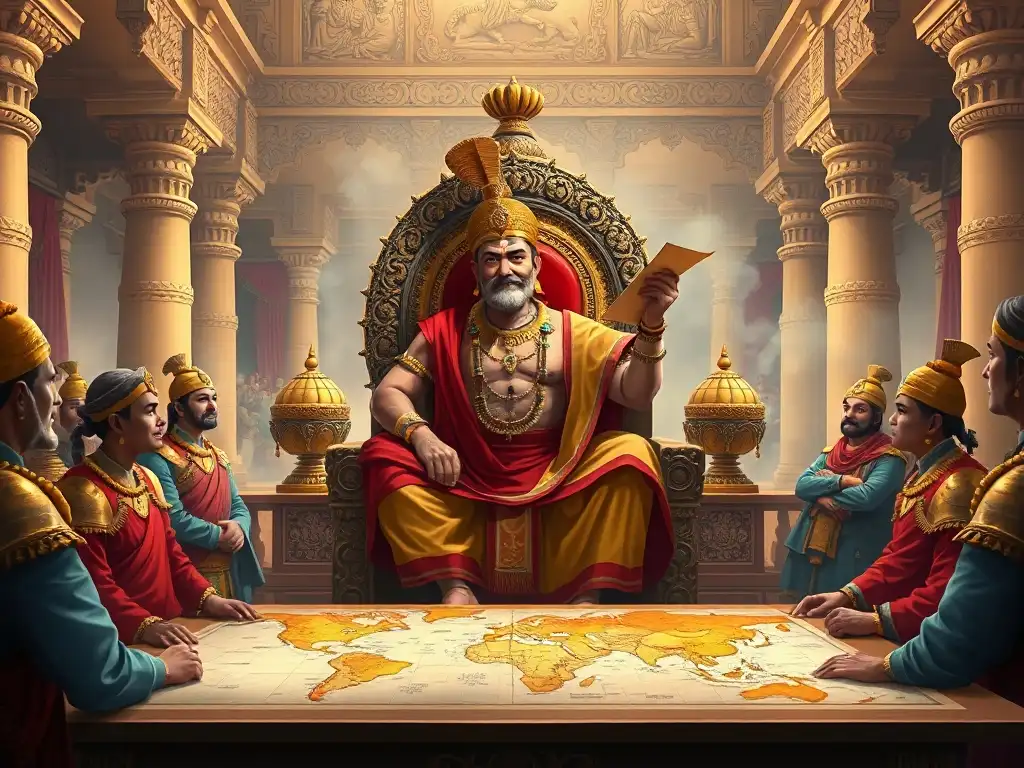
The Structure of the Maurya Empire's Government
The governance framework established by Chandragupta Maurya laid the foundation for a centralized and efficient administration, which became a hallmark of the Maurya Empire. This structure was pivotal for managing the vast territories that stretched across much of the Indian subcontinent.
Key Features of the Government Structure:
- Centralized Authority: At the top of the hierarchy was the Emperor, Chandragupta Maurya himself, who wielded absolute power. His authority was supported by a council of ministers, known as the Mantriparishad, which assisted in decision-making and governance.
- Provincial Administration: The empire was divided into several provinces, each governed by a Mahamatra or a provincial governor. This decentralization allowed for localized governance while maintaining a unified imperial policy.
- Bureaucratic System: A well-organized bureaucracy was crucial for effective administration. Officials were recruited based on merit and were responsible for various departments, including revenue, law and order, and public works.
- Legal Framework: Chandragupta implemented a code of law that emphasized justice and order. The legal system was influenced by earlier texts, such as the Arthashastra, written by Kautilya (Chanakya), who played a key role in shaping the empire’s policies.
This structured approach to governance not only facilitated efficient administration but also helped in the integration of diverse cultures within the empire, promoting stability and growth.
Chandragupta's Policies and Reforms
Chandragupta Maurya's policies and reforms were instrumental in establishing the Maurya Empire as a dominant force in ancient India. His leadership was characterized by strategic initiatives that aimed to strengthen the empire's economic, social, and military foundations.
Major Policies and Reforms:
- Economic Policies: Chandragupta focused on agricultural productivity and trade. He established state control over key resources and trade routes, which facilitated commerce and increased revenue for the empire. The introduction of a standardized system of weights and measures further enhanced trade efficiency.
- Military Reforms: Understanding the importance of a strong military for the empire's security, Chandragupta reorganized the army. He implemented rigorous training programs and established a system of forts and outposts to protect the empire's borders.
- Social Welfare: Chandragupta's governance also included social reforms aimed at improving the lives of his subjects. He built irrigation systems and promoted agricultural practices that benefited farmers, ensuring food security and prosperity.
- Religious Tolerance: While Chandragupta himself was influenced by Jainism later in his life, his policies promoted religious tolerance, allowing various faiths to coexist within the empire. This approach fostered a sense of unity among the diverse populations of the Maurya Empire.
These policies and reforms not only reinforced Chandragupta's position as a formidable ruler but also played a significant role in the long-term stability and success of the Maurya Empire, emphasizing his historical significance in ancient Indian history.
Fascinating Fact 6: Chandragupta Maurya's Relationship with Alexander the Great
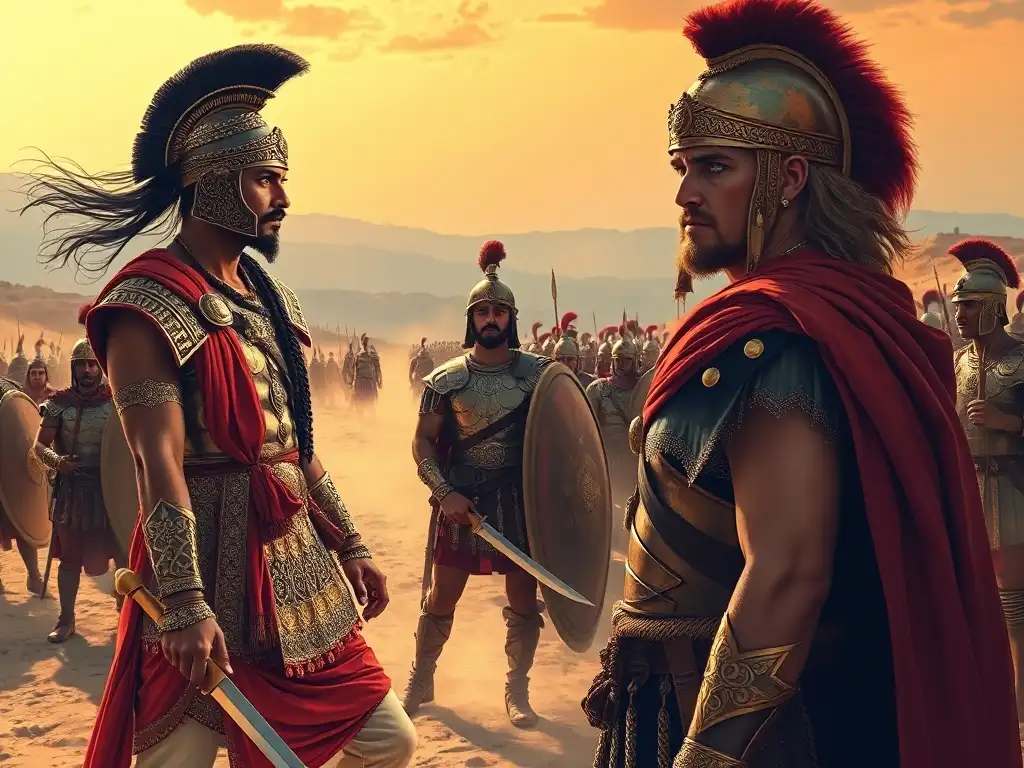
Encounter with Alexander's Forces
Chandragupta Maurya's relationship with Alexander the Great is a pivotal moment in the historical narrative of ancient India. Around 326 BCE, Alexander, in his quest for expansion, invaded the northwest territories of the Indian subcontinent. This invasion brought him into direct contact with local rulers, among whom Chandragupta emerged as a significant figure.
Chandragupta, a young and ambitious leader at the time, recognized the threat posed by Alexander and strategically positioned himself to counter the Macedonian advance. Although historical records are sparse, it is believed that Chandragupta gathered a coalition of local chieftains and warriors to resist Alexander’s forces, showcasing his early leadership skills.
The most notable encounter took place at the banks of the Hydaspes River (modern-day Jhelum River), where Chandragupta reportedly engaged in skirmishes against Alexander's troops. While he did not directly confront Alexander in a full-scale battle, his resistance delayed the Macedonian army’s progress. This interaction not only solidified Chandragupta's reputation as a formidable leader but also shaped the political landscape of the region, stressing the importance of unity among Indian states against foreign invasions.
The Impacts of Their Interaction on Indian History
The interaction between Chandragupta Maurya and Alexander the Great had profound implications for Indian history.
- Political Realignments: The threat posed by Alexander forced various Indian states to reconsider their alliances and political strategies. Chandragupta's emergence as a key figure encouraged collaboration among disunited factions, laying the groundwork for the eventual unification of India under the Maurya Empire.
- Cultural Exchange: The brief period of Alexander's presence in India facilitated a cultural exchange between the Greeks and Indians. This resulted in the introduction of new ideas, military tactics, and administrative practices, influencing Chandragupta's governance methods.
- Military Innovations: The military strategies employed by Alexander prompted Indian rulers, including Chandragupta, to adapt their tactics. This led to the development of more organized and structured armies within the Maurya Empire, enhancing its military capabilities in subsequent conflicts.
- Historical Legacy: The interactions with Alexander positioned Chandragupta in the annals of history not just as a conqueror but as a strategist who effectively navigated the challenges posed by a powerful foreign leader. This legacy continued to inspire future generations of Indian rulers.
Chandragupta Maurya's relationship with Alexander the Great was a defining moment that not only shaped his rise to power but also played a crucial role in the transformation of the Indian subcontinent during a time of great upheaval. The lessons learned from this encounter would resonate throughout the history of India, marking Chandragupta as a significant figure in the tapestry of ancient Indian civilization.
Fascinating Fact 7: Promotion of Trade and Economy
Economic Policies Under Chandragupta’s Rule
Chandragupta Maurya implemented a series of innovative economic policies that laid the foundation for a prosperous Maurya Empire. His understanding of trade and economy was pivotal in transforming the region into a thriving hub of commerce. Here are some key elements of his economic strategies:
- Centralized Control: Chandragupta centralized economic control, allowing for efficient management of resources. This included regulation of weights and measures, which fostered trust in trade and commercial transactions.
- Taxation System: He established a structured taxation system that balanced the needs of the state with the welfare of its citizens. Taxes were fairly levied on agricultural produce, trade, and crafts, ensuring a steady revenue stream to fund public works and military endeavors.
- Encouragement of Agriculture: Recognizing the importance of agriculture, Chandragupta promoted agricultural development through irrigation projects and improved farming techniques. This not only increased food production but also supported trade by boosting surplus goods available for exchange.
- State Control of Key Resources: The Mauryan state took control of essential resources such as salt and iron, which were crucial for both domestic use and trade. This control allowed the state to regulate prices and ensure availability, further stabilizing the economy.
These policies not only enhanced the economic stability of the Maurya Empire but also attracted traders and merchants from neighboring regions, further enriching the empire's treasury and cultural exchange.
Trade Routes and Their Importance
Chandragupta Maurya recognized the significance of trade routes in fostering economic growth and cultural exchange. Under his reign, several key trade routes flourished, connecting the Maurya Empire with various regions.
- Silk Road Connection: The Maurya Empire was strategically positioned along the Silk Road, facilitating trade with Central Asia, the Middle East, and beyond. This trade route allowed for the exchange of luxury goods, including silk, spices, and precious stones, significantly boosting the empire's economy.
- Internal Trade Networks: Chandragupta fostered internal trade networks that linked major cities within the empire. These routes promoted the movement of goods such as textiles, metals, and agricultural products. Key urban centers like Pataliputra emerged as bustling marketplaces, enhancing the empire's economic landscape.
- Cultural Exchange: The trade routes also served as conduits for cultural interactions. Merchants and travelers brought diverse ideas, religions, and customs into the empire, enriching its cultural fabric. This exchange was instrumental in the spread of Buddhism and Jainism, which gained prominence during this period.
- Security of Trade Routes: Chandragupta's military prowess ensured the security of these vital trade routes against banditry and invasions. His establishment of a standing army was crucial in maintaining peace, which in turn encouraged trade and commerce.
The promotion of trade and economy under Chandragupta Maurya significantly contributed to the historical significance of his reign. His policies not only enhanced economic stability but also solidified the Maurya Empire’s status as a major player in regional trade and cultural exchange.
Fascinating Fact 8: Religious Tolerance and Patronage
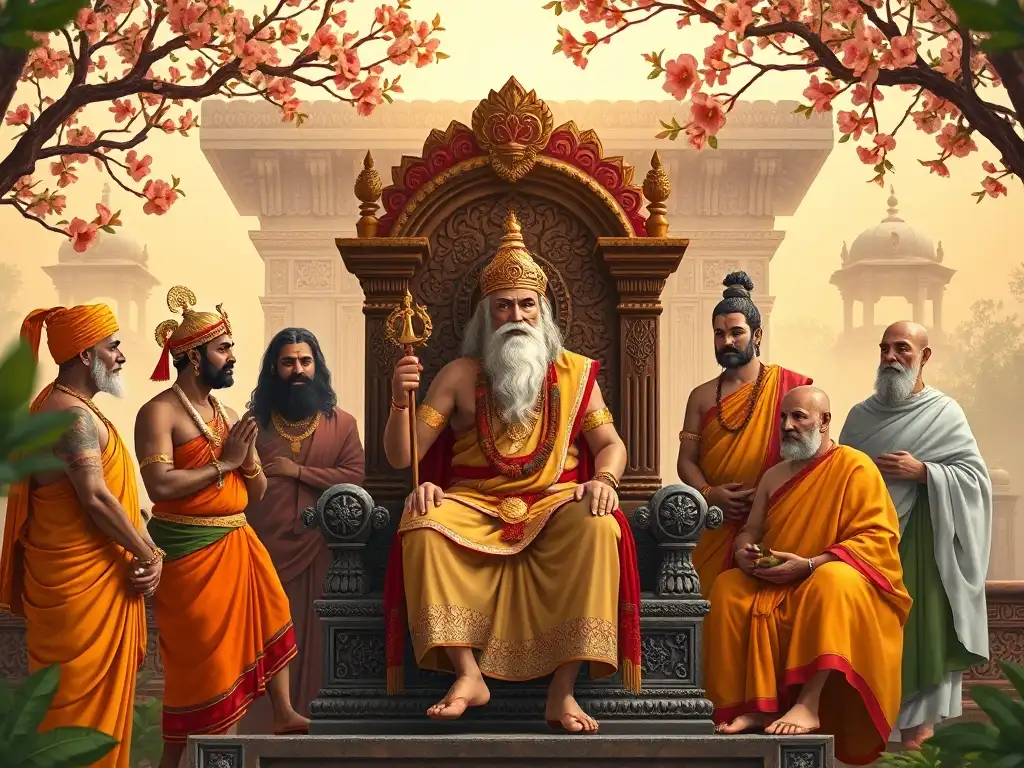
Support for Different Religions
Chandragupta Maurya's reign is notable for its remarkable approach to religious tolerance, a characteristic that set the foundation for a diverse and cohesive society within the Maurya Empire. Unlike many rulers of his time, who often enforced a singular religious doctrine, Chandragupta embraced a variety of faiths, allowing his subjects to practice their beliefs freely. This inclusivity played a vital role in promoting peace and stability across the vast empire.
- Hinduism: As the predominant religion in the region, Hinduism flourished under Chandragupta’s rule. He supported the establishment of temples and the preservation of sacred texts, which bolstered the religious infrastructure.
- Jainism: Chandragupta's interactions with Jain monks are well-documented, especially his association with the revered sage, Bhadrabahu. His patronage included the construction of Jain temples and the promotion of Jain principles within the empire.
- Buddhism: Though less prominent during his early reign, Buddhism also received support, particularly as it gained followers during the subsequent reign of his grandson, Ashoka. Chandragupta’s tolerance laid the groundwork for the later patronage of Buddhism.
This policy of religious tolerance not only fostered an environment of coexistence but also encouraged cultural exchanges that enriched the Maurya Empire's societal fabric.
Influence on Jainism and Buddhism
Chandragupta Maurya had a profound impact on Jainism and Buddhism, two significant religious movements of ancient India. His connection with Jainism, in particular, is a highlight of his legacy.
- Conversion to Jainism: Towards the end of his life, Chandragupta embraced Jainism, reportedly after meeting Jain monks. This conversion is significant as it illustrated his respect for Jain philosophy and its values, which emphasized non-violence and asceticism.
- Patronage of Jain Monasteries: Under his rule, numerous Jain monasteries were established, which served as centers of learning and spiritual guidance. This patronage helped Jainism to flourish and spread throughout the empire.
- Support for Buddhism: While Chandragupta himself was not a Buddhist, his policies allowed Buddhism to gain traction. His grandson, Ashoka, later became a prominent supporter of Buddhism, promoting its teachings and values across the empire.
Chandragupta's legacy of religious tolerance and his support for both Jainism and Buddhism contributed to the cultural richness and diversity of the Maurya Empire, establishing a model for future rulers in ancient India. His historical significance is thus not only marked by his political achievements but also by his pioneering role in fostering an environment where multiple religions could thrive together.
Fascinating Fact 9: The Legacy of Chandragupta Maurya
Influence on Successors and Future Empires
Chandragupta Maurya's legacy is profound, impacting not only his immediate successors but also the broader landscape of Indian history. After founding the Maurya Empire, Chandragupta established a strong centralized government and a vast administrative framework that became a model for subsequent rulers. His reign marked the beginning of a new era in governance, characterized by several key features:
- Centralized Administration: Chandragupta implemented a sophisticated bureaucratic system that allowed for efficient governance across his empire. This included the appointment of officials to oversee various regions, ensuring that laws and policies were uniformly applied.
- Military Innovations: He built a formidable army that utilized advanced tactics and strategies. This military strength not only helped him consolidate power but also served as a blueprint for future dynasties, such as the Gupta Empire, which would later expand and maintain a vast territory.
- Economic Policies: Chandragupta’s focus on trade and agriculture laid the groundwork for economic prosperity. He standardized weights and measures, which facilitated trade across the empire. Future rulers, inspired by his policies, continued to enhance economic stability, contributing to the cultural and scientific advancements of the period.
- Cultural Patronage: Chandragupta’s reign was marked by patronage of the arts and education, promoting a culture of learning that influenced future generations. His support for scholars and artisans helped in the proliferation of literature and architecture, setting a precedent for subsequent emperors.
As a result, the Maurya Empire became a reference point for later empires, which sought to emulate Chandragupta’s successful strategies in governance, military organization, and economic management.
Chandragupta's Place in Historical Narratives
Chandragupta Maurya occupies a significant place in the historical narratives of ancient India, often celebrated as a pivotal figure in unifying the Indian subcontinent. His life and achievements have been documented by various historians and chroniclers, providing insight into his historical significance.
- Historical Texts: Ancient texts such as Kautilya's Arthashastra, attributed to his advisor Chanakya (Kautilya), offer a detailed account of Chandragupta’s administrative strategies and political acumen. This work remains a critical source for understanding the complexities of governance during his reign.
- Epic Literature: Chandragupta's story has also been woven into the fabric of Indian epic literature, showcasing his battles and governance in a heroic light. His conflict with Alexander the Great and subsequent rise to power are often romanticized, highlighting his resilience and strategic prowess.
- Cultural Memory: The legacy of Chandragupta extends beyond historical texts. He is celebrated in folklore and has inspired numerous works of art, literature, and drama. His story continues to resonate in modern Indian culture, symbolizing strength and unity.
- Comparative Historical Analysis: Scholars often compare Chandragupta’s rule with that of other great leaders, such as Ashoka, his grandson, who is known for his promotion of Buddhism and non-violence. This comparison underscores the diverse approaches to governance and legacy within the Maurya dynasty.
Chandragupta Maurya's historical significance is multifaceted, with his influence evident in the administrative practices, military strategies, and cultural developments of subsequent Indian civilizations. His ability to unify and govern such a vast empire has made him a subject of admiration and study, securing his place in the annals of history.
Fascinating Fact 10: The Mysterious End of Chandragupta's Life
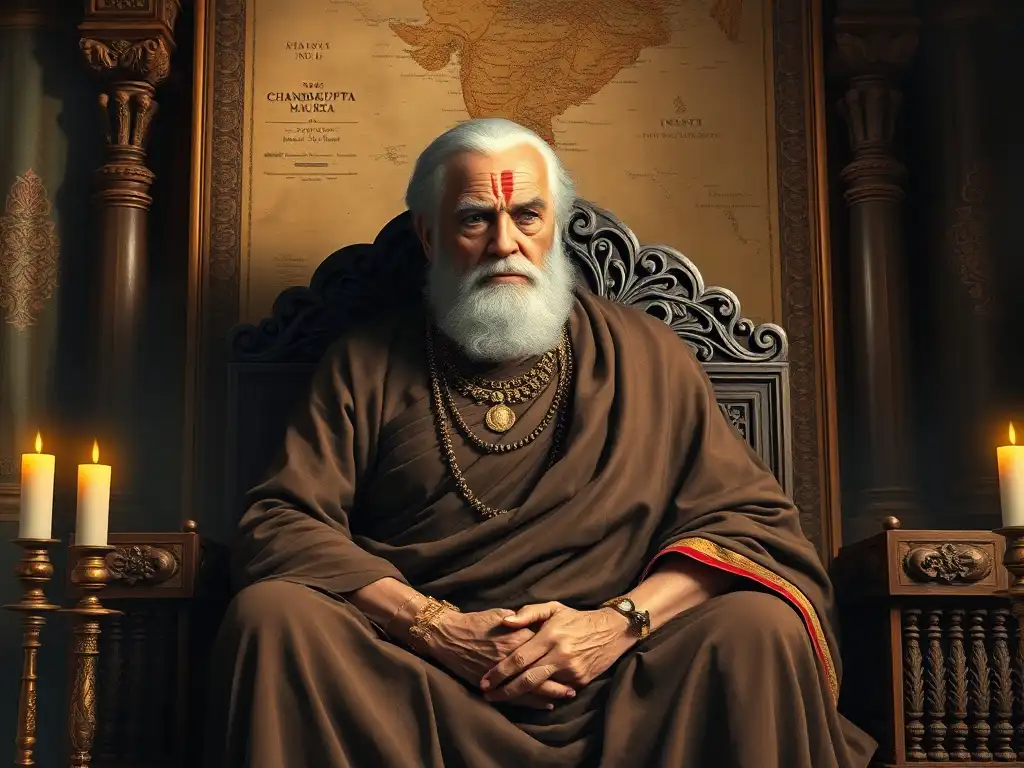
Theories Surrounding His Later Years
Chandragupta Maurya's later years are shrouded in mystery, with several theories attempting to explain how the founder of the Maurya Empire spent the final phase of his life. After establishing a vast empire that stretched across much of the Indian subcontinent, historical records suggest that he abdicated the throne in favor of his son, Bindusara, around 297 BCE.
One prevalent theory posits that Chandragupta became increasingly disillusioned with the responsibilities of rulership and sought spiritual fulfillment. This hypothesis is supported by accounts from ancient texts, which indicate that he embraced Jainism and sought the guidance of the revered Jain monk, Bhadrabahu. It is believed that Chandragupta then moved to the southern Indian city of Shravanabelagola, a significant Jain pilgrimage site, to lead a life of asceticism.
Another theory revolves around political motivations. Some historians suggest that Chandragupta's decision to step down may have been influenced by the growing threat of external invasions, particularly from the Greeks following Alexander the Great's campaigns. By abdicating, he could ensure a smoother transition of power to his son while securing the stability of the Mauryan Empire during a tumultuous period.
Regardless of the exact circumstances, it is widely accepted that Chandragupta's later years were marked by a profound transformation, where he shifted from a powerful ruler to a devout follower of Jain principles.
Final Contributions to Indian Civilization
Chandragupta Maurya's legacy extends far beyond his political achievements; his final contributions to Indian civilization were significant and enduring. After his conversion to Jainism, he not only adopted a life of simplicity but also promoted the tenets of Jain philosophy, which emphasized non-violence, truth, and asceticism. This shift had a profound impact on the cultural landscape of India.
- Promotion of Jainism: Chandragupta's patronage of Jainism helped elevate its status within Indian society. His support for Jain monks and the establishment of monasteries contributed to the religion's spread across the subcontinent. This cultural endorsement laid the groundwork for Jainism to flourish in subsequent centuries.
- Influence on Governance: The principles of Jainism, particularly its emphasis on non-violence (ahimsa) and truthfulness (satya), influenced the administrative policies of the Mauryan Empire under his successors. These values permeated the governance framework, promoting ethical leadership and just rule.
- Cultural Synthesis: Chandragupta's reign marked the beginning of a cultural synthesis between various Indian traditions and the influences brought by Hellenistic cultures following Alexander's invasion. This blending of ideas fostered advancements in art, architecture, and philosophy that would define Indian civilization for centuries.
- Legacy of Leadership: By establishing a centralized government and introducing effective bureaucratic systems, Chandragupta set a precedent for future Indian rulers. His strategic insights into statecraft and administration were documented by his advisor, Kautilya (Chanakya), in the Arthashastra, a foundational text on political philosophy and economics.
While the exact details surrounding the end of Chandragupta Maurya's life remain uncertain, his contributions to Indian civilization during and after his reign were undeniably profound. His promotion of Jainism and the ethical governance model he established influenced the moral and cultural fabric of ancient India, leaving an indelible mark that resonates even today.
Conclusion: The Lasting Historical Significance of Chandragupta Maurya
Summary of His Contributions to the Maurya Empire
Chandragupta Maurya, as the founder of the Maurya Empire, played a pivotal role in the formation and consolidation of one of ancient India's most powerful empires. His strategic acumen and leadership transformed the political landscape of the Indian subcontinent. Here are some key contributions that underscore his historical significance:
- Unification of India:
- Chandragupta successfully unified a fragmented India, overcoming numerous regional kingdoms and tribes. This unification laid the groundwork for a centralized administration that would later become a hallmark of the Maurya Empire.
- Establishment of a Bureaucratic System:
- He implemented a sophisticated administrative framework, dividing the empire into provinces governed by officials who reported directly to him. This bureaucracy ensured effective governance and facilitated tax collection, law enforcement, and public welfare.
- Military Innovations:
- Chandragupta’s military strategies, including the use of war elephants and a disciplined infantry, enabled him to defeat formidable adversaries like the Nanda Dynasty and later, the armies of Alexander the Great. His military prowess is a significant aspect of his legacy.
- Support for Trade and Commerce:
- Under his rule, trade flourished. Chandragupta established trade routes and encouraged commerce, which not only enriched the empire but also promoted cultural exchanges with other regions, enhancing the socio-economic fabric of ancient India.
- Cultural Patronage:
- His reign marked the patronage of arts and culture. The Maurya Empire became a hub of cultural and intellectual activities, fostering advancements in literature, sculpture, and architecture that would influence generations.
Reflection on His Role in Shaping Ancient Indian History
Chandragupta Maurya’s influence extends beyond his immediate contributions to the Maurya Empire; he is a significant figure in the broader context of ancient Indian history. His legacy can be reflected upon through several lenses:
- Foundation of Political Stability:
- By establishing a centralized government, Chandragupta laid the foundation for political stability that allowed for subsequent rulers, particularly his grandson Ashoka, to flourish. This stability is often viewed as a critical factor in the development of Indian civilization.
- Cultural Syncretism:
- The Maurya Empire under Chandragupta exemplified cultural syncretism, blending various regional customs and practices. This blending contributed to a rich cultural tapestry that is still evident in modern Indian society.
- Historical Documentation:
- Accounts of his reign, particularly those by historians like Kautilya (Chanakya), provide critical insights into the governance and philosophy of the time. The Arthashastra, attributed to Kautilya, remains a seminal text on statecraft and governance.
- Inspiration for Future Leaders:
- Chandragupta's rise from humble beginnings to the emperor of a vast empire serves as an inspiration for future generations. His story highlights themes of ambition, strategy, and resilience that continue to resonate in Indian history.
Chandragupta Maurya’s historical significance lies not only in his accomplishments as a ruler but also in his profound impact on the socio-political and cultural landscape of ancient India. His legacy endures, influencing the trajectory of Indian history long after his reign.
Frequently Asked Questions
What is the historical significance of Chandragupta Maurya?
Chandragupta Maurya is known for founding the Maurya Empire, which was the first large empire in India. His reign marked the beginning of a unified Indian state, fostering political stability and economic prosperity.
How did Chandragupta Maurya establish his empire?
He established his empire through strategic alliances and military conquests, notably defeating the Nanda Dynasty. His collaboration with Chanakya, a renowned strategist, played a crucial role in his rise to power.
What contributions did Chandragupta Maurya make to Indian society?
Chandragupta Maurya contributed to administration and governance, implementing a centralized system that improved efficiency. He also promoted trade and agriculture, which enhanced the economic conditions of his empire.
Who were some key figures during Chandragupta Maurya's reign?
Key figures included Chanakya, who was his mentor and adviser, and Bindusara, his son, who succeeded him. These figures were instrumental in shaping the political landscape of ancient India.
What legacy did Chandragupta Maurya leave behind?
Chandragupta Maurya's legacy includes the establishment of the Maurya Empire, which influenced future dynasties. His life and achievements are documented in historical texts, reflecting his importance in Indian history.
Final Reflection: The Enduring Legacy of Chandragupta Maurya
Chandragupta Maurya's historical significance is not merely a relic of the past; it resonates profoundly in today's world. His remarkable journey from a humble origin to the founder of one of the largest empires in ancient India exemplifies the power of vision, strategy, and leadership. In an era where the complexities of governance and societal structure continue to evolve, the lessons drawn from Chandragupta's life remain strikingly relevant. His ability to unite diverse factions under a single banner speaks volumes about the importance of collaboration and diplomacy in achieving greatness.
Culture and society have been shaped by the narratives of leaders like Chandragupta, whose influence extends beyond the confines of history books. The Maurya Empire laid the groundwork for subsequent Indian dynasties and established a legacy of governance that prioritized welfare, justice, and economic prosperity. As we reflect on his contributions, we are reminded of the words of historian Romila Thapar: Chandragupta was not just a king; he was a visionary who understood the pulse of his people.
This understanding of leadership continues to inspire modern leaders and thinkers, urging us to consider the broader implications of our actions on society.
As you contemplate the remarkable life of Chandragupta Maurya, I invite you to reflect on your own journey and the impact you can make in your community. Consider how you can embody the principles of unity, resilience, and strategic thinking in your daily life. Whether in your personal endeavors or professional pursuits, remember that each of us has the potential to create a legacy that echoes through time, just as Chandragupta did. Embrace the lessons of history, and let them guide you toward a future filled with purpose and significance.
Unveil the Legacy of Chandragupta Maurya!
Thank you for diving into the fascinating world of Chandragupta Maurya and the beginnings of the Maurya Empire! You've gained insights into his incredible journey and the foundations of one of India's greatest dynasties. Now, it's time to take action and continue exploring this rich history.
Here are a few ways you can deepen your understanding and share the knowledge you’ve gained:
- Start your own research: Choose a key figure from Chandragupta’s life or era and delve deeper into their story. This could be an exciting way to uncover even more about the intricate web of ancient Indian history!
- Join a historical discussion group: Share what you've learned with others or become part of an online community. Engaging in discussions about historical topics can enrich your perspective and connect you with fellow history enthusiasts.
- Spread the knowledge: Share this article with friends or on social media. Ignite curiosity and prompt conversations about the Maurya Empire and its significant impact on history!
What new perspective did you gain from learning about Chandragupta Maurya, and who do you think was his most significant influence?