
The Lotus Temple: A Modern Interpretation of Ancient Architectural Ideals

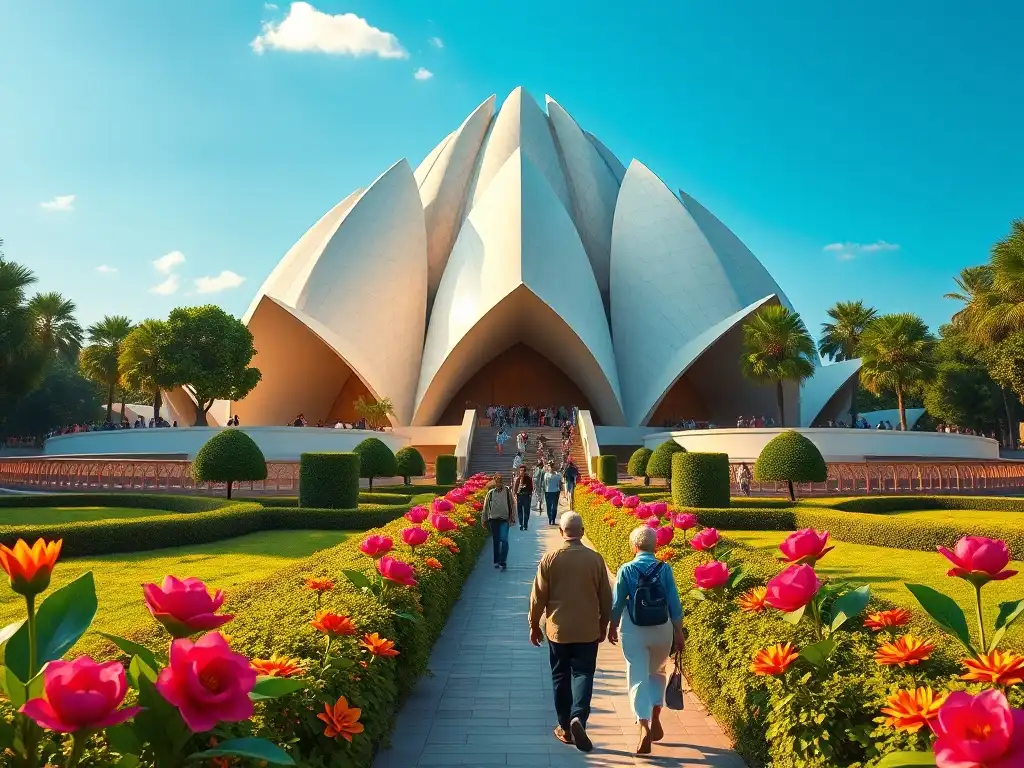
Welcome to Ancient India History, where we embark on a fascinating journey through the rich tapestry of India's ancient civilizations. As we delve into the ancient Indian architectural influence, you will discover how the remarkable principles of design and aesthetics from the past continue to resonate in modern structures today. Our featured article, "The Lotus Temple: A Modern Interpretation of Ancient Architectural Ideals," invites you to explore the harmonious blend of tradition and innovation. Join us as we unveil the secrets of timeless craftsmanship and inspire your curiosity about the legacy of ancient India!
Introduction to the Lotus Temple
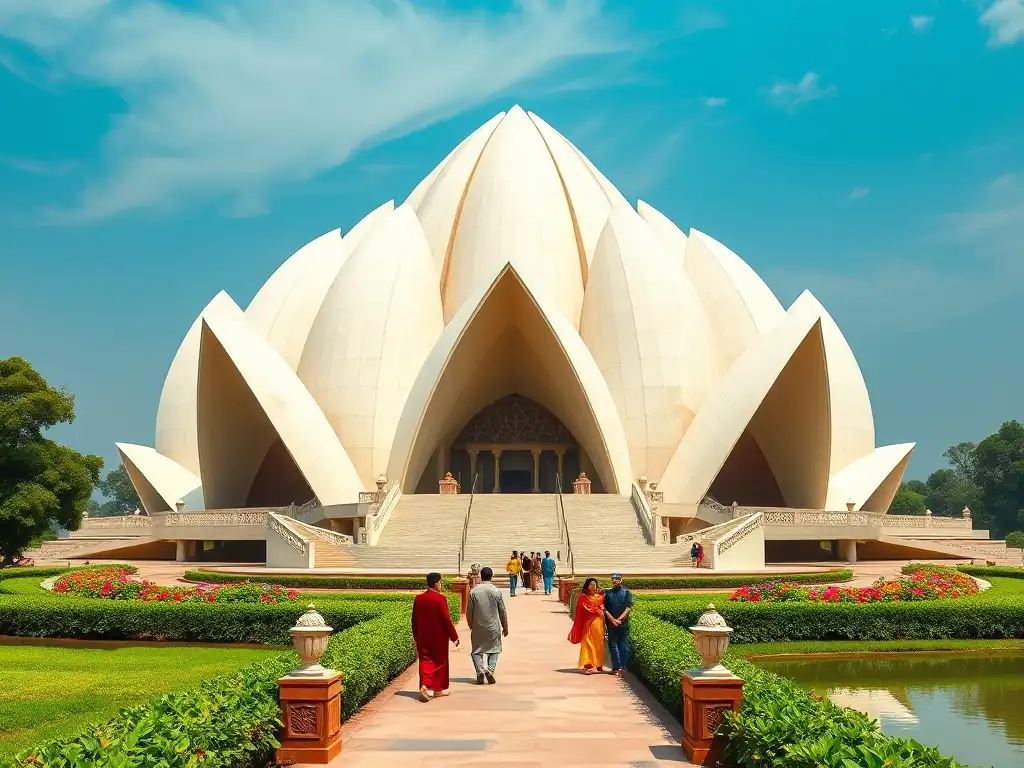
The Lotus Temple, located in Delhi, India, is a stunning architectural marvel that harmoniously blends modern design with the profound influences of ancient Indian architecture. Completed in 1986, this structure is not only a Bahá'í House of Worship but also a symbol of peace and unity among diverse cultures and religions.
Its lotus-shaped design invites visitors to reflect on the spiritual essence of ancient Indian architectural ideals, showcasing how traditional elements can be reinterpreted in contemporary contexts. This article delves into the architectural significance of the Lotus Temple, exploring how it embodies the rich heritage of ancient Indian architectural influence while standing as a testament to modern ingenuity.
Overview of the Lotus Temple’s Design and Purpose
The design of the Lotus Temple is inspired by the lotus flower, a symbol of purity and divinity in Indian culture. This architectural masterpiece consists of 27 marble-clad petals arranged in three concentric circles, creating a striking visual that draws visitors from around the globe. The temple's central prayer hall can accommodate approximately 2,500 people, emphasizing its role as a gathering place for individuals seeking spiritual solace and communal harmony.
- Architectural Features:
- Petal Structure: 27 lotus petals made of white marble.
- Reflecting Pools: Surrounding the temple are nine reflecting pools that enhance its beauty and provide a serene atmosphere.
- Natural Light: The design incorporates large openings that allow natural light to flood the interior, creating an uplifting environment.
The Lotus Temple serves as a space for meditation and prayer, welcoming people of all faiths and backgrounds to engage in spiritual reflection. Its purpose transcends mere architectural beauty, aiming to promote unity and peace in a world often divided by differences.
Significance of Modern Architecture in Ancient Indian Context
Modern architecture, while often viewed through the lens of contemporary aesthetics and functionality, can draw deeply from ancient traditions. The Lotus Temple exemplifies how modern sensibilities can incorporate historical elements, thus bridging the gap between the past and the present. By employing ancient Indian architectural principles, such as symmetry, proportion, and the sacred use of geometry, modern structures can evoke a sense of continuity with India's rich architectural heritage.
Ancient Indian Architectural Influence on the Lotus Temple
The Lotus Temple stands as a testament to the enduring legacy of ancient Indian architectural styles, which continue to inspire contemporary designs. This section explores specific elements of ancient architecture that have influenced the Lotus Temple's design.
Key Elements of Ancient Indian Architecture
Ancient Indian architecture is characterized by several key elements that have been thoughtfully integrated into the design of the Lotus Temple:
- Use of Natural Materials: Like many ancient structures, the Lotus Temple prominently features natural materials, particularly the white marble sourced from Makrana, which is renowned for its durability and beauty.
- Symbolism and Geometry: The incorporation of symbolic forms, such as the lotus, reflects the spiritual significance attributed to architectural elements in ancient Indian culture.
- Water Features: Just as ancient temples often included water bodies for ritualistic purposes, the Lotus Temple employs reflecting pools to enhance the aesthetic experience and create a calming environment.
These elements serve to ground the Lotus Temple in the rich soil of India's architectural history, demonstrating that the past continues to influence the present.
Influence of Sacred Geometry in Ancient Indian Structures
Sacred geometry plays a crucial role in ancient Indian architecture, reflecting the belief that certain geometric shapes carry spiritual significance. The Lotus Temple's design is imbued with these principles, particularly in its petal arrangement and overall symmetry.
- Geometric Patterns: The lotus shape itself is a manifestation of sacred geometry, symbolizing purity and enlightenment.
- Architectural Harmony: The balance and proportion in the temple's design resonate with ancient practices that sought to align structures with cosmic principles.
This application of sacred geometry not only beautifies the structure but also reinforces the spiritual connection that ancient architecture aimed to create between the divine and the earthly realms.
Comparison of the Lotus Temple with Historical Indian Temples
To fully appreciate the Lotus Temple's architectural brilliance, it is essential to compare it with historical Indian temples, such as the Brihadeeswarar Temple and the Sun Temple at Konark.
| Element | Lotus Temple | Brihadeeswarar Temple | Sun Temple at Konark |
|---|---|---|---|
| Design Inspiration | Lotus flower | Mount Meru | Chariot of the Sun God |
| Materials Used | White marble | Granite | Black granite |
| Symbolic Significance | Purity and unity | Cosmic axis and divinity | Solar and celestial alignment |
| Function | House of Worship | Shiva temple | Sun worship center |
The Lotus Temple, while distinct in its modernity, shares core principles with these historical structures, underscoring the timelessness of ancient Indian architectural ideals. Its innovative design serves as a bridge, linking the past with the present and inspiring future generations to appreciate the richness of India's architectural heritage.
The Design Philosophy Behind the Lotus Temple
The Lotus Temple, inaugurated in 1986 in Delhi, embodies a unique design philosophy that harmonizes modern architectural innovation with the spiritual and cultural essence of ancient Indian traditions. The temple's structure is inspired by the lotus flower, a symbol of purity and beauty in Indian culture.
The design emphasizes simplicity and serenity, encouraging visitors to experience tranquility and reflection within its sacred space. The architect, Fariborz Sahba, aimed to create a universal place of worship, transcending religious boundaries, and this philosophy resonates with the inclusive spirit of ancient Indian architecture, which often celebrated the interconnectedness of diverse beliefs and practices.
Incorporating a petal-like structure, the temple's design employs geometric patterns reminiscent of ancient Indian motifs. The integration of open spaces and natural light reflects the ancient principles of architecture that prioritized harmony with nature. This modern interpretation not only showcases the aesthetic values of ancient designs but also serves as a testament to their enduring influence on contemporary architecture.
Symbolism of the Lotus Flower in Indian Culture
In Indian culture, the lotus flower is more than just a beautiful plant; it is a profound symbol rich in meaning. It represents purity, enlightenment, and rebirth, often associated with various deities in Hinduism and Buddhism. The lotus grows in muddy waters yet blooms pristine and untouched, reflecting the journey of the soul toward spiritual awakening. This symbolism is deeply embedded in ancient Indian philosophy, where the lotus is a metaphor for rising above life's challenges and attaining inner peace.
The Lotus Temple's design pays homage to this symbolism, making it a fitting representation of the values of ancient Indian civilization. The flower's structure invites contemplation and meditation, encouraging visitors to connect with their spiritual selves while appreciating the beauty of their cultural heritage. This connection to the lotus and its significance serves as a bridge between the ancient and the modern, demonstrating how historical symbols can find new expression in contemporary architectural forms.
Integration of Natural Elements in Modern Architecture
The integration of natural elements in the Lotus Temple is a hallmark of its design philosophy, drawing inspiration from ancient Indian architectural practices that revered nature. The temple's location amidst lush gardens enhances the experience of tranquility and peace, inviting visitors to immerse themselves in a serene environment. The use of water features, such as ponds that reflect the temple's structure, echoes ancient traditions where water was considered sacred and vital for spiritual cleansing.
Moreover, the temple's design allows for ample natural light to enter, creating a dynamic interplay between light and shadow within the space. This approach mirrors ancient Indian architecture, which often used large windows and skylights to illuminate interiors, thereby fostering a sense of connection with the natural world. By embracing these elements, the Lotus Temple not only honors the principles of ancient Indian architecture but also sets a precedent for sustainable and harmonious modern design.
Use of Materials Reflective of Ancient Techniques
The materials used in the construction of the Lotus Temple reflect a thoughtful choice that pays homage to ancient Indian building techniques. The primary material, white marble, is reminiscent of the intricate stonework found in historical Indian monuments like the Taj Mahal. This choice not only provides durability but also symbolizes purity and tranquility, aligning with the temple's spiritual purpose.
In addition to marble, the temple incorporates materials that were traditionally used in ancient Indian architecture, such as granite and sandstone. These materials were selected not only for their aesthetic qualities but also for their ability to withstand the test of time and the elements. The craftsmanship involved in shaping these materials is a testament to the skills honed by ancient artisans, who created enduring structures that continue to inspire modern architects.
Architectural Techniques Inspired by Ancient Indian Mastery
The architectural techniques employed in the Lotus Temple reflect the mastery of ancient Indian builders, who demonstrated an impressive understanding of structural integrity and aesthetics. The temple's unique design, with its interlocking petals, showcases the principles of geometry and symmetry that were hallmarks of ancient Indian architecture. These techniques are evident in historical structures such as the Brihadeeswarar Temple and the Sun Temple at Konark, where intricate designs and mathematical precision converge to create breathtaking edifices.
The Lotus Temple’s dome structure, inspired by ancient techniques, allows for a vast open interior space without the need for intrusive supports. This architectural innovation not only enhances the visual grandeur of the temple but also creates an atmosphere conducive to worship and meditation, reminiscent of the grand halls found in ancient temples.
Innovative Construction Methods Borrowed from Ancient Practices
The construction of the Lotus Temple involved innovative methods that draw from ancient Indian practices, showcasing a blend of tradition and modern technology. The use of prefabrication techniques, inspired by ancient modular construction methods, allowed for the efficient assembly of the temple's complex geometry. This approach, rooted in the ancient understanding of geometry and spatial design, facilitated the creation of the temple’s intricate petals.
Additionally, the temple's construction employed traditional craftsmanship techniques, where artisans utilized tools and methods passed down through generations. This not only ensured authenticity in the building process but also supported local craftsmanship, echoing the communal spirit of ancient Indian architecture, which often involved collaboration among skilled artisans.
Sustainability in Design: Lessons from Ancient Indian Architecture
Sustainability is a core principle reflected in the design of the Lotus Temple, drawing lessons from ancient Indian architecture that prioritized environmental harmony. Ancient builders utilized local materials and designed structures that responded to their climatic conditions, ensuring longevity and minimal environmental impact. The Lotus Temple emulates this approach by harnessing natural light and ventilation, reducing the need for artificial lighting and air conditioning.
Furthermore, the temple's landscaping incorporates native flora, which requires less water and maintenance, aligning with ancient practices that respected local ecosystems. By integrating these sustainable design principles, the Lotus Temple not only stands as a modern architectural marvel but also as a beacon of ecological responsibility, showcasing how ancient wisdom can inform contemporary practices.
The Role of Light and Space: Traditional Concepts in Modern Context
Light and space play a pivotal role in the design of the Lotus Temple, echoing traditional concepts found in ancient Indian architecture. The temple's structure is designed to allow natural light to flood the interior, creating a serene ambiance that fosters contemplation and spiritual connection. This emphasis on light aligns with ancient practices where sunlight was considered a divine element, illuminating sacred spaces and enhancing spiritual experiences.
Moreover, the careful arrangement of spaces within the temple reflects ancient principles of Vastu Shastra, which governs the spatial arrangement and orientation of structures to promote harmony and balance. By applying these traditional concepts in a modern context, the Lotus Temple creates an environment that not only respects its historical roots but also invites visitors to engage in a profound and reflective experience.
Cultural Impact of the Lotus Temple on Modern Architecture

The Lotus Temple, completed in 1986, stands as a testament to the seamless blend of ancient Indian architectural ideals with modern design philosophies. Its unique structure, resembling a lotus flower, has not only become a symbol of the Bahá'í Faith but also a striking example of how contemporary architecture can draw inspiration from historical influences. The temple has sparked a global conversation about the significance of integrating traditional aesthetics into modern architectural practices, emphasizing the need to honor cultural heritage while embracing innovation.
The temple’s design, characterized by its white marble petals and open interior space, reflects principles found in ancient Indian architecture, such as symmetry, harmony with nature, and the use of light as a spiritual element. Its influence extends beyond India, inspiring architects worldwide to explore how ancient forms can inform contemporary structures, creating a dialogue between past and present that enriches architectural discourse.
The Lotus Temple as a Cultural Icon
As a cultural icon, the Lotus Temple transcends its religious significance, embodying the spirit of unity and inclusivity. Its architectural brilliance attracts millions of visitors annually, making it one of the most visited buildings in the world. The temple's design is a modern interpretation of ancient Indian motifs, celebrating the lotus, a symbol of purity and enlightenment in Indian culture. This connection to India's spiritual heritage enhances its status as a cultural landmark, fostering a sense of pride among Indians and promoting a broader understanding of Indian architectural achievements.
The temple serves as a gathering place for people of all faiths, promoting values of peace and coexistence. Its architectural form, inspired by the lotus, reinforces the idea of beauty and spirituality being interconnected, a concept deeply rooted in ancient Indian philosophy. Thus, the Lotus Temple stands not only as an architectural marvel but also as a beacon of cultural identity, illustrating the profound impact of ancient Indian architectural influence in contemporary society.
Promotion of Interfaith Dialogue through Architectural Design
The Lotus Temple's design promotes interfaith dialogue by creating an inclusive space where individuals from diverse backgrounds can come together in a serene environment. The temple’s open design encourages a sense of community, allowing visitors to engage in reflection and contemplation regardless of their religious beliefs. This architectural approach resonates with ancient Indian ideals of welcoming and integrating various cultural elements, fostering an atmosphere of acceptance and understanding.
In addition to its physical space, the Lotus Temple embodies the principles of the Bahá'í Faith, which emphasizes the unity of all religions. This message is reinforced through its architectural choices, where the lotus flower symbolizes the idea of rising above worldly strife to achieve spiritual unity. The temple thus serves as a modern embodiment of ancient Indian values of harmony and interconnectedness, demonstrating how architectural design can facilitate meaningful dialogue among people of different faiths.
Reviving Ancient Indian Architectural Ideals in Contemporary Buildings
The Lotus Temple is pivotal in reviving ancient Indian architectural ideals, showcasing how these principles can be effectively applied in contemporary contexts. Key elements such as the use of natural materials, intricate craftsmanship, and the integration of symbolic motifs highlight the influence of ancient styles on modern practices. The temple's design echoes the historic attention to detail found in structures like the Taj Mahal and ancient temples, emphasizing harmony with the environment and the importance of aesthetic beauty.
This revival is not limited to the Lotus Temple; its impact can be seen across various modern constructions in India and beyond, where architects are increasingly incorporating traditional elements into their designs. By drawing on the rich legacy of ancient Indian architecture, contemporary buildings gain a deeper cultural significance, connecting them to the narratives of the past while catering to present-day needs. The Lotus Temple, therefore, serves as both a model and an inspiration for architects striving to honor ancient traditions in modern design.
Challenges and Critiques of the Lotus Temple's Design
Despite its acclaim, the Lotus Temple has faced challenges and critiques regarding its design and the extent of its ancient Indian architectural influence. Critics argue that while the temple is aesthetically pleasing, it may not fully represent the depth and diversity of ancient architectural styles. The emphasis on modern materials and techniques raises questions about authenticity and the potential loss of traditional craftsmanship in contemporary architecture.
Additionally, some architectural scholars contend that the temple's interpretation of ancient ideals may oversimplify complex historical narratives. They argue that the unique blend of modern and traditional elements, while innovative, could obscure the rich tapestry of ancient Indian architectural practices, leading to misunderstandings about their significance and relevance.
Balancing Modernism with Tradition in Architectural Practice
One of the primary challenges in designing structures like the Lotus Temple is finding the right balance between modernism and tradition. The architects faced the dilemma of creating a building that resonates with contemporary aesthetics while honoring the rich legacy of ancient Indian architecture. This tension often manifests in the debate over whether to prioritize innovative design concepts or to adhere closely to traditional forms and practices.
In striving for this balance, architects must navigate the expectations of modern audiences who seek functionality and contemporary appeal. However, this quest for modernization should not come at the expense of cultural authenticity. The Lotus Temple illustrates this challenge, as its modern design draws heavily from ancient symbolism, yet critics argue that it may dilute the true essence of traditional Indian architecture.
Critiques from Architectural Scholars on Ancient Influence
Architectural scholars have critically examined the extent to which the Lotus Temple embodies ancient Indian architectural influence. Some argue that while the temple's lotus motif is a nod to traditional symbolism, the overall design reflects more of a modernist approach rather than a faithful representation of ancient styles. This critique highlights the complexity of interpreting ancient architecture in a contemporary context, as the blending of styles can sometimes lead to a loss of cultural specificity.
Moreover, the reliance on modern construction techniques and materials, such as reinforced concrete and glass, raises questions about the authenticity of the temple as a representation of ancient ideals. Scholars advocate for a deeper exploration of historical architectural practices, emphasizing the need to engage with the full spectrum of ancient influences to create structures that truly honor the past while serving modern purposes.
Addressing the Misinterpretations of Ancient Indian Architectural Styles
Another challenge surrounding the Lotus Temple is the potential for misinterpretation of ancient Indian architectural styles. The temple's design, while innovative, may lead some to assume that it represents the entirety of ancient Indian architecture, which is diverse and multifaceted. This oversimplification can obscure the rich variations found in different regions, periods, and cultural contexts within ancient India.
To address these misinterpretations, it is crucial for architects and scholars to emphasize the broad spectrum of ancient styles, highlighting the regional differences and the historical evolution of architectural practices. By doing so, future projects can better reflect the complexity of ancient Indian architecture, ensuring that modern interpretations like the Lotus Temple remain respectful and representative of the rich cultural heritage from which they draw inspiration.
Conclusion: The Lotus Temple’s Legacy in Architectural History
The Lotus Temple stands as a testament to the enduring legacy of ancient Indian architectural ideals, seamlessly merging traditional aesthetics with modern design principles. Its unique structure, inspired by the lotus flower, not only serves as a place of worship for the Baha’i community but also represents a profound philosophical and cultural statement. The temple's design embodies the principles of unity, peace, and spirituality, echoing the core values of ancient Indian architecture that emphasized harmony with nature and a deep connection to the cosmos.
By utilizing materials such as white marble and incorporating extensive use of natural light, the Lotus Temple showcases how ancient principles can be reinterpreted in contemporary contexts. Its innovative use of geometry and symmetry reflects the mathematical precision found in ancient Indian temple architecture, while its open layout signifies a modern approach to inclusivity and accessibility. As such, it forms a bridge between the past and the present, inviting visitors to reflect on the historical influences that shape modern architectural practices.
Reflection on Ancient Indian Architectural Influence in Modern Design
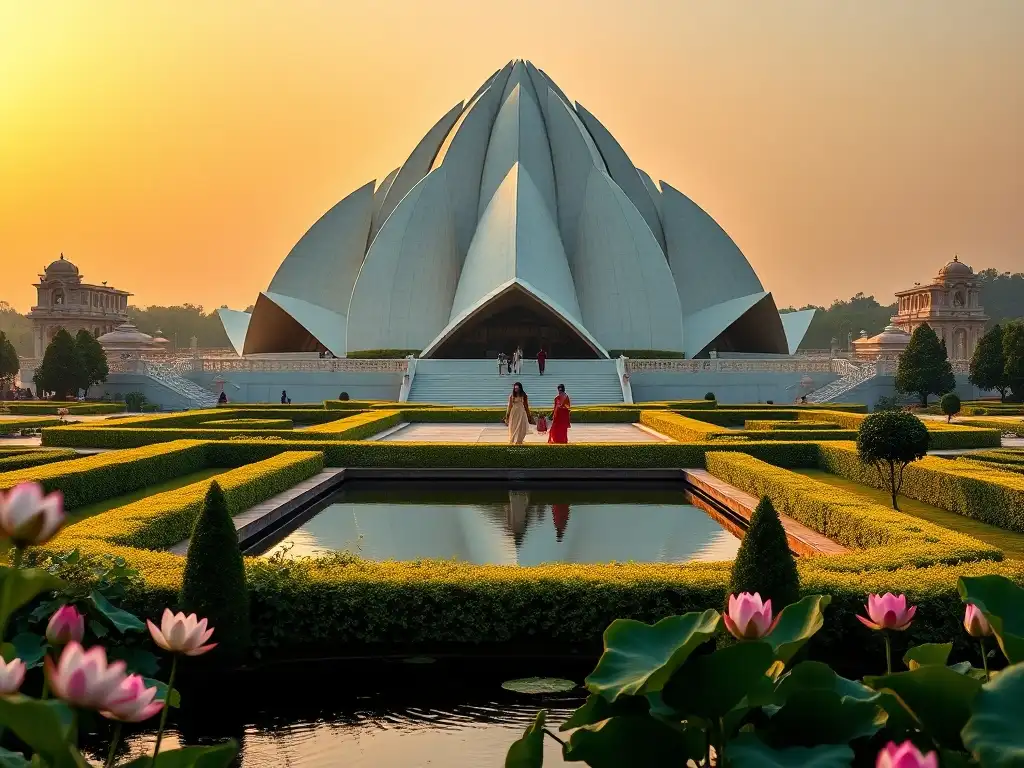
Ancient Indian architecture has left an indelible mark on contemporary design, as seen in the Lotus Temple. The incorporation of principles such as symmetry, proportion, and the significance of natural elements are hallmarks of ancient styles that continue to inspire architects today. The use of intricate carvings and motifs that tell stories from mythology and spirituality can be seen in modern structures that aim to evoke a sense of place and identity.
Moreover, the emphasis on communal spaces in ancient Indian architecture resonates with today's architectural trends that prioritize public engagement and interaction. The Lotus Temple, with its expansive gardens and welcoming atmosphere, reflects this ancient ideal of creating spaces where communities can come together to worship, reflect, and connect with one another. This blending of ancient wisdom with modern sensibilities fosters a richer architectural language that honors historical roots while addressing contemporary needs.
Future Directions for Integrating Ancient Ideals in Contemporary Architecture
As we look to the future, the integration of ancient Indian architectural ideals into contemporary designs offers exciting possibilities. Architects and designers are increasingly exploring sustainable practices that align with ancient philosophies, such as using locally sourced materials and designing structures that harmonize with their natural surroundings. This approach not only pays homage to ancient traditions but also addresses modern environmental concerns.
Furthermore, the revival of traditional craftsmanship and techniques can be a focal point in future architectural projects, bringing artisans back into the fold of modern design. By fostering collaboration between architects and skilled craftsmen, contemporary structures can reflect the rich cultural narratives of ancient India while meeting the demands of modern living. The Lotus Temple serves as a beacon of this vision, encouraging future architects to draw inspiration from the past to create innovative spaces that resonate with both historical significance and contemporary relevance.
Further Reading on Ancient Indian Architecture
Recommended Books and Articles
- "Indian Architecture: Buddhist and Hindu Periods" by Christopher Tadgell: - This book provides an in-depth analysis of the architectural styles that emerged during the ancient periods in India, highlighting key structures and their cultural significance.
- "The Architecture of Ancient India: Housing and Settlements" by Adam Hardy: - An exploration of how ancient Indian architecture was influenced by geography and cultural practices, this work delves into various architectural forms and their functions.
- "Temples of India: A Comprehensive Guide" by K. K. N. M. Rao: - This guide offers insights into the diverse array of temples across India, including their architectural styles, historical contexts, and spiritual significance.
Online Resources for Exploring Architectural Marvels of Ancient India
- Archaeological Survey of India (ASI) - The official website provides a wealth of information on various ancient sites, including detailed reports and photographs of architectural marvels.
- Digital India Initiative - A project aimed at digitizing Indian heritage, including ancient architecture, allowing for greater accessibility and exploration of historic structures online.
- Heritage India - This platform offers articles, documentaries, and resources focused on Indian heritage, including architecture, art, and cultural practices from ancient times to the present.
These resources provide a comprehensive view of ancient Indian architecture and its influence on modern design, allowing readers to further engage with this rich historical narrative.
- Introduction to the Lotus Temple
- Ancient Indian Architectural Influence on the Lotus Temple
- The Design Philosophy Behind the Lotus Temple
- Architectural Techniques Inspired by Ancient Indian Mastery
- Cultural Impact of the Lotus Temple on Modern Architecture
- Challenges and Critiques of the Lotus Temple's Design
- Conclusion: The Lotus Temple’s Legacy in Architectural History
- Reflection on Ancient Indian Architectural Influence in Modern Design
- Future Directions for Integrating Ancient Ideals in Contemporary Architecture
- Further Reading on Ancient Indian Architecture
- What is the significance of the Lotus Temple in the context of ancient Indian architectural influence?
- How does the Lotus Temple reflect the principles of ancient Indian architecture?
- What are some key features of the Lotus Temple that connect it to ancient Indian designs?
- In what ways does the Lotus Temple promote the values of spiritual unity found in ancient traditions?
- Why is it important to study the ancient Indian architectural influence in modern constructions?
Frequently Asked Questions
What is the significance of the Lotus Temple in the context of ancient Indian architectural influence?
The Lotus Temple symbolizes the synthesis of modern architecture with ancient ideals, demonstrating how traditional design philosophies can be reinterpreted in contemporary structures.
How does the Lotus Temple reflect the principles of ancient Indian architecture?
The Lotus Temple incorporates elements such as symmetry, natural light, and geometric shapes, which are hallmarks of ancient Indian architectural styles, particularly evident in historical temples.
What are some key features of the Lotus Temple that connect it to ancient Indian designs?
Notable features include its lotus flower shape, use of marble, and emphasis on harmony with nature, all of which echo traditional Indian architectural aesthetics.
In what ways does the Lotus Temple promote the values of spiritual unity found in ancient traditions?
The Temple serves as a universal space for worship, reflecting the inclusive philosophy of many ancient Indian texts that encourage spiritual harmony among different faiths.
Why is it important to study the ancient Indian architectural influence in modern constructions?
Understanding this influence helps appreciate how cultural heritage shapes contemporary design, allowing for a deeper connection between past and present in architectural practices.
Final Reflection: Embracing Ancient Wisdom in Modern Design
The Lotus Temple stands as a testament to the enduring influence of ancient Indian architectural ideals, reminding us that the past is not merely a relic but a living source of inspiration. In today’s rapidly evolving world, where design often prioritizes functionality over spirituality, the Lotus Temple invites us to reconsider how ancient philosophies can shape contemporary spaces. This architectural marvel not only embodies the principles of harmony and unity found in ancient Indian architecture but also serves as a beacon of peace and inclusivity in our diverse society.
The impact of the Lotus Temple extends beyond its physical structure; it resonates deeply within the cultural and social fabric of our times. Its design encourages a dialogue about the importance of spirituality in architecture and the need to create spaces that foster community and reflection. As we navigate the complexities of modern life, the Temple stands as a reminder of the wisdom embedded in our history. Architecture should speak of its time and place, but yearn for timelessness.
This quote encapsulates the essence of how ancient architectural ideals can inform and elevate contemporary design, urging us to seek a balance between innovation and tradition.
As we reflect on the lessons offered by the Lotus Temple, let us challenge ourselves to integrate these ancient principles into our own lives and environments. Consider how you can create spaces—be it at home, work, or in your community—that embody the ideals of peace, unity, and harmony. By embracing the wisdom of the past, we can cultivate a future that honors our heritage while inspiring generations to come. Take a moment to envision how your surroundings can reflect the beauty and depth of ancient Indian architectural influence, and let that vision guide your actions moving forward.
Unveil the Beauty of Architecture: Take the Next Step!
Thank you for taking the time to explore the magnificent Lotus Temple and its modern interpretation of ancient architectural ideals. We hope you’ve gained insight into the rich cultural heritage that inspires such structures. Now, it’s time to dive deeper and connect with these concepts on a personal level.
Here are a few engaging actions you can take:
- Visit a local architectural masterpiece: Discover a nearby building that resonates with you and consider how its design reflects the values of the community.
- Share your thoughts: Engage with us and fellow readers by leaving a comment below about which architectural styles inspire you the most!
- Explore more: Check out our related articles to further satisfy your curiosity about India’s architectural history and its enduring influence on modern designs.
What architectural feature from ancient India do you believe deserves to be celebrated in contemporary design?