
How the Maurya Empire Balanced Tradition with Political Progressivism

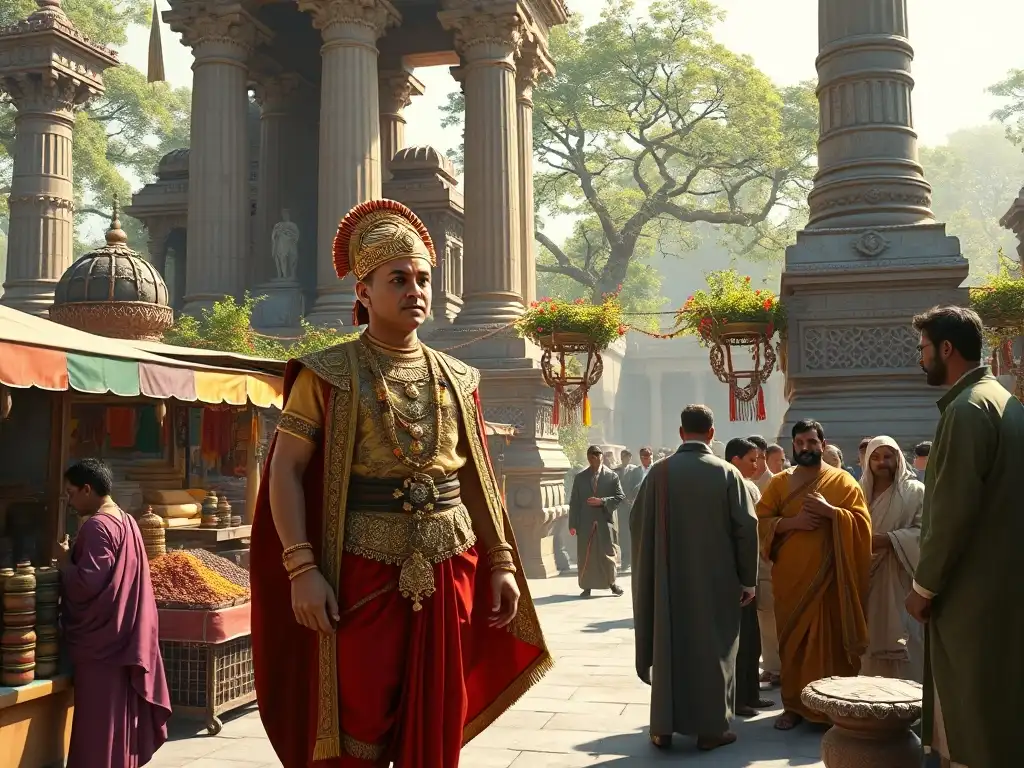
Welcome to Ancient India History, where we embark on a captivating journey through the rich tapestry of ancient Indian civilizations. In this exploration, we delve into the remarkable Maurya Empire, a beacon of political progressivism that skillfully balanced tradition with innovation. What secrets did this powerful empire hold, and how did its unique approach shape the course of history?
Prepare to uncover the layers of cultural and political achievements that not only defined an era but also laid the groundwork for future generations. Join us as we unravel the fascinating connections that make ancient India a cornerstone of global heritage!
- Introduction to the Maurya Empire Political Progressivism
- Historical Context of the Maurya Empire
- Balancing Tradition and Innovation in Maurya Political Structure
- The Impact of Maurya Political Progressivism
- Challenges Faced by the Maurya Empire in Balancing Tradition and Progress
- Conclusion: The Enduring Significance of Maurya Empire Political Progressivism
- References and Further Reading on the Maurya Empire Political Progressivism
-
Frequently Asked Questions
- What was the significance of the Maurya Empire in ancient Indian history?
- How did the Maurya Empire balance tradition with political progressivism?
- Who was the most notable ruler of the Maurya Empire?
- What were the key contributions of the Maurya Empire to Indian culture?
- How did the political progressivism of the Maurya Empire influence later Indian empires?
- Final Reflection: Embracing the Legacy of the Maurya Empire's Political Progressivism
- Embrace the Legacy: Take Action Now!
Introduction to the Maurya Empire Political Progressivism
The Maurya Empire, one of the most significant and powerful empires in ancient India, represents a remarkable fusion of tradition and progressivism in its political structure. Established in 322 BCE by Chandragupta Maurya, this empire not only expanded across vast territories but also implemented a sophisticated system of governance that promoted political progressivism while respecting established cultural norms.
The Maurya Empire's approach to governance provides a compelling case study of how ancient civilizations could balance traditional values with the need for innovative political strategies. This article will delve into the nuances of political progressivism within the Maurya Empire, exploring the governance techniques that facilitated its growth and stability, and the lasting impact of these methods on subsequent Indian history.
Overview of the Maurya Empire
The Maurya Empire flourished from approximately 322 BCE to 185 BCE, covering a vast expanse of the Indian subcontinent. At its zenith under the rule of Ashoka the Great, the empire extended from the eastern parts of modern-day Afghanistan to the southern regions of India. The Mauryan dynasty is notable for its centralized administration, which was marked by a well-structured bureaucracy and a network of provincial governors overseeing various regions.
Key features of the Maurya Empire include:
- Centralized Power: The emperor held supreme authority, enabling swift decision-making and effective governance.
- Bureaucratic System: A complex hierarchy of officials was established to manage the empire's vast territories efficiently.
- Economic Policies: The Mauryan rulers implemented policies that encouraged trade and agriculture, fostering economic growth and stability.
- Cultural Syncretism: The empire was a melting pot of different cultures and traditions, which contributed to a rich social fabric.
Importance of Political Progressivism in Ancient India
Political progressivism in the context of the Maurya Empire is crucial for understanding the evolution of governance in ancient Indian civilizations. The Mauryan rulers adopted innovative policies that not only aimed at consolidating power but also sought to enhance the welfare of their subjects. This progressive approach included:
- Legal Reforms: The introduction of a codified legal system helped standardize laws across the empire, promoting justice and equality.
- Promotion of Dhamma: Ashoka’s commitment to Dhamma emphasized moral governance and the welfare of all beings, demonstrating a shift towards more humane and ethical leadership.
- Public Welfare Initiatives: The Maurya Empire invested in infrastructure, healthcare, and education, reflecting a forward-thinking approach that prioritized the needs of the populace.
The Maurya Empire’s political progressivism not only facilitated its expansion but also laid the groundwork for future dynasties, influencing the political landscape of India for centuries to come. By balancing traditional values with progressive policies, the Mauryan rulers created a legacy that continues to resonate in discussions of governance and leadership in ancient civilizations.
Historical Context of the Maurya Empire
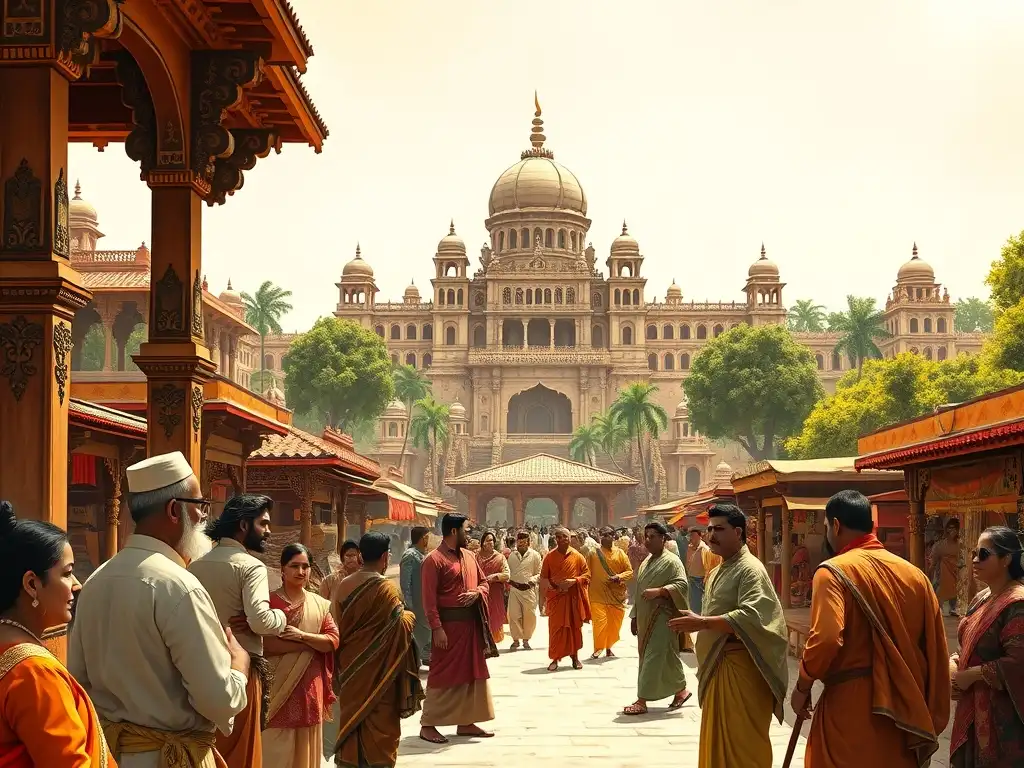
The Maurya Empire, which flourished from approximately 322 to 185 BCE, marked a significant turning point in ancient Indian history. Its formation followed the decline of the Nanda Dynasty and the fragmentation of regional powers, paving the way for a unified Indian subcontinent under a centralized administration. This period is characterized by a remarkable synthesis of traditional Indian values and innovative political ideas, establishing a framework that would influence future dynasties.
The Rise of the Maurya Empire
The rise of the Maurya Empire can be attributed to a combination of military prowess, strategic alliances, and effective governance. Chandragupta Maurya, inspired by the teachings of the philosopher Chanakya (also known as Kautilya), embarked on a quest to overthrow the Nandas. Utilizing guerrilla warfare tactics and forming alliances with local rulers, Chandragupta successfully established control over parts of Northern India.
- Key Events Leading to the Empire's Formation:
- Defeating the Nandas: Through a series of battles and political maneuvers, Chandragupta dismantled the Nanda rule, which had been marked by wealth and military strength.
- Alliance with Alexander’s Satraps: Following Alexander the Great's invasion, Chandragupta capitalized on the power vacuum left by the Greek rulers, securing territories in the northwest.
- Establishment of a Bureaucratic System: The Maurya Empire introduced a comprehensive administrative structure that included tax collection, law enforcement, and public welfare systems.
The Maurya Empire's ability to balance traditional societal norms with progressive governance set a precedent for future Indian empires. This dual approach facilitated stability and growth, allowing the empire to thrive economically and culturally.
Key Figures in Maurya Political History
The Maurya Empire's political landscape was shaped by several influential leaders who embraced both tradition and progressive ideas. Their legacies continue to resonate through Indian history, showcasing the delicate balance between maintaining cultural heritage and embracing new governance techniques.
Chandragupta Maurya: The Founder
Chandragupta Maurya, the founder of the Maurya Empire, is often recognized for his military genius and administrative acumen. His reign marked the beginning of a new era in Indian governance.
- Military Innovations: Chandragupta adopted advanced military strategies and tactics, including the use of war elephants and a well-trained infantry, which were critical in expanding the empire's territory.
- Administrative Reforms: He implemented policies that emphasized local governance while maintaining central authority. This included appointing governors to oversee provinces and ensuring that laws were uniformly applied, which enhanced local loyalty to the empire.
- Philosophical Influences: Guided by Chanakya's teachings, Chandragupta prioritized statecraft and realpolitik, navigating complex political landscapes to consolidate power.
Chandragupta's blend of traditional Indian values with forward-thinking governance laid the groundwork for the Maurya Empire's expansion and stability.
Ashoka the Great: A Champion of Progressivism
Ashoka the Great, Chandragupta's grandson, is often hailed as one of the most enlightened rulers in history. His reign from 268 to 232 BCE marked a transition from conquest to governance focused on welfare and ethical leadership.
- Embrace of Buddhism: After the Kalinga War, Ashoka underwent a profound transformation, embracing the principles of Buddhism. This shift led to a more compassionate approach to governance, emphasizing non-violence and social justice.
- Edicts of Ashoka: He inscribed his beliefs on stone pillars and rocks throughout the empire, communicating his vision of a just society. These edicts promoted moral conduct, religious tolerance, and welfare initiatives, reflecting his commitment to progressive governance.
- Public Welfare Programs: Ashoka established hospitals, rest houses, and infrastructure projects to improve the quality of life for his subjects. His policies prioritized the well-being of all citizens, signaling a shift from traditional monarchic rule to a more humanitarian approach.
Ashoka's legacy as a champion of progressivism within the Maurya Empire underscores the potential for rulers to harmonize traditional values with innovative governance approaches, a balance that defined the empire's enduring impact on Indian civilization.
Balancing Tradition and Innovation in Maurya Political Structure

Traditional Governance Models in Ancient India
The political landscape of ancient India was characterized by a mix of diverse governance models that were deeply rooted in tradition. These models were heavily influenced by the socio-cultural context of the time, with many kingdoms and republics adopting systems that reflected local customs and practices.
The Role of Dharma in Governance
At the core of traditional governance was the concept of Dharma, which referred to the moral and ethical duties that rulers and subjects were expected to uphold. In ancient texts such as the Arthashastra by Kautilya, Dharma was not merely a religious principle but a guiding framework for political authority. Rulers were seen as custodians of Dharma, tasked with ensuring justice, prosperity, and stability within their realms.
- Dharma as a Unifying Principle: It served to unify diverse populations under a common ethical framework, allowing for the coexistence of various communities.
- Moral Obligations of Rulers: Kings were expected to act in the best interests of their subjects, promoting welfare and mitigating suffering.
Influence of Vedic Principles on Political Thought
The political thought of ancient India was significantly influenced by Vedic principles, which emphasized a cosmic order and the interconnectedness of all life. The Vedic texts laid down the foundations for social hierarchy and governance, which were often reflected in the political structures of kingdoms.
- Varna System: This system categorized society into four main groups (Brahmins, Kshatriyas, Vaishyas, and Shudras), each with distinct roles and responsibilities, which influenced governance structures.
- King as a Protector of the Realm: The Vedic ideals positioned the king as a warrior and protector, responsible for maintaining order and harmony in society.
Innovations Introduced by the Maurya Empire
The Maurya Empire, under leaders like Chandragupta Maurya and Ashoka the Great, marked a significant turning point in the political evolution of ancient India. The empire implemented various innovations that balanced the traditional governance models with progressive political strategies.
Centralized Administration
One of the most notable innovations of the Maurya Empire was the establishment of a centralized administration. This shift from fragmented local governance to a unified system allowed for more effective control and coordination across vast territories.
- Provincial Division: The empire was divided into provinces (Mahajanapadas), each governed by appointed officials, allowing for regional governance while maintaining central authority.
- Standardization of Policies: The central administration established uniform laws and tax systems, which facilitated trade and economic stability throughout the empire.
Bureaucracy and Civil Service
The Maurya Empire also introduced a sophisticated bureaucratic system that was instrumental in managing the complexities of governance. This marked a departure from earlier, more informal governance practices.
- Merit-based Appointments: Positions within the bureaucracy were often filled based on merit rather than strictly hereditary lines, allowing for a more capable administration.
- Civil Service Institutions: The establishment of civil service institutions ensured that educated and trained individuals managed state affairs, enhancing efficiency and effectiveness.
The blend of traditional values with these innovative governance practices exemplified the Maurya Empire's political progressivism, setting a precedent for future Indian empires. The Mauryan leaders demonstrated that it was possible to respect and uphold traditional principles while also embracing change and modernization in governance.
The Impact of Maurya Political Progressivism
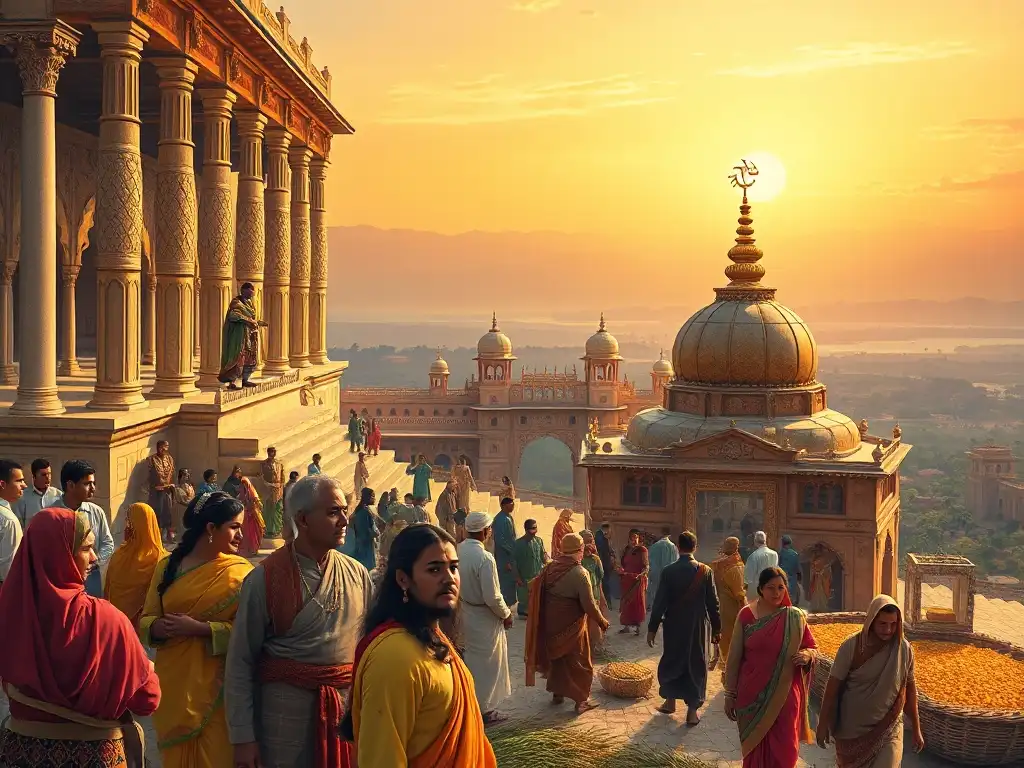
The Maurya Empire, under the leadership of Chandragupta Maurya and later Ashoka, implemented a series of social reforms that were deeply rooted in the traditions of ancient Indian society while simultaneously pushing the envelope of political progressivism. These reforms were not merely reactions to the prevailing social issues but were also strategically designed to align with the cultural ethos of the time.
Promotion of Non-Violence and Buddhism
One of the most significant social reforms initiated during the Maurya Empire was the promotion of non-violence, largely influenced by Buddhism. Ashoka, who embraced Buddhism after the Kalinga War, transformed the empire’s approach to governance. His Edicts of Ashoka, inscribed on pillars and rocks throughout the empire, emphasized Dharma (moral law) and Ahimsa (non-violence).
- Impact of Buddhism: Ashoka's conversion to Buddhism led to the establishment of a state ideology that prioritized moral values over military conquests. This was a radical departure from the norms of previous empires, which often relied on military strength for expansion.
- Cultural Integration: By promoting Buddhist principles, Ashoka sought to integrate diverse populations within the empire, fostering a sense of unity and shared ethics.
Welfare Policies and Economic Reforms
The Maurya Empire was also notable for its welfare policies that catered to various strata of society. Economic reforms were instituted to address the needs of the populace, reflecting a progressive approach to governance.
- Infrastructure Development: The Mauryas invested in infrastructure such as roads, hospitals, and irrigation systems, which not only facilitated trade but also improved the quality of life for citizens.
- Agricultural Policies: Ashoka's administration introduced policies to enhance agricultural productivity, ensuring food security and stability within the empire. This focus on agriculture was rooted in the traditional Indian agrarian lifestyle, yet it sought to innovate through improved techniques and resources.
The Maurya Empire's Legacy of Political Progressivism
The political progressivism of the Maurya Empire has left an indelible mark on the fabric of Indian governance and societal structure. Its legacy can be seen in various aspects of subsequent Indian dynasties.
Influence on Subsequent Indian Dynasties
The Maurya Empire set a precedent for future rulers in terms of governance and social responsibility. Many subsequent dynasties adopted principles inspired by the Mauryan model, particularly in how they balanced power with moral governance.
- Gupta Empire: The Gupta Empire, which followed the Mauryas, inherited the legacy of administrative efficiency and the emphasis on ethical governance. This influence can be seen in their promotion of arts, science, and religious tolerance.
- Regional Kingdoms: Various regional kingdoms also drew from Maurya practices, incorporating welfare measures and the promotion of cultural values into their governance.
Lessons for Modern Governance
The Maurya Empire’s approach to political progressivism offers valuable lessons for contemporary governance, particularly in terms of integrating traditional values with modern statecraft.
- Moral Governance: The Mauryan emphasis on ethical leadership and public welfare can inspire modern policymakers to prioritize the well-being of citizens over mere political expediency.
- Inclusivity: The Maurya model of governance highlighted the importance of inclusivity and unity among diverse populations, a principle that remains relevant in today’s increasingly multicultural societies.
The political progressivism of the Maurya Empire not only facilitated social reforms that were rooted in tradition but also paved the way for a legacy that continues to influence governance. By blending ethical considerations with administrative efficiency, the Mauryas set a benchmark for future leaders in India and beyond.
Challenges Faced by the Maurya Empire in Balancing Tradition and Progress
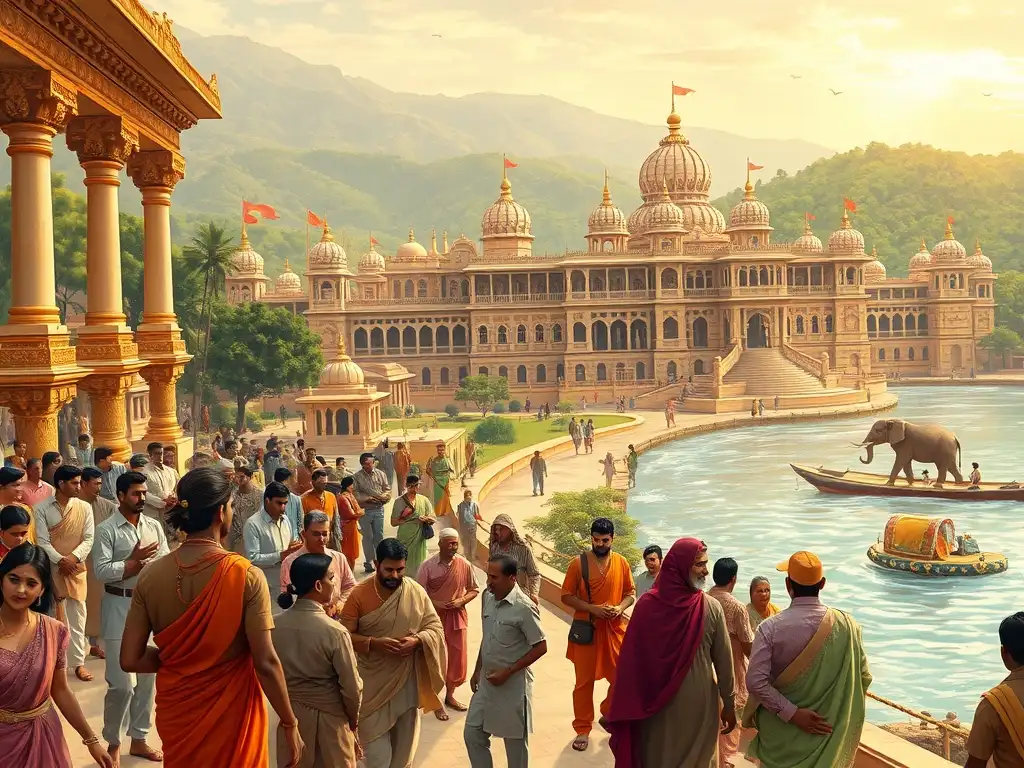
The Maurya Empire, one of the most significant empires in ancient India, faced numerous challenges in its quest to balance tradition with political progressivism. This intricate balancing act was crucial for maintaining stability and promoting growth across its vast territories. The challenges can be broadly categorized into internal conflicts and external threats, both of which significantly influenced the political landscape of the empire.
Internal Conflicts and Political Dissent
Internal conflicts within the Maurya Empire were a considerable challenge to its political stability and progressivism. The diverse population, consisting of various ethnicities, languages, and cultures, often led to tensions among different groups.
- Regional Autonomy vs. Central Authority: Many regions within the empire had their own local traditions and governance systems. The central authority of the Maurya Empire, primarily established under Chandragupta Maurya, faced resistance from local rulers and elites who were reluctant to give up their power. This resistance often manifested in political dissent and revolts, threatening the cohesion of the empire.
- Religious and Philosophical Divergence: The Maurya Empire was home to a variety of religious beliefs, including Hinduism, Buddhism, and Jainism. While Emperor Ashoka famously embraced Buddhism and promoted non-violence and tolerance, this shift caused friction with those adhering to other traditions. The challenge was to create a unified political identity while respecting the diverse beliefs of the populace, a task that required a delicate balance between progressive policies and traditional values.
- Economic Disparities: The empire's vastness meant that economic conditions varied significantly across different regions. Wealth disparity often led to discontent among the lower classes and marginalized communities. Addressing these economic inequalities while maintaining the traditional social hierarchy posed a significant challenge for the Maurya rulers.
These internal conflicts necessitated a nuanced political strategy that could accommodate dissent while promoting progressive changes, ensuring that traditional values were not entirely discarded but instead integrated with new ideas.
External Threats and Their Impact on Political Strategy
The Maurya Empire also faced external threats that significantly influenced its political strategy and necessitated a careful balance between tradition and innovation.
- Invasions and Military Threats: The empire's extensive borders made it vulnerable to invasions from neighboring territories. The need to respond to external threats often required the Mauryan rulers to adopt more progressive military strategies, such as the use of advanced warfare tactics and alliances with other states. This sometimes clashed with traditional methods of governance, which emphasized loyalty and hereditary rule.
- Diplomatic Relations and Trade: The Maurya Empire thrived on trade, which necessitated establishing diplomatic relations with various kingdoms and empires. Engaging in diplomacy and trade required the Mauryan rulers to adopt progressive policies that sometimes contradicted traditional isolationist attitudes. The ability to negotiate effectively with foreign powers was vital for maintaining the empire’s security and promoting economic growth.
- Cultural Exchanges and Integration: As the empire expanded, cultural exchanges with other civilizations became inevitable. The influx of new ideas and practices posed a challenge to traditional Mauryan customs. The rulers had to find ways to integrate these influences into the existing cultural framework without alienating their traditional support base.
The challenges faced by the Maurya Empire in balancing tradition with political progressivism were multifaceted. The interplay between internal conflicts and external threats necessitated a dynamic political approach that carefully navigated the complexities of governance in a diverse and expansive empire. The ability to adapt to these challenges was crucial for the empire's longevity and success in ancient India.
Conclusion: The Enduring Significance of Maurya Empire Political Progressivism
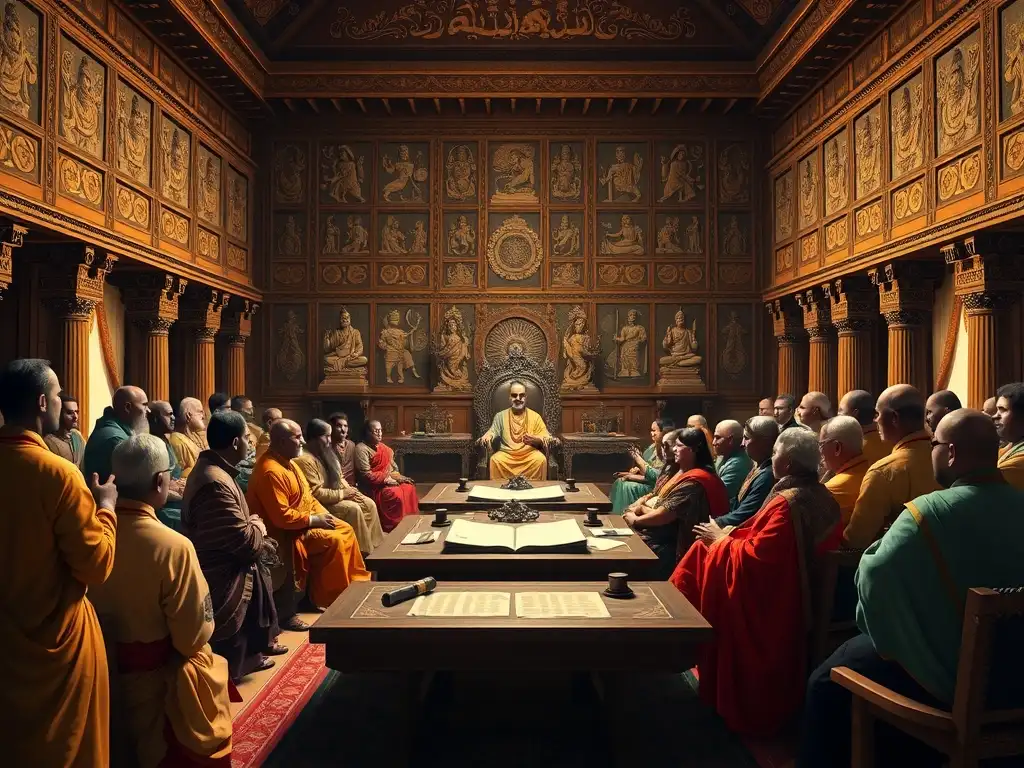
The Maurya Empire stands out in the annals of history for its remarkable ability to blend traditional values with innovative political practices. This unique balance not only defined the empire's governance but also set a precedent for political thought and administration in subsequent Indian civilizations. The principles established during the Maurya era have endured through time, influencing governance structures and political ideologies across centuries.
Reflection on Tradition vs. Progress in Governance
The Maurya Empire exemplified a sophisticated understanding of governance that harmonized deeply rooted traditions with the need for political progressivism. Under the reign of Chandragupta Maurya and his grandson Ashoka, traditional Indian values were upheld while simultaneously embracing reforms that addressed contemporary societal needs.
- Traditional Values: The Maurya rulers respected the socio-religious customs of their time, ensuring that governance did not alienate the populace. The inclusion of local customs in administrative practices helped maintain social cohesion.
- Progressive Policies: Simultaneously, they enacted progressive reforms such as the establishment of a centralized bureaucratic system, which enhanced efficiency and accountability in governance.
This duality of maintaining tradition while pursuing progress was pivotal in managing a vast and diverse empire. Ashoka's promotion of Dhamma, which emphasized moral governance and public welfare, is a prime example of how tradition was utilized to foster a progressive political agenda.
The Relevance of Maurya Political Principles Today
The political principles established during the Maurya Empire resonate significantly in today's governance frameworks. As contemporary societies grapple with the challenges of modernization, the Maurya model offers several lessons:
- Inclusive Governance: The Maurya Empire's approach to integrating local customs and practices into governance can inspire modern leaders to adopt more inclusive policies that respect cultural diversity.
- Ethical Leadership: Ashoka's commitment to ethical governance through Dhamma highlights the importance of moral principles in leadership. This remains relevant today as ethical considerations are increasingly prioritized in political discourse.
- Centralized Administration: The centralized bureaucratic structure of the Maurya Empire serves as a historical reference for modern administrative practices, emphasizing the need for organization and efficiency in governance.
- Public Welfare Focus: The emphasis on public welfare during the Maurya era can guide current governments to prioritize policies that enhance the quality of life for their citizens, ensuring that progress does not come at the expense of societal well-being.
The Maurya Empire's political progressivism, rooted in a strong foundation of tradition, continues to influence modern governance. As societies evolve, the balance between tradition and progress remains a critical aspect of effective leadership and administration.
References and Further Reading on the Maurya Empire Political Progressivism
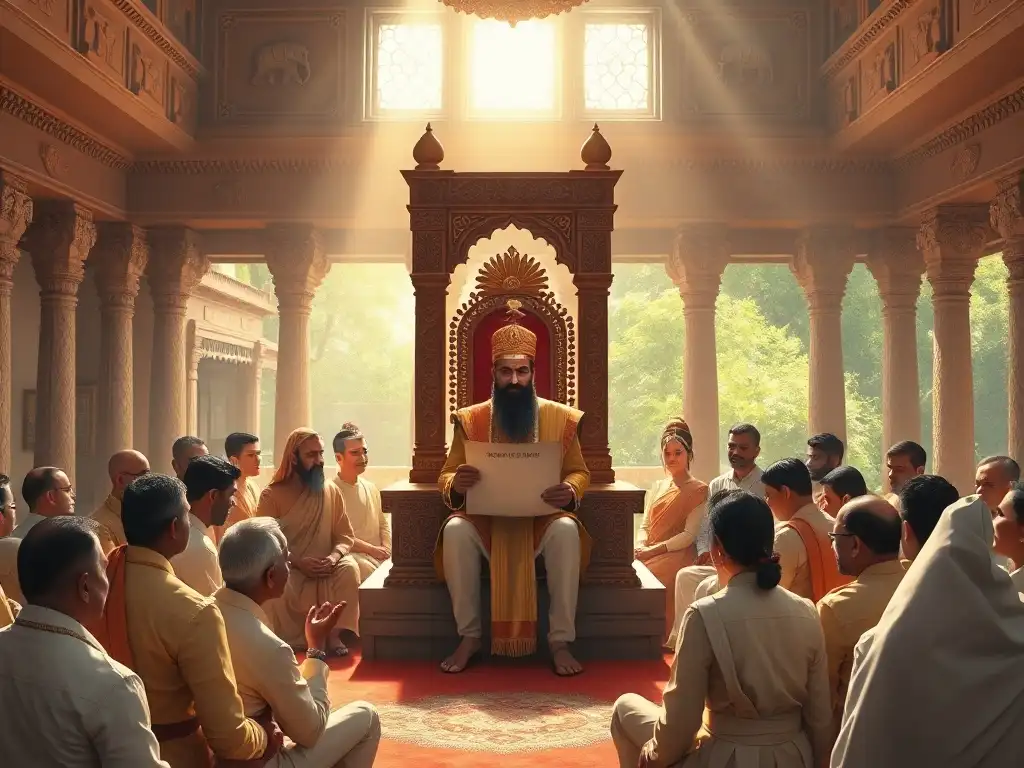
Suggested Books and Articles
-
"The Maurya Empire: A Historical Overview"
This comprehensive book delves into the political, social, and economic structures of the Maurya Empire, highlighting its progressive policies and their impact on Indian civilization.
-
"Ashoka: The Search for India's Lost Emperor" by Charles Allen
This engaging narrative explores the life of Emperor Ashoka and his role in shaping political progressivism within the Maurya Empire, particularly through his promotion of Buddhism and non-violence.
-
"The Maurya Empire and the Rise of Political Thought in India"
This scholarly article discusses how the Maurya Empire’s political strategies influenced later Indian governance and philosophy, marking a significant shift towards progressivism.
-
"Political Ideologies in Ancient India" by Romila Thapar
Thapar examines various political ideologies during the Maurya period, focusing on how traditional Indian values were integrated with new progressive ideas to create a unique governance model.
-
"Maurya Empire: Governance and Society"
This anthology provides a collection of essays from various historians that analyze the social and political structures of the Maurya Empire, emphasizing its balance of tradition and innovation.
Online Resources for Ancient Indian History
-
Digital South Asia Library (DSAL)
A valuable resource for accessing primary sources and historical documents related to ancient India, including the Maurya Empire. Visit DSAL .
-
Ancient India: A Historical Overview
This online portal offers a curated selection of articles, timelines, and maps detailing the history of ancient India, with specific sections dedicated to the Maurya Empire and its political structures.
-
The British Museum's Collection on Ancient India
Explore artifacts and exhibitions related to the Maurya Empire, providing insights into its cultural and political advancements. Visit the British Museum .
-
Internet Archive: Maurya Empire Literature
A digital library that houses books, manuscripts, and historical texts concerning the Maurya Empire and its political progressivism. Explore Internet Archive .
-
Coursera: Ancient Indian History Course
An online course that covers various aspects of ancient Indian civilizations, including the Maurya Empire's governance and societal reforms. Check out Coursera .
These resources will enhance your understanding of the Maurya Empire's political progressivism and its lasting impact on Indian history and governance.
Frequently Asked Questions
What was the significance of the Maurya Empire in ancient Indian history?
The Maurya Empire was significant for its political progressivism, establishing a centralized government and promoting economic growth, which laid the foundation for future Indian empires.
How did the Maurya Empire balance tradition with political progressivism?
The Maurya Empire integrated traditional Indian values with innovative governance practices, allowing for cultural continuity while also embracing administrative reforms that enhanced efficiency.
Who was the most notable ruler of the Maurya Empire?
Ashoka the Great is the most notable ruler, known for his conversion to Buddhism and his efforts to promote peace and non-violence, demonstrating a blend of progressivism and respect for tradition.
What were the key contributions of the Maurya Empire to Indian culture?
The Maurya Empire contributed to Indian culture through advancements in art, architecture, and literature, as well as the promotion of religions such as Buddhism and Jainism.
How did the political progressivism of the Maurya Empire influence later Indian empires?
The political progressivism of the Maurya Empire set a precedent for future rulers, influencing administrative structures and policies that emphasized centralization and social welfare in later Indian empires.
Final Reflection: Embracing the Legacy of the Maurya Empire's Political Progressivism
The exploration of the Maurya Empire's unique ability to balance tradition with political progressivism resonates profoundly in today's world, where societies grapple with the tension between preserving cultural heritage and embracing modernity. In an era marked by rapid change, the lessons drawn from the Maurya Empire remind us that progress does not necessitate the abandonment of tradition; rather, it can be a harmonious blend that fosters stability and innovation. The Maurya Empire stands as a testament to the idea that political progressivism can thrive alongside a rich cultural legacy.
The influence of the Maurya Empire's approach to governance continues to echo in contemporary discussions about leadership and societal development. As we navigate the complexities of our own political landscapes, the principles of inclusivity and adaptability exemplified by the Maurya Empire serve as a guiding light. A nation’s greatness is measured by how it treats its weakest members.
This quote encapsulates the essence of the Maurya Empire's political ethos, emphasizing the importance of governance that prioritizes the welfare of all citizens, a lesson that remains relevant as we strive for equity and justice in our societies today.
As we reflect on the insights gained from the Maurya Empire's legacy, I invite you to consider how you can apply these lessons in your own life and community. What traditions can you honor while also advocating for progressive change? Embrace the challenge of finding balance in your own journey, recognizing that the past can inform our future. Let us carry forward the spirit of the Maurya Empire, striving for a world where tradition and progress coexist, enriching our lives and the lives of those around us.
Embrace the Legacy: Take Action Now!
Thank you for diving into the fascinating world of the Maurya Empire! Your interest has unlocked a treasure trove of history where **tradition** and **progress** collide. Now, it’s time to take that inspiration and put it into action.
- Dive Deeper: Explore the innovative strategies of the Mauryan rulers and discover how they shaped modern governance by checking out related articles and resources available on our website.
- Share Your Insights: Engage in discussions about the interplay between tradition and progress with friends or on social media. Which aspects of the Maurya Empire resonate with you the most today?
- Join the Conversation: Participate in our forums to exchange ideas with fellow enthusiasts. Your contributions could inspire others to reflect on the balance of tradition and innovation!
What lessons from the Maurya Empire do you believe are most relevant in today’s world? Let’s spark a dialogue!