
The Symbolism of Yoga: Understanding Its Philosophical Underpinnings


Welcome to Ancient India History, where we embark on a fascinating journey through the rich tapestry of India's past. In this exploration, we delve into the profound symbolism and philosophy of yoga, a practice that has transcended time and culture. What secrets lie behind the poses and practices that have shaped not just individual wellness, but the very fabric of ancient Indian civilization?
Join us as we unravel the intricate connections between yoga and the philosophical foundations that underpin its significance. Discover how these ancient teachings continue to resonate in today's world, and ignite your curiosity to learn more about this captivating aspect of our heritage.
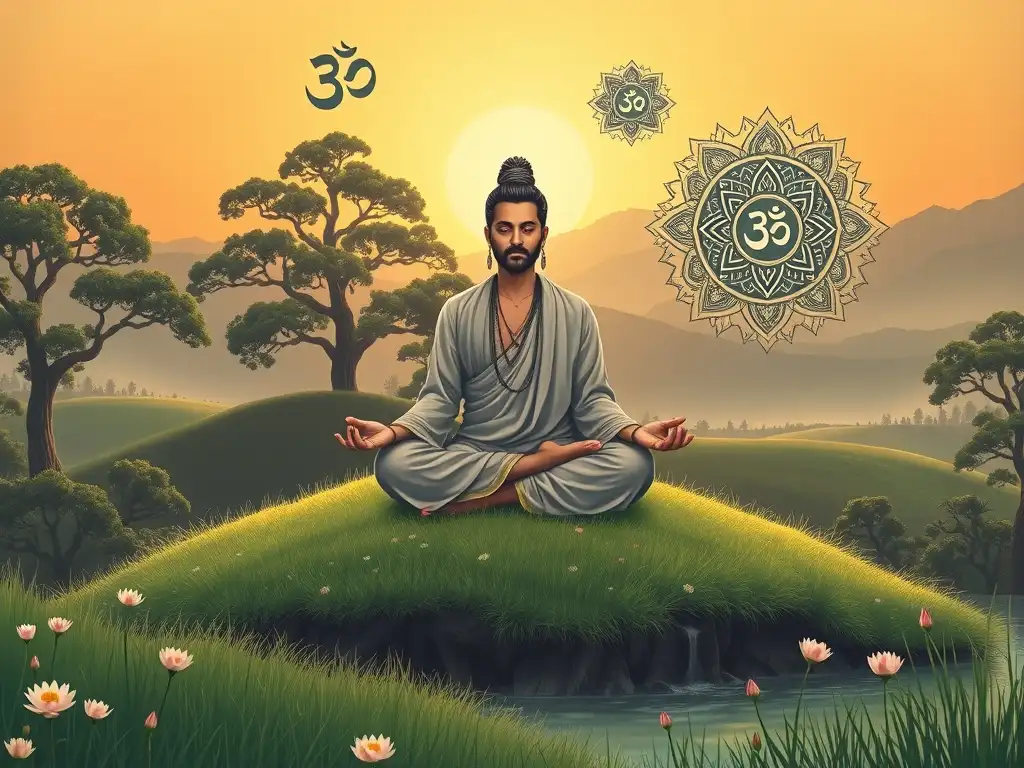
Yoga, a discipline that transcends mere physical practice, is deeply interwoven with rich symbolism and profound philosophical concepts that have evolved over millennia. Originating in ancient India, yoga embodies a holistic approach to life, emphasizing the connection between body, mind, and spirit. The exploration of yoga's symbolism and philosophy not only reveals its historical significance but also enhances our understanding of its transformative potential in contemporary society. This article delves into the intricate layers of yoga's symbolism, tracing its historical roots and illuminating the core philosophical concepts that underpin this ancient practice.
Introduction to Yoga Symbolism and Philosophy
Yoga is often perceived through the lens of physical postures (asanas) and breathing techniques (pranayama), yet its true essence lies in the rich tapestry of symbolism and philosophical teachings that inform its practice. The symbolism in yoga serves as a bridge between the tangible aspects of the practice and the intangible realms of consciousness and spirituality.
Key Symbolic Elements:
- Lotus Flower: Represents purity and spiritual awakening, emerging unsoiled from muddy waters.
- Om (Aum): The sacred sound symbolizing the universe's essence, encapsulating all existence.
- Chakras: Energy centers in the body, each associated with different aspects of consciousness and spiritual development.
The philosophical underpinnings of yoga, rooted in ancient texts such as the Upanishads and the Yoga Sutras of Patanjali, articulate a worldview that encourages self-awareness, ethical living, and spiritual growth. Understanding these elements can lead to a more profound appreciation of yoga as a path towards enlightenment and self-realization.
The Roots of Yoga: Historical Context and Development
The origins of yoga can be traced back to the Indus Valley civilization, around 2500 BCE, where archaeological findings indicate early practices of meditation and asceticism. Over the centuries, yoga evolved through various schools of thought, each contributing to its rich historical context.
Historical Milestones:
- Vedic Period: Introduction of spiritual practices and rituals, laying the foundation for meditative techniques.
- Classical Yoga (Patanjali): The compilation of the Yoga Sutras in the 2nd century BCE, systematizing yoga philosophy and practice.
- Post-Classical Yoga: The emergence of various schools like Hatha Yoga, emphasizing physical fitness and health.
Through these historical developments, yoga transformed into a multifaceted practice encompassing physical, mental, and spiritual dimensions, fostering a holistic approach to personal growth and self-discovery.
Core Philosophical Concepts in Yoga
At the heart of yoga lies a set of philosophical concepts that guide practitioners towards deeper understanding and enlightenment. These principles not only enhance the practice of yoga but also offer insights into navigating life's challenges.
Fundamental Concepts:
- Ahimsa (Non-violence): Encourages compassion towards oneself and others, promoting harmony and peace.
- Satya (Truthfulness): Advocates for honesty in thought, word, and action, fostering integrity and authenticity.
- Dharma (Righteous Duty): Emphasizes the importance of fulfilling one's responsibilities while aligning with ethical principles.
These core concepts serve as a roadmap for personal development and spiritual awakening, illustrating how yoga extends beyond the mat into everyday life. By embracing these philosophical teachings, practitioners can cultivate a mindful existence, ultimately leading to a greater sense of purpose and connection with the universe.
Symbolism in Yoga Practices
Yoga, as an ancient practice, is imbued with rich symbolism that transcends mere physical postures. Each asana, or pose, embodies deeper meanings and intentions. For instance, the Lotus Pose (Padmasana) symbolizes purity and enlightenment, representing the journey of rising above the murky waters of ignorance to bloom in the light of knowledge. Similarly, the Tree Pose (Vrikshasana) reflects stability and growth, urging practitioners to find balance amidst the chaos of life.
The use of mudras—symbolic hand gestures—further enhances the connection between physical movement and spiritual intention. Each mudra holds specific meanings; for example, the Anjali Mudra (prayer position) symbolizes respect and devotion, inviting a sense of peace and gratitude. These gestures, combined with breath and meditation, serve to deepen one's understanding of self and the universe.
Incorporating mantras into yoga practice also carries profound symbolism. Chanting specific syllables or phrases can invoke particular energies or states of consciousness. The sound "Om," for instance, is considered the primordial sound, representing the essence of the universe and the interconnectedness of all beings. Thus, the symbolism in yoga practices is not merely decorative; it serves as a conduit for spiritual awakening and self-discovery.
The Chakra System: A Symbolic Framework
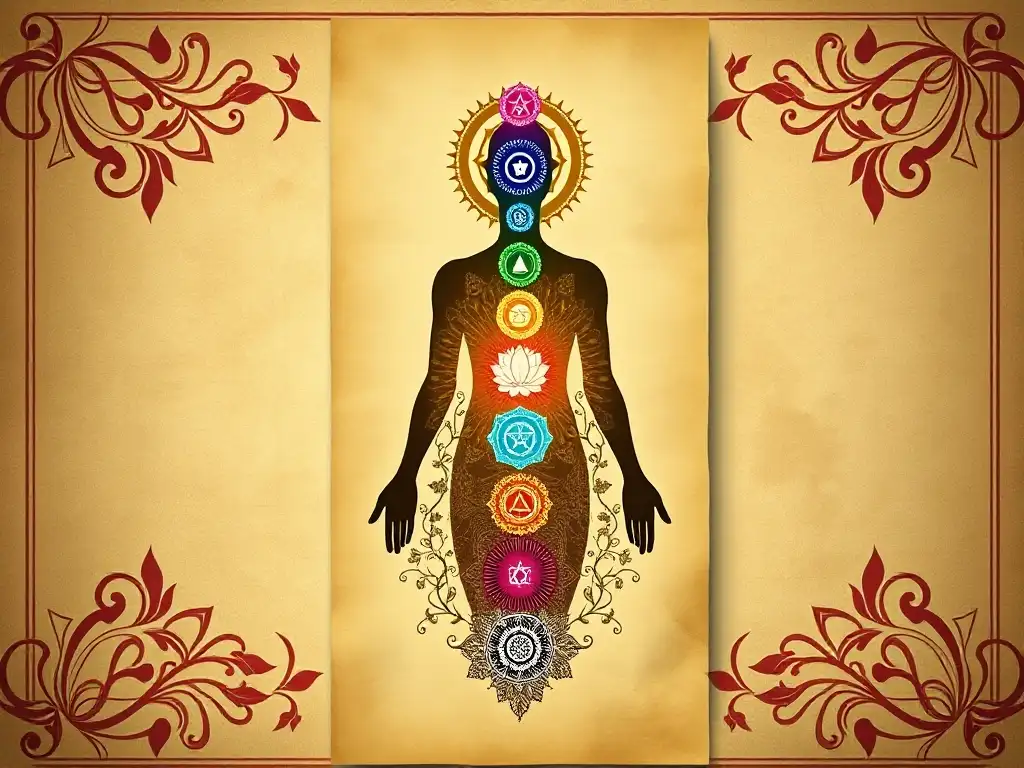
The chakra system, originating from ancient Indian texts, presents a symbolic framework for understanding the human experience. Comprising seven primary energy centers along the spine, each chakra corresponds to specific physical, emotional, and spiritual aspects of being.
- Muladhara (Root Chakra): Symbolizing stability and grounding, it connects individuals to their physical existence and security.
- Svadhisthana (Sacral Chakra): This chakra embodies creativity and sensuality, influencing relationships and emotional well-being.
- Manipura (Solar Plexus Chakra): Representing personal power and self-confidence, it is associated with transformative energy.
- Anahata (Heart Chakra): Symbolizing love and compassion, it transcends the self and fosters connection with others.
- Vishuddha (Throat Chakra): This chakra embodies communication and truth, highlighting the importance of expressing oneself authentically.
- Ajna (Third Eye Chakra): Symbolizing intuition and insight, it offers a deeper understanding of one's purpose and existence.
- Sahasrara (Crown Chakra): The pinnacle of spiritual consciousness, it connects individuals to the universe and the divine.
Each chakra's symbolism is enriched by its associated colors, elements, and sounds, creating a holistic system that promotes balance and harmony. Practicing yoga with an awareness of the chakra system allows individuals to unlock their potential and navigate their spiritual journey more effectively.
Yoga as a Path to Self-Realization
Yoga is often viewed as a transformative journey toward self-realization, where practitioners uncover their true essence beyond the physical realm. This path involves integrating the body, mind, and spirit through a disciplined practice of asanas, meditation, and ethical principles.
The philosophical underpinnings of yoga, particularly as articulated in the Yoga Sutras of Patanjali, emphasize the importance of self-awareness and introspection. The practice of Dhyana (meditation) is a crucial aspect of this journey, allowing individuals to cultivate mindfulness and connect with their inner selves. This meditative state fosters clarity, enabling practitioners to observe their thoughts and emotions without attachment, ultimately leading to a profound understanding of their true nature.
Moreover, yoga encourages the adoption of ethical precepts, known as Yamas and Niyamas, which guide individuals toward harmonious living. By embodying principles such as non-violence (Ahimsa) and truthfulness (Satya), practitioners cultivate a mindset conducive to self-discovery and enlightenment.
In essence, yoga serves as a holistic approach to self-realization, integrating physical, mental, and spiritual dimensions. Through consistent practice, individuals can transcend their limitations, uncover their authentic selves, and experience a deeper connection to the universe, embodying the profound symbolism inherent in this ancient tradition.
Conclusion: Embracing Yoga's Symbolism and Philosophy
The symbolism of yoga is deeply intertwined with its philosophical foundations, offering a profound understanding of the human experience and the quest for self-realization. From the ancient texts of the Upanishads to the practical applications seen in modern yoga practice, the journey through yoga's symbolism reveals layers of meaning that encourage practitioners to explore not only their physical selves but also their spiritual and mental dimensions.
Engaging with the symbols of yoga—such as the lotus, the chakras, and the concept of oneness—can foster a deeper connection to the practice, allowing individuals to experience yoga as more than just physical exercise. It becomes a holistic approach to life, promoting harmony within oneself and with the world. By embracing the rich tapestry of yoga's symbolism and philosophy, practitioners can cultivate mindfulness, compassion, and a greater sense of purpose in their daily lives.
Recommended Resources for Further Exploration

To enhance your understanding of yoga's symbolism and philosophy, consider exploring the following resources:
- Books:
- The Yoga Sutras of Patanjali by Swami Satchidananda
- Light on Yoga by B.K.S. Iyengar
- The Heart of Yoga: Developing a Personal Practice by T.K.V. Desikachar
- Online Courses:
- Yoga Philosophy courses on platforms like Coursera and Udemy
- Workshops offered by certified yoga institutions focusing on the philosophical aspects of yoga
- Documentaries:
- Yoga: The Art of Transformation - exploring the history and significance of yoga in ancient India
- Awake: The Life of Yogananda - a documentary on the life of the influential yogi and his teachings
- Podcasts:
- The Yoga Show - discussions on various aspects of yoga philosophy and practice
- The Mindful Kind - insights into mindfulness and its relationship with yoga
These resources can provide a well-rounded perspective on yoga's rich tradition and its symbolic significance, helping practitioners deepen their understanding and practice.
Call to Action: Engaging with Yoga Symbolism and Philosophy
Are you ready to dive deeper into the rich symbolism and philosophy of yoga? Here are some steps to engage actively:
- Join a Class: Look for local or online yoga classes that emphasize the philosophical aspects of yoga. Engaging with instructors who focus on the underlying meanings can greatly enhance your practice.
- Read and Reflect: Pick a book from the recommended list and dedicate time to read and reflect on its teachings. Journaling your thoughts and insights can deepen your understanding and personal connection to the material.
- Practice Mindfulness: Incorporate mindfulness practices into your daily routine. Spend a few moments each day meditating on the symbols that resonate with you, such as the lotus flower or the concept of balance.
- Share and Discuss: Join yoga forums or local groups to discuss your insights about yoga's symbolism and philosophy. Engaging in conversations with fellow practitioners can enrich your experience and broaden your perspective.
By actively participating in the exploration of yoga's symbolism and philosophy, you can cultivate a more meaningful practice that resonates with your personal journey toward self-discovery and enlightenment. 🌟
For those interested in delving deeper into the intricate relationship between yoga symbolism and philosophy, a wealth of resources is available. Here are some recommended articles that explore various aspects of yoga's historical and philosophical dimensions:
-
The Origins of Yoga: Tracing the Historical Development
This article examines the roots of yoga, starting from the ancient Indus Valley civilization through the Vedic period, highlighting how historical contexts influenced its evolution. It explores key texts like the Yoga Sutras of Patanjali and their impact on yoga philosophy.
-
The Philosophy of Patanjali: An Insight into the Yoga Sutras
Dive into the Yoga Sutras of Patanjali, a seminal text that lays the foundation for classical yoga philosophy. This article analyzes the core concepts such as ashtanga (the eight limbs of yoga), and how these elements contribute to the understanding of yoga's symbolic significance.
-
Yoga and the Bhagavad Gita: A Philosophical Perspective
Explore the profound teachings of the Bhagavad Gita, which integrates yoga as a means for self-realization and spiritual growth. This article discusses how the Gita's insights inform yoga's philosophical underpinnings and its symbolism in the quest for inner peace.
-
The Role of Meditation in Yoga Philosophy
This piece delves into the connection between meditation and yoga, discussing how meditative practices enhance understanding of yoga symbolism. It reflects on different meditative techniques and their significance in ancient Indian philosophy.
-
Symbols of Yoga: Understanding the Iconography
Discover the various symbols associated with yoga, such as the lotus flower, Om, and the mandala. This article elucidates the meanings behind these symbols and their importance in representing the philosophical aspects of yoga.
-
The Influence of Ancient Indian Philosophy on Modern Yoga
This article highlights how ancient philosophical traditions, including Vedanta and Sankhya, have shaped contemporary yoga practices. It addresses the ongoing dialogue between tradition and modernity in the interpretation of yoga's symbolism.
Each of these articles offers unique insights into the multifaceted nature of yoga, enriching your understanding of its symbolic and philosophical dimensions. Whether you're a seasoned practitioner or a curious newcomer, these resources will deepen your appreciation for the profound wisdom embedded in the practice of yoga.
- Introduction to Yoga Symbolism and Philosophy
- The Roots of Yoga: Historical Context and Development
- Core Philosophical Concepts in Yoga
- Symbolism in Yoga Practices
- The Chakra System: A Symbolic Framework
- Yoga as a Path to Self-Realization
- Conclusion: Embracing Yoga's Symbolism and Philosophy
- Recommended Resources for Further Exploration
- Call to Action: Engaging with Yoga Symbolism and Philosophy
- Additional Reading: Related Articles in the History and Philosophy of Yoga
- What is the significance of yoga symbolism in ancient Indian culture?
- How does yoga philosophy relate to spiritual growth?
- What are the main philosophical underpinnings of yoga?
- How has yoga evolved in terms of its symbolism over time?
- Why is understanding yoga symbolism important for practitioners?
Frequently Asked Questions
What is the significance of yoga symbolism in ancient Indian culture?
The symbolism of yoga represents deeper philosophical concepts and spiritual truths, reflecting the interconnectedness of mind, body, and spirit in ancient practices.
How does yoga philosophy relate to spiritual growth?
Yoga philosophy emphasizes self-awareness, meditation, and ethical living as pathways to spiritual growth, helping practitioners achieve a deeper understanding of themselves and their place in the universe.
What are the main philosophical underpinnings of yoga?
The philosophical underpinnings of yoga include ideas from Hinduism, Buddhism, and Jainism, focusing on concepts such as karma, dharma, and the pursuit of enlightenment.
How has yoga evolved in terms of its symbolism over time?
Over time, yoga symbolism has evolved, integrating various cultural influences while maintaining its core philosophical essence, leading to diverse interpretations and practices today.
Why is understanding yoga symbolism important for practitioners?
Understanding yoga symbolism can enhance a practitioner's experience by providing insights into the deeper meanings behind poses and practices, fostering a more profound connection to the overall philosophy of yoga.
Final Reflection: Embracing the Depth of Yoga Symbolism and Philosophy
In a world increasingly driven by fast-paced living and superficial connections, the symbolism of yoga and its rich philosophical underpinnings offer a profound pathway to self-discovery and inner peace. As we navigate the complexities of modern life, the ancient wisdom embedded in yoga serves as a timeless reminder of the importance of balance, mindfulness, and spiritual growth. The practices and symbols of yoga are not merely physical exercises; they are gateways to understanding our true selves and our interconnectedness with the universe.
Culturally and socially, the influence of yoga symbolism and philosophy has permeated various aspects of our lives, from wellness trends to spiritual practices. The teachings of yoga encourage us to look beyond the surface and engage with the deeper meanings of existence. As we embrace these teachings, we find that they resonate with the universal quest for purpose and fulfillment. Yoga is the journey of the self, through the self, to the self.
This quote encapsulates the essence of yoga, reminding us that the journey inward is as vital as any outward achievement.
As you reflect on the insights shared in this article, I invite you to consider how the symbolism of yoga can enrich your own life. Take a moment to explore your relationship with yoga, whether through practice, meditation, or simply contemplating its teachings. Let the philosophy of yoga inspire you to cultivate a deeper understanding of yourself and your place in the world. In doing so, you not only honor the ancient traditions but also pave the way for a more mindful and connected future.
Embrace the Power of Yoga's Philosophy!
Thank you for taking the time to delve into the profound symbolism of yoga. Understanding its philosophical roots enriches your practice and deepens your connection to its transformative power. Now that you’ve explored these insights, it’s time to take meaningful action!
- Integrate yoga philosophy into your daily life: Start a morning journal to reflect on the principles you've learned and consider how they can positively influence your day.
- Attend a local yoga class that emphasizes these philosophical teachings, enabling you to connect with others who share your passion.
- Share this article with friends or on social media to encourage discussions about the significance of yoga’s roots in our contemporary lives.
Which aspect of yoga's philosophy resonates with you the most, and how do you plan to incorporate it into your practice?