
The Connection Between Yoga and Ayurveda: Ancient Wisdom for Modern Wellness


Welcome to Ancient India History, where we embark on a fascinating journey through the rich tapestry of India’s past, exploring its vibrant cultures and remarkable contributions to the world. In our featured article, “The Connection Between Yoga and Ayurveda: Ancient Wisdom for Modern Wellness,” we delve into the profound relationship between these two ancient practices that have shaped wellness philosophies for centuries. Are you curious about how these time-honored traditions intertwine to promote holistic health in today's fast-paced world? Join us as we uncover insights that bridge ancient wisdom and contemporary living—your exploration begins here!
- Introduction to the Yoga and Ayurveda Connection
- Historical Context of Yoga and Ayurveda
- Key Principles of Yoga and Ayurveda
- The Connection Between Yoga and Ayurveda in Daily Life
- Modern Applications of Yoga and Ayurveda
- Case Studies: Real-Life Examples of the Yoga and Ayurveda Connection
- Conclusion: Embracing the Yoga and Ayurveda Connection for Holistic Wellness
- Frequently Asked Questions
- Final Reflection: Embracing the Yoga and Ayurveda Connection for Holistic Wellness
- Embrace Wellness: Begin Your Journey Today!
Introduction to the Yoga and Ayurveda Connection
The connection between Yoga and Ayurveda is a profound aspect of ancient Indian civilizations, and it embodies a holistic approach to health and wellness that has transcended time. As two intertwined disciplines, Yoga and Ayurveda share a common philosophy aimed at achieving balance and harmony in the individual’s life.
While Yoga emphasizes the alignment of body, mind, and spirit through physical postures, breath control, and meditation, Ayurveda focuses on the principles of natural healing, nutrition, and lifestyle choices that support overall well-being. Together, they create a comprehensive system that not only addresses physical ailments but also nurtures spiritual growth and mental clarity.
In this exploration of the Yoga and Ayurveda connection, we will delve into their historical roots, understand their integrative nature, and appreciate how these ancient practices provide a framework for modern wellness. By examining their intertwined philosophies, we can gain insight into how these traditions continue to influence contemporary health practices and contribute to a more holistic understanding of well-being.
Understanding the Roots of Yoga and Ayurveda
Yoga and Ayurveda both originate from the ancient texts of India, specifically the Vedas, which date back thousands of years. These texts lay the foundation for a deeper understanding of the human experience, addressing not just the physical, but also the emotional and spiritual dimensions of life.
- Historical Context:
- The Rigveda and Atharvaveda discuss early forms of Yoga and healing practices.
- The Yoga Sutras of Patanjali codify the philosophy of Yoga, emphasizing the mind's role in achieving self-realization.
- Charaka Samhita and Sushruta Samhita are pivotal texts in Ayurveda, detailing medicinal practices and holistic health approaches.
- Philosophical Underpinnings:
- Both systems operate on the principle that the body, mind, and spirit are interconnected.
- Ayurveda categorizes individuals based on their doshas (body constitutions), which influence their unique path to wellness.
- Yoga aligns with these principles by offering practices tailored to harmonize these doshas, promoting personal growth and health.
This rich tapestry of historical and philosophical elements illustrates how Yoga and Ayurveda complement each other, creating a synergistic path to wellness.
The Importance of Integrative Wellness in Ancient Indian Culture
In ancient Indian culture, wellness was not merely the absence of illness but a holistic state of balance that encompassed physical, mental, and spiritual well-being. The integration of Yoga and Ayurveda reflects this perspective, emphasizing that true health is achieved when all aspects of life are in harmony.
- Holistic Approach:
- Ayurveda offers dietary guidelines and herbal remedies tailored to individual needs, while Yoga provides the physical and spiritual exercises required to maintain this balance.
- Together, they encourage a lifestyle that promotes sattva (purity), rajas (activity), and tamas (inertia), which are essential for maintaining health and vitality.
- Cultural Significance:
- These practices were integral to the lives of ancient Indians, influencing their daily routines, rituals, and even their philosophical inquiries.
- The teachings of Yoga and Ayurveda were shared through gurus (teachers) and shishyas (students), ensuring that this knowledge was passed down through generations.
The connection between Yoga and Ayurveda is not just a historical curiosity; it is a living tradition that offers invaluable insights into achieving modern wellness. By understanding their roots and the importance of integrative wellness in ancient Indian culture, we can better appreciate the relevance of these practices in our contemporary lives.
Historical Context of Yoga and Ayurveda

The historical context of Yoga and Ayurveda is intricate, deeply rooted in the ancient civilizations of India. Both practices emerged as essential components of an overarching system of health and spirituality, intertwining physical well-being with mental and emotional balance. Understanding their historical development reveals how they complement each other, forming a holistic approach to wellness that is still relevant today.
The Origins of Yoga: A Journey Through Time
The roots of Yoga trace back to the Indus Valley Civilization, around 3300–1300 BCE. Early artifacts suggest practices resembling Yoga, with seals depicting figures in meditative postures. Nonetheless, the formal codification of Yoga is attributed to the Yoga Sutras of Patanjali, composed around 400 CE. This text outlines the eight limbs of Yoga (Ashtanga), which guide practitioners in achieving spiritual enlightenment through ethical conduct, physical postures, breath control, and meditation.
- Vedic Period (1500–500 BCE):
- The Vedas, the oldest sacred texts of Hinduism, mention meditation and the importance of self-discipline.
- The Upanishads further explore the concepts of consciousness and the self (Atman), emphasizing the need for inner exploration.
- Classical Yoga (500 BCE–400 CE):
- The emergence of various schools of thought, including Samkhya, which heavily influenced Yogic philosophy.
- The development of Hatha Yoga, focusing on physical postures and breath as a means to prepare the body for meditation.
- Post-Classical Yoga (400 CE–present):
- An evolution of practices, leading to the establishment of different styles and schools, such as Bhakti, Karma, and Jnana Yoga.
- Significant figures like Swami Vivekananda and Paramahansa Yogananda played pivotal roles in popularizing Yoga in the West in the late 19th and early 20th centuries.
The Development of Ayurveda: Ancient Healing Practices
Ayurveda, often referred to as the "science of life," originated around the same time as Yoga, with its earliest references found in the Vedas. Over the centuries, Ayurveda evolved into a comprehensive system of medicine that emphasizes balance in bodily systems and the importance of a healthy lifestyle.
- Vedic Texts:
- The Atharva Veda contains early Ayurvedic concepts, including herbal remedies and rituals for health.
- As the system developed, texts like Charaka Samhita and Sushruta Samhita were written, detailing diagnostics, therapies, and surgical practices.
- Key Principles:
- Ayurveda is based on the theory of Tridosha, which identifies three primary doshas (Vata, Pitta, Kapha) that govern physiological functions.
- The focus on Prakriti (individual constitution) emphasizes personalized medicine, aligning health practices with one's unique characteristics.
- Integration with Yoga:
- Ayurveda complements Yoga by recommending specific practices tailored to an individual's dosha, enhancing both physical and mental health.
- The synergy between the two promotes a balanced lifestyle, incorporating diet, exercise, and meditation.
Intersections Between Yoga Philosophy and Ayurvedic Principles
The intersection of Yoga and Ayurveda is characterized by shared philosophies and practices that aim for holistic wellness. Both systems emphasize the connection between body, mind, and spirit, advocating for a balanced lifestyle.
- Complementary Practices:
- Yoga provides physical postures (asanas) that enhance flexibility and strength, while Ayurveda offers dietary guidelines to support these physical practices.
- Meditation, a key aspect of Yoga, is seen in Ayurveda as a means to reduce stress and promote mental clarity.
- Holistic Approach:
- Both disciplines encourage self-awareness and introspection, fostering a deeper understanding of oneself.
- Regular practice of Yoga can help balance the doshas, while Ayurvedic principles can enhance the effectiveness of Yoga postures.
- Cultural Significance:
- Historically, both Yoga and Ayurveda have been integral to spiritual and health practices in India, influencing various cultural rituals and lifestyles.
- Their interconnectedness reflects the rich tapestry of ancient Indian civilization, showcasing a profound understanding of human health and spirituality.
The Yoga and Ayurveda connection is a testament to the wisdom of ancient Indian traditions, offering valuable insights for modern wellness practices. Understanding their historical context not only enriches our appreciation of these disciplines but also highlights their relevance in contemporary health and well-being.
Key Principles of Yoga and Ayurveda

The connection between Yoga and Ayurveda is deeply rooted in the philosophical foundations of ancient Indian traditions. Both practices are intricately linked, sharing a common goal of promoting holistic well-being. At the heart of this connection are key principles that guide the understanding and application of both disciplines in daily life.
The Three Doshas: Vata, Pitta, and Kapha Explained
In Ayurveda, the concept of doshas is crucial for understanding individual health and balance. The three doshas— Vata, Pitta, and Kapha—represent different combinations of the five elements: earth, water, fire, air, and ether. Each dosha embodies unique qualities and functions within the body:
- Vata:
- Composed of air and ether.
- Responsible for movement, circulation, and communication.
- Qualities: dry, light, cool, irregular, and mobile.
- Imbalance can lead to anxiety, restlessness, and digestive issues.
- Pitta:
- Composed of fire and water.
- Governs metabolism, digestion, and transformation.
- Qualities: hot, sharp, intense, and oily.
- Imbalance can lead to irritability, inflammation, and digestive disorders.
- Kapha:
- Composed of earth and water.
- Provides structure, stability, and immunity.
- Qualities: heavy, slow, steady, solid, and cold.
- Imbalance can lead to lethargy, weight gain, and respiratory issues.
Understanding one's dosha is integral to both Ayurveda and Yoga, as it allows practitioners to tailor their practices to their unique constitution, promoting optimal health and balance.
Yoga Asanas and Their Ayurvedic Benefits
Yoga asanas, or postures, are more than just physical exercises; they are tools for harmonizing the body, mind, and spirit. Each asana can have specific benefits that align with Ayurvedic principles, addressing the needs of different doshas:
| Asana | Benefits | Dosha Balance |
|---|---|---|
| Tadasana (Mountain Pose) | Improves posture and grounding. | Balances all doshas. |
| Vrikshasana (Tree Pose) | Enhances balance and concentration. | Strengthens Vata. |
| Bhujangasana (Cobra Pose) | Stimulates digestion and relieves stress. | Balances Pitta. |
| Paschimottanasana (Seated Forward Bend) | Calms the mind and stretches the spine. | Balances Kapha. |
Each asana not only contributes to physical health but also plays a role in emotional and spiritual well-being. Practicing yoga with an awareness of one's dosha can enhance the benefits, leading to a more personalized and effective wellness routine.
The Role of Pranayama in Balancing Doshas
Pranayama, the practice of breath control, is a vital aspect of Yoga that complements Ayurvedic principles. It is believed that breath is the bridge between body and mind, and regulating it can significantly impact one's physical and emotional state. Each type of pranayama can be beneficial in balancing the doshas:
- Nadi Shodhana (Alternate Nostril Breathing):
- Calms the mind and balances Vata and Pitta.
- Ujjayi Pranayama (Victorious Breath):
- Increases energy, focusing the mind, especially beneficial for Pitta dosha.
- Bhramari (Bee Breath):
- Soothes the nervous system and is effective in balancing Kapha.
Incorporating pranayama into daily practice not only enhances the effects of asanas but also helps in achieving a deeper connection to one's dosha, fostering overall harmony and wellness. By understanding and utilizing the Yoga and Ayurveda connection, individuals can cultivate a more balanced and fulfilling lifestyle.
The Connection Between Yoga and Ayurveda in Daily Life

The connection between Yoga and Ayurveda is deeply intertwined, influencing various aspects of daily life in ancient Indian civilizations. Both disciplines promote holistic well-being, emphasizing the balance of body, mind, and spirit. This synergy is evident in how individuals can incorporate Ayurvedic principles into their Yoga practice for enhanced health and wellness.
Incorporating Ayurvedic Dietary Practices into Your Yoga Routine
Ayurveda places significant emphasis on diet as a means to achieve balance and harmony within the body. Integrating Ayurvedic dietary practices into your Yoga routine can enhance overall effectiveness and support personal growth. Here are key principles:
- Sattvic Foods: These are pure, clean, and wholesome foods that promote clarity and calmness. Examples include:
- Fresh fruits and vegetables
- Whole grains like quinoa and brown rice
- Legumes and lentils
- Food Timing: According to Ayurveda, eating should align with the body's natural rhythms. Practicing Yoga on an empty stomach or after a light meal can promote better energy flow and concentration.
- Hydration: Staying hydrated is crucial. Warm water or herbal teas, such as ginger or chamomile, are recommended to aid digestion and maintain balance.
Incorporating these dietary practices not only supports physical health but also enhances mental clarity, making your Yoga practice more fruitful.
Seasonal Yoga Practices: Aligning with Ayurvedic Wisdom
Ayurveda teaches us to live in harmony with the changing seasons, which can significantly affect our physical and emotional health. Adapting your Yoga practice to the seasons can provide numerous benefits:
- Spring: Focus on detoxification and rejuvenation. Incorporate:
- Cleansing postures like twists and forward bends
- Light, cleansing foods to aid in detoxification
- Summer: Emphasize cooling and calming practices. Favor:
- Restorative Yoga poses that promote relaxation
- Hydrating foods such as cucumbers and melons
- Autumn: As the weather cools, embrace grounding practices. Incorporate:
- Strengthening poses to build resilience and warmth
- Warming spices like ginger and cinnamon in your diet
- Winter: Focus on nourishment and warmth. Include:
- Gentle, restorative practices to combat cold stress
- Hearty, warming foods like soups and stews
Aligning your Yoga practices with the seasons not only harmonizes your body with nature but also enhances your overall wellness.
Herbal Remedies and Essential Oils to Enhance Yoga Practices
The integration of herbal remedies and essential oils into your Yoga routine can profoundly enhance your experience. Ayurveda utilizes various herbs and oils for their therapeutic properties. Here’s how you can incorporate them:
- Herbal Remedies:
- Ashwagandha: Known for its stress-reducing properties, this herb can be taken as a supplement or in tea form to promote calmness before practice.
- Turmeric: This anti-inflammatory herb can support joint health and overall vitality. It can be added to meals or consumed as a tea.
- Essential Oils:
- Lavender: Known for its calming effects, lavender oil can be diffused in the practice space or applied topically to promote relaxation.
- Peppermint: This invigorating oil can enhance focus and energy, making it an excellent addition before a vigorous Yoga session.
Using these herbal remedies and essential oils not only enriches your Yoga practice but also aligns with the holistic principles of Ayurveda, creating a comprehensive approach to wellness.
By integrating these ancient practices into modern lifestyles, individuals can experience a profound connection between Yoga and Ayurveda, fostering a deeper understanding of holistic health.
Modern Applications of Yoga and Ayurveda

In contemporary society, the ancient practices of Yoga and Ayurveda are increasingly recognized for their holistic approach to wellness. Both systems, rooted in ancient Indian philosophy, emphasize the importance of balancing the mind, body, and spirit. This synergy not only enhances physical health but also promotes mental clarity and emotional stability. As modern wellness trends continue to evolve, the integration of Yoga and Ayurveda has found its way into various aspects of daily life, including retreats, wellness centers, and consumer products.
Yoga Retreats and Ayurveda Wellness Centers
Yoga retreats and Ayurveda wellness centers have become popular destinations for individuals seeking a deeper understanding of these practices. Set in serene environments, these retreats often combine structured yoga sessions with Ayurvedic principles, offering participants an immersive experience that promotes relaxation and rejuvenation.
- Holistic Programs: Many retreats offer tailored programs that include daily yoga classes, Ayurvedic meals, and wellness consultations. Participants learn how to align their physical practices with Ayurvedic diets and lifestyle changes, fostering a comprehensive healing process.
- Detoxification: Ayurveda emphasizes detoxification through herbal treatments and dietary adjustments. Integrating this with yoga practices enhances the detox process, allowing individuals to release physical and emotional toxins.
- Mindfulness and Meditation: Retreats often incorporate mindfulness practices and meditation, which are key components of both Yoga and Ayurveda. These practices help in achieving mental clarity and emotional balance, reinforcing the connection between the two disciplines.
- Workshops and Education: Many centers provide educational workshops that delve into the philosophical aspects of Yoga and Ayurveda, enabling participants to understand the foundational principles and how they can apply them in their daily lives.
Popular Products for Yoga and Ayurveda Integration
The market for products that blend Yoga and Ayurveda is expanding, catering to those who wish to enhance their practice with authentic tools and resources.
Recommended Yoga Mats for Ayurvedic Practices
When selecting yoga mats for Ayurvedic practices, it's important to consider materials that promote sustainability and comfort. Here are some recommended options:
| Brand | Material | Thickness | Benefits |
|---|---|---|---|
| Manduka PRO | PVC | 6mm | Excellent durability and support |
| Jade Yoga | Natural rubber | 5mm | Eco-friendly and provides great grip |
| Gaiam Cork Yoga | Cork and TPE | 5mm | Natural materials with antibacterial properties |
| Liforme | Natural rubber | 4.2mm | Alignment guide for proper posture |
Choosing the right mat can enhance stability and comfort during yoga sessions, aligning with Ayurvedic principles of balance and harmony.
Best Ayurvedic Supplements for Yogis
Integrating Ayurvedic supplements into a yogic lifestyle can support physical health and enhance mental wellness. Here are some of the most popular supplements:
- Ashwagandha: Known as a powerful adaptogen, it helps reduce stress and improve energy levels.
- Turmeric (Curcumin): Renowned for its anti-inflammatory properties, it supports joint health and overall vitality.
- Triphala: A blend of three fruits, great for digestion and detoxification, aligning with Ayurvedic cleansing practices.
- Brahmi: Excellent for enhancing cognitive function and memory, it supports mental clarity and focus during yoga.
Incorporating these supplements into daily routines can help yogis maintain their physical and mental well-being, emphasizing the deep connection between Yoga and Ayurveda in promoting holistic health.
Case Studies: Real-Life Examples of the Yoga and Ayurveda Connection

The connection between Yoga and Ayurveda is not only a theoretical concept but also a practical approach that has transformed the lives of many individuals. Various case studies highlight how integrating these two ancient practices can lead to profound improvements in physical health, mental well-being, and spiritual growth.
Success Stories: Transformations through Integrated Practices
Real-life transformations serve as compelling examples of how the synergy between Yoga and Ayurveda can enhance wellness. Below are some notable success stories that exemplify this connection:
- Healing Chronic Illness
- Case Study: Anjali's Journey
- Anjali, a 45-year-old woman, struggled with chronic fatigue and autoimmune issues for years. After consulting an Ayurvedic practitioner, she adopted a personalized diet and herbal regimen. Simultaneously, she began practicing Yin Yoga, focusing on gentle stretches and breathwork. Within six months, Anjali reported significant improvements in her energy levels, and her autoimmune symptoms diminished.
- Case Study: Anjali's Journey
- Weight Management and Lifestyle Change
- Case Study: Raj's Transformation
- Raj, a 30-year-old corporate executive, faced obesity and stress-related issues. He turned to a holistic approach by combining Ayurveda's principles of diet and detoxification with Hatha Yoga. By following an Ayurvedic diet tailored to his body type (dosha) and engaging in regular Yoga sessions, Raj lost over 30 pounds in a year and experienced a remarkable decrease in work-related stress.
- Case Study: Raj's Transformation
- Mental Health and Emotional Balance
- Case Study: Priya’s Resilience
- Priya, a 25-year-old college student, battled anxiety and depression. After incorporating Ayurveda's calming herbal teas and adapting her diet, she also started practicing Kundalini Yoga, which emphasizes energetic movements and breath control. Over time, Priya noticed a significant reduction in anxiety symptoms, improved mood, and a more balanced emotional state.
- Case Study: Priya’s Resilience
These case studies illustrate the powerful transformations that can arise from the Yoga and Ayurveda connection, emphasizing the importance of personalized approaches that cater to the individual’s unique circumstances.
Interviews with Experts in Yoga and Ayurveda
To gain deeper insights into the Yoga and Ayurveda connection, we reached out to leading practitioners and scholars in both fields. Their expertise sheds light on the underlying principles that unite these ancient practices.
- Interview with Dr. Ravi Sharma, Ayurvedic Physician
- Dr. Sharma emphasizes that "Ayurveda provides the foundational principles of health, whereas Yoga offers practical tools for maintaining and enhancing that health." He advocates for a holistic approach where Ayurvedic dietary recommendations complement the physical and mental benefits of Yoga.
- Interview with Swami Ananda, Yoga Teacher
- Swami Ananda highlights the significance of understanding one’s dosha in Yoga practice: "Each individual has a unique constitution. By aligning Yoga practices with Ayurvedic principles, we can cultivate a more harmonious relationship with our body and mind." He elaborates on how specific Yoga poses can balance different doshas, enhancing overall well-being.
- Interview with Dr. Meera Desai, Integrative Health Specialist
- Dr. Desai notes the increasing interest in combining Yoga and Ayurveda in contemporary wellness practices. "The modern world is rediscovering ancient wisdom. The Yoga and Ayurveda connection is essential for a balanced lifestyle, especially in our fast-paced society." She encourages individuals to explore both disciplines to achieve holistic health.
These expert perspectives reinforce the idea that the Yoga and Ayurveda connection is not merely historical; it is a living tradition that continues to transform lives today. By embracing these ancient practices, individuals can cultivate a holistic approach to wellness that is both timeless and relevant.
The case studies and expert insights presented here illustrate the profound impact of integrating Yoga and Ayurveda in various aspects of life. From healing chronic illnesses to enhancing mental health, the connection between these two disciplines offers valuable lessons for anyone seeking a path to wellness.
Conclusion: Embracing the Yoga and Ayurveda Connection for Holistic Wellness
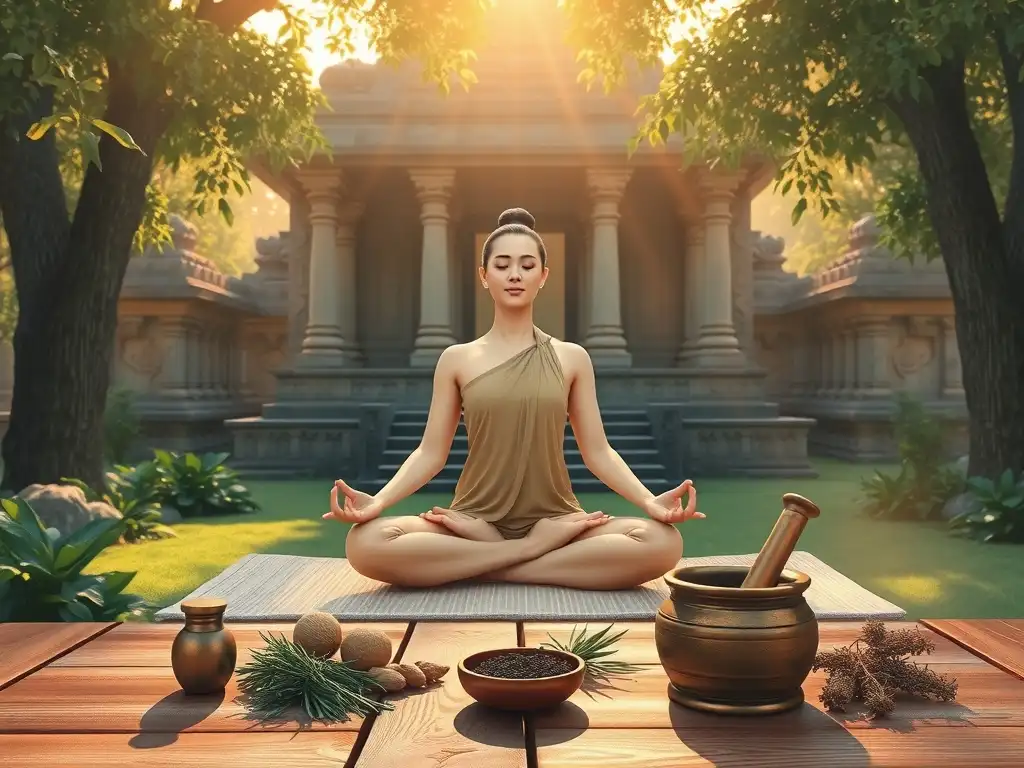
The connection between yoga and Ayurveda represents a profound synergy that enhances holistic wellness and provides a comprehensive approach to health. Both disciplines, rooted in ancient Indian philosophy, emphasize the importance of balance, harmony, and self-awareness. Together, they offer a framework for understanding the body, mind, and spirit, enabling individuals to cultivate well-being in a fast-paced modern world.
By integrating the principles of yoga and Ayurveda, practitioners can develop personalized practices that cater to their unique constitutions (doshas) and life circumstances. This allows individuals to harness the therapeutic benefits of yoga—through asanas (postures), pranayama (breath control), and meditation—while simultaneously applying Ayurvedic wisdom in their dietary choices, daily routines, and lifestyle habits. This holistic approach can lead to improved physical health, mental clarity, and emotional stability.
Future Trends in Yoga and Ayurveda
As interest in holistic health continues to grow, several trends are emerging in the fields of yoga and Ayurveda that reflect their interconnectedness:
- Integration of Practices: More wellness centers and yoga studios are beginning to offer classes that blend yoga and Ayurvedic principles, creating a more comprehensive approach to health. This includes workshops that teach participants how to align their yoga practices with their Ayurvedic doshas.
- Personalized Wellness Plans: The rise of personalized health and wellness plans is becoming more prevalent, with practitioners using both yoga and Ayurveda to create customized programs. This can include specific asanas, dietary recommendations, and lifestyle adjustments tailored to individual needs.
- Increased Scientific Research: There is a growing body of scientific research exploring the efficacy of yoga and Ayurveda in treating various health conditions. This research is helping to validate these ancient practices within modern healthcare frameworks, potentially leading to greater acceptance and integration in conventional medical settings.
- Digital Platforms: The rise of online platforms and apps dedicated to yoga and Ayurveda is making these ancient practices more accessible. Virtual classes, personalized consultations, and educational resources are enabling individuals to explore and embrace the yoga and Ayurveda connection from the comfort of their homes.
- Focus on Sustainability: As global awareness of environmental issues increases, there is a trend towards sustainable practices within yoga and Ayurveda. This includes promoting eco-friendly yoga props, natural Ayurvedic products, and holistic practices that honor the interconnectedness of all life.
Final Thoughts on Ancient Wisdom for Modern Wellness
The yoga and Ayurveda connection is a testament to the enduring wisdom of ancient Indian civilizations. By embracing this connection, individuals can explore a holistic path to wellness that addresses physical health, mental clarity, and emotional resilience. The principles of yoga and Ayurveda encourage self-discovery and personal empowerment, inviting practitioners to take an active role in their health journey.
In a world increasingly focused on quick fixes and superficial solutions, the deep-rooted philosophies of yoga and Ayurveda offer a refreshing perspective. They remind us that true wellness is not merely the absence of disease but a state of balance and harmony within oneself and with the environment. As we navigate the complexities of modern life, integrating these ancient practices into our daily routines can guide us toward a more fulfilling and vibrant existence.
Frequently Asked Questions
What is the connection between yoga and Ayurveda?
Yoga and Ayurveda are interconnected systems of wellness in ancient Indian traditions. Yoga focuses on mental and physical practices, while Ayurveda emphasizes holistic healing and lifestyle.
How do yoga and Ayurveda complement each other?
Yoga enhances physical health and mental clarity, while Ayurveda provides guidelines for diet, herbs, and daily routines. Together, they promote overall well-being and balance in life.
Can practicing yoga improve Ayurvedic treatments?
Yes, practicing yoga can significantly enhance Ayurvedic treatments by improving flexibility, strength, and mindfulness. This holistic approach supports healing and self-awareness.
What are some Ayurvedic principles beneficial for yoga practitioners?
Key Ayurvedic principles include dosha balancing, proper nutrition, and seasonal routines. These help yoga practitioners achieve harmony and optimize their practice.
How can modern wellness be achieved through yoga and Ayurveda?
Integrating yoga and Ayurveda into daily life fosters a balanced lifestyle, reduces stress, and enhances physical health. This combination is essential for achieving modern wellness.
Final Reflection: Embracing the Yoga and Ayurveda Connection for Holistic Wellness
In today's fast-paced world, the connection between yoga and Ayurveda offers a profound pathway to achieving balance and well-being. As we navigate the complexities of modern life, these ancient practices remind us of the importance of nurturing both body and mind. The synergy between yoga and Ayurveda is not merely a historical curiosity; it is a vital resource for enhancing our health and cultivating inner peace.
The influence of this connection permeates our cultural and social landscapes, encouraging a shift towards holistic approaches to wellness. As we integrate the principles of yoga and Ayurveda into our daily lives, we foster a deeper understanding of ourselves and our place in the universe. When we align our bodies and minds with the rhythms of nature, we unlock the potential for true healing.
This ongoing journey invites us to explore our unique constitution and embrace practices that resonate with our individual needs, ultimately enriching our lives and those around us.
As you reflect on the insights shared in this article, I invite you to consider how you can incorporate the wisdom of yoga and Ayurveda into your own life. Whether it’s through a mindful yoga practice, nourishing your body with Ayurvedic principles, or simply taking a moment to breathe and connect with your inner self, each step you take towards this holistic approach can lead to profound transformations. Let the ancient wisdom of yoga and Ayurveda guide you on your path to wellness, and inspire you to cultivate a life of harmony and balance.
Embrace Wellness: Begin Your Journey Today!
Thank you for taking the time to explore the profound relationship between yoga and Ayurveda. Understanding these ancient practices can significantly enhance your wellness journey. Now, it's your turn to transform this knowledge into action!
- Start with Daily Practice: Incorporate a short yoga routine into your mornings to set a positive tone for your day.
- Explore Ayurvedic Principles: Add a unique spice to your meals this week; discovering your body type can provide personalized health benefits.
- Join a Community: Participate in local yoga and Ayurveda classes or online groups to deepen your practice and connect with like-minded individuals.
What steps will you take to integrate this ancient wisdom into your modern life? **Share your thoughts! **