
The Global Spread of Yoga: Tracing Its Ancient Indian Origins

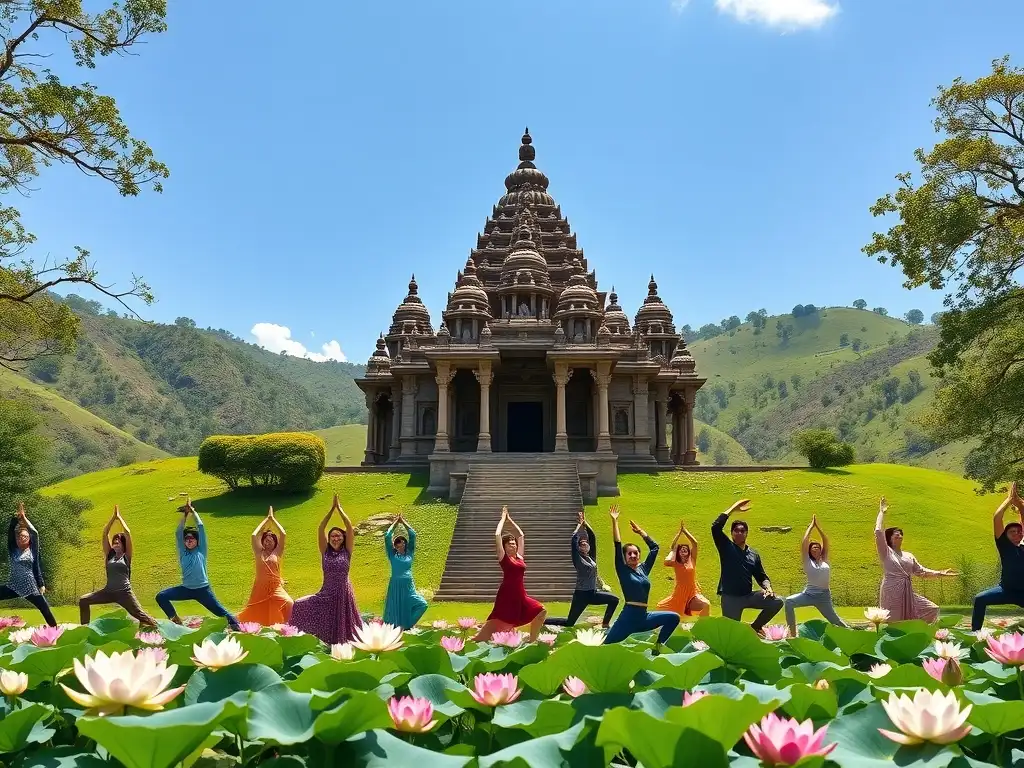
Welcome to Ancient India History, where we embark on a fascinating journey through the rich tapestry of ancient Indian civilizations. Dive deep into the ancient Indian yoga history, a captivating exploration that reveals how this timeless practice has transcended borders and influenced cultures worldwide. From the serene banks of the Indus Valley to the philosophical depths of the Gupta Empire, uncover the roots of yoga and its profound impact on wellness and spirituality.
Prepare to be intrigued and enlightened as we trace the global spread of yoga, inviting you to discover the ancient wisdom that continues to shape lives today. Let's begin this enlightening exploration!
Introduction to Ancient Indian Yoga History
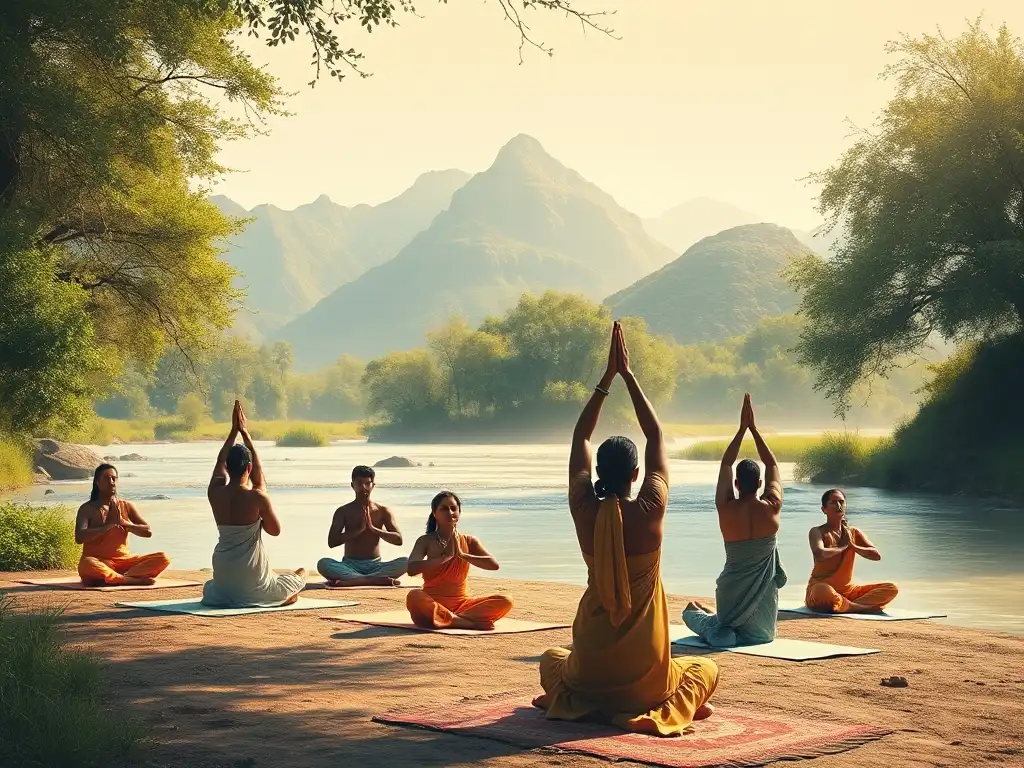
Yoga, a practice that has transcended borders and cultures, has its roots deeply embedded in the ancient civilizations of India. It is a rich tapestry woven with spiritual, philosophical, and physical threads, originating from the Indus Valley civilization over 5,000 years ago. This article delves into the ancient Indian yoga history, exploring how this profound practice has evolved and spread across the globe, influencing countless lives along the way.
The journey of yoga is not just a tale of physical postures and meditation; it is a story of transformation, self-discovery, and the quest for spiritual enlightenment. From the sacred texts of the Vedas and Upanishads to the renowned Yoga Sutras of Patanjali, the foundations of yoga are deeply philosophical, emphasizing the interconnectedness of mind, body, and spirit.
As we trace the historical roots of yoga, we will uncover its various forms and practices, including Hatha, Raja, Bhakti, and Jnana yoga, each contributing uniquely to the holistic approach of wellness that yoga embodies today. The global spread of yoga, especially in the modern era, has turned it into a unifying practice that transcends cultural boundaries, integrating ancient wisdom with contemporary lifestyles.
Join us as we embark on this enlightening journey to understand the ancient Indian yoga history and its profound impact on the world, revealing not just its origins, but also its enduring legacy in promoting health, balance, and mindfulness across cultures.
The Roots of Yoga in Ancient India
Understanding the Historical Context of Yoga
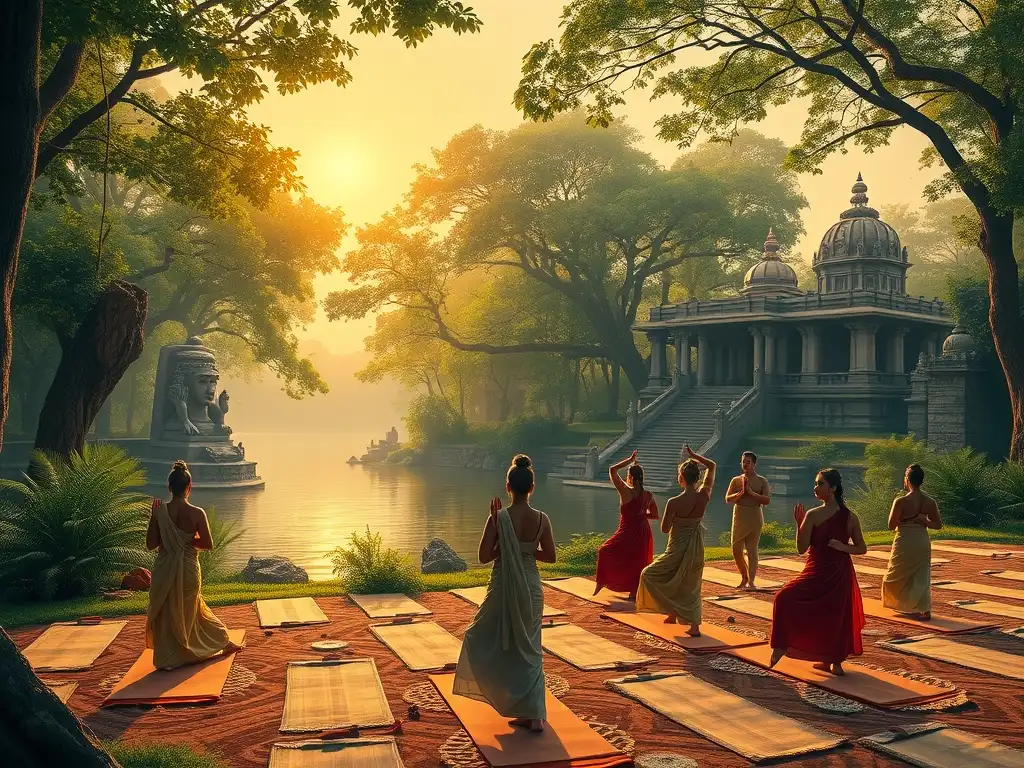
The historical context of yoga is crucial to understanding its development and significance in ancient Indian culture. Yoga, derived from the Sanskrit word "yuj," which means "to yoke" or "to unite," has its roots deeply embedded in the spiritual and philosophical traditions of ancient India.
The earliest evidence of yoga can be traced back to the Indus Valley Civilization (circa 3300–1300 BCE), where archeological findings, such as seals depicting figures in meditative postures, suggest that practices resembling yoga were already in existence. This civilization laid the groundwork for various spiritual practices that would flourish in subsequent centuries.
As Indian society evolved, so too did the practices and philosophies surrounding yoga. The Vedic texts (circa 1500–500 BCE) introduced the concept of meditation and the importance of rituals. The Upanishads, which emerged during the later Vedic period, further elaborated on the philosophical underpinnings of yoga, emphasizing the connection between the individual soul (Atman) and the universal soul (Brahman).
The historical timeline of yoga can be categorized into several key periods:
- Indus Valley Civilization: Early depictions of meditative practices.
- Vedic Period: Introduction of meditation and ritual practices.
- Upanishadic Period: Philosophical exploration of the self and ultimate reality.
- Classical Period: Systematization of yoga practices and philosophies.
During the Classical Period, the Yoga Sutras of Patanjali (circa 400 CE) emerged as a seminal text, providing a framework for yoga philosophy and practice, which is still influential today.
Key Texts in Ancient Indian Yoga History
The ancient Indian yoga history is rich with texts that have shaped the practice and philosophy of yoga. These texts can be categorized into several key works that provide insights into the various dimensions of yoga:
- Vedas: The oldest sacred texts of Hinduism, consisting of hymns, rituals, and philosophical discourses. They laid the groundwork for meditation practices.
- Upanishads: Philosophical texts that delve into the nature of reality, the self, and the universe. They introduce key concepts such as meditation (dhyana) and the unity of the self with the cosmos.
- Bhagavad Gita: A 700-verse dialogue that addresses the moral and philosophical dilemmas faced by the warrior Arjuna. It presents yoga as a path to spiritual realization and emphasizes the importance of selfless action (karma yoga).
- Yoga Sutras of Patanjali: This foundational text of yoga philosophy outlines the eight limbs of yoga (Ashtanga) and offers guidance on meditation, ethical conduct, and achieving spiritual enlightenment.
- Hatha Yoga Pradipika: A 15th-century text that focuses on the physical aspects of yoga, detailing asanas (postures), pranayama (breath control), and the importance of purification practices.
- Tantra Texts: These texts explore the integration of spiritual practices with daily life, emphasizing the importance of energy (shakti) and the awakening of consciousness.
The Yoga Vasistha and the Tibetan Book of the Dead also contribute to the understanding of yoga’s philosophical and spiritual dimensions, illustrating the variances in approaches and interpretations over time.
These texts collectively form the backbone of ancient Indian yoga history, offering valuable insights into the evolution of yoga as both a spiritual and physical practice. Through the study of these texts, practitioners and scholars alike can trace the lineage of yoga and appreciate its profound impact on spiritual and cultural practices throughout history.
The Evolution of Yoga Practices in Ancient India
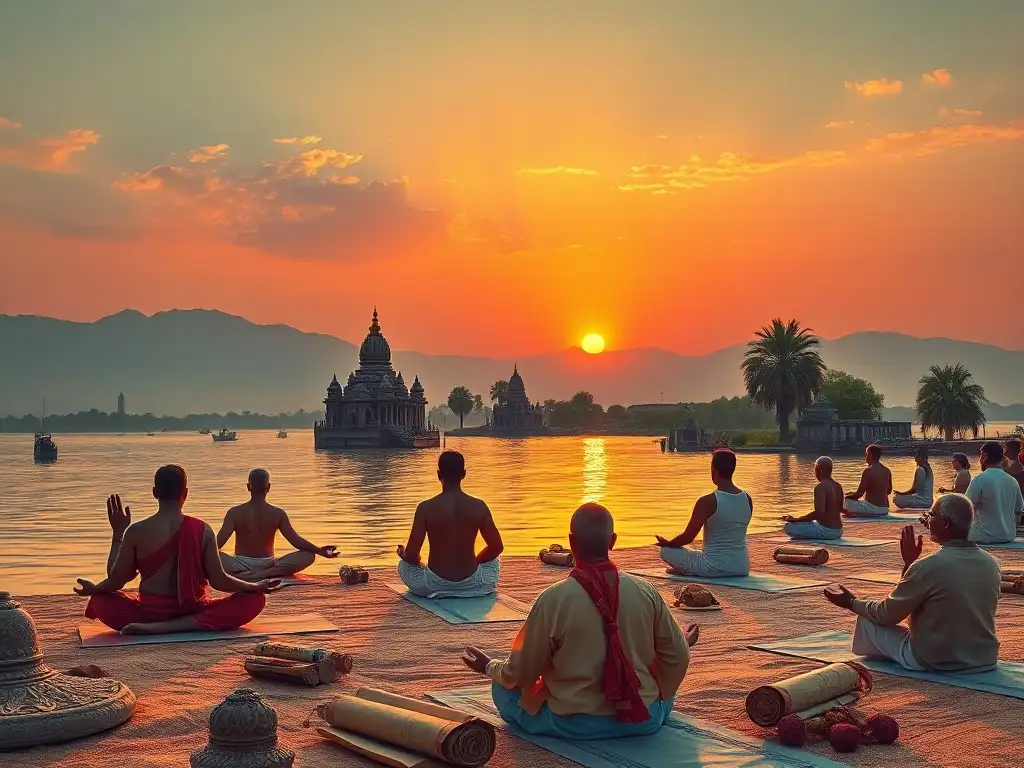
The evolution of yoga practices in ancient India is a fascinating journey that reflects the dynamic interplay of philosophical thought, spiritual exploration, and physical discipline. Yoga, derived from the Sanskrit word "yuj," meaning "to unite," signifies the union of body, mind, and spirit. Its roots can be traced back to the Vedic texts, with early references appearing in the Rigveda, where meditation and contemplation were integral to spiritual practices.
As time progressed, the development of yoga witnessed significant transformations influenced by various philosophical schools. The Upanishads, composed around 800-400 BCE, expanded on the concepts of meditation and self-realization, laying the groundwork for the spiritual framework that would define yoga. The Bhagavad Gita further enriched this tradition by blending yoga with duty, devotion, and the pursuit of knowledge.
The evolution of yoga can be categorized into distinct phases, each characterized by specific practices and philosophies:
- Pre-Classical Yoga (before 200 BCE): Focused primarily on meditation and the development of spiritual insight. The emphasis was on understanding the self and the universe.
- Classical Yoga (200 BCE - 200 CE): Marked by the compilation of the Yoga Sutras of Patanjali, which systematized yoga into eight limbs (Ashtanga Yoga). This period established a formal structure for yoga practices, emphasizing ethical conduct, mental discipline, and physical postures.
- Post-Classical Yoga (200 CE - 1900 CE): This era saw the emergence of various schools and styles of yoga, including Hatha Yoga, which focused on physical postures (asanas) and breath control (pranayama), aiming to prepare the body for deeper meditative practices.
This evolution showcases how ancient Indian yoga practices were not static but rather a living tradition that adapted to the philosophical and cultural contexts of different periods.
Different Schools of Yoga in Ancient Indian Philosophy
Ancient Indian philosophy gave rise to various schools of yoga, each with its unique approach and methodologies. Here’s an overview of some prominent schools:
- Raja Yoga (Royal Yoga): Rooted in the Yoga Sutras of Patanjali, Raja Yoga emphasizes meditation and mental control. It is often referred to as the "royal path" to enlightenment, focusing on discipline, ethical living, and the practice of meditation.
- Hatha Yoga: This school concentrates on physical postures and breathing exercises. Hatha Yoga is designed to purify the body and create a solid foundation for meditation. Its practices include asanas, pranayama, and mudras. Hatha Yoga became widely recognized in the medieval period and laid the groundwork for many modern yoga styles.
- Bhakti Yoga: Centered on devotion and love for a personal deity, Bhakti Yoga emphasizes emotional connection and surrender to divine will. It encourages practitioners to cultivate a deep sense of devotion through chanting, rituals, and selfless service.
- Karma Yoga: Known as the path of selfless action, Karma Yoga teaches that one can attain spiritual liberation through performing righteous actions without attachment to the results. This school promotes the idea that every action can be a form of worship when done with the right intention.
- Jnana Yoga: Jnana Yoga focuses on the pursuit of knowledge and wisdom. Practitioners engage in philosophical inquiry and self-reflection to understand the nature of reality and the self. This intellectual approach is complemented by meditation, leading to self-realization.
Each of these schools contributed to the rich tapestry of ancient Indian yoga philosophy, providing diverse pathways for individuals seeking spiritual growth and enlightenment.
Ancient Gurus and Their Influence on Yoga
The contributions of ancient gurus have been pivotal in shaping the landscape of yoga practices in India. Their teachings and philosophies have left an indelible mark on the practice of yoga, influencing generations of practitioners. Below are some of the most significant figures:
- Patanjali: Often referred to as the "father of yoga," Patanjali compiled the Yoga Sutras, which serve as a foundational text for many yoga traditions. His systematic approach to yoga through the eight limbs (Ashtanga) has profoundly influenced both ancient and modern practices.
- Buddha: Siddhartha Gautama, known as the Buddha, incorporated elements of meditation and mindfulness from yoga into his teachings. His emphasis on the Middle Way and the practice of meditation contributed significantly to the development of yogic philosophy.
- Adi Shankaracharya: A revered philosopher and theologian, Shankaracharya played a crucial role in the revival of Advaita Vedanta. His teachings emphasized the importance of self-inquiry, which aligns closely with yogic practices aimed at self-realization.
- Matsyendranath and Gorakhnath: These two figures are central to the development of Hatha Yoga. Matsyendranath is often regarded as the founder of the Nath tradition, while Gorakhnath is credited with popularizing Hatha Yoga through his texts and teachings, focusing on physical practices and spiritual discipline.
- Swami Vivekananda: In the 19th century, Vivekananda brought yoga to the global stage, emphasizing its philosophical and practical aspects. His teachings on the interconnectedness of all beings and the importance of selfless service inspired many to explore yoga as a holistic lifestyle.
These ancient gurus not only shaped yoga practices but also laid the philosophical foundations that continue to guide practitioners today. Their legacies remind us of the transformative power of yoga, which transcends cultural and temporal boundaries, connecting individuals to a deeper sense of self and purpose.
The Journey of Yoga Beyond India
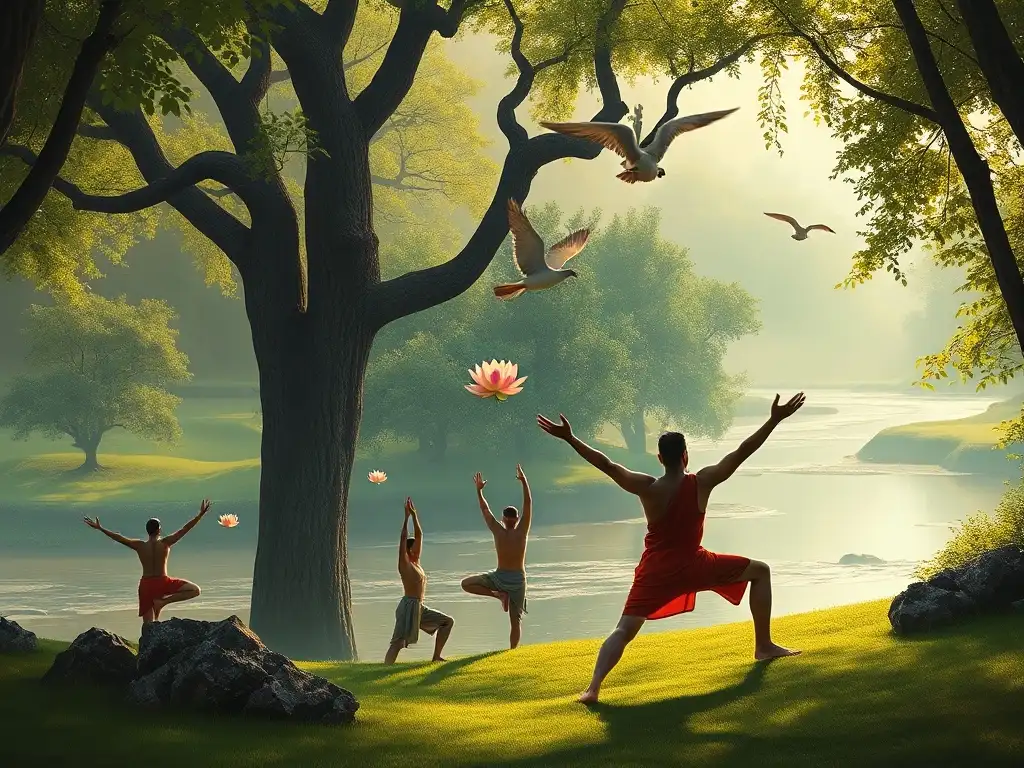
Yoga, with its profound roots in ancient Indian traditions, has transcended borders and evolved into a global phenomenon. This journey of yoga from the serene banks of the Indus River to bustling urban centers across the world is a testament to its universal appeal and adaptability. The rich tapestry of ancient Indian yoga history is interwoven with spiritual practices, philosophical teachings, and cultural exchanges that have shaped yoga into what it is today.
The Initial Spread of Yoga to the West
The initial introduction of yoga to the Western world can be traced back to the late 19th and early 20th centuries. A few notable milestones in this phase include:
- Swami Vivekananda's Influence: In 1893, Swami Vivekananda represented India at the Parliament of the World's Religions in Chicago. His eloquent speeches on the philosophy of yoga and spirituality caught the attention of the Western audience, planting the seeds for a growing interest in yoga.
- The Theosophical Society: Founded in 1875, this organization played a significant role in promoting Eastern philosophies, including yoga. Members like Annie Besant and Charles Leadbeater were instrumental in introducing yoga practices and concepts to a Western audience, often blending them with esoteric and spiritual beliefs.
- Books and Publications: The early 20th century saw the publication of several key texts on yoga, including "The Science of Being" and translations of ancient scriptures. These texts helped demystify yoga and made its teachings accessible to a broader audience.
During this period, yoga began to be perceived not only as a spiritual practice but also as a means to achieve physical fitness and mental well-being. The initial spread focused primarily on the philosophical aspects of yoga, emphasizing meditation and self-realization.
The Globalization of Yoga in Modern Times
The late 20th and early 21st centuries marked a significant turning point in the globalization of yoga, fueled by various factors:
- The Rise of Hatha Yoga: The development of Hatha yoga styles, which emphasize physical postures (asanas) and breath control (pranayama), became increasingly popular. Influential figures such as B.K.S. Iyengar and Pattabhi Jois introduced their specific methodologies to a broader audience, leading to the establishment of yoga schools and studios across the globe.
- Media and Technology: The advent of the internet and social media platforms played a crucial role in disseminating yoga practices and philosophies. Online classes, instructional videos, and social media influencers contributed to the widespread adoption of yoga, making it accessible to millions of practitioners worldwide.
- Yoga as an Industry: The commercialization of yoga transformed it into a lucrative industry. Yoga retreats, workshops, and teacher training programs emerged, further popularizing its practice. This evolution brought about a fusion of traditional practices with contemporary fitness trends, leading to diverse styles like Power Yoga and Hot Yoga.
- Cultural Exchange: As yoga gained popularity, it also began to adapt to Western cultural norms. This resulted in a variety of interpretations and practices that, while rooted in ancient Indian yoga history, were tailored to meet the preferences of Western practitioners.
The globalization of yoga has sparked a dialogue about cultural appropriation versus appreciation, prompting discussions about the preservation of its ancient roots while embracing modern adaptations. It is essential to recognize the rich heritage of yoga as it continues to evolve and inspire people across the globe, promoting a holistic approach to wellness and mindfulness.
The journey of yoga beyond India is a dynamic interplay of history, culture, and philosophy, highlighting its enduring legacy and relevance in today's world. As we explore the ancient Indian yoga history, we uncover the profound teachings that continue to resonate with practitioners, fostering a deeper understanding of this timeless practice.
The Cultural Significance of Yoga Today
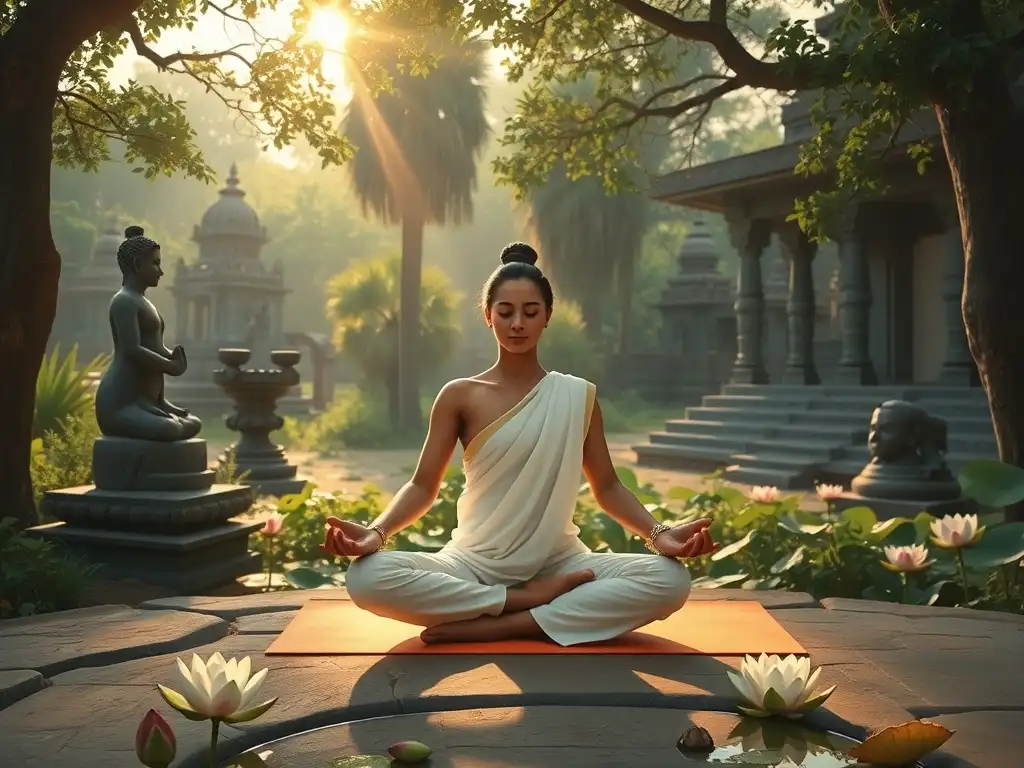
Yoga, deeply rooted in ancient Indian culture, has transcended its origins to become a global phenomenon. In contemporary society, it is revered not only as a physical practice but also as a holistic approach to well-being. The cultural significance of yoga today can be observed through its integration into various aspects of life, such as health, spirituality, and community.
How Ancient Indian Yoga History Influences Modern Practices
The ancient Indian yoga history provides a profound foundation for modern practices, reflecting time-honored philosophies and techniques.
- Philosophical Foundations:
- The earliest texts on yoga, including the Yoga Sutras of Patanjali (circa 200 BCE), outline the ethical and philosophical underpinnings of the practice. Concepts such as ahimsa (non-violence) and sattva (purity) inform the ethical approach many practitioners adopt today.
- Diverse Styles:
- Various schools of yoga, such as Hatha, Ashtanga, and Kundalini, can trace their roots back to ancient practices. Each style emphasizes different elements, like breath control, postures, and meditation, showcasing the diversity that has evolved from ancient teachings.
- Mind-Body Connection:
- Ancient Indian yogis understood the profound connection between mind and body, a principle that is now widely recognized in modern wellness practices. Techniques such as pranayama (breath control) and dhyana (meditation) are integral parts of contemporary yoga, promoting mental clarity and emotional balance.
- Cultural Integrations:
- Today, yoga is often blended with other wellness modalities, including Western fitness regimes, mindfulness practices, and alternative healing systems, creating a multifaceted approach to health that honors its ancient roots while adapting to modern needs.
The Role of Yoga in Global Wellness Movements
Yoga plays a vital role in various global wellness movements, offering a comprehensive framework for health and well-being.
- Stress Reduction:
- As societies grapple with increasing stress levels, yoga's emphasis on mindfulness and relaxation techniques has made it a popular method for reducing anxiety and promoting mental health.
- Physical Health:
- Many health organizations endorse yoga as a beneficial practice for physical fitness, rehabilitation, and chronic pain management. Its postures improve flexibility, strength, and balance, making it accessible to a wide range of individuals, regardless of age or physical ability.
- Community and Connection:
- The communal aspect of yoga fosters a sense of belonging and support among practitioners. Global yoga events and retreats create opportunities for individuals to connect, share experiences, and deepen their practice in a collective environment.
- Spiritual Growth:
- Beyond physical and mental benefits, yoga serves as a pathway for spiritual exploration and growth. Many practitioners seek to understand their place in the universe and cultivate a deeper sense of purpose through their yoga journey.
The ancient Indian yoga history not only shapes modern practices but also plays a significant role in the global wellness movement, emphasizing the interconnectedness of body, mind, and spirit. As yoga continues to evolve, its rich heritage remains a guiding force in its global proliferation.
Conclusion: The Legacy of Ancient Indian Yoga History
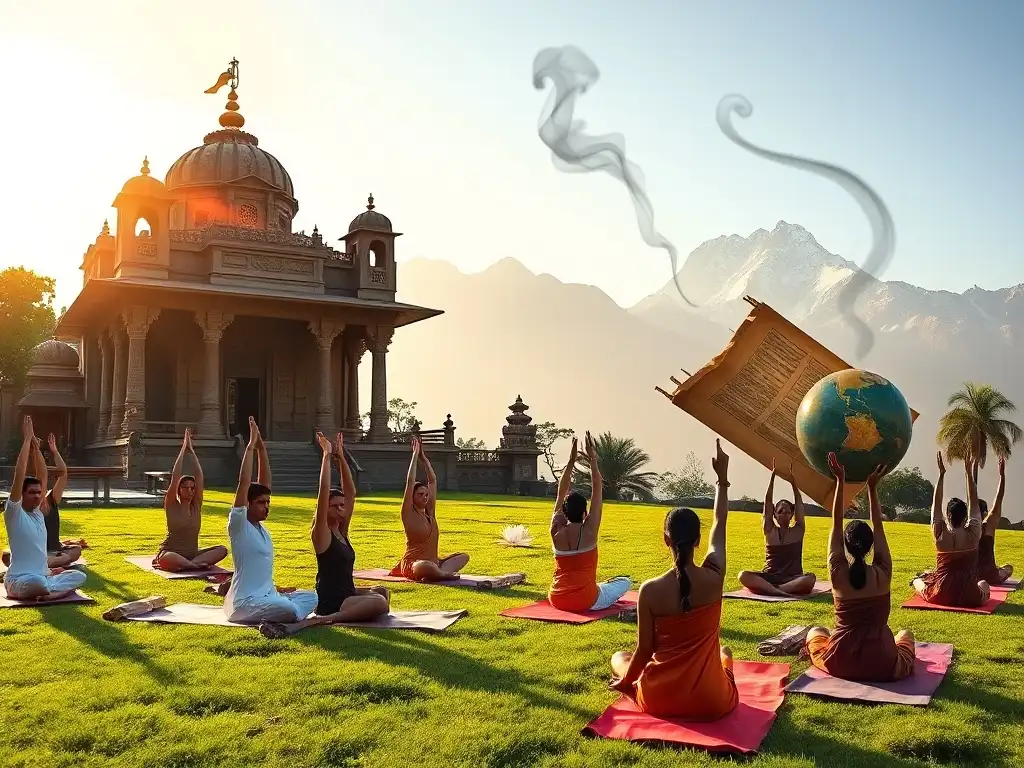
The legacy of ancient Indian yoga history is profound and far-reaching, influencing not only the spiritual and philosophical landscapes of India but also extending its impact globally. The roots of yoga can be traced back thousands of years, with its practices deeply embedded in the Vedic texts, Upanishads, and other ancient scriptures. This rich heritage has cultivated a philosophy that prioritizes harmony between body, mind, and spirit, establishing yoga as a holistic approach to wellness.
As yoga evolved through various schools of thought, such as Patanjali's Yoga Sutras and the Hatha Yoga tradition, it adapted to the needs of practitioners, making it accessible to a broader audience. The modern resurgence of interest in yoga reflects this adaptability, allowing ancient practices to flourish in contemporary wellness movements. The teachings of ancient Indian yoga emphasize self-awareness, mindfulness, and the pursuit of inner peace—principles that resonate with today's global society.
In considering the legacy of ancient Indian yoga history, it is essential to acknowledge not only its philosophical dimensions but also its practical applications that have enriched lives across cultures. This enduring tradition continues to inspire millions around the world, reaffirming the timelessness of yoga as a means of personal and communal transformation.
Reflecting on the Timelessness of Yoga
Yoga's timelessness is evident in its ability to transcend geographical, cultural, and temporal boundaries. From the ancient practices found in the Indus Valley Civilization to the sophisticated teachings of the Gupta Empire, yoga has maintained its core principles while evolving to meet the diverse needs of practitioners.
- Ancient Texts: Texts like the Bhagavad Gita and the Yoga Sutras of Patanjali serve as foundational documents that outline the philosophical underpinnings and practical applications of yoga. These texts continue to be studied and revered, underscoring the enduring relevance of ancient wisdom in modern contexts.
- Historical Adaptations: The integration of yoga into various cultural practices, such as Buddhism and Jainism, illustrates its flexibility and adaptability. As it spread across Asia and eventually to the West, yoga absorbed and influenced local traditions, further enriching its practice.
- Modern Interpretations: Contemporary yoga styles, such as Vinyasa, Ashtanga, and Kundalini, draw upon ancient teachings while incorporating modern insights into health and wellness. This synthesis allows practitioners to connect with the historical roots of yoga while benefiting from contemporary advancements in physical and mental well-being.
In essence, the timelessness of yoga lies in its capacity to evolve while remaining rooted in its ancient Indian origins, offering a profound path to self-discovery and holistic health.
Additional Resources for Exploring Ancient Indian Yoga History
To delve deeper into the fascinating narrative of ancient Indian yoga history, the following resources offer valuable insights:
- Books:
- The Yoga Sutras of Patanjali - A must-read for understanding the philosophical foundation of yoga.
- Light on Yoga by B.K.S. Iyengar - This book provides a comprehensive guide to yoga poses along with historical context.
- Documentaries:
- Yoga: The Art of Transformation - A documentary exploring the evolution of yoga through art and historical artifacts.
- Online Courses:
- Platforms like Coursera and Udemy offer courses on the history of yoga, providing structured learning experiences.
- Academic Journals:
- Journals such as the International Journal of Yoga publish research articles on the history, philosophy, and practice of yoga, contributing to a scholarly understanding of its impact.
These resources will not only expand your knowledge of ancient Indian yoga history but also deepen your appreciation for its rich tapestry of teachings and practices.
Frequently Asked Questions
What is the significance of ancient Indian yoga history?
The ancient Indian yoga history is significant as it lays the foundation for modern yoga practices, emphasizing spiritual growth, health, and well-being.
How did yoga originate in ancient India?
Yoga originated in ancient India as a spiritual discipline, with roots in the Indus Valley Civilization and texts like the Vedas and Upanishads, which highlight its philosophical and meditative aspects.
What are the contributions of ancient Indian civilizations to yoga?
Ancient Indian civilizations contributed to yoga through the development of various schools of thought, including Hatha Yoga and Raja Yoga, which focus on physical postures, breath control, and meditation techniques.
How did yoga spread globally from its ancient Indian roots?
Yoga spread globally through the efforts of Indian gurus and teachers in the 19th and 20th centuries, making it accessible to a worldwide audience and incorporating diverse cultural influences.
What is the relationship between yoga and Indian philosophy?
The relationship between yoga and Indian philosophy is profound, as yoga is often seen as a practical application of philosophical concepts like karma, dharma, and moksha, aiming for a harmonious existence.
Final Reflection: Embracing the Wisdom of Ancient Indian Yoga History
The journey of yoga from its ancient Indian origins to its global embrace is a testament to the timelessness of its teachings. Today, as we navigate a world filled with stress and disconnection, the principles of yoga resonate more than ever, offering pathways to mindfulness, balance, and inner peace. The relevance of ancient Indian yoga history is not just in its practices but in its ability to foster a deeper connection to ourselves and to one another in an increasingly chaotic world.
Cultural and social landscapes have been profoundly shaped by the teachings of yoga, which continue to inspire millions across the globe. The integration of yoga into daily life serves as a reminder of our shared humanity and the universal quest for well-being. As the philosopher B.K.S. Iyengar once said, Yoga does not just change the way we see things, it transforms the person who sees.
This transformation is evident in the growing communities that practice yoga, fostering inclusivity and understanding among diverse populations.
As we reflect on the lessons drawn from the rich tapestry of ancient Indian yoga history, I invite you to consider how these teachings can be woven into the fabric of your own life. Take a moment to breathe, to stretch, and to connect with your inner self.
Let the wisdom of yoga guide you toward a more mindful existence, encouraging you to embrace not only the physical practice but also the philosophical insights that can lead to a more harmonious life. The journey of yoga is not just about the poses; it is an invitation to explore the depths of your being and to cultivate a sense of peace that can ripple out into the world.
Embrace the Wisdom of Yoga Today!
Thank you for exploring the rich history of yoga and its profound journey from ancient India to the world. We hope you’ve gained valuable insights into how this practice has evolved and continues to inspire countless lives. Now, it’s time to take the next step in your own yoga journey!
Here’s how you can get started:
- Join a local yoga class or begin with online sessions to immerse yourself in this transformative practice.
- Explore yoga's philosophical texts—dive into works like the Yoga Sutras or the Bhagavad Gita to deepen your understanding.
- Share your yoga journey on social media to connect with and inspire others in the community!
What insights or experiences have you had with yoga that could encourage someone else on their path?