
The Historical Journey of Hatha Yoga: From Ancient Roots to Modern Practice


Welcome to Ancient India History, where we embark on a captivating journey through time to uncover the rich tapestry of ancient Indian civilizations. Dive into our featured article on the history of Hatha Yoga, an exploration that unveils the profound roots of this transformative practice. How did the ancient philosophies and traditions shape what we know today? Join us as we unravel the fascinating evolution of Hatha Yoga, revealing its significance not just in wellness, but in the broader context of Indian heritage. Your adventure into the depths of history begins here!
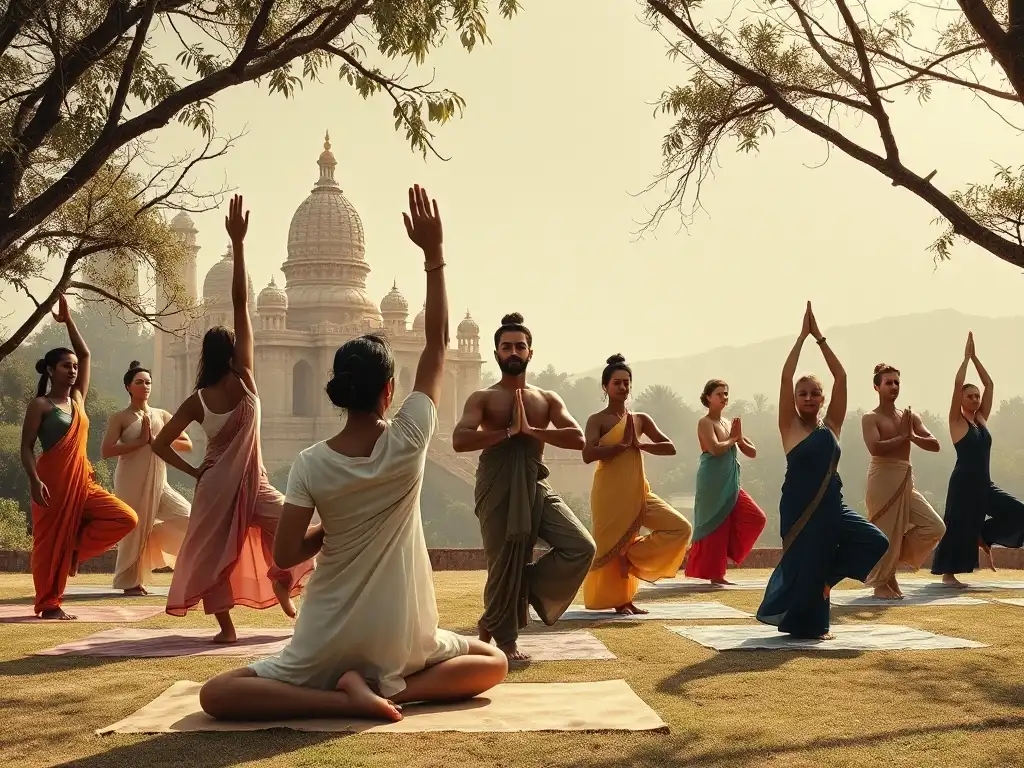
Hatha Yoga, a discipline that has gained immense popularity in the contemporary world, is deeply rooted in ancient Indian traditions and philosophies. Its journey from the sacred texts of antiquity to the modern yoga studios is a fascinating tale that highlights not only the evolution of physical practices but also the profound spiritual insights that accompany them. This article aims to explore the history of Hatha Yoga, delving into its origins, key influences, and the transformative role it has played over centuries, ultimately shaping the wellness practices we see today.
Introduction to Hatha Yoga
Hatha Yoga, often characterized by its emphasis on physical postures (asanas), breath control (pranayama), and meditation, serves as a holistic approach to achieving physical and mental well-being. While many people today associate Hatha Yoga predominantly with fitness and relaxation, its roots lie in a rich tapestry of ancient spiritual traditions. Understanding the history of Hatha Yoga not only enriches our practice but also connects us to the cultural and philosophical heritage of India.
The Origins of Hatha Yoga
The origins of Hatha Yoga can be traced back to ancient India, where various spiritual and philosophical schools laid the groundwork for its development. This section will explore the pivotal elements that contributed to the emergence of Hatha Yoga as a distinct practice.
Ancient Texts and Traditions Influencing Hatha Yoga
The foundations of Hatha Yoga are found in ancient texts that date back thousands of years. Key scriptures include the Yoga Sutras of Patanjali, which codified the principles of yoga, and the Hatha Yoga Pradipika, a seminal text that outlines the techniques and philosophy of Hatha Yoga. Other notable texts, such as the Gheranda Samhita and the Shiva Samhita, further elaborate on the practices and concepts that underpin Hatha Yoga.
Key influences include:
- Tantra: Emphasizing energy and consciousness.
- Shaivism: Focusing on spiritual liberation through self-realization.
- Buddhism: Introducing mindfulness and meditative practices.
The Influence of Indian Philosophies on Hatha Yoga
Indian philosophies such as Vedanta, Samkhya, and Buddhism have significantly shaped the principles of Hatha Yoga. Vedanta's focus on the nature of reality and self, Samkhya's dualistic perspective on consciousness and matter, and the meditative practices rooted in Buddhism all converge to create a holistic framework for Hatha Yoga.
Philosophical contributions include:
- Mind-Body Connection: Understanding the interplay between physical and mental states.
- Meditation Techniques: Cultivating inner awareness and tranquility.
- Ethical Principles (Yamas and Niyamas): Establishing the moral foundation for practice.
In exploring these ancient texts and philosophies, we uncover the intricate historical journey that Hatha Yoga has undertaken, setting the stage for its modern manifestations and continued relevance in contemporary wellness practices.
The Evolution of Hatha Yoga Through the Ages
Hatha Yoga, an integral aspect of the broader yoga tradition, has undergone significant transformations since its inception. Emerging in the early medieval period, it was initially focused on the physical practices intended to prepare the body for higher states of meditation. The foundational texts, such as the Hatha Yoga Pradipika (15th century) by Swatmarama, established key postures (asanas), breathing techniques (pranayama), and purification practices (shatkarmas) that are central to Hatha Yoga today.
Over the centuries, Hatha Yoga evolved through various cultural and philosophical influences, absorbing elements from both Hinduism and Buddhism. It is closely linked to Tantric practices, emphasizing the union of body and mind through physical discipline. The historical context of Hatha Yoga reflects a blend of spiritual aspirations and practical approaches to health and wellness, making it a versatile practice that resonates with diverse populations.
Hatha Yoga in the Medieval Period
During the medieval period, Hatha Yoga gained prominence as a distinct discipline within the larger yogic tradition. This era saw the compilation of several influential texts that codified the teachings of Hatha Yoga. The Hatha Yoga Pradipika is perhaps the most notable, serving as a comprehensive guide to the techniques and philosophy of Hatha Yoga. It delineated various asanas, mudras, and bandhas, providing practitioners with a structured approach to yoga.
The medieval period was also marked by the rise of various yogic lineages and schools that emphasized physical practices as a means to attain spiritual enlightenment. Renowned yogis and gurus began to focus on the purification of the body and mind, using Hatha Yoga as a tool to transcend the limitations of the physical form. This focus on the body as a vehicle for spiritual growth set the stage for Hatha Yoga's enduring legacy in the centuries to follow.
The Revival of Hatha Yoga in the 19th and 20th Centuries
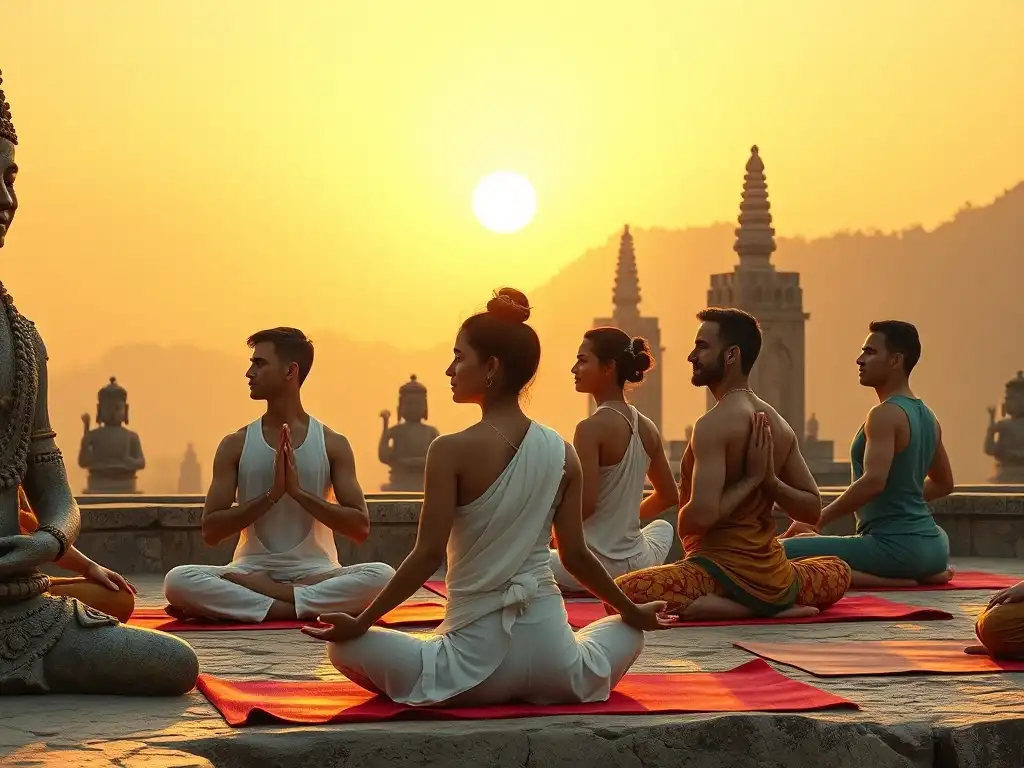
The 19th and 20th centuries marked a significant revival of Hatha Yoga, propelled by a growing interest in Eastern philosophies and practices in the West. Pioneering figures such as Swami Vivekananda introduced yoga to a global audience, emphasizing its spiritual and philosophical dimensions. This led to an increased curiosity about Hatha Yoga’s physical practices, which were seen as essential for holistic well-being.
In India, the late 19th and early 20th centuries witnessed the emergence of influential teachers such as T. Krishnamacharya and his students, who modernized Hatha Yoga by integrating physical fitness with traditional practices. Their teachings laid the groundwork for various styles of modern yoga, inspiring countless practitioners around the world. The revival during this period not only redefined Hatha Yoga but also established it as a vital component of the wellness movement, bridging ancient traditions and contemporary lifestyles.
The Transition from Traditional to Modern Hatha Yoga
The transition from traditional to modern Hatha Yoga has been characterized by significant changes in practice and perception. Traditional Hatha Yoga was deeply intertwined with spiritual and philosophical concepts, emphasizing the importance of discipline and meditation. However, as yoga became popularized in the West, the focus shifted towards physical fitness, accessibility, and therapeutic benefits.
This transformation involved the simplification of traditional practices, making them more approachable for a broader audience. Many modern practitioners prioritize the physical aspects of Hatha Yoga, often viewing it as a form of exercise rather than a spiritual path. This shift has led to a proliferation of yoga studios and classes worldwide, catering to diverse populations and preferences while still honoring the roots of Hatha Yoga.
Modern Interpretations and Styles of Hatha Yoga
Modern interpretations of Hatha Yoga encompass a wide range of styles, each with its unique approach and emphasis. Styles such as Iyengar Yoga focus on alignment and the use of props to enhance practice, while Ashtanga Yoga incorporates a dynamic sequence of postures linked with breath. Yin Yoga, on the other hand, emphasizes long-held passive stretches, promoting flexibility and relaxation.
These diverse interpretations reflect the adaptability of Hatha Yoga, allowing it to resonate with various individuals and communities. Moreover, contemporary teachers often blend elements from different styles, creating hybrid classes that cater to the varied needs and preferences of practitioners today. This evolution continues to enrich the practice of Hatha Yoga, ensuring its relevance in the modern wellness landscape.
The Impact of Technology on Hatha Yoga Practice
Technology has dramatically influenced the practice of Hatha Yoga, particularly in recent years. The rise of social media platforms and online classes has made yoga more accessible than ever, allowing practitioners from across the globe to participate in Hatha Yoga sessions from the comfort of their homes. This accessibility has led to a surge in the popularity of online yoga programs, tutorials, and virtual workshops.
Additionally, technology has facilitated the sharing of diverse teachings and practices, enabling practitioners to explore various styles and philosophies of Hatha Yoga. Mobile apps and streaming services have become valuable resources for those seeking guidance in their practice, offering tailored routines and expert instruction. However, this shift also raises questions about the depth of practice and the importance of personal connection with teachers, as technology may sometimes create a barrier to the traditional guru-disciple relationship that has been central to Hatha Yoga's historical journey.
The Cultural Significance of Hatha Yoga Today

Hatha Yoga, with its roots deeply embedded in ancient Indian tradition, has transcended its historical context to become a significant cultural phenomenon in contemporary society. Today, it is not merely a physical practice but a holistic approach to wellness that encompasses mental, emotional, and spiritual dimensions. Hatha Yoga emphasizes balance—between the body and mind, the individual and the universe—which resonates with modern audiences seeking harmony in their fast-paced lives.
The rise of mindfulness and wellness trends has further elevated the cultural significance of Hatha Yoga. It is increasingly recognized for its benefits in reducing stress, enhancing mental clarity, and promoting emotional resilience. This practice has become a vital tool for individuals seeking to navigate the complexities of modern living, fostering a sense of community and belonging among practitioners. As such, Hatha Yoga has evolved into a cultural symbol of self-care and personal empowerment, reflecting a collective shift towards holistic health paradigms.
Moreover, Hatha Yoga serves as a bridge connecting diverse cultures. It invites practitioners from various backgrounds to explore its philosophies and techniques, fostering an appreciation for the traditions of ancient India. This cultural exchange enriches the yoga community, promoting understanding and respect across global societies.
Hatha Yoga’s Role in Modern Wellness Trends
In recent years, Hatha Yoga has emerged as a cornerstone of modern wellness trends, contributing significantly to the integration of physical fitness and mental well-being. With its focus on breath control, postures, and meditation, Hatha Yoga addresses the growing demand for practices that support both physical health and mental clarity.
Health professionals increasingly advocate for Hatha Yoga as a complementary approach to conventional treatment methods for various health issues, including anxiety, depression, and chronic pain. Research shows that regular practice can lead to improved flexibility, strength, and overall physical health while also enhancing emotional balance.
The accessibility of Hatha Yoga—through classes, workshops, and online resources—has made it a preferred choice for individuals from all walks of life. This democratization of yoga practice aligns with contemporary wellness movements that emphasize inclusivity and holistic health.
Hatha Yoga in Global Communities
Hatha Yoga has successfully transcended geographical boundaries, establishing itself as a global phenomenon. Today, it is practiced in diverse communities worldwide, each infusing local culture and perspectives into the practice. From yoga studios in urban centers to wellness retreats in serene landscapes, Hatha Yoga has cultivated a vast and varied following.
In many Western countries, Hatha Yoga has been integrated into lifestyle trends, often viewed through a lens of fitness rather than spirituality. This adaptation has led to the development of numerous styles and approaches, such as Power Yoga and Vinyasa Flow, which draw inspiration from Hatha traditions but cater to contemporary sensibilities. Such innovations showcase the flexibility of Hatha Yoga, allowing it to thrive in various cultural contexts while retaining its foundational principles.
Furthermore, global events such as International Yoga Day highlight the unifying aspect of Hatha Yoga, encouraging individuals from different backgrounds to come together in practice and celebration. These gatherings reinforce the idea that Hatha Yoga is not just a personal journey but a collective experience that fosters a sense of community and shared purpose.
Conclusion
The journey of Hatha Yoga from its ancient roots to its modern practice reflects a rich tapestry of cultural significance and evolving wellness trends. As it continues to adapt and thrive in diverse global communities, Hatha Yoga serves as a powerful testament to the enduring legacy of ancient Indian philosophies.
By embracing both its historical context and contemporary relevance, practitioners can appreciate the profound impact of Hatha Yoga on personal and collective well-being. As we move forward, the continued exploration of Hatha Yoga promises to enrich our understanding of wellness, reminding us of the intricate connection between body, mind, and spirit.
Further Reading and Resources
To delve deeper into the rich history of Hatha Yoga and its evolution over centuries, a variety of resources are available for both enthusiasts and scholars. The following list includes books, academic articles, and online resources that provide comprehensive insights into Hatha Yoga's origins, philosophy, and practices.
Books
-
"Hatha Yoga Pradipika" by Swami Swatmarama
This classic text is one of the foundational scriptures of Hatha Yoga, detailing its practices, techniques, and philosophy. It serves as a crucial resource for understanding the ancient roots of Hatha Yoga.
-
"The Yoga Sutras of Patanjali" translated by various authors
While not exclusively about Hatha Yoga, this foundational text of yoga philosophy provides context and principles that underpin many Hatha Yoga practices.
-
"Light on Yoga" by B.K.S. Iyengar
This seminal work by one of the most influential yoga teachers of the 20th century combines detailed descriptions of asanas with historical context and philosophical insights, linking traditional practices with modern interpretations.
Academic Articles
-
"The Historical Development of Hatha Yoga"
A scholarly article that traces the evolution of Hatha Yoga through historical texts and practices, providing a critical analysis of its transition over the centuries.
-
"Yoga and the Mind: The Evolution of Hatha Yoga as a Spiritual Practice"
This research paper explores the psychological and spiritual dimensions of Hatha Yoga, examining how its practices have adapted to contemporary wellness paradigms.
Online Resources
-
Yoga Alliance
The Yoga Alliance website offers a wealth of information on various styles of yoga, including Hatha. Their resources include articles, research papers, and links to further educational materials.
-
The Himalayan Institute
This institute provides online courses, articles, and lectures on the philosophy and practice of Hatha Yoga, emphasizing its historical significance and transformative potential.
-
Yoga International
A platform offering articles, videos, and classes that explore Hatha Yoga's techniques and history, catering to practitioners at all levels.
By exploring these resources, readers can gain a deeper understanding of the history of Hatha Yoga, its philosophical underpinnings, and its relevance in today's wellness landscape. Whether through classic texts or modern articles, each resource contributes to a richer appreciation of this ancient practice.
- Introduction to Hatha Yoga
- The Origins of Hatha Yoga
- The Evolution of Hatha Yoga Through the Ages
- Hatha Yoga in the Medieval Period
- The Revival of Hatha Yoga in the 19th and 20th Centuries
- The Transition from Traditional to Modern Hatha Yoga
- Modern Interpretations and Styles of Hatha Yoga
- The Impact of Technology on Hatha Yoga Practice
- The Cultural Significance of Hatha Yoga Today
- Conclusion
- Further Reading and Resources
Frequently Asked Questions
What is Hatha Yoga?
Hatha Yoga is a physical practice that involves postures (asanas), breathing techniques (pranayama), and meditation. It is designed to enhance physical strength and flexibility while promoting mental clarity.
How did Hatha Yoga develop in ancient India?
Hatha Yoga has its roots in ancient Indian traditions, emerging around the 11th century. It was influenced by earlier philosophies and practices such as Tantra and Buddhism, which emphasized the connection between body and mind.
The primary texts on Hatha Yoga include the Hatha Yoga Pradipika and the Gheranda Samhita. These texts outline the philosophical and practical aspects of Hatha Yoga, detailing asanas, mudras, and meditation techniques.
How does Hatha Yoga differ from other yoga styles?
Hatha Yoga focuses on the physical aspects of yoga practice, making it a foundational style. Unlike more dynamic forms like Vinyasa, Hatha emphasizes alignment, breathing, and holding postures for longer durations.
What is the significance of Hatha Yoga in modern practice?
Today, Hatha Yoga serves as a gateway for many to explore yoga, promoting wellness and stress relief. Its principles continue to influence various modern styles, reflecting its enduring legacy in the history of Hatha Yoga.
Final Reflection: The Enduring Legacy of Hatha Yoga
The history of Hatha Yoga is not just a chronicle of ancient practices; it is a living testament to the resilience and adaptability of human spirituality. As we navigate the complexities of modern life, the principles and techniques rooted in Hatha Yoga offer us a pathway to balance and self-discovery. The journey from its ancient origins to contemporary practice highlights how this discipline has evolved while remaining deeply connected to its core values.
Hatha Yoga's influence permeates our cultural and social landscapes, shaping our understanding of wellness and mindfulness. The practice has transcended geographical boundaries, inviting individuals from all walks of life to explore their inner selves. As we embrace this journey, we recognize that Hatha Yoga is not merely an exercise routine but a holistic approach to living. Yoga is the journey of the self, through the self, to the self.
– The Bhagavad Gita. This quote encapsulates the essence of Hatha Yoga, reminding us that the practice is a profound exploration of our being.
As you reflect on the historical journey of Hatha Yoga, consider how its teachings can enrich your own life. Embrace the opportunity to incorporate its principles into your daily routine, fostering a deeper connection with yourself and the world around you. Let the lessons of Hatha Yoga inspire you to cultivate mindfulness, resilience, and harmony in your life. The journey is ongoing, and each practice brings you closer to understanding the beautiful tapestry of your own existence.
Embrace the Essence of Hatha Yoga Today!
Thank you for exploring the fascinating journey of Hatha Yoga with us! You've unlocked insights into its rich history and significance. Now, it's time to take your newfound knowledge and integrate it into your life!
Here’s how you can embrace the spirit of Hatha Yoga:
- Start a daily practice: Dedicate at least 10 minutes each morning to practicing simple Hatha Yoga poses. Experience the positive transformation in both your mind and body!
- Join a local class or community: Connect with fellow practitioners to deepen your understanding through shared experiences. There’s great strength in community!
- Share your journey: Consider writing about your Hatha Yoga experiences on a blog or sharing them on social media to inspire others. You might empower someone else without even realizing it!
What's one change you’ll commit to today that brings you closer to the harmony of Hatha Yoga? We would love to hear your thoughts!