
The Interconnection of Yoga and Music in Ancient Indian Culture

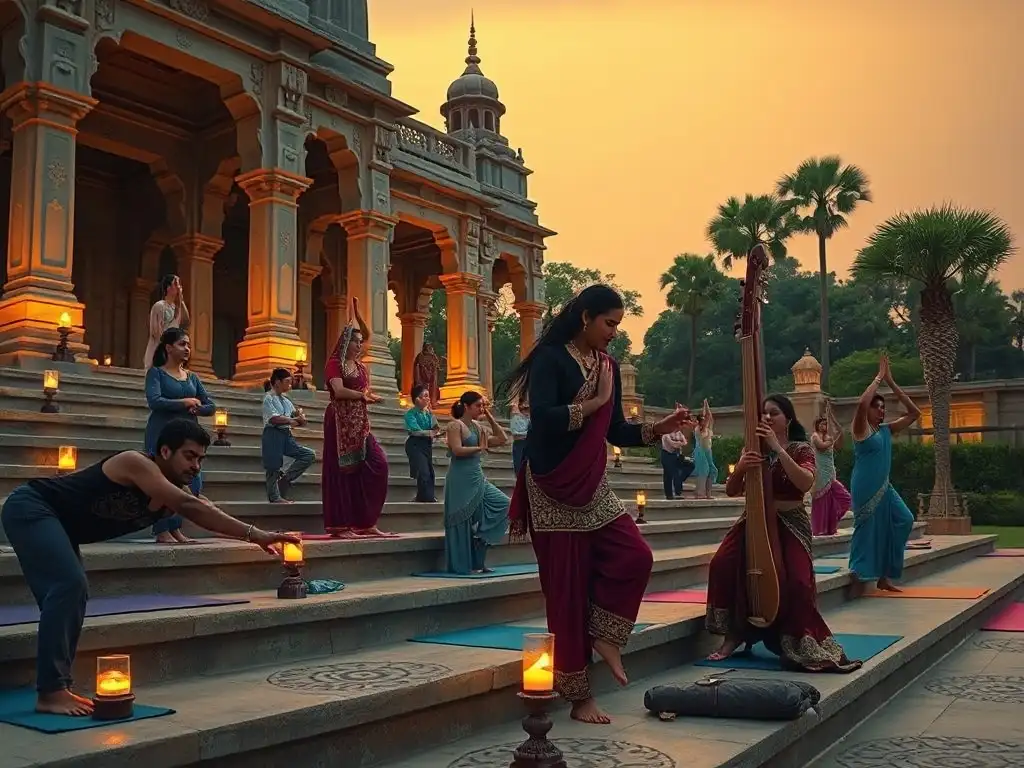
Welcome to Ancient India History, where we invite you to embark on a journey through time to uncover the rich tapestry of ancient Indian civilizations. Today, we delve into the fascinating interplay between Yoga and music in ancient India, a topic that not only highlights the spiritual and artistic achievements of the era but also reveals their profound influence on modern wellness practices. As you explore this captivating article, prepare to discover how these timeless practices are interwoven, shaping the very essence of ancient Indian culture. Dive in and let the harmonious rhythms of the past inspire your present!
- Introduction to Yoga and Music in Ancient India
- Historical Context of Yoga in Ancient India
- Musical Traditions in Ancient India
- The Interrelationship Between Yoga and Music
- Cultural Significance of Yoga and Music in Ancient Indian Society
- Philosophical Perspectives on Yoga and Music
- Conclusion: The Legacy of Yoga and Music in Ancient India
-
Frequently Asked Questions
- What is the significance of Yoga in ancient Indian culture?
- How did music contribute to ancient Indian rituals?
- What are the connections between Yoga and music in ancient traditions?
- How did ancient Indian civilizations view the relationship between spirituality and art?
- What contributions did the Gupta Empire make to Yoga and music?
- Final Reflection: The Harmonious Union of Yoga and Music in Ancient India
- Embrace the Harmony: Dive Deeper into Yoga and Music!
Introduction to Yoga and Music in Ancient India
The intricate relationship between yoga and music in ancient India is a fascinating subject that intertwines spirituality, philosophy, and artistic expression. Both yoga and music are not merely forms of physical or auditory practices; they are profound avenues for exploring the self and the cosmos. In ancient Indian culture, yoga served as a path to spiritual enlightenment, while music acted as a medium for emotional expression and connection to the divine. Together, they contributed significantly to the cultural and spiritual fabric of Indian civilization, influencing various aspects of life, from rituals to personal well-being.
As we delve into this topic, we will explore how these two disciplines coexisted and complemented each other in ancient Indian society, providing insights into their significance and lasting impact. The harmony between yoga and music can be traced back to the early texts and practices, creating a rich tapestry that continues to inspire contemporary practices.
The Significance of Yoga and Music in Ancient Indian Culture
In ancient India, both yoga and music were considered vital components of spiritual practice and daily life. The intertwining of these disciplines can be illustrated through several key aspects:
- Spiritual Connection: Music played an essential role in enhancing the meditative practices of yoga. The rhythmic sounds and melodies helped practitioners enter deeper states of meditation, facilitating a connection with the divine.
- Cultural Expression: Music was a means of storytelling and preserving history in ancient Indian societies. It served to transmit philosophical ideas and cultural narratives, with many compositions rooted in the principles of yoga and spirituality.
- Therapeutic Elements: Both yoga and music were recognized for their therapeutic benefits. While yoga promoted physical and mental well-being, music was believed to soothe the mind and heal emotional wounds, creating a holistic approach to health.
- Ritualistic Practices: Various rituals in ancient India combined music and yoga, such as singing hymns during yoga sessions or using musical instruments in religious ceremonies. This integration fostered a communal and spiritual atmosphere, enriching the experience for participants.
Overview of Ancient Indian Civilizations and Their Contributions
Ancient India was home to several influential civilizations, each contributing to the development of yoga and music:
| Civilization | Time Period | Contributions |
|---|---|---|
| Indus Valley Civilization | 3300–1300 BCE | Early forms of meditation and spiritual practices |
| Vedic Period | 1500–500 BCE | Development of sacred chants (Sanskrit hymns) and the philosophical foundations of yoga |
| Maurya Empire | 322–185 BCE | Promotion of spiritual practices under Ashoka, including yoga and music in court rituals |
| Gupta Empire | 320–550 CE | Flourishing of arts, including classical music and dance, alongside the formalization of yoga texts |
These civilizations laid the groundwork for yoga and music’s evolution, leading to a rich cultural heritage that resonates even today. By examining the historical context, we can better appreciate the depth of the interconnection between these two integral aspects of ancient Indian culture.
Historical Context of Yoga in Ancient India
Origins of Yoga: Vedic and Pre-Vedic Traditions
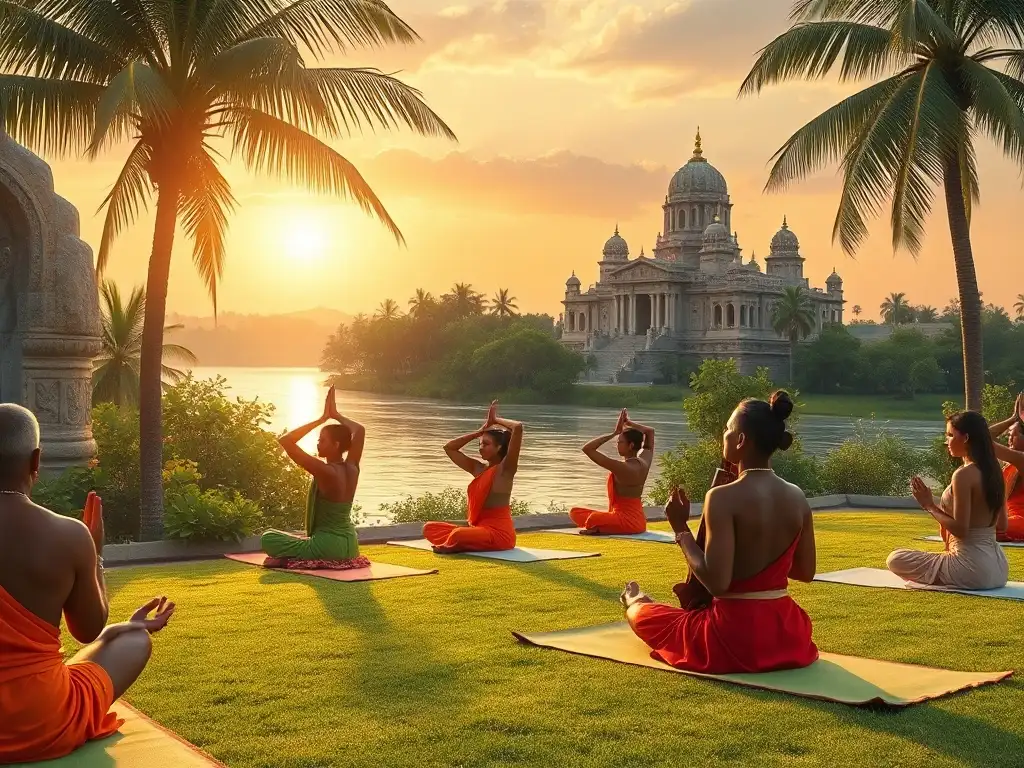
The roots of Yoga and music in ancient India can be traced back to the Vedic and Pre-Vedic traditions, where the earliest philosophical concepts and practices began to take shape. Pre-Vedic traditions, which include the spiritual practices of the Indus Valley Civilization, laid the groundwork for what would evolve into the formal systems of yoga. Archaeological findings, such as seals depicting figures in meditative postures, suggest that early practitioners engaged in forms of meditation and possibly rhythmic chanting, both of which would later inform the development of yoga.
The Vedic texts, particularly the Rigveda, contain hymns that highlight the significance of sound and vibration, which are integral to both musical and yogic practices. The concept of Nada Brahma—the belief that the universe is sound—emphasizes the interconnection between sound (music) and spiritual practice (yoga). This foundational idea suggests that sound can lead to spiritual awakening and transformation, bridging the realms of yoga and music.
The Evolution of Yoga Philosophy and Practices
As yoga evolved, its philosophies became increasingly sophisticated, particularly during the Upanishadic period. The Upanishads introduced the idea of Atman (the self) and Brahman (the ultimate reality), emphasizing the importance of meditation and introspection. This intellectual shift encouraged practitioners to explore deeper states of consciousness through both yoga and music.
The Bhagavad Gita, a critical text in Hindu philosophy, further illustrates the connection between yoga and music. It discusses various paths of yoga, including Bhakti Yoga (the path of devotion), which often incorporates musical elements such as hymns and chants. These practices not only serve as a means to express devotion but also as a way to unify the mind and spirit, demonstrating how music complements the meditative aspects of yoga.
Moreover, the Yoga Sutras of Patanjali, compiled around the 2nd century BCE, codified the practices of yoga and introduced concepts like Dharana (concentration) and Dhyana (meditation). The emphasis on internal focus resonates with musical training, where rhythm and melody can enhance concentration and mindfulness. This intertwining of yoga and music illustrates their mutual reinforcement in promoting spiritual growth.
Influence of Spiritual Texts on Yoga and Music
Spiritual texts in ancient India served as the primary vehicles through which the principles of yoga and music were disseminated and developed. Texts like the Samaveda specifically highlight the importance of music in rituals and spiritual practices. The Samaveda's hymns, which are meant to be sung rather than merely recited, showcase how music was integral to the performance of rituals, enhancing the spiritual atmosphere and facilitating a deeper connection with the divine.
In addition, the Natya Shastra, an ancient treatise on performing arts attributed to Bharata Muni, elaborates on the significance of music and dance in spiritual practices. It describes how music can evoke specific emotions and states of consciousness, aligning perfectly with yogic practices aimed at achieving mental clarity and emotional balance. The text emphasizes the need for harmony between body, mind, and sound, reinforcing the idea that yoga and music are inseparable in the quest for holistic well-being.
The ongoing relationship between yoga and music in ancient Indian culture illustrates a profound understanding of the interconnectedness of various forms of expression, where each practice enriches the other. Together, they create a tapestry of spiritual exploration that continues to influence contemporary practices worldwide.
Musical Traditions in Ancient India
The Role of Music in Vedic Rituals and Practices
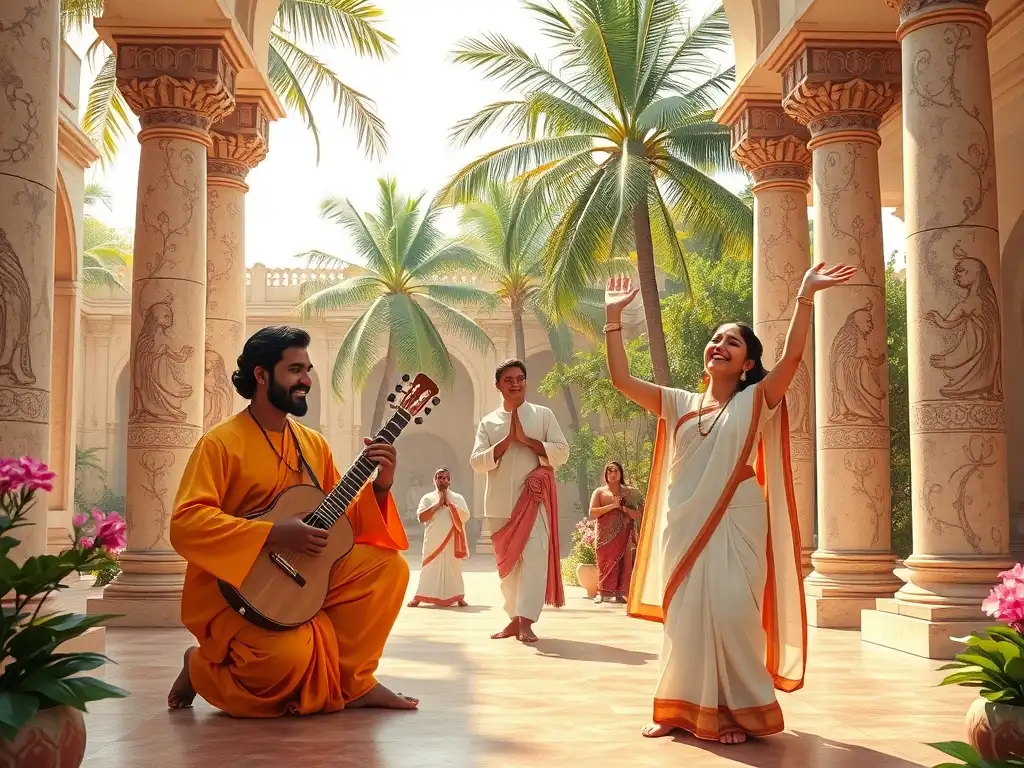
In ancient India, music was not merely a form of entertainment but a profound element woven into the very fabric of spiritual and religious life. The Vedic texts, which date back to around 1500-500 BCE, emphasize the importance of music in rituals and ceremonies. This connection is particularly highlighted in the Sama Veda, one of the four Vedas, which is dedicated to the melodies and chants used during sacrifices and religious observances.
Music in Vedic rituals served multiple purposes:
- Invocation of Deities: Chants and hymns were believed to invoke the presence of deities, creating a sacred atmosphere conducive to spiritual connection.
- Rhythm and Order: The structured rhythms of Vedic chants were essential for maintaining the timing of rituals, ensuring that each element unfolded in harmony.
- Emotional Elevation: Music was used to create an emotional state that would facilitate devotion and focus, enhancing the overall experience of the ritual.
The practice of Sama involved not just the recitation of hymns but also the use of specific melodies that were believed to resonate with the cosmic order. This relationship between music and spirituality is a key feature in understanding the role of yoga and music in ancient India, as both sought to elevate the individual’s consciousness and connect them with the divine.
Key Instruments Used in Ancient Indian Music
Ancient Indian music featured a variety of instruments, each contributing to the distinct sound and texture of musical compositions. The following table highlights some of the key instruments and their roles:
| Instrument | Description | Role in Music and Rituals |
|---|---|---|
| Veena | A plucked string instrument, often associated with Saraswati, the goddess of knowledge. | Integral in classical performances, symbolizing the pursuit of knowledge. |
| Mridangam | A double-headed drum that provides rhythm. | Central to classical music and dance forms, it emphasizes the rhythmic structure. |
| Bansuri | A bamboo flute that produces a soft, melodic sound. | Used in devotional music, particularly in Krishna bhajans, enhancing the spiritual ambiance. |
| Nadaswaram | A traditional wind instrument, often played at weddings and temples. | Creates an auspicious atmosphere, typically accompanying rituals and celebrations. |
| Tanpura | A long-necked instrument that provides a drone. | Essential for maintaining tonal harmony in classical performances. |
These instruments not only enriched musical compositions but also carried symbolic meanings that were deeply embedded in the cultural practices of the time. The varied timbres and tonalities contributed to a rich auditory landscape that complemented the spiritual pursuits of yoga and meditation.
Notable Composers and Musicians of Ancient India
Throughout ancient Indian history, several composers and musicians made significant contributions to the development of music, intertwining it with the spiritual practices of the time. Some notable figures include:
- Tansen: Often regarded as one of the greatest composers in Indian music history, Tansen lived during the Mughal era. His innovations in ragas and his ability to blend music with emotions left a lasting impact on classical music.
- Bharata Muni: The author of the Natya Shastra, Bharata Muni codified the principles of drama and music, emphasizing their interconnection in performance arts. His work laid the foundation for the integration of music into theatrical presentations.
- Narayana Tirtha: A composer from the 17th century, he is best known for his Krishna Leela Tarangini, which showcases the interplay between music and devotion. His compositions reflect the deep spiritual connection that music fosters in the worship of deities.
- Annamacharya: A saint-composer of the 15th century, his Keertanas (devotional songs) highlight the synthesis of music and spirituality, significantly influencing the Bhakti movement in South India.
These composers and musicians not only shaped the musical landscape of ancient India but also reinforced the idea that music and yoga are interconnected pathways to spiritual awakening and enlightenment. Their legacies continue to inspire contemporary practices of yoga and music, reflecting a rich heritage that values both disciplines as essential aspects of human experience.
The Interrelationship Between Yoga and Music
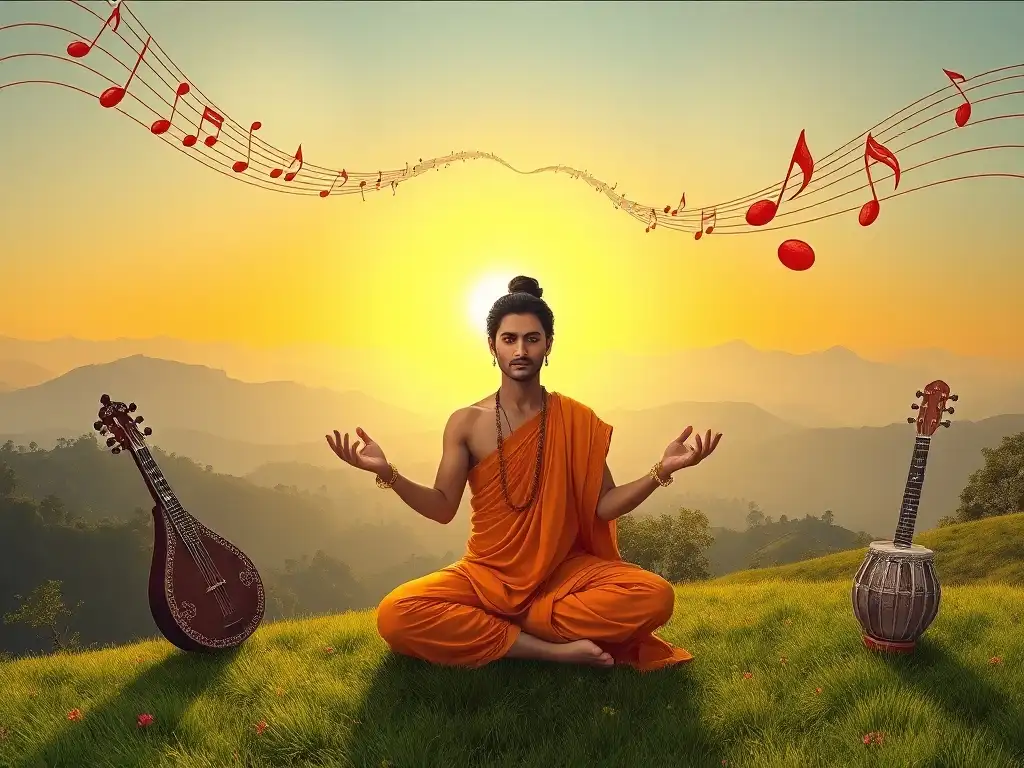
The relationship between yoga and music in ancient India is a profound one, deeply rooted in the spiritual and cultural practices of the time. Both yoga and music were considered essential tools for achieving a higher state of consciousness and connecting with the divine. In ancient texts, music was often described as a means to elevate the mind and spirit, which aligns seamlessly with yoga's goal of uniting the body, mind, and soul.
How Music Enhances Yoga Practices and Meditation
Music has long been recognized as a powerful aid in enhancing yoga practices and meditation. In ancient Indian culture, specific ragas (melodic frameworks) were believed to evoke certain emotional responses and spiritual states. This connection between music and emotion can significantly enhance the experience of yoga.
- Rhythm and Breath: The rhythmic patterns in music can synchronize with the breath, facilitating a deeper, more mindful practice. This synchronization helps practitioners maintain focus and achieve a meditative state more easily.
- Emotional Release: Music evokes emotions, and during yoga, this can lead to cathartic releases. The combination of asanas (postures) and melodic sounds can help practitioners explore and express their feelings, making yoga a holistic experience.
- Cultural Context: In ancient Indian traditions, music was intertwined with religious rituals and spiritual practices. Chanting mantras, accompanied by instrumental music, was a common practice that amplified the meditative environment, fostering a deeper connection with the divine.
The Therapeutic Benefits of Combining Yoga and Music
The integration of yoga and music offers various therapeutic benefits that have been recognized throughout history. Ancient Indian sages understood these benefits, and their teachings continue to resonate today.
- Stress Reduction: The soothing melodies and harmonies can lower cortisol levels, promoting relaxation. This stress-reducing effect is especially beneficial for practitioners who engage in yoga as a means of coping with modern life challenges.
- Enhanced Focus and Concentration: Music can stimulate cognitive function and improve focus, making it easier for individuals to stay present during yoga sessions. This heightened focus allows for better alignment and execution of postures.
- Cognitive Benefits: The combination of music and yoga has been shown to enhance cognitive abilities, such as memory and learning. Ancient texts have documented the use of musical elements in yoga to sharpen the mind and increase awareness.
Case Studies: Ancient Practices of Yoga and Music Integration
Throughout ancient Indian history, there are numerous references and case studies that highlight the integration of yoga and music. These practices illustrate the significance of this relationship in spiritual and cultural contexts.
- Sama Veda: This ancient Indian scripture is a collection of hymns set to music. The chanting of these hymns was an integral part of Vedic rituals, showcasing how music was utilized in spiritual practices that parallel yoga.
- Bharatanatyam: This classical Indian dance form incorporates yoga postures and is set to rhythmic music. The dancers use movement and melody to express spiritual themes, demonstrating the synergy between these art forms.
- Taoist Influence: Ancient texts indicate that practitioners of yoga in India were influenced by contemporary Taoist practices in China, where music was employed to enhance meditation and spiritual experiences. This cross-cultural exchange enriched the understanding of how music could augment yoga.
The interrelationship between yoga and music in ancient India is a testament to the profound impact these practices have on spiritual growth and emotional well-being. By understanding this connection, modern practitioners can deepen their yoga experience and appreciate the rich heritage that accompanies these timeless practices.
Cultural Significance of Yoga and Music in Ancient Indian Society
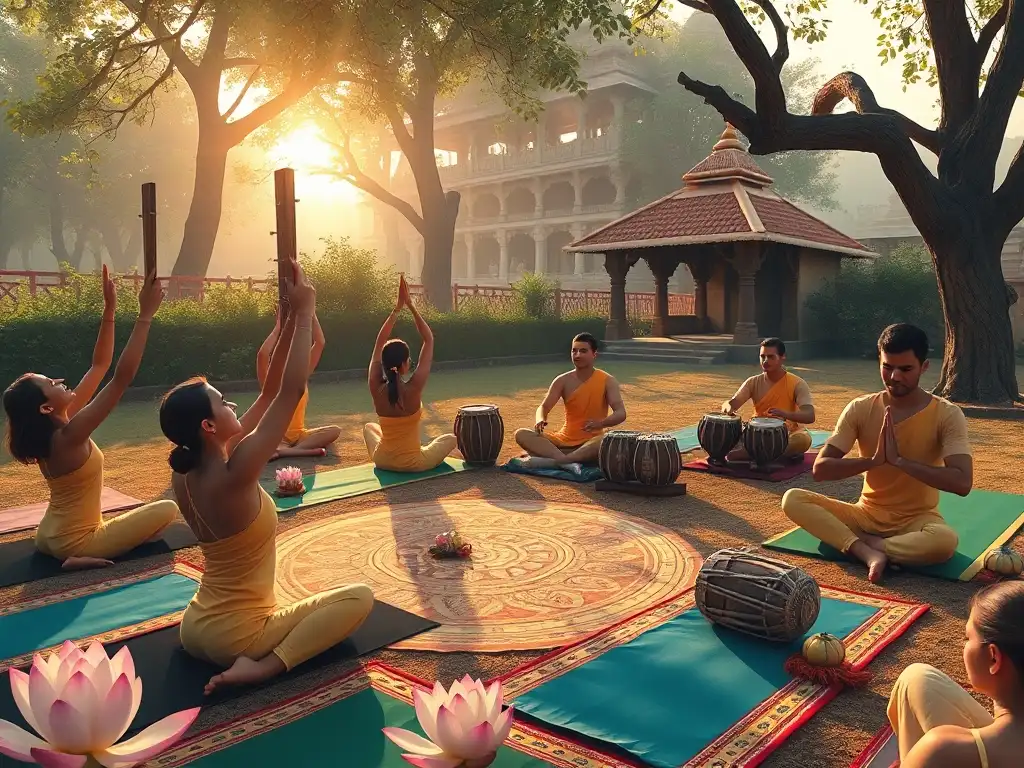
The interconnection of yoga and music in ancient Indian culture is deeply rooted in the societal fabric, playing a pivotal role in spiritual, physical, and emotional well-being. Both practices served as essential forms of expression, healing, and communal engagement, transcending mere leisure to become integral components of daily life.
Yoga and Music as Forms of Expression and Healing
In ancient India, yoga and music were not merely disciplines but profound avenues for self-expression and healing. Yoga, with its emphasis on physical postures (asanas), breath control (pranayama), and meditation, was often complemented by music, which enhanced the overall experience. The rhythmic patterns of traditional Indian music, such as ragas, were believed to resonate with specific energies and emotions, aligning harmoniously with the meditative states achieved through yoga.
The following elements illustrate how yoga and music interplayed as forms of expression and healing:
- Therapeutic Practices: Ancient texts like the Yoga Sutras of Patanjali highlight the importance of mental clarity and emotional balance, which were often supported through musical practices. The use of music in yoga classes was seen as a therapeutic tool, helping practitioners to deepen their meditative experience.
- Vedic Chants and Mantras: The chanting of Vedic mantras during yoga sessions served as a means of spiritual connection, fostering an atmosphere conducive to healing and introspection. The vibrations created by sound were believed to have a profound effect on the mind and body, promoting relaxation and healing.
- Integration in Daily Life: Music was prevalent in various forms—be it folk songs, devotional hymns, or classical performances—that accompanied yoga practices in temples and households. This integration ensured that music and yoga were part of the daily rhythm of life, contributing to a holistic approach to well-being.
The Role of Music in Enhancing the Spiritual Experience of Yoga
The spiritual dimensions of yoga were significantly enhanced by music, which acted as a catalyst for elevating consciousness and fostering a deeper connection with the divine. In ancient Indian culture, music was perceived not merely as entertainment but as a sacred art form that facilitated spiritual exploration and transcendence.
Key aspects of music's role include:
- Ragas and Spiritual Elevation: Specific ragas were associated with different times of the day and were believed to evoke distinct emotional states. Practitioners of yoga often utilized these ragas to set the mood for meditation and reflection, helping to elevate their spiritual experience and facilitate deeper states of awareness.
- Kirtan and Bhakti Movement: The practice of kirtan, or call-and-response chanting, played a vital role in devotional practices linked to yoga. This communal singing not only fostered a sense of community but also allowed individuals to express their devotion, thereby enhancing their spiritual journey through collective energy.
- Influence on Meditation Practices: Music served as a focal point in meditation, helping practitioners to maintain concentration and connect with their inner selves. The soothing melodies of ancient instruments like the veena or the flute complemented meditation, allowing individuals to transcend the physical realm and delve into deeper states of consciousness.
Festivals and Events Celebrating Yoga and Music in Ancient India
Festivals in ancient India were vibrant expressions of culture, often celebrating the harmonious relationship between yoga and music. These events not only showcased artistic talents but also reinforced the community's spiritual values and collective identity.
Significant festivals and events included:
- Navaratri: This nine-night festival dedicated to the goddess Durga involved extensive music and dance, alongside yoga practices. Celebrations included devotional songs and dances, creating a dynamic environment where participants engaged in both physical and spiritual exercises.
- Kumbh Mela: The Kumbh Mela, one of the largest religious gatherings in the world, featured a variety of spiritual activities, including yoga sessions accompanied by traditional music. Pilgrims and yogis gathered to practice and celebrate together, fostering a sense of unity through shared experiences of yoga and music.
- Rath Yatra: This grand festival, particularly in Puri, involved processions that showcased traditional music and dance. Practitioners often engaged in yoga as part of the preparatory rituals, highlighting the interconnectedness of physical practice, spiritual devotion, and musical celebration.
The cultural significance of yoga and music in ancient Indian society cannot be overstated. Together, they formed a cohesive whole, enriching individual and communal experiences, and serving as vital conduits for expression, healing, and spiritual elevation. The legacy of this interconnection continues to resonate in contemporary practices, affirming the enduring importance of yoga and music in fostering holistic well-being.
Philosophical Perspectives on Yoga and Music
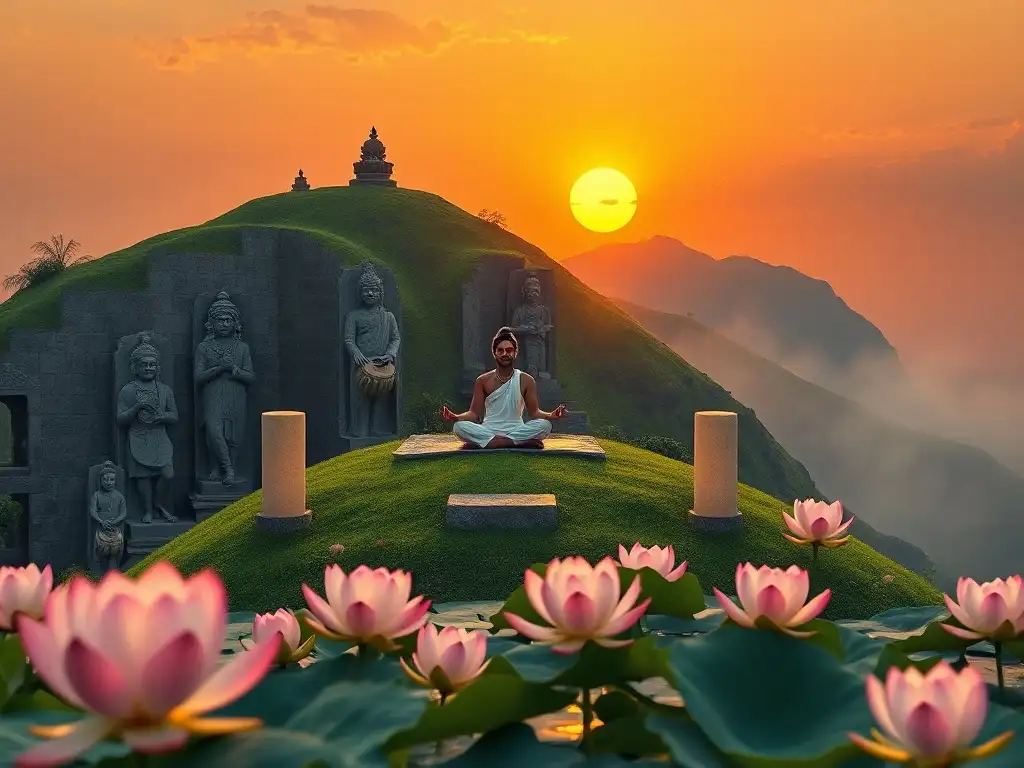
How Ancient Philosophers Viewed the Connection Between Yoga and Music
In ancient India, the philosophies surrounding yoga and music were deeply intertwined, reflecting a holistic approach to life and spirituality. Renowned philosophers such as Patanjali, who authored the Yoga Sutras, emphasized the significance of sound and melody in achieving mental clarity and spiritual awareness. The ancient texts, including the Upanishads, also explore the idea that sound vibrations can facilitate a deeper connection with the universe.
- Sanskrit and Sound: The Sanskrit language itself is considered sacred, with its phonetic sounds believed to resonate with the cosmos. This connection suggests that chanting and the recitation of mantras can enhance one's yoga practice, leading to a more profound meditative experience.
- The Role of Music in Rituals: Music was often an integral part of various rituals and ceremonies in ancient India. Philosophers noted that musical elements could evoke specific emotions and energies, aiding practitioners in their spiritual journey. The rhythmic patterns of traditional Indian music were believed to align the body and mind, fostering harmony and balance.
- Interdependence of Arts: Ancient thinkers viewed the arts, including music and dance, as essential components of yoga practice. This interdependence illustrates the belief that engaging with various art forms can elevate one's spiritual consciousness and facilitate self-discovery.
The Concept of Nada Yoga: The Yoga of Sound
Nada Yoga, often termed the "Yoga of Sound," represents a profound philosophical and practical approach to harmonizing the body, mind, and spirit through sound vibrations. This ancient practice encompasses various elements:
- Types of Sounds: Nada Yoga differentiates between two primary types of sounds: ahata (struck sound) and anahata (unstruck sound). The former refers to sounds produced by instruments or the voice, while the latter symbolizes the inner sound that emerges from deep meditation. Practitioners aim to connect with the anahata sound to achieve spiritual enlightenment.
- Techniques: Various techniques are employed in Nada Yoga, including chanting mantras, listening to specific musical compositions, and engaging in deep listening practices. These techniques create a bridge between the physical and spiritual realms, allowing practitioners to experience heightened states of awareness.
- Applications in Yoga Practice: Nada Yoga is often integrated into traditional yoga classes, where the harmonious sounds of instruments such as the sitar or flute enhance the meditative atmosphere. This integration not only enriches the yoga experience but also reinforces the spiritual connection between sound and movement.
Modern Interpretations of Ancient Philosophies on Yoga and Music
As we delve into contemporary practices, the ancient philosophies of yoga and music continue to resonate within modern interpretations. Today's practitioners often explore the following aspects:
- Healing Power of Sound: Modern wellness trends have embraced sound therapy and music as tools for healing. Techniques such as sound baths, where participants are immersed in sound waves from various instruments, draw directly from ancient principles of Nada Yoga, promoting relaxation and emotional release.
- Yoga Classes with Music: Many yoga instructors incorporate music into their classes to enhance the experience. The choice of music—ranging from traditional Indian ragas to ambient soundscapes—aims to create an environment conducive to meditation and mindfulness, echoing the ancient belief in the power of sound to facilitate spiritual growth.
- Global Influence: The fusion of yoga and music has transcended geographical boundaries, influencing global wellness practices. The integration of diverse musical traditions within yoga reflects the ongoing evolution of ancient philosophies, making them accessible and relevant to modern audiences.
The exploration of yoga and music in ancient India unveils a rich tapestry of philosophical thought and practical application. By understanding these connections, we can appreciate the enduring legacy of these practices in contemporary wellness culture.
Conclusion: The Legacy of Yoga and Music in Ancient India
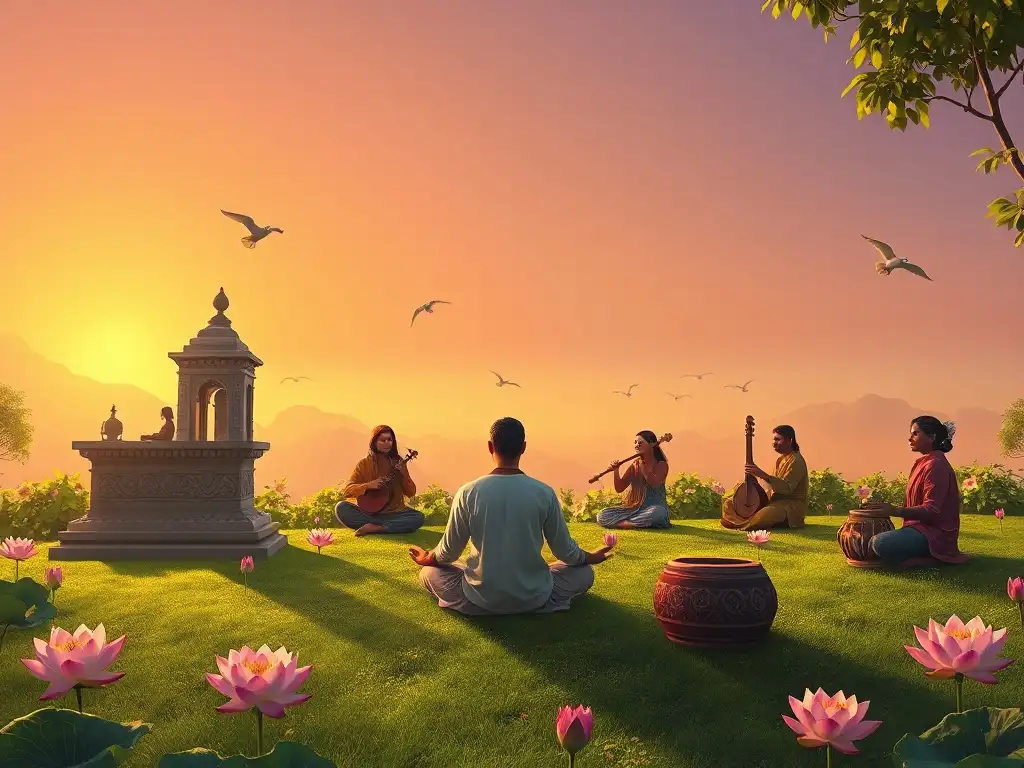
The interconnection of yoga and music in ancient India represents a profound aspect of the cultural and spiritual fabric of the civilization. This relationship is not merely historical; it has shaped practices that continue to resonate in contemporary society. The legacy of yoga and music transcends time, influencing various facets of life, spirituality, and artistic expression.
Lasting Influences on Contemporary Yoga and Music Practices
In modern times, the influences of ancient practices can be observed in both yoga and music disciplines. For instance, many yoga classes today incorporate music to enhance the meditative and calming ambiance, creating an immersive experience that echoes the ancient traditions. The rhythmic flow of asanas, combined with melodic tunes, helps practitioners deepen their focus and connection to their inner selves.
Moreover, the use of traditional instruments like the tanpura and tabla in yoga sessions highlights the enduring impact of ancient Indian music. These instruments not only accompany the yoga practice but also embody the principles of raga (melodic framework) and tala (rhythmic cycle), which are essential to the musical heritage of India.
The philosophical underpinnings of both yoga and music, rooted in concepts such as Nada Yoga (the yoga of sound), continue to inspire musicians and yogis alike. The belief that sound can influence consciousness and promote healing is reflected in contemporary practices, where sound therapy and chanting are increasingly recognized for their therapeutic benefits.
Recommendations for Further Exploration of Yoga and Music
To delve deeper into the intricate relationship between yoga and music in ancient India, consider the following avenues:
- Reading Classical Texts: Explore ancient scriptures like the Yoga Sutras of Patanjali and Natyashastra by Bharata Muni, which discuss the philosophical foundations of yoga and the arts, including music.
- Attending Workshops: Participate in workshops or retreats that focus on the integration of music and yoga, providing practical experiences that reflect ancient practices.
- Listening to Traditional Music: Engage with traditional Indian music, particularly ragas that are associated with various times of the day or seasons, to understand their connection to yoga and meditation.
- Studying Instruments: Learn about the significance of traditional Indian instruments and their role in enhancing meditative practices. Instruments like the sitar, bansuri (flute), and mridangam can provide insight into the acoustic elements that complement yoga.
By exploring these facets, one can gain a richer understanding of how the legacy of yoga and music in ancient India continues to inspire and elevate contemporary practices, fostering a deeper connection to the self and the universe.
Frequently Asked Questions
What is the significance of Yoga in ancient Indian culture?
Yoga in ancient India was not only a physical practice but also a spiritual discipline aimed at achieving harmony between mind, body, and spirit.
How did music contribute to ancient Indian rituals?
Music played a crucial role in ancient Indian rituals, enhancing the emotional and spiritual experience, often used to invoke deities and accompany yogic practices.
What are the connections between Yoga and music in ancient traditions?
Both Yoga and music were intertwined in ancient traditions, with musical rhythms often accompanying yoga practices to enhance meditative states and spiritual experiences.
How did ancient Indian civilizations view the relationship between spirituality and art?
Ancient Indian civilizations perceived spirituality and art (including music and dance) as interconnected, where artistic expressions served as a means to connect with the divine.
What contributions did the Gupta Empire make to Yoga and music?
The Gupta Empire significantly advanced both Yoga and music, fostering an environment where these practices flourished, leading to the establishment of various schools of thought and artistic forms.
Final Reflection: The Harmonious Union of Yoga and Music in Ancient India
The intricate relationship between yoga and music in ancient India remains profoundly relevant today, as both practices continue to serve as pathways to self-discovery and holistic well-being. In a world increasingly filled with distractions and stressors, the timeless wisdom of these traditions offers a sanctuary for the mind and spirit. The synergy between yoga and music not only enhances physical and mental health but also fosters a deeper connection to our cultural roots, reminding us of the importance of balance in our lives.
The influence of yoga and music extends far beyond their historical origins, shaping contemporary practices and cultural expressions around the globe. As we embrace these ancient traditions, we find that they resonate deeply within our modern lives, encouraging us to cultivate mindfulness and creativity. Music is the shorthand of emotion,
said Leo Tolstoy, highlighting how both music and yoga tap into the profound emotional landscape of human experience, allowing us to express and understand our innermost selves.
As you reflect on the insights shared in this article, consider how you might integrate the principles of yoga and music into your daily routine. Embrace the opportunity to explore these interconnected practices, allowing them to guide you toward greater harmony and self-awareness. Whether through a calming yoga session accompanied by soothing melodies or simply taking a moment to appreciate the rhythm of life around you, let the legacy of ancient India inspire your journey toward balance and fulfillment.
Embrace the Harmony: Dive Deeper into Yoga and Music!
Thank you for exploring the beautiful connection between yoga and music in ancient Indian culture! Your interest in this rich heritage opens the door to a world of inner peace and creativity. Now, let’s take your journey further!
- Join a local yoga class that incorporates live music to experience this synergy firsthand.
- Curate a personal yoga playlist featuring traditional Indian melodies that resonate with your practice, enhancing both your meditation and flow.
- Engage with our community forum by sharing your thoughts or experiences related to yoga and music, inspiring others on their journey.
What song inspires you during your yoga practice? Let’s discuss how music elevates your experience!