
The Influence of Vedic Texts on the Evolution of Yoga


Welcome to Ancient India History, where we embark on a fascinating journey through the rich tapestry of ancient Indian civilizations! Here, we delve into the profound influence of Vedic texts on the evolution of yoga, exploring how these timeless scriptures shaped not just a practice but a way of life that continues to resonate today. Are you ready to uncover the secrets of ancient wisdom and its enduring impact on wellness?
Join us as we unravel the intricate connections between spirituality, philosophy, and the art of living well, inviting you to discover how the roots of yoga run deep into the heart of India's vibrant past. Dive in and let your curiosity guide you!
Introduction to Vedic Texts and Yoga Evolution
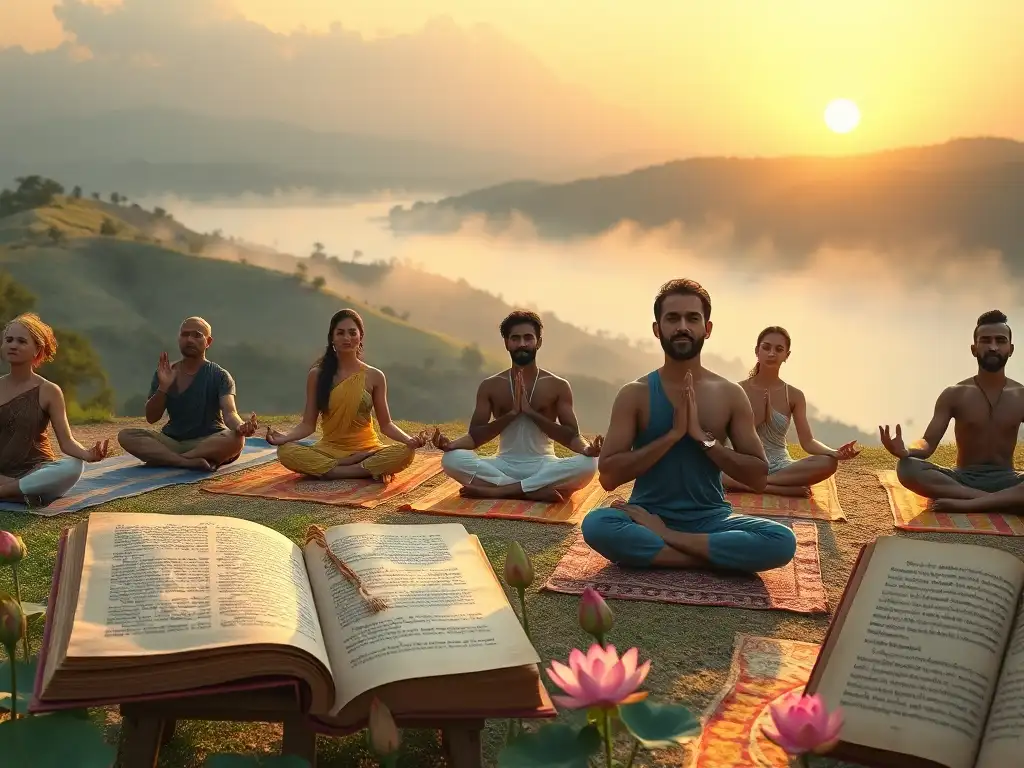
The evolution of yoga is a profound journey that intertwines with the philosophical underpinnings of ancient Indian civilization, particularly through the lens of Vedic texts. These sacred scriptures not only laid the foundation for spiritual practices but also served as a guiding light that shaped the diverse forms of yoga we recognize today.
The Vedas, composed over 3,000 years ago, encompass a vast array of hymns, rituals, and philosophical concepts that have influenced many aspects of life in ancient India, including the development of yoga. By exploring the interplay between Vedic texts and the evolution of yoga, we can gain valuable insights into how these ancient teachings continue to resonate in contemporary practices.
The Historical Context of Vedic Texts
Understanding the historical context of Vedic texts is crucial for appreciating their role in the evolution of yoga. The Vedas are the oldest sacred scriptures of Hinduism, composed in Sanskrit, and are believed to have been written between 1500 and 500 BCE. They are divided into four main collections: Rigveda, Samaveda, Yajurveda, and Atharvaveda, each serving distinct purposes in rituals, philosophy, and societal norms.
Understanding the Vedas: An Overview
The Vedas consist of several components:
- Samhitas: Collections of hymns and prayers.
- Brahmanas: Prose texts that explain the rituals.
- Aranyakas: Texts that bridge the gap between rituals and philosophy.
- Upanishads: Philosophical treatises that explore the nature of reality and the self.
Each of these elements contributes significantly to the understanding of yoga, as they discuss concepts of meditation, the nature of consciousness, and the pursuit of spiritual knowledge.
Vedic Philosophy and Its Impact on Spiritual Practices
Vedic philosophy introduced key concepts such as dharma (duty/righteousness), karma (action), and moksha (liberation), which became foundational to the spiritual practices of yoga. The emphasis on meditation and self-realization in texts like the Upanishads illustrates how Vedic teachings advocate for inner exploration and transcendence.
Moreover, the practice of yoga as a method of attaining higher states of consciousness is deeply rooted in these philosophies. The Vedic texts outline various paths to spiritual realization, which would later evolve into the diverse schools of yoga, including Bhakti (devotion), Jnana (knowledge), and Karma (action).
The influence of Vedic texts on the evolution of yoga is a testament to the rich tapestry of ancient Indian thought. The philosophical insights and spiritual practices outlined in these texts continue to inspire and inform modern yoga, making it a living tradition that bridges the past with the present.
The Connection Between Vedic Texts and Early Yoga Practices
The Vedic texts, composed between 1500 and 500 BCE, form the bedrock of ancient Indian spiritual and philosophical thought. These texts, primarily the four Vedas—Rigveda, Samaveda, Yajurveda, and Atharvaveda—contain hymns, rituals, and philosophical discourses that laid the groundwork for various spiritual practices, including yoga. Early yoga practices were intrinsically linked to the Vedic rituals and the pursuit of spiritual knowledge.
In the Vedic tradition, the concept of yoga primarily referred to a disciplined method for spiritual attainment. The term itself derives from the Sanskrit root “yuj,” which means “to unite” or “to join.” This reflects the overarching goal of yoga: the union of the individual soul ( atman) with the universal consciousness ( Brahman). As such, early yoga practices included physical postures, breathing techniques, and meditative exercises aimed at achieving this transcendental union, demonstrating a direct lineage from Vedic texts to the evolution of yoga.
Moreover, the Vedic emphasis on ritualistic practices often involved physical exercises and meditation, paving the way for more structured yoga practices. The early yogis drew upon these texts to develop their methodologies, which emphasized discipline, self-control, and the pursuit of knowledge as fundamental aspects of their spiritual journey.
Yoga in the Vedic Tradition: Definitions and Interpretations
In the Vedic tradition, yoga was not merely a physical practice but a comprehensive approach to life and spirituality. The definitions of yoga found in the Vedas emphasize a holistic understanding of the mind, body, and spirit. The Rigveda, for instance, introduces the idea of tapas (austerity), which is fundamental to the practice of yoga. This concept encompasses physical discipline, mental focus, and spiritual dedication.
The Vedic texts also present various interpretations of yoga, reflecting the rich philosophical discourse of the time. Some interpretations focus on the performative aspects of yoga, highlighting rituals and sacrifices as a means to connect with the divine. Others delve into introspective practices, emphasizing meditation and self-discipline as pathways to enlightenment. This multifaceted approach illustrates the diversity of thought in early yoga practices and their deep roots in Vedic philosophy.
As the Vedic tradition evolved, so did the interpretations of yoga. Later texts began to explore the idea of dhyana (meditation) more profoundly, leading to a more introspective understanding of yoga that would later influence classical yoga philosophies.
The Influence of Vedic Meditation Techniques
Vedic meditation techniques significantly influenced the evolution of yoga, particularly concerning mental discipline and focus. The Vedas introduced the practice of dhyana, which involves deep concentration and contemplation. These techniques were initially used in conjunction with Vedic rituals, facilitating a heightened state of awareness and connecting practitioners to the divine.
One of the notable forms of meditation emerging from the Vedic tradition is the upasana, which involves worshiping a chosen deity through meditation and visualization. This practice highlights the importance of intention and devotion in meditation, aspects that are integral to modern yoga practices. The emphasis on mantra recitation, a common practice in Vedic meditation, also laid the groundwork for the use of mantras in later yogic traditions.
Furthermore, the focus on breath control ( pranayama) in Vedic meditation played a crucial role in shaping the physical and mental aspects of yoga. Breath control techniques allowed practitioners to manage their energy and achieve deeper meditative states, illustrating the intricate connection between Vedic meditation and the development of yoga.
The Transition from Vedic Texts to Classical Yoga
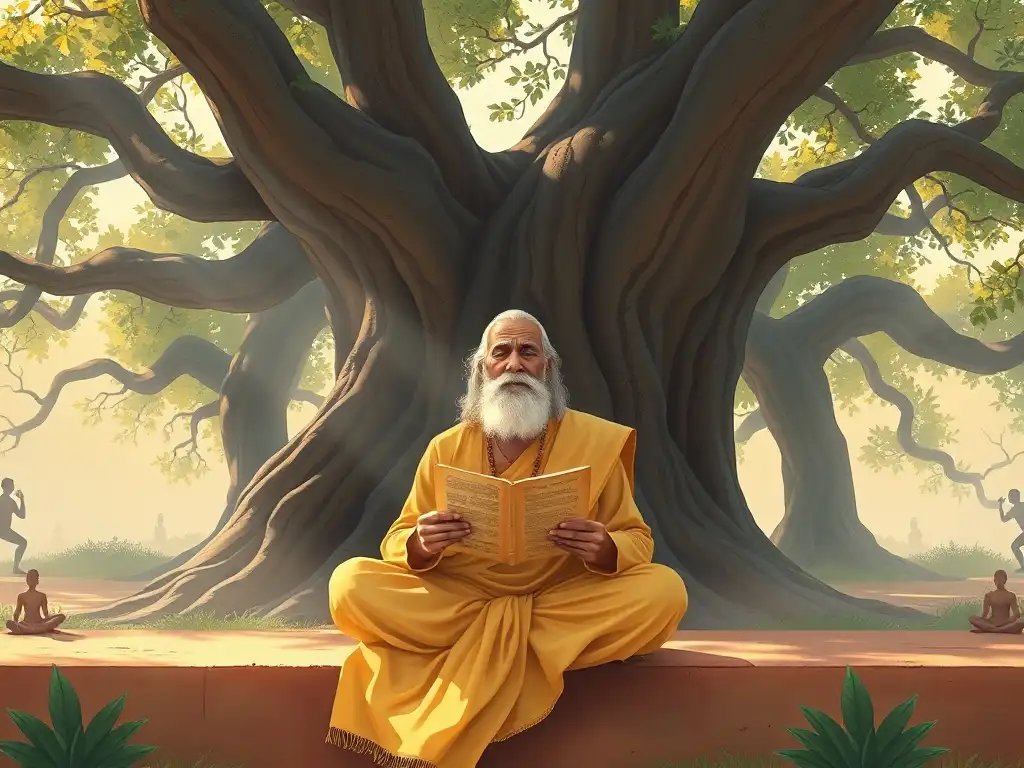
As time progressed, the transition from the Vedic texts to classical yoga saw a significant shift in focus from ritualistic practices to more systematic and philosophical approaches. This transition was marked by the emergence of texts that expanded upon Vedic principles, leading to a more defined practice of yoga.
The Upanishads, philosophical texts that explored the metaphysical concepts introduced in the Vedas, played a fundamental role in this evolution. They delved deeper into the nature of reality, consciousness, and the self, providing a richer philosophical context for yoga practices.
The Role of Upanishads in Yoga Evolution
The Upanishads, composed around 800 to 200 BCE, are pivotal in the history of yoga as they introduce profound philosophical concepts that directly influence yoga practices. They emphasize the quest for self-knowledge and the realization of the ultimate reality, which aligns closely with the goals of yoga.
Key concepts such as Brahman (the ultimate reality) and Atman (the individual soul) are extensively explored in the Upanishads, fostering a deeper understanding of the inner self. This exploration encouraged practitioners to seek inner peace and self-realization through meditation and self-inquiry. The Upanishads also advocate for the practice of tapas, further emphasizing discipline and asceticism—core components of yoga.
Additionally, the Upanishadic teachings on meditation and contemplation laid the groundwork for later yogic philosophies, emphasizing the importance of mental discipline and introspection in achieving spiritual goals. This philosophical foundation significantly shaped the trajectory of yoga as it transitioned into a more structured discipline in classical texts.
The Emergence of Patanjali's Yoga Sutras
The Yoga Sutras of Patanjali, composed around the 2nd century BCE, mark a critical juncture in the evolution of yoga, synthesizing earlier Vedic and Upanishadic ideas into a coherent framework for practice. Patanjali’s work categorized yoga into eight limbs ( ashtanga), providing a systematic approach that encompasses ethical disciplines, physical practices, and meditative techniques.
The Sutras outline the path to enlightenment, emphasizing both the philosophical and practical elements of yoga. They delve into concepts such as pratyahara (withdrawal of senses), dharana (concentration), and dhyana (meditation), bridging the gap between Vedic meditation and modern yogic practices. The focus on the mind and consciousness in Patanjali's work reflects the philosophical inquiries of the Upanishads, demonstrating the continuity of thought across these texts.
Patanjali’s Yoga Sutras not only codified the practices of yoga but also laid the groundwork for various interpretations and schools of thought that emerged in subsequent centuries. This work is considered foundational for understanding the evolution of yoga, marking a shift towards a more philosophical and introspective practice that resonates with contemporary interpretations of yoga today.
The Impact of Vedic Texts on Different Yoga Schools
The Vedic texts, primarily consisting of the Vedas, Upanishads, and later philosophical treatises, have profoundly influenced various schools of yoga. Their teachings laid the groundwork for understanding the nature of reality, consciousness, and the self, which are central themes in yoga philosophy. Different yoga schools have interpreted these texts in diverse ways, leading to a rich tapestry of practices and beliefs.
For instance, schools like Hatha Yoga and Raja Yoga have drawn heavily from the ritualistic and meditative aspects of the Vedas. Each school emphasizes different elements from the Vedic teachings, shaping their unique paths towards spiritual growth. The emphasis on meditation, ethical living, and the quest for self-realization in the Vedic texts is echoed in the practices of these schools, illustrating a direct lineage of thought and practice that spans millennia.
Hatha Yoga and Its Vedic Roots
Hatha Yoga, often recognized for its focus on physical postures (asanas) and breath control (pranayama), finds its roots deeply embedded in the Vedic tradition. The earliest mentions of yoga in the Vedas highlight the importance of the body as a vessel for spiritual practice. Hatha Yoga incorporates these principles by merging physical discipline with meditative practices inspired by Vedic texts.
The Hatha Yoga Pradipika, a foundational text of Hatha Yoga, reflects Vedic influences through its discussions on the purification of the body and mind as essential for spiritual awakening. The Vedic emphasis on ritual and discipline parallels Hatha Yoga's structured approach to asanas and breathing techniques, underscoring the connection between physical health and spiritual enlightenment.
In essence, Hatha Yoga serves as a bridge between the ancient Vedic traditions and the modern understanding of yoga, emphasizing that physical practice is not merely about fitness but a pathway to deeper spiritual understanding.
Advaita Vedanta and Its Philosophical Contributions to Yoga
Advaita Vedanta, a non-dual philosophical system, has significantly shaped the theoretical framework of yoga. It interprets the Vedic texts, particularly the Upanishads, to convey the idea that the individual self (Atman) is fundamentally the same as the universal consciousness (Brahman). This perspective has profound implications for yoga practice, where the goal becomes the realization of this unity.
The teachings of Advaita Vedanta emphasize self-inquiry and meditation as critical practices for attaining liberation (moksha). This aligns with many yogic practices that focus on the mind's quietude and the dissolution of the ego. The concept of "neti-neti" (not this, not that) encourages practitioners to move beyond dualistic thinking, which is a cornerstone of many yogic philosophies.
Through the lens of Advaita Vedanta, yoga evolves into a profound exploration of the self and existence, guiding practitioners toward a state of awareness where the distinction between the self and the universe dissolves, leading to ultimate liberation.
Modern Interpretations and Adaptations of Vedic Yoga
The resurgence of interest in yoga over the past century has led to a significant reinterpretation of Vedic yoga practices in contemporary contexts. Modern interpretations often emphasize accessibility and inclusivity, adapting ancient teachings to fit the needs and lifestyles of today's practitioners.
These adaptations have sparked a variety of yoga styles that incorporate elements of Vedic philosophy while also responding to contemporary wellness trends. The incorporation of mindfulness and stress reduction techniques into yoga practices reflects an understanding of the Vedic texts' emphasis on mental clarity and peace.
The Revival of Vedic Yoga in Contemporary Practices
The revival of Vedic yoga in modern practices can be seen in the increasing popularity of traditional forms of yoga that emphasize the philosophical and spiritual dimensions of the practice. Yoga studios and practitioners are increasingly integrating teachings from the Vedas and Upanishads into their sessions, focusing on the holistic aspects of yoga that encompass body, mind, and spirit.
Workshops and retreats that delve into the study of Vedic texts alongside yoga practice are becoming popular, providing practitioners with a deeper understanding of the philosophical underpinnings of their practice. This revival not only enriches the practice of yoga but also fosters a greater appreciation for the ancient wisdom that informs it.
Case Studies: Successful Implementations of Vedic Yoga
Several contemporary yoga programs have successfully integrated Vedic principles into their practices, showcasing the relevance of these ancient teachings in today's world. For instance, programs that emphasize trauma-informed yoga often draw on Vedic concepts of healing and self-awareness, creating safe spaces for personal growth and recovery.
Another notable example is the use of Vedic chants and mantras in yoga classes, which serve to enhance the meditative experience and deepen the connection to the spiritual aspects of practice. Such implementations illustrate how Vedic yoga is thriving in modern contexts, encouraging practitioners to explore the rich heritage of yoga while applying it meaningfully to their lives.
The dialogue between Vedic texts and the evolution of yoga continues to thrive, bridging ancient wisdom with contemporary practices. This synergy not only preserves the integrity of ancient teachings but also allows for their adaptation, ensuring that yoga remains a relevant and transformative practice for generations to come.
Conclusion: The Enduring Legacy of Vedic Texts on Yoga Evolution
The Vedic texts have played a crucial role in shaping the philosophical and practical foundations of yoga as we know it today. Emerging from ancient Indian civilization, these texts encapsulate a wealth of wisdom that transcends time and continues to influence modern yoga practices. The integration of concepts such as meditation, self-discipline, and spiritual enlightenment found in the Vedas has laid the groundwork for various yoga schools and methodologies.
As yoga evolved through different historical epochs, the core principles derived from Vedic teachings persisted, adapting to cultural shifts while retaining their essence. This enduring legacy is evident in contemporary yoga practices that still emphasize the importance of the mind-body connection and the pursuit of inner peace. Furthermore, the emphasis on ethical living, as articulated in texts like the Upanishads, continues to resonate with practitioners, encouraging a holistic approach to wellness that encompasses physical, mental, and spiritual well-being.
Ultimately, the influence of Vedic texts on the evolution of yoga serves as a testament to the profound interplay between philosophy and practice. It invites both practitioners and scholars alike to delve deeper into the ancient wisdom that has shaped human consciousness and continues to inspire millions around the world.
Recommended Resources for Further Exploration
To deepen your understanding of the relationship between Vedic texts and the evolution of yoga, consider exploring the following resources that provide insights into Vedic philosophy, yoga practices, and their historical context.
Books and Texts on Vedic Philosophy and Yoga
- "The Yoga Sutras of Patanjali" – A foundational text that synthesizes Vedic principles with yoga philosophy.
- "The Upanishads" – These texts explore profound spiritual concepts and the nature of reality, serving as key references for understanding yoga's philosophical roots.
- "The Bhagavad Gita" – A pivotal scripture that discusses the nature of yoga as a path to self-realization and duty, reflecting Vedic thought.
- "The Complete Illustrated Book of Yoga" by Swami Vishnu-Devananda – Offers practical insights into yoga practices alongside philosophical teachings rooted in Vedic texts.
Online Courses and Workshops on Vedic Yoga Practices
- "Vedic Yoga: The Ancient Path of Wisdom": – An online course that delves into the principles of Vedic philosophy and their application in yoga practices.
- "Meditation and Mindfulness in Vedic Yoga" – A workshop focusing on the meditative practices outlined in Vedic texts, fostering a deeper connection with the self.
- "Philosophy of Yoga: The Vedic Perspective": – This course provides an overview of Vedic texts and their impact on the evolution of yoga philosophy, ideal for both beginners and advanced practitioners.
Engaging with these resources will enhance your knowledge and appreciation of how Vedic texts have profoundly influenced the evolution of yoga, providing a richer experience in your yoga journey.
Final Thoughts on Vedic Texts and Their Role in Yoga History
The Vedic texts play a foundational role in the history and evolution of yoga, serving as both a spiritual and philosophical guide. These ancient scriptures, composed around 1500-500 BCE, encompass a variety of teachings that have significantly influenced the practice and understanding of yoga throughout the ages. Their insights into the nature of existence, consciousness, and the universe have provided a rich tapestry from which modern yoga practices emerge.
One of the key contributions of the Vedic texts to yoga is the introduction of concepts such as dharma (righteousness), karma (action and its consequences), and moksha (liberation). These principles not only shaped the moral and ethical frameworks of ancient Indian society but also established the spiritual goals that practitioners of yoga strive for. The integration of these concepts into yoga philosophy encourages individuals to seek a deeper understanding of themselves and their place in the world.
Moreover, the Vedic texts emphasize the importance of meditation and contemplative practices, which are essential components of yoga. The early references to techniques such as dhyana (meditation) reflect an understanding of the mind's role in achieving spiritual awakening. As these practices evolved, they became more refined and systematized, leading to the diverse forms of yoga we see today, such as Raja Yoga and Bhakti Yoga.
The Vedic texts are not merely historical documents; they are living guides that continue to inform the practice and philosophy of yoga. Their insights remain relevant, offering wisdom that resonates with the modern seeker. Understanding the influence of these ancient scriptures on yoga not only enriches our appreciation of this profound discipline but also highlights the enduring legacy of ancient Indian thought in shaping spiritual practices worldwide. As we delve deeper into the teachings of the Vedas, we uncover the roots of yoga, reinforcing its significance in both historical and contemporary contexts.
- Introduction to Vedic Texts and Yoga Evolution
- The Historical Context of Vedic Texts
- The Connection Between Vedic Texts and Early Yoga Practices
- The Transition from Vedic Texts to Classical Yoga
- The Impact of Vedic Texts on Different Yoga Schools
- Modern Interpretations and Adaptations of Vedic Yoga
- Conclusion: The Enduring Legacy of Vedic Texts on Yoga Evolution
- Recommended Resources for Further Exploration
- Final Thoughts on Vedic Texts and Their Role in Yoga History
Frequently Asked Questions
What are Vedic texts?
Vedic texts are ancient scriptures of Hindu philosophy, composed in Sanskrit. They include the Vedas, which are foundational to understanding the spiritual and cultural practices in ancient India.
How did Vedic texts influence yoga?
The Vedic texts laid the groundwork for yogic philosophy, providing insights into meditation, rituals, and the mind-body connection, which are essential to the evolution of yoga as a practice.
What is the significance of yoga in ancient Indian culture?
Yoga was seen as a means to achieve spiritual enlightenment and self-realization. Its practices were integral to the spiritual and cultural identity of ancient Indian civilizations.
How did the Gupta Empire contribute to yoga's development?
During the Gupta Empire, there was a flourishing of the arts and philosophy, leading to a more structured yogic practice. This period helped in codifying yoga, making it more accessible to the broader population.
Are there modern interpretations of Vedic yoga?
Yes, modern interpretations of Vedic yoga often blend traditional practices with contemporary approaches, focusing on wellness, mindfulness, and physical health, while still honoring the ancient roots found in Vedic texts.
Final Reflection: The Enduring Legacy of Vedic Texts in Yoga's Evolution
The profound connection between Vedic texts and the evolution of yoga remains as relevant today as ever, illuminating our understanding of self and spirituality. In a world increasingly characterized by chaos and distraction, the wisdom embedded in these ancient scriptures offers a pathway to inner peace and self-discovery. The teachings of the Vedas remind us that yoga is not merely a physical practice but a holistic journey toward enlightenment and unity with the universe.
Cultural and social landscapes continue to be shaped by the teachings of Vedic texts, influencing not only practitioners of yoga but also those seeking deeper meaning in their lives. The principles derived from these texts resonate in contemporary wellness movements, mindfulness practices, and even in the way we approach mental health. As the renowned yogi B.K.S. Iyengar once said, Yoga does not just change the way we see things, it transforms the person who sees.
This transformation is a testament to the lasting impact of Vedic wisdom on our collective consciousness.
As you reflect on the insights shared in this article, consider how the teachings of the Vedic texts can inspire your own journey. Embrace the opportunity to integrate these ancient principles into your daily life, whether through meditation, mindful movement, or simply seeking a deeper connection with yourself and the world around you. Let the evolution of yoga, rooted in Vedic wisdom, guide you toward a more harmonious existence, encouraging you to explore the depths of your being and the interconnectedness of all life.
Unveil the Depths of Yoga’s Ancient Wisdom!
Thank you for diving into the fascinating influence of Vedic texts on the evolution of yoga! Your journey into understanding these ancient scriptures not only broadens your knowledge but also enriches your practice. Now, let’s take that insight and transform it into action!
- Start a daily yoga practice that integrates principles from Vedic teachings. Explore movements, breath work, and mantras that resonate with the traditions outlined in these texts.
- Join a local or online community dedicated to discussing Vedic wisdom and its applications in modern yoga. Sharing insights can deepen your understanding and enhance your practice!
- Consider reading a Vedic text or a commentary on yoga philosophy to further enrich your experience and appreciation of this profound tradition.
Which aspect of Vedic wisdom do you believe would most positively impact your yoga practice? We invite you to share your thoughts below!