
Yoga Sutras of Patanjali: Unlocking the Secrets of Ancient Wisdom

Welcome to Ancient India History, where we embark on a captivating journey through time, uncovering the rich tapestry of India's extraordinary past. Today, we delve into the Yoga Sutras of Patanjali, a cornerstone of ancient wisdom that not only shaped the spiritual landscape of India but also continues to influence the modern world.
As we explore the profound insights and timeless teachings encapsulated in these sutras, prepare to unlock secrets that have guided generations towards wellness and enlightenment. Your adventure into the heart of ancient Indian civilization starts here—let's dive deeper into the transformative power of yoga and its enduring legacy.
- Introduction to Yoga Sutras of Patanjali: Ancient Wisdom Explored
- Historical Context of the Yoga Sutras
- Structure of the Yoga Sutras: An Overview
- Core Concepts of the Yoga Sutras
- Applications of the Yoga Sutras: Unlocking Ancient Wisdom
- Common Misconceptions about the Yoga Sutras
- Recommended Resources for Deeper Understanding
- Conclusion: Embracing the Yoga Sutras as a Path to Enlightenment
- Call to Action
- Frequently Asked Questions
- Final Reflection: Embracing Ancient Wisdom for Modern Transformation
- Unlock the Transformative Power of Yoga Today!
Introduction to Yoga Sutras of Patanjali: Ancient Wisdom Explored
The Yoga Sutras of Patanjali represent a cornerstone of ancient Indian philosophy and spirituality, encapsulating profound insights into the nature of the mind, consciousness, and the path to self-realization. Composed around the second century BCE, these aphorisms serve as a guide for practitioners seeking to understand the intricacies of yoga, not merely as a physical practice but as a holistic approach to life. The sutras synthesizing ancient wisdom offer a framework for personal transformation, aligning the mind, body, and spirit.
In the context of ancient Indian history, the Yoga Sutras reflect the cultural, philosophical, and intellectual currents of their time, drawing from the rich traditions of the Indus Valley Civilization and subsequent spiritual developments. This article delves into the significance of these sutras, their relevance in contemporary society, and how they unlock the secrets of ancient wisdom that continue to resonate deeply with practitioners around the world.
Understanding the Significance of the Yoga Sutras
The Yoga Sutras of Patanjali are divided into four chapters, or padas, each addressing different aspects of yoga practice and philosophy:
- Samadhi Pada: This section focuses on the nature of consciousness and the ultimate goal of yoga—achieving a state of profound meditative absorption.
- Sadhana Pada: Here, Patanjali outlines the practical steps and techniques for attaining mastery over the mind and body, emphasizing the importance of discipline and practice.
- Vibhuti Pada: This chapter discusses the extraordinary powers and experiences that can arise from dedicated practice, along with the ethical considerations that accompany them.
- Kaivalya Pada: The final section addresses liberation and the state of absolute freedom, providing insights into the nature of reality and the self.
These sutras encapsulate timeless wisdom that transcends mere instruction, inviting practitioners to engage in a deeper exploration of their own consciousness. The teachings emphasize the importance of self-awareness, mindfulness, and ethical conduct as foundational elements of a fulfilling life.
Why Study the Yoga Sutras? Relevance in Modern Times
In today's fast-paced world, where stress and distraction are prevalent, the teachings of the Yoga Sutras offer invaluable insights into achieving inner peace and emotional resilience. Here are several reasons why studying the Yoga Sutras is increasingly relevant:
- Mental Health: The sutras provide practical techniques for managing stress, anxiety, and depression through mindfulness and meditation practices.
- Personal Growth: Engaging with these ancient texts encourages self-reflection and personal development, helping individuals uncover their true potential.
- Spiritual Connection: The sutras foster a sense of connection to something greater than oneself, promoting a holistic approach to well-being that integrates mind, body, and spirit.
By immersing oneself in the Yoga Sutras of Patanjali, modern practitioners can unlock the treasures of ancient wisdom, enhancing their yoga practice and enriching their lives in profound ways.
Historical Context of the Yoga Sutras
The Life of Patanjali: A Brief Biography
Patanjali, the revered sage credited with composing the Yoga Sutras, is a figure shrouded in both historical fact and legend. While much about his life remains uncertain, scholars generally agree that he lived around the 2nd century BCE to the 4th century CE. This period was a transformative time in ancient India, marked by significant developments in philosophy, spirituality, and culture.
The Yoga Sutras, consisting of 195 aphorisms, serve as a foundational text for understanding yoga philosophy. Patanjali is often depicted as a compiler rather than an originator, synthesizing existing schools of thought on yoga and philosophy. His work incorporates elements from the Samkhya and Nyaya philosophies, presenting a systematic approach to yoga that emphasizes the mind-body connection and the path to self-realization.
Patanjali's influence extends beyond yoga, as he is also credited with contributions to grammar and linguistics through his work, the Mahabhashya. His dual legacy underscores the interconnectedness of language, philosophy, and spiritual practice in ancient Indian culture.
The Origins of Yoga Philosophy in Ancient India
The philosophical roots of yoga can be traced back to the Vedic texts, which emerged around 1500 BCE. These early scriptures introduced concepts such as meditation, asceticism, and the pursuit of spiritual knowledge. The evolution of yoga philosophy continued through the Upanishads, which emphasized self-discovery and the nature of reality.
By the time of Patanjali, yoga had evolved into a more structured discipline, encompassing various practices aimed at achieving mental clarity and spiritual liberation. The Yoga Sutras encapsulate this evolution, providing a comprehensive framework for understanding the mind's nature and its role in achieving enlightenment.
Patanjali’s text is divided into four chapters, or padas, which outline the philosophy and practice of yoga:
- Samadhi Pada: Discusses the nature of consciousness and the goal of yoga.
- Sadhana Pada: Describes the practices necessary to achieve the yogic state.
- Vibhuti Pada: Explores the supernatural powers that can arise from deep meditation.
- Kaivalya Pada: Focuses on liberation and the ultimate goal of yoga.
This structured approach allows practitioners to understand and engage with yoga as a comprehensive spiritual journey.
Historical Impact of the Yoga Sutras on Indian Culture
The Yoga Sutras have profoundly influenced various aspects of Indian culture, philosophy, and spirituality over the centuries. As a foundational text, it has shaped the practices of countless yogis and spiritual seekers throughout history. Its principles have permeated various traditions, including Hinduism, Buddhism, and Jainism, fostering a rich tapestry of spiritual exploration.
One significant impact of the Yoga Sutras is its role in the development of various schools of yoga. The text laid the groundwork for different interpretations and practices, leading to the emergence of diverse styles, such as Hatha, Bhakti, and Raja Yoga. These schools maintain core principles from Patanjali’s teachings while adapting to the needs and philosophies of various communities.
Moreover, the Yoga Sutras have been pivotal in the dissemination of yoga in the West. In the 20th century, as yoga gained popularity outside India, the Yoga Sutras served as a bridge, connecting Western audiences to ancient Indian wisdom. This exchange has fostered a global appreciation for yoga as a holistic approach to physical and mental well-being.
In essence, the Yoga Sutras of Patanjali represent not just a philosophical text but a living tradition that continues to inspire and guide individuals seeking deeper understanding and connection to their own inner selves. The ancient wisdom contained within these sutras resonates across cultures and eras, affirming the timeless relevance of Patanjali's insights.
Structure of the Yoga Sutras: An Overview

The Yoga Sutras of Patanjali, a seminal text in the philosophy of yoga, is structured into four distinct chapters, each called "Padas." This organization serves not only as a framework for understanding the teachings but also reflects the progression of the yogic journey. The four chapters are:
- Samadhi Pada - The chapter on meditation and the attainment of higher states of consciousness.
- Sadhana Pada - This section focuses on the practice of yoga, detailing the methods and disciplines required for self-realization.
- Vibhuti Pada - Here, Patanjali discusses the supernatural powers (siddhis) that can be attained through yoga practice.
- Kaivalya Pada - The final chapter describes the ultimate goal of yoga: liberation and the realization of the true self.
This structured approach allows a practitioner or scholar to navigate the intricate teachings within the Sutras, facilitating a deeper understanding of ancient wisdom.
The Four Chapters of the Yoga Sutras
1. Samadhi Pada
The Samadhi Pada introduces the concept of Samadhi, or profound meditative absorption. It emphasizes the importance of stilling the mind to achieve a connection with the higher self. Key sutras in this chapter outline various states of consciousness and the obstacles that practitioners may encounter, known as kleshas.
Key concepts include:
- Types of Samadhi: The Sutras categorize Samadhi into different types, including Savikalpa Samadhi (with thought) and Nirvikalpa Samadhi (without thought).
- The Eight Limbs of Yoga: This chapter lays the groundwork for the famous concept of Ashtanga Yoga, which includes ethical precepts, physical postures, breathing techniques, and meditative practices.
2. Sadhana Pada
In the Sadhana Pada, Patanjali provides practical guidance on the practice of yoga. This chapter elaborates on the techniques and disciplines necessary for spiritual growth.
Important elements of this chapter include:
- Karma Yoga and Bhakti Yoga: The Sutras discuss the importance of selfless action and devotion as pathways to enhance one's practice.
- The Role of Discipline: Patanjali emphasizes the significance of tapas (austerity) and svadhyaya (self-study) in achieving mastery over the mind and body.
3. Vibhuti Pada
The Vibhuti Pada elucidates the extraordinary powers that can be attained through dedicated practice. While these powers can be alluring, Patanjali warns practitioners not to become attached to them.
Key highlights include:
- Siddhis: Patanjali lists various supernatural abilities, such as clairvoyance and telepathy, that may arise as side effects of deep meditation.
- Caution Against Ego: The text advises that the pursuit of these powers can lead to distraction from the ultimate goal of yoga, which is self-realization.
4. Kaivalya Pada
The concluding chapter, Kaivalya Pada, offers a profound exploration of liberation ( Kaivalya). It encapsulates the essence of yoga as a means to transcend the cycle of birth and death.
Key aspects include:
- The Nature of Reality: This chapter addresses the distinction between the true self and the ephemeral nature of the material world.
- Achieving Liberation: Patanjali articulates the path to liberation, emphasizing that it is attainable through self-discipline, meditation, and the realization of one's inherent nature.
Key Themes in the Yoga Sutras: Understanding Ancient Wisdom
The Yoga Sutras of Patanjali encompass several key themes that resonate deeply with ancient wisdom and provide insight into the human experience.
Self-Realization
At the core of the Yoga Sutras is the quest for self-realization. Patanjali asserts that understanding one's true nature is essential for achieving spiritual enlightenment. This theme encourages practitioners to look beyond the physical body and ego, fostering a connection with the universal consciousness.
The Mind-Body Connection
The Sutras highlight the intrinsic link between the mind and body. Patanjali teaches that mental clarity and emotional stability can be achieved through disciplined physical practices, such as asanas (postures) and pranayama (breath control). This holistic approach underscores the importance of physical health in spiritual development.
Overcoming Obstacles
Patanjali identifies various obstacles that hinder spiritual progress, such as ignorance, attachment, and aversion. By recognizing and addressing these challenges, practitioners can cultivate resilience and deepen their understanding of ancient wisdom.
The Importance of Ethical Living
Ethics and morality are central to the teachings of the Yoga Sutras. The yamas (ethical restraints) and niyamas (observances) outlined in the text provide a framework for living a life aligned with spiritual principles. This emphasis on ethical behavior is crucial for creating a harmonious existence and fostering inner peace.
The Pursuit of Knowledge
The Sutras encourage the pursuit of knowledge as a means to understand the self and the universe. This theme resonates with the ancient Indian philosophical tradition, which values the quest for wisdom as a lifelong journey. The emphasis on svadhyaya (self-study) reflects the importance of reflection and inquiry in personal growth.
The Yoga Sutras of Patanjali serve as a profound guide to navigating the complexities of life and spiritual practice. By engaging with these key themes, practitioners can unlock the secrets of ancient wisdom and embark on a transformative journey toward self-realization and enlightenment.
Core Concepts of the Yoga Sutras
The Yoga Sutras of Patanjali present a structured framework for achieving spiritual enlightenment and personal transformation. Composed in the second century BCE, these aphorisms encapsulate the essence of yoga philosophy, focusing on the mind's discipline and its path toward self-realization. The core concepts revolve around the practice of yoga as a means to quiet the mind and attain a higher state of consciousness. Central to these teachings is the notion of Ashtanga Yoga, or the Eight Limbs of Yoga, which provides a comprehensive guide to living a balanced and purposeful life.
The Eight Limbs of Yoga (Ashtanga Yoga)
The Eight Limbs of Yoga serve as a step-by-step approach to spiritual growth, each limb building upon the previous one. Understanding these limbs is essential for anyone seeking to delve into the Yoga Sutras and embrace the ancient wisdom they offer.
Yama: Ethical Disciplines
Yama consists of five ethical disciplines that guide interpersonal conduct and promote harmony with others. These principles are:
- Ahimsa (Non-violence): Emphasizing compassion and non-harming towards all living beings.
- Satya (Truthfulness): Advocating honesty in thought, word, and deed.
- Asteya (Non-stealing): Encouraging respect for others' belongings and rights.
- Brahmacharya (Celibacy or Moderation): Promoting self-control and moderation in desires.
- Aparigraha (Non-possessiveness): Advocating for simplicity and detachment from material possessions.
By integrating these ethical guidelines into daily life, practitioners cultivate a foundation of moral integrity that supports their spiritual journey.
Niyama: Personal Observances
Niyama comprises five personal observances that encourage self-discipline and inner growth:
- Saucha (Purity): Fostering cleanliness of body and mind.
- Santosha (Contentment): Cultivating gratitude and acceptance of circumstances.
- Tapas (Austerity): Developing willpower and resilience through disciplined practices.
- Svadhyaya (Self-study): Encouraging introspection and study of sacred texts.
- Ishvara Pranidhana (Surrender to a higher power): Promoting devotion and surrender to the divine.
These observances nurture personal development and spiritual awareness, creating a harmonious inner environment conducive to deeper practice.
Asana: Physical Postures
Asana refers to the physical postures practiced in yoga. This limb emphasizes the importance of a stable and comfortable body to facilitate meditation and other spiritual practices. Regular practice of asanas enhances physical health, flexibility, and mental focus.
Some popular asanas include:
- Padmasana (Lotus Pose)
- Adho Mukha Svanasana (Downward-Facing Dog)
- Savasana (Corpse Pose)
Through asana practice, individuals learn to connect breath with movement, cultivating mindfulness and bodily awareness.
Pranayama: Breath Control
Pranayama, or breath control, involves techniques designed to regulate the breath, enhancing the flow of prana (life force energy) throughout the body. This practice not only calms the mind but also prepares the practitioner for deeper meditation. Key pranayama techniques include:
- Ujjayi (Victorious Breath): A calming breath that promotes focus.
- Nadi Shodhana (Alternate Nostril Breathing): Balancing the body's energy channels.
- Kapalabhati (Skull Shining Breath): Energizing and cleansing the respiratory system.
Through controlled breathing, practitioners can achieve greater mental clarity and emotional stability.
Pratyahara: Withdrawal of the Senses
Pratyahara involves the withdrawal of the senses from external distractions, allowing the practitioner to turn inward. This practice fosters greater self-awareness and prepares the mind for meditation. Techniques to cultivate pratyahara might include:
- Meditation in a quiet environment
- Focusing on internal sensations
- Mindfulness exercises that draw attention inward
By mastering pratyahara, individuals can minimize distractions and enhance their capacity for concentration.
Dharana: Concentration
Dharana refers to the practice of focused concentration. This limb involves training the mind to concentrate on a single point or object, which may include:
- A mantra
- A visual object (like a candle flame)
- The breath
Dharana serves as a precursor to meditation, allowing the practitioner to stabilize the mind and prepare for deeper states of awareness.
Dhyana: Meditation
Dhyana is the practice of meditation, where focused concentration evolves into a state of flowing awareness. In this state, practitioners experience a deeper connection to themselves and the universe. Regular meditation enhances clarity, emotional balance, and overall well-being.
To engage in dhyana, one might:
- Create a serene environment
- Sit in a comfortable position
- Focus on the breath or a mantra
Through consistent meditation, individuals cultivate inner peace and insight.
Samadhi: Union with the Divine
Samadhi signifies the ultimate goal of yoga: a state of profound connection with the divine or universal consciousness. In this state, the boundaries of the self dissolve, leading to a sense of unity with all existence.
Samadhi can be experienced in various forms, including:
- Savikalpa Samadhi: A state of awareness with thought.
- Nirvikalpa Samadhi: A state of pure consciousness without thought.
Achieving samadhi represents the culmination of the yogic journey, where practitioners realize their true nature and attain liberation.
By understanding the core concepts of the Yoga Sutras, particularly the Eight Limbs of Yoga, practitioners can unlock the secrets of ancient wisdom and apply these teachings to their lives, fostering a holistic approach to wellness.
Applications of the Yoga Sutras: Unlocking Ancient Wisdom
The Yoga Sutras of Patanjali serve as a foundational text in the philosophy and practice of yoga, offering profound insights that transcend time. These ancient teachings not only illuminate the path to self-realization but also provide practical applications that resonate with contemporary life. The Sutras encompass ethical guidelines, meditative practices, and philosophical concepts that collectively contribute to personal and societal well-being.
How the Yoga Sutras Influence Modern Yoga Practices
The impact of the Yoga Sutras on modern yoga practices is substantial, shaping the way yoga is taught and experienced today. Here are some key influences:
- Philosophical Framework: Modern yoga often derives its ethical and philosophical framework from the Yoga Sutras. Concepts such as ahimsa (non-violence) and satya (truthfulness) guide practitioners in their personal and interpersonal conduct.
- Meditative Techniques: The Sutras emphasize the importance of meditation ( dhyana) and concentration ( dharana). Contemporary yoga classes frequently incorporate these elements, encouraging practitioners to cultivate mindfulness and inner peace.
- Holistic Approach: The Yoga Sutras promote a holistic understanding of the human experience, recognizing the interconnectedness of body, mind, and spirit. This approach is reflected in modern yoga's integration of physical postures ( asanas) with breathwork ( pranayama) and meditation.
- Therapeutic Applications: Many modern yoga schools utilize the therapeutic potential of the Yoga Sutras, addressing mental health issues such as anxiety and depression. Techniques derived from these ancient teachings help individuals develop resilience and emotional balance.
The Yoga Sutras remain a vital source of inspiration for yoga practitioners worldwide, providing a timeless guide to navigating the complexities of modern life while maintaining a connection to ancient wisdom.
Integrating the Yoga Sutras into Daily Life for Wellness
Implementing the teachings of the Yoga Sutras into daily life can significantly enhance overall wellness. Here are practical ways to incorporate these ancient principles:
- Daily Reflection: Set aside time each day for self-reflection. Consider the ethical principles outlined in the Sutras and assess how they manifest in your life. Journaling can be a helpful tool for this practice.
- Mindfulness Practices: Incorporate mindfulness into daily routines. Whether through mindful eating, walking, or simply observing your thoughts, practice being present in the moment. This aligns with the Sutras' emphasis on awareness.
- Breath Control: Engage in regular breathwork exercises. Practicing pranayama not only calms the mind but also invigorates the body, fostering a deeper connection to your inner self.
- Community Engagement: The Sutras advocate for sangha, or community. Engage with like-minded individuals who share your commitment to wellness. Group yoga classes or discussion circles can foster a supportive environment for growth.
- Setting Intentions: At the start of each day, set an intention based on the teachings of the Sutras. This could be a commitment to practice ahimsa or a focus on cultivating gratitude. Intentions can guide your actions and thoughts throughout the day.
By consciously integrating the wisdom of the Yoga Sutras into daily routines, practitioners can cultivate a more harmonious and balanced life.
Case Studies: Successful Practitioners and Their Transformations
Numerous individuals have experienced profound transformations through the application of the Yoga Sutras in their lives. Here are a few notable case studies:
- Jane Doe: After suffering from chronic anxiety, Jane discovered the Yoga Sutras during her yoga teacher training. By applying the principles of santosha (contentment) and svadhyaya (self-study), she began a journey of self-acceptance. Through daily meditation and reflection, Jane reported a marked decrease in anxiety levels, leading to a more fulfilling life.
- John Smith: A corporate executive, John faced burnout and stress from his demanding job. He turned to yoga and the Yoga Sutras for guidance. By committing to regular asanas and integrating dharana practices into his routine, he found clarity and focus, ultimately leading to a promotion at work and improved relationships with colleagues.
- Sarah Lee: Struggling with depression, Sarah sought refuge in yoga and the teachings of Patanjali. By focusing on ahimsa toward herself and others, she transformed her negative self-talk into a nurturing inner dialogue. Through consistent practice, she experienced significant emotional healing and now advocates for mental health awareness in her community.
These case studies exemplify the transformative power of the Yoga Sutras, highlighting their relevance in addressing modern challenges while unlocking the ancient wisdom that continues to inspire individuals to live more intentional and meaningful lives.
Common Misconceptions about the Yoga Sutras
The Yoga Sutras of Patanjali, a foundational text in the philosophy of yoga, is often subjected to misunderstandings and oversimplifications. These misconceptions can lead to a distorted view of what the Sutras teach and their relevance to modern practice. In this section, we will explore common myths and the underlying realities that clarify the true essence of this ancient wisdom.
Myths Surrounding the Yoga Sutras of Patanjali
- Myth #1: The Yoga Sutras are solely about physical postures (asanas).
- Many believe that the Yoga Sutras focus exclusively on the physical aspect of yoga, namely the asanas. This is a significant misconception. While asanas are mentioned, the Sutras primarily emphasize the mind and consciousness as the pathways to spiritual liberation.
- Myth #2: Yoga is just a way to achieve relaxation.
- While relaxation is a benefit of yoga, the Yoga Sutras delve deeper into mental discipline, ethical conduct (Yamas and Niyamas), and the pursuit of higher consciousness. They provide a comprehensive guide for personal development and transformation.
- Myth #3: The Sutras are irrelevant in today's context.
- Some argue that the teachings of Patanjali are outdated. However, the principles outlined in the Sutras, such as mindfulness and self-awareness, are increasingly relevant in the context of contemporary stress and mental health challenges.
- Myth #4: There is only one interpretation of the Yoga Sutras.
- The Yoga Sutras can be interpreted in various ways depending on the philosophical and cultural background of the reader. This plurality of interpretations enriches the understanding of the text rather than limiting it.
The Realities: What the Yoga Sutras Actually Teach
The Yoga Sutras of Patanjali present a systematic approach to achieving a state of yoga, or union, through a series of eight limbs (Ashtanga):
- Yama (Ethical Standards)
- These are moral precepts that guide interactions with others. They include principles such as non-violence (Ahimsa) and truthfulness (Satya).
- Niyama (Self-Discipline)
- These are personal observances that promote self-discipline and spiritual growth, such as contentment (Santosha) and self-study (Svadhyaya).
- Asana (Postures)
- While physical postures are an important aspect of yoga, they serve as a means to prepare the body for meditation rather than being the end goal.
- Pranayama (Breath Control)
- This practice focuses on regulating breath to influence the flow of prana (life energy) in the body, fostering greater mental clarity and control.
- Pratyahara (Withdrawal of Senses)
- Pratyahara teaches practitioners to withdraw from external stimuli, allowing for greater focus on the internal state of being.
- Dharana (Concentration)
- This limb emphasizes developing concentration skills, which are essential for achieving deeper states of meditation.
- Dhyana (Meditation)
- Dhyana is the practice of meditation, where one can experience profound states of awareness and connection to the self.
- Samadhi (Blissful State of Union)
- The ultimate goal of yoga, Samadhi represents a state of ecstasy and unity with the universe, transcending individual consciousness.
The Yoga Sutras of Patanjali offer a comprehensive framework for personal and spiritual development. By debunking common myths and understanding the realities of these teachings, practitioners can unlock the profound wisdom embedded in this ancient text and apply it meaningfully in their lives.
Recommended Resources for Deeper Understanding
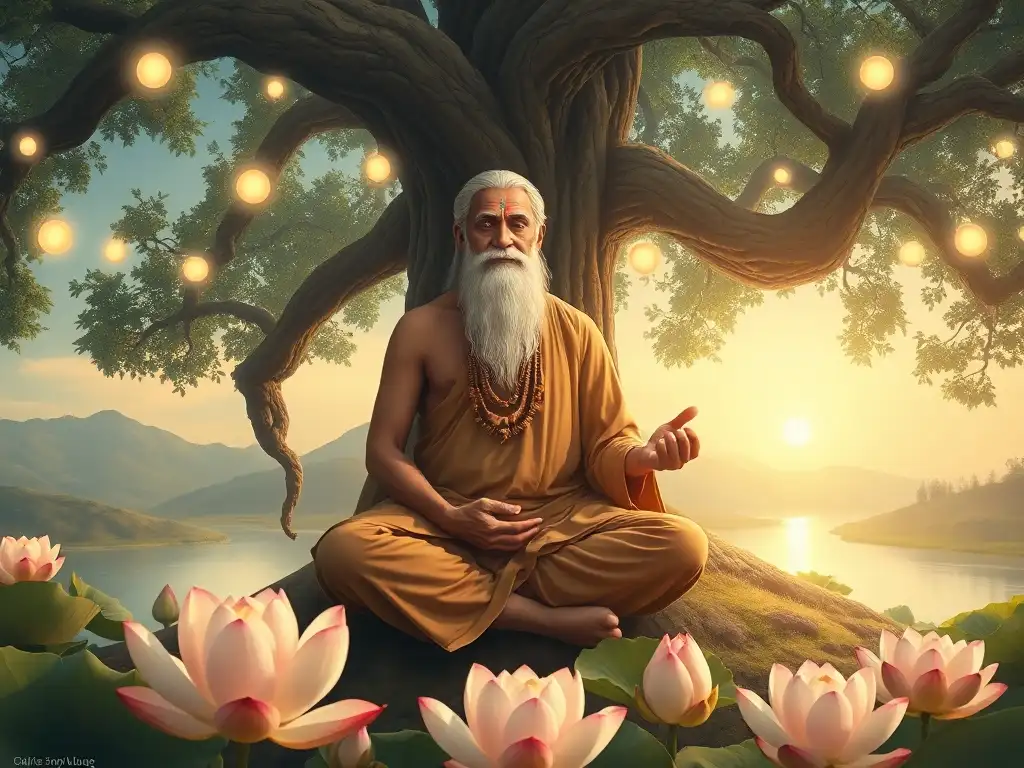
Books on the Yoga Sutras and Their Interpretations
"The Yoga Sutras of Patanjali" by Sri Swami Satchidananda - A Comprehensive Guide to Patanjali's Teachings
This seminal work by Sri Swami Satchidananda presents the Yoga Sutras of Patanjali in a manner that is accessible to both beginners and seasoned practitioners. The book offers a detailed commentary on each of the 196 sutras, elucidating their meanings and practical implications. Satchidananda's insights help readers unlock the secrets of ancient wisdom by providing context and clarity to Patanjali's teachings. His emphasis on meditation, ethical living, and self-discipline is particularly useful for those seeking to integrate these principles into daily life.
Key features of this book include:
- Detailed Commentary: Each sutra is explained in simple terms, making it easier to grasp complex concepts.
- Practical Applications: Satchidananda offers exercises and practices that readers can incorporate into their yoga routines.
- Spiritual Guidance: The book emphasizes the spiritual dimensions of yoga, connecting ancient wisdom to contemporary practice.
"The Heart of Yoga: Developing a Personal Practice" by T.K.V. Desikachar - Modern Perspectives on Ancient Wisdom
In "The Heart of Yoga," T.K.V. Desikachar, the son of the legendary yoga teacher Krishnamacharya, presents a modern interpretation of the Yoga Sutras. This book is particularly valuable for those interested in crafting a personal yoga practice that resonates with their individual needs and circumstances.
Highlights of Desikachar's work include:
- Personalization: The book emphasizes tailoring practices to suit individual abilities and goals, reflecting the diverse nature of yoga.
- Integration of Philosophy and Practice: Desikachar weaves together theory and practical exercises, providing a holistic approach to yoga.
- Emphasis on Breath: The author highlights the importance of breath (pranayama) in yoga practice, linking it to the deeper teachings of the sutras.
Online Courses and Workshops for Practicing the Yoga Sutras
"Yoga Sutras: An Introduction" - Deep Dive into Patanjali's Teachings
This online course offers a comprehensive introduction to the Yoga Sutras of Patanjali, designed for individuals eager to explore the foundational principles of yoga philosophy. The course includes video lectures, interactive discussions, and guided practices.
Course features:
- Structured Learning: Participants are guided through each chapter of the sutras, promoting a systematic understanding of the text.
- Expert Instructors: Learn from experienced yoga teachers who provide insights and facilitate discussions on the relevance of the sutras in modern life.
- Community Engagement: Join a community of learners who share their experiences and insights, enriching the learning process.
"Living the Yoga Sutras: A Practical Workshop" - Living the Wisdom of the Yoga Sutras
This workshop focuses on integrating the teachings of the Yoga Sutras into everyday life. Participants engage in experiential practices that embody the wisdom of Patanjali, fostering a deeper connection to the teachings.
Key elements of the workshop include:
- Experiential Learning: Through practical exercises, participants learn to embody the principles of the sutras in their daily routines.
- Reflection and Discussion: The workshop encourages participants to reflect on their experiences and share insights, promoting a deeper understanding of the teachings.
- Holistic Approach: Emphasis is placed on integrating physical, mental, and spiritual aspects of yoga, aligning with Patanjali's holistic vision of well-being.
By engaging with these resources, individuals can deepen their understanding of the Yoga Sutras of Patanjali and unlock the secrets of ancient wisdom, enriching their yoga practice and personal growth.
Conclusion: Embracing the Yoga Sutras as a Path to Enlightenment
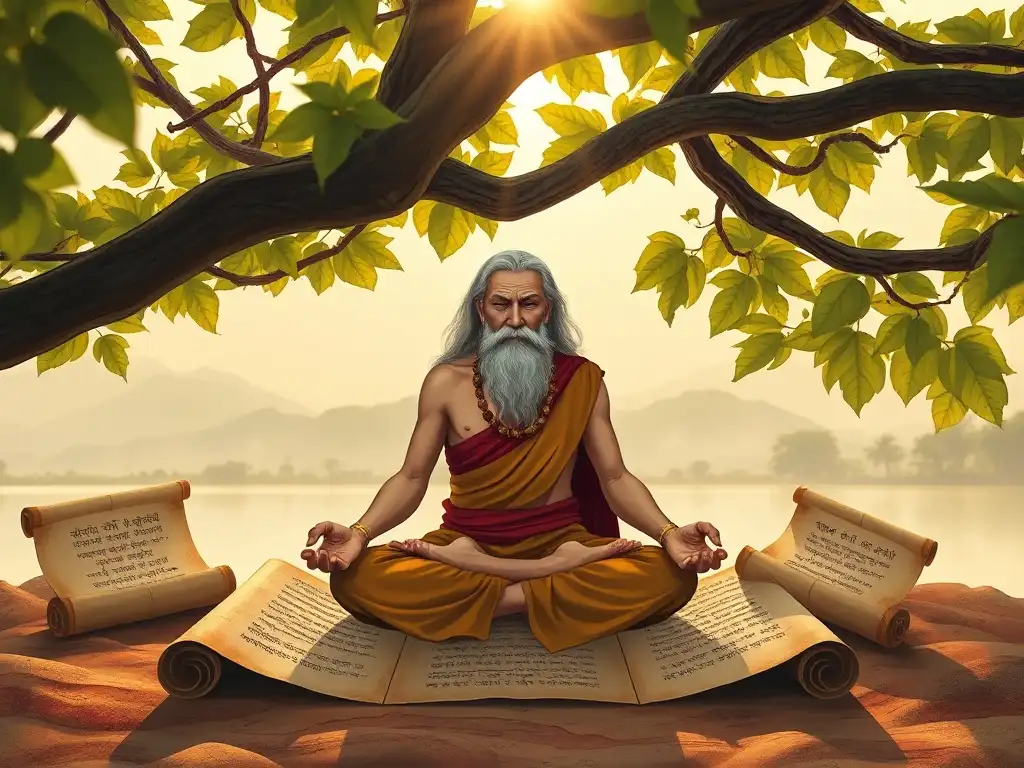
The Yoga Sutras of Patanjali stand as a cornerstone in the rich tapestry of ancient Indian philosophy and practice. By providing a structured framework for understanding yoga, Patanjali's work transcends mere physical postures, delving deep into the realms of mental discipline, ethical conduct, and spiritual enlightenment. The Sutras serve not only as a guide for practitioners seeking to deepen their yoga experience but also as a profound repository of ancient wisdom that resonates through the ages.
In today's fast-paced world, the teachings of the Yoga Sutras offer a pathway to inner peace and harmony. As individuals turn to yoga for stress relief and wellness, the principles outlined by Patanjali remind us that true transformation occurs when we align ourselves with higher ethical standards and cultivate a disciplined mind. The Sutras encourage practitioners to explore the mind-body connection, fostering a holistic approach to health that integrates physical, mental, and spiritual well-being.
The Lasting Impact of Patanjali's Work on Yoga and Wellness
Patanjali's Yoga Sutras have left an indelible mark on the evolution of yoga practices throughout history. The systematic approach he provided has influenced countless schools of thought and styles of yoga, shaping the way practitioners worldwide engage with this ancient discipline.
- Integration of Philosophy and Practice: The Sutras bridge the gap between philosophical inquiry and practical application. They encourage practitioners to engage not only in physical postures (asanas) but also in the cultivation of mental clarity (dhyana) and ethical living (yamas and niyamas).
- Global Influence: From the early translations in the 19th century to modern interpretations, the Yoga Sutras have found a place in contemporary wellness movements. The principles of mindfulness, meditation, and ethical living promoted by Patanjali resonate with modern seekers of holistic health.
- Scientific Validation: Recent studies have explored the psychological benefits of practices derived from the Yoga Sutras, such as meditation and breath control (pranayama). Research supports their effectiveness in reducing stress, anxiety, and depression, thereby validating the ancient wisdom contained within these texts.
The timeless relevance of Patanjali’s work continues to inspire not only yoga practitioners but also scholars and spiritual seekers. His teachings encourage a journey of self-discovery and development that remains pertinent in our modern lives.
Final Thoughts on Unlocking the Secrets of Ancient Wisdom
The Yoga Sutras of Patanjali encapsulate profound insights that are as applicable today as they were thousands of years ago. Unlocking the secrets of this ancient wisdom involves more than intellectual understanding; it requires a committed practice and a willingness to engage with the teachings on multiple levels.
- Personal Transformation: The Sutras offer a roadmap for personal growth, urging individuals to confront their limitations and cultivate a deeper understanding of themselves. By integrating the teachings into daily life, practitioners can experience transformative shifts that enhance their overall well-being.
- Collective Consciousness: Embracing the Yoga Sutras fosters a sense of community and shared purpose among practitioners. As individuals align their practices with the ethical and philosophical tenets of Patanjali, they contribute to a collective consciousness that values compassion, mindfulness, and spiritual growth.
The Yoga Sutras of Patanjali are not merely texts to be studied; they are a living tradition that invites each of us to explore the deeper dimensions of existence. By engaging with these teachings, we unlock the potential for enlightenment and a more harmonious way of living. As we continue to delve into the rich history and philosophy of yoga, may we carry forward the ancient wisdom that Patanjali so beautifully articulated.
Call to Action
The Yoga Sutras of Patanjali represent a foundational text in the philosophy of yoga, encapsulating ancient wisdom that transcends time and culture. If you are intrigued by the depths of this ancient knowledge and its application in modern life, now is the perfect time to delve deeper into this transformative journey.
Explore More About Yoga Philosophy and Ancient Indian Wisdom
- Uncover the Philosophy: Discover how the Yoga Sutras outline the path to self-realization, detailing the eight limbs of yoga that guide practitioners toward enlightenment.
- Understand Historical Context: Learn about the historical backdrop of the Yoga Sutras and how Patanjali’s teachings reflect the socio-cultural landscape of ancient India.
- Practical Applications: Explore how the principles outlined by Patanjali can be integrated into daily life, enhancing mental clarity, emotional stability, and spiritual growth.
- Engage with Experts: Join discussions, workshops, or webinars led by yoga scholars and practitioners who can provide deeper insights into the teachings of Patanjali.
By immersing yourself in the study of the Yoga Sutras, you not only unlock ancient wisdom but also gain tools that can profoundly impact your personal and spiritual development. Embrace the journey of exploration and growth that the teachings of Patanjali offer!
Additional Resources:
- Books on Yoga Philosophy: A curated list of essential readings to enhance your understanding of Patanjali’s Sutras.
- Online Courses: Sign up for courses that dive into the intricacies of yoga philosophy and its historical context.
- Community Forums: Engage with like-minded individuals who share a passion for yoga and ancient wisdom.
Take the first step toward unlocking the secrets of ancient wisdom today!
Frequently Asked Questions
What are the Yoga Sutras of Patanjali?
The Yoga Sutras of Patanjali are a collection of aphorisms that outline the philosophy and practice of yoga, serving as a foundational text for understanding ancient wisdom in Indian culture.
How do the Yoga Sutras relate to ancient Indian civilization?
The Yoga Sutras are a significant part of ancient Indian civilization, reflecting the spiritual and philosophical practices that emerged during that time, influencing both yoga and meditative traditions.
What is the significance of Patanjali in yoga philosophy?
Patanjali is often regarded as the father of yoga philosophy, and his Sutras provide a systematic approach to spiritual development, emphasizing the importance of discipline and meditation.
How can the Yoga Sutras be applied in modern life?
The teachings of the Yoga Sutras can be applied in modern life to promote mental clarity, stress relief, and personal growth, making ancient wisdom relevant to contemporary challenges.
Where can I learn more about the Yoga Sutras of Patanjali?
To explore more about the Yoga Sutras of Patanjali, consider reading commentaries, attending yoga classes, or participating in workshops that focus on this ancient text and its practical applications.
Final Reflection: Embracing Ancient Wisdom for Modern Transformation
The Yoga Sutras of Patanjali serve as a timeless guide, illuminating the path to self-discovery and inner peace in our fast-paced, modern world. As we navigate the complexities of contemporary life, the teachings encapsulated in these ancient texts resonate more than ever, reminding us of the profound connection between mind, body, and spirit. The wisdom of Patanjali is not merely historical; it is a living tradition that offers practical tools for cultivating mindfulness and resilience in the face of today's challenges.
The impact of the Yoga Sutras extends beyond individual practice; it has woven itself into the fabric of our cultural and social landscape. In a time when stress and anxiety are prevalent, the Sutras provide a sanctuary of calm and clarity. As we embrace these teachings, we find ourselves part of a larger movement that values holistic well-being and self-awareness. Yoga is the journey of the self, through the self, to the self.
This quote encapsulates the essence of Patanjali's wisdom, highlighting the transformative power of introspection and personal growth that continues to inspire countless individuals on their journeys.
As you reflect on the teachings of the Yoga Sutras, consider how you can integrate these ancient principles into your daily life. Take a moment to breathe, to pause, and to connect with your inner self. The wisdom of Patanjali invites you to embark on a journey of self-exploration and transformation. Let this ancient knowledge guide you toward a more mindful existence, encouraging you to cultivate peace, compassion, and understanding in both your personal and communal spheres. Embrace the call to action and unlock the secrets of ancient wisdom for a brighter, more harmonious future.
Unlock the Transformative Power of Yoga Today!
Thank you for exploring the Yoga Sutras of Patanjali with us! By delving into this ancient wisdom, you've taken an important step towards personal growth and holistic well-being. Now, let's take that journey further and integrate these teachings into your daily life.
Here are some actionable steps you can take right now:
- Start a daily meditation practice: Dedicate just 5-10 minutes each day to quiet your mind and reflect on the principles of the Sutras.
- Join a local yoga community or class: Connect with like-minded individuals to enhance your practice and share insights on the Sutras and their applications.
- Share your favorite Sutra on social media: Inspire others by spreading the wisdom you’ve gained from this experience and encourage friends to explore the benefits of yoga.
What insights from the Yoga Sutras resonate most with you, and how do you plan to incorporate them into your life?