
The Symbolism Behind Ancient Indian Inscriptions and Their Meanings


Welcome to Ancient India History, where we embark on a remarkable journey through the rich tapestry of ancient Indian civilizations. Have you ever wondered about the secrets hidden within ancient Indian inscriptions? In our featured article, "The Symbolism Behind Ancient Indian Inscriptions and Their Meanings," we delve into the fascinating world of inscriptions and epigraphy, revealing how these timeless symbols reflect the beliefs, culture, and innovations of the people who once thrived along the banks of the Indus Valley and beyond.
Prepare to uncover the stories etched in stone and discover the profound meanings that continue to resonate today. Your exploration of history begins now!
- Introduction to Ancient Indian Inscriptions Symbolism
- The Historical Context of Ancient Indian Inscriptions
- Types of Inscriptions Found in Ancient India
- Common Symbols and Their Interpretations in Ancient Indian Inscriptions
- Deciphering the Language of Ancient Indian Inscriptions
- Case Studies of Significant Ancient Indian Inscriptions
- Challenges in Understanding Ancient Indian Inscriptions Symbolism
- Conclusion: The Significance of Ancient Indian Inscriptions Symbolism
- Frequently Asked Questions
- Final Reflection: Unveiling the Depths of Ancient Indian Inscriptions Symbolism
- Unveil the Hidden Meanings of Ancient Inscriptions!
Introduction to Ancient Indian Inscriptions Symbolism
Ancient Indian inscriptions serve as vital links to the past, offering profound insights into the rich tapestry of Indian civilization. These inscriptions, etched on stone, metal, and clay, not only convey historical events but also encapsulate the symbolism that permeated ancient Indian culture. By exploring the meanings behind these symbolic representations, we gain a deeper understanding of the beliefs, values, and practices that shaped the society of the time. This article delves into the intricate world of ancient Indian inscriptions, focusing on their symbolism, and highlights their significance in understanding the broader cultural context of ancient India.
Overview of Ancient Indian Inscriptions
Ancient Indian inscriptions date back to the Indus Valley Civilization (circa 3300–1300 BCE) and continue through various epochs, including the Maurya and Gupta periods. These inscriptions can be categorized into several types, including:
- Religious Texts: Often found in temples, these inscriptions include hymns, prayers, and mantras that reflect spiritual beliefs.
- Royal Edicts: Issued by emperors, these texts often detail governance, laws, and decrees, illustrating the political landscape.
- Commemorative Inscriptions: These celebrate victories, patronage of the arts, or the construction of significant monuments.
- Cultural Narratives: They provide stories about mythology, history, and social norms of the time.
The script used in these inscriptions varies, with notable forms including Brahmi and Kharosthi, which laid the foundation for many modern Indian scripts. Each inscription serves as a testament to the linguistic and artistic achievements of its time, embodying the cultural ethos of ancient India.
Importance of Symbolism in Ancient Indian Culture
Symbolism in ancient Indian inscriptions is multifaceted, reflecting a society deeply intertwined with its spiritual and philosophical beliefs. Symbols were employed not merely for decoration; they carried significant meanings that resonated with the people of the time. Some key aspects include:
- Spiritual Significance: Many symbols, such as the lotus and swastika, are imbued with spiritual meaning, representing purity, enlightenment, and auspiciousness.
- Cultural Identity: Inscriptions often depict symbols unique to specific communities or regions, reinforcing a sense of belonging and identity among various groups.
- Historical Context: Symbols often provide insights into historical events, social structures, and cultural practices, allowing modern scholars to reconstruct aspects of ancient life.
By examining the symbolism behind ancient Indian inscriptions, researchers can unlock new dimensions of understanding regarding the complex interplay of religion, politics, and culture in ancient India. This exploration not only enriches our historical knowledge but also highlights the enduring legacy of these ancient civilizations.
The Historical Context of Ancient Indian Inscriptions
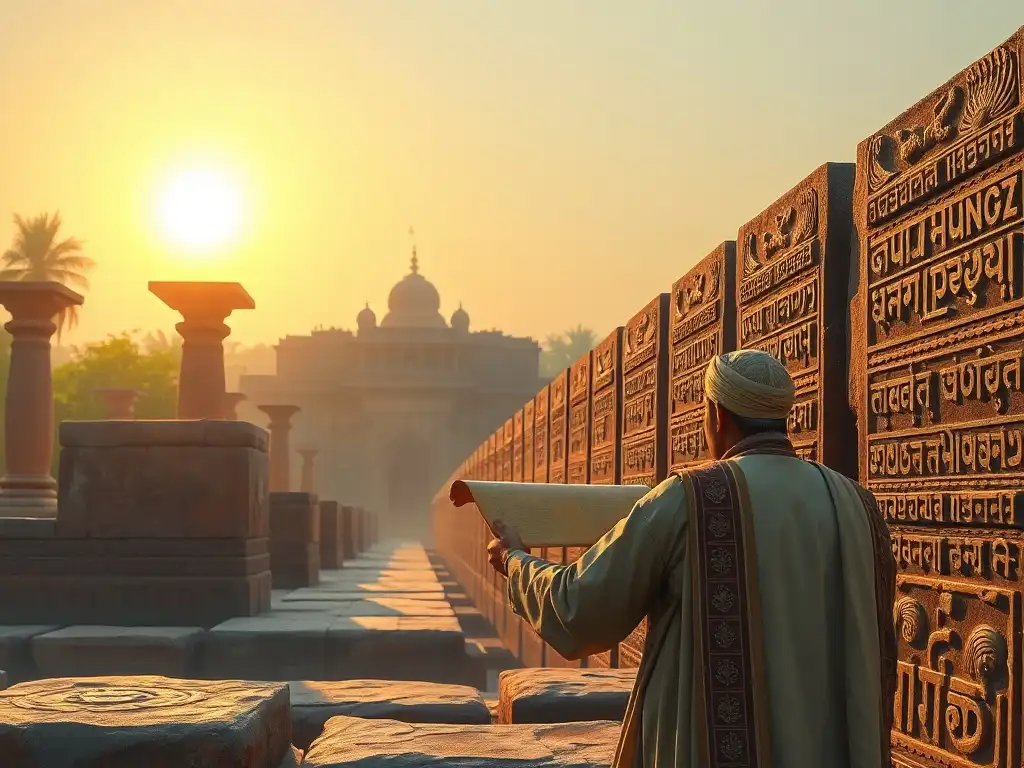
Timeline of Key Ancient Indian Civilizations
Understanding the timeline of key ancient Indian civilizations is crucial to appreciating the context of ancient Indian inscriptions symbolism. The chronology of these civilizations reveals not only the evolution of writing but also how cultural and religious influences shaped the inscriptions.
-
Indus Valley Civilization (c. 3300–1300 BCE)
One of the earliest urban cultures, the Indus Valley Civilization featured seals with symbols and script that remain undeciphered. These inscriptions are believed to reflect trade, religious beliefs, and societal organization.
-
Vedic Period (c. 1500–500 BCE)
Marked by the composition of the Vedas, this period brought forth oral traditions. The inscriptions from this time are scarce but significant, as they illuminate early philosophical and ritualistic aspects of Indian society.
-
Maurya Empire (c. 322–185 BCE)
Under Emperor Ashoka, inscriptions became a tool for governance and moral instruction. The edicts of Ashoka, inscribed in various languages and scripts, convey messages of Dharma and social welfare, showcasing early statecraft and ethical governance.
-
Gupta Empire (c. 240–550 CE)
This period is often regarded as the Golden Age of India, characterized by significant advancements in art, science, and philosophy. Inscriptions from the Gupta period reflect not only administrative information but also religious devotion and cultural achievements.
Major Sites of Ancient Indian Inscriptions
Several sites across the Indian subcontinent have yielded significant inscriptions that provide insights into ancient Indian inscriptions symbolism. These sites are vital for understanding the historical and cultural contexts of the inscriptions.
- Ashoka's Edicts at Lumbini and Sarnath
- Location: Nepal and Uttar Pradesh, India
- Significance: These inscriptions emphasize non-violence and moral governance, illustrating the spread of Buddhism and Ashoka's commitment to Dharma.
- Rock Edicts of Dhauli
- Location: Odisha, India
- Significance: The edicts carved into the rock face convey messages about social welfare and Buddhist teachings, reflecting the integration of state and religion during the Maurya Empire.
- Udayagiri Caves
- Location: Madhya Pradesh, India
- Significance: Inscriptions in the Udayagiri Caves provide insights into the Gupta period, with references to kings and their patronage of the arts and religion.
- Brahmi and Kharoṣṭhī Inscriptions
- Location: Various sites across India
- Significance: These scripts are among the earliest forms of writing in India, and their inscriptions reveal the linguistic diversity and cultural exchanges of ancient Indian civilizations.
Influence of Religion and Philosophy on Inscriptions
The symbolism in ancient Indian inscriptions is deeply intertwined with the religious and philosophical landscape of the time. Different belief systems influenced the themes and purposes of the inscriptions, reflecting the complexities of ancient Indian thought.
- Buddhism
- Inscriptions often reflect Buddhist teachings, promoting concepts such as compassion and the Four Noble Truths. For instance, Ashoka's edicts advocate for moral conduct and the welfare of all living beings, emphasizing the interconnectedness of society.
- Hinduism
- Many inscriptions celebrate deities and religious practices. The symbolism found in temple inscriptions often includes metaphors and allegories that convey deeper philosophical ideas, such as Dharma and Karma.
- Jainism
- Jain inscriptions frequently emphasize non-violence and asceticism. The use of symbols like the hand (representing Ahimsa) illustrates the commitment to these core principles in their inscriptions.
- Philosophical Texts
- Inscriptions that reference philosophical texts, such as the Upanishads, integrate symbolic language that conveys profound metaphysical concepts. These inscriptions often serve as educational tools, guiding the populace in spiritual and ethical matters.
The study of ancient Indian inscriptions symbolism reveals a complex interplay of historical, cultural, and religious factors that shaped the civilizations of ancient India. Through understanding the context and significance of these inscriptions, we gain valuable insights into the values and beliefs of the time.
Types of Inscriptions Found in Ancient India
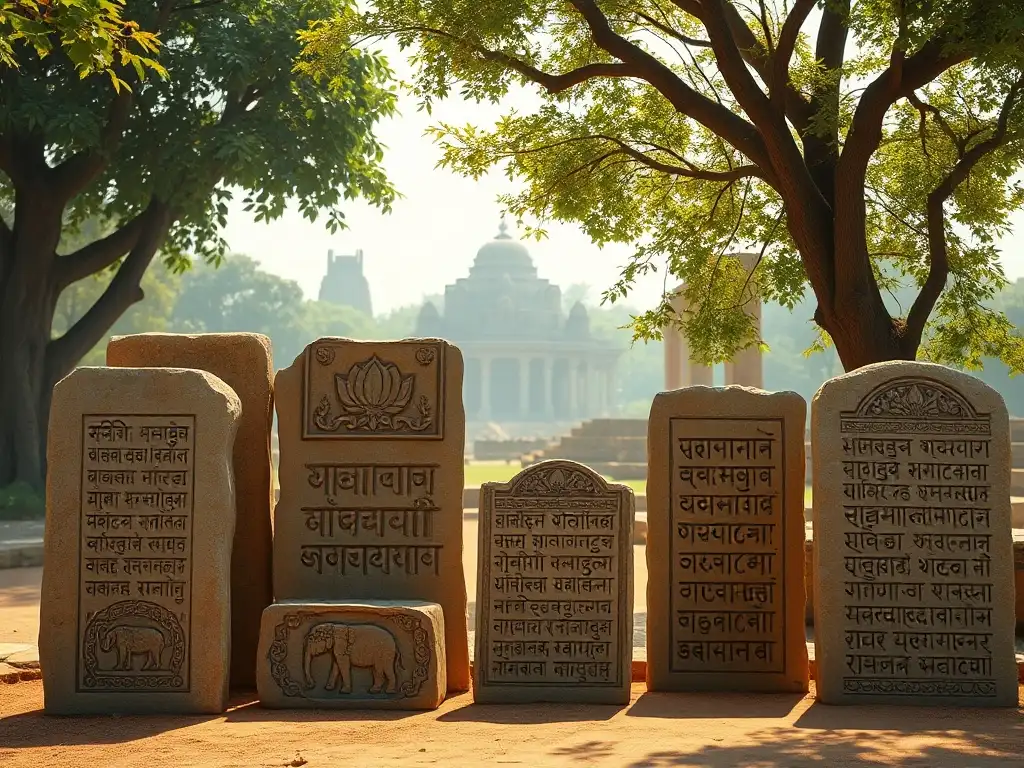
The inscriptions of ancient India are invaluable artifacts that reveal the cultural, religious, and administrative life of past civilizations. They serve as a window into the societal norms, beliefs, and practices that shaped ancient Indian life. The types of inscriptions can be broadly categorized into three main groups: religious inscriptions, secular inscriptions, and funerary inscriptions. Each category holds distinct symbolism and meaning, contributing to our understanding of ancient Indian history and its multifaceted nature.
Religious Inscriptions and Their Meanings
Religious inscriptions are perhaps the most prominent among ancient Indian inscriptions, often carved on temple walls, pillars, and stupas. These inscriptions frequently feature mantras, hymns, or devotional verses dedicated to deities such as Vishnu, Shiva, and Devi. The symbolism behind these inscriptions is profound, reflecting the spiritual beliefs and practices of the time.
- Mantras and Hymns: Often composed in Sanskrit, these texts not only served as prayers but also encoded philosophical concepts. For instance, the Gayatri Mantra, found in many inscriptions, symbolizes the quest for spiritual enlightenment and the invocation of divine wisdom.
- Iconography: Many religious inscriptions include depictions of deities accompanied by symbolic motifs like the lotus (representing purity) and the conch shell (symbolizing the universe). These symbols reinforce the religious context and the importance of divine connection in daily life.
- Historical Context: Inscriptions such as the Ashoka Edicts reveal the spread of Buddhism and the importance of dharma (moral law) in governance. Ashoka’s commitment to non-violence and compassion is symbolically inscribed in his edicts, emphasizing the moral duties of rulers and citizens.
Secular Inscriptions: Administrative and Commercial Contexts
Secular inscriptions provide insights into the administrative, economic, and social aspects of ancient Indian civilizations. Found on stone tablets, seals, and pillar inscriptions, these texts often relate to governance, trade, and public works.
- Administrative Records: Inscriptions detailing laws, decrees, and administrative practices highlight the complexities of governance in ancient India. For example, the Kharosthi inscriptions found in the northwestern regions provide crucial information about trade routes and local administration.
- Commercial Transactions: Many inscriptions document transactions and trade agreements, reflecting the economic activities of the time. Symbols representing weights and measures were often used, showcasing the development of commerce and trade practices.
- Social Hierarchy: Inscriptions can also reveal social structure, such as caste distinctions and the roles of various groups in society. For instance, inscriptions mentioning guilds or trading communities symbolize the organized nature of trade.
Funerary Inscriptions and Their Symbolic Significance
Funerary inscriptions are critical for understanding the beliefs surrounding death and the afterlife in ancient Indian cultures. These inscriptions are typically found on gravestones, burial sites, and memorial structures.
- Epitaphs: Often engraved on tombstones, these inscriptions serve as memorials to the deceased, reflecting their virtues, achievements, and sometimes their lineage. The language and style of these epitaphs often convey the social status of the individual, highlighting the significance of honor and memory in ancient societies.
- Symbolism of Death and Rebirth: Many funerary inscriptions incorporate symbols related to rebirth and the cycle of life, such as the peacock or lotus. These symbols illustrate the belief in reincarnation and the continuity of life beyond death.
- Cultural Practices: The content of funerary inscriptions can reveal cultural attitudes towards death and mourning practices. For instance, the presence of Sanskrit verses or mantras emphasizes the importance of spiritual rituals in ensuring a peaceful afterlife.
The symbolism behind ancient Indian inscriptions provides a rich tapestry of the cultural, religious, and social fabric of ancient India. By studying these inscriptions, scholars gain profound insights into the values and beliefs that guided ancient Indian civilizations, making them essential for understanding the broader historical context of the region.
Common Symbols and Their Interpretations in Ancient Indian Inscriptions
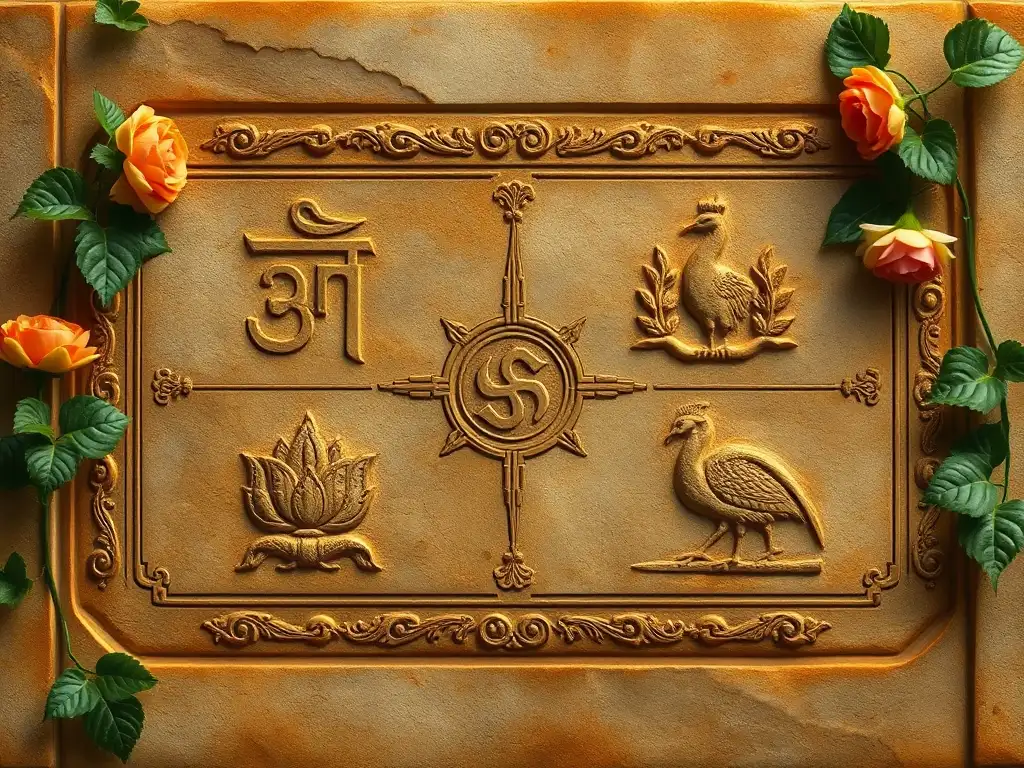
Ancient Indian inscriptions are rich in symbolism, reflecting the beliefs, cultural values, and philosophical ideas of the time. The use of symbols was not merely decorative; each symbol carried profound meanings, serving as a medium to convey messages, religious sentiments, and social norms. Below are some of the most significant symbols found in ancient Indian inscriptions, along with their interpretations.
The Lotus: Symbol of Purity and Enlightenment
The lotus flower is one of the most prominent symbols in ancient Indian culture, frequently appearing in inscriptions and artworks. It embodies a range of meanings, primarily associated with purity, beauty, and spiritual enlightenment.
- Cultural Significance: The lotus grows in muddy water but emerges as a beautiful flower, symbolizing the journey of the soul from ignorance to enlightenment. This duality is often interpreted as the ability to rise above worldly attachments and achieve spiritual awakening.
- Religious Context: In Hinduism, the lotus is associated with several deities, including Lakshmi (goddess of wealth) and Vishnu (the preserver). In Buddhist texts, it represents the potential for enlightenment and the purity of the mind.
- Examples in Inscriptions: Inscriptions from the Gupta period frequently depict deities seated on lotus petals, emphasizing their divine purity and connection to the cosmos.
The Swastika: A Multifaceted Symbol of Auspiciousness
The swastika is another significant symbol found in ancient Indian inscriptions, recognized for its auspicious connotations.
- Historical Roots: The term "swastika" derives from the Sanskrit word "svastika," meaning "well-being" or "good fortune." This ancient symbol has been used for over 5,000 years across various cultures, but in India, it holds a special place in religious and cultural practices.
- Symbolic Interpretations: The swastika represents cosmic order and the cycle of life, death, and rebirth. It is often associated with the sun, reflecting prosperity and energy. The four arms of the swastika can symbolize the four directions, representing holistic balance and harmony.
- Usage in Inscriptions: Ancient inscriptions from temples and public spaces often feature the swastika to invoke blessings and protection. Its presence signifies auspicious beginnings, marking important events and rituals.
The Tree of Life: Representations in Ancient Scripts
The Tree of Life is a potent symbol seen in various ancient Indian inscriptions, representing interconnectedness, growth, and the cycle of existence.
- Symbolism of Growth and Fertility: The Tree of Life often symbolizes fertility and the nurturing aspect of nature. It signifies the interconnectedness of all living beings and the importance of sustaining life.
- Cultural Significance: In many philosophical traditions, the tree represents knowledge and enlightenment. The ancient Indian texts frequently depict the tree as a metaphor for the universe, with its roots symbolizing the earthly realm and its branches reaching towards the heavens.
- Illustrations in Inscriptions: Inscriptions from the Mauryan period often feature trees alongside figures of deities, reinforcing the idea of nature as a source of life and wisdom. The Bodhi tree, under which Buddha attained enlightenment, is a prime example of how the tree symbolizes spiritual awakening.
These symbols not only reflect the artistic expressions of ancient Indian civilizations but also provide profound insights into their philosophical and spiritual beliefs. Understanding the symbolism behind ancient Indian inscriptions enhances our appreciation of the rich cultural heritage that has shaped the Indian subcontinent.
Other Notable Symbols and Their Cultural Significance
Ancient Indian inscriptions are rich with symbols that hold profound cultural and spiritual significance. Understanding these symbols not only provides insight into the values and beliefs of ancient societies but also reflects their artistic expressions and communication methods.
1. The Lotus Flower
The lotus flower is a recurring motif in ancient Indian inscriptions, symbolizing purity, enlightenment, and rebirth. Found in various texts and carvings, the lotus often represents divine beauty and spiritual awakening. In Hinduism and Buddhism, it signifies the journey of the soul from the murky waters of material existence to the pristine state of enlightenment.
- Cultural Significance:
- Emblem of spiritual growth
- Represents the divine feminine
- Associated with deities like Lakshmi and Saraswati
2. The Swastika
The swastika, a symbol of auspiciousness and good fortune, is one of the oldest symbols in Indian culture. It appears extensively in inscriptions, art, and architecture, signifying prosperity and well-being. The four arms of the swastika represent the four directions, symbolizing the universe and the cyclical nature of life.
- Cultural Significance:
- Symbol of cosmic order and harmony
- Used in rituals and ceremonies
- Reflects the principles of dharma (righteousness)
3. The Conch Shell
Inscriptions often feature the conch shell, known as "shankha," which holds a significant place in Hindu mythology. It is a symbol of the sacred sound "Om" and is believed to have the power to purify and ward off evil. The conch is frequently depicted in association with deities, serving as a divine instrument used to announce important events.
- Cultural Significance:
- Represents the call to action and awakening
- Emblematic of victory and protection
- Integral in religious ceremonies and rituals
4. The Tree of Life
The Tree of Life or "Kalpavriksha" symbolizes abundance, fertility, and interconnectedness with nature. This symbol is often found in ancient inscriptions, depicting the relationship between humanity and the natural world. It reflects the belief in the cyclical nature of life and the importance of nurturing both spiritual and physical growth.
- Cultural Significance:
- Represents sustenance and nourishment
- Reflects the harmony between man and nature
- Often associated with various deities and sacred texts
5. Animals and Mythical Creatures
Various animals, such as elephants, lions, and peacocks, appear in inscriptions, each symbolizing different traits and virtues. For example, the elephant represents wisdom and strength, while the peacock symbolizes beauty and grace. Mythical creatures often embody moral lessons or spiritual teachings, enriching the cultural tapestry of ancient Indian societies.
- Cultural Significance:
- Serve as totems representing specific virtues
- Connect human qualities with the divine
- Often used in storytelling and folklore
Conclusion
The symbolism found in ancient Indian inscriptions provides a window into the spiritual and cultural frameworks of the time. Each symbol carries layers of meaning, reflecting the beliefs, values, and artistic expressions of ancient civilizations. Understanding these symbols allows us to appreciate the depth and richness of ancient Indian culture, affirming its place in the tapestry of world history.
Deciphering the Language of Ancient Indian Inscriptions
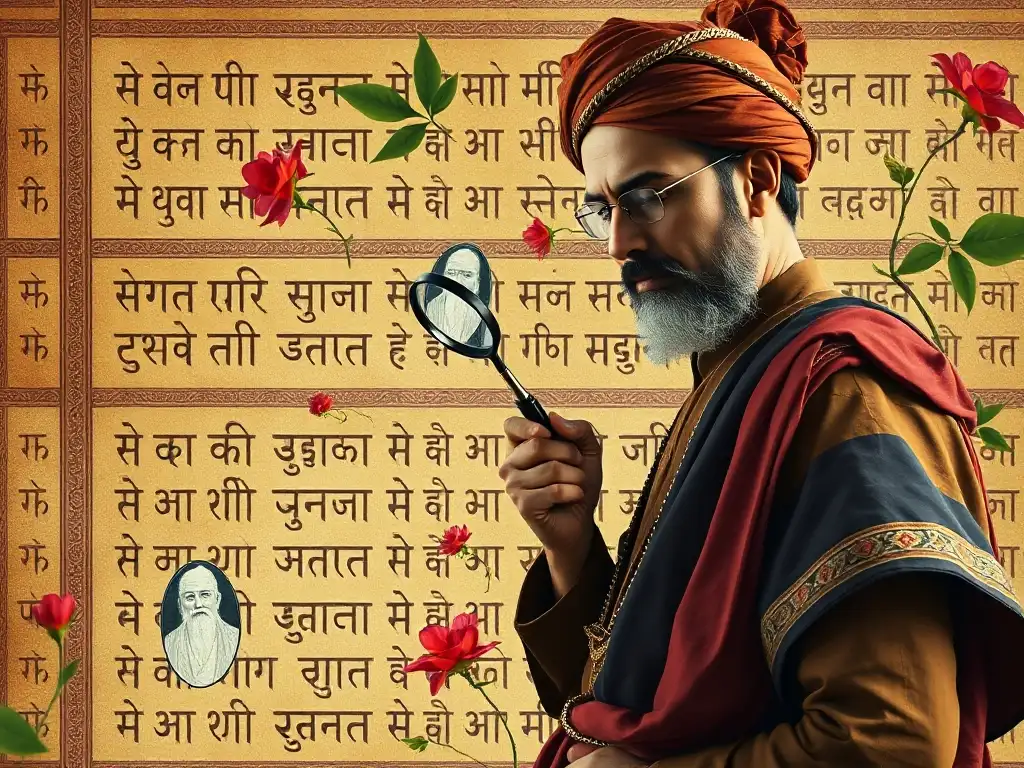
Overview of Ancient Scripts Used in India
Ancient Indian inscriptions are a vital source of historical knowledge, revealing the rich tapestry of cultures, languages, and thought that flourished in the subcontinent. Several scripts were utilized throughout different periods, each reflecting the unique linguistic and cultural characteristics of its time.
- Indus Script: The earliest known form of writing in India, found in the Indus Valley Civilization (circa 3300–1300 BCE). The Indus script remains largely undeciphered, consisting of brief, pictographic symbols that hint at a sophisticated communication system.
- Brahmi Script: Emerging around the 3rd century BCE, the Brahmi script is considered the progenitor of many South Asian scripts. It is notable for its syllabic nature and was used extensively in inscriptions during the Maurya Empire. Brahmi has been pivotal in understanding the evolution of languages, including Sanskrit and Prakrit.
- Kharosthi Script: Predominantly used in the northwestern regions of ancient India, Kharosthi is another crucial script from this era. It was employed for writing Gandhari and other local dialects, often used in the context of Buddhist texts.
- Siddham Script: This script emerged later and is linked to the spread of Buddhism in East Asia. Siddham is characterized by its decorative elements and was often used in religious inscriptions.
- Nagari Script: Evolving from Brahmi, Nagari became prominent from the 7th century CE onwards and is the ancestor of the modern Devanagari script used in Hindi and other languages today.
These scripts, among others, provide a window into the linguistic diversity of ancient India and help scholars understand the cultural and historical contexts in which they were used.
Techniques for Decoding Ancient Indian Inscriptions
Decoding ancient Indian inscriptions requires a multidisciplinary approach that combines linguistic knowledge, historical context, and archaeological insight. Here are some key techniques used by epigraphists and historians:
- Paleography: The study of ancient handwriting styles is crucial for understanding the evolution of scripts. Paleographical analysis helps in dating inscriptions and determining regional variations.
- Comparative Linguistics: By comparing ancient languages and their scripts, researchers can identify cognates and linguistic shifts. This method is particularly useful for deciphering inscriptions written in Brahmi and its derivatives.
- Contextual Analysis: Understanding the archaeological context in which inscriptions are found can provide vital clues. For example, inscriptions discovered in temples may have religious significance, while others found in urban settings might relate to administrative functions.
- Iconographic Studies: Analyzing the symbols and images accompanying inscriptions can enhance understanding. For instance, motifs in sculptures often correlate with the themes expressed in the inscriptions, providing a richer interpretation.
- Digital Technology: Modern techniques such as 3D scanning and imaging enhance the visibility of inscriptions that may be weathered or difficult to read. Digital tools also allow for the creation of databases that facilitate comparative studies across different regions and periods.
Through these techniques, researchers continue to unveil the meanings behind ancient Indian inscriptions, contributing to our understanding of their symbolism and significance.
The Role of Epigraphy in Understanding Symbolism
Epigraphy, the study of inscriptions, plays a crucial role in deciphering the symbolism embedded in ancient Indian texts. By examining the content, form, and context of inscriptions, scholars can derive deeper meanings related to social, political, and spiritual life in ancient India.
- Cultural Symbolism: Inscriptions often contain symbols that reflect the values and beliefs of a society. For instance, the repeated use of certain motifs, such as the lotus or conch shell, can indicate religious significance, representing purity and auspiciousness.
- Political Authority: Many inscriptions served as proclamations of power, often inscribed by kings to assert their rule or commemorate victories. The symbolism in such inscriptions, like the use of specific titles or divine epithets, conveys authority and legitimacy.
- Social Hierarchies: The language and style of inscriptions can reveal social structures and hierarchies. For example, inscriptions that mention donations to temples often highlight the roles of patrons from various social strata, showcasing the interplay between religion and social status.
- Historical Narratives: Epigraphy helps construct historical narratives by linking events, individuals, and cultural practices. The symbolism in these inscriptions can provide insights into the collective memory and identity of ancient communities.
- Religious Insights: Many inscriptions are religious texts or dedications that reveal the spiritual beliefs of the time. The symbolism found in these writings contributes to our understanding of ancient Indian cosmology, rituals, and deities.
By analyzing the symbolism in ancient Indian inscriptions, epigraphy serves as a bridge between past and present, enriching our comprehension of historical narratives and cultural identities.
Case Studies of Significant Ancient Indian Inscriptions
The Edicts of Ashoka: Meaning and Impact
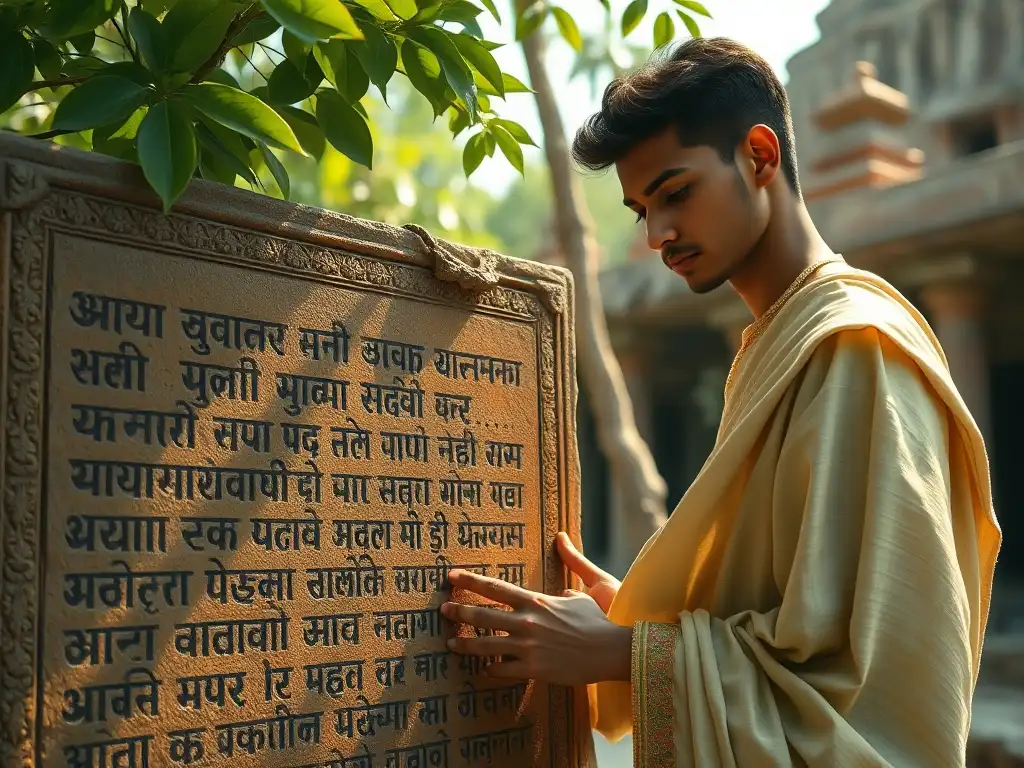
The Edicts of Ashoka, inscribed on stone pillars and rocks across his vast empire, are a monumental testament to ancient Indian inscriptions symbolism. Emperor Ashoka, who ruled during the 3rd century BCE, embraced Buddhism and sought to promote its values throughout his reign. His edicts, written in Brahmi and Kharosthi scripts, convey profound messages related to ethics, morality, and governance.
- Moral Imperatives: The edicts emphasize Dharma, or righteousness, urging citizens to practice compassion, non-violence, and tolerance. This reflects a significant shift in governance, emphasizing ethical leadership over mere power.
- Public Welfare: Ashoka's inscriptions also reveal his commitment to public welfare, as seen in edicts that advocate for the establishment of hospitals, the planting of trees, and the construction of roads. These actions illustrate the symbolic connection between the ruler and his subjects, portraying him as a benevolent protector.
- Cultural Integration: The use of local languages in some edicts represents an effort to communicate effectively with diverse populations, showcasing the cultural integration and respect for regional identities.
The impact of these inscriptions extends beyond their immediate context; they have influenced subsequent generations, shaping ideas of governance and social responsibility in Indian culture. The enduring nature of Ashoka's message has made these edicts a significant focal point in studying ancient Indian inscriptions symbolism.
The Inscriptions of the Gupta Dynasty: Artistic and Symbolic Elements
The Gupta Dynasty (circa 320-550 CE) is often regarded as a golden age of Indian art, science, and culture. The inscriptions from this period not only serve historical purposes but also encapsulate rich artistic and symbolic elements that reflect the values and beliefs of the time.
- Religious Symbolism: Many Gupta inscriptions are dedicated to Hindu deities, with intricate carvings and depictions that convey religious and spiritual significance. For example, inscriptions found in temples often include detailed descriptions of rituals, showcasing the importance of worship and the divine in daily life.
- Artistic Flourishes: The elegance of Gupta inscriptions is evident in their calligraphy and the use of ornamental motifs. The stylistic choices reflect the aesthetic sensibilities of the time, where beauty and functionality coexisted. This artistry adds layers of meaning, inviting viewers to appreciate the craftsmanship alongside the content.
- Political Statements: Inscriptions during this era also serve as proclamations of power and legitimacy. Kings often commissioned inscriptions that highlighted their achievements, victories, and divine favor, thereby reinforcing their authority. This dual role of inscriptions as both artistic expressions and political tools illustrates the complexities of ancient Indian inscriptions symbolism.
The exploration of Gupta inscriptions reveals a rich tapestry of cultural and artistic heritage, providing insights into the societal values that shaped ancient India.
Local Inscriptions: Regional Variations and Their Symbolism
Local inscriptions across the Indian subcontinent offer a fascinating glimpse into the diverse cultural practices and beliefs that existed in different regions. These inscriptions, often overlooked, hold significant value in understanding the regional variations of ancient Indian inscriptions symbolism.
- Linguistic Diversity: The use of various languages and scripts, such as Tamil, Kannada, and Pali, showcases the linguistic diversity of ancient India. Local dialects and scripts not only reflect the cultural identity of the regions but also the adaptability of inscriptions to address local populations.
- Cultural Practices: Regional inscriptions frequently reference local deities, festivals, and practices, highlighting the unique cultural landscapes of different communities. For instance, inscriptions found in South India may depict temple architecture and rituals specific to Hindu worship, while those in the northwest may reflect Buddhist influences.
- Socio-Political Context: Local rulers often inscribed messages that reinforced their connection to the populace. These inscriptions can include proclamations of land grants, tax exemptions, or community projects, emphasizing the ruler's role in local governance and the welfare of the people.
The significance of local inscriptions lies in their ability to encapsulate the rich diversity of ancient Indian civilization, illustrating how regional identities and practices contributed to the broader narrative of India's historical development. By analyzing these inscriptions, we gain deeper insights into the symbolism that pervaded ancient Indian societies.
Challenges in Understanding Ancient Indian Inscriptions Symbolism
Erosion and Preservation Issues
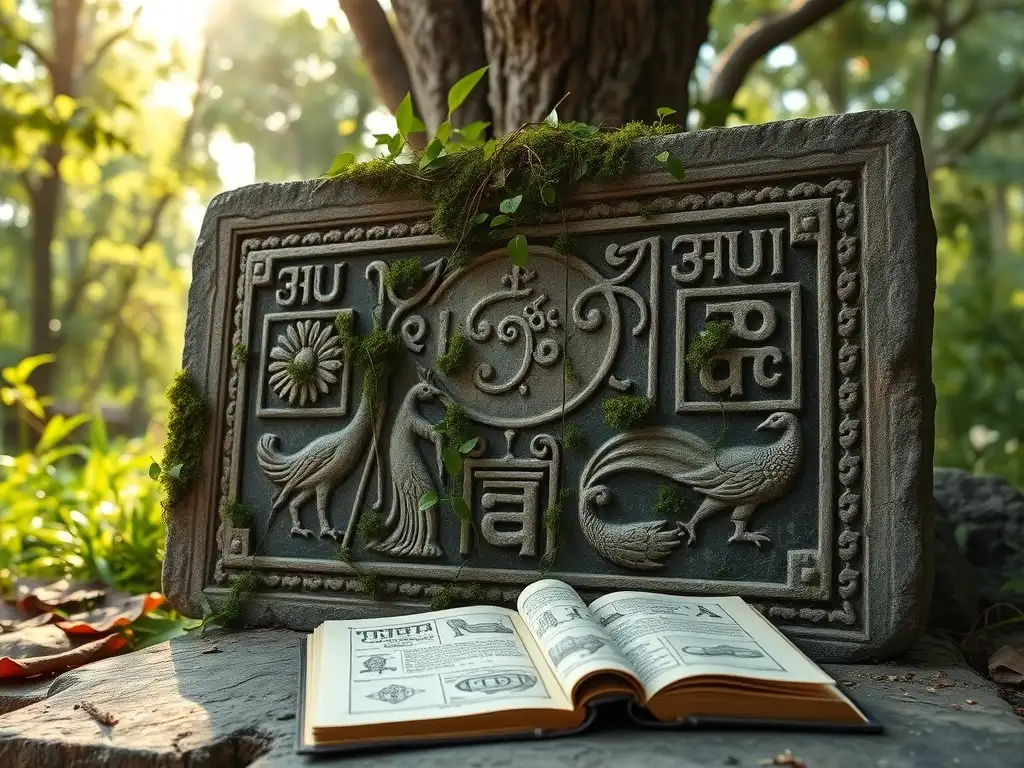
The preservation of ancient Indian inscriptions is a significant challenge that directly impacts our understanding of their symbolism. Many inscriptions, carved on stone, metal, or clay, have suffered from natural erosion due to weather conditions, environmental factors, and human activities. Over the centuries, the effects of wind, rain, and temperature fluctuations can lead to the degradation of the materials, causing critical information to become illegible or lost entirely.
Factors contributing to erosion include:
- Exposure to Elements: Inscriptions exposed to harsh weather conditions, such as monsoons or extreme heat, are more prone to deterioration.
- Pollution: Industrialization and urban expansion have led to increased air pollution, which can chemically react with the materials of the inscriptions and hasten their decay.
- Biological Factors: The growth of moss, lichen, and other vegetation can also damage the surface of inscriptions.
To mitigate these issues, conservation efforts are essential. Techniques such as controlled micro-climates, protective coatings, and regular maintenance can help preserve these invaluable artifacts for future generations. Nonetheless, the ongoing erosion poses a significant barrier to fully deciphering the ancient Indian inscriptions symbolism.
Linguistic Barriers and Their Impact on Interpretation
Understanding ancient Indian inscriptions requires a grasp of the languages and scripts used in their creation. The diversity of languages across various ancient Indian civilizations, such as Sanskrit, Prakrit, and Tamil, along with numerous scripts like Brahmi and Kharosthi, creates a complex linguistic landscape.
Several factors contribute to the challenges faced in this area:
- Evolving Language: Languages evolve over time, and the meanings of words can change. This evolution complicates the translation and interpretation of inscriptions.
- Limited Knowledge: Not all ancient scripts have been thoroughly studied or deciphered. For example, some regional scripts may remain less understood, hindering effective interpretation.
- Contextual Nuance: The meanings of symbols and words can be heavily context-dependent. Without comprehensive knowledge of the cultural and historical context, misinterpretations can easily occur.
To overcome these linguistic barriers, interdisciplinary collaboration among historians, linguists, and archaeologists is essential. By combining expertise, they can piece together the complex puzzle of ancient Indian inscriptions symbolism.
Modern Misinterpretations of Ancient Symbols
In the contemporary world, the interpretation of ancient Indian symbols can often be clouded by modern perspectives and biases. Researchers and enthusiasts may impose contemporary meanings on symbols without considering their historical context, leading to significant misinterpretations.
Key aspects of this issue include:
- Cultural Anachronism: Applying modern values and beliefs to ancient symbols can distort their original meanings. For instance, symbols associated with spirituality may be misunderstood when viewed through a secular lens.
- Artistic License: Modern artists and creators may reinterpret ancient symbols for aesthetic purposes without adhering to their original significance, further complicating their understanding.
- Popular Culture Influence: The portrayal of ancient symbols in movies, literature, and media can shape public perception, often leading to sensationalized or inaccurate interpretations.
To address these misinterpretations, it is crucial to engage in rigorous scholarly research and promote awareness of the original contexts of ancient Indian inscriptions. Careful analysis and critical thinking should guide our understanding of the symbolism embedded within these historical artifacts.
Conclusion: The Significance of Ancient Indian Inscriptions Symbolism
The study of ancient Indian inscriptions symbolism reveals a profound connection between the past and present, highlighting the intricate relationship between language, culture, and identity in ancient Indian civilizations. These inscriptions, often etched in stone or metals, serve not only as historical records but also as artistic expressions that communicate the values, beliefs, and societal norms of their time.
Through the lens of symbolism, we can understand how ancient Indians utilized various motifs and images to convey complex ideas and emotions. For instance, common symbols such as the lotus often represented purity and enlightenment, while animals like elephants symbolized strength and wisdom. These representations were not merely decorative but were imbued with deep meanings that resonated with the society of the time.
By analyzing these inscriptions, scholars can gain insights into the socio-political dynamics, religious practices, and cultural narratives that shaped ancient Indian life. The symbolism captured in these texts acts as a bridge, linking contemporary society with its ancient roots, and fostering a sense of continuity and belonging.
Reflecting on the Cultural Legacy of Ancient Indian Civilizations
Ancient Indian civilizations, particularly during the Indus Valley Civilization and the Gupta Empire, left behind a rich tapestry of inscriptions that reflect their cultural legacy. These inscriptions often served as a means of communication, documenting everything from royal decrees to religious texts.
- Historical Context:
- The Indus Valley inscriptions, primarily in the form of seals, are believed to communicate trade information and social status, showcasing the advanced urban planning and economic systems of the time.
- Gupta inscriptions, on the other hand, often celebrated the achievements of kings and deities, emphasizing the importance of divine right and kingship in governance.
- Symbolic Interpretation:
- The use of symbols in these inscriptions is indicative of a sophisticated understanding of communication. For example, the presence of swastikas and other geometric patterns illustrates a connection to cosmological beliefs and the cyclical nature of life.
- Additionally, inscriptions that reference mythological stories not only serve as historical documentation but also reinforce cultural narratives that have persisted through generations.
In essence, the symbolism found in ancient Indian inscriptions allows us to reflect on a rich cultural legacy that has influenced various aspects of Indian identity, including art, literature, and philosophy.
The Continued Relevance of Symbolism in Contemporary India
The legacy of ancient Indian inscriptions extends far beyond historical interest; it continues to resonate in contemporary India. The symbolism inherent in these inscriptions informs modern practices in various fields, including art, architecture, and spirituality.
- Art and Architecture:
- Contemporary artists often draw inspiration from ancient symbols, integrating them into modern works that celebrate India's heritage. For instance, motifs like the lotus and peacock frequently appear in paintings and sculptures, symbolizing beauty and grace.
- Architectural designs, especially in temples and public buildings, frequently incorporate ancient symbols, reflecting a commitment to preserving cultural identity.
- Spiritual Practices:
- Many spiritual traditions in India still utilize the symbols found in ancient inscriptions. The significance of symbols such as the Om and the Trident (Trishula) remains deeply rooted in religious practices, guiding rituals and meditative exercises.
- Cultural Identity:
- The exploration of ancient inscriptions fosters a sense of pride and connection to India's rich history among contemporary citizens. It serves as a reminder of the complexities and achievements of their ancestors, reinforcing a collective identity.
The symbolism behind ancient Indian inscriptions is not merely a relic of the past; it continues to shape the cultural landscape of modern India. Understanding these symbols allows us to appreciate the profound wisdom and artistic expression of ancient civilizations, ensuring that their legacy remains vibrant and relevant in today's society.
Frequently Asked Questions
What are ancient Indian inscriptions?
Ancient Indian inscriptions are carvings or writings found on materials like stone, metal, and pottery, which convey historical, religious, and cultural information about past civilizations.
Why is symbolism important in ancient Indian inscriptions?
Symbolism in ancient Indian inscriptions helps to decode meanings and messages embedded within them, providing insights into the spiritual beliefs, societal values, and artistic expressions of the time.
What are some common symbols found in ancient Indian inscriptions?
Common symbols include the swastika, representing well-being; lotus, symbolizing purity; and various animal motifs, each carrying its own cultural significance and reflecting the values of ancient societies.
How do ancient Indian inscriptions contribute to our understanding of history?
These inscriptions serve as primary sources that offer direct evidence of political, social, and economic conditions, helping historians piece together the narratives of ancient civilizations.
Where can I find ancient Indian inscriptions today?
Ancient Indian inscriptions can be found in various archaeological sites, museums, and temples across India, many of which are protected as part of cultural heritage sites.
Final Reflection: Unveiling the Depths of Ancient Indian Inscriptions Symbolism
The exploration of ancient Indian inscriptions symbolism reveals not only the artistry of a bygone era but also the profound wisdom that continues to resonate in today's world. These inscriptions serve as a bridge connecting us to our ancestors, offering insights into their beliefs, values, and societal structures. In a time when we often seek meaning in a fast-paced, digital age, the depth of these symbols reminds us of the importance of understanding our roots and the narratives that shape our identities.
Cultural heritage is a living testament to our shared human experience, and the symbolism found in ancient Indian inscriptions plays a crucial role in this narrative. The intricate designs and messages etched into stone not only reflect the artistic prowess of their creators but also encapsulate the philosophical and spiritual ideals of their time. As we navigate modern complexities, we can draw inspiration from these ancient texts. The past is never dead. It's not even past.
— William Faulkner. This quote underscores the idea that the lessons and meanings embedded in these inscriptions remain relevant, urging us to look back to better understand our present.
As you reflect on the themes presented in this article, I invite you to consider how the symbolism of ancient Indian inscriptions can influence your own life. Take a moment to explore the stories and meanings behind the symbols that surround you, whether in your culture or in the broader world. Let these reflections inspire you to seek deeper connections with your heritage and to appreciate the wisdom that transcends time. By doing so, you not only honor the past but also enrich your own journey, fostering a greater understanding of yourself and the world around you.
Thank you for diving into the fascinating world of ancient Indian inscriptions with us! We hope you discovered the profound symbolism and cultural depth that these historical artifacts offer. Now, it’s time to take your newfound knowledge a step further and truly engage with this captivating subject.
Here are some actionable steps you can take:
- Explore more! Visit your local museum or library to find exhibits or books about ancient Indian history and its inscriptions.
- Join a community! Connect with online forums or social media groups that focus on Indian history to discuss and share insights about inscriptions and their meanings.
- Share the wisdom! Write a brief post or article about what you've learned, inviting your friends to explore the rich heritage of ancient India together.
Which inscription’s meaning surprised you the most, and in what ways do you think it influences modern culture?