
The Indus Valley Script: Clues to a Lost Civilization

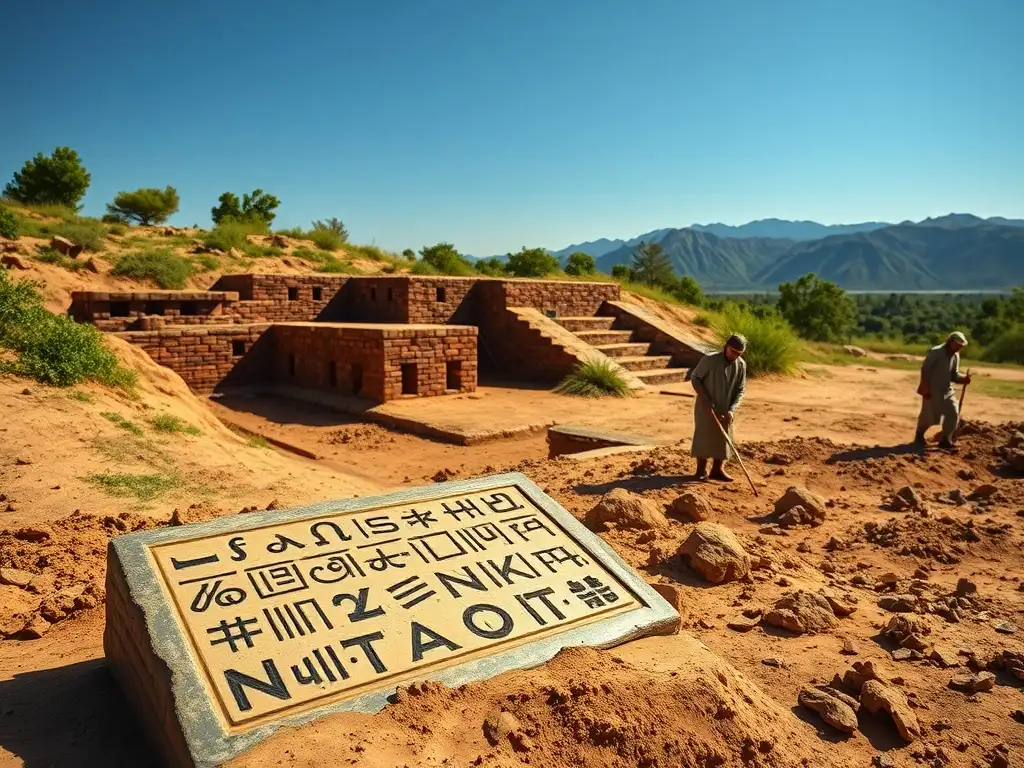
Welcome to Ancient India History, where we embark on a fascinating journey through time to uncover the rich tapestry of ancient Indian civilizations. In our featured article, The Indus Valley Script: Clues to a Lost Civilization, we delve deep into the enigmatic Indus Valley civilization history—a story filled with intrigue, innovation, and unanswered questions. What secrets lie hidden within the ancient inscriptions that have perplexed scholars for centuries? Join us as we unravel the mysteries of this remarkable civilization and explore its profound contributions to our world. Prepare to ignite your curiosity and delve into the depths of history!
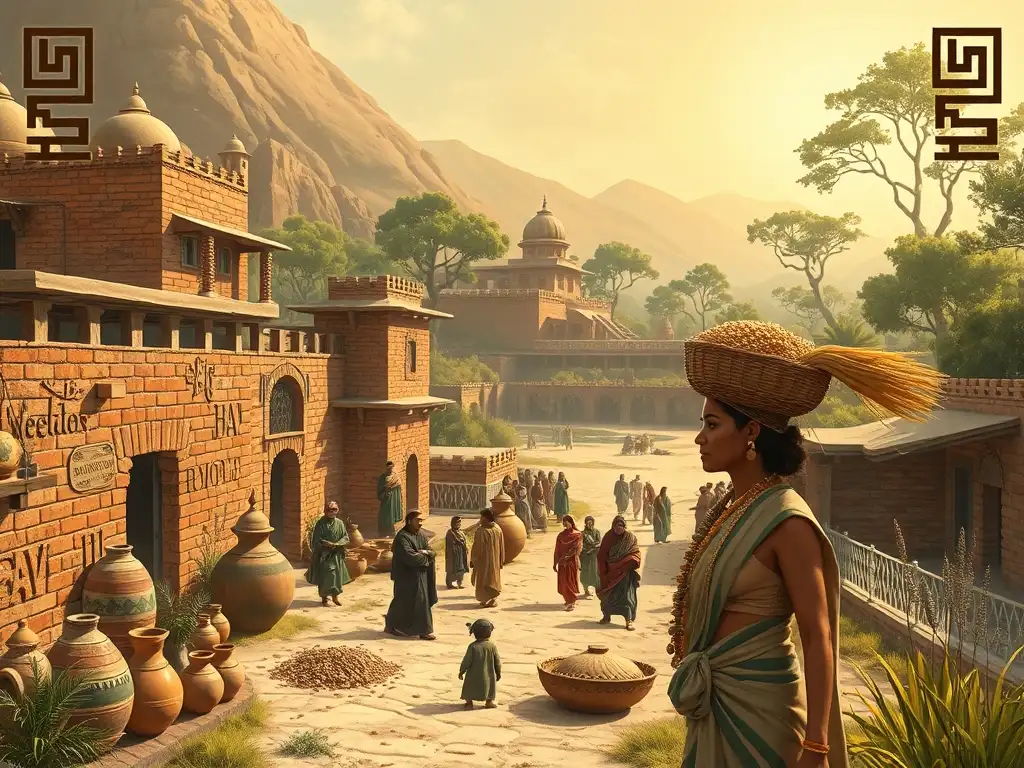
Introduction to the Indus Valley Civilization History
The Indus Valley Civilization, one of the world's earliest urban societies, flourished from approximately 3300 to 1300 BCE in what is now Pakistan and northwest India. This ancient civilization is renowned for its advanced urban planning, impressive architecture, and sophisticated social organization. However, one of the most intriguing aspects of the Indus Valley Civilization is its script, often referred to as the Indus script.
Despite numerous attempts, this script remains undeciphered, presenting a tantalizing mystery about the culture and daily life of its people. In this article, we will delve into the significance of the Indus Valley Script as a vital key to unlocking the history of this remarkable civilization.
Overview of the Indus Valley Civilization
The Indus Valley Civilization, also known as the Harappan Civilization, is celebrated for its remarkable achievements in various fields, including trade, agriculture, and craft production. It encompassed a vast territory, stretching from the Indus River basin to parts of modern-day Afghanistan, Iran, and India. The civilization is characterized by its well-planned cities, such as Harappa and Mohenjo-Daro, which featured advanced drainage systems, standardized fired brick construction, and public baths.
The economic foundation of the Indus Valley was primarily agricultural, with evidence of cotton cultivation and the domestication of animals. Trade networks extended far beyond the region, connecting the Indus Valley with Mesopotamia and other ancient cultures. The inhabitants engaged in the exchange of goods, including pottery, jewelry, and textiles, illustrating a vibrant economy.
Importance of the Indus Valley Script in Understanding History
The Indus script is a crucial element in the study of the Indus Valley Civilization history. Although many inscriptions have been discovered on seals, pottery, and other artifacts, the script's undeciphered nature has posed significant challenges to historians and linguists. The inscriptions, often consisting of short sequences of symbols, provide essential clues about the socio-political structure, religious beliefs, and daily life of the Harappans.
Understanding the script could unlock insights into the civilization's administration, trade practices, and cultural expressions. Moreover, deciphering the script would establish connections with other ancient writing systems, potentially revealing interactions with neighboring civilizations. Therefore, the Indus Valley Script is not merely a collection of symbols; it represents a bridge to the past, holding keys to a lost civilization's history.
The Historical Context of the Indus Valley Civilization
Geographical Location and Its Significance
The geographical expanse of the Indus Valley Civilization played a pivotal role in its development. Situated in a fertile floodplain, the region benefited from the monsoon rains and the resources of the Indus River. This advantageous location facilitated agriculture, enabling the civilization to flourish. Additionally, the proximity to trade routes connecting the east and west enhanced its economic prosperity, allowing for the exchange of goods and ideas.
The strategic location also influenced the architectural and urban planning aspects of the civilization. Major cities were designed with a remarkable level of organization, emphasizing the importance of water management and sanitation. The significance of geography in shaping the Indus Valley Civilization cannot be overstated; it was a crucial factor in its rise and longevity.
Timeline of the Indus Valley Civilization
The timeline of the Indus Valley Civilization can be segmented into distinct phases, which reflect its growth and eventual decline:
- Early Harappan Phase (c. 3300–2600 BCE): Characterized by the emergence of agriculture and the development of early settlements.
- Mature Harappan Phase (c. 2600–1900 BCE): Marked by the establishment of major urban centers, advanced craft production, and trade networks.
- Late Harappan Phase (c. 1900–1300 BCE): A period of decline, where urban centers began to disintegrate, leading to the gradual disappearance of the civilization.
This timeline not only illustrates the evolution of the Indus Valley Civilization but also provides context for the development of its writing system.
Major Cities and Urban Planning Features
The Indus Valley Civilization was home to several major cities, each showcasing remarkable urban planning features. Noteworthy cities include:
- Harappa: Known for its grid-like layout and advanced drainage systems.
- Mohenjo-Daro: Famous for the Great Bath, which indicates a sophisticated approach to public hygiene and ritual practices.
- Dholavira: Renowned for its innovative water conservation systems and large-scale architectural structures.
These urban centers were meticulously planned, with streets laid out in a grid pattern, residential areas, and public spaces, highlighting the civilization's commitment to organization and community welfare. The impressive urban planning features of these cities reflect the advanced societal structure and the technological prowess of the Indus Valley people.
Understanding the Indus Valley Script
The Indus Valley Script is one of the most enigmatic aspects of the Indus Valley civilization history, which flourished from approximately 3300 to 1300 BCE in what is now modern-day Pakistan and northwest India. This script is primarily found on seals, pottery, and other artifacts unearthed at various archaeological sites such as Harappa and Mohenjo-Daro. Comprising around 400 distinct symbols, the script remains largely undeciphered, which poses a significant challenge for historians and linguists alike.
The script is believed to represent a form of writing used by the urban centers of the Indus Valley civilization to communicate, document transactions, and perhaps even convey religious or administrative messages. Despite its undeciphered status, the existence of this script indicates that the Indus Valley civilization had developed a sophisticated system of communication, reflecting the complexity of their society.
Characteristics of the Indus Valley Script
The Indus Valley Script exhibits several distinguishing characteristics that set it apart from other writing systems of the ancient world.
- Pictographic Nature: The symbols often resemble objects or ideas, suggesting a pictographic origin. For instance, some characters depict animals, plants, or human figures, which may indicate their meanings or associations.
- Linear Style: The script is generally linear, with most symbols being arranged in horizontal lines. This layout suggests a structured approach to writing, possibly indicating the direction of reading.
- Lack of Directionality: Unlike many scripts that have a defined direction (left to right or right to left), the Indus Valley Script has been found in various orientations, raising questions about its reading method.
- Short Length: The inscriptions are typically brief, with most texts consisting of a few symbols. This brevity complicates the process of decipherment, as longer texts are often needed to establish linguistic patterns.
These characteristics provide valuable insights into the potential uses and functions of the script within the Indus Valley civilization, yet they also present formidable challenges for understanding its meaning.
Comparison with Other Ancient Scripts
When comparing the Indus Valley Script with other ancient scripts, notable similarities and differences emerge.
- Cuneiform: Developed by the Sumerians, cuneiform is one of the earliest known writing systems. Unlike the Indus script, which remains largely undeciphered, cuneiform has been extensively studied and translated, allowing for rich historical narratives.
- Hieroglyphics: Ancient Egyptian hieroglyphs share some pictographic elements with the Indus Valley Script. However, hieroglyphics are better understood due to the discovery of the Rosetta Stone, which provided a bilingual text for translation.
- Chinese Characters: Both the Indus Valley Script and Chinese characters have pictographic origins, yet Chinese has evolved into a phonetic system over time. The Indus script, in contrast, has not been established as a phonetic writing system.
This comparison illustrates the unique position of the Indus Valley Script within the broader context of ancient writing systems, highlighting its unresolved mysteries and the challenges of understanding its context and function.
Theories on the Origin of the Script
The origin of the Indus Valley Script remains a subject of intense debate among scholars, with various theories proposed to explain its emergence.
- Proto-Writing: Some researchers suggest that the Indus script may have evolved from proto-writing systems used for trade and communication among various cultures in the region. This theory posits that the need for record-keeping in an increasingly complex society led to the development of a formal script.
- Linguistic Roots: Others theorize that the script may represent an early form of an unknown language. This hypothesis is supported by the presence of symbols that appear to represent distinct sounds or syllables, though no consensus has been reached on the language itself.
- Cultural Exchange: Given the Indus Valley civilization's extensive trade networks, some scholars argue that the script may have been influenced by other contemporary civilizations, such as Mesopotamia or the Elamites. This cultural exchange might have contributed to the development of their unique writing system.
Each of these theories offers a different perspective on the origins of the Indus Valley Script, yet none has been definitively proven, leaving the script's roots shrouded in mystery.
The Challenges of Deciphering the Indus Valley Script
Deciphering the Indus Valley Script presents numerous challenges, primarily due to its unique characteristics and the circumstances surrounding its discovery.
Lack of Bilingual Texts and Contextual Clues
One of the most significant obstacles in deciphering the Indus Valley Script is the absence of bilingual texts, which have proven crucial in understanding other ancient scripts. For example, the Rosetta Stone was key in deciphering Egyptian hieroglyphs because it contained the same text in three languages. In contrast, researchers have not yet found any inscriptions in the Indus Valley Script that can be confidently linked to known languages, complicating efforts to decode its symbols.
Furthermore, the context in which these inscriptions were found often lacks the necessary clues to provide insight into their meanings. Without accompanying texts or clear situational context, interpreting the symbols becomes a daunting task, hindering progress in understanding the script's linguistic structure.
The Role of Archaeological Discoveries
Archaeological discoveries play a crucial role in shedding light on the Indus Valley Script, but they also introduce complexities. The sheer volume of artifacts, many of which are fragmentary, means that researchers must sift through vast amounts of data to identify patterns.
Additionally, the conditions under which these artifacts were preserved can affect their readability. For instance, erosion and wear may obscure symbols, making accurate interpretation difficult. The sporadic nature of archaeological finds also means that researchers often have to work with incomplete data, which can lead to varying interpretations and hinder consensus on the script's meaning.
Linguistic Theories and Their Limitations
Various linguistic theories have been proposed to decipher the Indus Valley Script, yet each has its limitations.
- Structural Analysis: Some scholars have attempted to analyze the script using structural linguistics, looking for recurring patterns or symbols that may indicate grammatical rules. However, the limited corpus of inscriptions complicates this approach, as insufficient data makes it challenging to draw definitive conclusions.
- Comparative Linguistics: Another approach involves comparing the Indus Valley Script with known languages. While this method can yield insights, it is fraught with difficulties due to the script's uniqueness and the lack of a clear linguistic family to which it belongs.
- Symbol Frequency Studies: Researchers have also conducted studies on the frequency of specific symbols in the inscriptions, attempting to identify commonly used characters. While this method can help establish some patterns, it does not necessarily lead to a comprehensive understanding of the script's overall meaning.
These linguistic theories highlight the complexities involved in deciphering the Indus Valley Script, illustrating the multifaceted challenges faced by scholars in their quest to unlock the secrets of this ancient civilization.
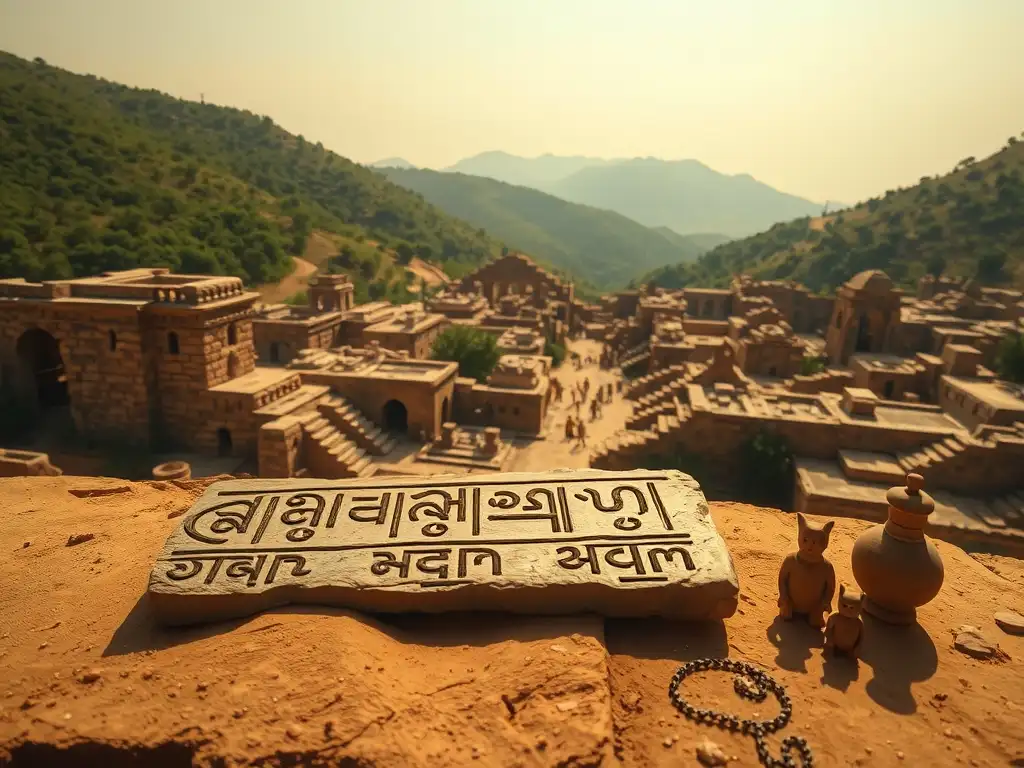
The Indus Valley Script remains one of the most intriguing elements of the Indus Valley civilization history. Despite extensive archaeological efforts, the script has yet to be fully deciphered, leading researchers to propose various theories regarding its meaning and function. Key findings suggest that the script consists of about 400 distinct symbols, which may represent a form of writing used for administrative, commercial, or ritual purposes. The presence of inscribed seals, pottery, and other artifacts indicates that this script was likely employed in daily life and trade.
Major Archaeological Sites and Artifacts
Several archaeological sites have yielded significant artifacts bearing the Indus Valley Script. The most notable sites include:
- Harappa: One of the principal urban centers, where numerous seals have been unearthed, featuring the script prominently.
- Mohenjo-Daro: Another major city, known for its advanced urban planning, where inscriptions have been found on various materials, including terracotta and steatite.
- Dholavira: An important site with a unique water conservation system, Dholavira has provided some of the longest inscriptions found to date, suggesting complex communication.
These sites illustrate the widespread use of the script across the civilization and provide essential clues to its historical context.
Inscriptions and Their Locations
Inscriptions have been discovered across various locations within the Indus Valley, often on seals, pottery, and other artifacts. Notable examples include:
- Seals: Many seals feature the script alongside animal motifs, suggesting they may have served as identifiers for trade goods or ownership.
- Pottery: Some pottery pieces bear inscriptions that may denote content, ownership, or cultural significance.
- Tablets: Inscriptions on clay tablets have been found, hinting at record-keeping practices.
The distribution of these inscriptions across different sites indicates a shared linguistic and cultural framework within the Indus Valley civilization.
Symbolic Meaning and Possible Language Structure
The symbolic meaning of the Indus Valley Script continues to be a subject of extensive research. Scholars have proposed that the script could represent an early form of writing that combines logographic and syllabic elements. Some hypotheses suggest that the symbols might convey complex ideas, possibly related to trade, governance, or spiritual beliefs.
The script's structure remains ambiguous, and while some researchers believe it could relate to Dravidian languages, others argue for the possibility of a unique language altogether. The lack of bilingual inscriptions, like those found in other ancient scripts, complicates the deciphering process, leaving us with tantalizing but elusive clues about its linguistic nature.
The Cultural Significance of the Indus Valley Script
The cultural significance of the Indus Valley Script extends beyond mere communication; it offers insights into the civilization's social, economic, and spiritual dimensions. Understanding this script is key to unlocking the broader narratives of the Indus Valley civilization.
Insights into Trade and Economy through Inscriptions
Inscriptions from the Indus Valley suggest a highly developed trade network. The presence of seals bearing the script indicates that they were likely used as trade markers, possibly denoting ownership or authenticity of goods. Archaeological evidence shows that these seals were widely distributed, not only within the Indus Valley but also in regions as far as Mesopotamia. This cross-cultural exchange highlights the economic sophistication of the civilization, as well as the necessity for a written system to manage complex trade relationships.
Religious and Spiritual Implications of the Script
The Indus Valley Script also provides clues to the religious and spiritual beliefs of its people. Certain symbols may represent deities or important spiritual concepts. The presence of seals depicting animals, possibly associated with worship or ritual practices, suggests a rich spiritual life. Moreover, the locations of various inscriptions near ceremonial sites hint at the integration of writing into religious observances, underscoring the script's role in conveying spiritual messages or instructions.
Social Structure Reflected in Written Records
The structure and content of inscriptions can reveal much about the social hierarchy of the Indus Valley civilization. Seals often bear symbols that might indicate the status or profession of individuals, suggesting a stratified society with distinct roles. The use of the script in administrative contexts likely points to organized governance, indicating that literacy was a tool of power and control. Overall, the Indus Valley Script serves as a window into the complexities of social life in this ancient civilization, reflecting not only its economic and spiritual dimensions but also its organizational sophistication.
Theories and Hypotheses on Decipherment
The Indus Valley Script remains one of the most elusive mysteries in the study of ancient civilizations. Over the years, numerous theories and hypotheses have emerged regarding its potential meanings and the language it represents. Scholars have focused on various approaches, including structural analysis, comparative linguistics, and computer-assisted decipherment. Each of these methods has its strengths and challenges, highlighting the complexity of the script and the society it derived from.
Some researchers propose that the script may represent a proto-writing system, while others suggest it could be a fully developed writing system akin to those of Mesopotamia or Egypt. The lack of a Rosetta Stone-like bilingual text for the Indus Valley Script adds to the difficulty of decipherment, leading to speculation that it may not represent a single coherent language but rather a collection of symbols used for different purposes—perhaps administrative, religious, or commercial.
Overview of Major Decipherment Attempts
Throughout the years, various scholars have attempted to decipher the Indus Valley Script, each contributing to the evolving understanding of this ancient writing system. Early efforts in the 19th and 20th centuries, notably by Sir John Marshall and others, focused on cataloging the inscriptions found on seals, pottery, and other artifacts. These initial studies laid the groundwork for subsequent research.
One of the most notable attempts was made by I. M. Diakonov, who suggested that the script might be related to Dravidian languages. His hypothesis sparked debates among linguists regarding potential linguistic connections. Additionally, researchers like Asko Parpola and Michael Witzel have utilized statistical analysis and comparative linguistic methods to draw parallels between the Indus Valley Script and known languages, although consensus remains elusive.
Current Leading Theories in Indus Valley Script Studies
At present, several prominent theories dominate the discourse on the Indus Valley Script. One leading hypothesis suggests that the script is logographic, wherein symbols represent words or morphemes. This theory posits that the script could have been used to communicate complex ideas, similar to Chinese characters.
Another theory posits a syllabic nature, implying that the script may reflect a phonetic system where symbols correspond to specific sounds. This approach aligns with the structure of many modern writing systems and has led researchers to explore potential links with the Proto-Indo-European language family.
Recent advancements in technology, such as machine learning and pattern recognition, have also opened new avenues for decipherment. These tools allow researchers to analyze large datasets of inscriptions systematically, searching for recurring patterns that may provide insight into the script’s meaning.
Future Directions for Research and Discovery
The future of Indus Valley Script research appears promising, with ongoing advancements in technology and interdisciplinary collaboration. Researchers are increasingly utilizing computational methods to analyze inscriptions, potentially yielding breakthroughs in understanding the script's structure and applications.
Moreover, excavations in the Indus Valley region continue to uncover new artifacts, which may provide additional context for the script. Collaborative efforts between archaeologists, linguists, and historians are essential to build a comprehensive picture of the Indus Valley civilization and its writing system.
In addition, there is a growing interest in studying the social and cultural contexts of the Indus Valley civilization. By examining the artifacts alongside the script, scholars may gain insights into the daily lives, customs, and governance of the people who used this writing system.
Conclusion: The Legacy of the Indus Valley Script
The Indus Valley Script remains a tantalizing enigma, offering clues to a civilization that thrived thousands of years ago. Its legacy is not merely in the symbols etched onto seals and pottery but also in the profound questions it raises about language, communication, and culture.
Summary of Key Insights into Indus Valley Civilization History
The study of the Indus Valley Script has revealed critical insights into the history of the Indus Valley civilization. It suggests a society that was sophisticated in trade, governance, and possibly even in the realms of philosophy and religion. The script's presence across various materials indicates a complex administrative system and a rich cultural tapestry.
The Importance of Continued Research in Epigraphy
Continued research in epigraphy is vital for unlocking the secrets of the Indus Valley civilization. As new methodologies emerge and interdisciplinary collaborations flourish, the potential for significant discoveries increases. Understanding the script could provide invaluable insights into the social structures, beliefs, and interactions of one of the world's earliest urban cultures.
Final Thoughts on the Significance of the Indus Valley Script in Understanding Ancient Cultures
The Indus Valley Script is not just a subject of academic curiosity; it serves as a key to understanding the broader narrative of ancient human civilization. As researchers strive to decipher its mysteries, they contribute to a richer comprehension of humanity's past, highlighting the intricate connections between language, culture, and identity. The significance of the Indus Valley Script lies not only in its historical context but also in its potential to reshape our understanding of ancient cultures and their legacies in the modern world.
- Introduction to the Indus Valley Civilization History
- The Historical Context of the Indus Valley Civilization
- Understanding the Indus Valley Script
- The Challenges of Deciphering the Indus Valley Script
- Key Findings Related to the Indus Valley Script
- The Cultural Significance of the Indus Valley Script
- Theories and Hypotheses on Decipherment
- Conclusion: The Legacy of the Indus Valley Script
- What is the Indus Valley civilization history?
- What are the key features of the Indus Valley Script?
- How did the Indus Valley civilization contribute to later cultures?
- What archaeological sites are significant for studying the Indus Valley civilization?
- Why is the study of the Indus Valley civilization important today?
Frequently Asked Questions
What is the Indus Valley civilization history?
The Indus Valley civilization was one of the world's earliest urban cultures, flourishing around 2500 BCE in regions of modern-day Pakistan and northwest India, noted for its advanced city planning and trade systems.
What are the key features of the Indus Valley Script?
The Indus Valley Script remains undeciphered, consisting of symbols found on seals and pottery, believed to represent the writing system used by this ancient civilization, hinting at their complex communication.
How did the Indus Valley civilization contribute to later cultures?
The Indus Valley civilization laid the groundwork for subsequent cultures in the region, influencing art, urban planning, and trade practices that shaped the historical trajectory of ancient India.
What archaeological sites are significant for studying the Indus Valley civilization?
Key sites like Harappa and Mohenjo-Daro provide essential insights into the urban planning, architecture, and daily life of the Indus Valley civilization, showcasing advanced infrastructure and societal organization.
Why is the study of the Indus Valley civilization important today?
Understanding the Indus Valley civilization history helps scholars uncover the roots of modern Indian society, offering valuable lessons in urbanization, trade, and cultural exchange that continue to resonate in contemporary contexts.
Final Reflection: Unraveling the Mysteries of the Indus Valley Civilization
The exploration of the Indus Valley civilization history not only sheds light on a remarkable ancient society but also underscores the enduring quest for knowledge about our past. Today, as we grapple with the complexities of our modern world, the lessons from the Indus Valley remind us of the importance of understanding our roots. The remnants of this civilization, with their sophisticated urban planning and enigmatic script, serve as a striking testament to human ingenuity and resilience.
Culture is a living entity, shaped by the echoes of history. The Indus Valley civilization continues to influence contemporary discussions about urbanization, trade, and societal organization. As we study their achievements and challenges, we are reminded of the interconnectedness of human experiences across time. History is not a burden on the memory but an illumination of the soul.
This quote resonates deeply as we reflect on how the remnants of the Indus Valley civilization can inspire us to create a more harmonious and sustainable future.
As you ponder the insights gained from the Indus Valley civilization, I invite you to consider how these lessons can be applied in your own life. Reflect on the importance of preserving cultural heritage and fostering innovation in your community. Let the story of this lost civilization inspire you to seek knowledge, embrace diversity, and contribute to a world that honors its past while striving for a brighter future.
Unlock the Secrets of the Indus Valley!
Thank you for exploring the intriguing world of the Indus Valley Script with us! Your curiosity about this lost civilization has unraveled the mysteries of art, trade, and culture that shaped ancient India. Now, it’s time to elevate your interest even further!
Here’s how you can deepen your exploration:
- Join an online discussion group focused on ancient civilizations to connect with fellow enthusiasts and share insights.
- Visit your local library or museum to discover artifacts and literature related to the Indus Valley. Experience history in a tangible way.
- Share this article with your friends on social media and invite them to engage in conversations about this captivating topic!
What aspect of the Indus Valley civilization excites you the most? How do you believe it influences our understanding of history today?